Artwork
Ann overgrown tomb in Bengal
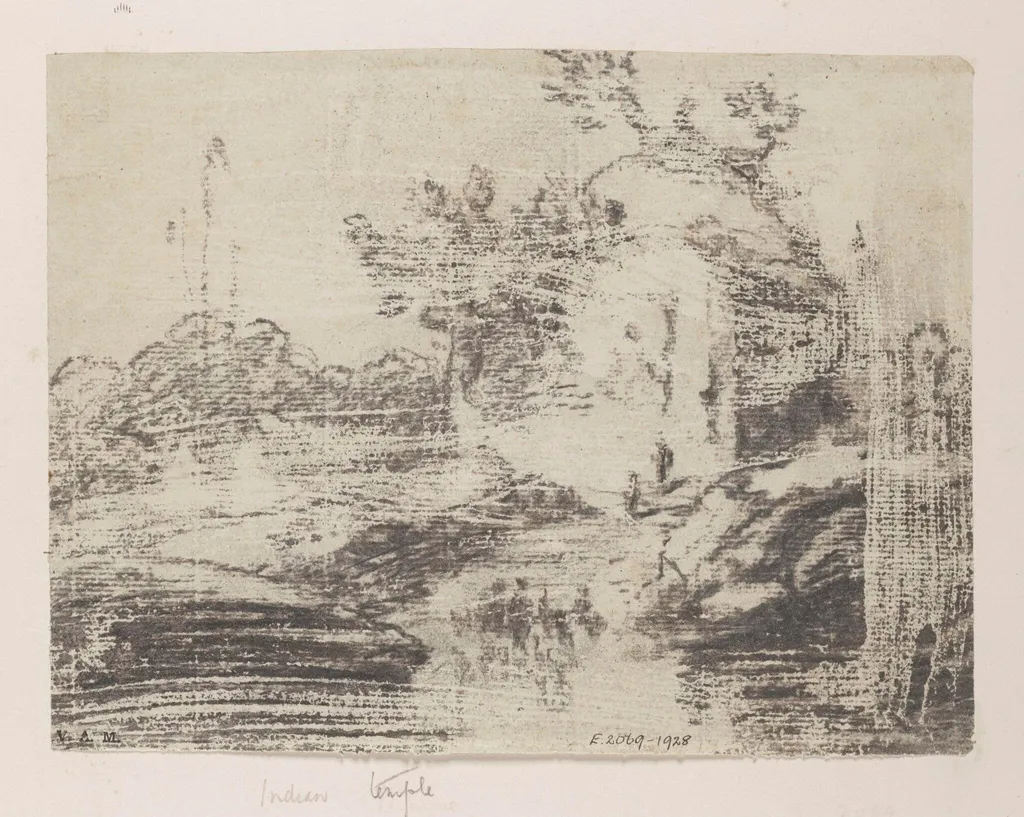
Ann overgrown tomb in Bengal is a drawing by the Romanticist artist George Chinnery. It dates from 16 and is held in the collection of the Victoria and Albert Museum. The work is a pen-and-ink drawing depicting a dilapidated, dome‑capped tomb set within a Bengali landscape.
About this work
Overview
The work is a pen-and-ink drawing depicting a dilapidated, dome‑capped tomb set within a Bengali landscape. The composition captures the structure’s weathered stone and surrounding vegetation, presenting a scene of decay and quiet.
Subject & Meaning
The ruined tomb, likely a historic mausoleum, is shown overtaken by foliage, suggesting themes of impermanence and the passage of time. Its isolated placement within the countryside emphasizes the contrast between human architecture and natural reclamation.
Technique & Style
The artist employed dense cross‑hatching to model form and convey texture, while frequent erasures and over‑scratches reveal a process of revision. These corrective marks expose the drawing’s developmental stages, offering insight into the creator’s method of refining line and tone.
History & Provenance
The drawing originates from an unspecified period, focusing on a site in Bengal. No further documentation of its ownership or exhibition history is currently available, limiting knowledge of its original context or intended audience.
Context
Bengal’s architectural heritage includes numerous Islamic tombs with domed roofs, many of which have suffered neglect. This work reflects a broader 19th‑century interest in recording regional monuments, often for scholarly or colonial purposes.
Artist & collection
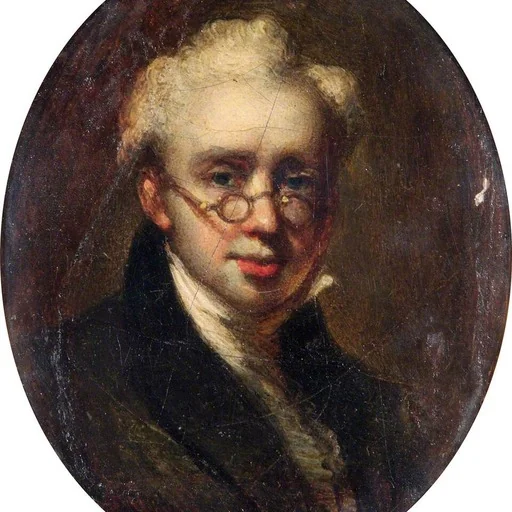
Artist
George Chinnery (Chinese: 錢納利; 5 January 1774 – 30 May 1852) was an English painter who spent most of his life in Asia, especially India and southern China.