Artwork
The Praya Grande, Macau
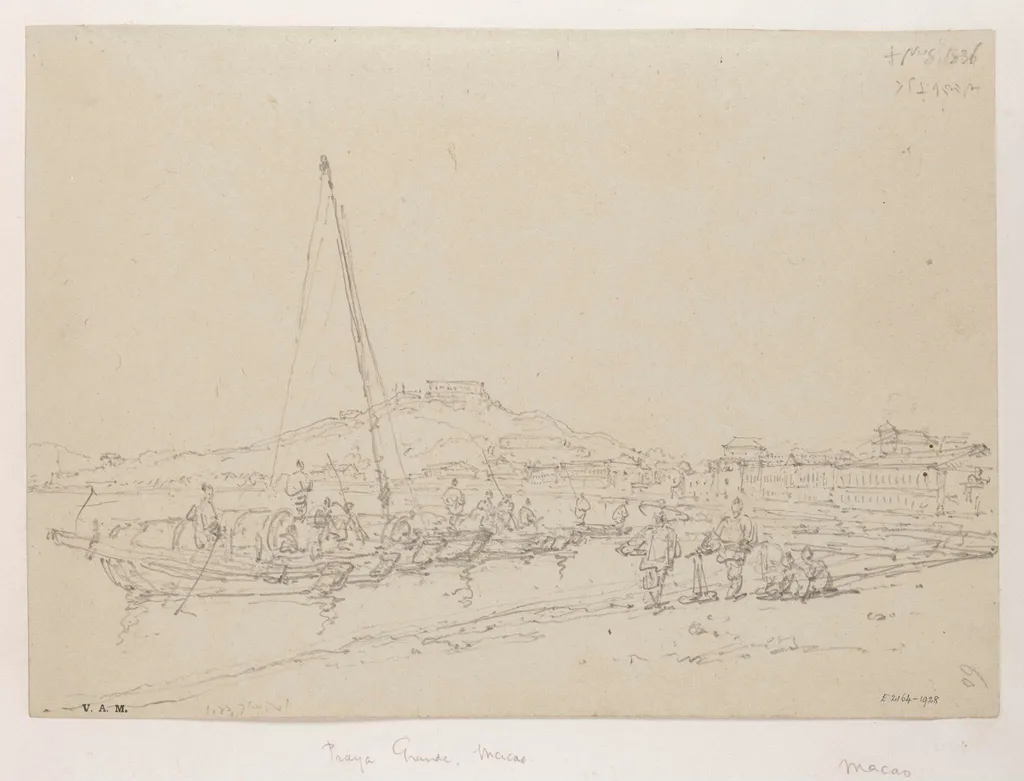
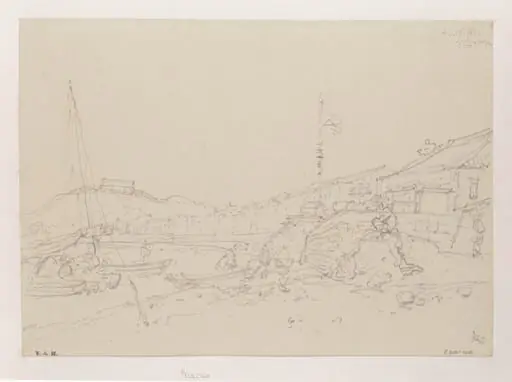
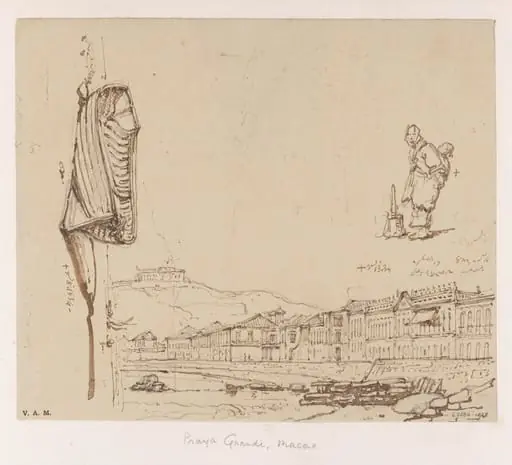
The Praya Grande, Macau is a drawing by the Romanticist artist George Chinnery. It dates from 6 and is held in the collection of the Victoria and Albert Museum.
About this work
The scene shows the bay’s curved waterfront, fishing boats, and Penha Hill in the background.
This is George Chinnery’s 1836 ink drawing of Macau’s Praya Grande. The scene shows the bay’s curved waterfront, fishing boats, and Penha Hill in the background. Tiny figures line the shore—some small boats bob near the rocks.
Chinnery lived in Macau for years, sketching daily life. He used quick, scratchy lines to capture movement and light. The drawing feels alive in a way you don’t expect from ink.
It’s a rare slice of 1800s Macau before big changes.
Overview
George Chinnery’s 1836 ink drawing depicts the Praya Grande, Macau’s bustling waterfront, viewed from the north-east toward Penha Hill. The composition captures the bay’s gentle curve, with fishing vessels clustered near the shore and scattered figures along the beach. Executed in rapid, expressive strokes, the work reflects Chinnery’s habit of sketching directly from life during his years in Macau, offering an unidealized glimpse of daily activity in the port.
Subject & Meaning
The scene portrays ordinary maritime life in mid-19th century Macau: fishermen mending nets, laborers moving along the shore, and small boats anchored in shallow water. There is no grand narrative, only the quiet rhythm of coastal existence. Chinnery’s focus on mundane details—weathered hulls, folded sails, solitary figures—suggests an interest in authenticity over spectacle, documenting a community shaped by trade and tides.
Technique & Style
Chinnery employed loose, agile ink lines to convey motion and atmosphere, avoiding heavy shading in favor of suggestive marks. The scratchy texture of the strokes mimics the flicker of sunlight on water and the rustle of fabric in the breeze. Figures are reduced to minimal contours, yet their postures imply action. The technique prioritizes immediacy over finish, reflecting the artist’s practice of on-site observation and rapid notation.
History & Provenance
Created during Chinnery’s two-decade residence in Macau, the drawing belongs to a body of work produced between the 1820s and 1850s. It was likely made for personal use or private circulation, not for public exhibition. The drawing remained in private hands until acquired by a public institution, where it now serves as a primary visual record of Macau’s pre-industrial harbor before colonial expansion transformed its landscape.
Context
In 1836, Macau was a Portuguese trading post with a mixed population of Chinese, Portuguese, and other merchants. The Praya Grande served as a vital hub for regional commerce and fishing. Chinnery’s drawing captures the city at a transitional moment, before steamships and modern infrastructure altered its character. His sketches provide rare visual evidence of a port city caught between tradition and encroaching global change.
Legacy
Chinnery’s Macau drawings, including this one, are among the earliest Western visual records of the region’s daily life. They offer historians and artists a direct, unfiltered view of 19th-century coastal society. Though not widely exhibited in his lifetime, these works have since become essential references for understanding the visual culture of southern China under early colonial influence.
Artist & collection
Artist
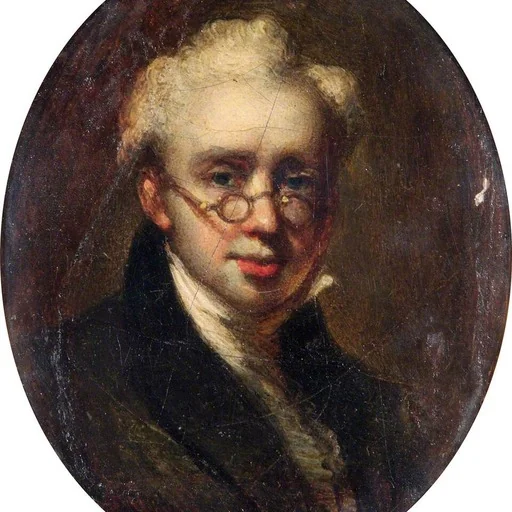
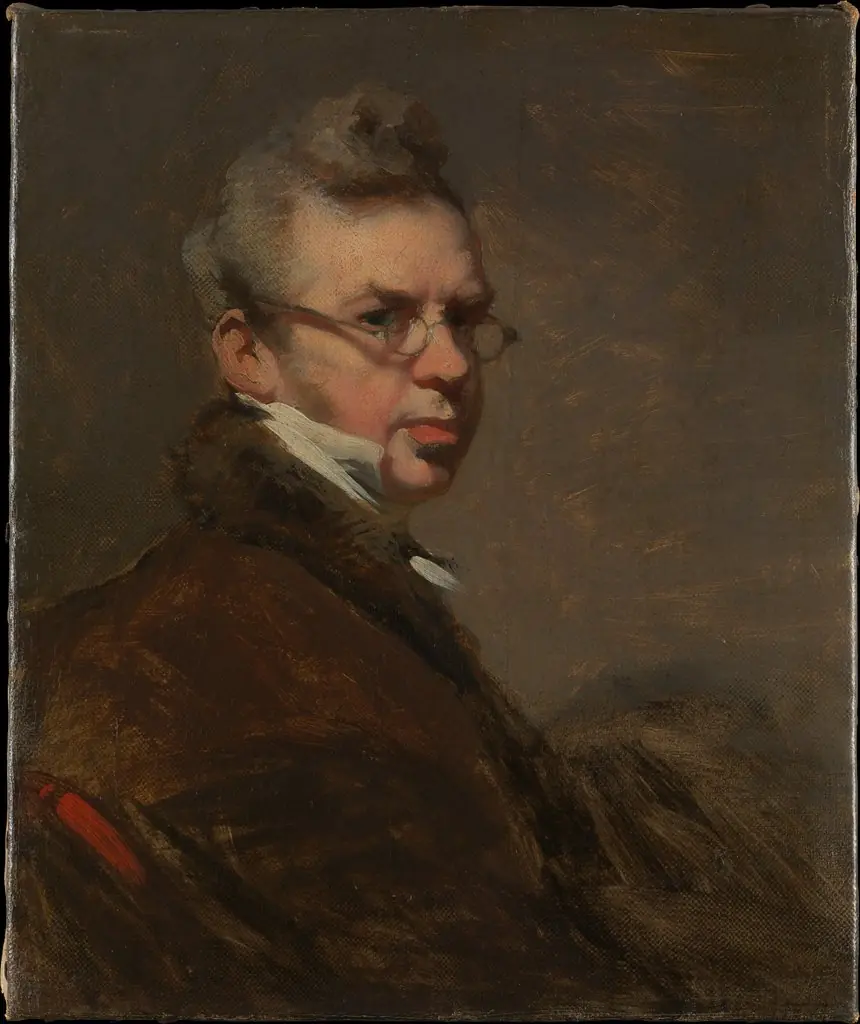
George Chinnery (Chinese: 錢納利; 5 January 1774 – 30 May 1852) was an English painter who spent most of his life in Asia, especially India and southern China.

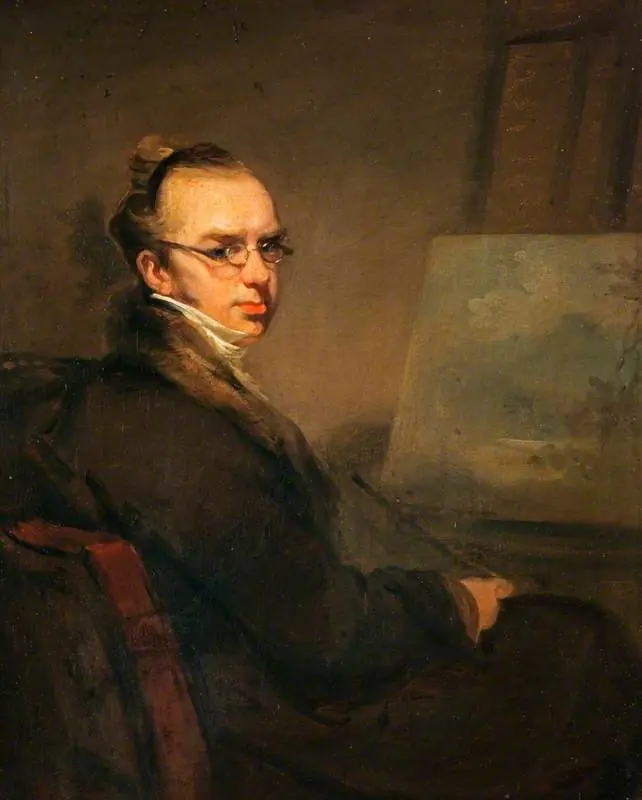
 The Praya Grande, Macau, from S. Pedro fort
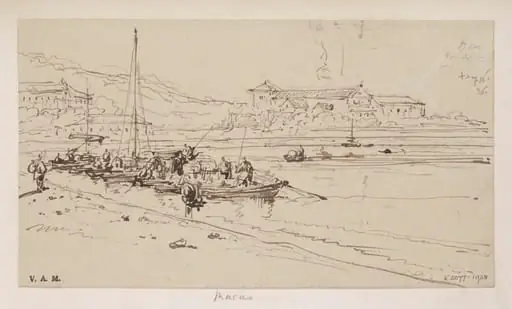 Tanka boats in the Praya Grande, Macau
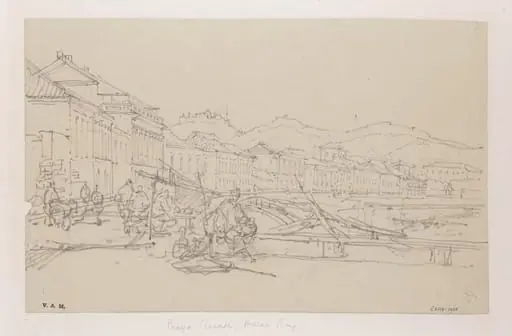 Houses on the Praya Grande, Macau, looking north-east
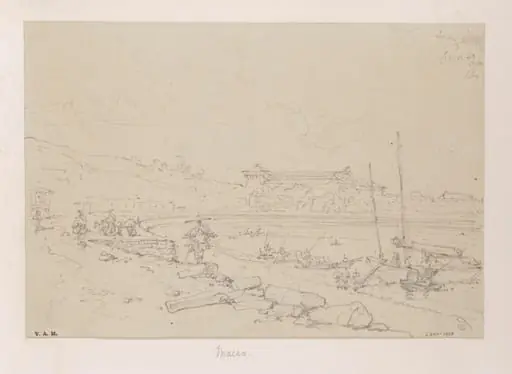 The church and convent of S. Francisco, Macau, from across the bay
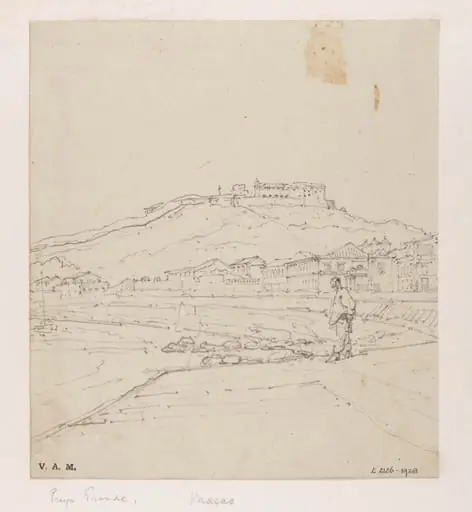 Part of the Praya Grande, Macau
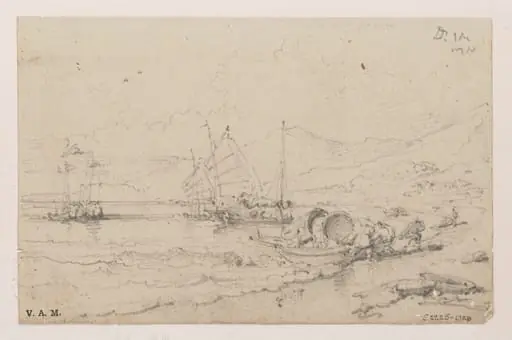 A drawing of the Praya Grande, Macau, with figures beaching a Tanka boat and other craft in the bay
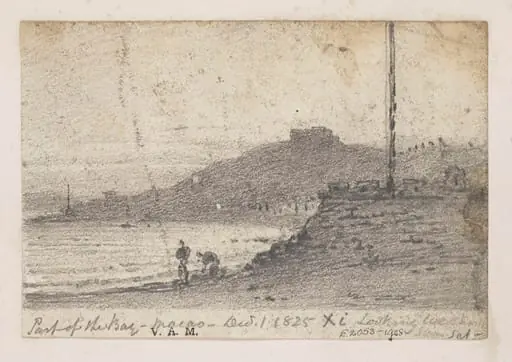 The Praya Grande, Macau, at sunset
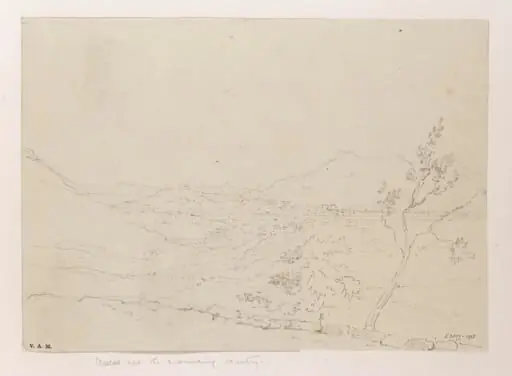 Macau, looking south-west along the peninsula
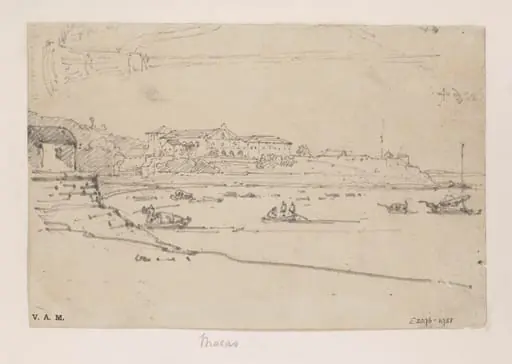 The convent and church of S. Francisco, Macau, seen from across the bay
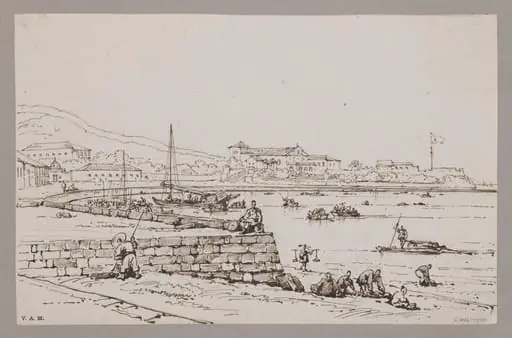 The bay, Macau, with the church and fort of S. Francisco
 The Praya Grande, Macau, with studies of a boatwoman and a rowing boat