Artwork
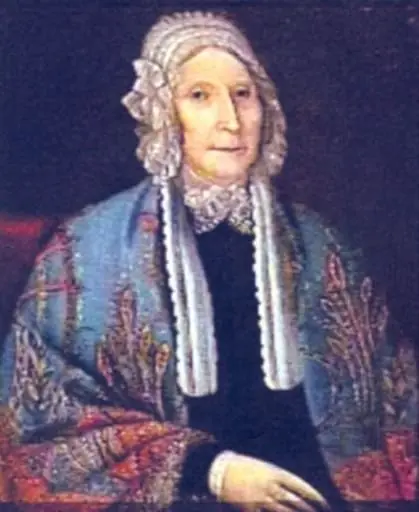
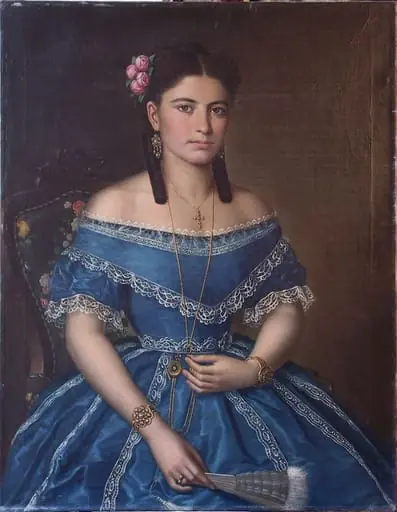
Portret de femeie cu rochie albastră
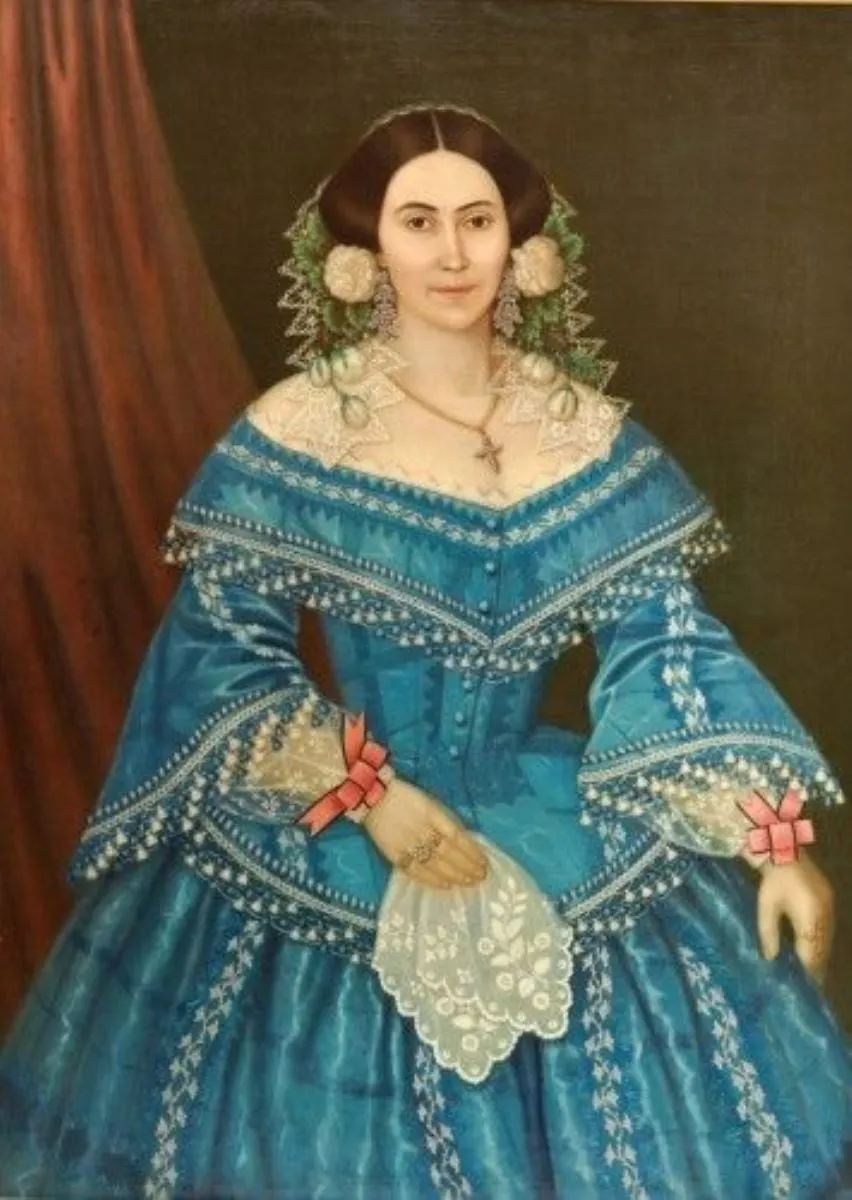
Portret de femeie cu rochie albastră is a print by Anton Chladek. It dates from 1844 and is held in the collection of the National Museum of Art of Romania.
About this work
Overview
Painted around 1844 by Anton Chladek, this portrait captures a woman in formal attire against a muted, dark background.
Painted around 1844 by Anton Chladek, this portrait captures a woman in formal attire against a muted, dark background. The composition emphasizes stillness and poise, with the subject positioned centrally. The work is part of the Museum of Ethnography’s collection, where it is studied as an example of 19th-century portraiture in Eastern Europe, reflecting regional tastes and technical approaches of the period.
Subject & Meaning
The woman, dressed in a blue gown with white lace trim and adorned with jewelry, presents a composed, serious demeanor. Her updo hairstyle and refined accessories suggest social standing, while the fan and elegant drapery imply cultivated manners. The absence of narrative context directs focus to her presence, positioning the portrait as a study of dignity and personal identity rather than a record of specific events or relationships.
Technique & Style
Chladek employs subtle chiaroscuro to model the figure’s form, with soft transitions between light and shadow enhancing the volume of the dress and face. The texture of lace and fabric is rendered with careful brushwork, though the background remains flat and dark, isolating the subject. The brushstrokes are controlled, avoiding overt impasto or sfumato, favoring clarity and precision over atmospheric effects.
History & Provenance
The painting entered the Museum of Ethnography’s holdings in the 20th century, likely through regional acquisitions or donations tied to cultural preservation efforts. Its attribution to Anton Chladek, a known portraitist in the Carpathian region, aligns with documented works from his mid-19th-century practice. No earlier provenance records are widely published, suggesting it may have remained in local collections before institutional acquisition.
Context
Created during a period of rising middle-class patronage in Eastern Europe, the portrait reflects the era’s emphasis on personal dignity and refined appearance. While not commissioned by nobility, the subject’s attire and demeanor mirror aristocratic ideals adapted for urban elites. Chladek’s work contributes to a broader regional tradition of portraiture that balanced local aesthetics with Western European conventions.
Legacy
The portrait remains a representative example of Chladek’s output and 19th-century regional portraiture. It is occasionally referenced in studies of non-elite visual culture in the Habsburg periphery. Though not widely exhibited beyond its home institution, it continues to inform scholarly understanding of how personal identity was visually constructed in provincial contexts during the era.
Artist & collection

Artist
Anton Chladek was a Romanian painter of Czech ancestry. He was known primarily for portraits in the Biedermeier style.

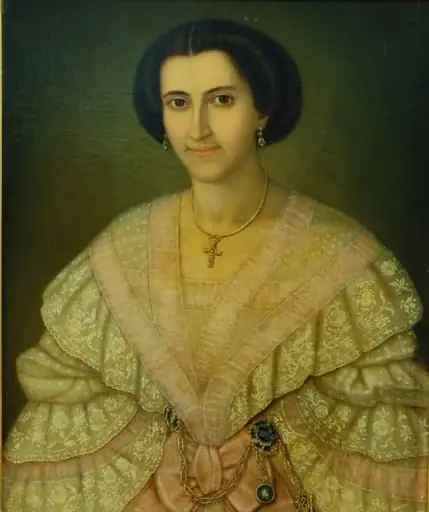
 Portret de femeie
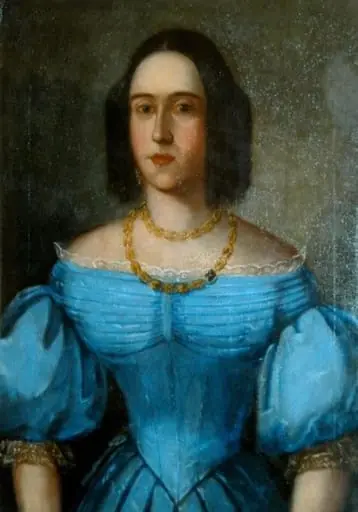 Portret de femeie
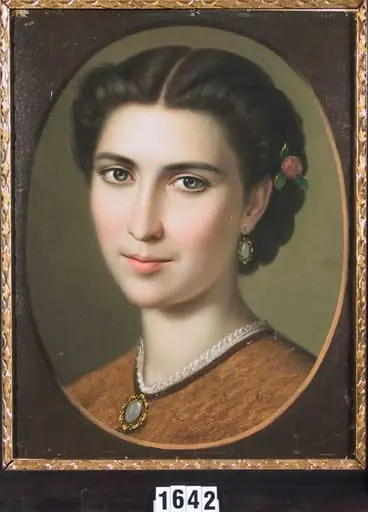 Portret de femeie
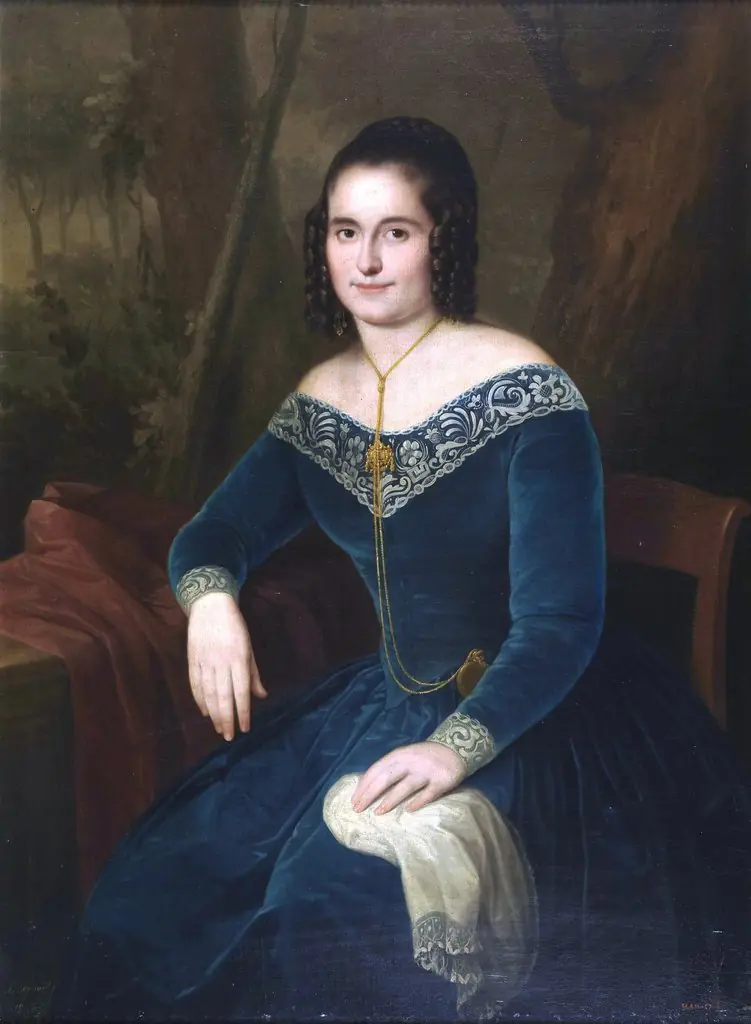 Amparo Romero
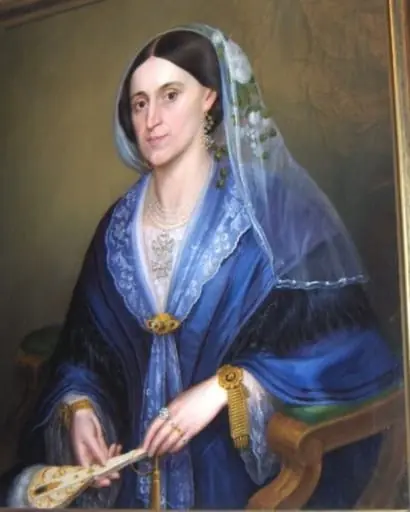 Sevastia Mureșianu
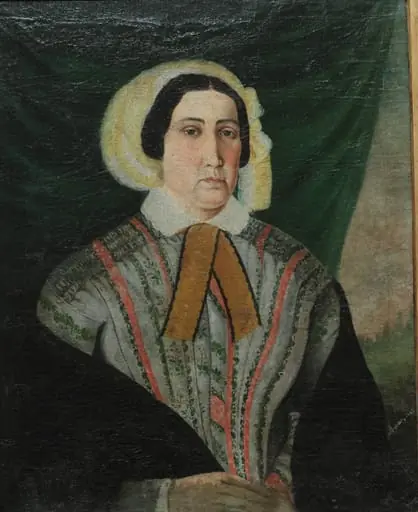 Portret de femeie
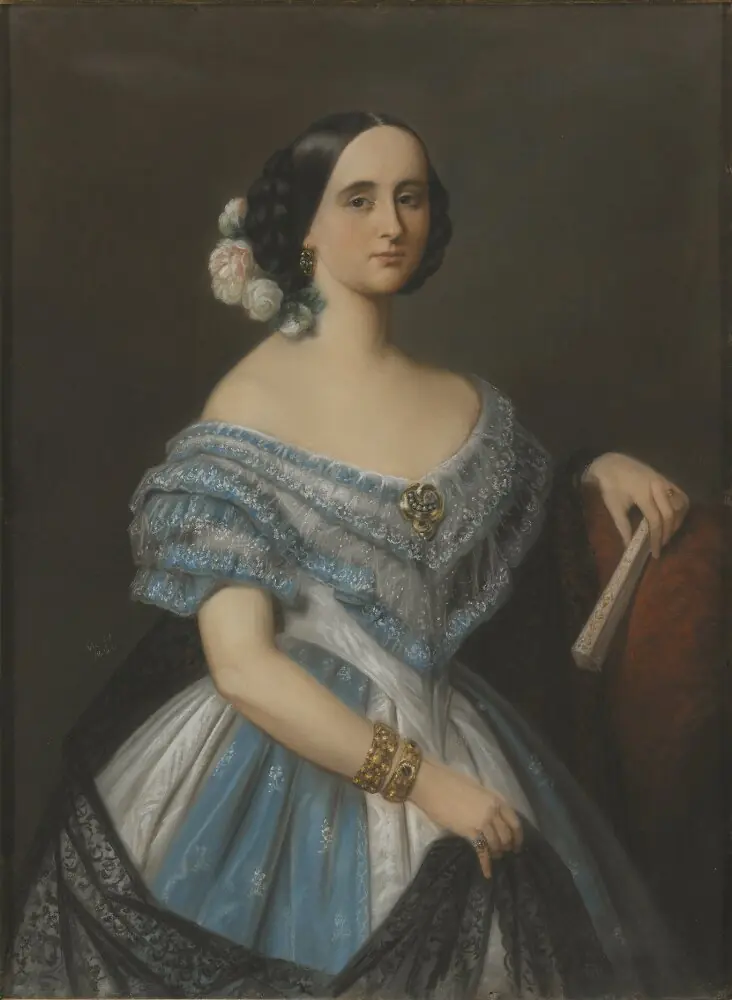 Julie (Julia Mathilda) Berwald, g. Åkerhielm af Margrethelund (1822-1877), operasångerska, gift med friherre hovmarskalk Gustaf Georg Knut Åkerhielm af Mergrethelund
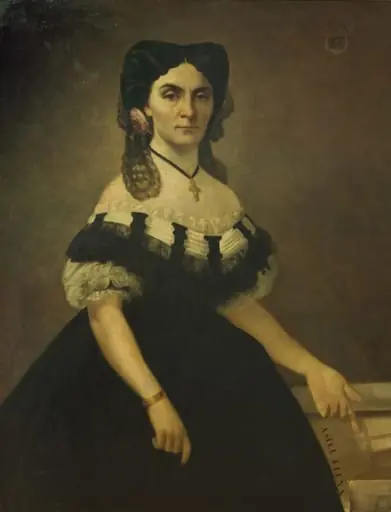 Portretul Elenei Cuza
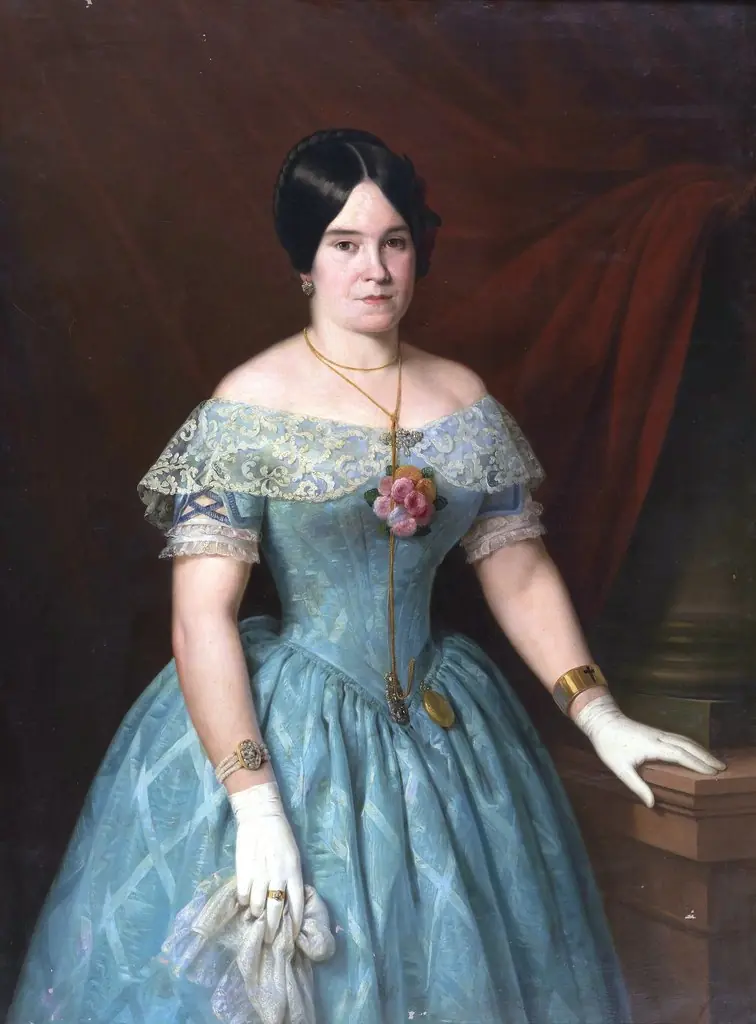 Retrato de señora
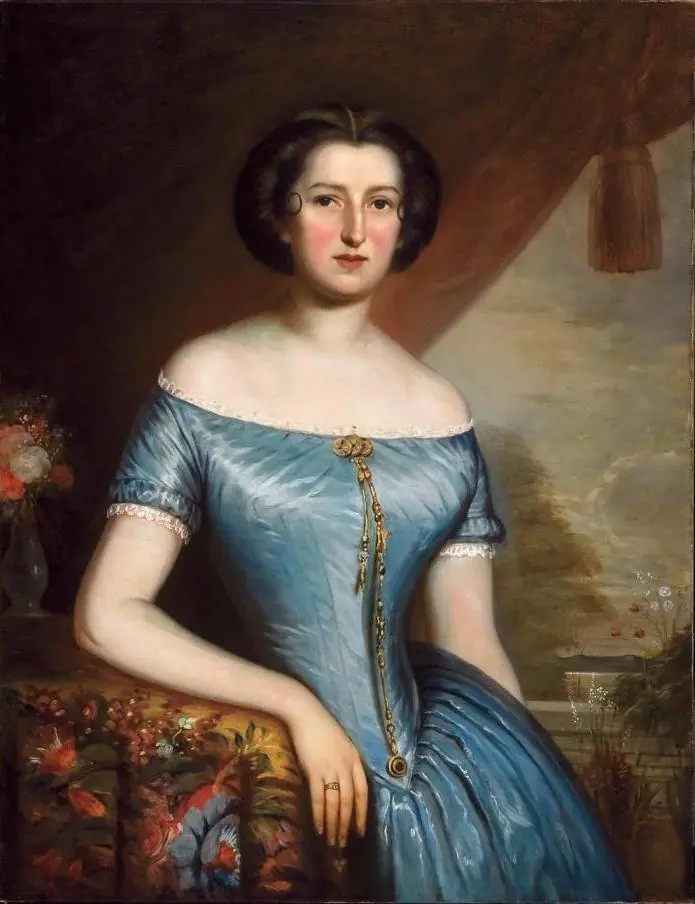 Portrait of Louise-Adèle Taschereau