Artwork
Portretul Elenei Cuza
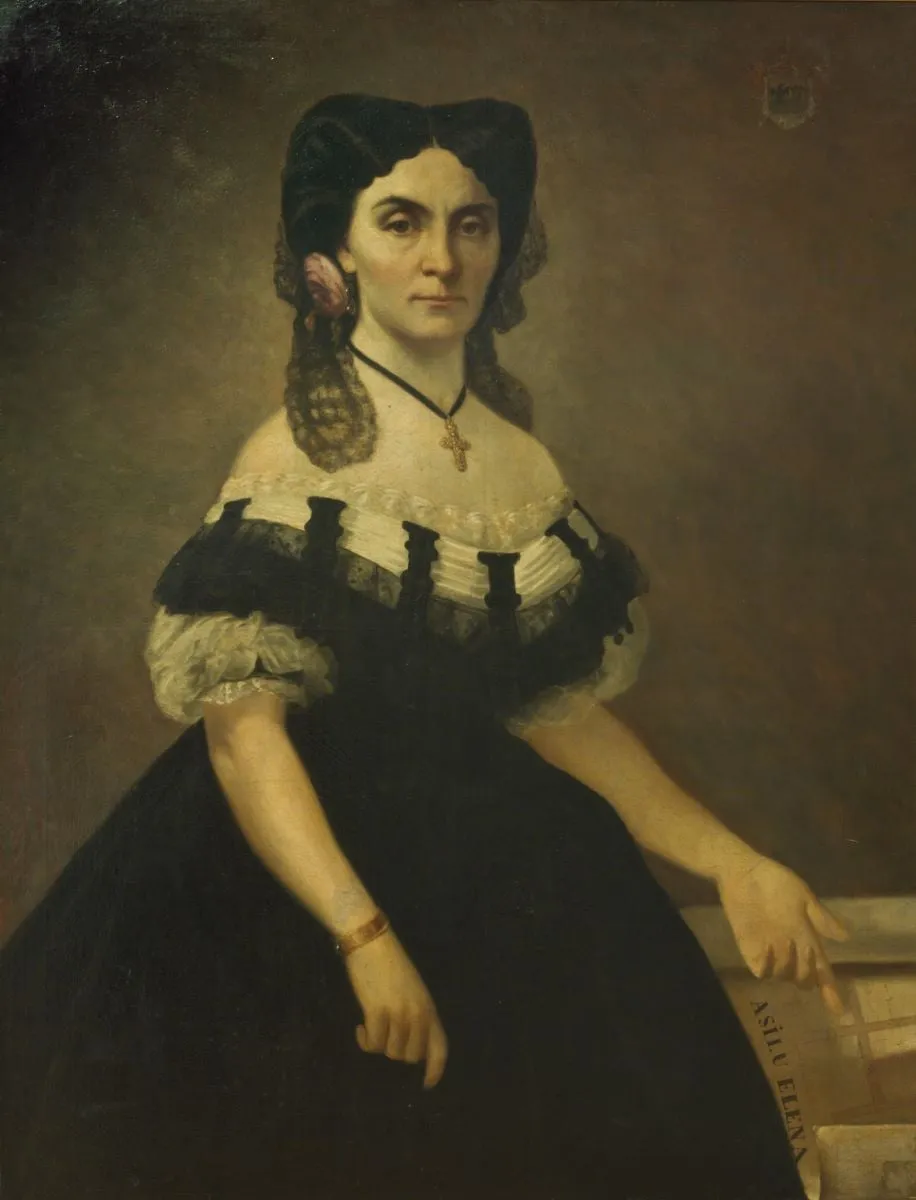
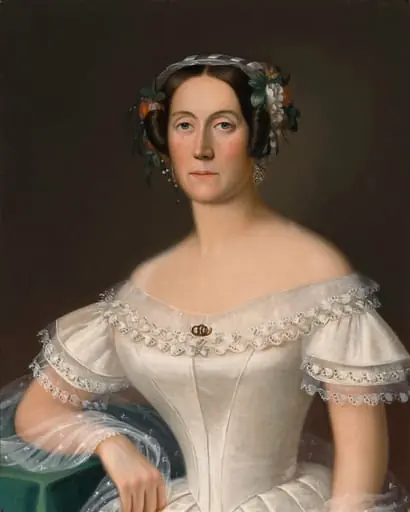
Portretul Elenei Cuza is an unspecified painting by the Impressionist artist Theodor Aman. It dates from 1863 and is held in the collection of the Bucharest Municipality Museum.
About this work
Overview
The portrait titled "Portretul Elenei Cuza" was painted by Romanian artist Theodor Aman in 1863. Executed as an oil on canvas, the work is part of the collection of the Museum of Ethnography, where it is displayed among other 19th‑century Romanian pieces.
Subject & Meaning
The composition presents a seated woman, attired in a dark gown trimmed with delicate lace. Her hair is gathered beneath a lace cap, and a modest necklace bearing a cross rests at her throat, suggesting a pious or familial identity. A fragment of a book or paper rests near her left hand, hinting at literacy or personal contemplation.
Technique & Style
Aman employs a restrained palette dominated by deep tones, allowing the white lace and the sitter’s pale skin to emerge as focal points. The handling of light creates a subtle chiaroscuro effect, modelling the figure against an unadorned, shadowed background and emphasizing volume without decorative distraction.
History & Provenance
Created shortly after Aman’s return from studies in Paris, the portrait entered the Museum of Ethnography’s holdings in the early 20th century, where it has remained a reference for Romanian portraiture of the period. Documentation links the work to the Cuza family, though the sitter’s precise identity is not definitively recorded.
Context
The painting reflects mid‑19th‑century Romanian artistic trends that combined academic training with national themes. Aman’s focus on realistic representation and modest domestic settings aligns with contemporary efforts to document the emerging middle class and their cultural values.
Artist & collection
Artist
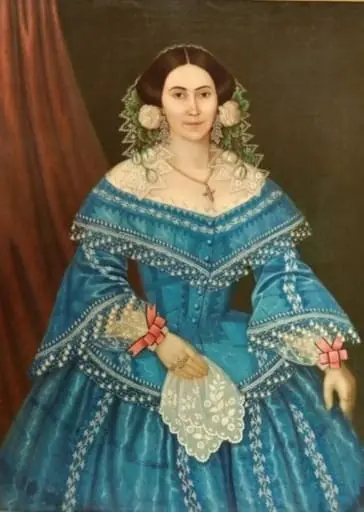 Portret de femeie cu rochie albastră
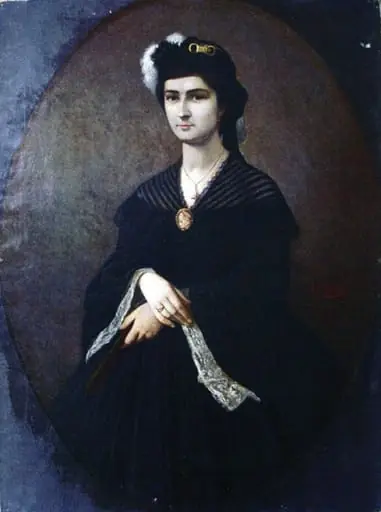 Portretul doamnei Vornițache
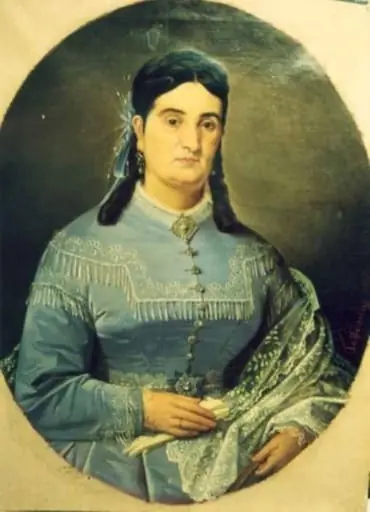 Soția lui Lazăr Kalinderu
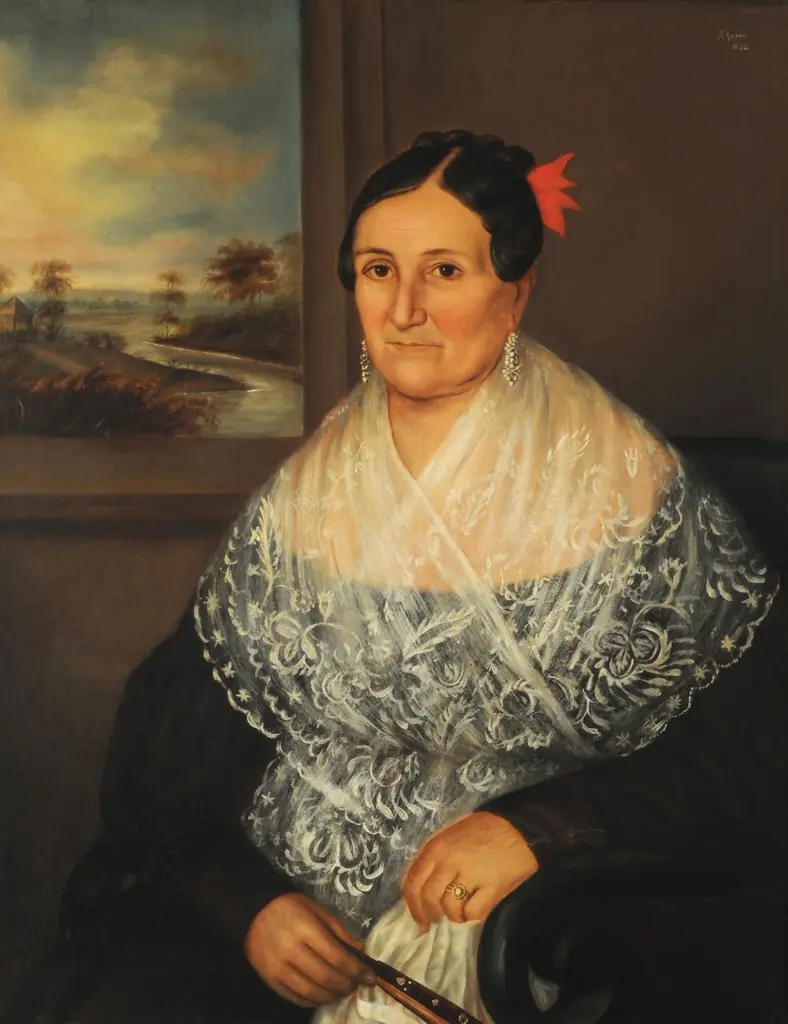 Portrait of María Josefa Ramona Herrera
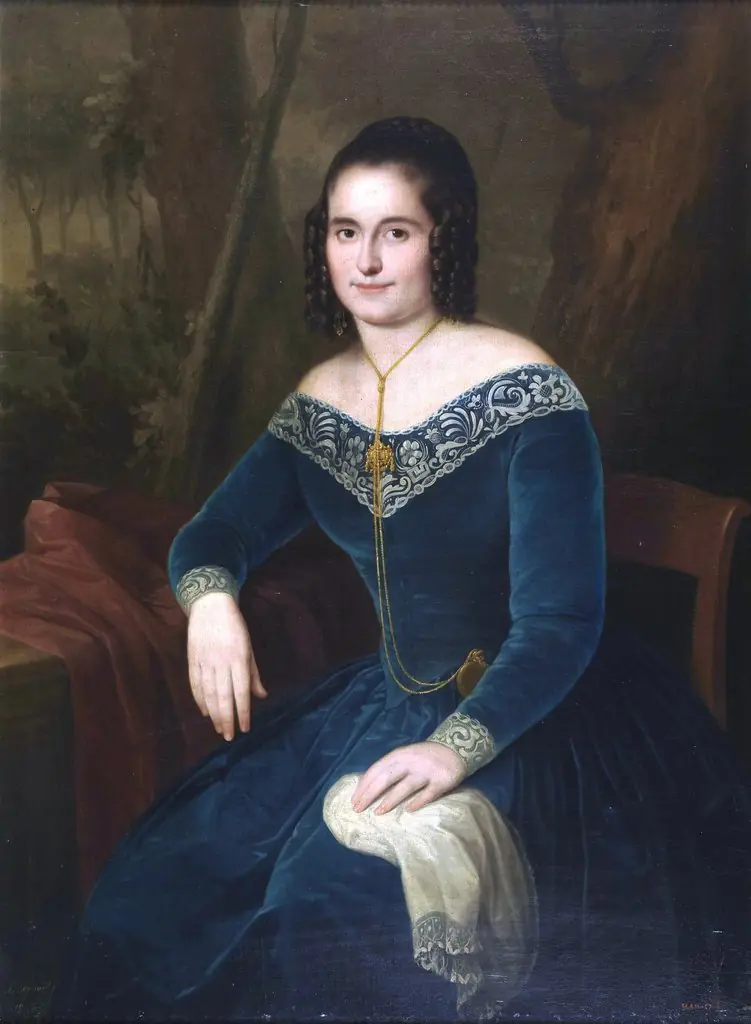 Amparo Romero
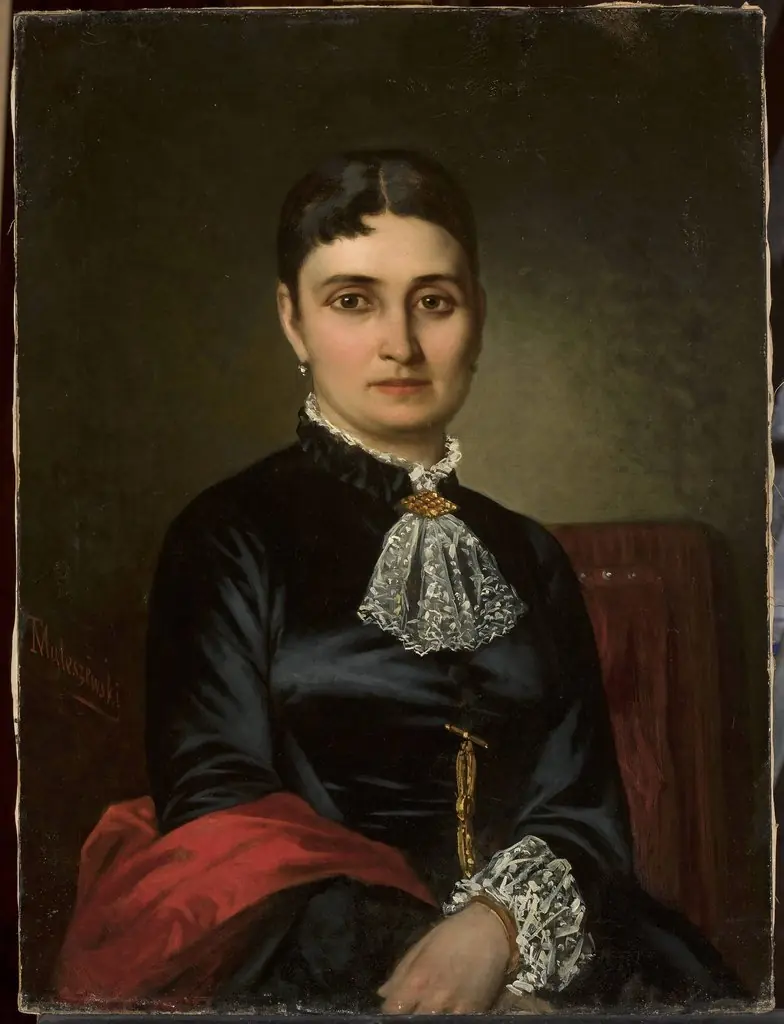 Portrait of Apolonia Anaszkowska
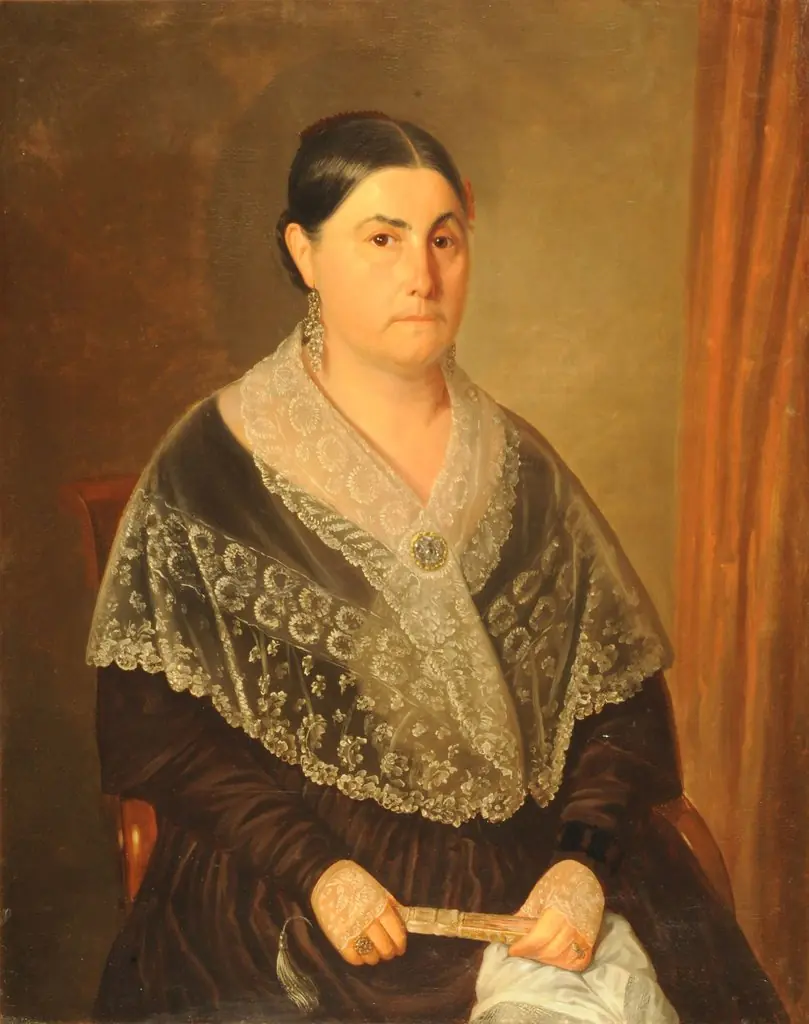 Retrato de señora
 Mary Ann Garrits
 Trinidad Saravia de Huergo
 Sevastia Mureșianu
 Portret de femeie
 Cecilia Lindroos (os. Meyer) nuorena.