Artwork
Castel dell'Ovo in Naples
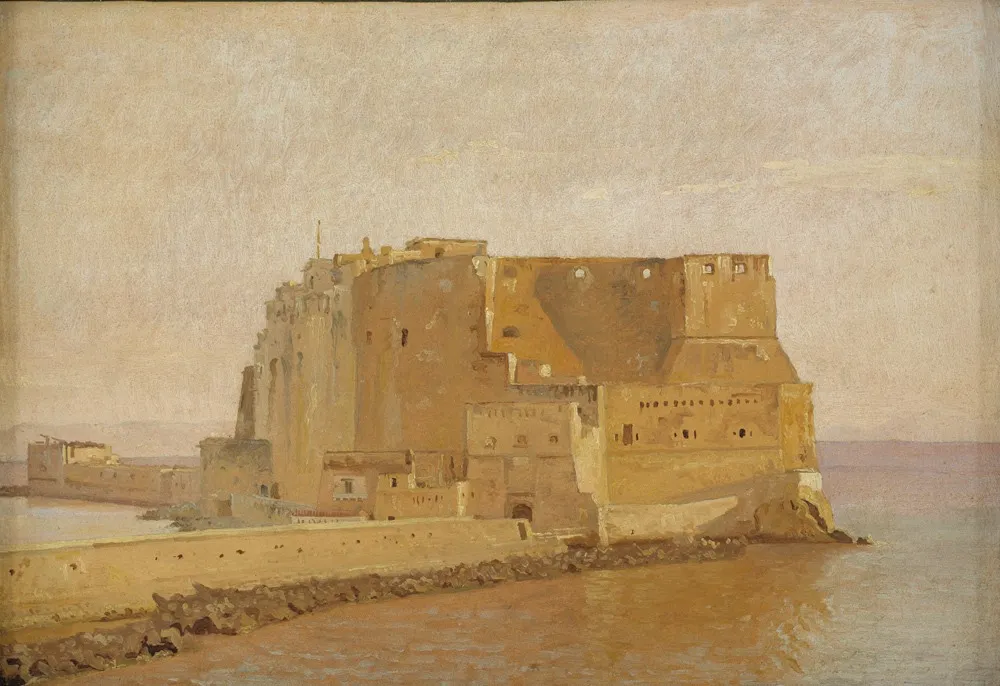
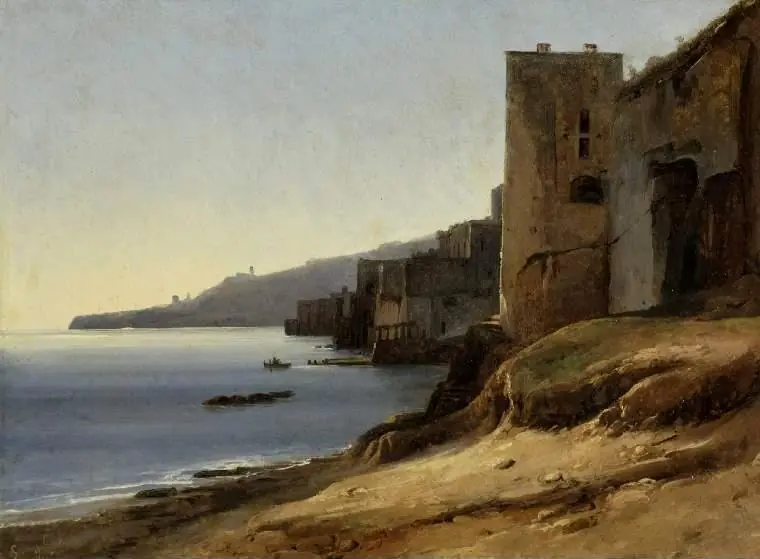
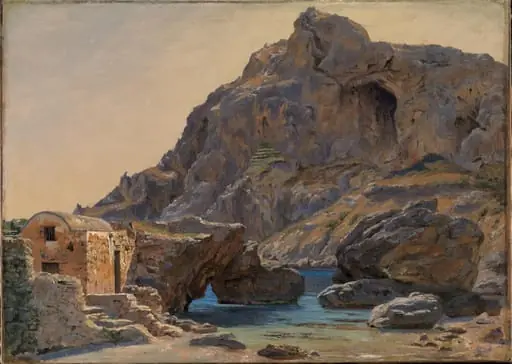
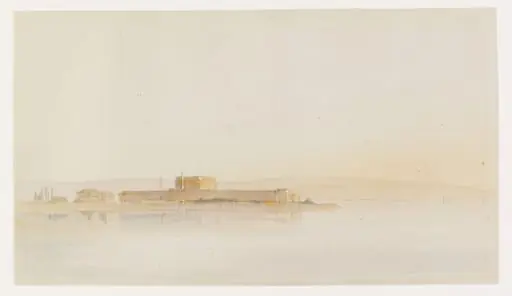
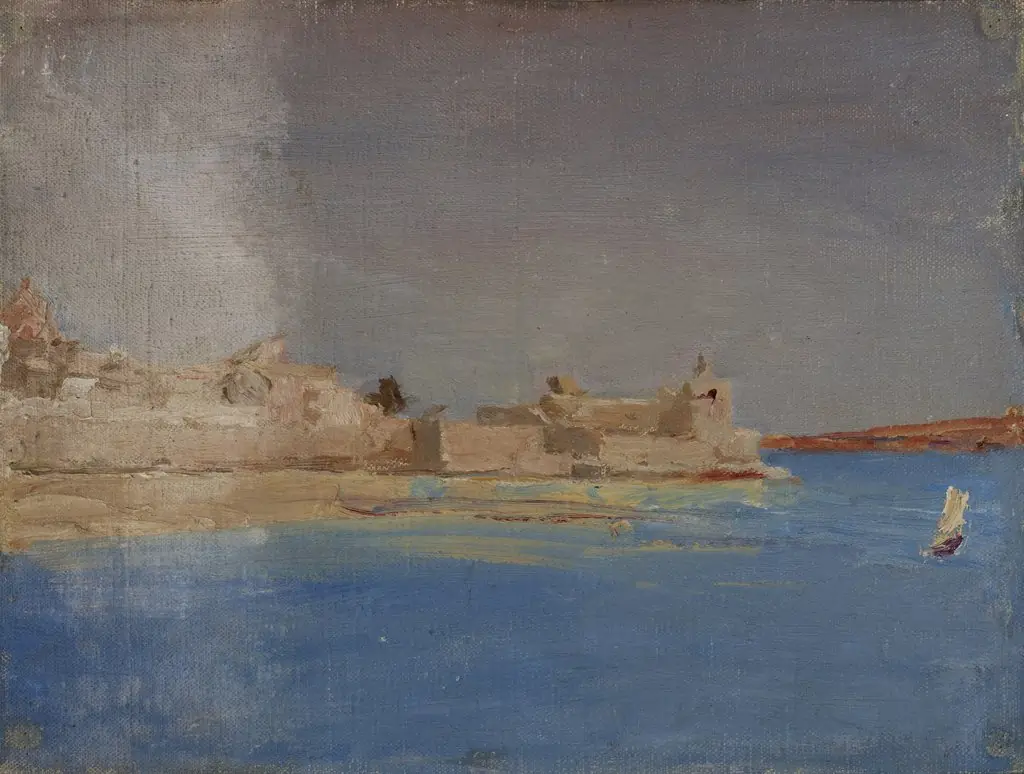
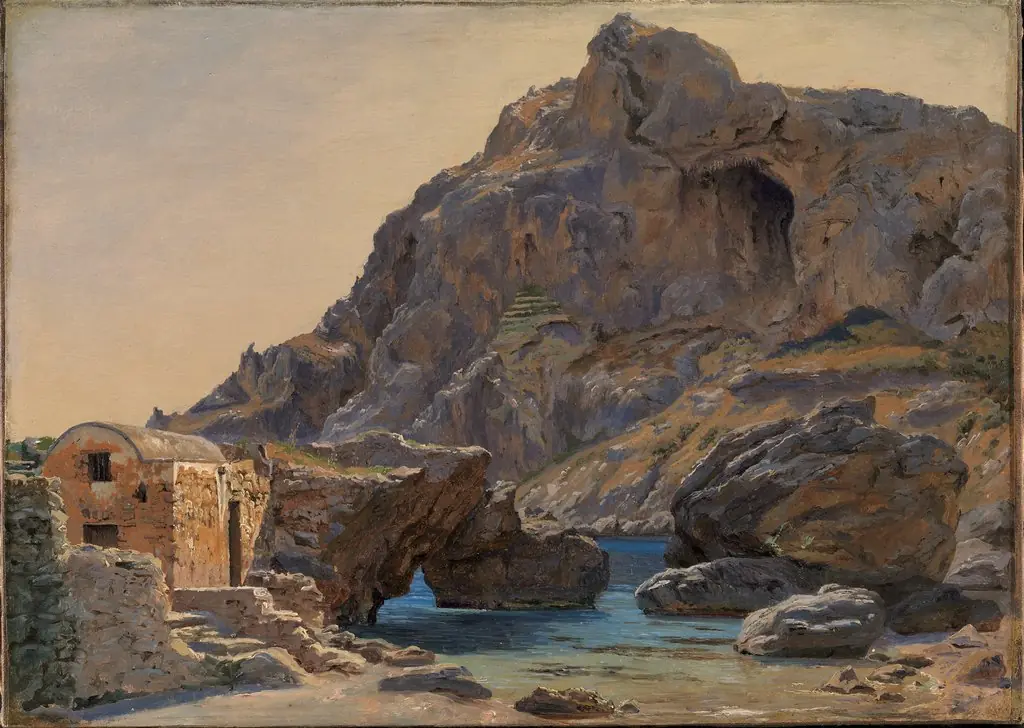
Castel dell'Ovo in Naples is an unspecified painting by Christen Købke. It dates from 1839 and is held in the collection of the Statens Museum for Kunst.
About this work
Overview
Christen Købke painted Castel dell'Ovo in 1839 during a journey through Italy, capturing a moment of quiet observation rather than grand spectacle.
Christen Købke painted Castel dell'Ovo in 1839 during a journey through Italy, capturing a moment of quiet observation rather than grand spectacle. The work reflects his commitment to understated realism and the subtle interplay of light and structure. Though not a dramatic landmark, the castle’s presence is rendered with deliberate calm, aligning with Købke’s broader interest in ordinary scenes imbued with quiet dignity.
Subject & Meaning
The painting depicts Castel dell'Ovo, a medieval fortress on a small island off Naples’ coast, framed by still water and distant hills. Købke avoids narrative or symbolism, instead focusing on the structure’s enduring presence amid its natural setting. The scene suggests contemplation of time and place, emphasizing architectural permanence against the gentle rhythms of sea and sky, a theme recurrent in his travel works.
Technique & Style
Købke employed a restrained palette of warm ochres, soft browns, and pale blues, harmonizing the castle’s stone with the sky and water. Brushwork is precise yet unobtrusive, allowing light to define form rather than bold outlines. Reflections on the water are muted and deliberate, enhancing the painting’s stillness. His approach prioritizes atmospheric coherence over detail, characteristic of Danish Golden Age sensibilities.
History & Provenance
Created during Købke’s extended stay in Italy, the painting entered the collection of the Statens Museum for Kunst in Copenhagen, where it remains today. It was not exhibited publicly until later in the 19th century, reflecting the slow recognition of Danish landscape painting beyond national borders. Its preservation underscores its value as a document of 19th-century Nordic artistic engagement with Mediterranean architecture.
Context
Købke’s journey to Italy was part of a broader trend among Danish artists seeking inspiration beyond Scandinavia’s limited light and topography. While many pursued classical ruins or dramatic vistas, Købke favored modest, everyday views. Castel dell'Ovo exemplifies this preference, aligning with a Nordic tradition of intimate, light-sensitive observation rather than romanticized grandeur.
Legacy
The painting contributes to Købke’s reputation as a painter of quiet precision, influencing later generations interested in the emotional resonance of ordinary scenes. Though not widely known outside Denmark, it stands as a key example of how Nordic artists redefined landscape painting through restraint, atmosphere, and attention to subtle natural effects rather than spectacle.
Artist & collection
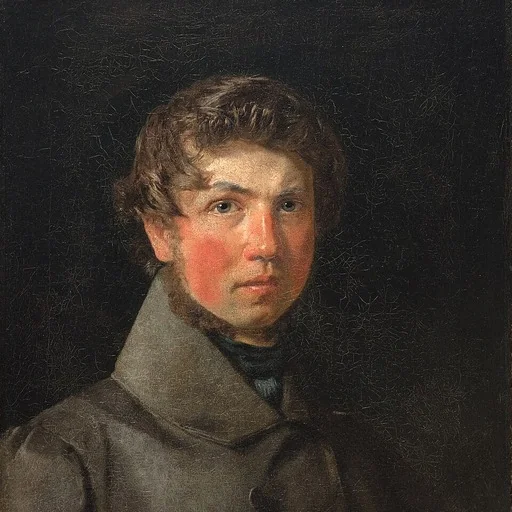
Artist
Christen Schiellerup Købke (26 May 1810 – 7 February 1848) was a Danish painter, and one of the best-known artists from the Golden Age of Danish Painting.

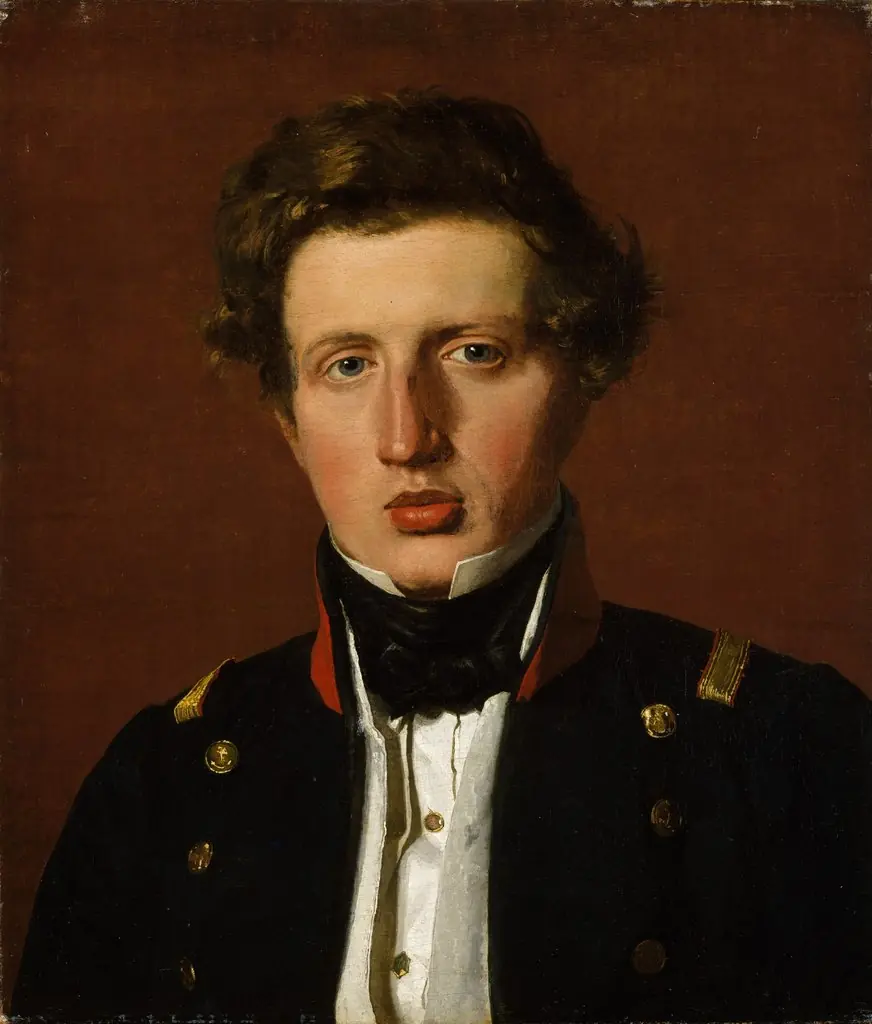 Valdemar Hjartvar Købke (1813–1893), the Artist's Brother
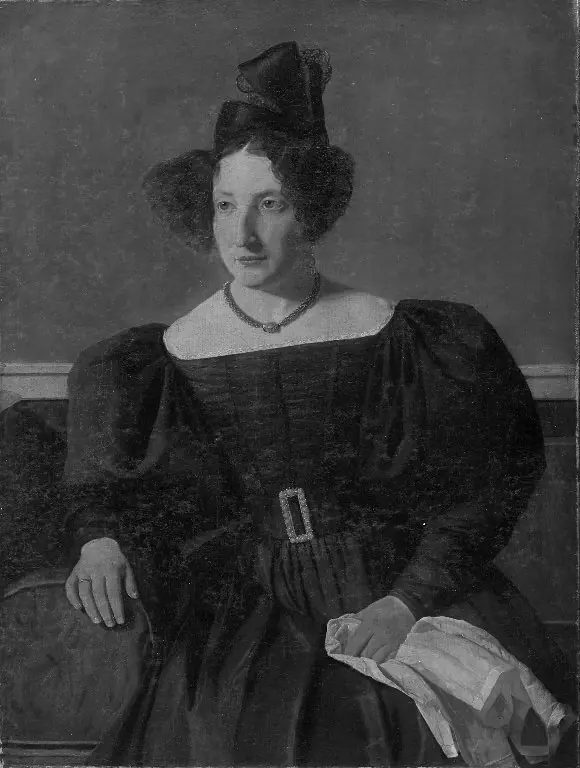 Portrait of Henriette Petersen, née Philipsen, Mrs Michael Christian Petersen
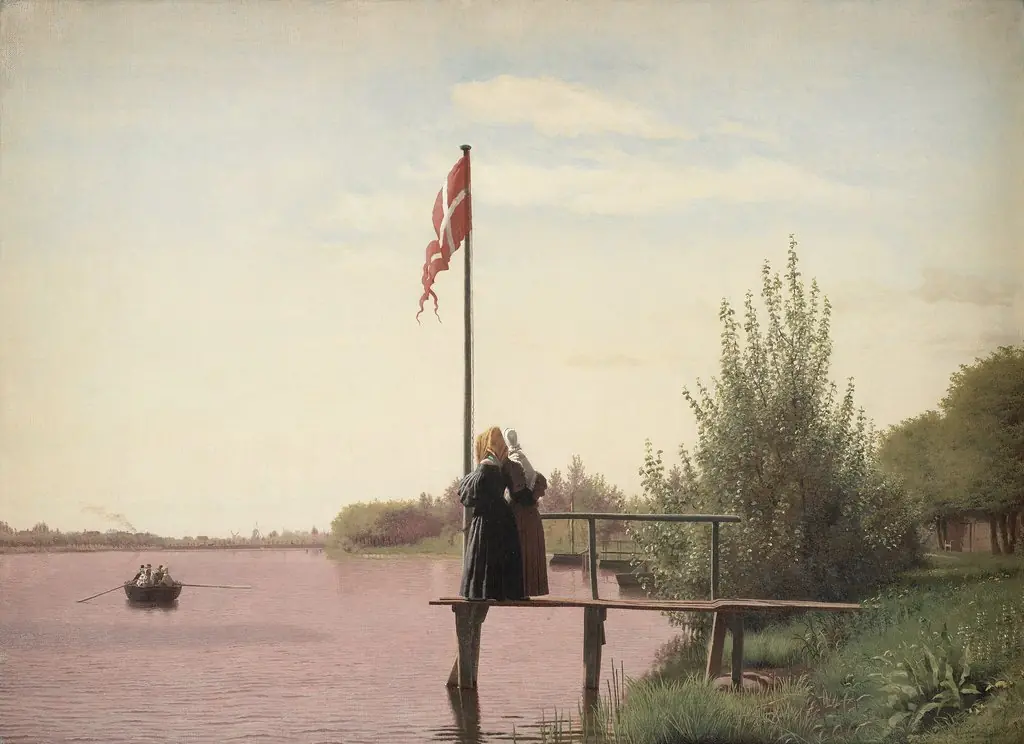 A View of Lake Sortedam from Dosseringen Looking towards the Suburb Nørrebro outside Copenhagen
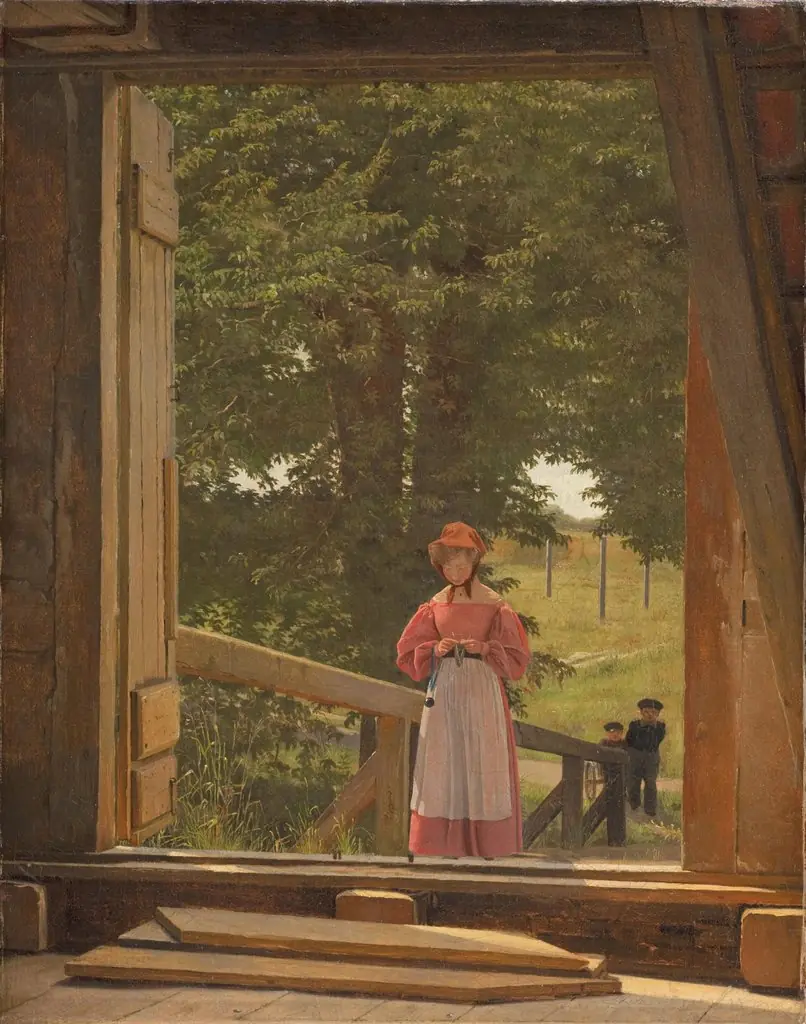 View from the Loft of the Grain Store at the Bakery in the Citadel of Copenhagen
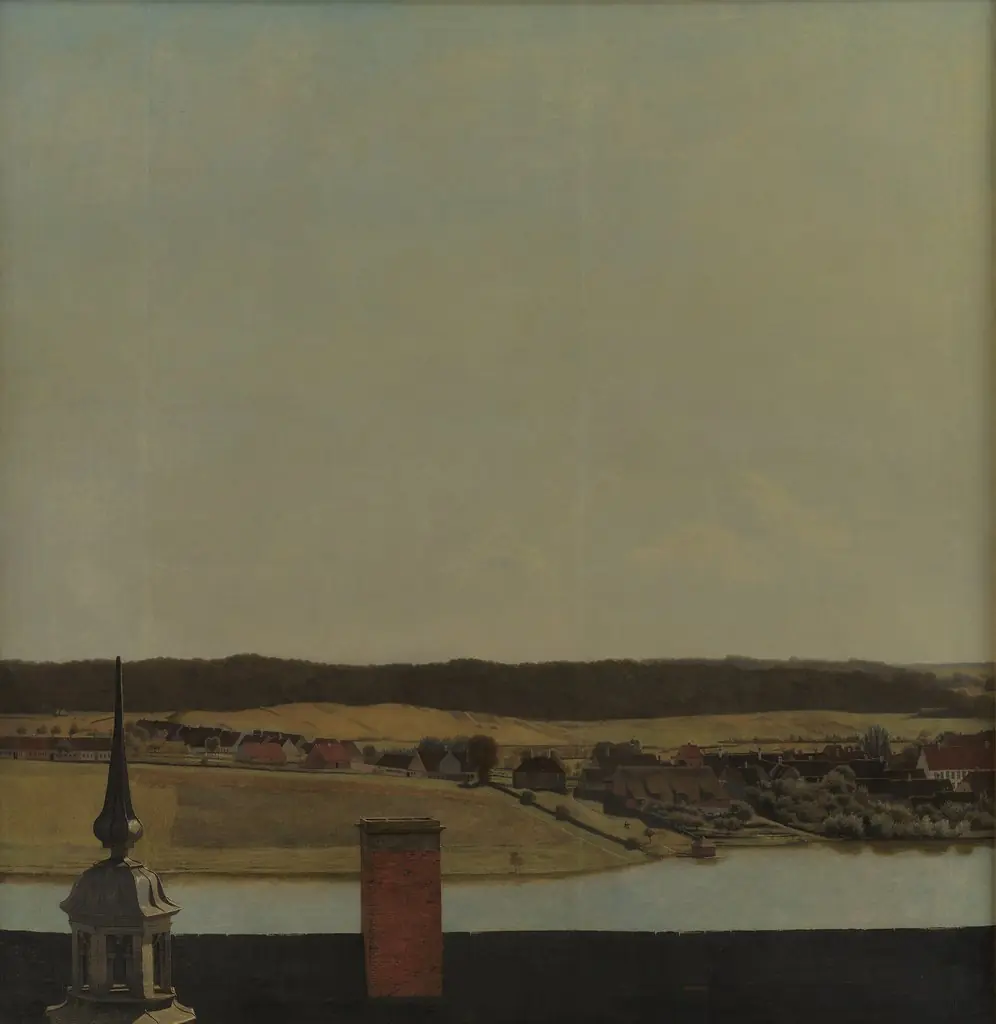 Roof Ridge of Frederiksborg Castle with View of Lake, Town and Forrest
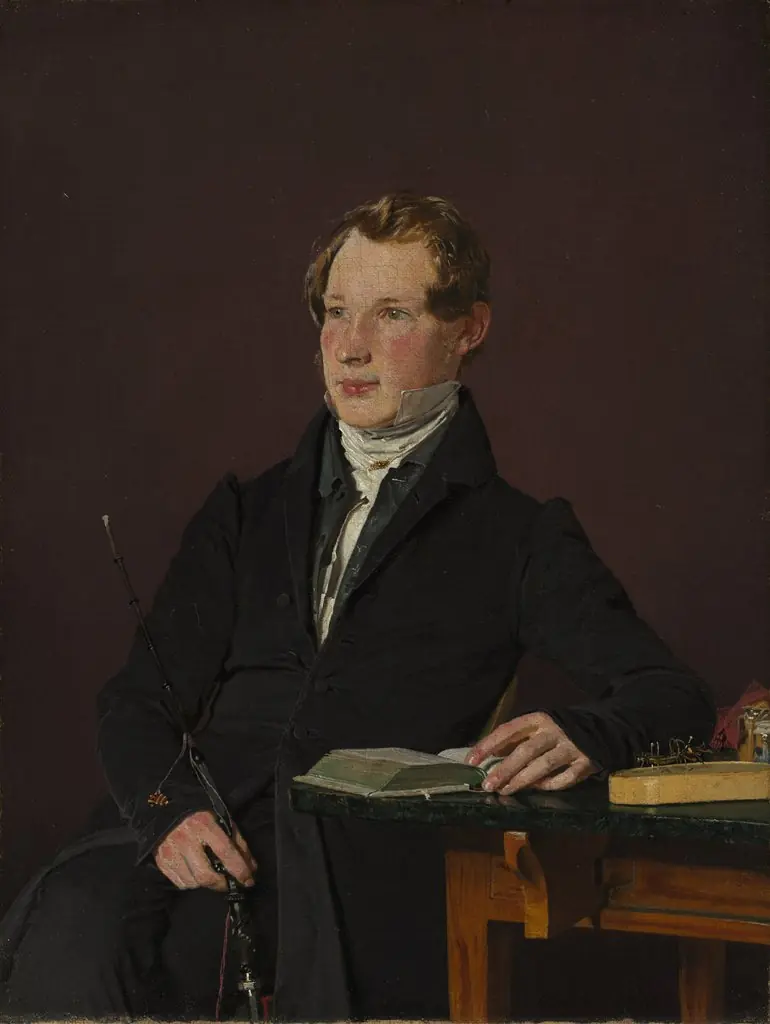 Dr. Johann Henning Kjetil Hjardemaal
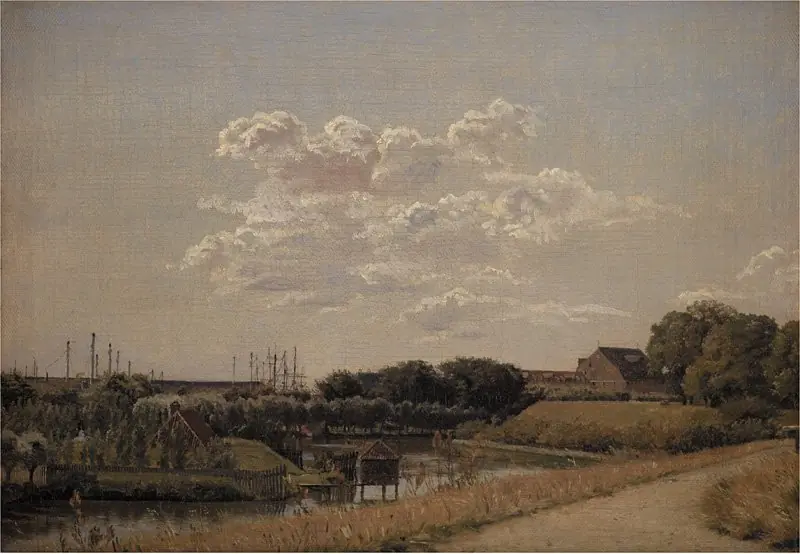 View of the Citadel Ramparts Looking Towards Langelinie and the Naval Harbour
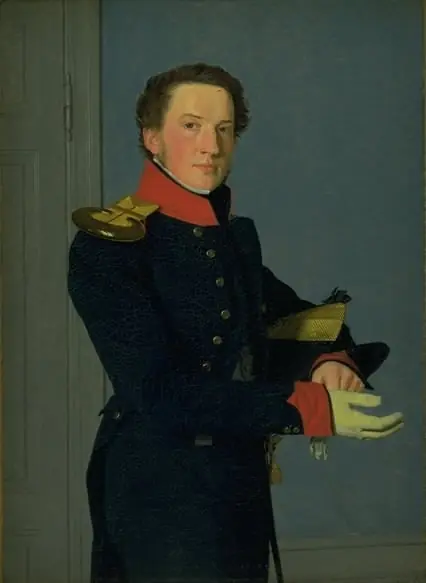 Portrait of the Naval Lieutenant D. Christen Schifter Feilberg