Artwork
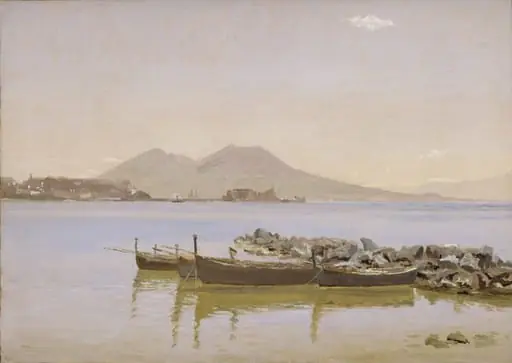
The Gulf of Naples with Vesuvius in the Background
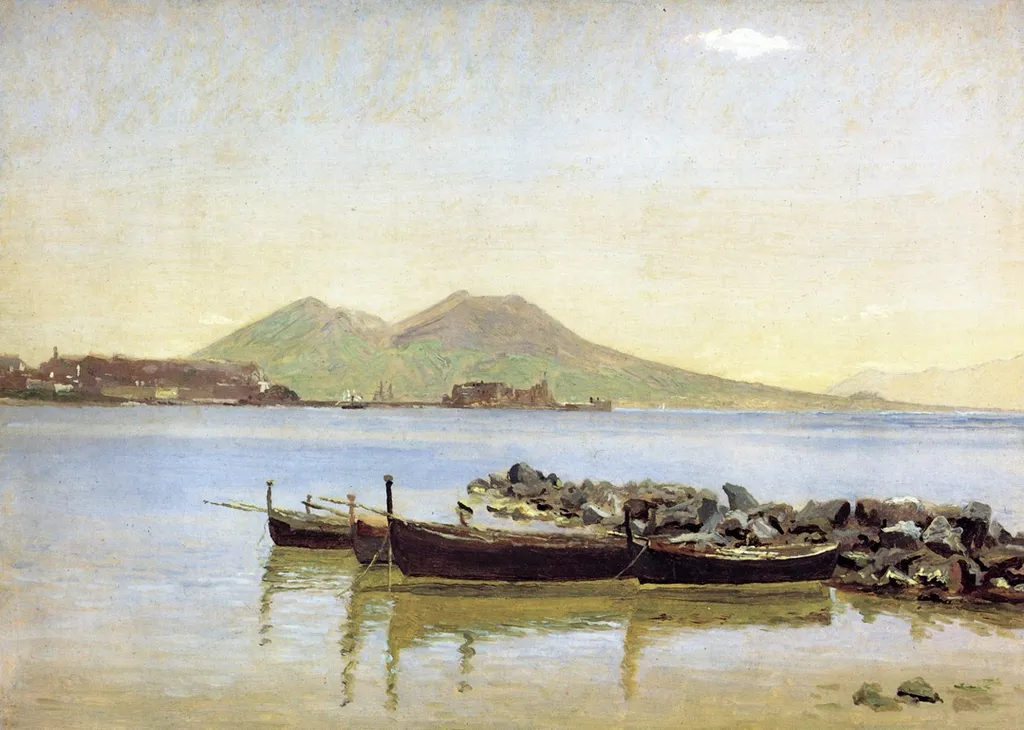
The Gulf of Naples with Vesuvius in the Background is an oil painting by the German Romanticist artist Christen Købke. It dates from 1839 and is held in the collection of the Statens Museum for Kunst.
About this work
Overview
Painted in 1839 by Danish artist Christen Købke, this oil on canvas captures a quiet stretch of the Gulf of Naples with Mount Vesuvius looming in the distance.
Painted in 1839 by Danish artist Christen Købke, this oil on canvas captures a quiet stretch of the Gulf of Naples with Mount Vesuvius looming in the distance. Købke, known for his restrained yet evocative landscapes, rendered the scene during a formative period of his travels in southern Europe. The composition emphasizes stillness and spatial harmony, aligning with broader European interests in landscape as a vehicle for contemplation rather than drama.
Subject & Meaning
The painting presents a tranquil coastal vista, where human presence is minimal—a single boat anchored near a rocky shoreline. Vesuvius, though dominant in the background, is not portrayed as a threat but as a quiet, enduring feature of the horizon. The absence of activity suggests a meditative tone, inviting reflection on nature’s permanence and the subtlety of light across land and sea.
Technique & Style
Købke employed soft, muted tones and delicate brushwork to convey atmosphere over detail. The water mirrors the sky’s pale hues with minimal disruption, while the volcano’s form is rendered with gentle gradations rather than sharp contours. Light is diffused, creating a hazy depth that draws the eye toward the distant peak without dramatic contrast, reflecting a Nordic sensitivity to subtlety within a Mediterranean setting.
History & Provenance
Købke painted this work during a journey to Italy, a trip that significantly influenced his approach to light and landscape. The painting remained in Danish collections after his return, eventually entering the holdings of the Statens Museum for Kunst in Copenhagen. Its preservation there reflects its importance within the canon of Danish Golden Age painting, though it was never widely exhibited abroad.
Context
While German Romanticism emphasized emotional responses to nature, Købke’s interpretation leaned toward quiet observation rather than sublime awe. His work emerged alongside a broader European trend favoring picturesque scenery, yet his Danish sensibility favored restraint. This painting aligns with contemporaneous interest in travel and topographical accuracy, but prioritizes mood over topographical precision.
Legacy
Though not as widely recognized as some of his Danish peers, Købke’s *Gulf of Naples* exemplifies a distinctive Nordic approach to landscape painting. Its understated elegance influenced later generations of Scandinavian artists who sought to balance realism with emotional nuance. The work remains a key example of how Northern European sensibilities could engage with southern European subjects without adopting their dramatic conventions.
Artist & collection
Artist
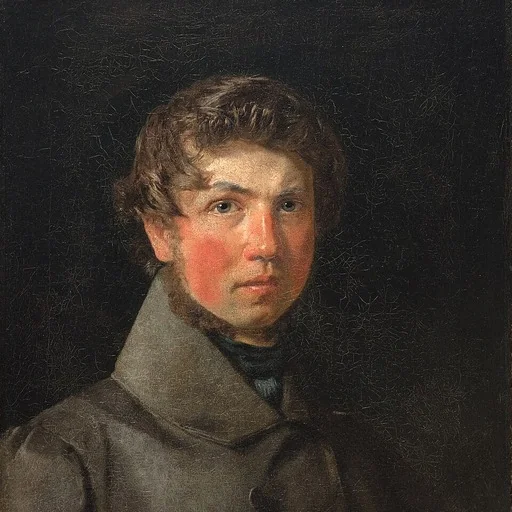
Christen Schiellerup Købke (26 May 1810 – 7 February 1848) was a Danish painter, and one of the best-known artists from the Golden Age of Danish Painting.

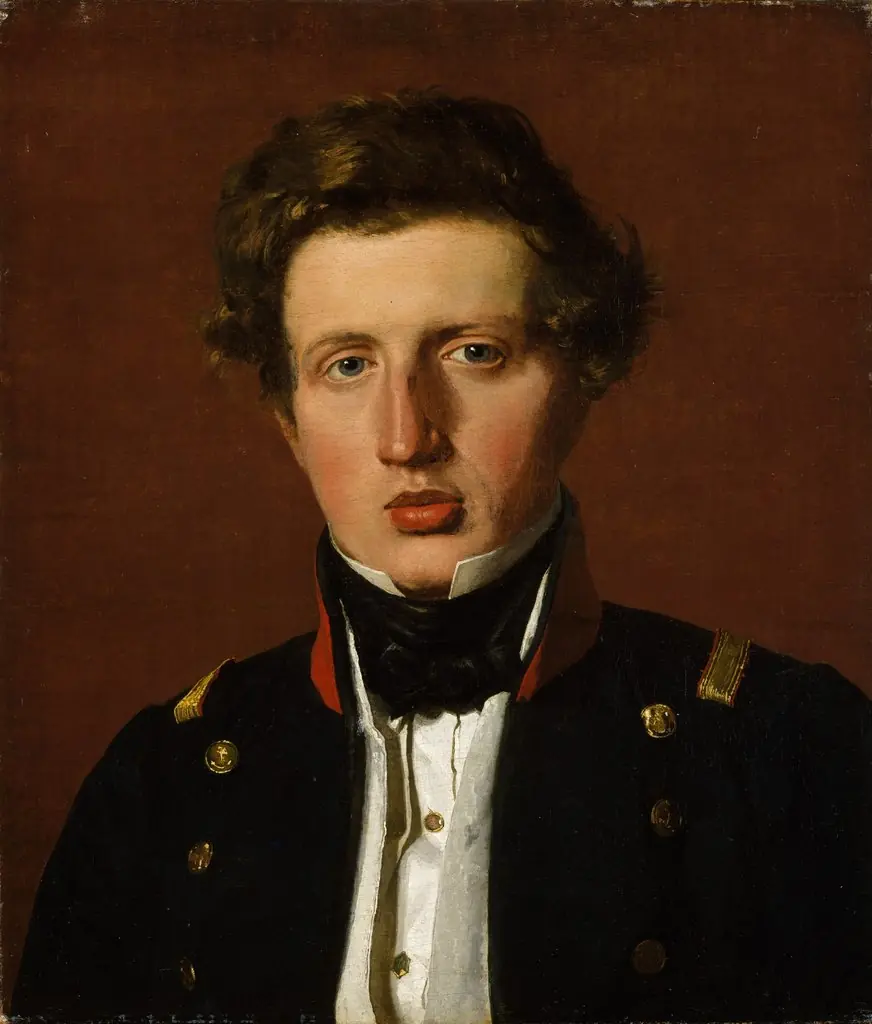 Valdemar Hjartvar Købke (1813–1893), the Artist's Brother
 Portrait of Henriette Petersen, née Philipsen, Mrs Michael Christian Petersen
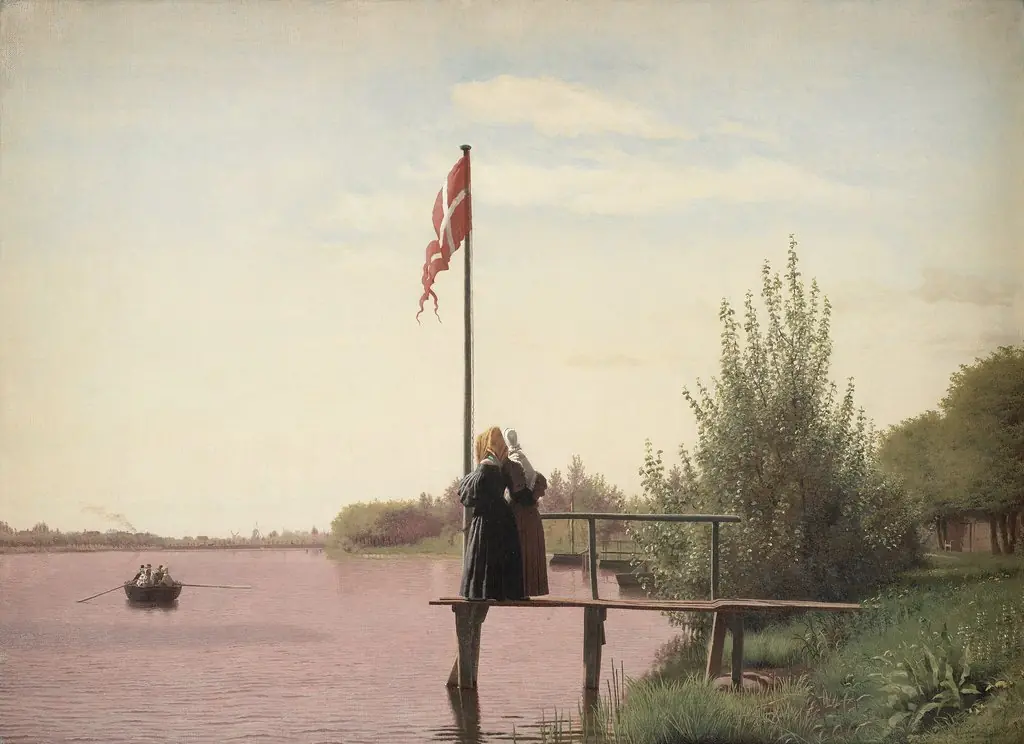 A View of Lake Sortedam from Dosseringen Looking towards the Suburb Nørrebro outside Copenhagen
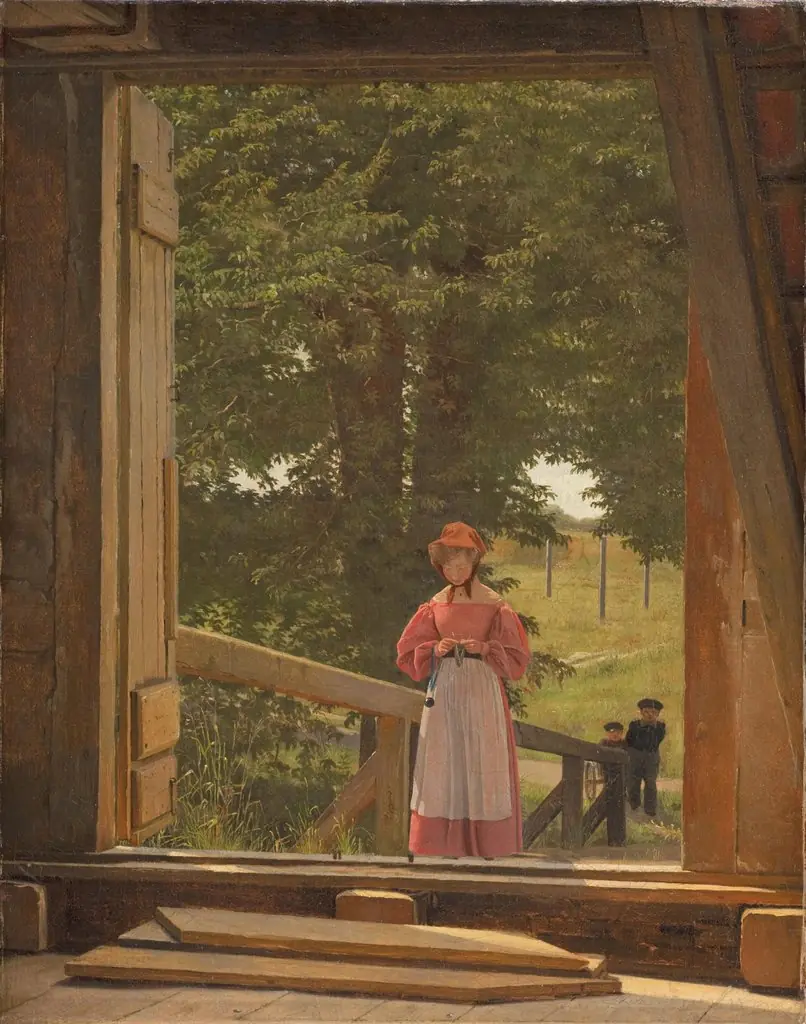 View from the Loft of the Grain Store at the Bakery in the Citadel of Copenhagen
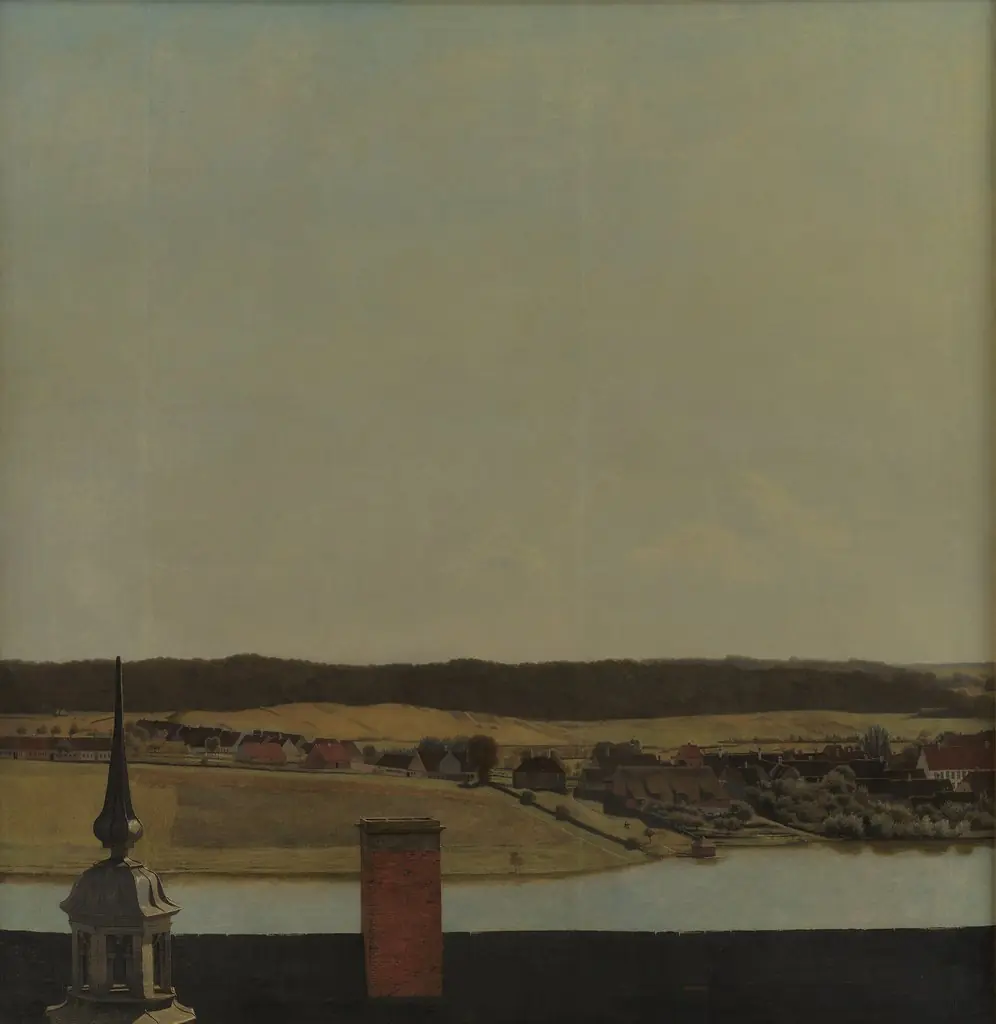 Roof Ridge of Frederiksborg Castle with View of Lake, Town and Forrest
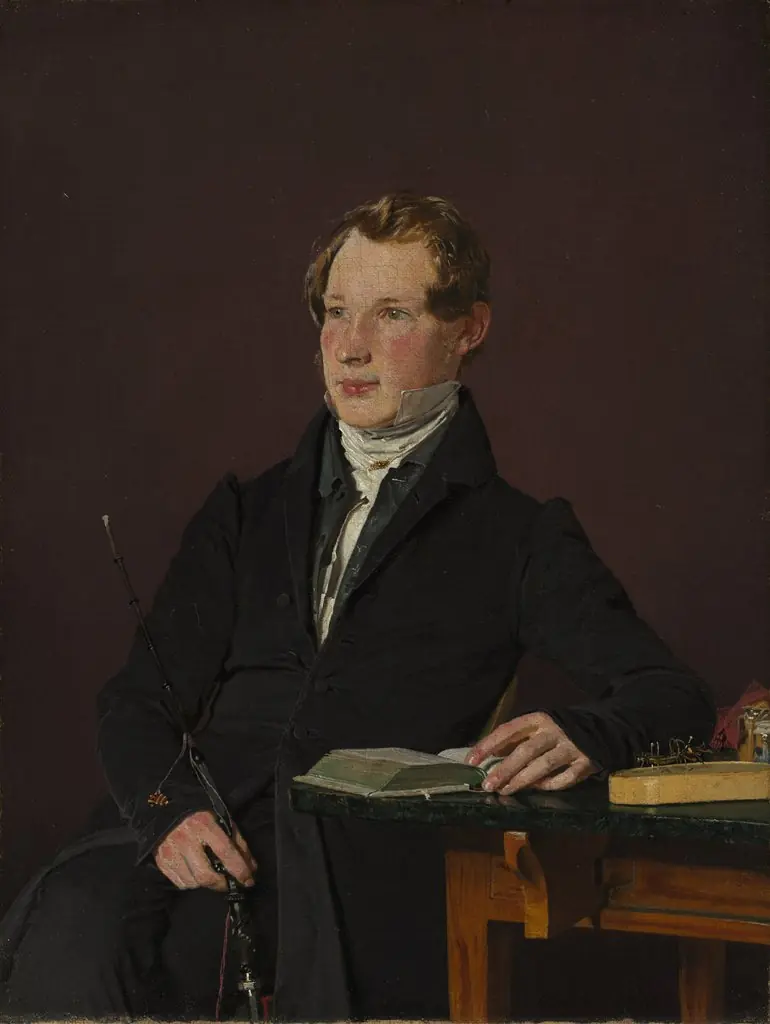 Dr. Johann Henning Kjetil Hjardemaal
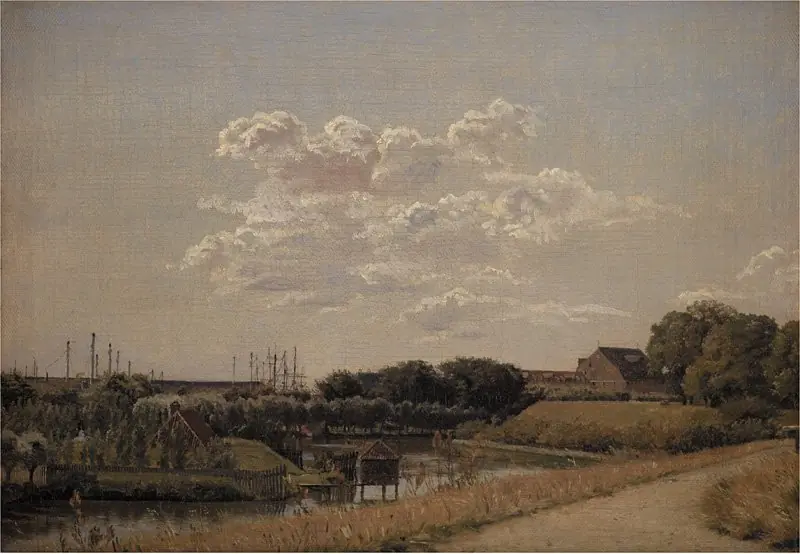 View of the Citadel Ramparts Looking Towards Langelinie and the Naval Harbour
 Portrait of the Naval Lieutenant D. Christen Schifter Feilberg
 The Gulf of Naples with Vesuvius in the Background
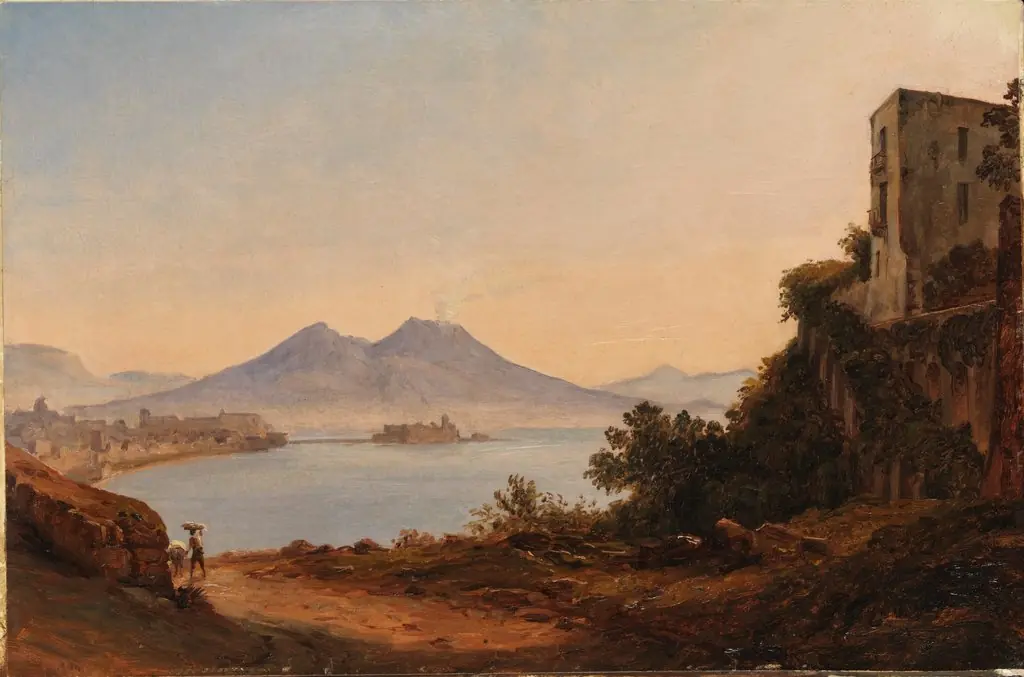 The Bay of Naples with Vesuvius and Castel dell'Ovo
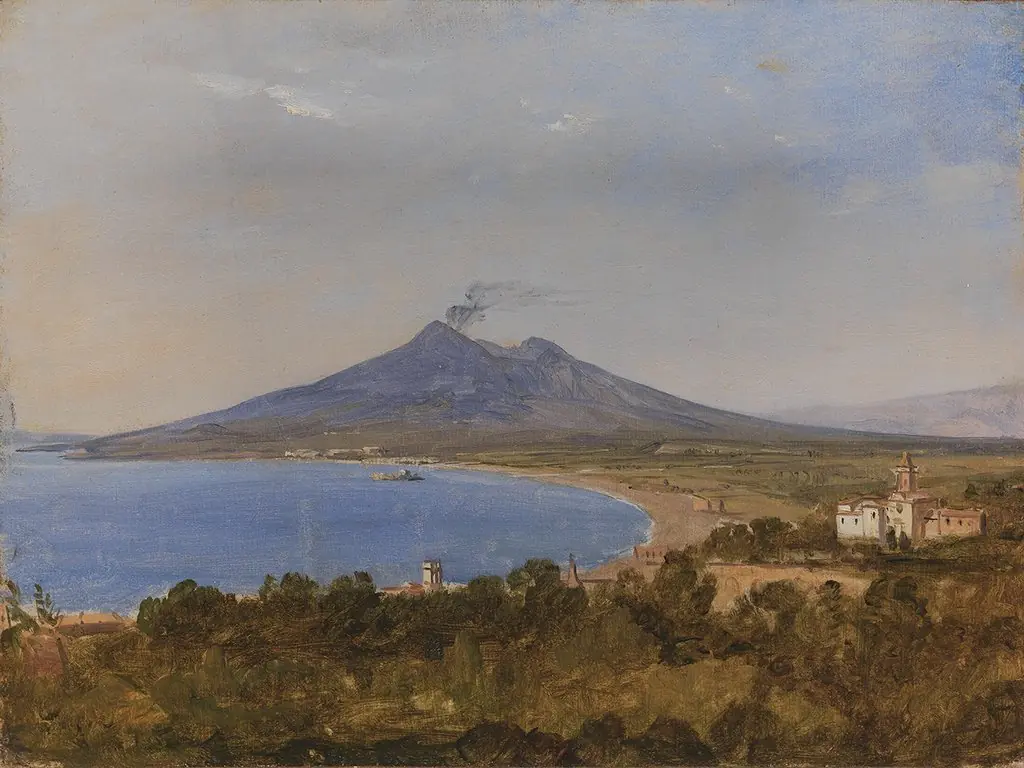 The Gulf of Naples with Vesuvius
 The Gulf of Naples with Vesuvius
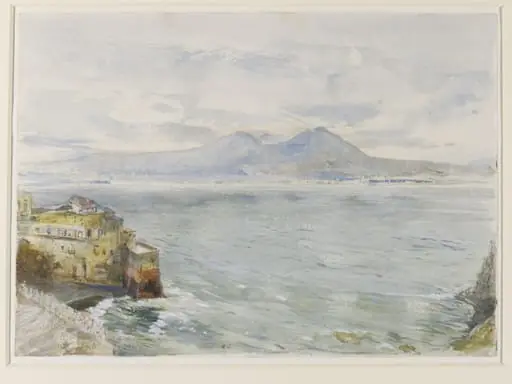 Vesuvius and the Bay of Naples from Posilipo
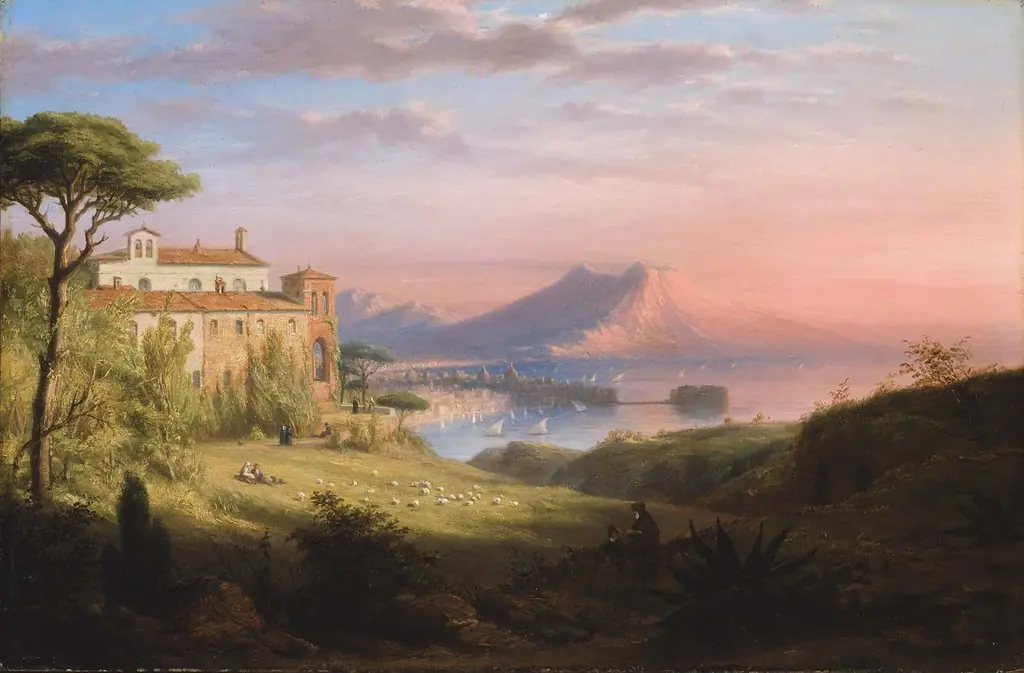 Bay of Naples
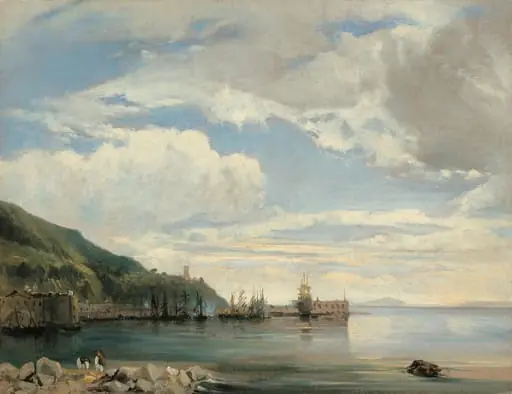 On the Bay of Naples
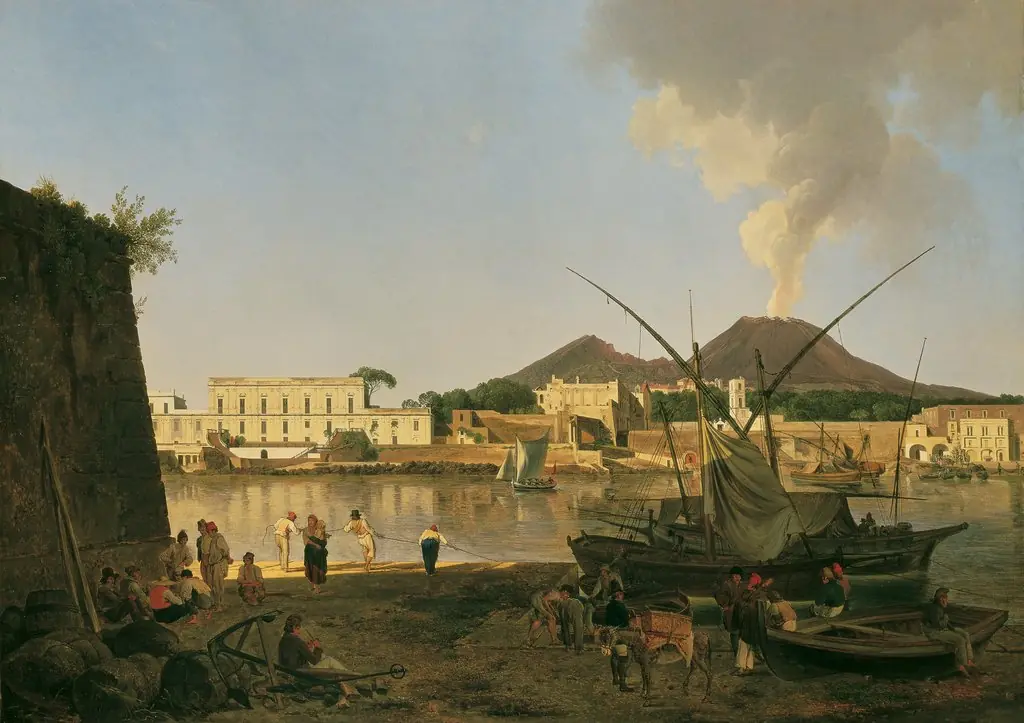 Granatello Harbour near Portici with Mount Vesuvius in the Background