Artwork
Adelheid Berlin, Grosserer Lippmann Berlins hustru
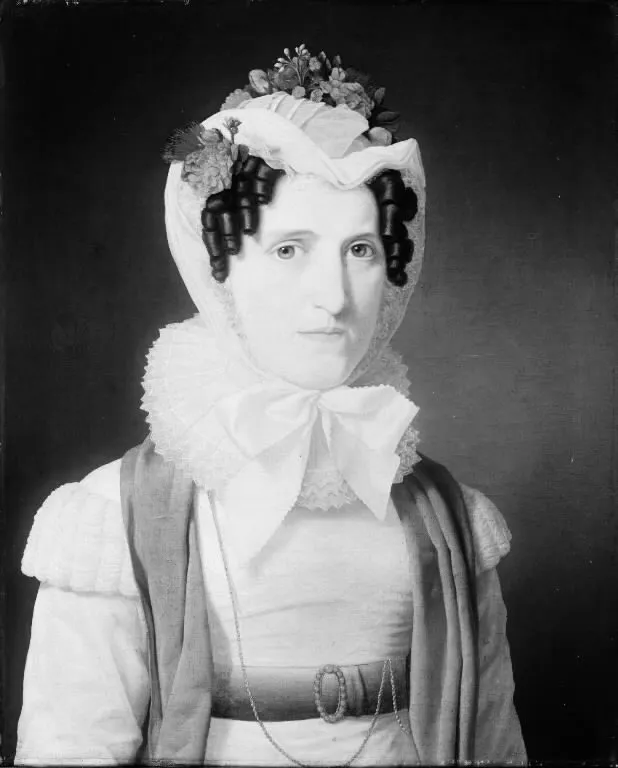
Adelheid Berlin, Grosserer Lippmann Berlins hustru is an oil painting by the Neoclassicist artist Christoffer Wilhelm Eckersberg. It dates from 1825 and is held in the collection of the Statens Museum for Kunst.
About this work
Overview
Created in 1825, this oil portrait by Danish artist Christoffer Wilhelm Eckersberg captures Adelheid Berlin, the spouse of merchant Lippmann Berlin. Executed during the early neoclassical era, the work is part of the Statens Museum for Kunst collection. The composition centers the sitter against a dark backdrop, emphasizing her illuminated presence.
Subject & Meaning
Adelheid Berlin is presented in a refined white dress with a high neckline, long sleeves, and a dark waist belt, while her curls are restrained beneath a white headpiece adorned with floral motifs. The dignified attire and composed pose reflect the social standing of a merchant’s wife in early 19th‑century Denmark, conveying both elegance and domestic respectability.
Technique & Style
Eckersberg employs a smooth, precise brushwork characteristic of neoclassical portraiture, rendering the fabrics and hair with subtle gradations of light. The stark contrast between the luminous figure and the deep, muted background creates a spatial depth that draws the viewer’s eye to the sitter’s face and attire, highlighting the painter’s skill in modeling form through tonal variation.
History & Provenance
Since its completion, the painting has remained in Danish public collections, eventually entering the holdings of the Statens Museum for Kunst. Its provenance reflects the artist’s reputation as a leading figure in Danish art education and his role in shaping the nation’s visual culture during the early 1800s.
Context
The portrait aligns with Eckersberg’s broader body of work, which often combined classical compositional principles with contemporary Danish subjects. By portraying a merchant’s wife with the same seriousness afforded to aristocratic sitters, the painting illustrates the expanding social representation in Danish art during the post‑Napoleonic period.
Artist & collection
Artist
Christoffer Wilhelm Eckersberg
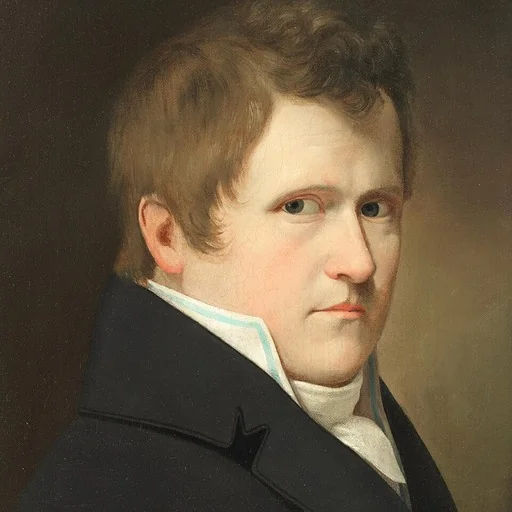
Christoffer Wilhelm Eckersberg (2 January 1783 – 22 July 1853) was a Danish painter.

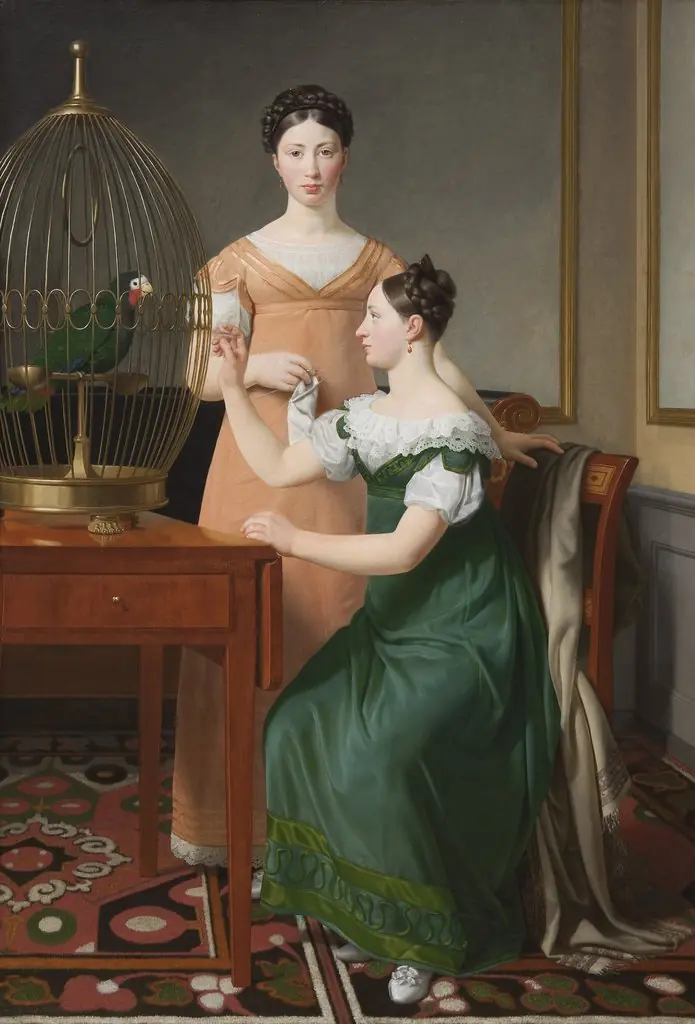 Bella and Hanna. The Eldest Daughters of M. L. Nathanson
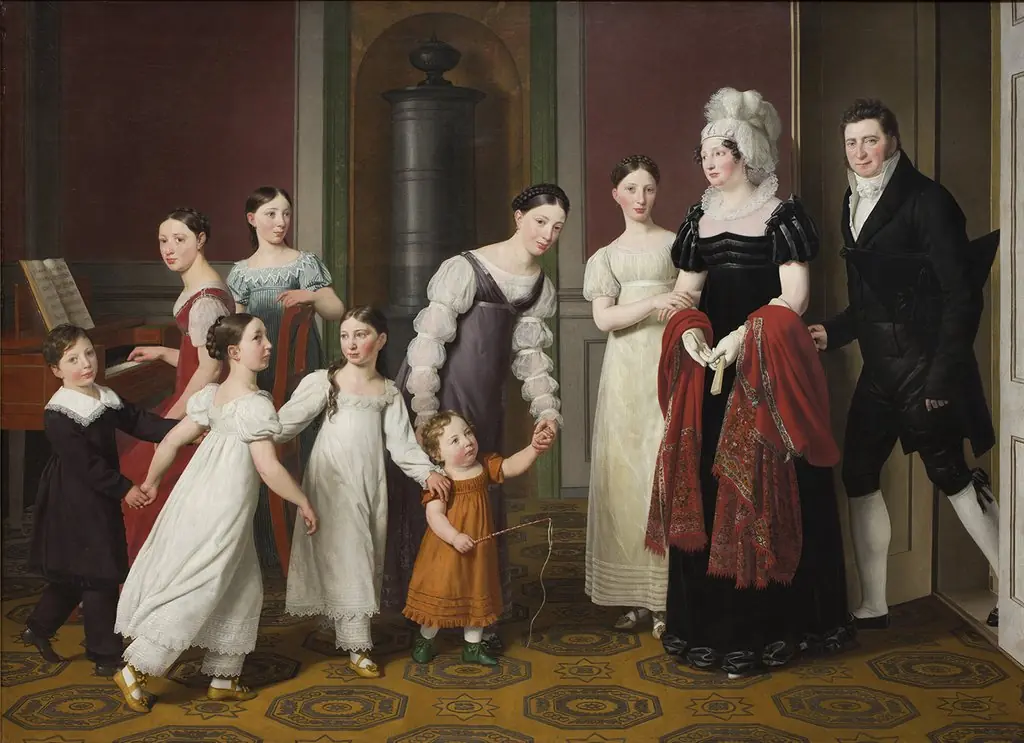 Familien Nathanson
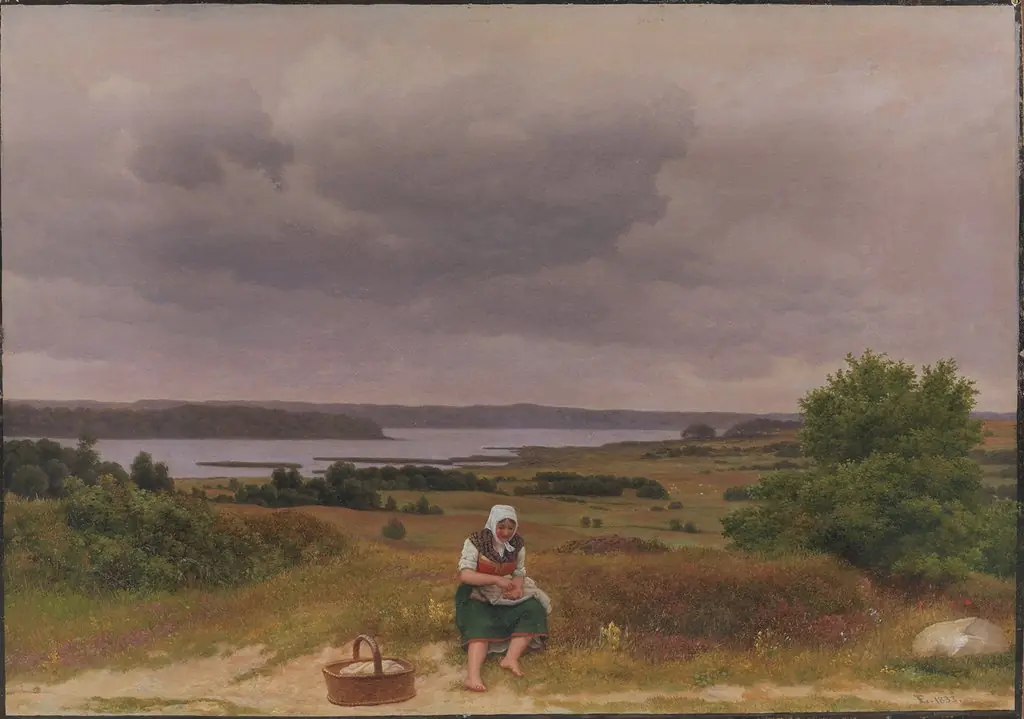 View of Lake Fure near Rudersdal, North Sealand.
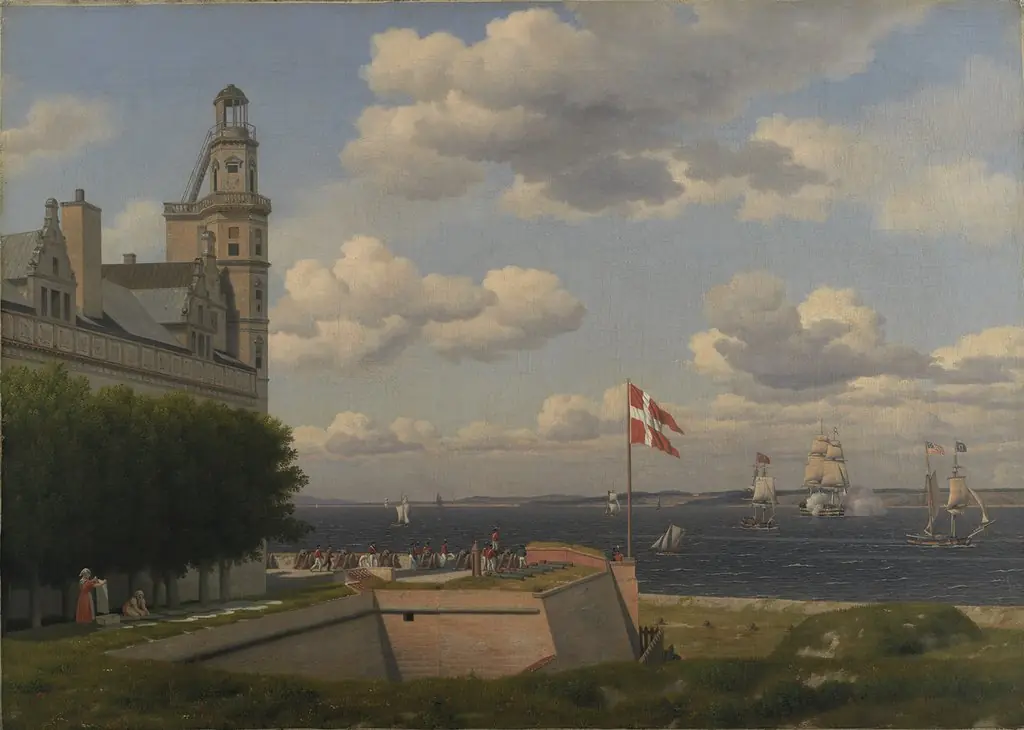 A View towards the Swedish Coast from the Ramparts of Kronborg Castle
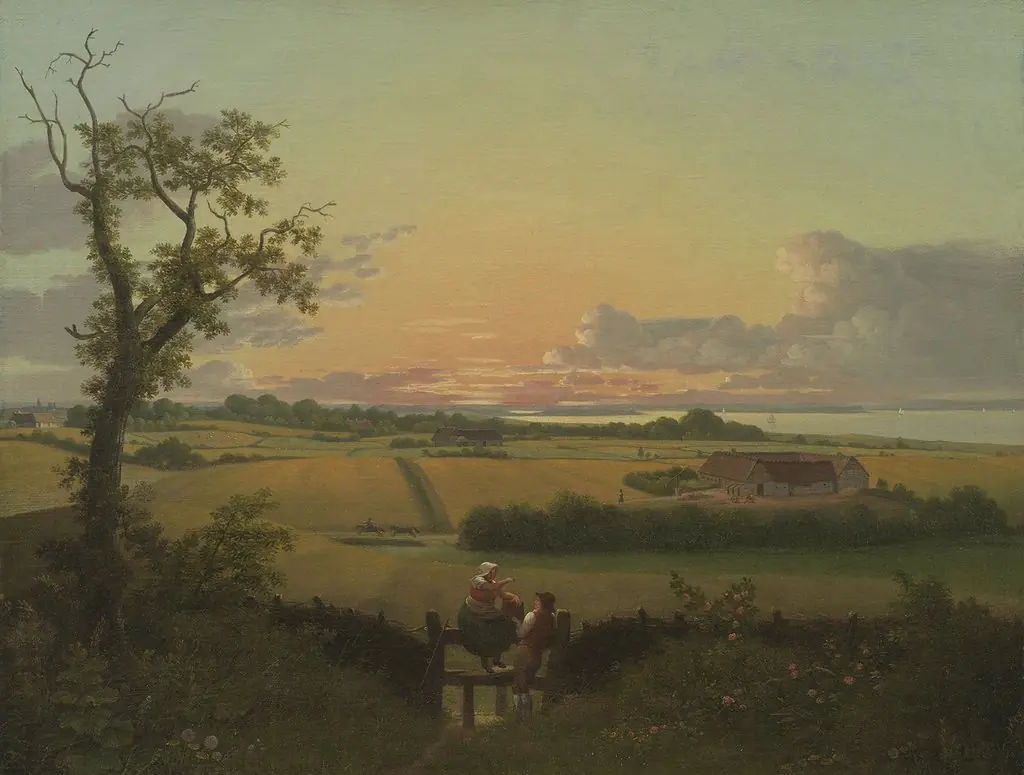 Landscape with a Stile. The Isle of Møn
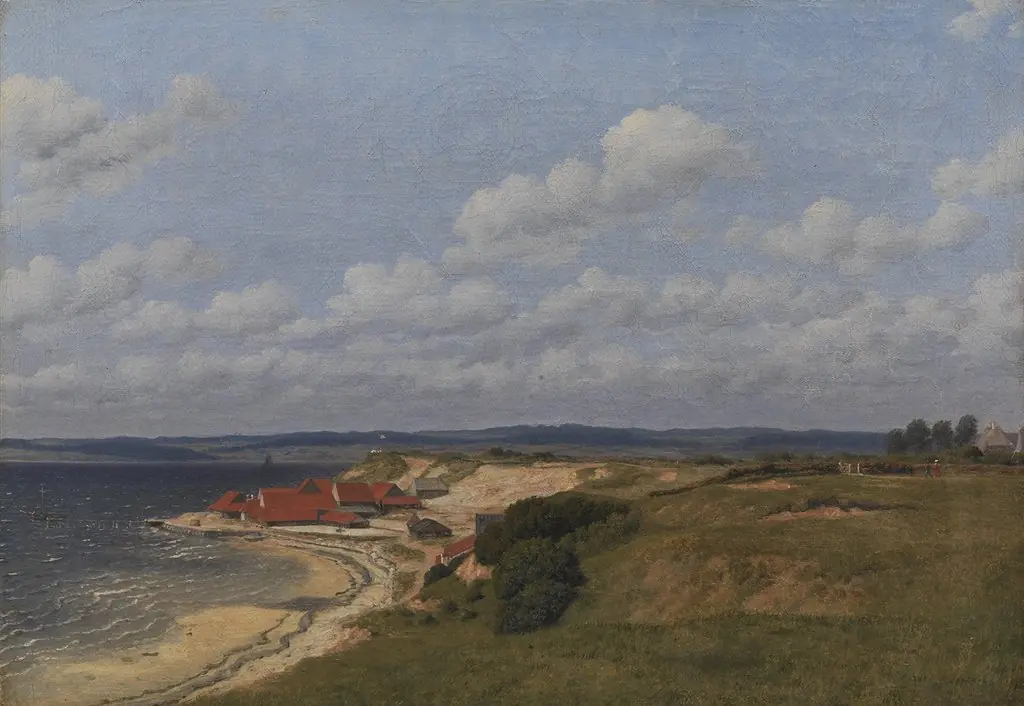 Renbjærg Tileworks by Flensburg Fiord
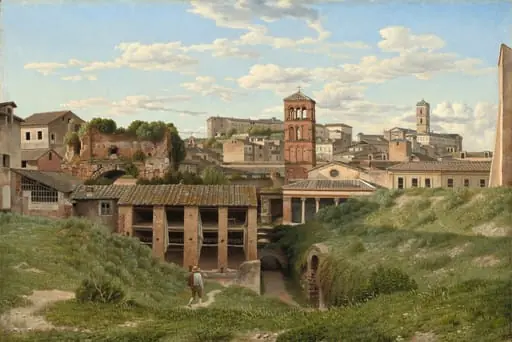 View of the Cloaca Maxima, Rome
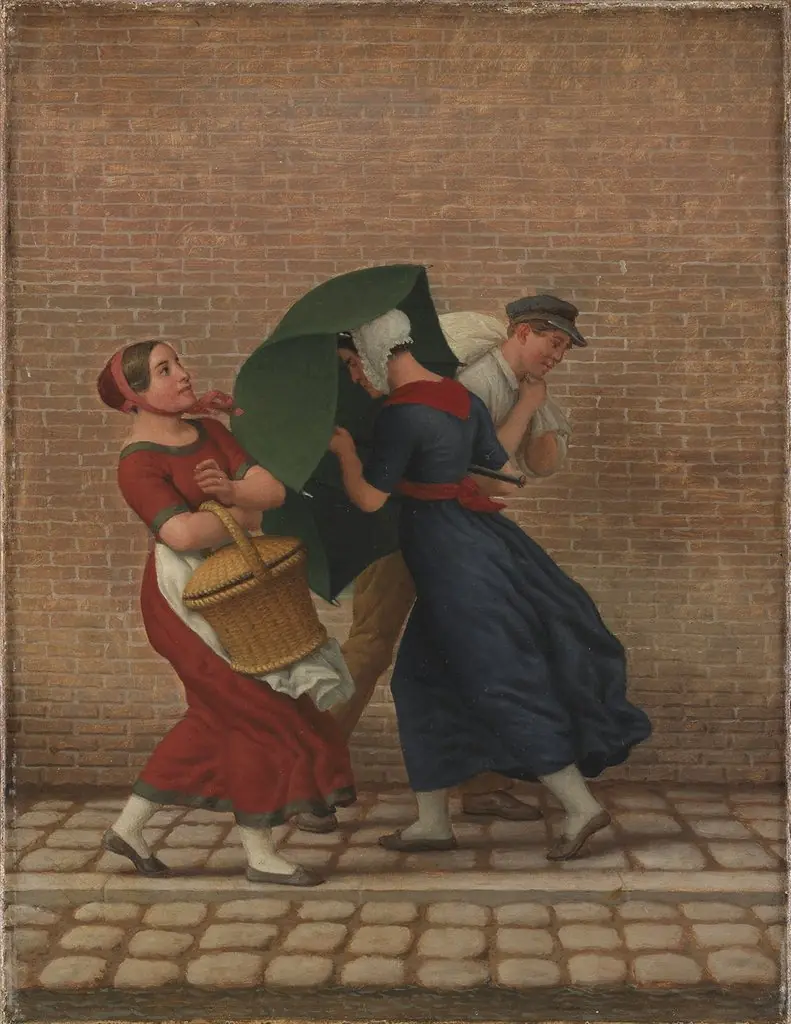 Street Scene in Windy and Rainy Weather
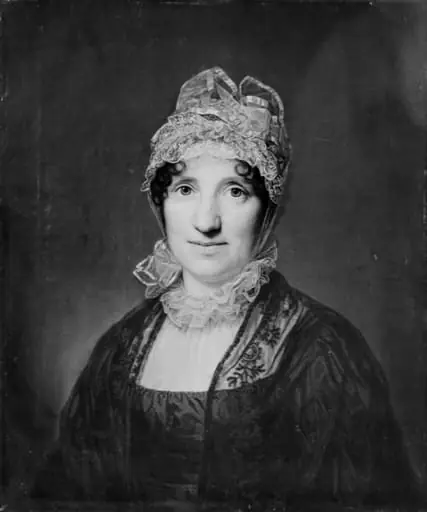 Hedevig Margretha Thomsen, f. Jürgensen
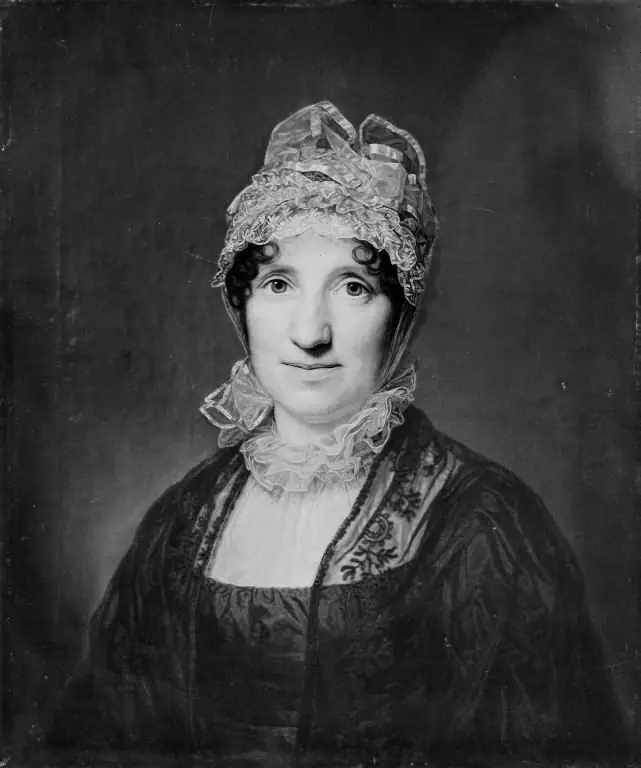 Hedevig Margretha Thomsen, born Jürgensen
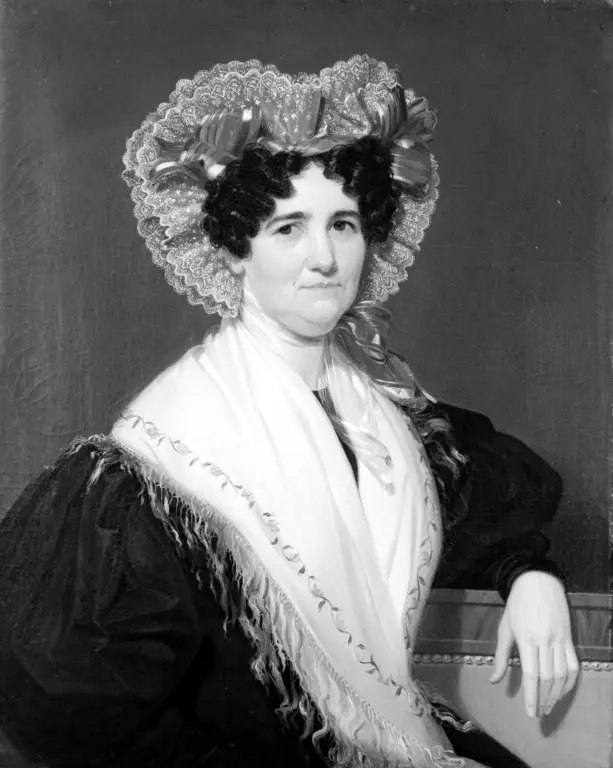 Mrs. Geromus Johnson
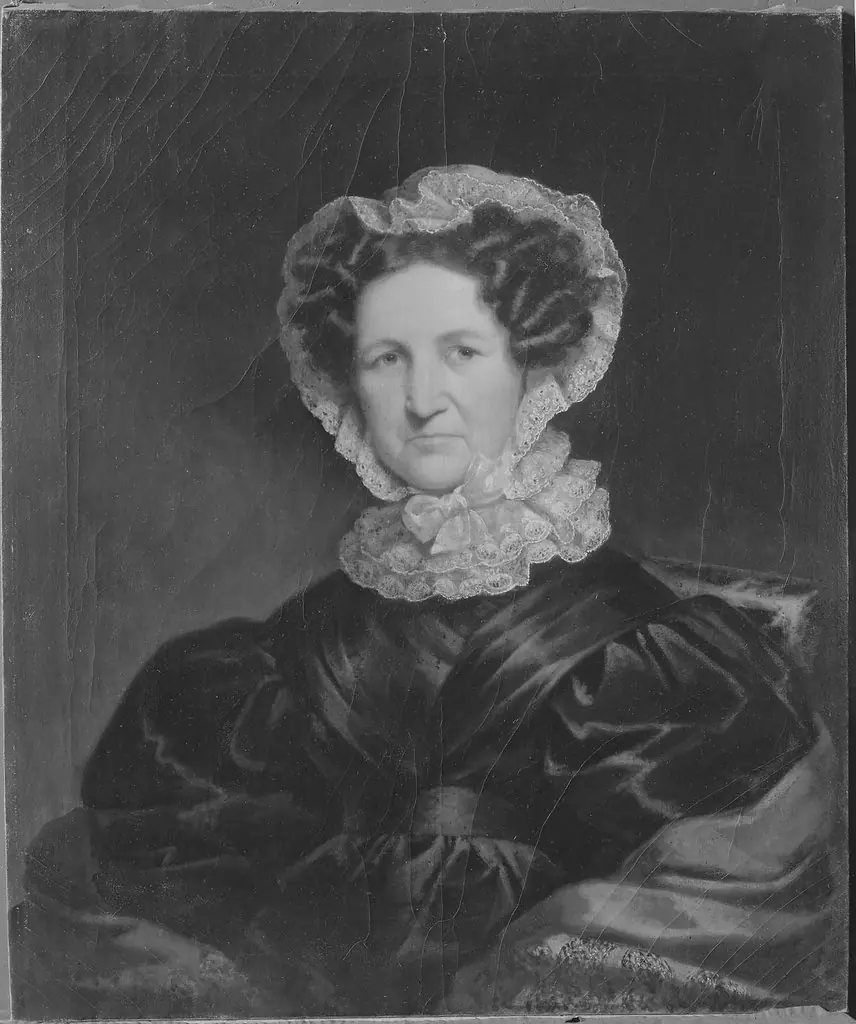 Mrs. Isaac Green (Ann Barrett)
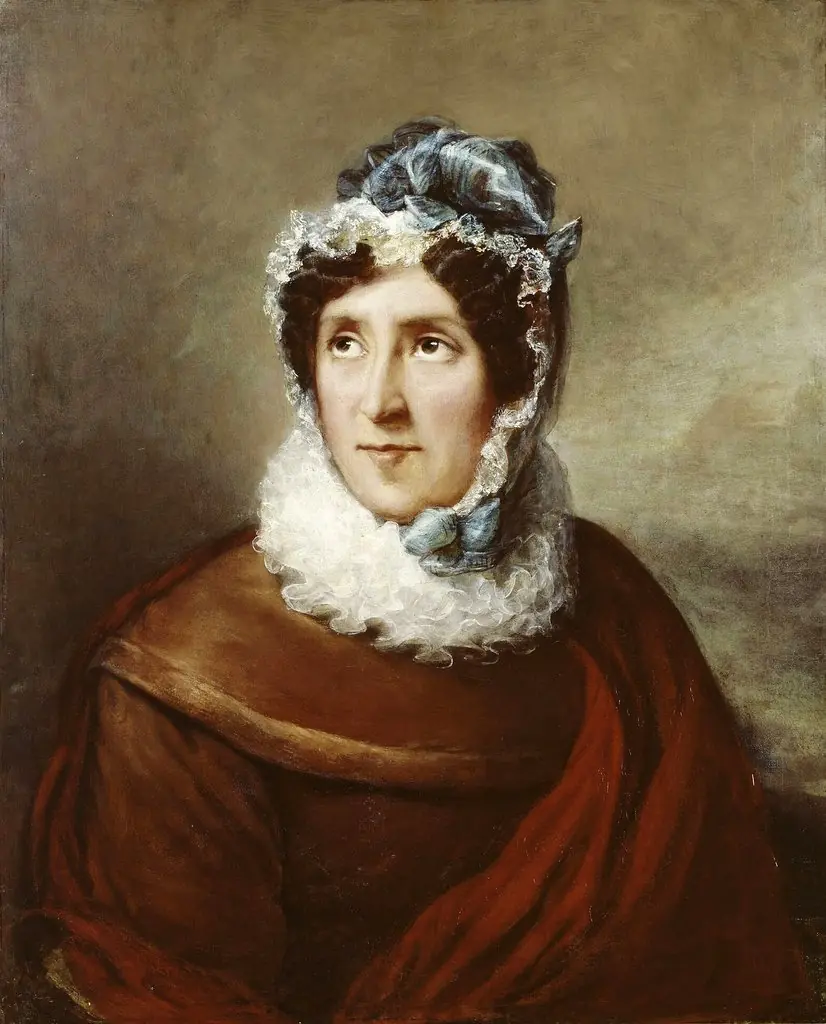 Jeanne Campan, née Genest (1752-1822)
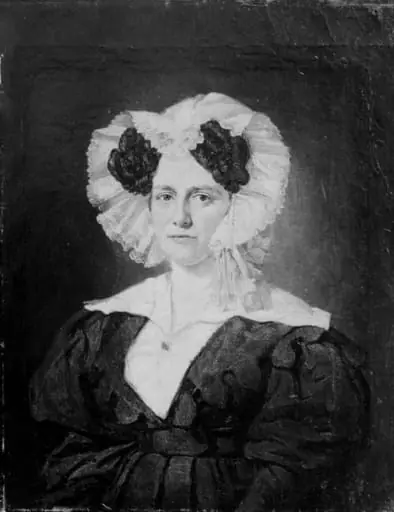 Dameportræt
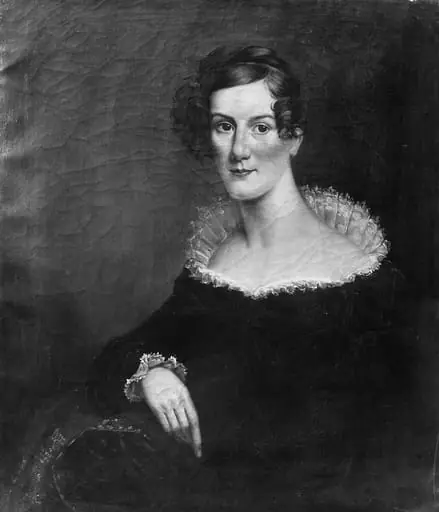 Sarah Cornell Clarkson (Mrs. William Richmond)
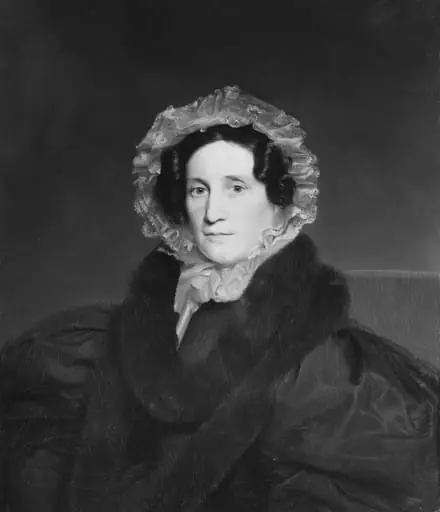 Mrs. Luman Reed
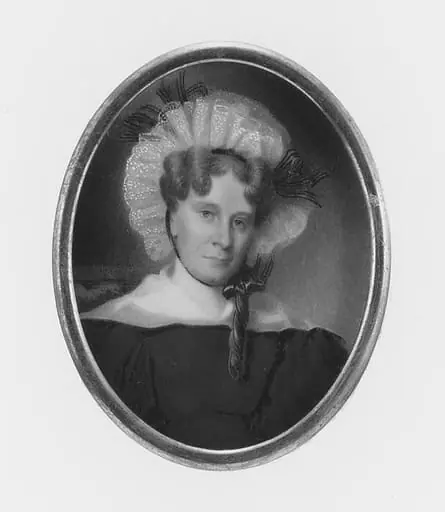 Portrait of a Lady
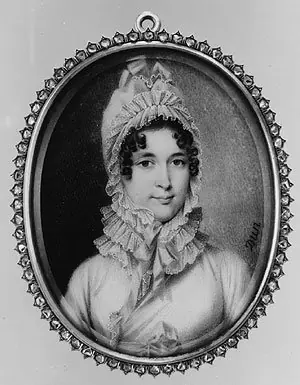 Portrait of a Woman, Said to Be Madame Récamier (1777–1849)