Artwork
Hedevig Margretha Thomsen, f. Jürgensen
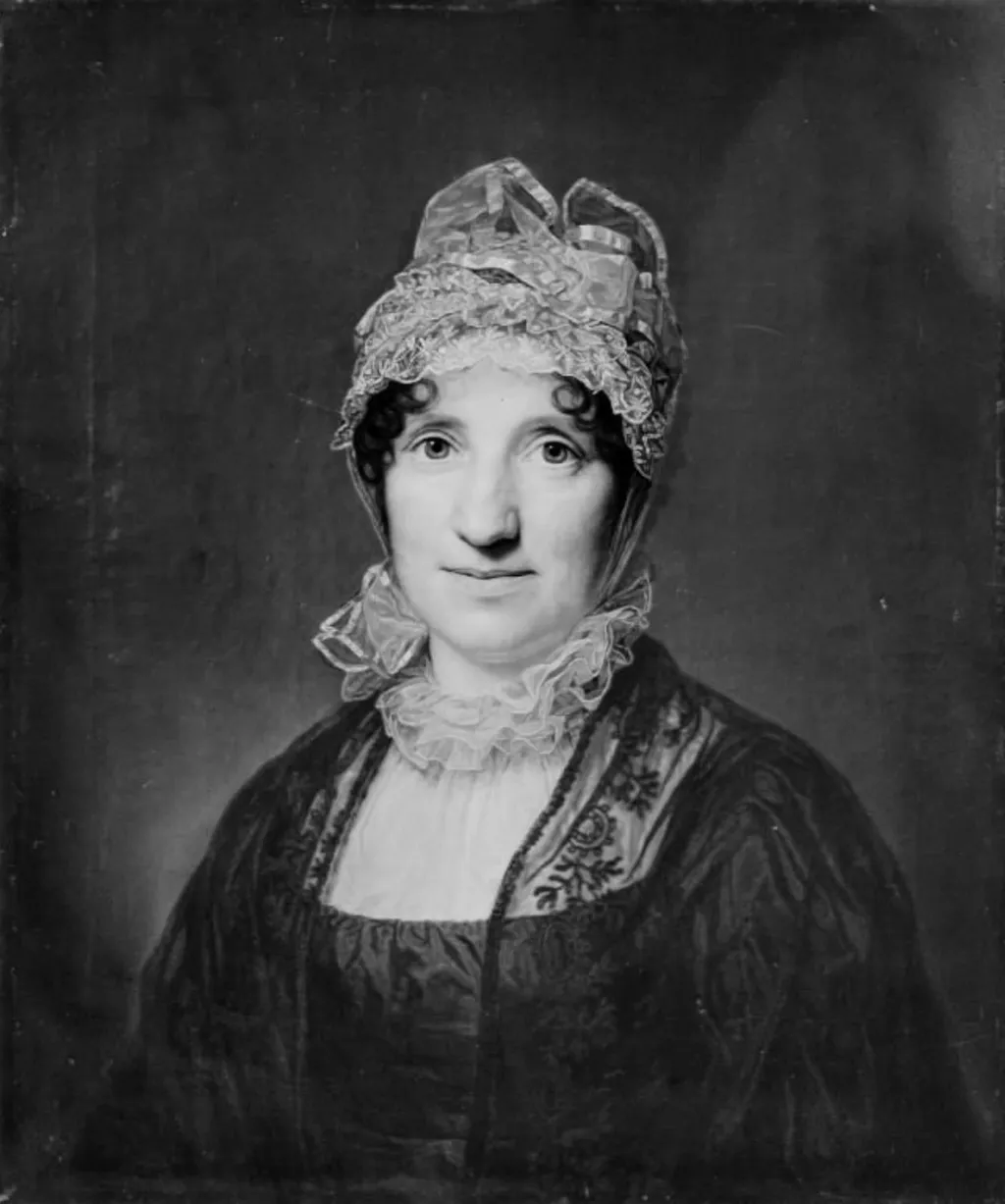
Hedevig Margretha Thomsen, f. Jürgensen is a photography by the Romanticist artist Unknown. It dates from 1814 and is held in the collection of the Statens Museum for Kunst. This portrait, dated 1814, depicts Hedevig Margretha Thomsen, née Jürgensen, in a quiet, formal composition.
About this work
Overview
It is held in the collection of the Museum of Ethnography, where it serves as a record of individual identity within a specific cultural moment.
This portrait, dated 1814, depicts Hedevig Margretha Thomsen, née Jürgensen, in a quiet, formal composition. Rendered in monochrome, the image captures her in period attire with meticulous attention to fabric and headwear. The photograph, though early in the medium’s history, reflects a deliberate stillness and restrained elegance. It is held in the collection of the Museum of Ethnography, where it serves as a record of individual identity within a specific cultural moment.
Subject & Meaning
Hedevig Margretha Thomsen is portrayed with composure and subtle dignity. Her direct gaze and faint smile suggest self-possession rather than performative charm. The elaborate hat and lace-trimmed dress indicate social standing and adherence to contemporary feminine norms of the era. The image does not seek to dramatize but to affirm presence — a quiet assertion of identity through dress and demeanor in a time when portraiture often reinforced social roles.
Technique & Style
The image employs soft, diffused lighting that minimizes harsh contrasts, a common approach in early photographic portraiture to accommodate long exposure times. The plain background eliminates distraction, centering the subject’s form and attire. Details of lace and ribbon are rendered with clarity despite the medium’s limitations, suggesting careful staging and a skilled hand. The tonal range is muted, enhancing the sense of timelessness and intimacy.
History & Provenance
Created in 1814, this portrait predates the widespread adoption of photography, raising questions about its medium — it may be a daguerreotype, calotype, or even a hand-colored print misattributed as a photograph. It entered the Museum of Ethnography’s collection as part of a broader effort to document personal and regional identities in the Nordic region during the early 19th century. Its origins remain partially undocumented, but its preservation reflects institutional interest in domestic portraiture.
Context
In early 19th-century Denmark, portraiture for women of the middle and upper classes emphasized modesty, refinement, and familial continuity. Clothing and headwear were markers of status and moral character. This image aligns with prevailing ideals of feminine decorum, even as it anticipates the documentary impulse of later photographic practice. It exists at the intersection of traditional painted portraiture and emerging visual technologies.
Legacy
Though not widely exhibited, the portrait contributes to scholarly understanding of how personal identity was visually constructed before the rise of mass photography. Its preservation in an ethnographic context underscores its value as a cultural artifact rather than an artistic statement. It offers insight into the quiet rituals of self-representation among Danish women in the early 1800s, bridging the gap between private life and public record.
Artist & collection

 Domestic Scene
 Giacomo and Cardinal Marco, investing Andrea, Abbot of San Zeno, with his Benefice
 The Nymph of Fontainebleau
 Portrait of a Woman
 Madonna and Child with Saints in the Enclosed Garden
 Venus and Minerva
 Family Group of Four on Sofa
 Wall painting from Room H of the Villa of P. Fannius Synistor at Boscoreale
 Mrs. Geromus Johnson
 Adelheid Berlin, Grosserer Lippmann Berlins hustru
 Adelheid Berlin, Grosserer Lippmann Berlins hustru
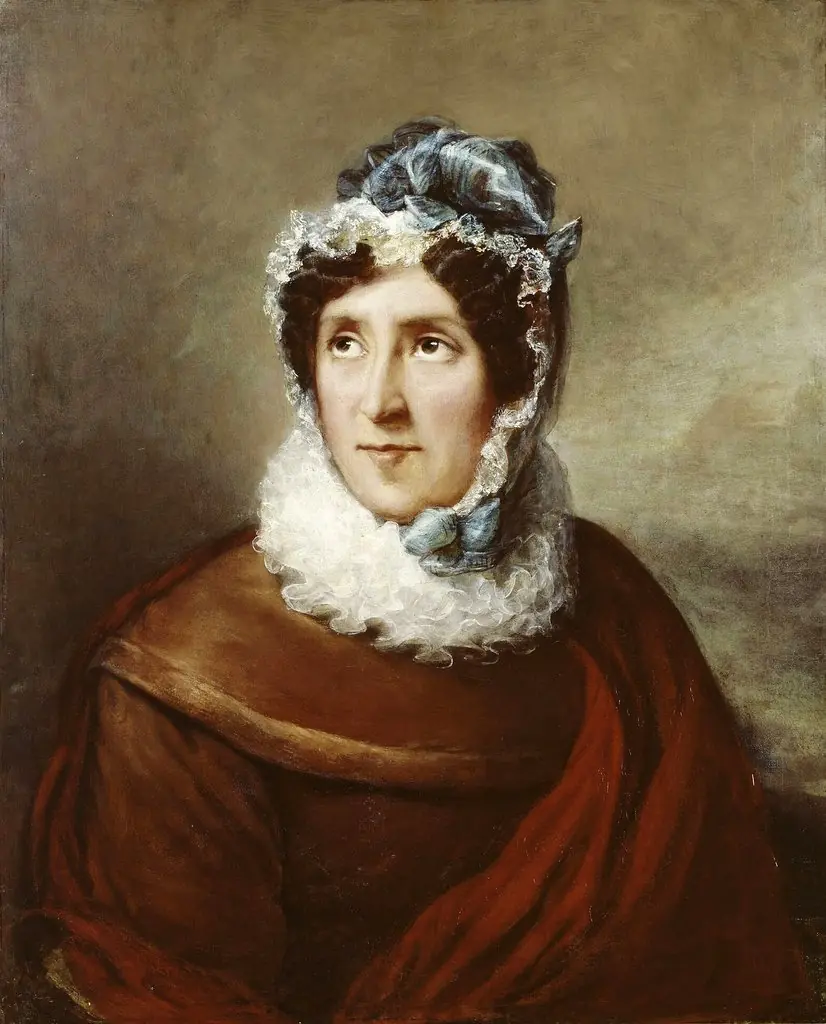 Jeanne Campan, née Genest (1752-1822)
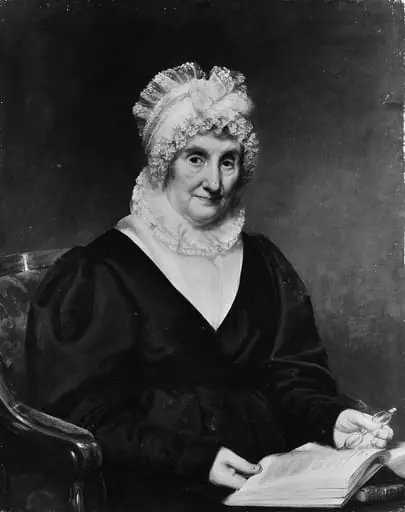 Portrait of a Lady (Possibly of the Buloid Family)
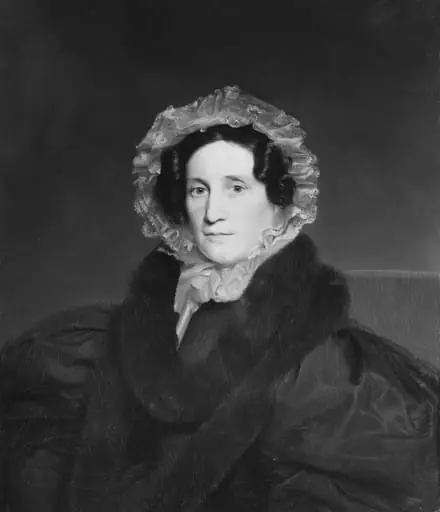 Mrs. Luman Reed
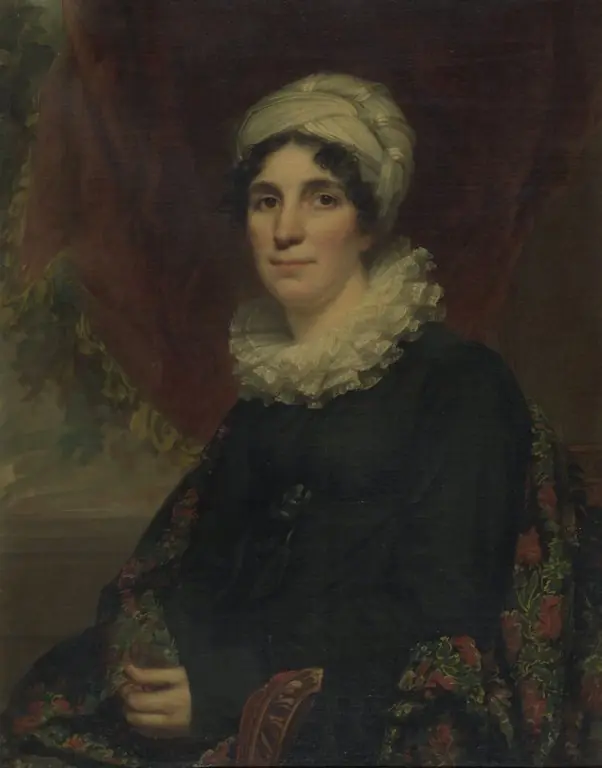 Mrs. James K. Bogert, Jr.
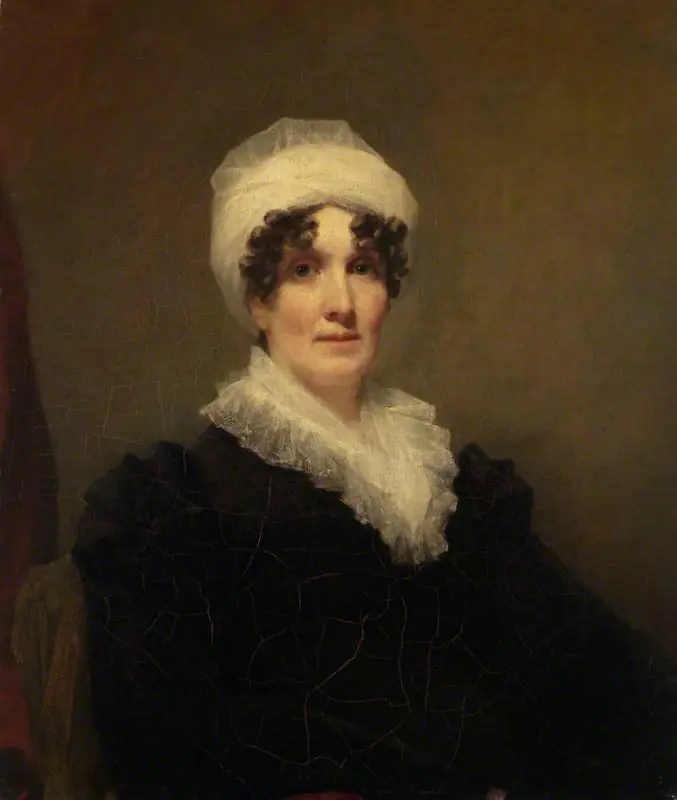 Sarah McCall, Mrs Alexander Bonar
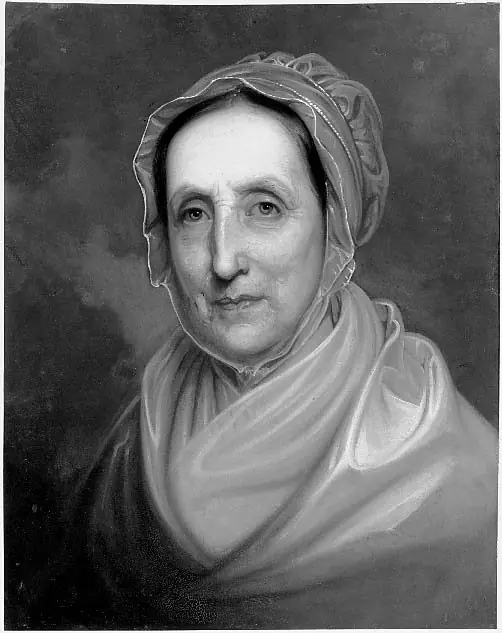 Mrs. Samuel Rodman (Elizabeth Rotch)
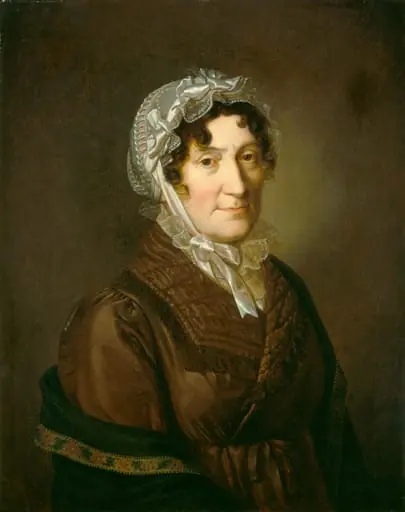 Portrait of a Lady