Artwork
Parti af Kullen fra søen udfor Mølleleje
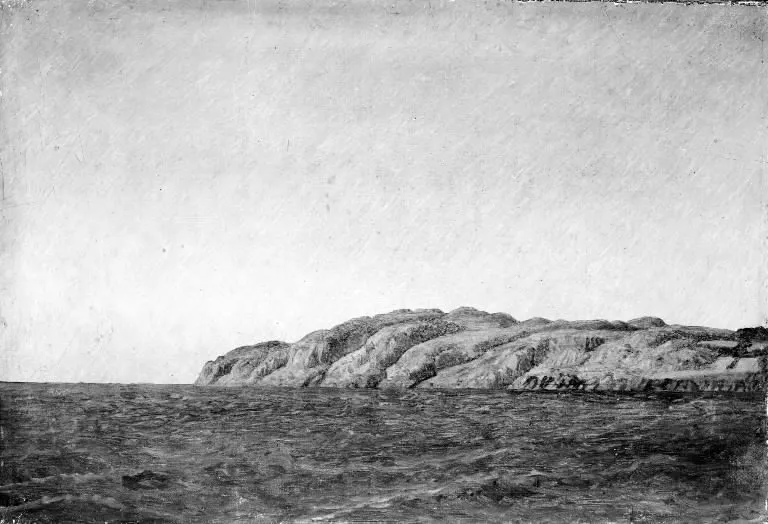
Parti af Kullen fra søen udfor Mølleleje is an oil painting by Christoffer Wilhelm Eckersberg. It dates from 1829 and is held in the collection of the Statens Museum for Kunst.
About this work
Overview
Painted in 1829 by Christoffer Wilhelm Eckersberg, this oil-on-canvas work captures a quiet coastal vista from the sea near Mølleleje, looking toward the Kullen peninsula. It belongs to a pivotal era in Danish art, where landscape painting gained new prominence through careful observation of nature. Eckersberg’s focus on light and atmospheric detail helped define the aesthetic of his time.
Subject & Meaning
The painting presents a tranquil seascape with the rocky outline of Kullen rising in the distance, framed by still water and a pale, even sky.
The painting presents a tranquil seascape with the rocky outline of Kullen rising in the distance, framed by still water and a pale, even sky. There are no human figures or signs of activity, emphasizing solitude and the quiet rhythm of nature. The composition invites contemplation, reflecting a broader cultural interest in the Danish coastline as a site of calm and introspection during the early 19th century.
Technique & Style
Eckersberg employed smooth, controlled brushwork to render the water’s surface and the hazy horizon with subtle gradations of tone. Oil paint was used to build layered atmospheric effects, softening edges between sea, sky, and land. The absence of sharp detail enhances the sense of stillness, while precise color harmonies—pale blues, greys, and muted greens—convey a restrained, luminous mood.
History & Provenance
Created during Eckersberg’s tenure as a professor at the Royal Danish Academy, the painting reflects his commitment to landscape study as a serious artistic pursuit. It was likely made during one of his coastal sketching trips, later refined in his studio. The work entered public collections in Denmark and has remained within national institutions since the 19th century, preserving its connection to Danish artistic heritage.
Context
This piece emerged during Denmark’s Golden Age, a period marked by national identity formation after the loss of Norway and economic hardship. Artists turned to domestic landscapes as subjects of cultural pride. Eckersberg’s focus on unidealized, observed nature—rather than romanticized vistas—aligned with emerging ideals of realism and national introspection in Danish art.
Legacy
Eckersberg’s approach to landscape, exemplified in this work, influenced generations of Danish painters who followed his emphasis on direct observation and tonal harmony. Though not widely exhibited abroad, the painting remains a touchstone in Danish art history for its quiet precision and its role in establishing landscape as a legitimate and enduring genre within the nation’s artistic tradition.
Artist & collection
Artist
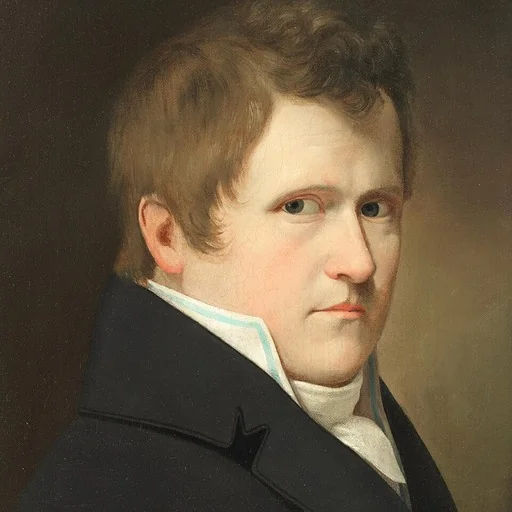
Christoffer Wilhelm Eckersberg
Christoffer Wilhelm Eckersberg (2 January 1783 – 22 July 1853) was a Danish painter.

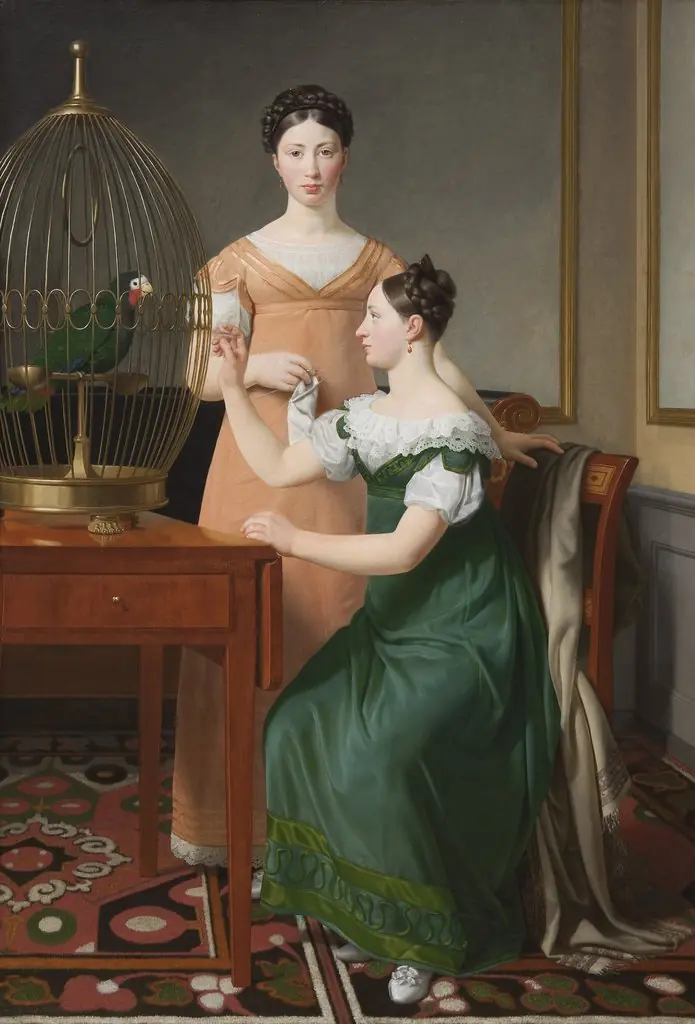 Bella and Hanna. The Eldest Daughters of M. L. Nathanson
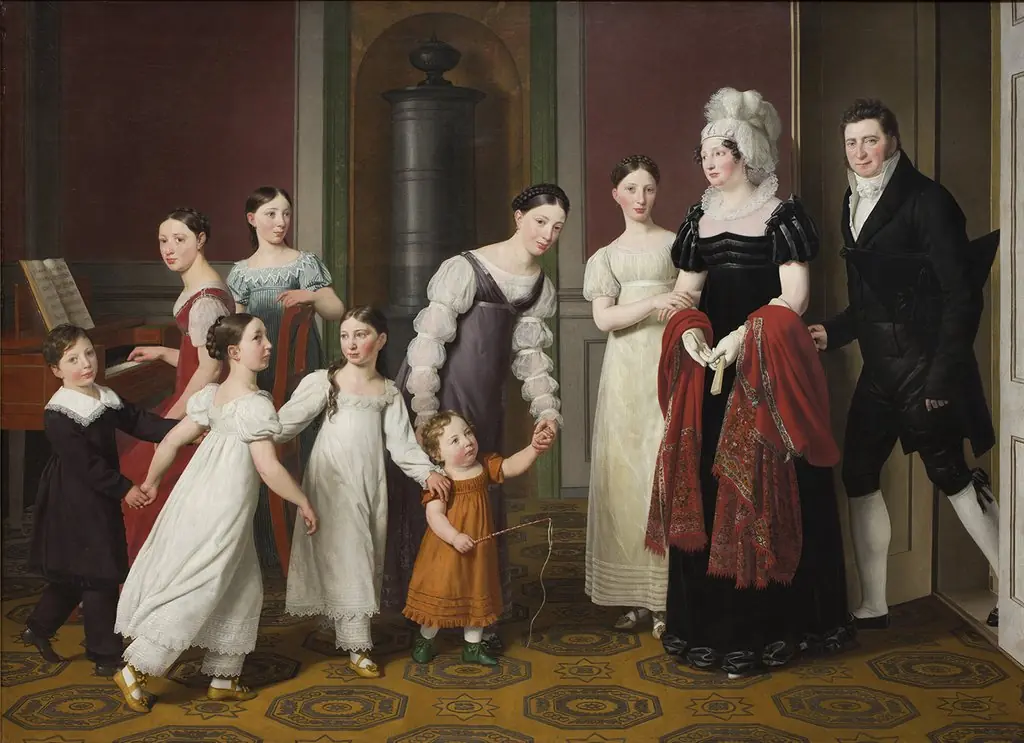 Familien Nathanson
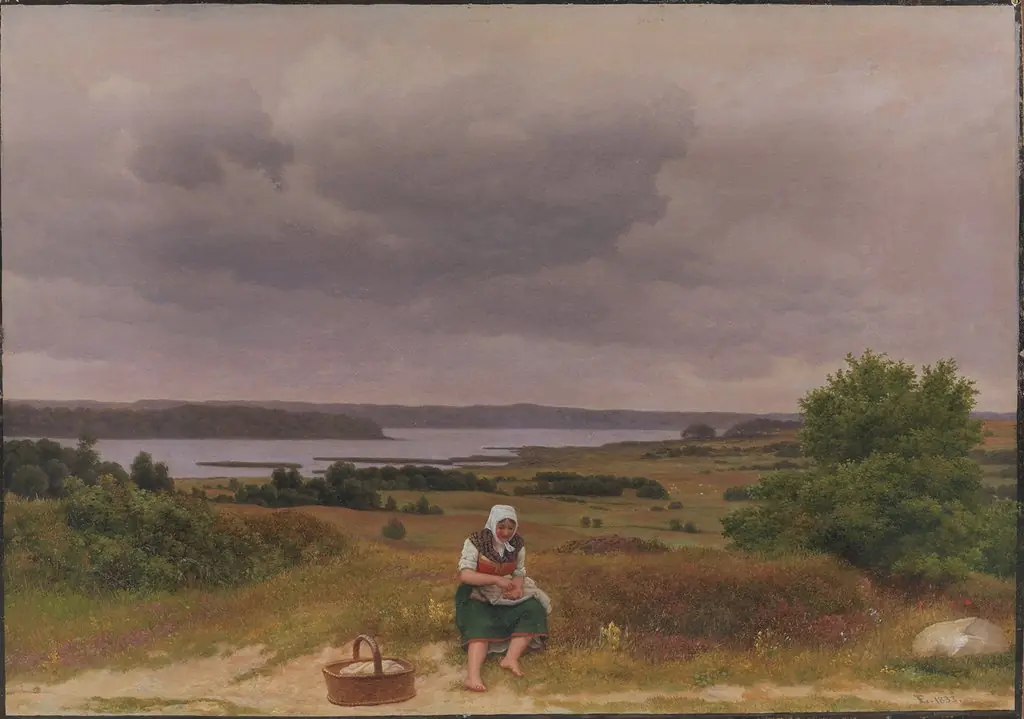 View of Lake Fure near Rudersdal, North Sealand.
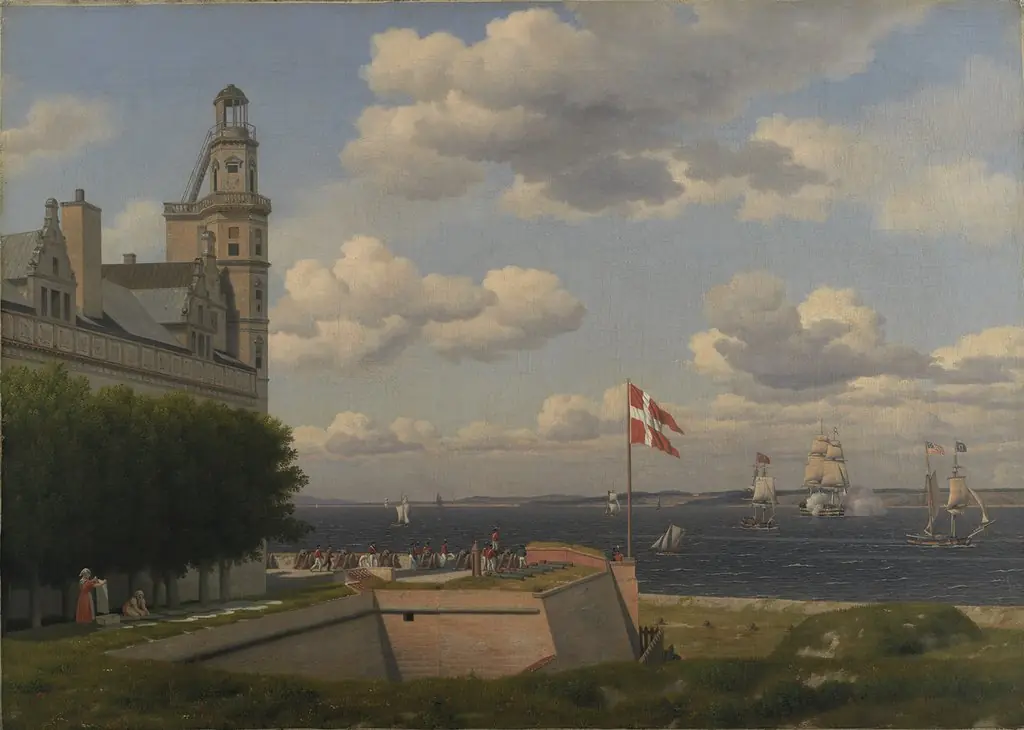 A View towards the Swedish Coast from the Ramparts of Kronborg Castle
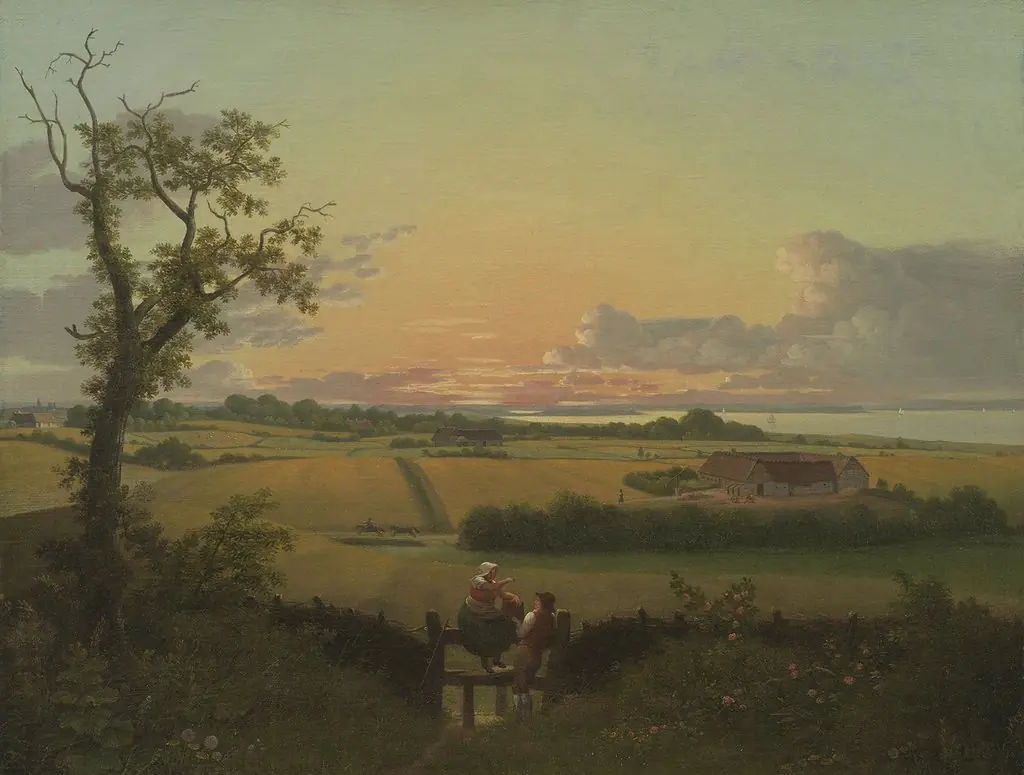 Landscape with a Stile. The Isle of Møn
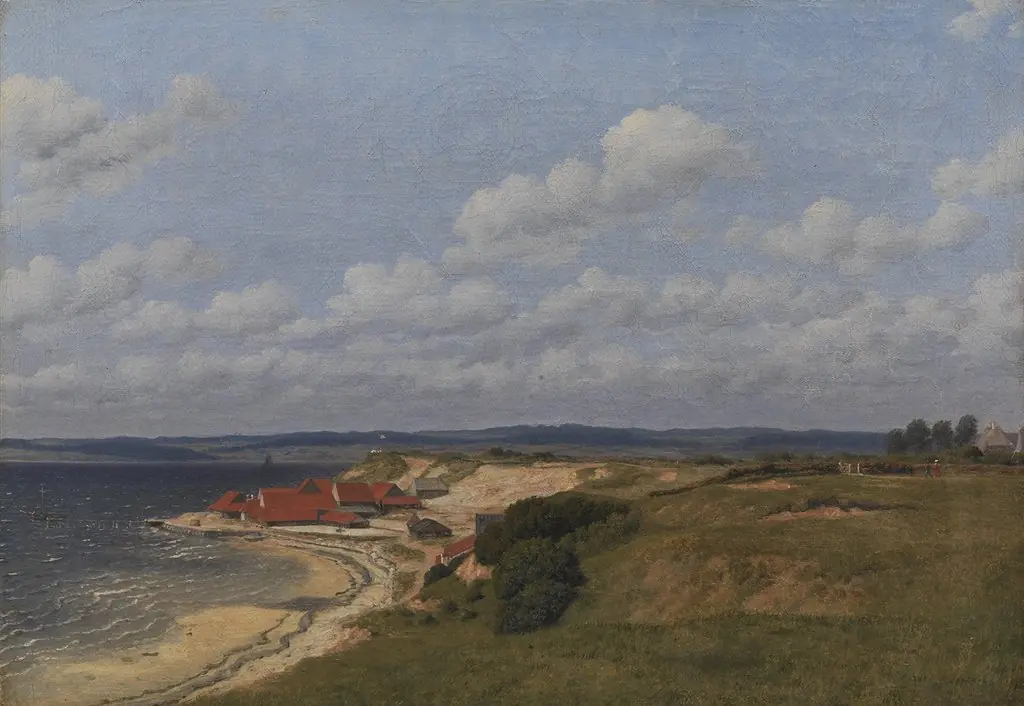 Renbjærg Tileworks by Flensburg Fiord
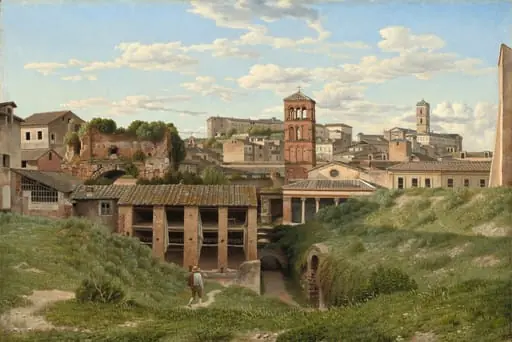 View of the Cloaca Maxima, Rome
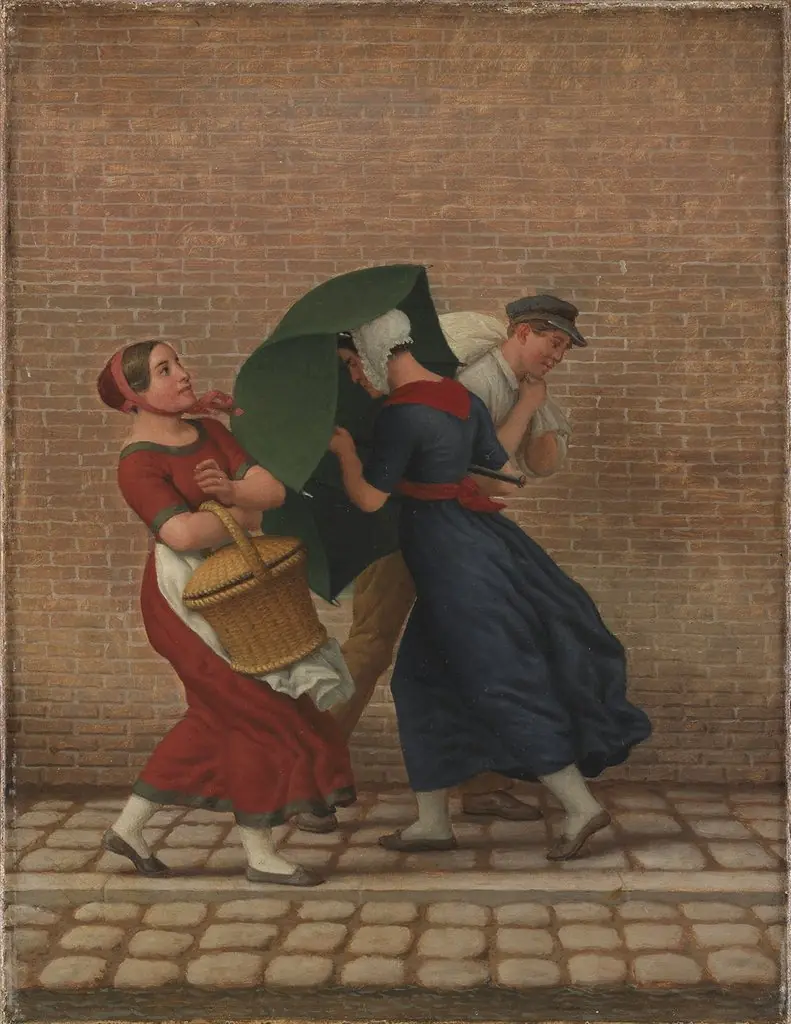 Street Scene in Windy and Rainy Weather
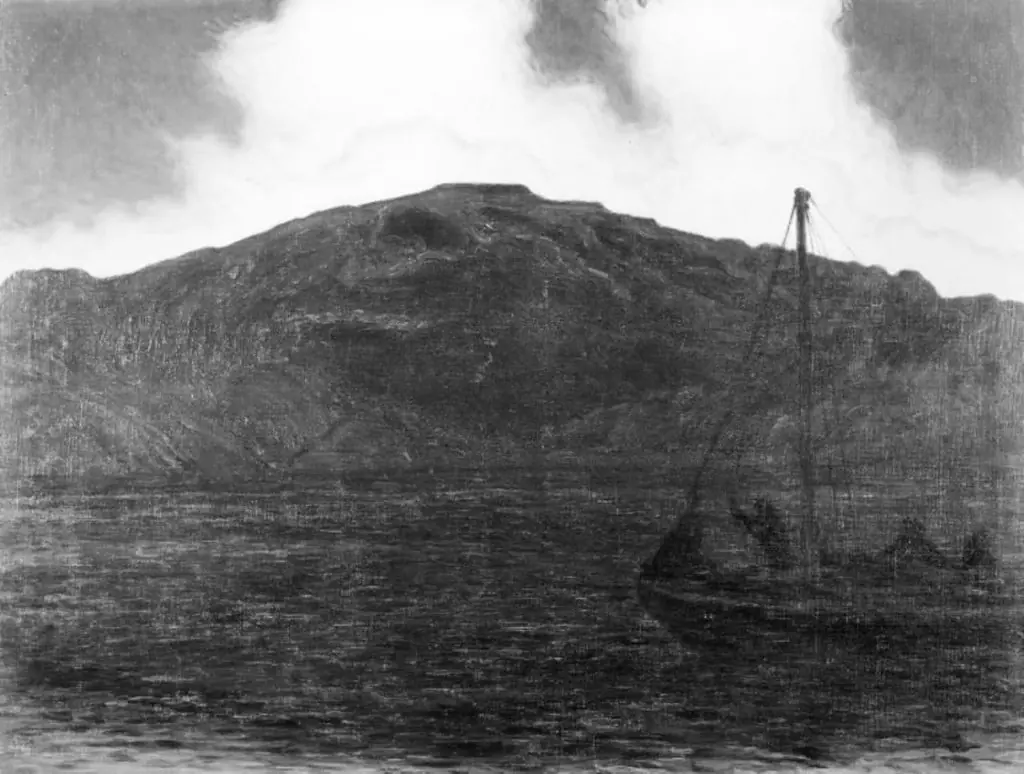 The Mountain
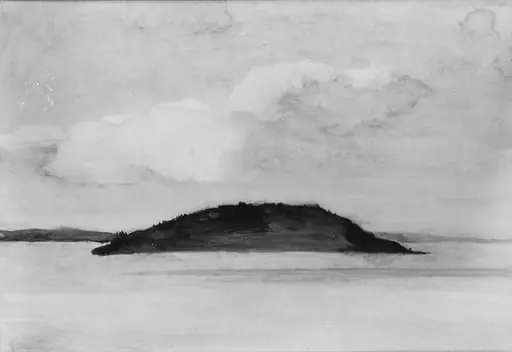 Sheep Porcupine Island, Bar Harbor, Maine, Evening Study, August 29, 1896
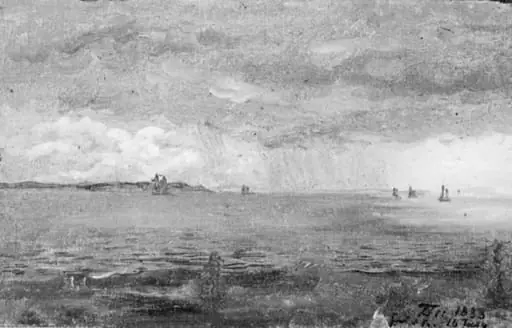 The Sound with Rain Clouds and Ships in the Background
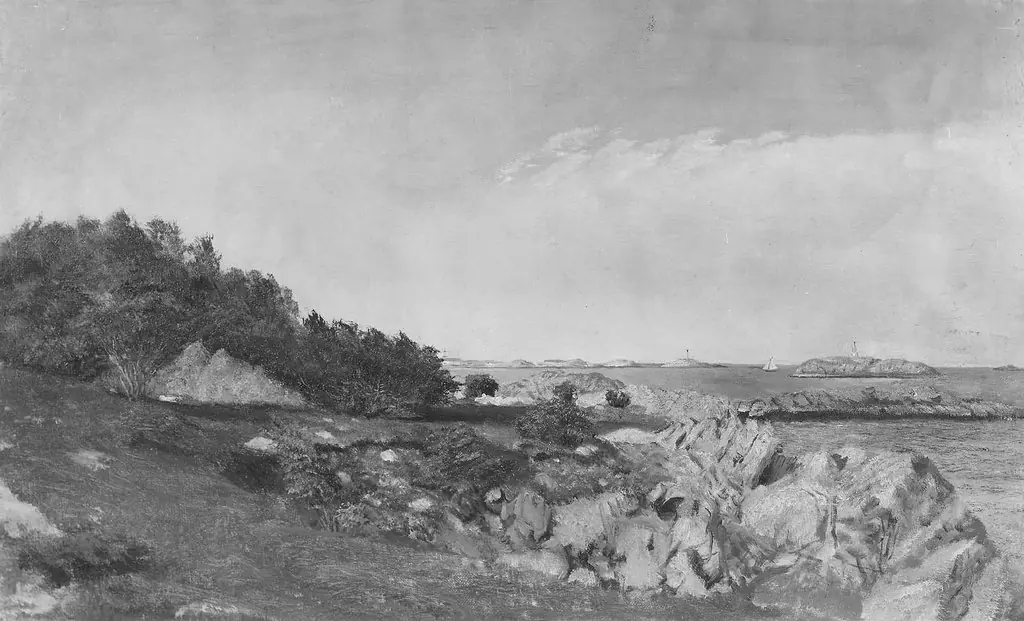 Rocky Coast with Light House
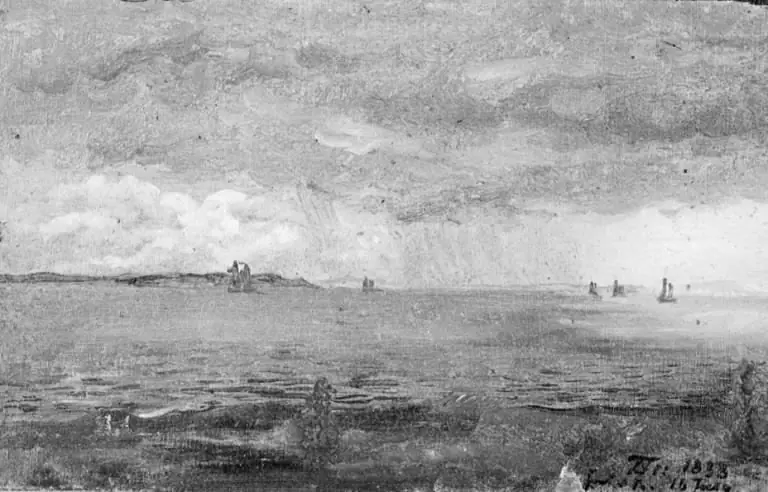 The Sound with Rain Clouds and Ships in the Background
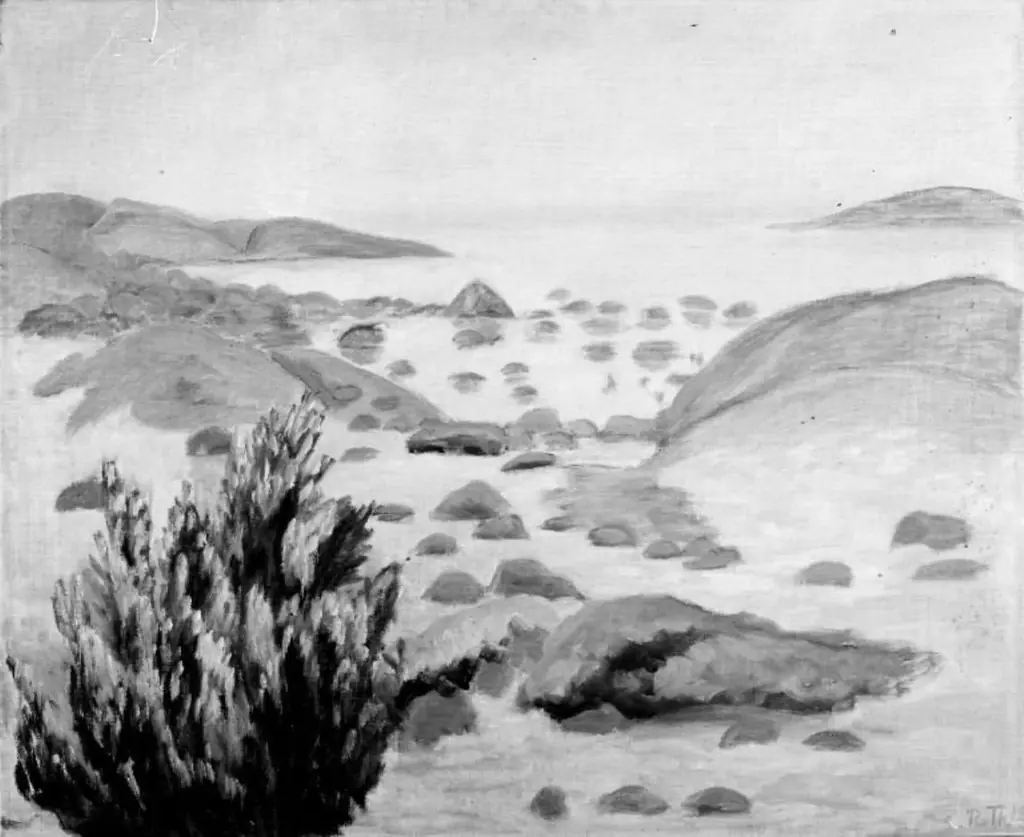 From Ørekroken - Whales
 Rocks and Sea
 The Sound with ships, Near Espergærde
 The Avon Gorge and Hotwell