Artwork
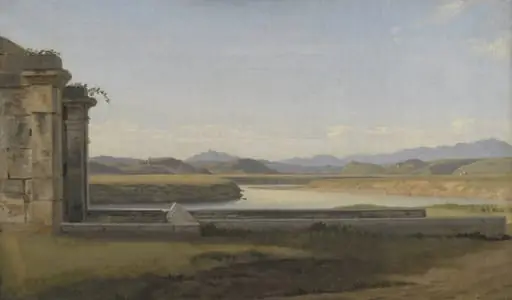
View of the Fontana Acetosa, Rome
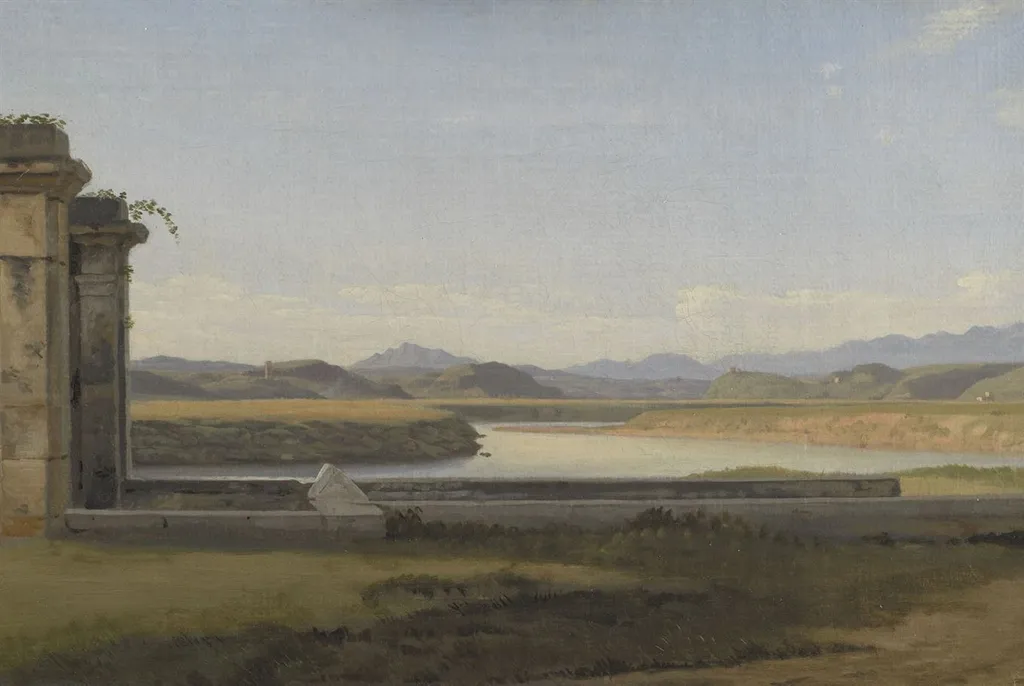
View of the Fontana Acetosa, Rome is an oil painting by Christoffer Wilhelm Eckersberg. It dates from 1814 and is held in the collection of the Statens Museum for Kunst.
About this work
Overview
Christoffer Wilhelm Eckersberg’s 1814 oil painting presents a quiet Roman landscape centered on the Fontana Acetosa. The composition balances a modest stone structure with a sprouting plant in the left foreground against a calm water surface that extends toward the right. Beyond, gentle hills rise under a pale sky, creating a sense of spaciousness and repose.
Subject & Meaning
The work captures a specific spot near Rome’s Acetosa spring, emphasizing the harmony between built and natural elements. By foregrounding the modest architecture and the modest vegetation, Eckersberg suggests a tranquil coexistence of human presence and the surrounding countryside, inviting contemplation of everyday serenity rather than grand historical narrative.
Technique & Style
Eckersberg employs a restrained palette of muted greens, earth tones, and soft blues, allowing subtle shifts in light to model form. Delicate gradations of shadow and atmospheric perspective give depth to the distant hills, while crisp brushwork defines the stone and foliage. The painting reflects the artist’s academic training and his interest in precise observation of light.
History & Provenance
Created during Eckersberg’s Italian period, the canvas later entered the collection of Denmark’s national gallery, Statens Museum for Kunst. The painting exemplifies the early phase of the artist’s career before he returned to Copenhagen, where he would influence a generation of Danish painters and help shape the nation’s artistic identity.
Context
The piece belongs to a broader trend among early‑19th‑century European artists who traveled to Italy to study classical sites and natural scenery. Eckersberg’s focus on a modest, everyday view contrasts with the more dramatic vistas favored by his contemporaries, reflecting his emerging preference for clarity, order, and the study of light.
Artist & collection
Artist
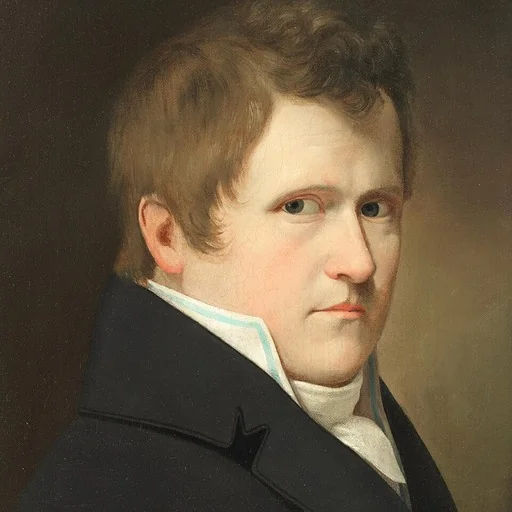
Christoffer Wilhelm Eckersberg
Christoffer Wilhelm Eckersberg (2 January 1783 – 22 July 1853) was a Danish painter.

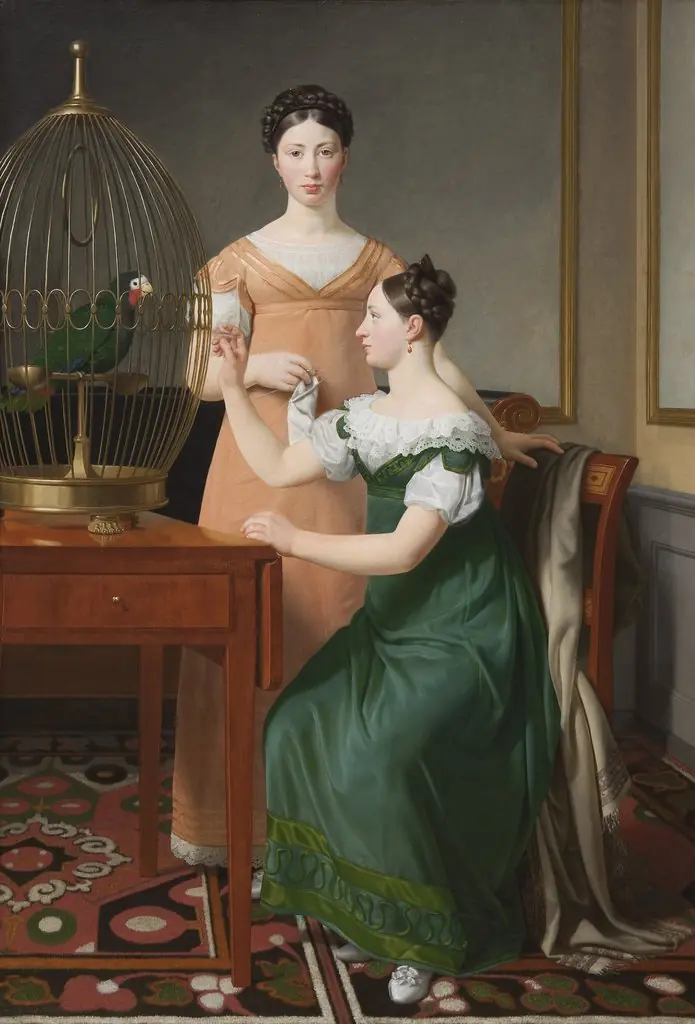 Bella and Hanna. The Eldest Daughters of M. L. Nathanson
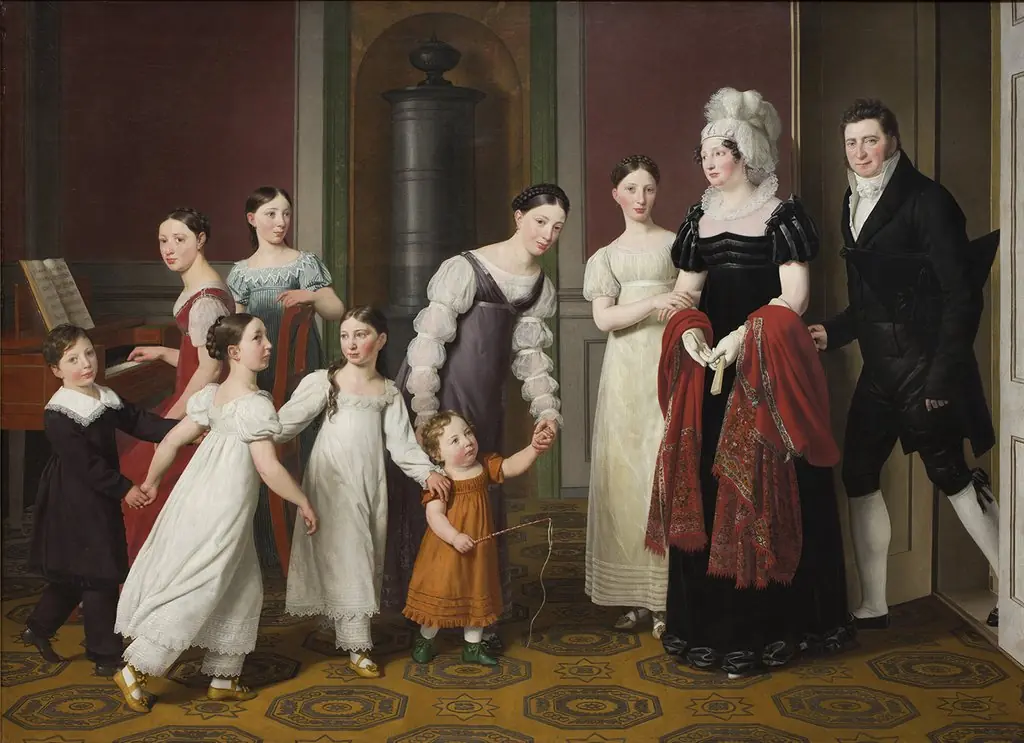 Familien Nathanson
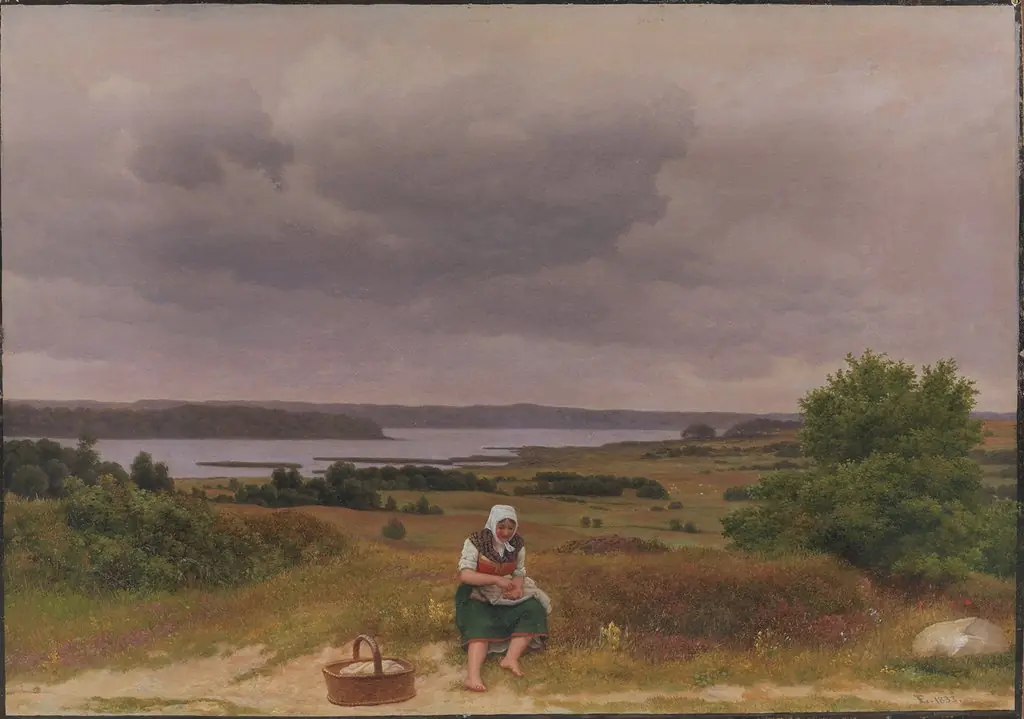 View of Lake Fure near Rudersdal, North Sealand.
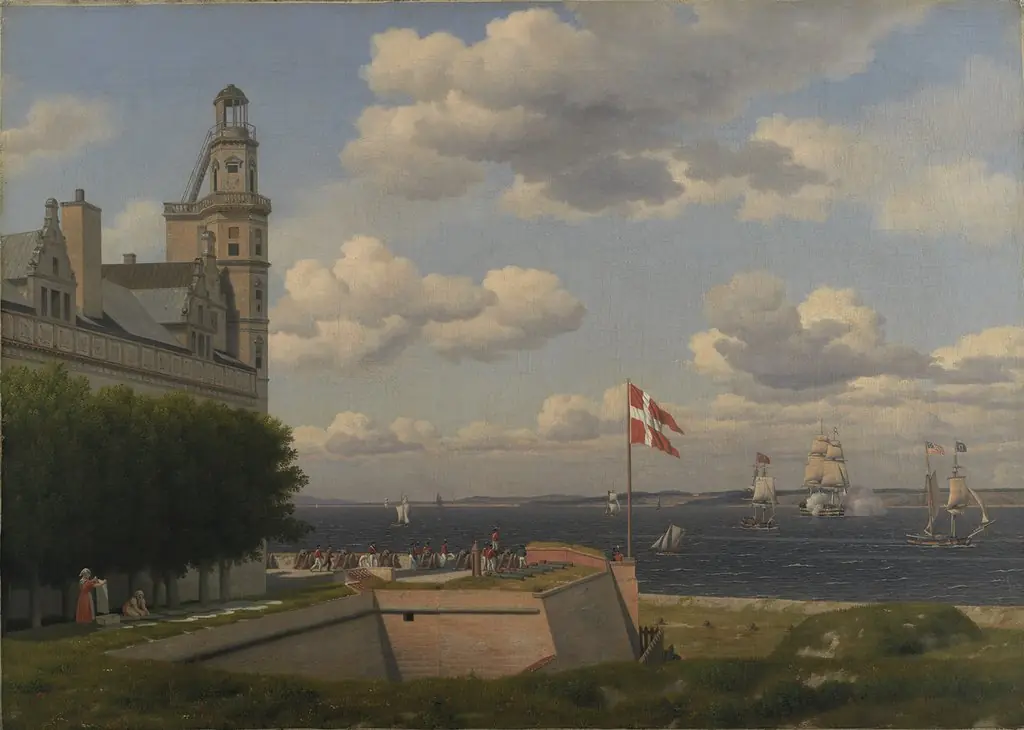 A View towards the Swedish Coast from the Ramparts of Kronborg Castle
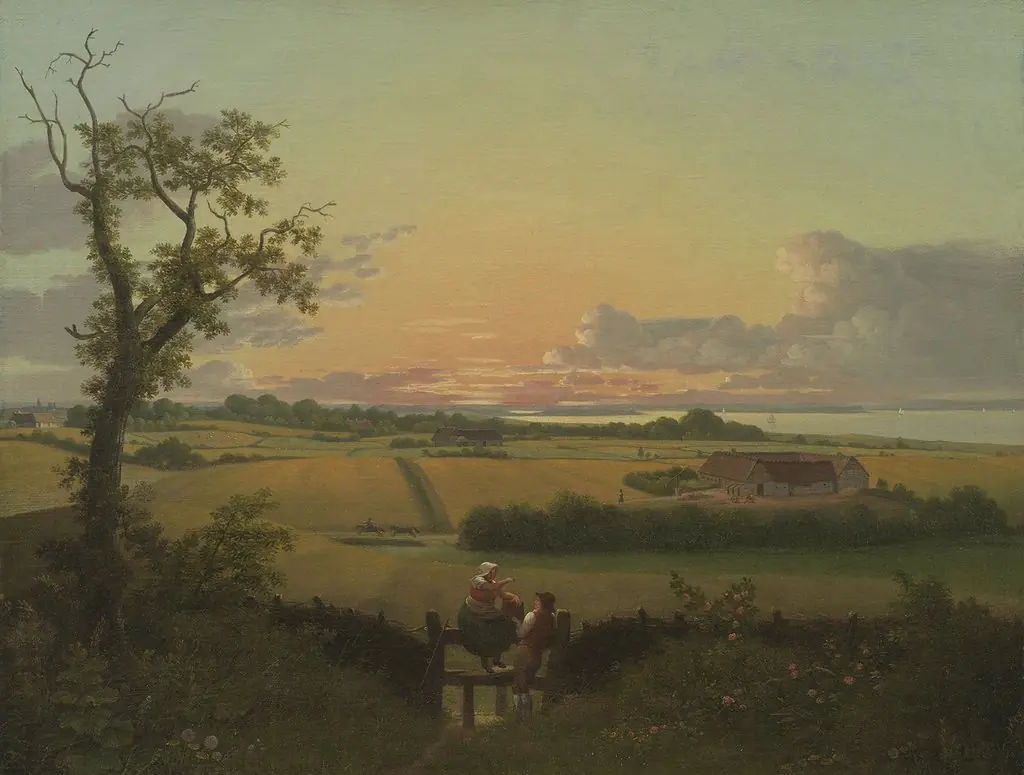 Landscape with a Stile. The Isle of Møn
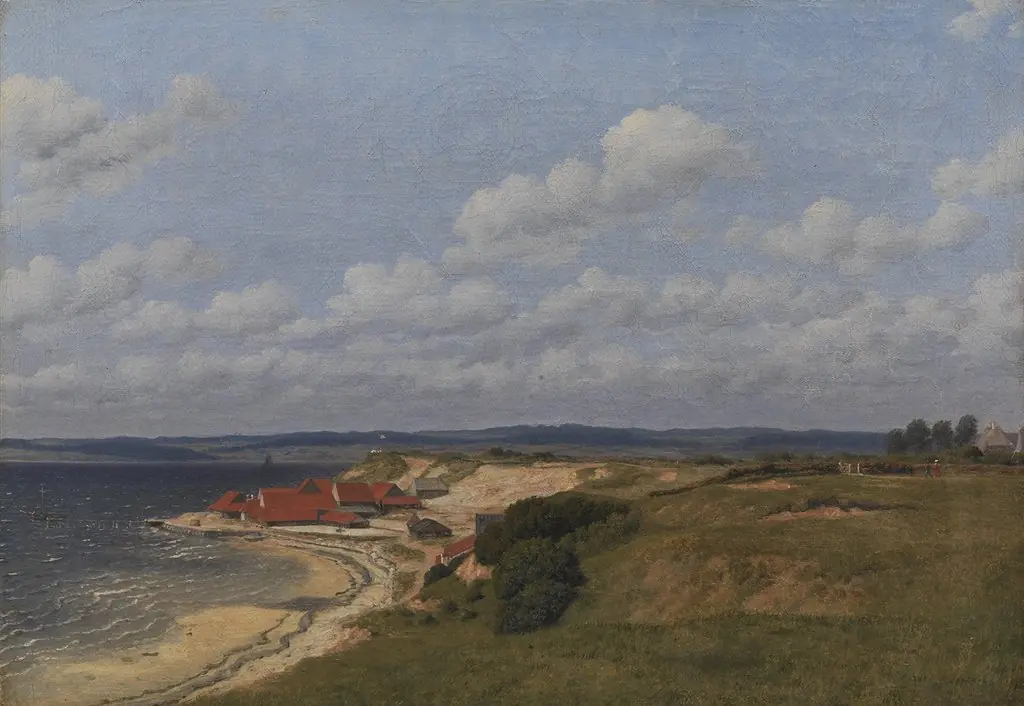 Renbjærg Tileworks by Flensburg Fiord
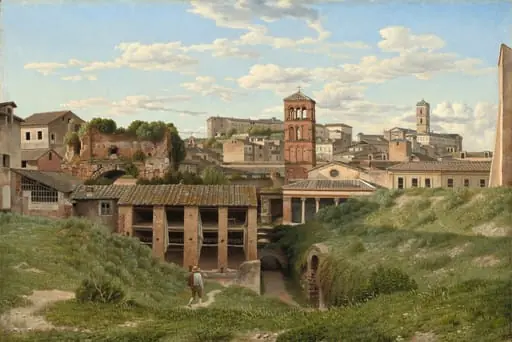 View of the Cloaca Maxima, Rome
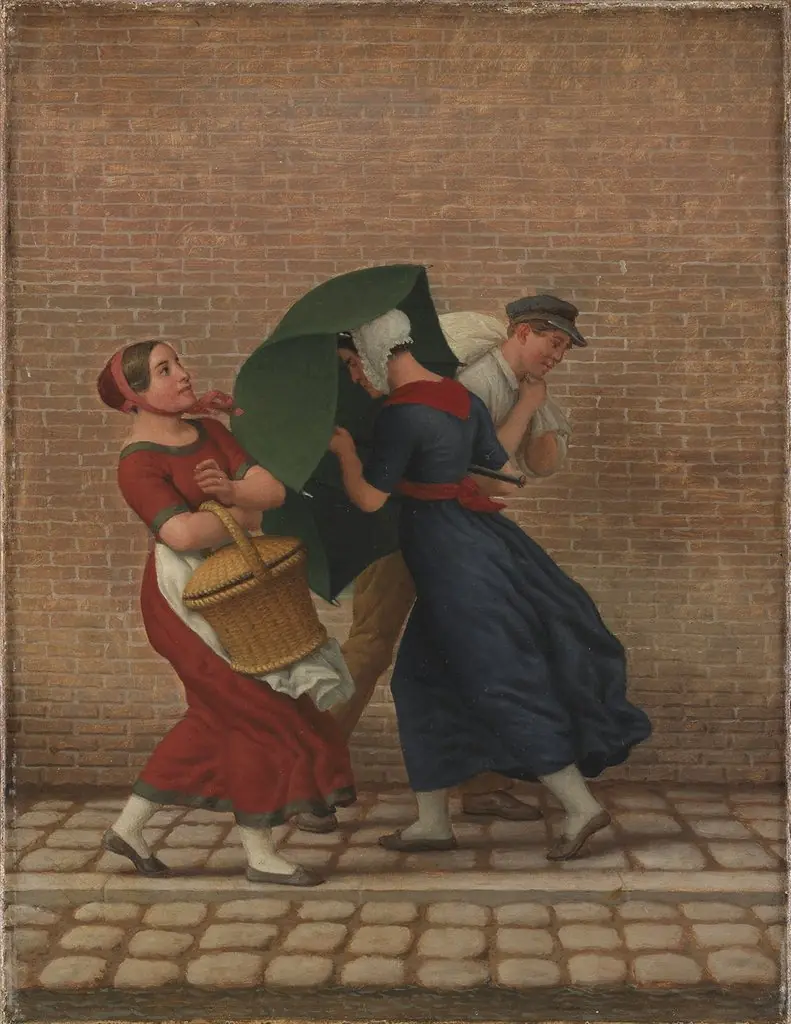 Street Scene in Windy and Rainy Weather
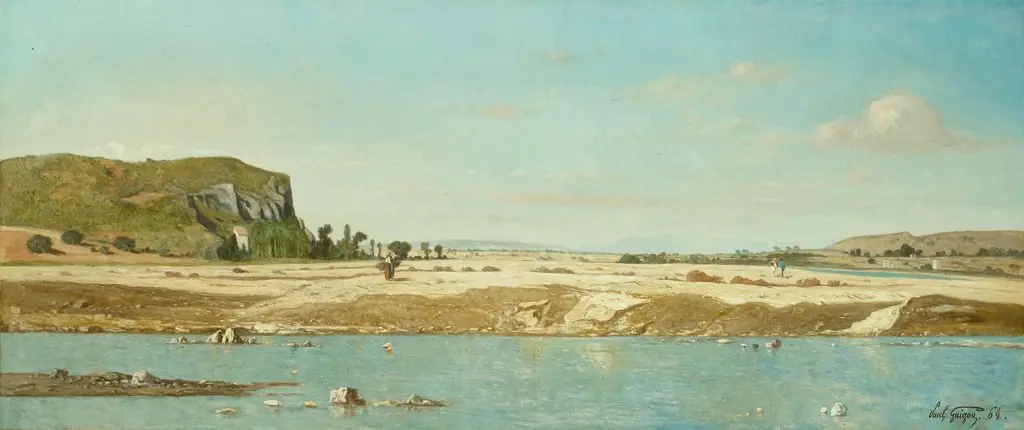
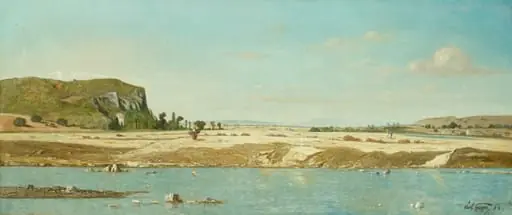 The Banks of the River Durance at Saint Paul
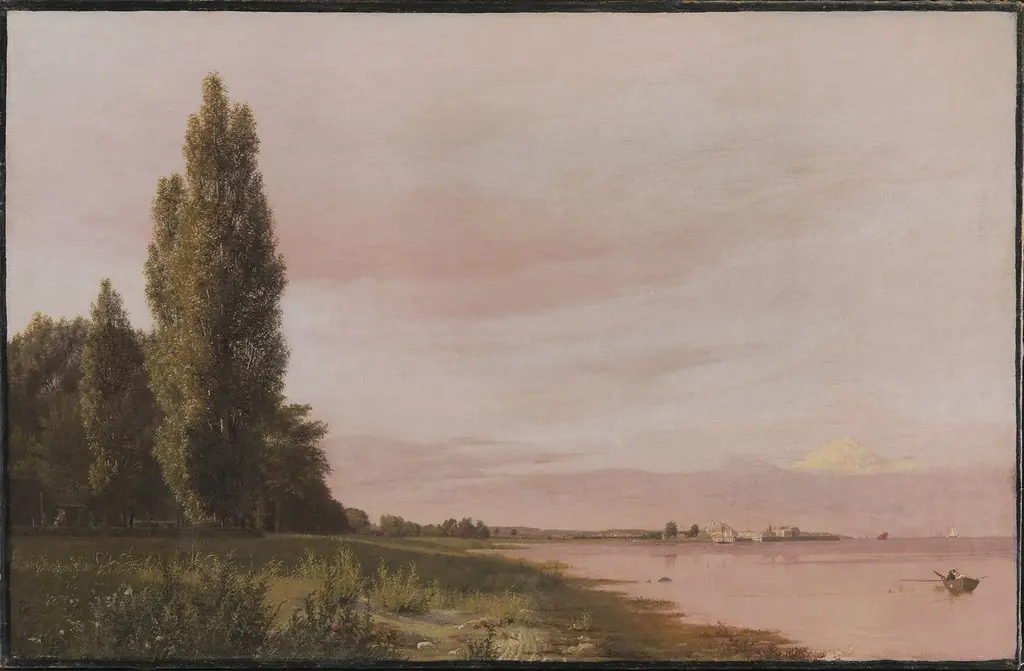 View of the Bay near the Copenhagen Limekiln Looking North. A Quiet Summer Afternoon
 Italian waterside landscape
 Vue des aqueducs romains sur les hauteurs de Saint-Just
 The Banks of the River Durance at Saint Paul
 Gegend in der Rheinpfalz
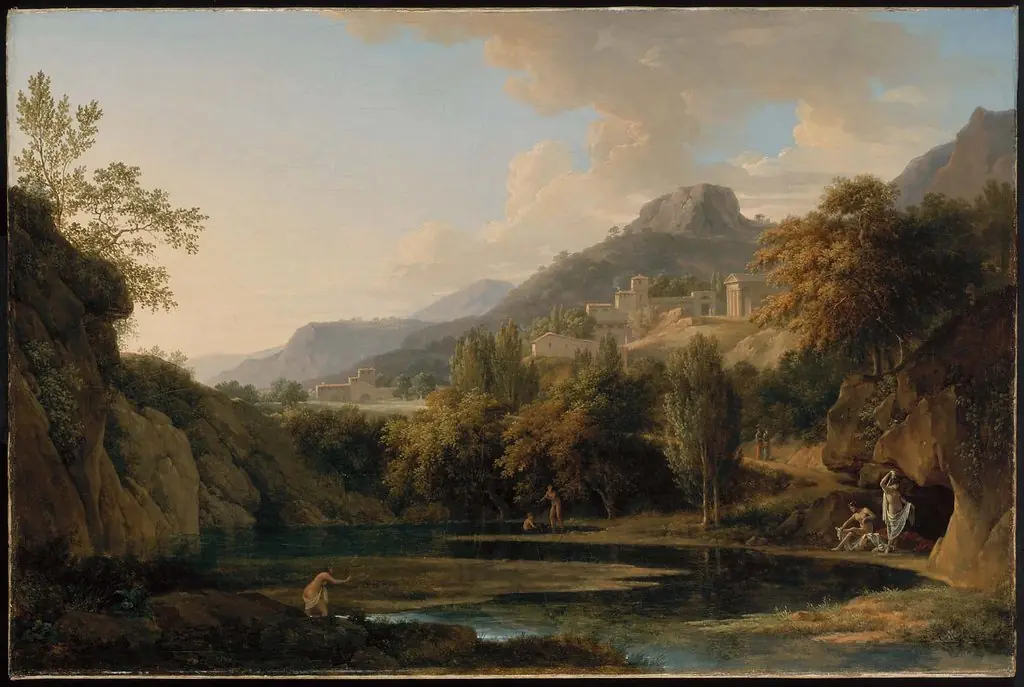 Italian Landscape with Bathers
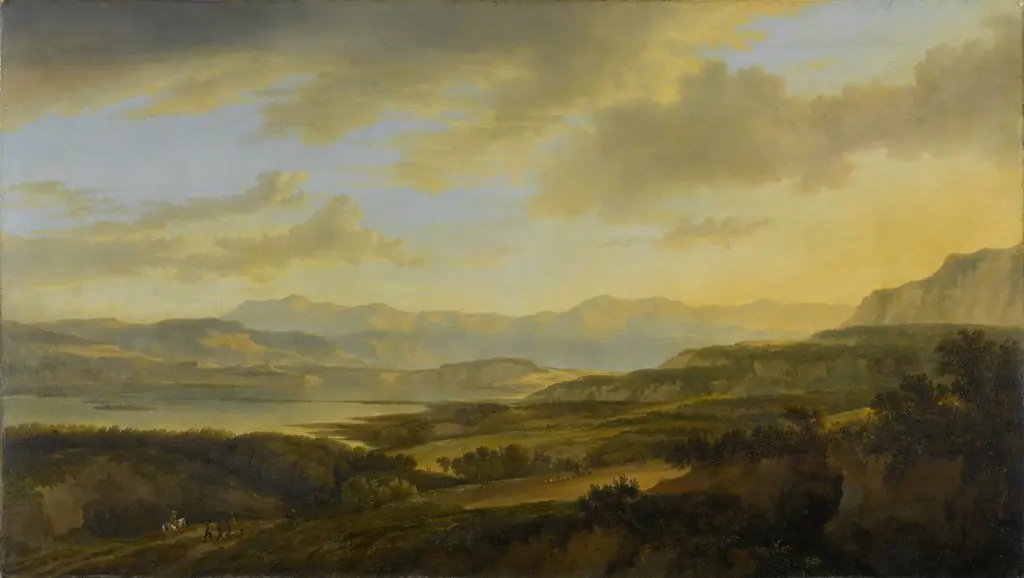 The Lake of Zurich
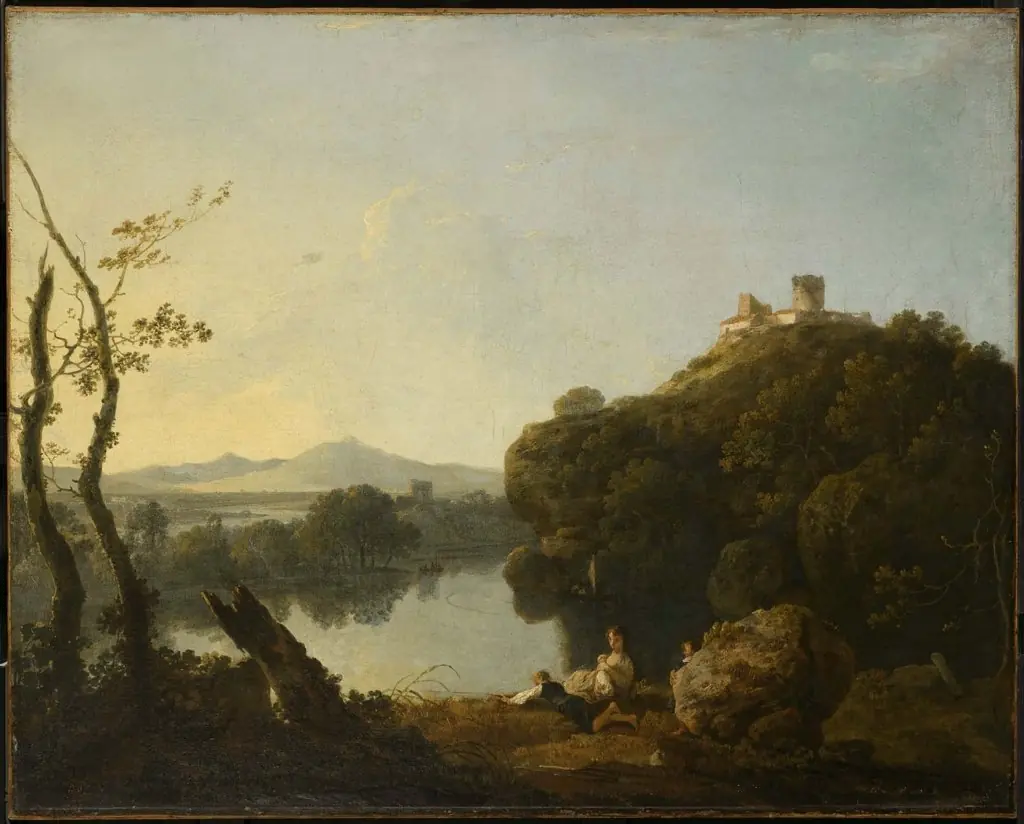 River Landscape with a Boy Fishing (On the Arno)
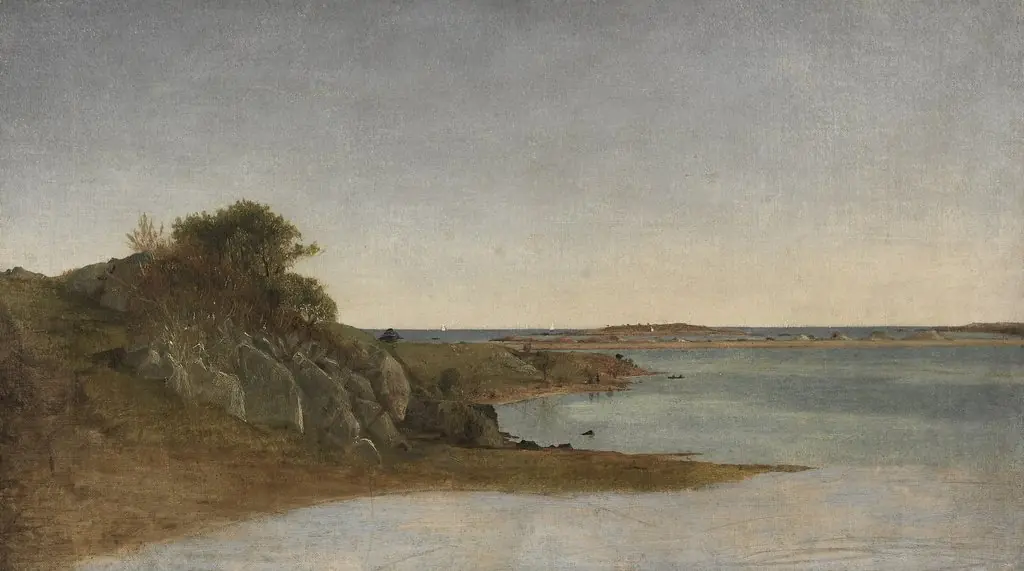 View near Newport
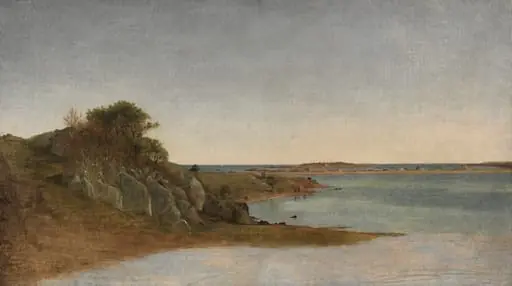 View near Newport
 View from the Fontana Acetosa, Rome