Artwork
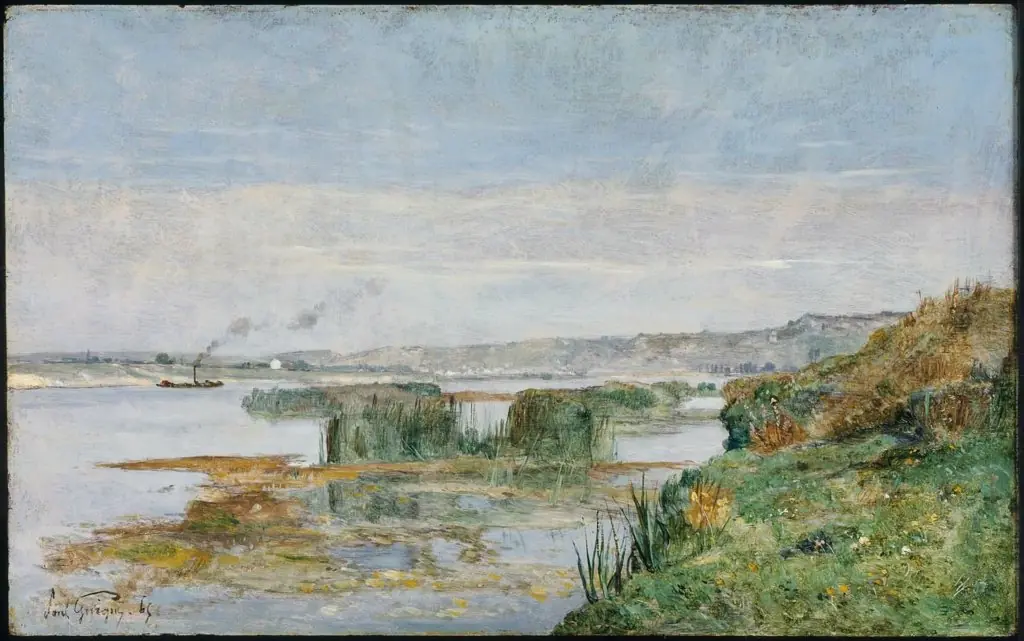
The Banks of the River Durance at Saint Paul
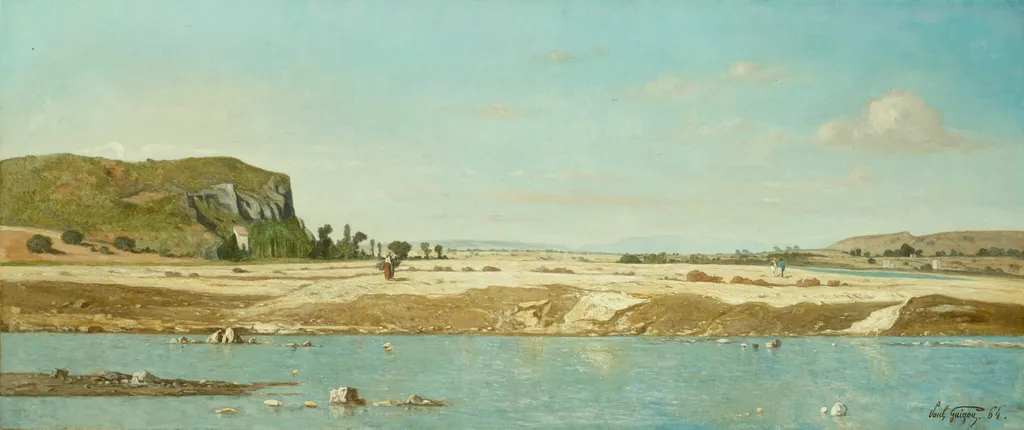
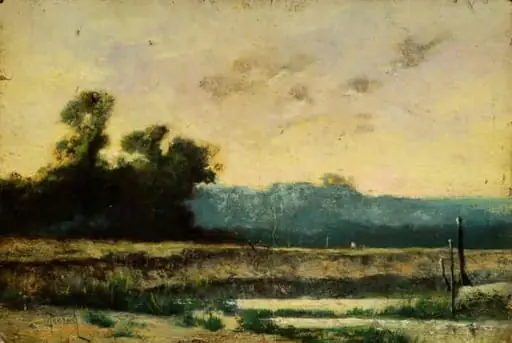
The Banks of the River Durance at Saint Paul is an oil painting by the Impressionist artist Paul Guigou. It dates from 1864 and is held in the collection of the Art Institute of Chicago.
About this work
Overview
This landscape reflects his commitment to observing nature directly, aligning with Realist principles rather than idealized composition.
Painted in 1864, *The Banks of the River Durance at Saint Paul* is an oil on canvas work by French artist Paul Camille Guigou. Born into a family of landowners and notaries in Vaucluse, Guigou trained locally before moving to Paris in 1863. Though he initially worked as a notary clerk, his artistic pursuits led him to engage with emerging modern painters. This landscape reflects his commitment to observing nature directly, aligning with Realist principles rather than idealized composition.
Subject & Meaning
The painting presents a quiet stretch of the Durance River near the village of Saint Paul, with modest buildings, scattered trees, and calm water. There is no overt religious narrative, despite earlier claims; the scene is secular, focused on the ordinary rhythms of rural life. Guigou’s choice of subject emphasizes the dignity of everyday landscapes, rejecting theatricality in favor of quiet observation. The absence of human figures enhances the sense of stillness and solitude.
Technique & Style
Guigou employed careful brushwork to render textures of bark, water, and foliage with precision. Light is handled with subtle gradations, capturing the soft glow of afternoon sun on the river’s surface and the shadowed undersides of trees. While not using dramatic chiaroscuro, his tonal control creates depth and atmosphere. The composition is balanced and unhurried, reflecting a deliberate, observational approach rooted in Realism rather than Romantic sentiment.
History & Provenance
Completed in 1864, the painting remained in private hands until entering the Art Institute of Chicago’s collection. Guigou’s early career was marked by limited recognition; he exhibited occasionally at the Paris Salon but never achieved widespread fame. His association with the Café Guerbois circle—where future Impressionists gathered—suggests he was part of a broader artistic shift, though his style remained more restrained than that of his contemporaries.
Context
In mid-19th-century France, landscape painting was gaining legitimacy as a serious genre. Guigou worked alongside artists who sought to depict nature without mythological or historical framing. His focus on the Provençal countryside aligned with regional pride and a growing interest in local topography. Unlike the Impressionists who would soon break from studio conventions, Guigou maintained a meticulous, controlled technique, bridging academic training and emerging naturalism.
Legacy
Though overshadowed by the Impressionist movement that followed, Guigou’s work contributed to the validation of unidealized landscape as worthy subject matter. His attention to local scenery and light influenced later regional painters in southern France. *The Banks of the River Durance at Saint Paul* remains a quiet testament to the value of sustained, close observation of the natural world, preserving a moment of rural tranquility with unembellished clarity.
Artist & collection
Artist
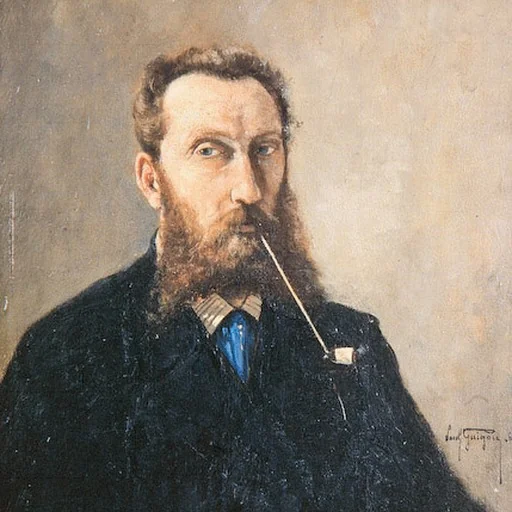
Paul Camille Guigou (15 February 1834 – 21 December 1871) was a French landscape painter.

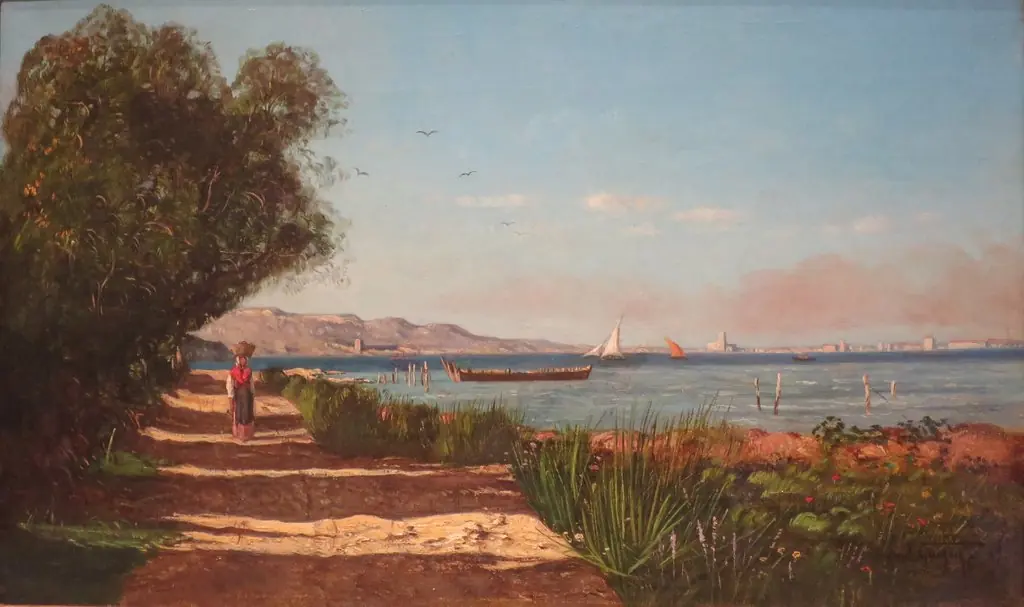
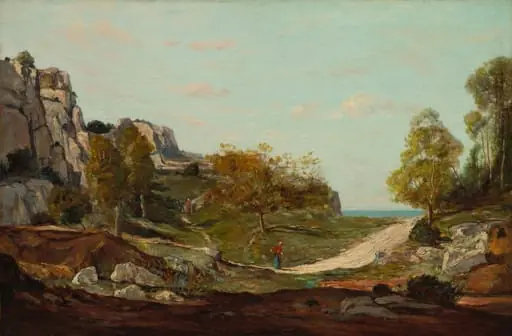
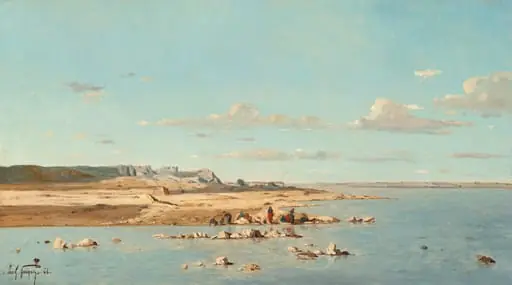 Washerwomen on the Banks of the Durance
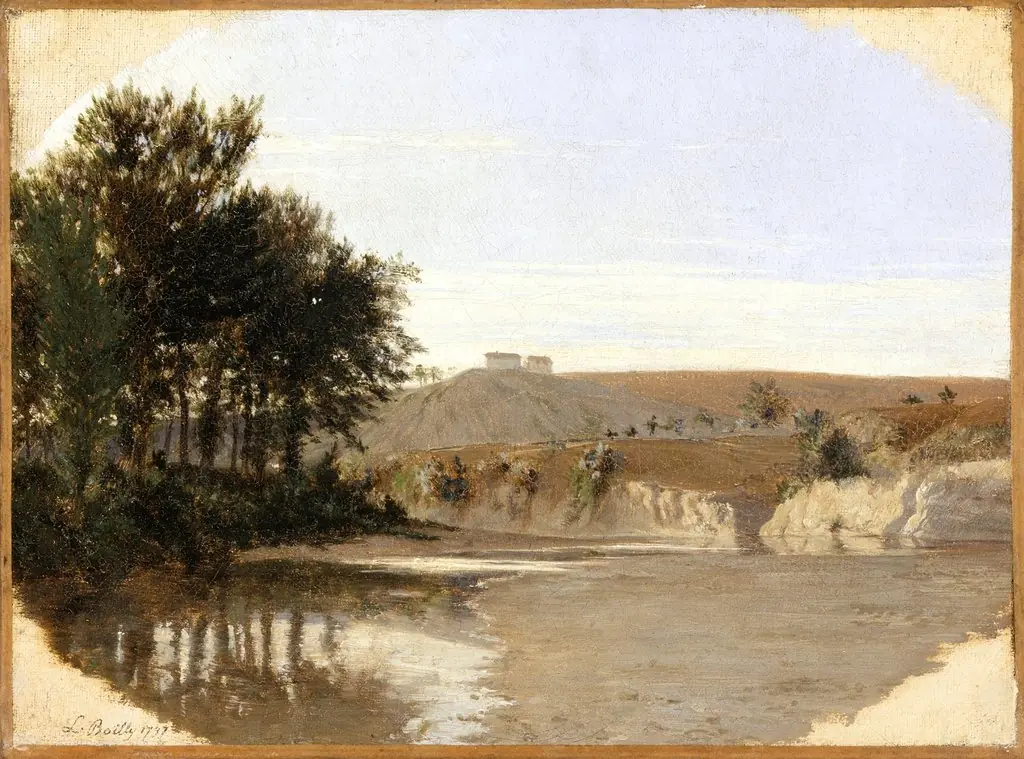 View of a Lake
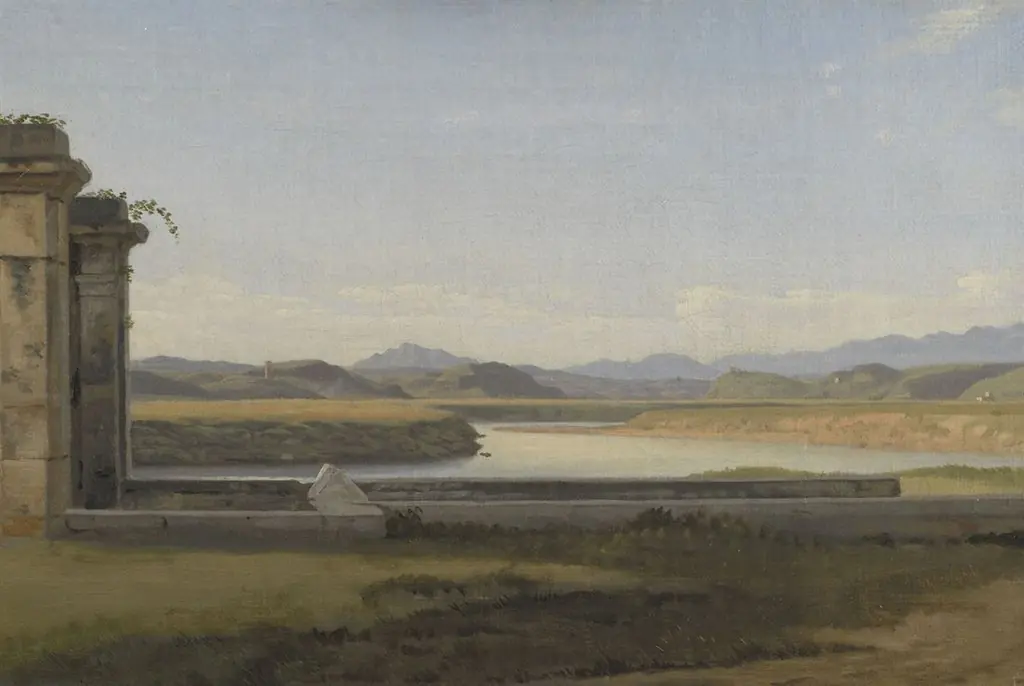 View of the Fontana Acetosa, Rome
 View from the Fontana Acetosa, Rome
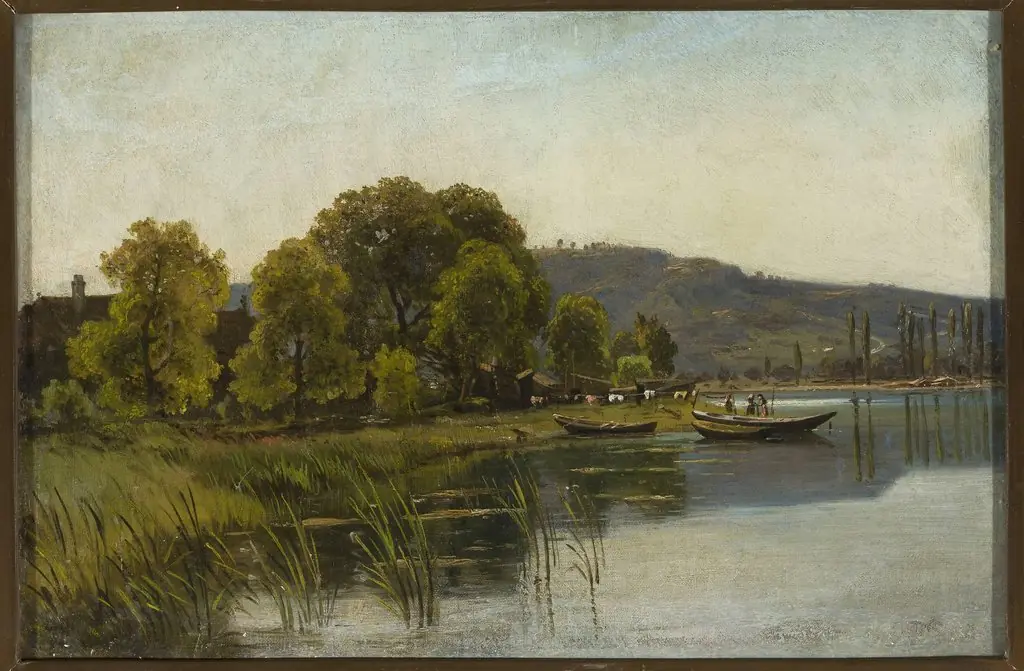 Waterside landscape
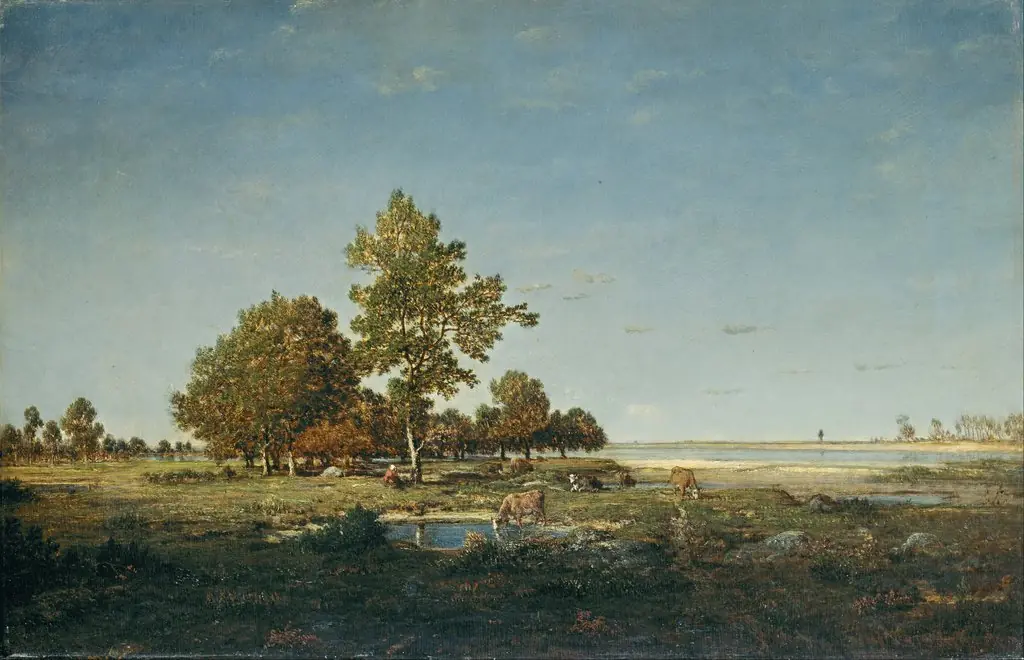 Landscape with a clump of trees
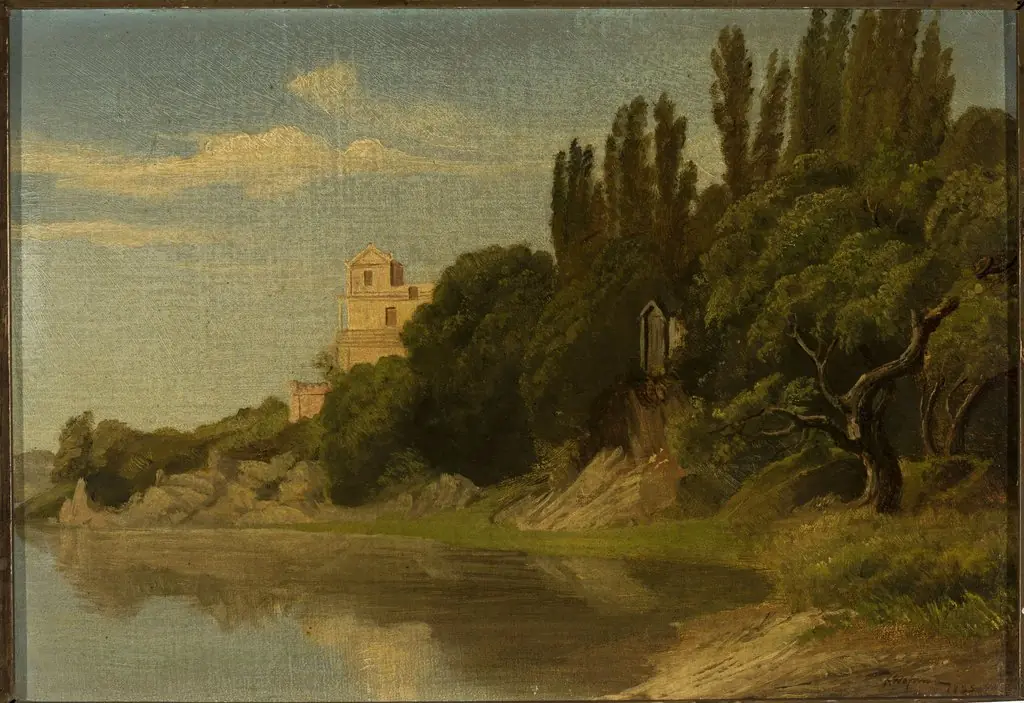 Italian waterside landscape
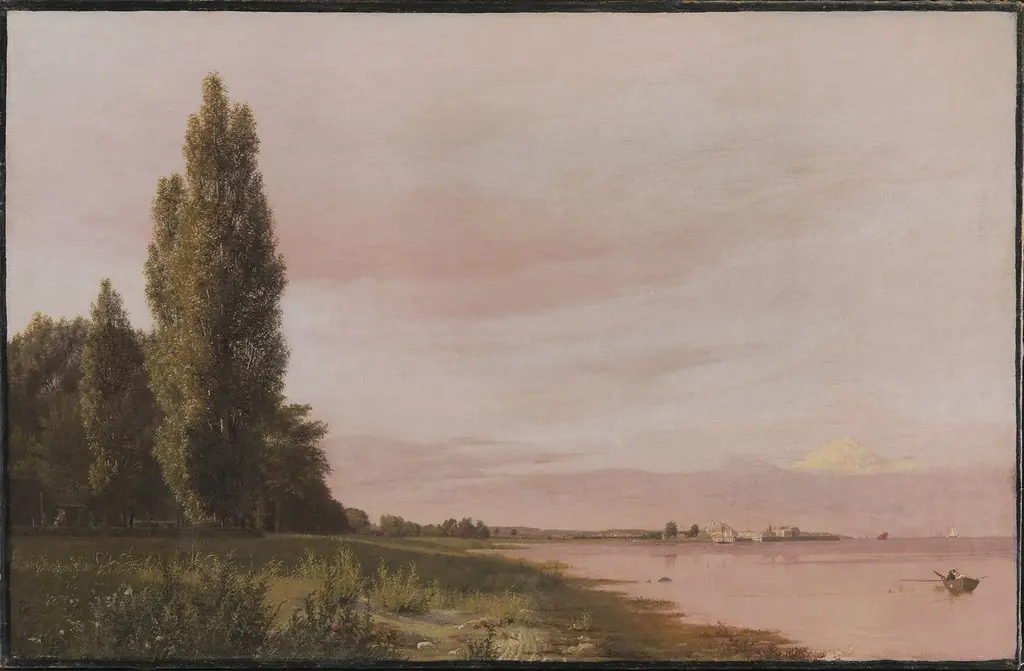 View of the Bay near the Copenhagen Limekiln Looking North. A Quiet Summer Afternoon
 View of the Bay near the Copenhagen Limekiln Looking North. A Quiet Summer Afternoon
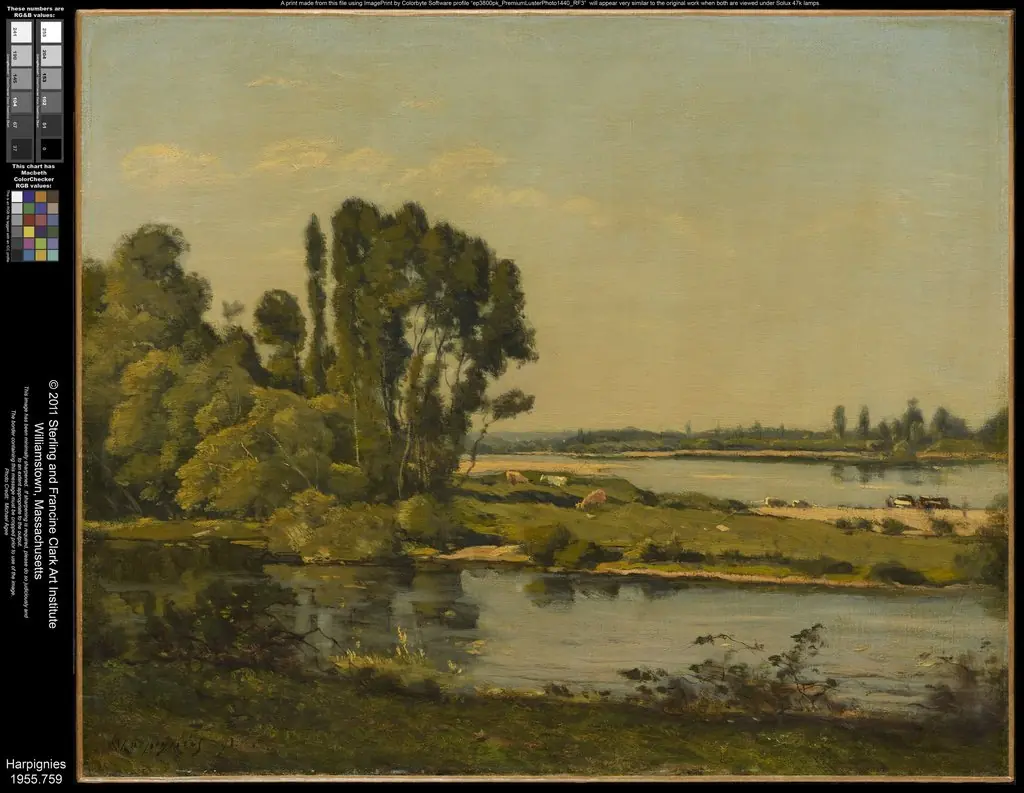 Landscape with a River
 Peisaj