Artwork
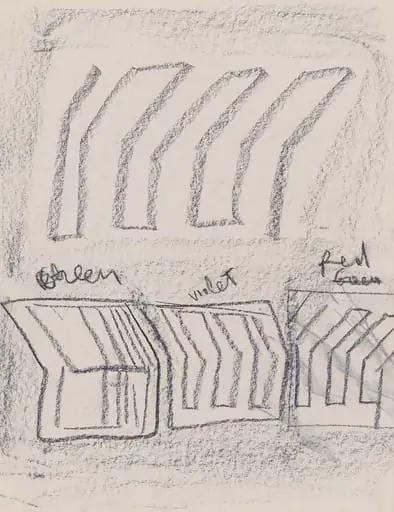
Σπουδή για τις Πύλες της Times Square
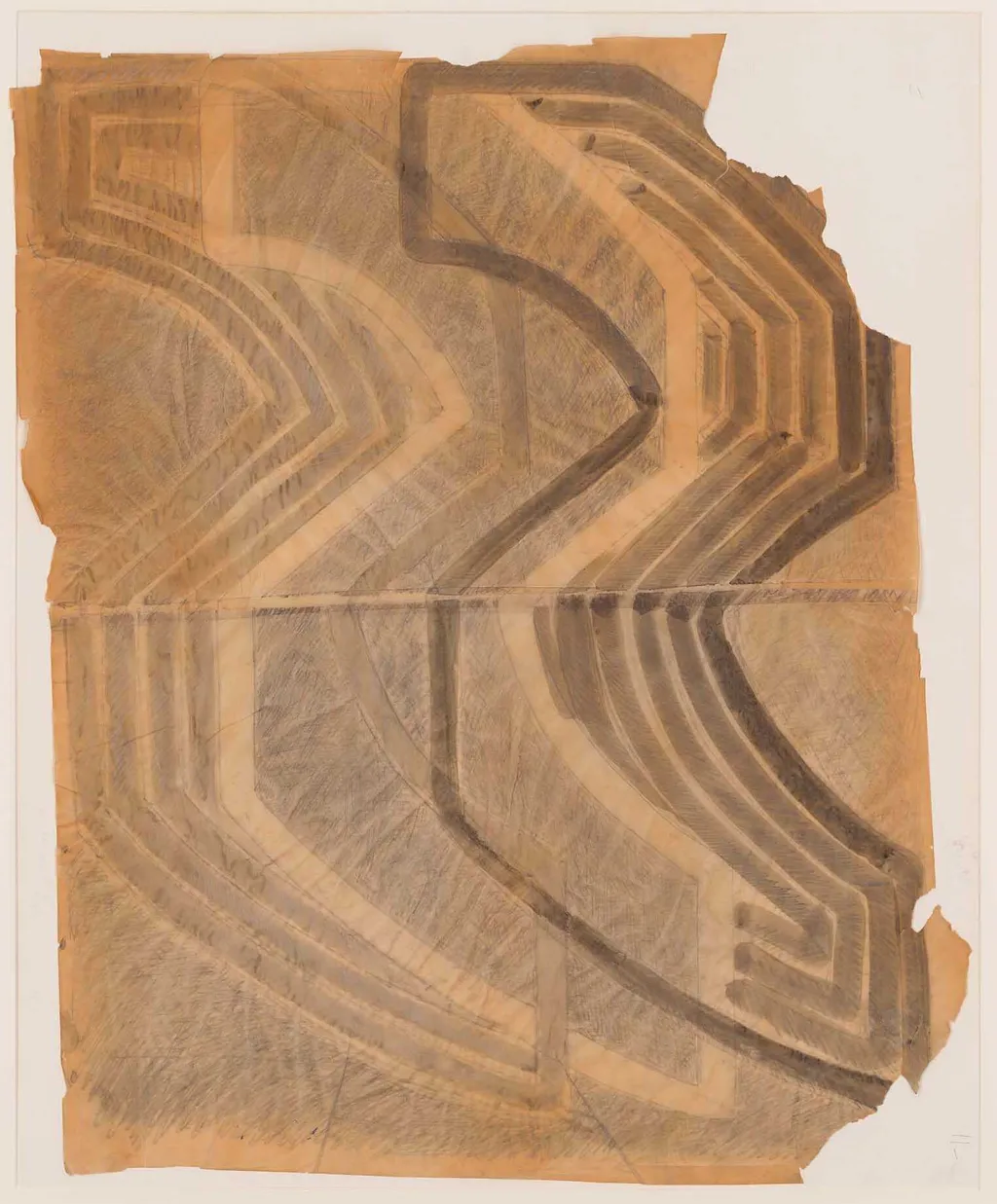
Σπουδή για τις Πύλες της Times Square is a drawing by Chryssa (Vardea-Mavromichali). It dates from 1967 and is held in the collection of the Metropolitan Organisation of Museums of Visual Arts of Thessaloniki – MOMus. Chryssa, born Vardea-Mavromichali, began exploring the visual potential of urban signage in the early 1960s after moving to New York City.
About this work
She started this in New York after seeing Times Square’s bright letters.
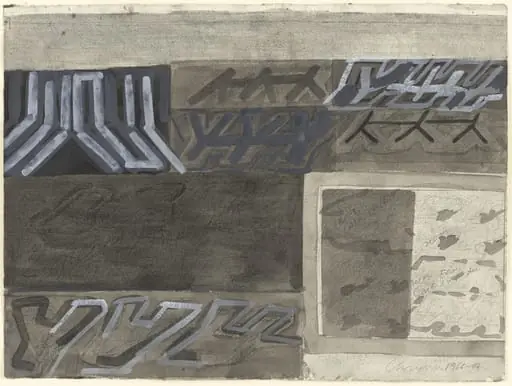
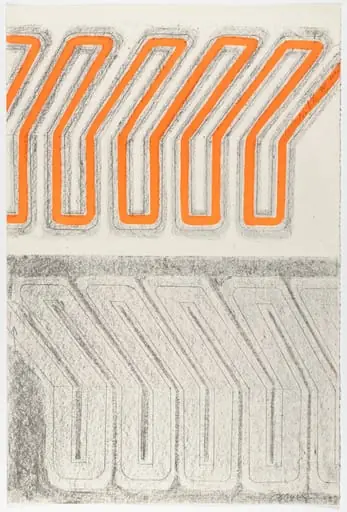
This drawing shows neon-like letters that look half melted. Black lines cluster where glowing tubes would bend. Chryssa used simple shapes to mimic signs we see every day.
She started this in New York after seeing Times Square’s bright letters. The work feels like a sketch, not a final piece. It’s all raw energy, not perfect lines.
See how she layers marks with cross-hatching. The dense webs make the letters vibrate on the page. Look up Chryssa (Vardea-Mavromichali) (1933–2013).
Overview
Chryssa, born Vardea-Mavromichali, began exploring the visual potential of urban signage in the early 1960s after moving to New York City. Inspired by the fragmented letters and glowing advertisements of Times Square, she shifted from painting to sculptural studies of language. This drawing, dated 1967, is a preparatory work for her neon sculpture 'Study for the Gates No. 14,' capturing the raw motion and repetition of the double 'S' form before its translation into light.
Subject & Meaning
The drawing centers on the repeated, diagonal silhouette of the double 'S,' a form derived from commercial signage. Chryssa isolated this letter pair not for linguistic meaning but for its physical presence—its curves, sharp terminations, and rhythmic repetition. The forms evoke both the mechanical and the organic, subtly suggesting the female body without direct representation, linking urban visual culture to embodied identity through abstraction.
Technique & Style
Rendered in ink and graphite, the drawing uses dense cross-hatching to simulate the glow and weight of neon tubes. Lines cluster at bends, mimicking the tension of bent glass tubing, while irregular, layered strokes convey movement and instability. The composition feels provisional, as if caught mid-thought—emphasizing process over polish. Chryssa’s hand remains visible, rejecting clean lines in favor of energetic, tactile marks.
History & Provenance
Created in 1967 during Chryssa’s transition from two-dimensional studies to three-dimensional neon works, this drawing preceded her first freestanding neon sculpture, 'Clytemnestra.' It was made in New York, where she had settled after brief stays in San Francisco and Athens. The work reflects her ongoing investigation into how language becomes architecture, and how signage, once mundane, could be reimagined as sculptural form.
Context
In postwar New York, commercial signage was rapidly evolving with neon and electric displays. Chryssa responded not to advertising content but to its formal qualities—glow, repetition, scale. Her work aligned with contemporaries exploring language as material, yet she uniquely focused on the letter as a sculptural unit, detached from syntax. This drawing emerges from a moment when art began to absorb the visual noise of the city as legitimate subject matter.
Legacy
Chryssa’s early studies laid groundwork for later neon installations that bridged Minimalism and Pop. This sketch reveals her method: reducing language to its visual essence, then reassembling it through rhythm and repetition. Though never exhibited as a standalone piece, it remains a vital record of her process—demonstrating how everyday signs became the foundation for a new sculptural language in late 20th-century art.
Artist & collection
Artist
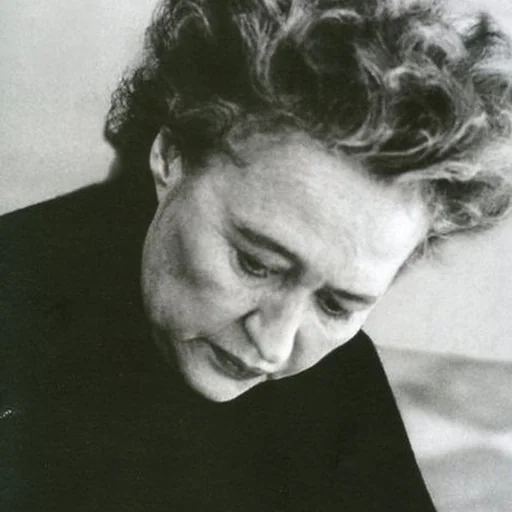
Chryssa Vardea-Mavromichali (Greek: Χρυσά Βαρδέα-Μαυρομιχάλη; December 31, 1933 – December 23, 2013) was a Greek American artist who worked in a wide variety of media.
Museum
Metropolitan Organisation of Museums of Visual Arts of Thessaloniki – MOMus
Continue through works from the same source collection.
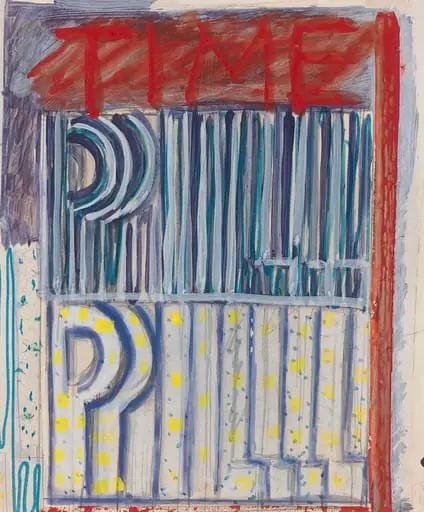 Σπουδή για εξώφυλλο του περιοδικού Time
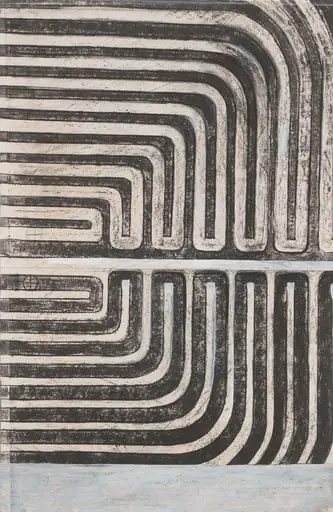 Μαίανδροι V - Μελέτη σύνθεσης με νέον που υποδεικνύει διαφορετικές φάσεις φωτεινότητας του σωλήνα που πρέπει να ρυθμίζεται από χρονοδιακόπτη
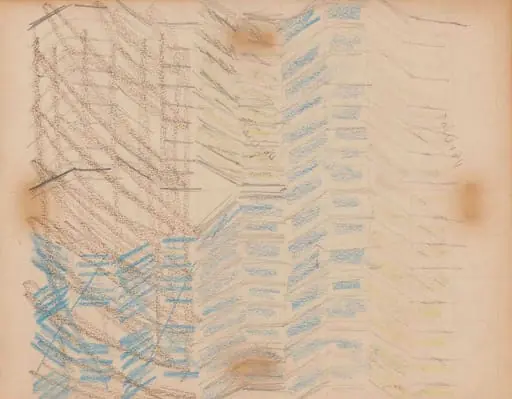 Θραύσμα σπουδής για το Γράμμα Υ
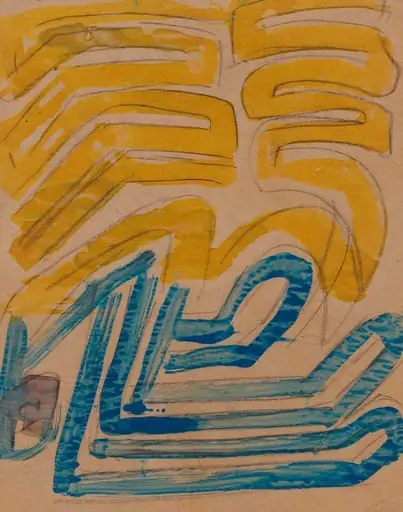 Σπουδή θερμού και ψυχρού χρώματος
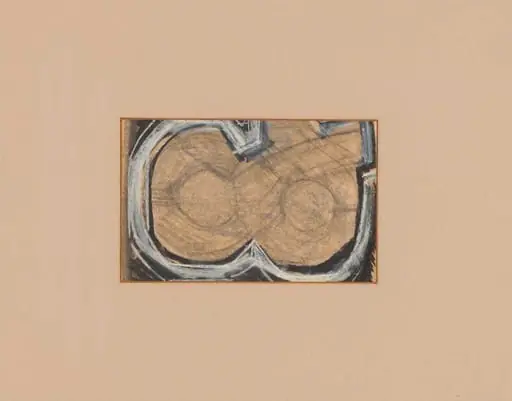 Ampersand
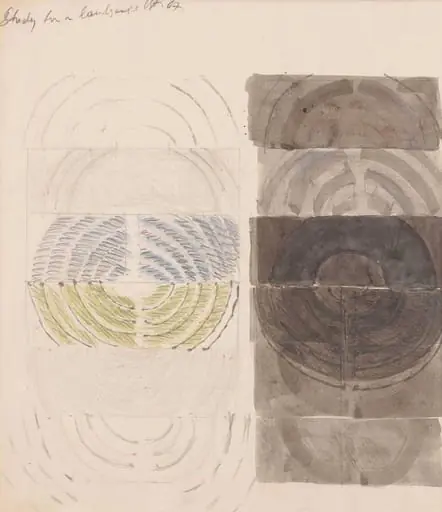 Σπουδή για τοπίο
 Σπουδή για γλυπτό στο Walker Art Center I
 Σπουδή για το Γράμμα Β (IV)