Artwork
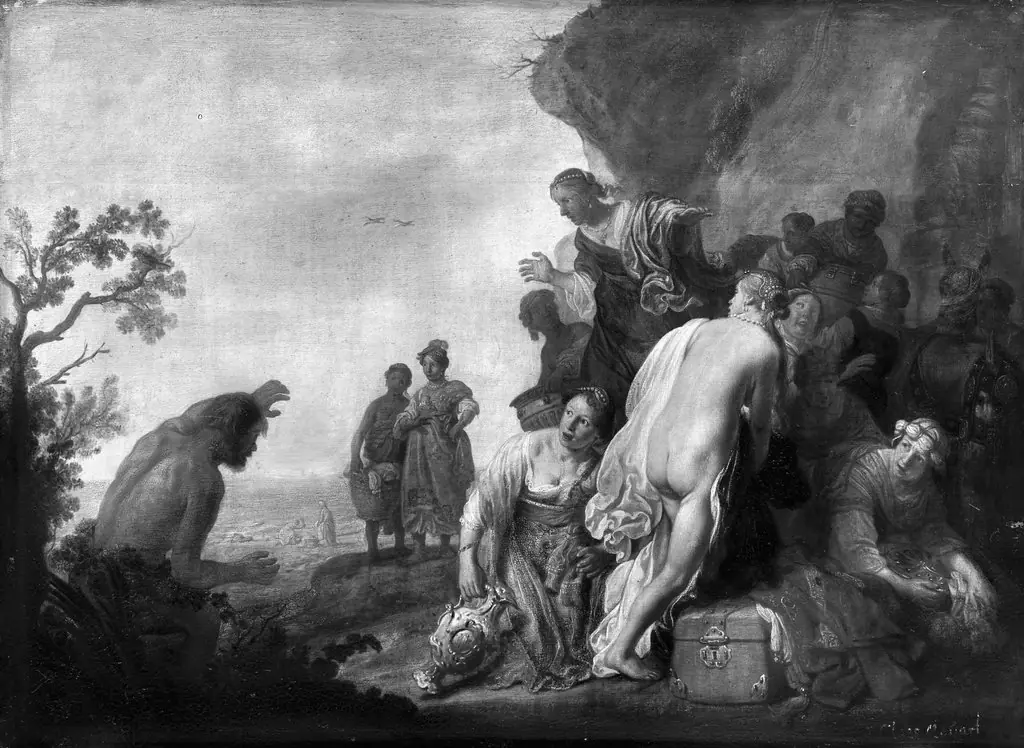
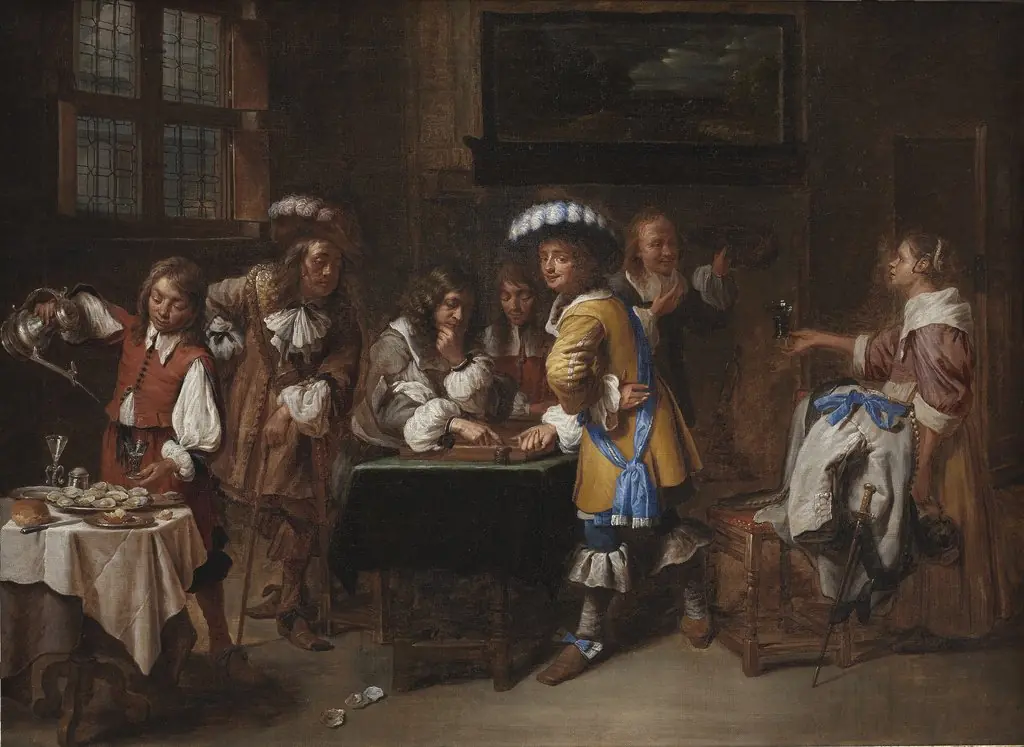
Mooy-Aal and her suitors
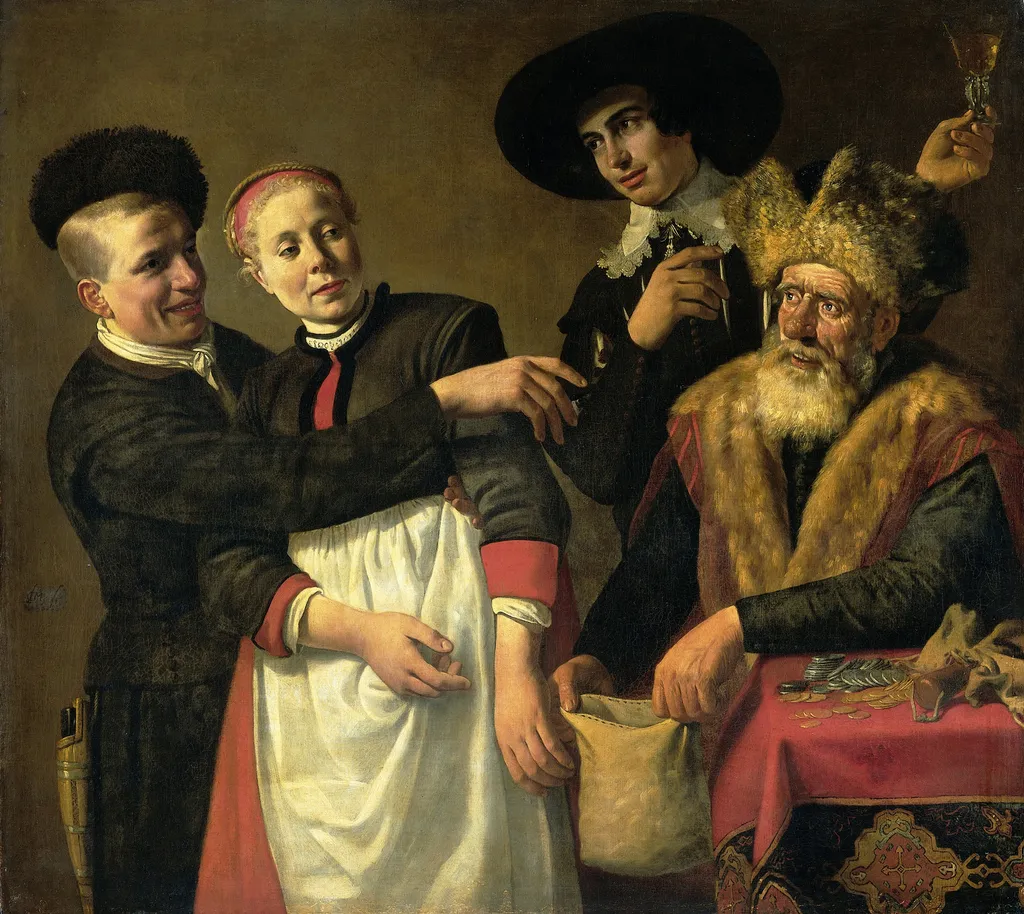
Mooy-Aal and her suitors is an oil painting by the Dutch Golden Age artist Claes Corneliszoon Moeyaert. It dates from 1635 and is held in the collection of the Rijksmuseum.
About this work
Overview
Mooy-Aal and her suitors is a 1635 oil painting by Claes Corneliszoon Moeyaert, a Dutch Golden Age artist. The work belongs to the history painting genre and is part of the Rijksmuseum's collection.
Subject & Meaning
The painting depicts a serene woman, Mooy-Aal, surrounded by three suitors in a cozy interior. Her calm demeanor contrasts with the active postures and gestures of the men, suggesting a narrative of choice or negotiation amidst a scene of quiet domesticity.
Technique & Style
Moeyaert employed chiaroscuro, juxtaposing dark shadows with bright light to accentuate the subjects' faces. This technique, influenced by his time in Italy, adds depth and emotional nuance to the composition.
History & Provenance
Created in 1635, the painting reflects Moeyaert's experience in Amsterdam and Italy. Previously, he designed a triumphal arch for Maria de Medici's arrival in Amsterdam, showcasing his versatility as an artist.
Context
As a Dutch Golden Age history painting, Mooy-Aal and her suitors sits within a broader tradition of narrative-driven works. Moeyaert's travel to Italy and work in Amsterdam influenced his style, blending Dutch and Italian artistic elements.
Legacy
While specific impact on later artists is not well-documented, the painting remains a notable example of Moeyaert's contribution to the Dutch Golden Age, particularly in his use of chiaroscuro to convey emotional depth in historical and domestic scenes.
Own this work as a print
Artist & collection
Artist
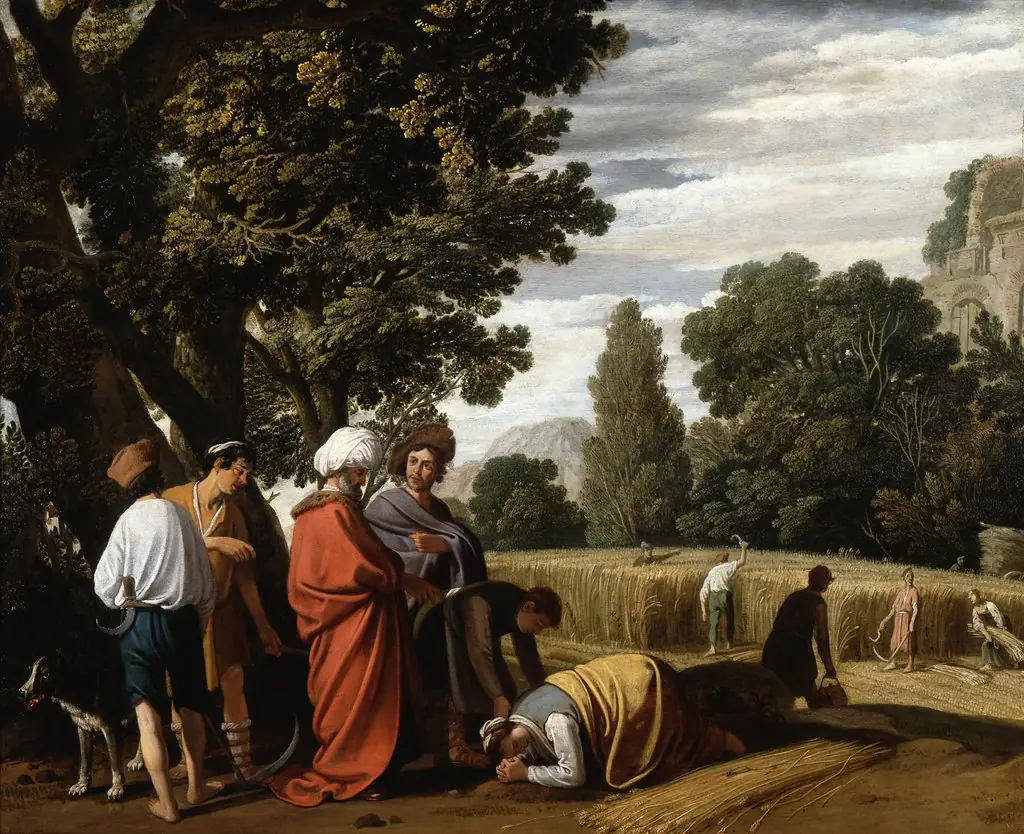
Claes Corneliszoon Moeyaert or Nicolaes Moyaert or Mooyaert (1592–1655) was an authoritative Catholic Dutch painter.

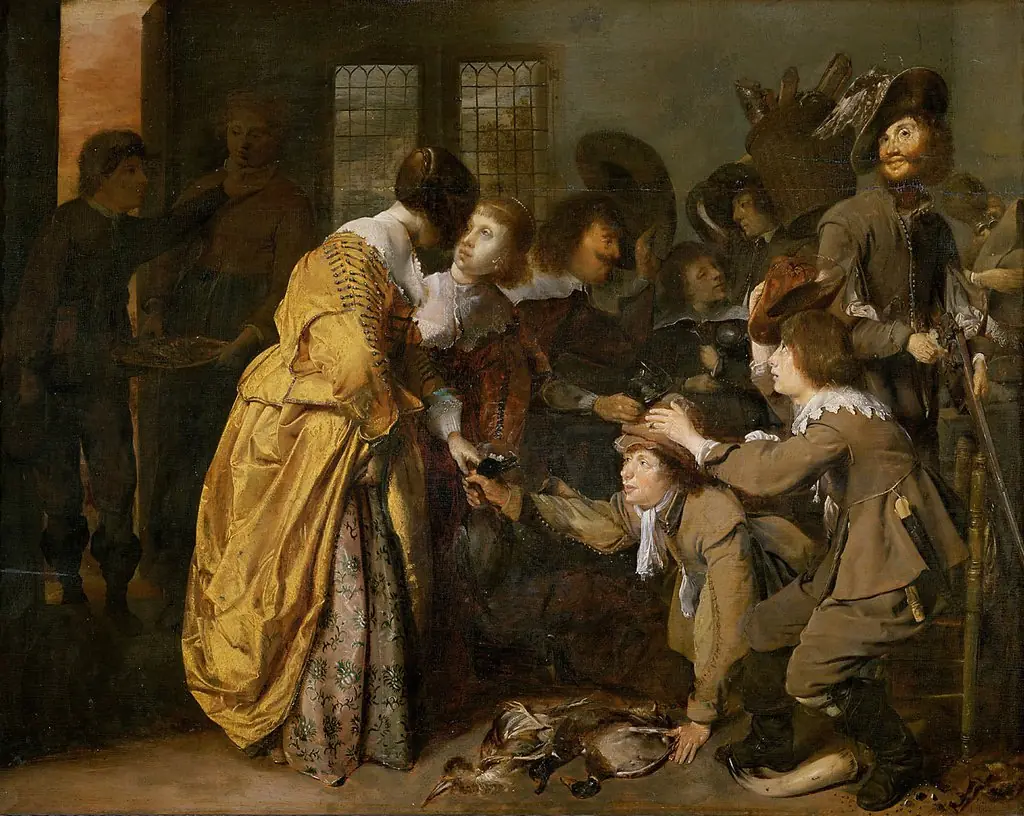 Interior with men returning from hunting and women inspecting the game
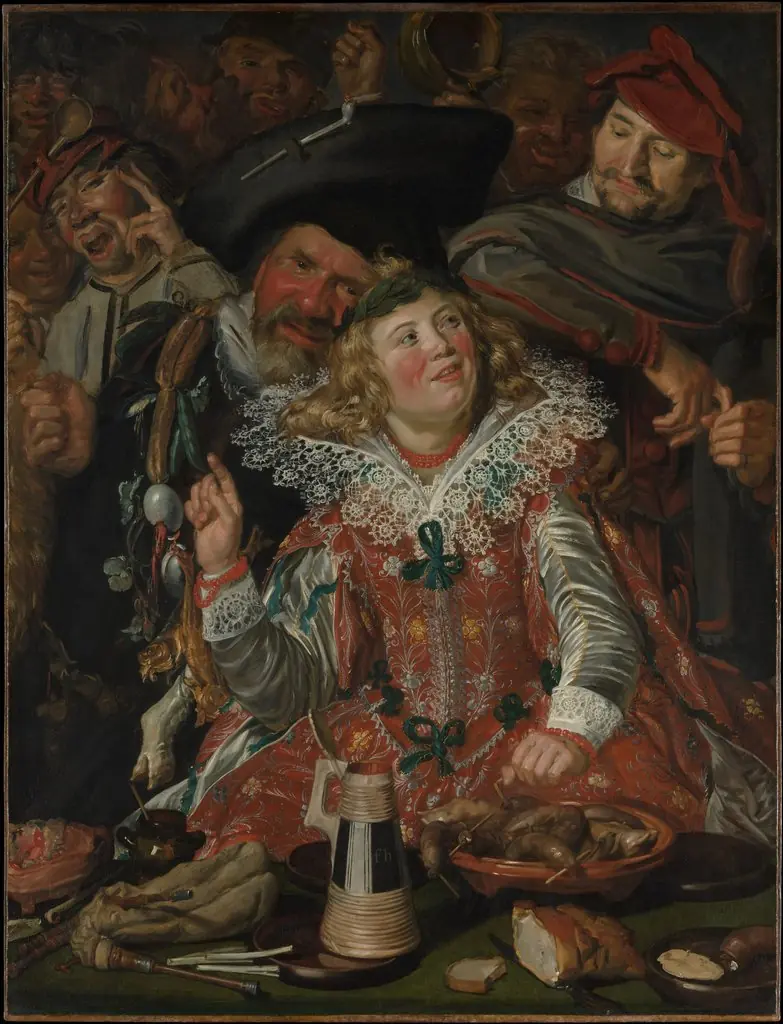 Merrymakers at Shrovetide
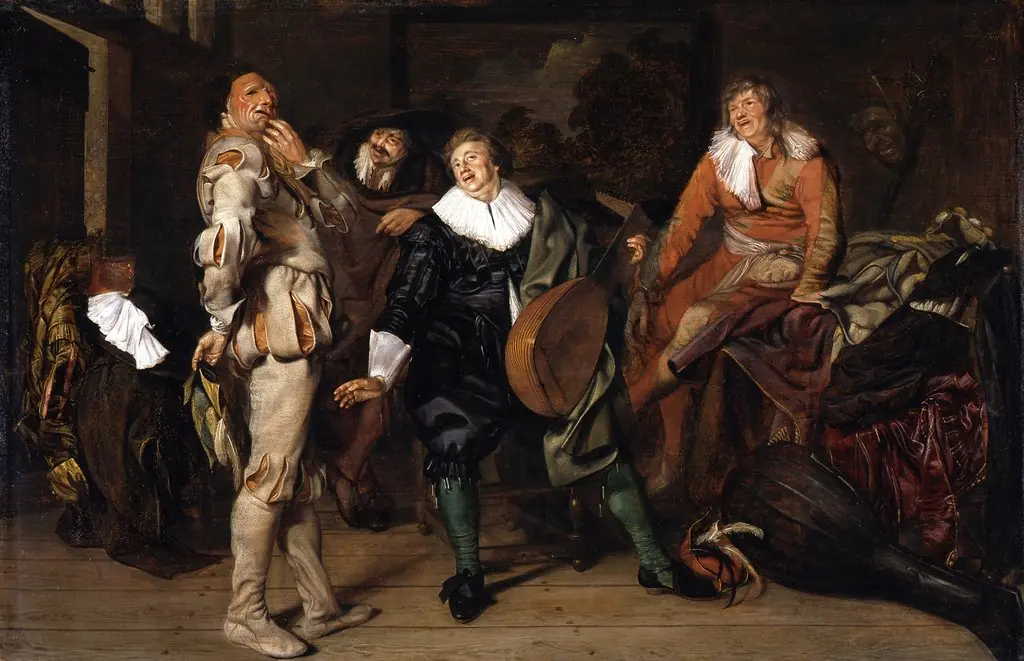 Merry actors and musicians in an interior
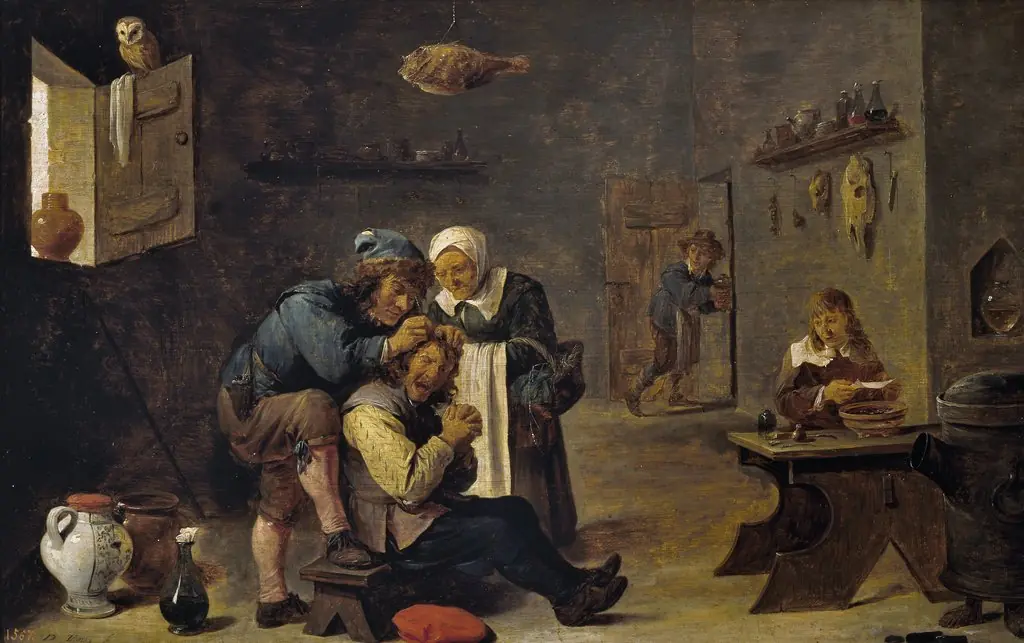 Operación quirúrgica
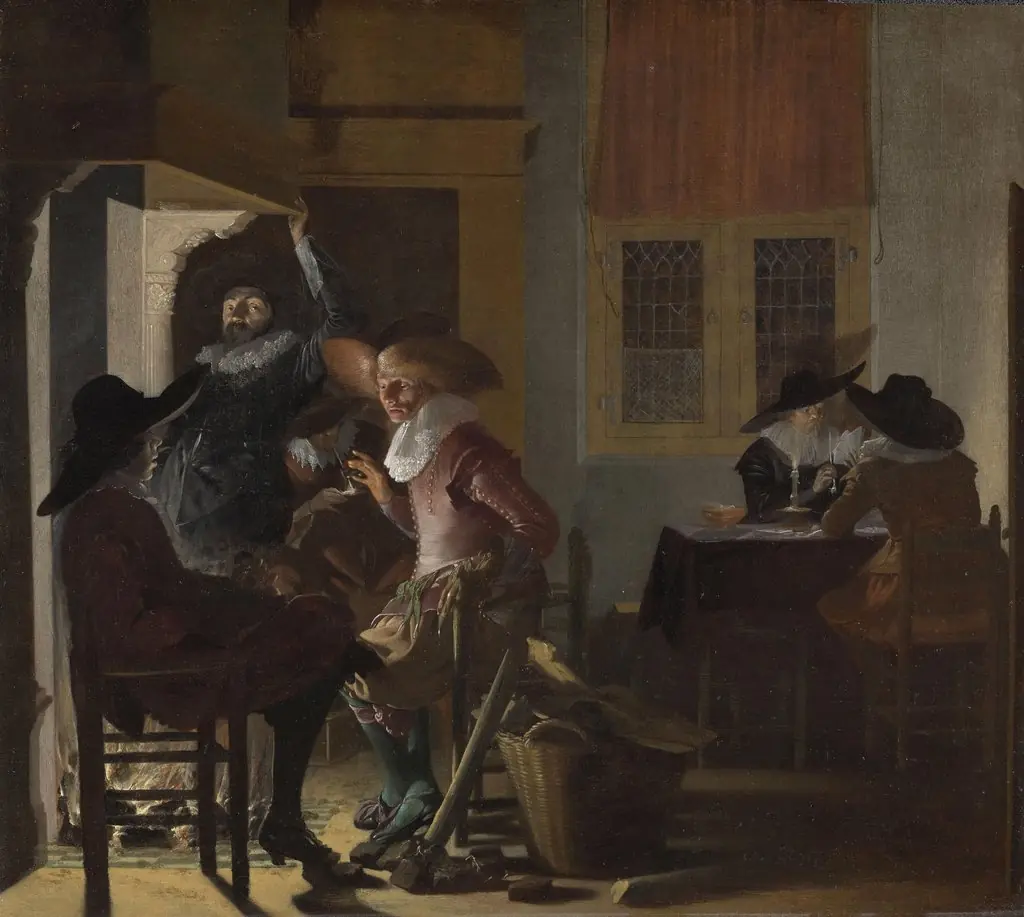 Soldiers beside a Fireplace
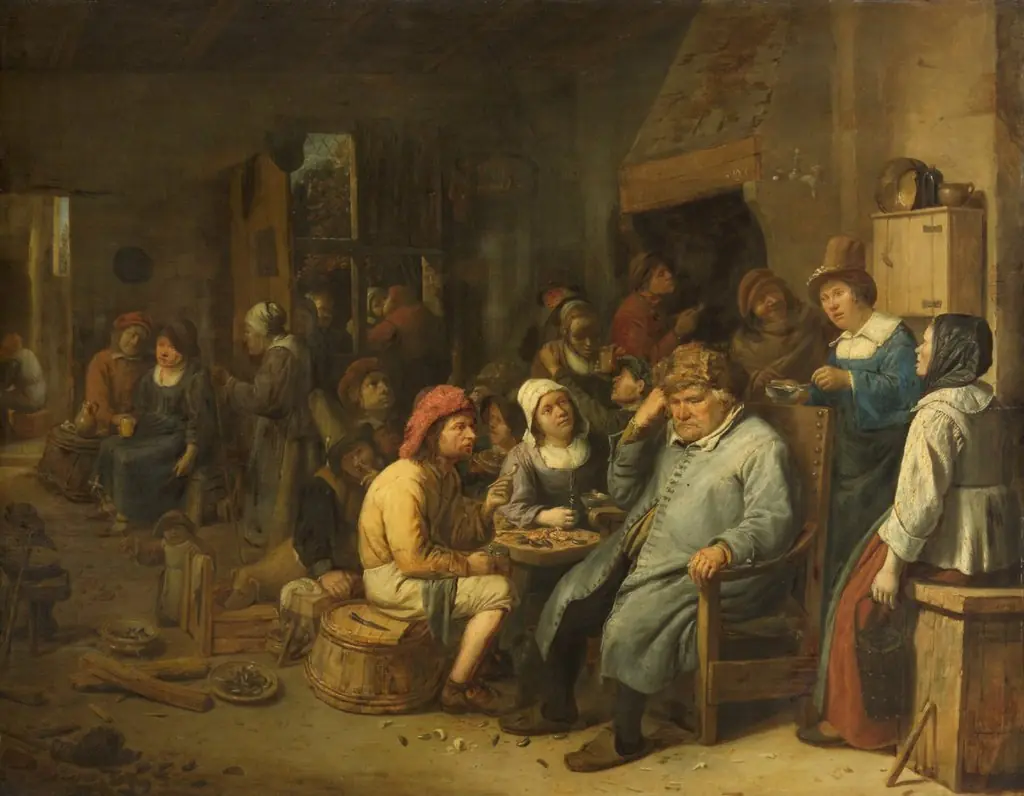 Farming in the Inn
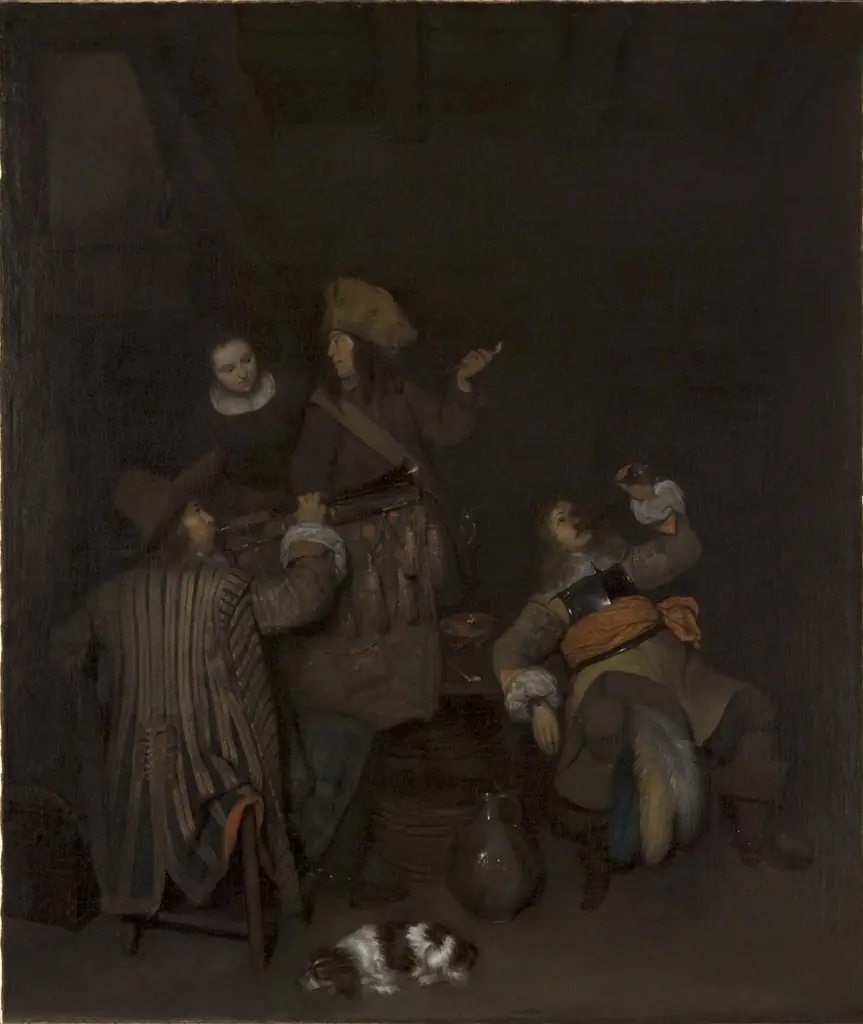 Guardroom
 Iloinen seurue
 Gamblers Quarrelling
 Distinguished company in a room
 Dancing in front of a tavern
 Trictrac Players