Artwork
Untitled
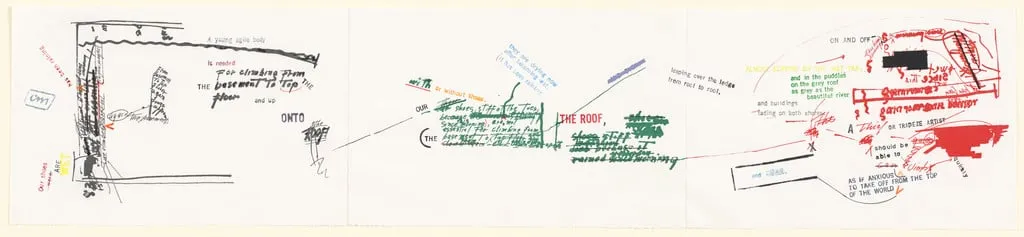
Untitled is an ink print by Claire Moore. It dates from 1975 and is held in the collection of the Museum of Modern Art.
About this work
Moore made this in 1975 using office tools: a mimeograph machine (the kind that spits out flyers) and hand stamps.
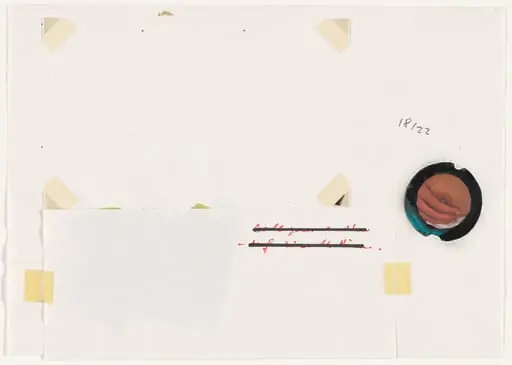
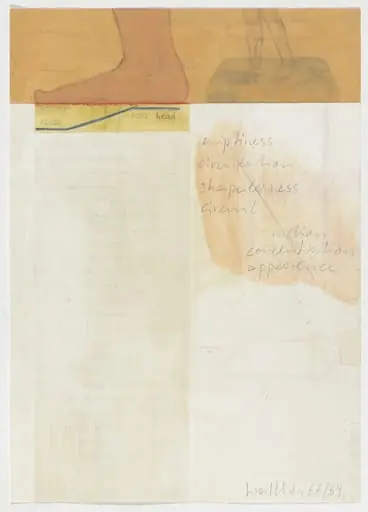
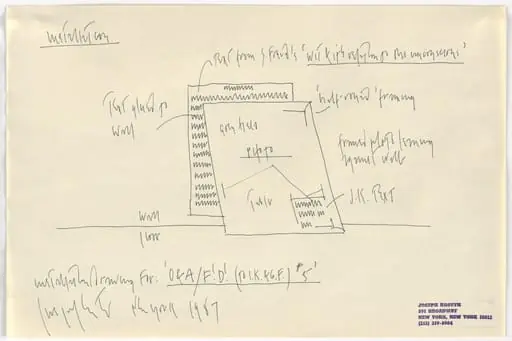
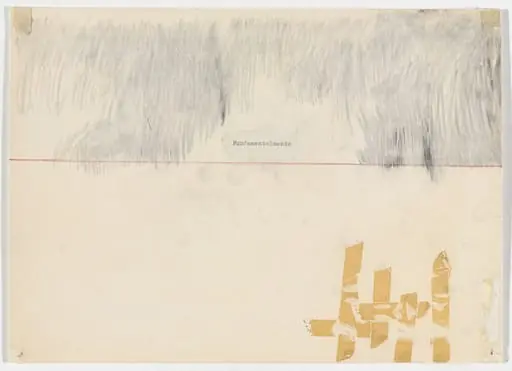
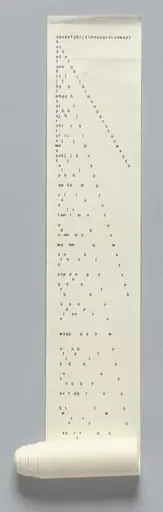
You see a long, skinny strip of paper covered in smudges, blotches, and tiny hand-stamped letters. The colors are mostly dull—browns, grays, and faded blues—like an old office memo left in the rain.
Moore made this in 1975 using office tools: a mimeograph machine (the kind that spits out flyers) and hand stamps. She layered prints, stencils, and ink by hand, making each copy slightly different. It feels like a secret note or a rough draft, not a polished artwork.
Look up other works by Claire Moore to see more of her messy, playful prints.
Overview
Created in 1975, this print by Claire Moore is a layered composition produced using office reproduction methods—mimeograph, stencil, and hand-stamping. Executed on a narrow sheet of paper, it combines smudged ink, irregular blotches, and fragmented lettering. The work resists conventional aesthetics, embracing the imperfections of mechanical and manual processes. It resides in the collection of The Museum of Modern Art as an example of experimental printmaking from the mid-1970s.
Subject & Meaning
The work lacks a clear narrative, instead evoking the detritus of administrative life—faded memos, duplicated notices, and discarded drafts. The fragmented text and smudged marks suggest obscured communication, as if meaning had been lost through repetition or decay. Moore’s choice of mundane materials and processes invites reflection on the anonymity and transience of bureaucratic documentation.
Technique & Style
Moore employed a mimeograph machine, stencils, and hand-stamped elements to build the image through accumulation and variation. Each impression was altered manually, resulting in unique textures and inconsistencies. Colors are restrained—dull browns, grays, and washed blues—reminiscent of aging office paper. The technique prioritizes process over polish, emphasizing the physicality of ink and the unpredictability of hand-applied marks.
History & Provenance
Made in 1975, the work entered The Museum of Modern Art’s collection as part of a broader interest in artist-led experimentation with non-traditional print methods. It reflects a period when many artists repurposed commercial printing tools to challenge distinctions between art and everyday visual culture. Its preservation underscores its significance within the context of 1970s conceptual and process-based practices.
Context
Emerging during a time when artists were redefining the boundaries of printmaking, Moore’s work aligns with movements that valued imperfection and repetition. Her use of mimeograph machines—common in schools and offices—echoed contemporaries who turned utilitarian technologies into artistic mediums. This approach questioned hierarchies in art production and celebrated the aesthetic potential of the mundane.
Legacy
Moore’s approach influenced later generations interested in the materiality of reproduction and the aesthetics of decay. Her work remains a quiet reference point in discussions about the intersection of labor, technology, and authorship in print. Though not widely exhibited, it continues to inform practices that prioritize process, ephemerality, and the poetic potential of overlooked tools.
Artist & collection