Artwork
Sunrise
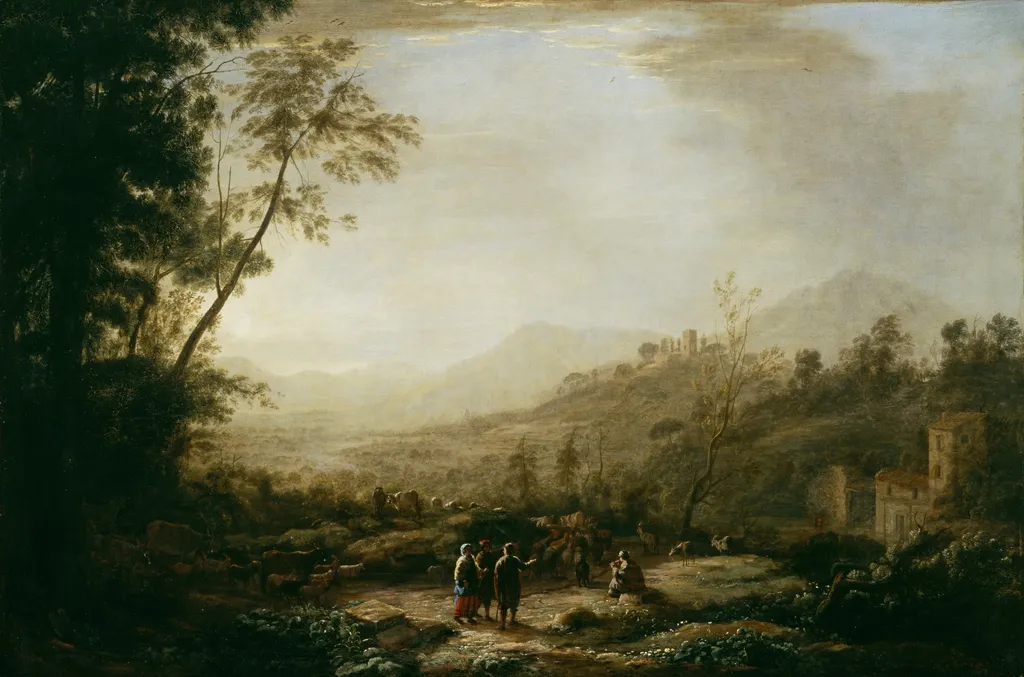
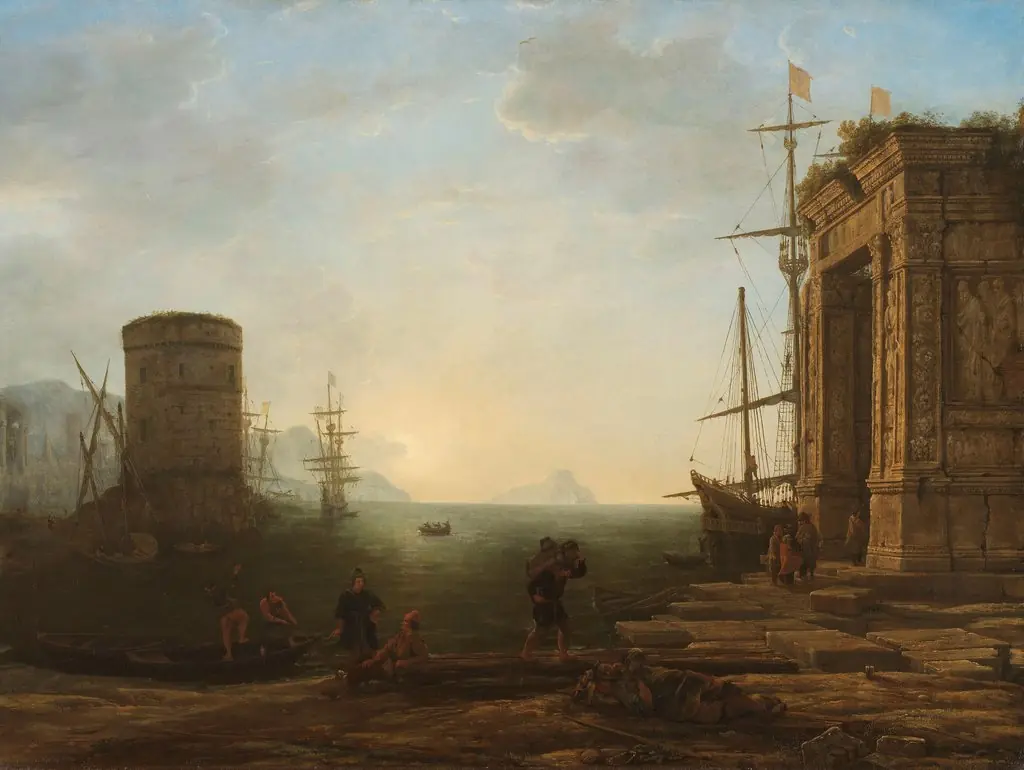
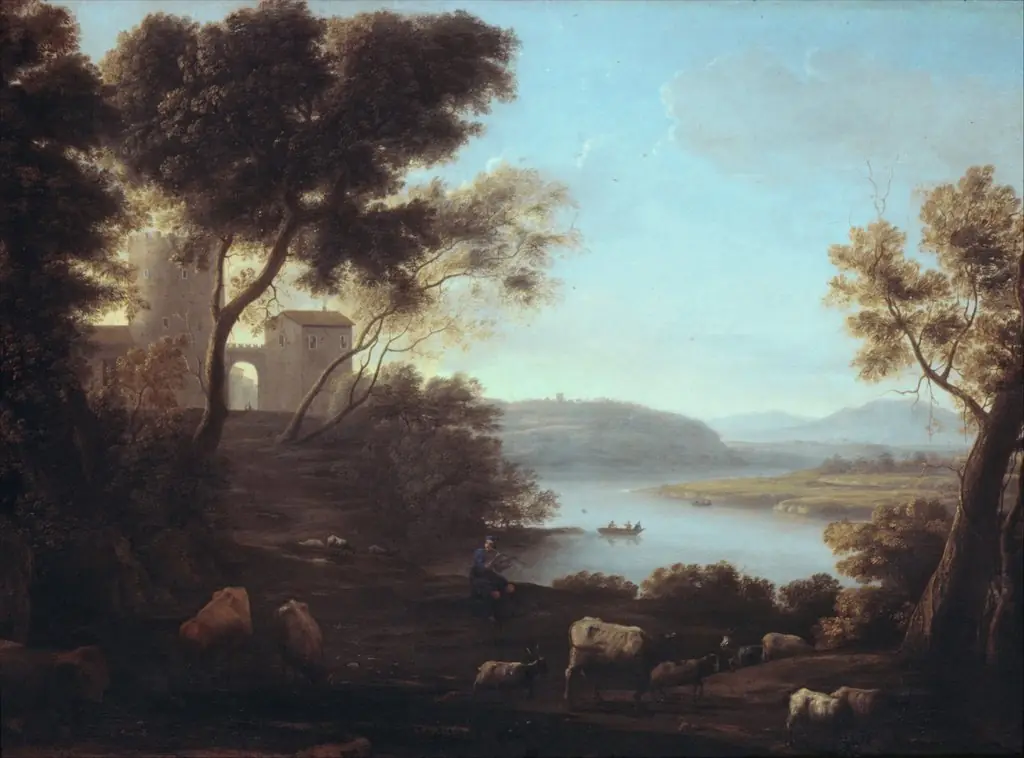
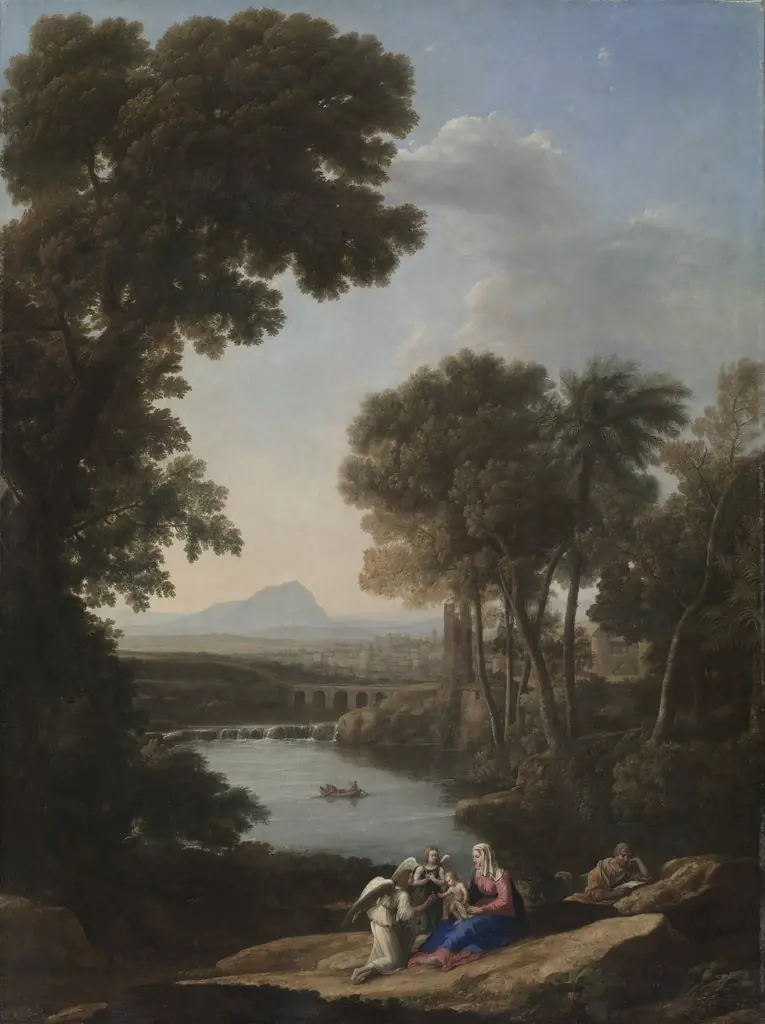
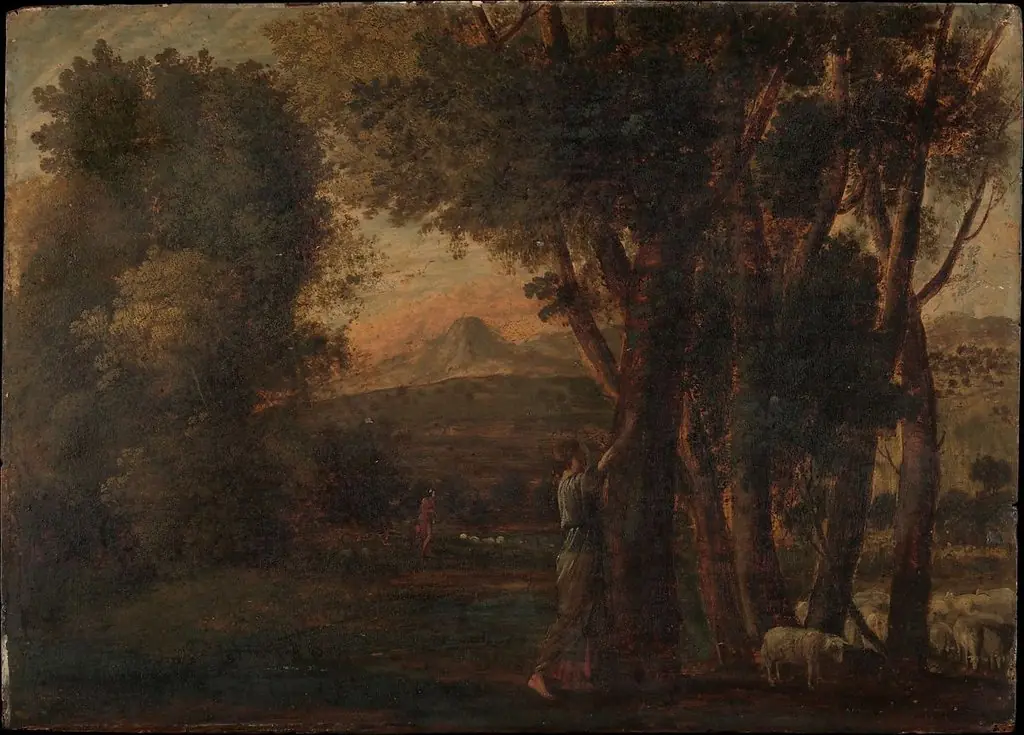
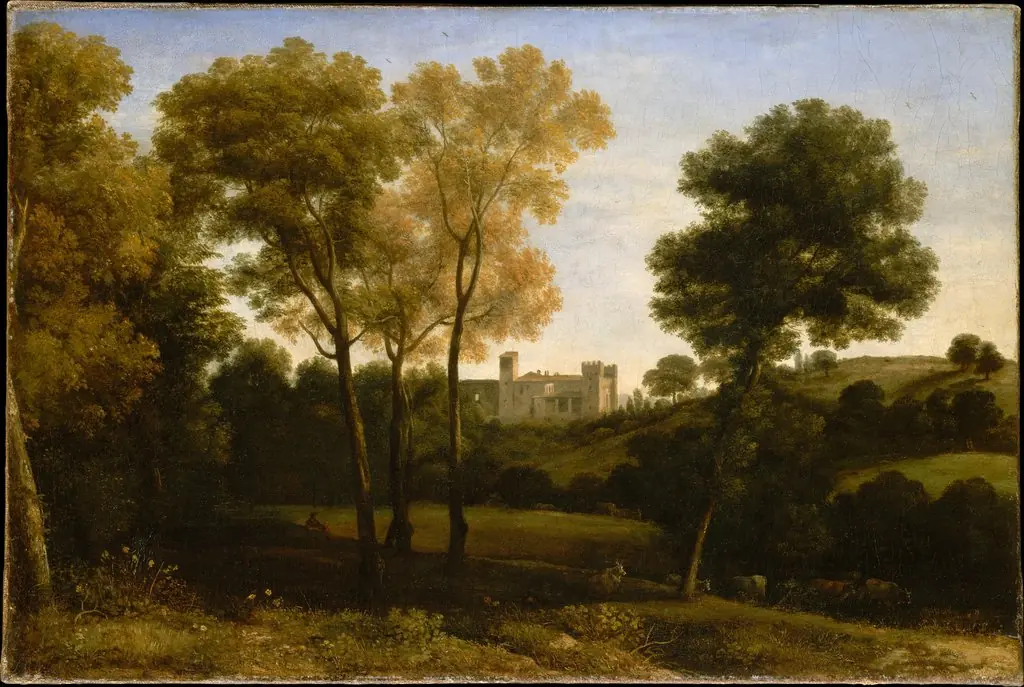
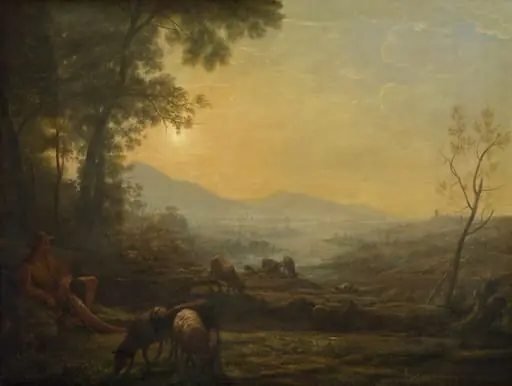
Sunrise is an oil painting by the Barbizon school artist Claude Lorrain. It dates from 1631 and is held in the collection of the Detroit Institute of Arts.
About this work
Overview
Painted in 1631, *Sunrise* is an oil-on-canvas landscape by Claude Lorrain, a French artist who lived and worked primarily in Rome.
Painted in 1631, *Sunrise* is an oil-on-canvas landscape by Claude Lorrain, a French artist who lived and worked primarily in Rome. The work exemplifies his lifelong dedication to idealized natural scenery, blending observed topography with poetic atmosphere. Though often associated with classical themes, this piece emphasizes light and spatial harmony over narrative detail, reflecting Lorrain’s distinctive approach to landscape as a subject in its own right.
Subject & Meaning
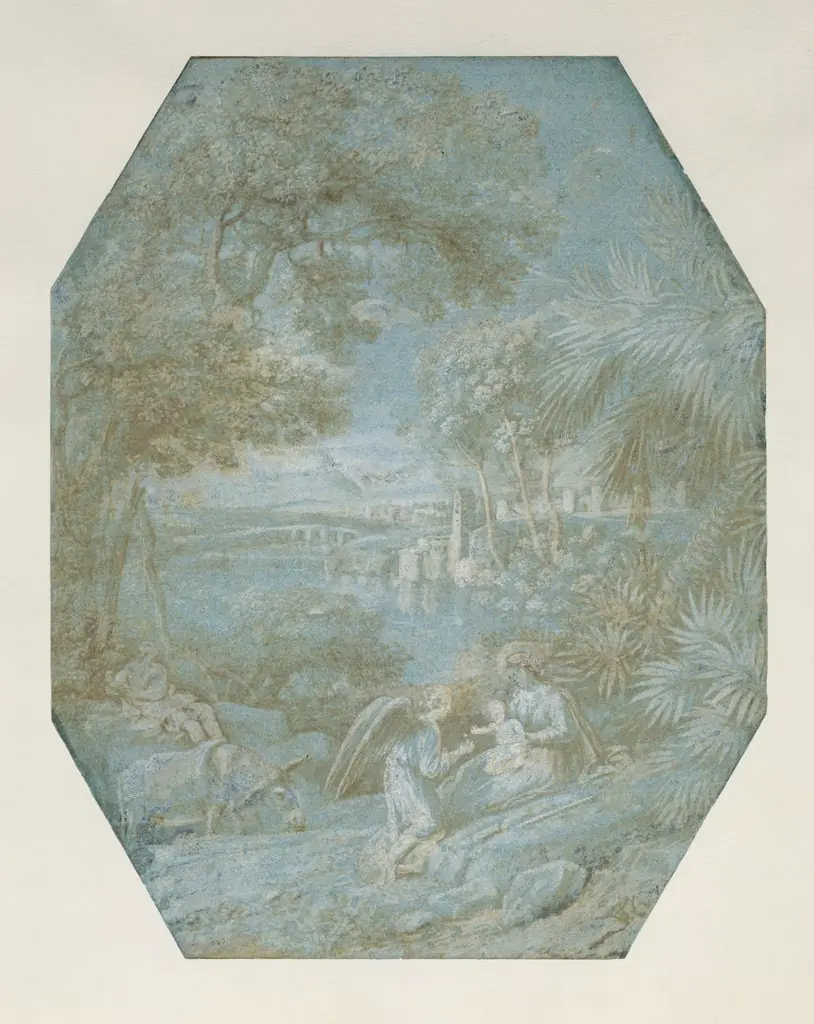
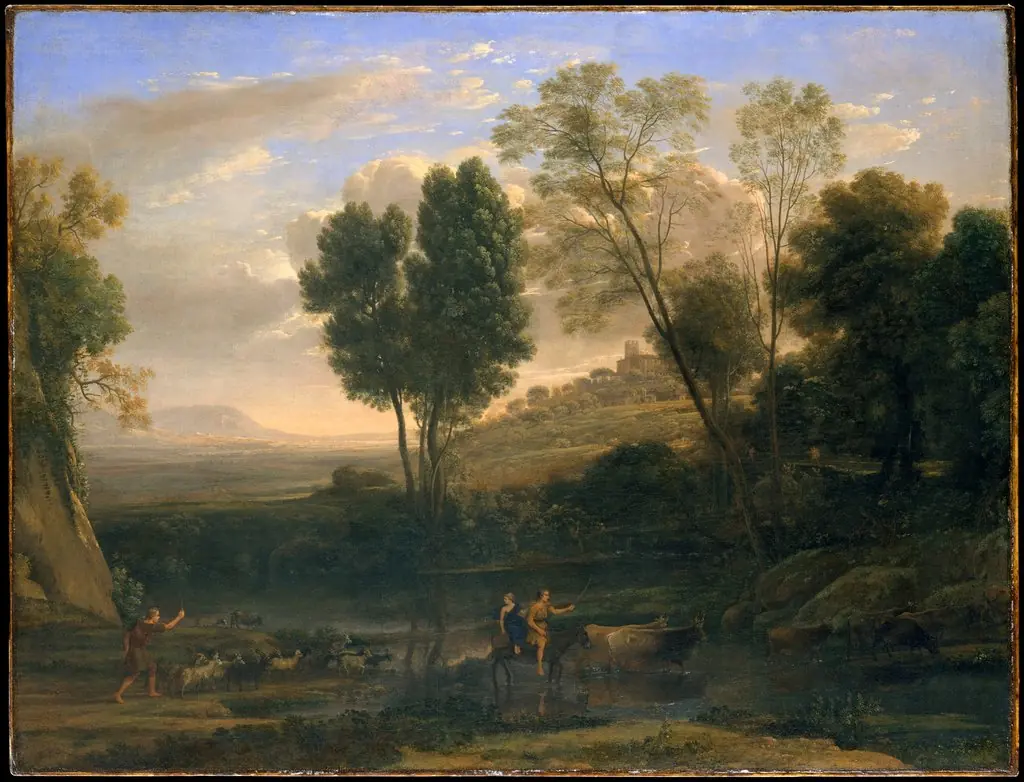
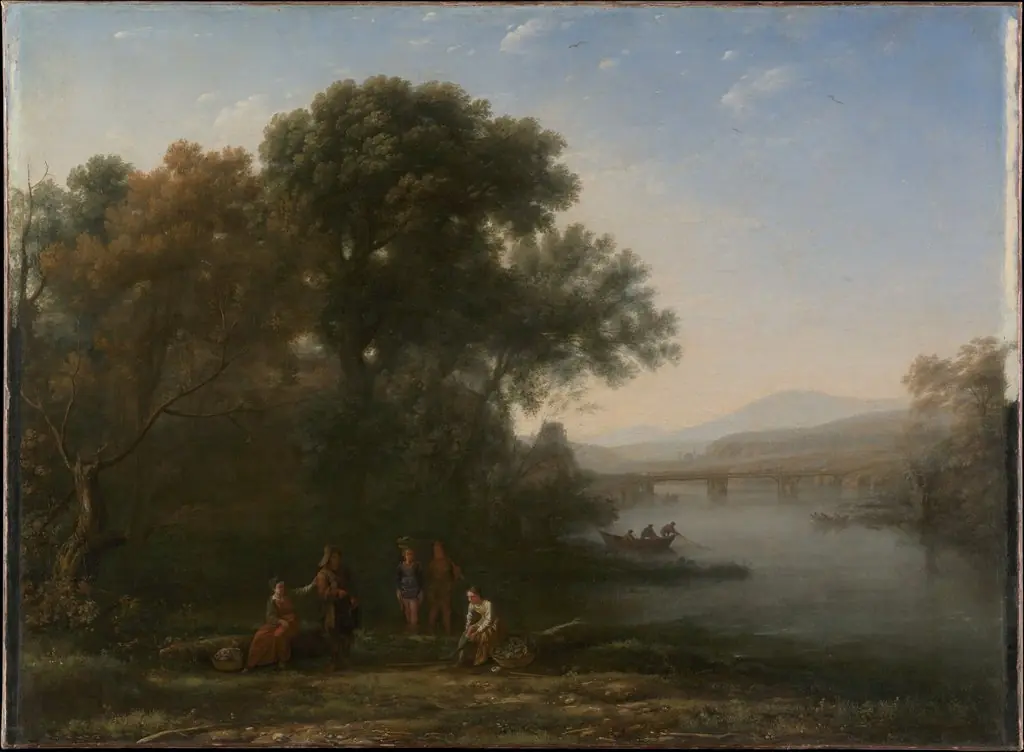
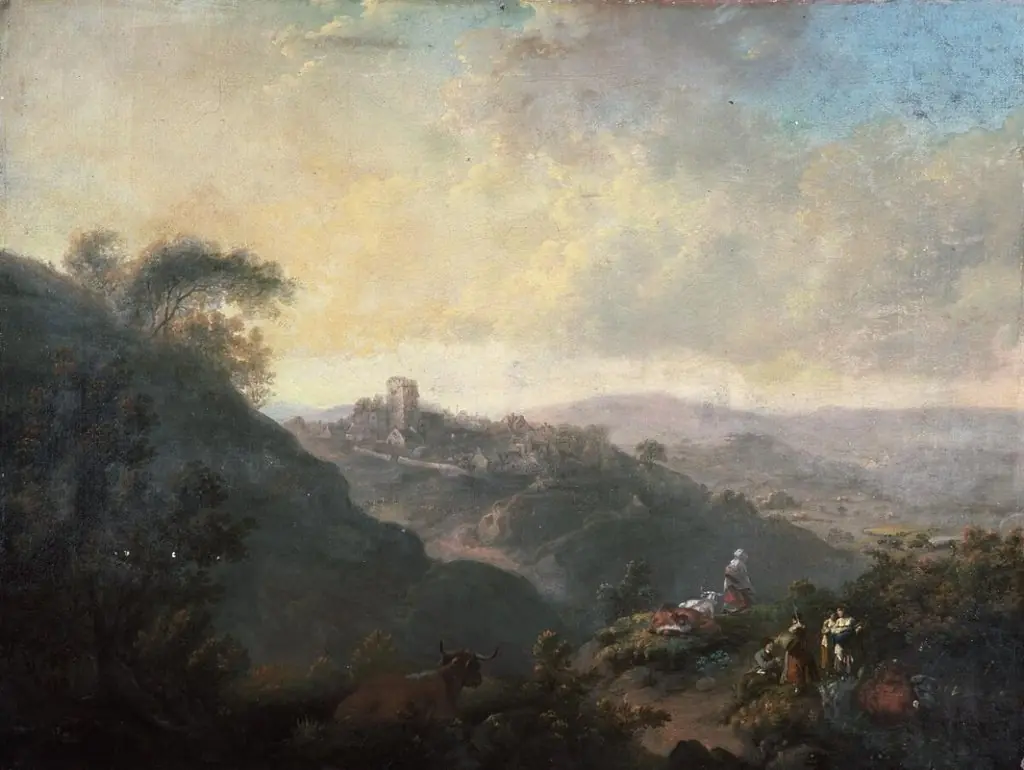
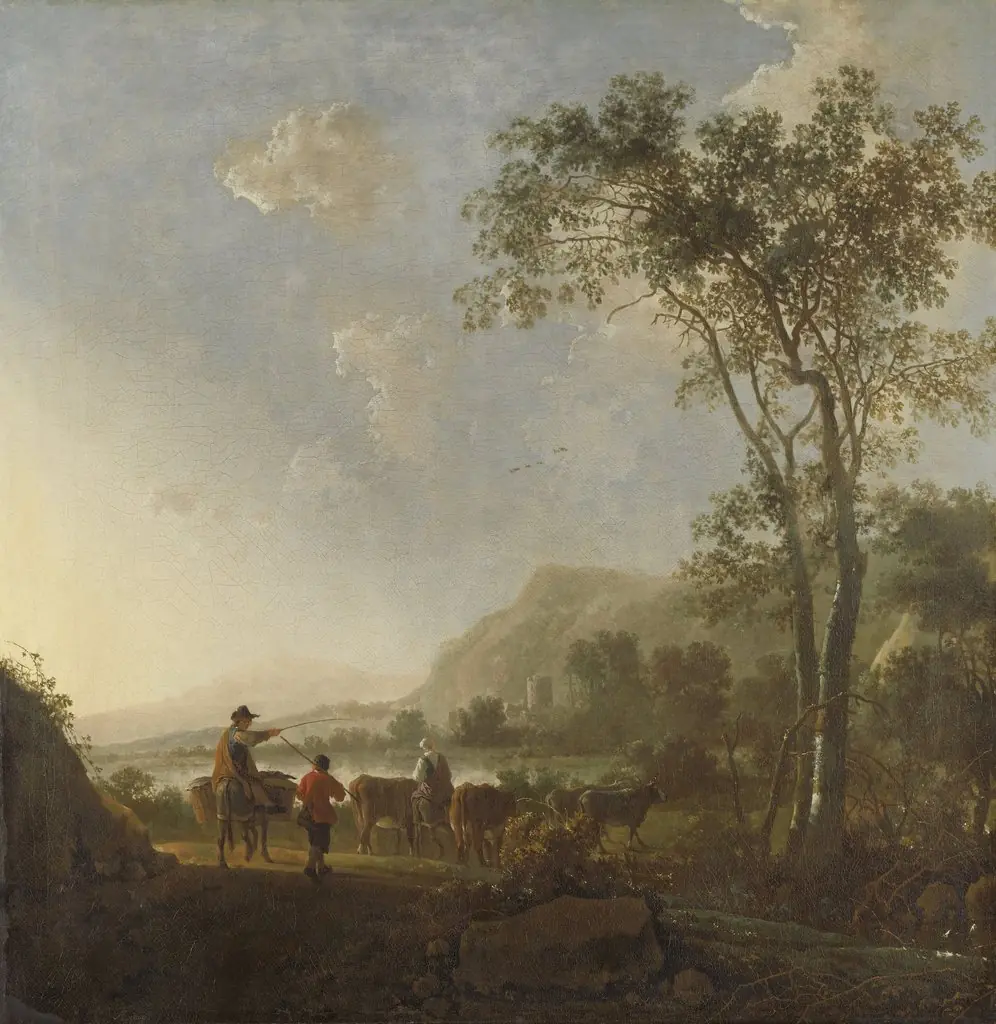
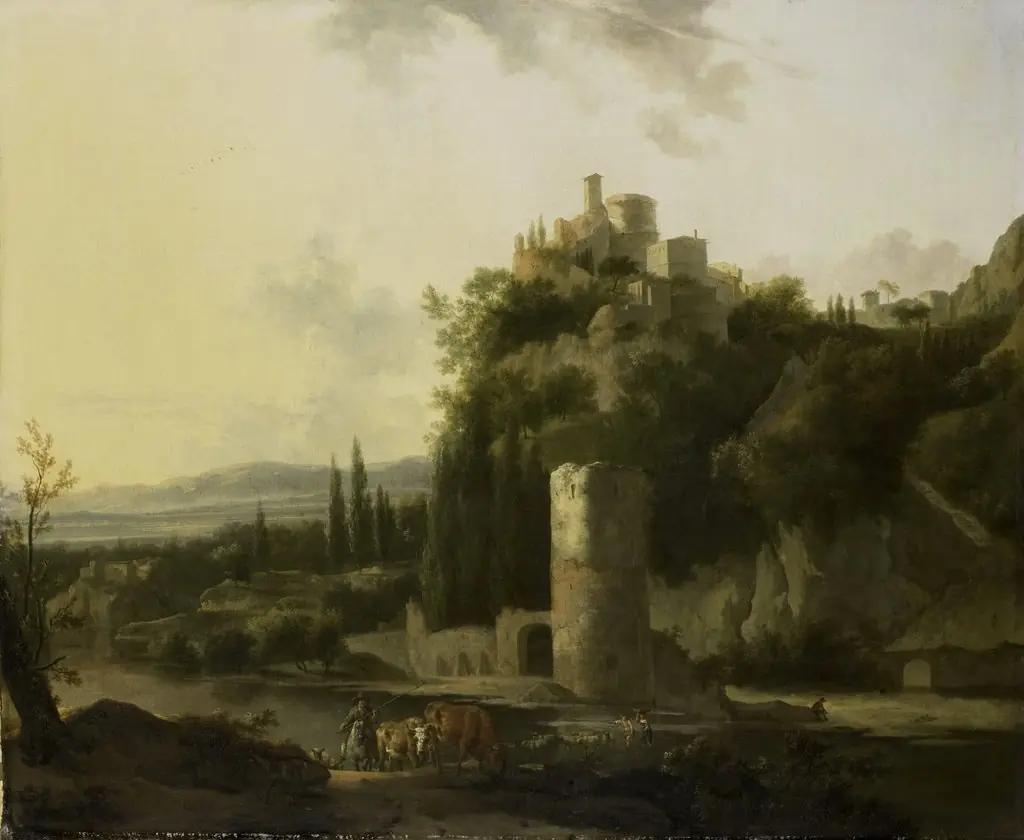
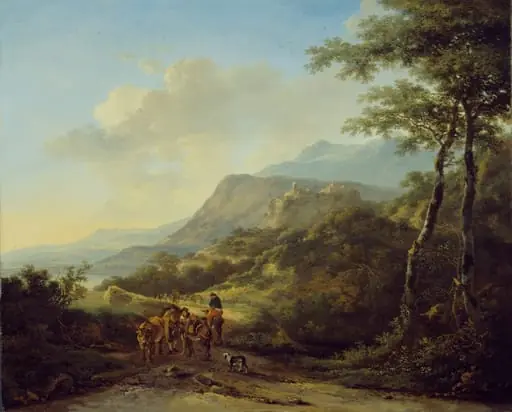
The scene presents a quiet morning in a rural setting, with figures scattered near a tree and along a path, their presence subtle and unobtrusive. No specific myth or biblical story is clearly identified, suggesting the artist prioritized mood over storytelling. The rising sun and tranquil activity evoke a sense of daily renewal, aligning with Renaissance and Baroque ideals of nature as orderly and harmonious, rather than dramatic or turbulent.
Technique & Style
Lorrain employed oil paint to achieve subtle gradations of light and color, using chiaroscuro to model forms and create depth. Warm hues of the sunrise contrast with the cool blues and greens of the distant hills, guiding the viewer’s eye through layered space. His brushwork is precise yet soft, blending atmospheric perspective with careful placement of architectural elements to suggest distance without clutter, reinforcing a sense of serene expansiveness.
History & Provenance
The painting entered the collection of the Detroit Institute of Arts in the 20th century, though its earlier ownership history is not fully documented. It was produced during Lorrain’s mature period in Rome, when his landscapes were sought after by European collectors. Unlike many of his works with overt classical references, *Sunrise* stands out for its understated human presence and focus on natural light, making its provenance particularly valuable for understanding his evolving style.
Context
In early 17th-century Italy, landscape painting was gaining status as an independent genre, moving beyond mere background to a vehicle for contemplation. Lorrain’s work responded to this shift, drawing from classical antiquity and contemporary Italian scenery. His compositions influenced later artists in France and England, particularly those interested in the emotional potential of light and atmosphere, though he remained distinct from the later Barbizon school, which emerged over a century after his death.
Legacy
Lorrain’s *Sunrise* contributed to a broader redefinition of landscape as a serious artistic subject, emphasizing light, composition, and mood over narrative. His methods of rendering atmospheric perspective and natural light became foundational for 18th- and 19th-century landscape traditions, particularly in Britain. Though not part of the Barbizon movement, his influence reached its practitioners indirectly, shaping how nature was perceived and painted in the centuries that followed.
Own this work as a print
Artist & collection
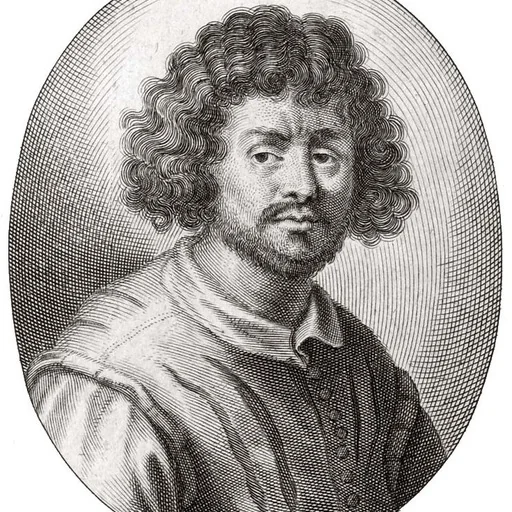
Artist
Claude Lorrain (French: ; born Claude Gellée , called le Lorrain in French; traditionally just Claude in English; c.