Artwork
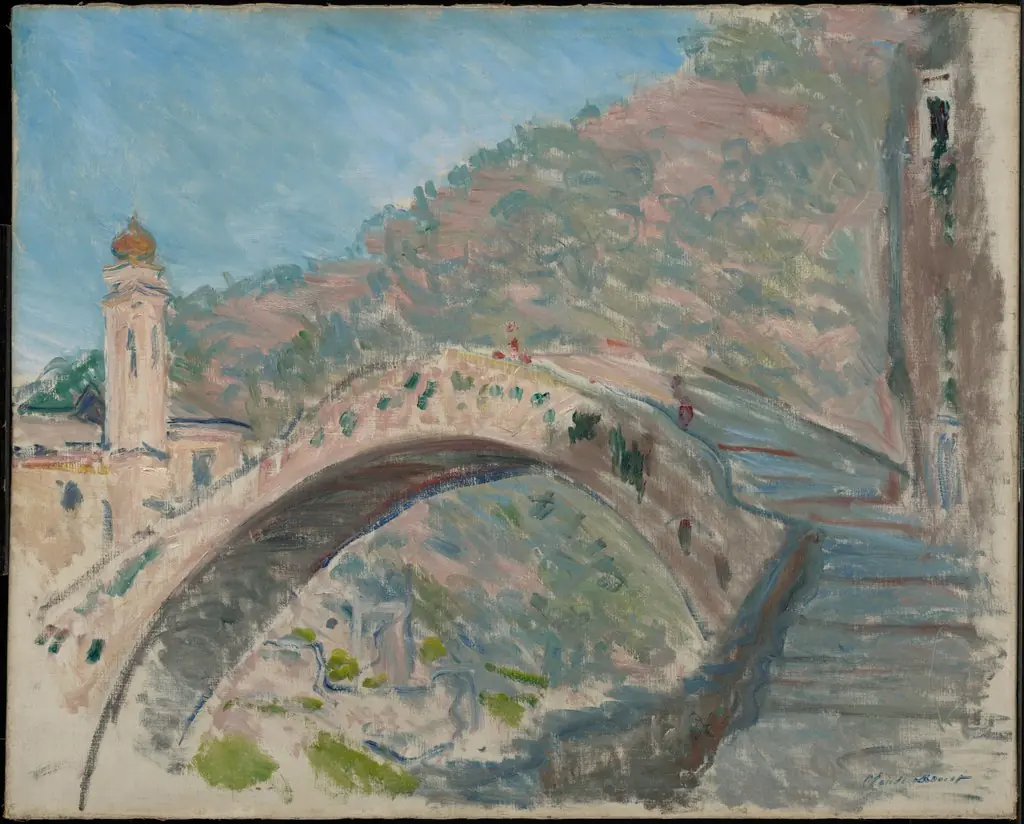
Castle of Dolceacqua
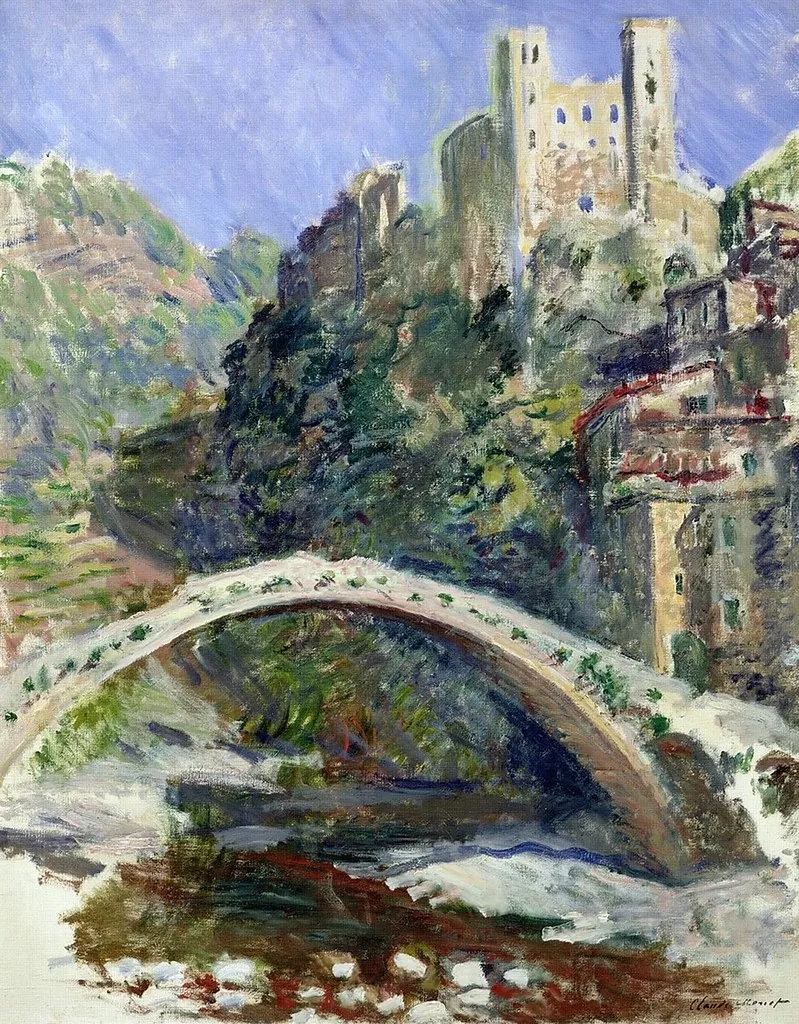
Castle of Dolceacqua is an oil painting by the Impressionist artist Claude Monet. It dates from 1892 and is held in the collection of the Musée Marmottan Monet.
About this work
Overview
Painted in 1892, Castle of Dolceacqua is an oil-on-canvas work by Claude Monet, depicting a medieval fortress in the Ligurian village of Dolceacqua, Italy.
Painted in 1892, Castle of Dolceacqua is an oil-on-canvas work by Claude Monet, depicting a medieval fortress in the Ligurian village of Dolceacqua, Italy. The painting resides in the Musée Marmottan Monet in Paris. Monet captured the structure during a brief visit to the Italian Riviera, focusing on its elevated position and integration with the surrounding terrain. The medium allowed for layered brushwork that conveys both solidity and atmospheric light.
Subject & Meaning
The castle, perched on a rocky outcrop, dominates the composition, its stone walls and single tall tower rising above dense foliage. A narrow bridge connects the fortress to the lower land, suggesting passage and isolation. Monet did not idealize the structure but presented it as a quiet, enduring presence within the landscape, reflecting his interest in how architecture interacts with nature over time.
Technique & Style
Monet employed thick, broken brushstrokes typical of his late Impressionist phase, building texture through layered oil paint to suggest the roughness of stone and the movement of leaves. Color is subdued—greens, grays, and muted ochres dominate—creating a harmonious, earth-toned atmosphere. Light is diffused, not sharply defined, emphasizing the scene’s quiet, midday stillness rather than dramatic contrast.
History & Provenance
Monet painted the castle during a 1892 trip to Italy with his second wife, Alice, and their children. He produced several works of Dolceacqua’s architecture during this visit. The painting remained in his personal collection until his death, later passing to his son Michel, who donated it to the Musée Marmottan Monet in 1966, where it has been held since.
Context
This work belongs to a series of Italian landscapes Monet painted during his only extended visit to the country. Unlike his earlier French scenes, these reflect a more restrained palette and a focus on architectural forms amid natural settings. The castle’s isolation and weathered appearance may have resonated with Monet’s evolving interest in permanence and decay.
Legacy
Castle of Dolceacqua is not among Monet’s most widely reproduced works, but it exemplifies his late-period shift toward quieter, more contemplative subjects. It demonstrates his ability to render historical structures without romanticizing them, grounding them in the tangible rhythms of light and terrain. The painting remains a quiet testament to his sustained engagement with place and perception.
Artist & collection
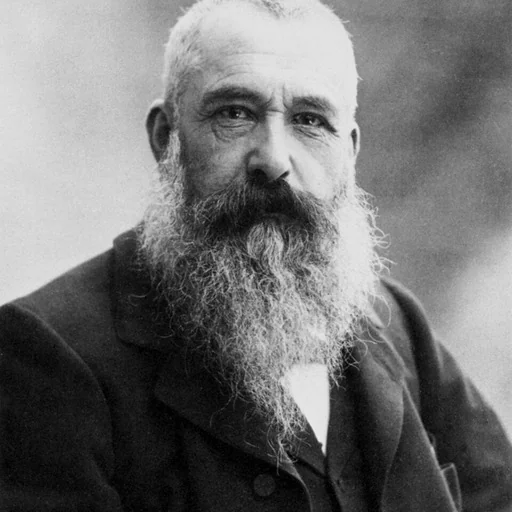
Artist
Oscar-Claude Monet was born in Paris on November 14, 1840, and raised from the age of five in Le Havre, where he began selling charcoal caricatures as a teenager.


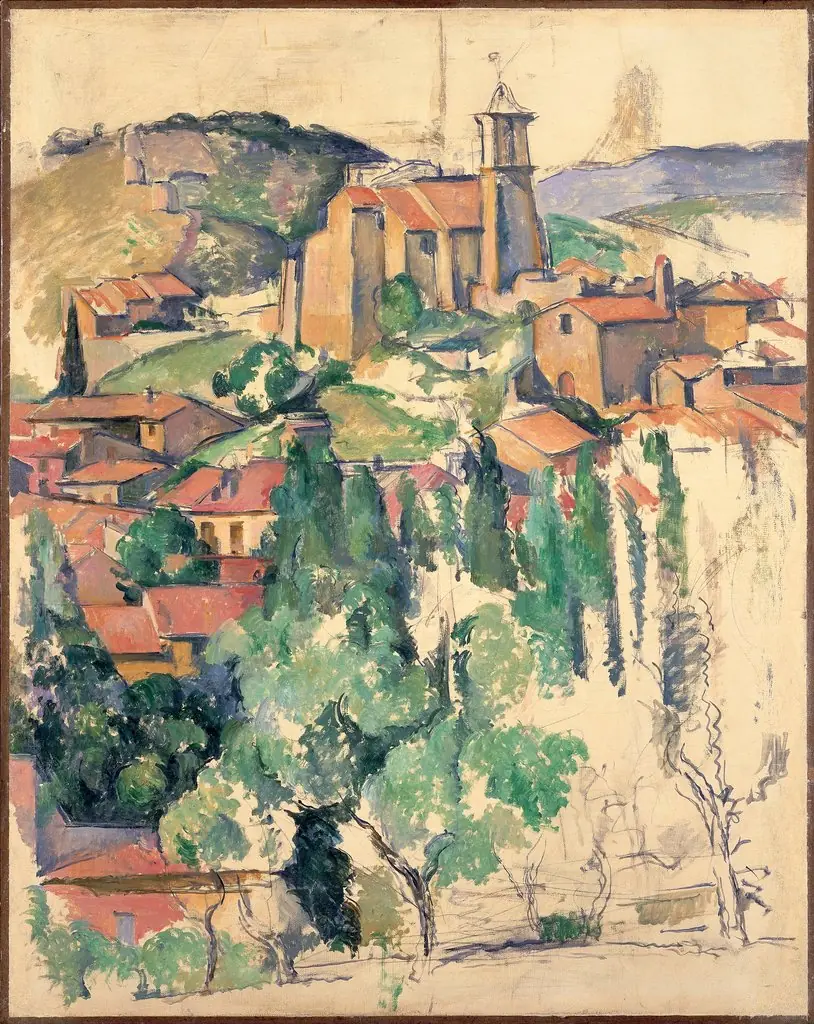 The Village of Gardanne
 Peisaj
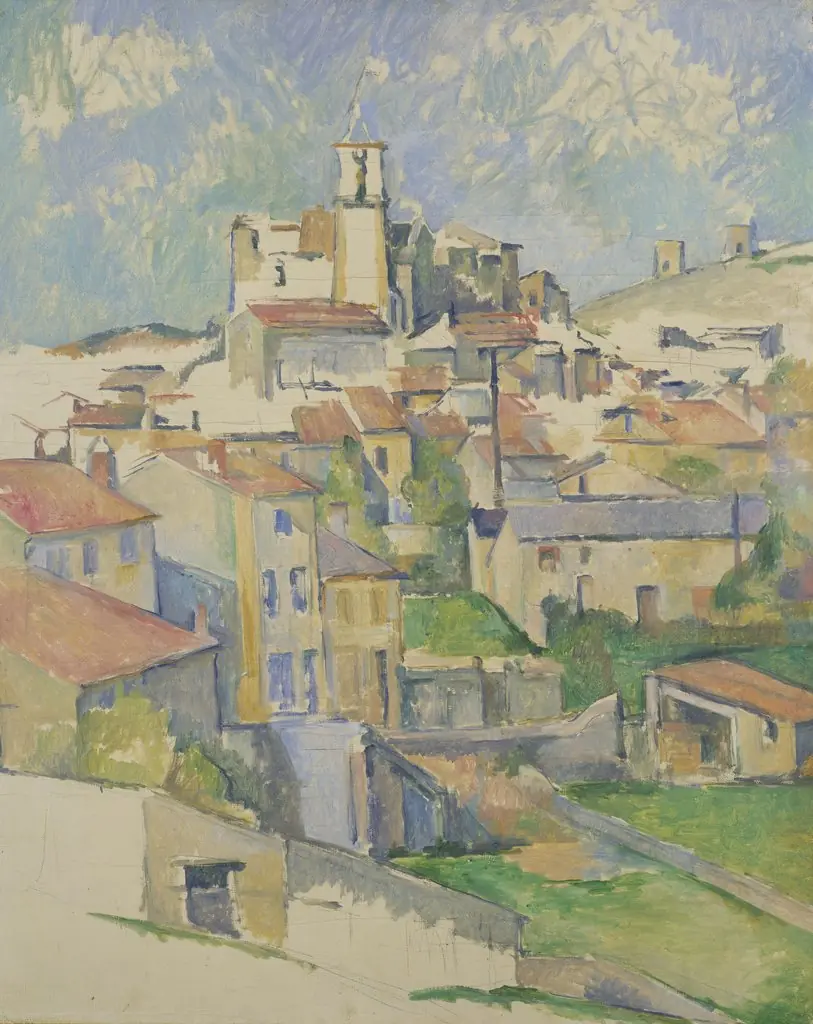 Gardanne
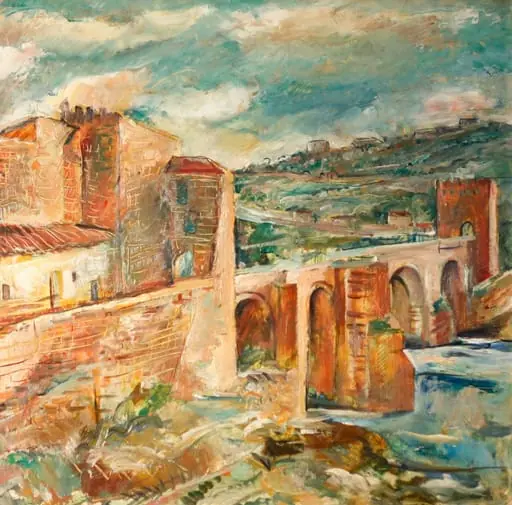 Pod în Tolledo
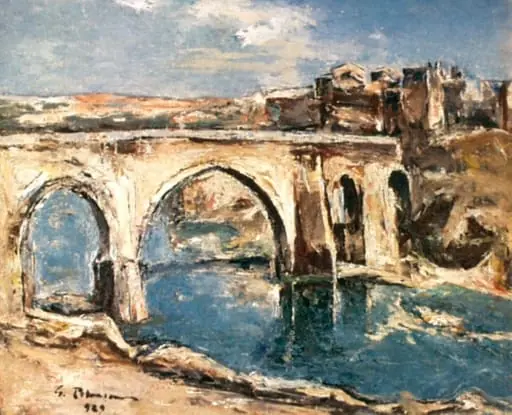 Podul San Martin din Toledo
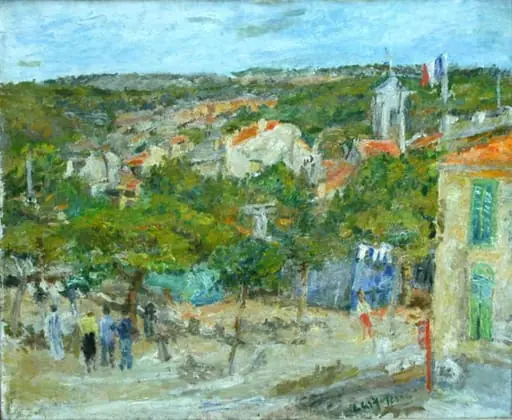 Peisaj din Cassis
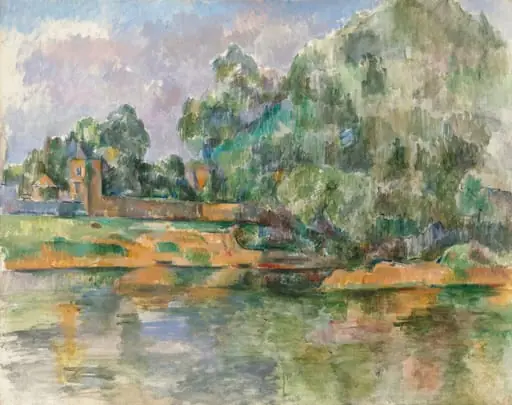 Banks of the Seine at Médan
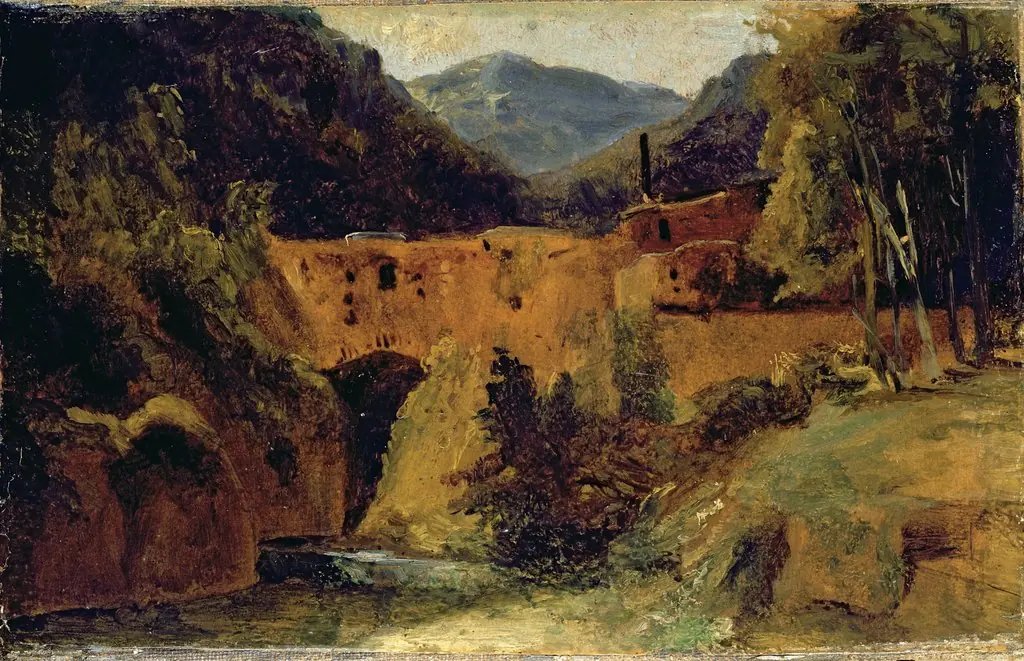 Mill in the valley near Amalfi
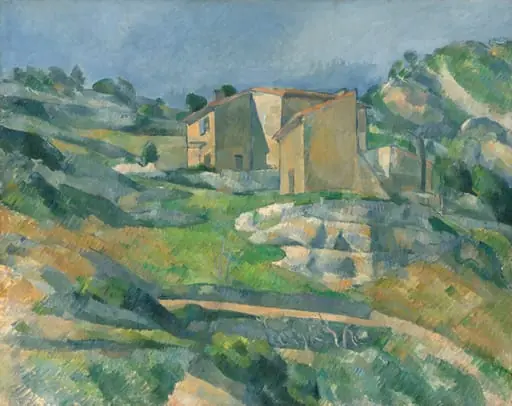 Houses in Provence: The Riaux Valley near L'Estaque
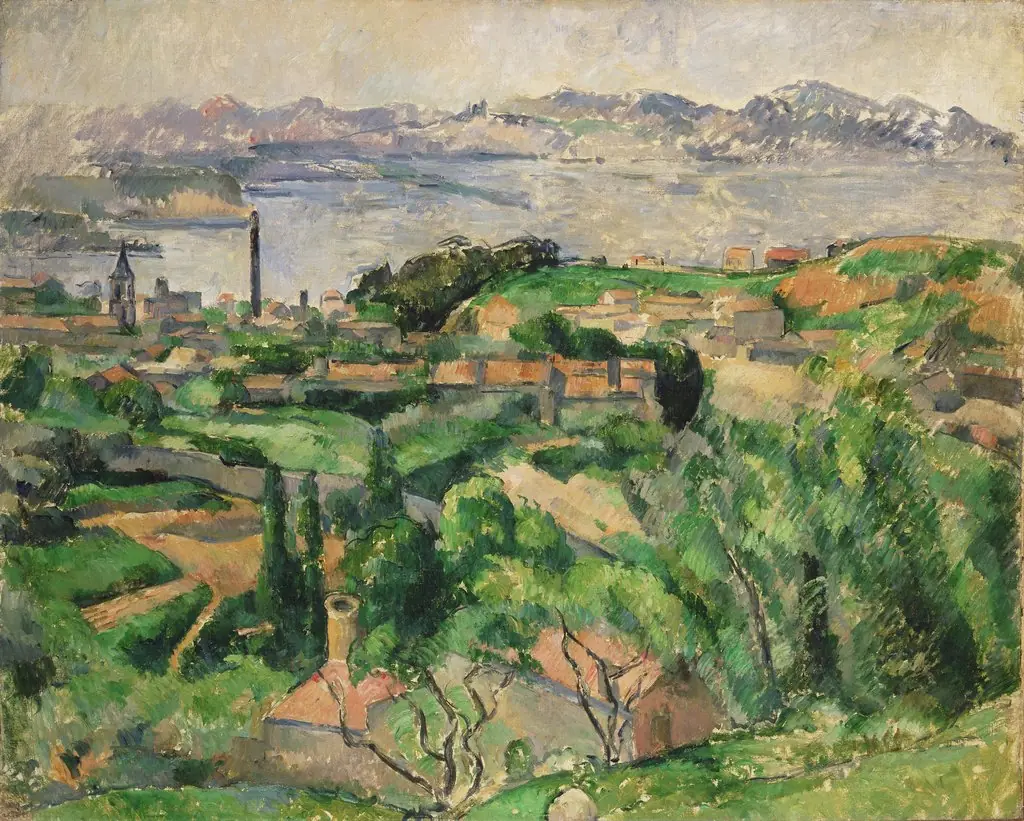 View of the Bay of Marseille with the Village of Saint-Henri
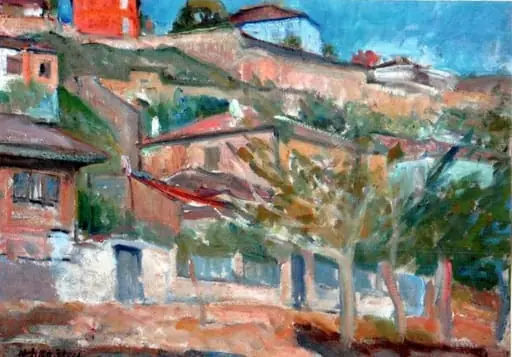 Vedere din Balcic
 Bridge at Dolceacqua