Artwork
The Village of Gardanne
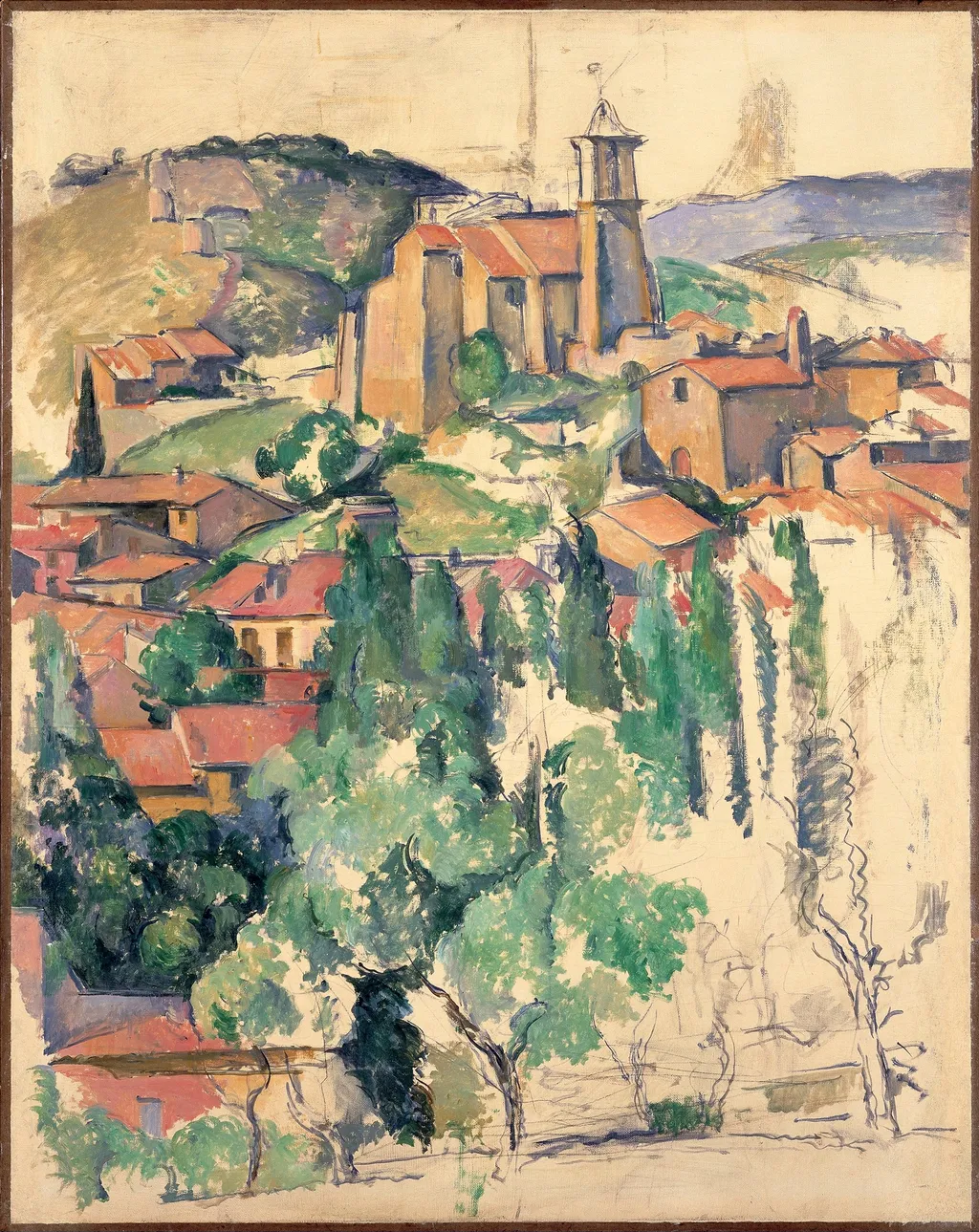
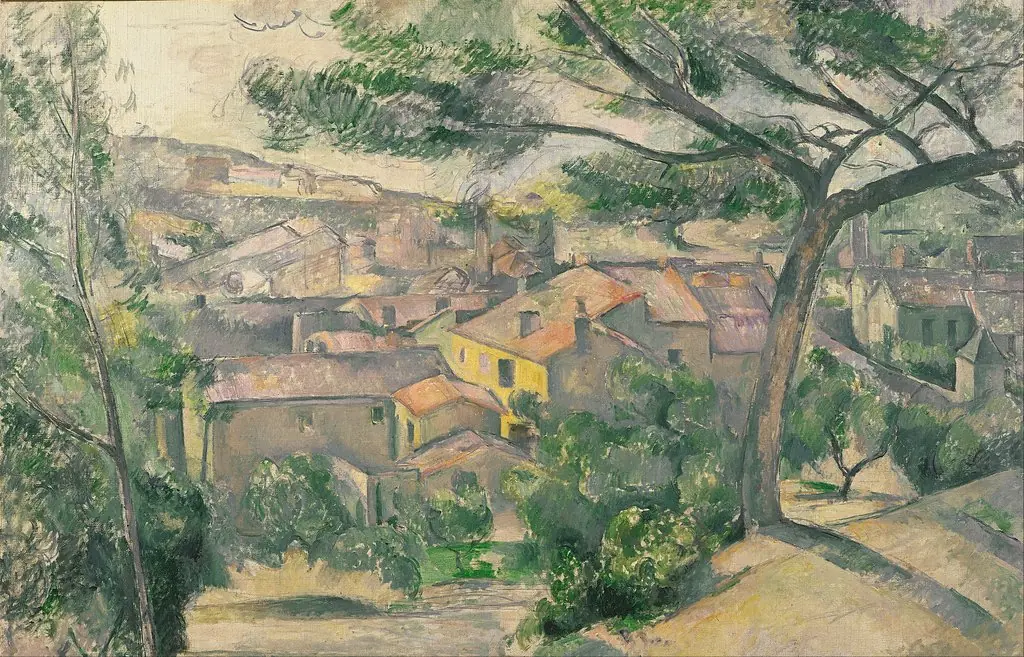
The Village of Gardanne is an oil painting by the Post-Impressionist artist Paul Cezanne. It dates from 1893 and is held in the collection of the Brooklyn Museum.
About this work
Overview
The Village of Gardanne, created by Paul Cézanne in 1893, is an oil painting depicting a serene Provençal landscape. The work showcases the artist's distinctive Post-Impressionist style, characterized by visible brushstrokes and a textured appearance.
Subject & Meaning
The painting captures the village of Gardanne nestled among hills and trees, with an emphasis on geometric forms and natural colors. The absence of human figures contributes to a peaceful, contemplative atmosphere.
Technique & Style
Cézanne employed a mix of earthy tones (browns, oranges, greens) and perceptual depth, hallmarks of his evolving approach. The visible brushstrokes and textured look underscore his bridging of Impressionism and avant-garde techniques.
History & Provenance
The Village of Gardanne is part of the Brooklyn Museum's collection, reflecting its significance within Cézanne's oeuvre and the broader Post-Impressionist movement.
Context
Painted during a pivotal period, the work exemplifies Cézanne's influence on the transition to 20th-century art movements, notably Cubism, through his simplification of geometric forms.
Legacy
As a key example of Cézanne's mature style, The Village of Gardanne continues to illustrate the artist's impact on the development of modern art, particularly in its emphasis on structural composition.
Artist & collection
Artist
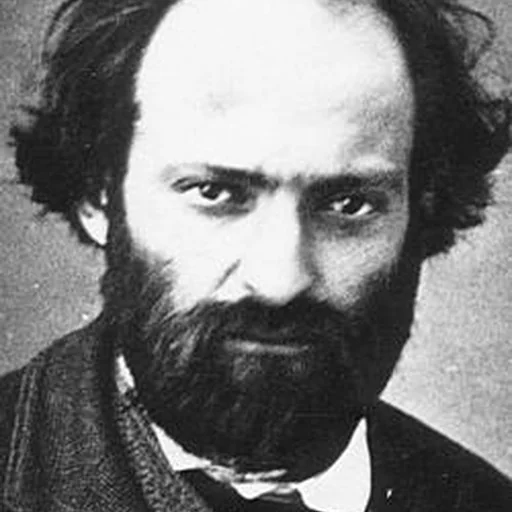
Paul Cézanne was born on January 19, 1839, in Aix-en-Provence, the son of a hatter turned wealthy banker.

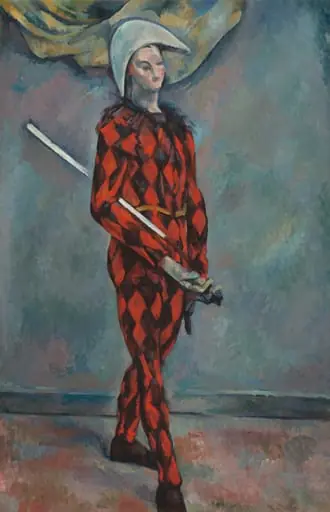 Harlequin
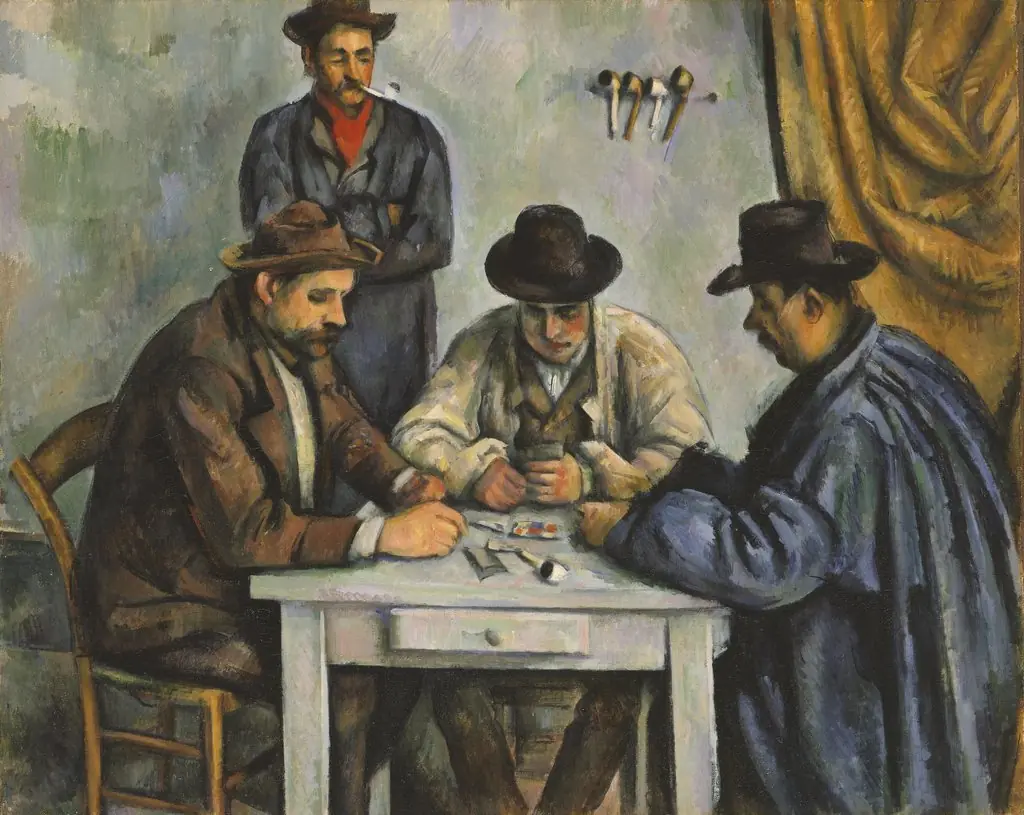 The Card Players
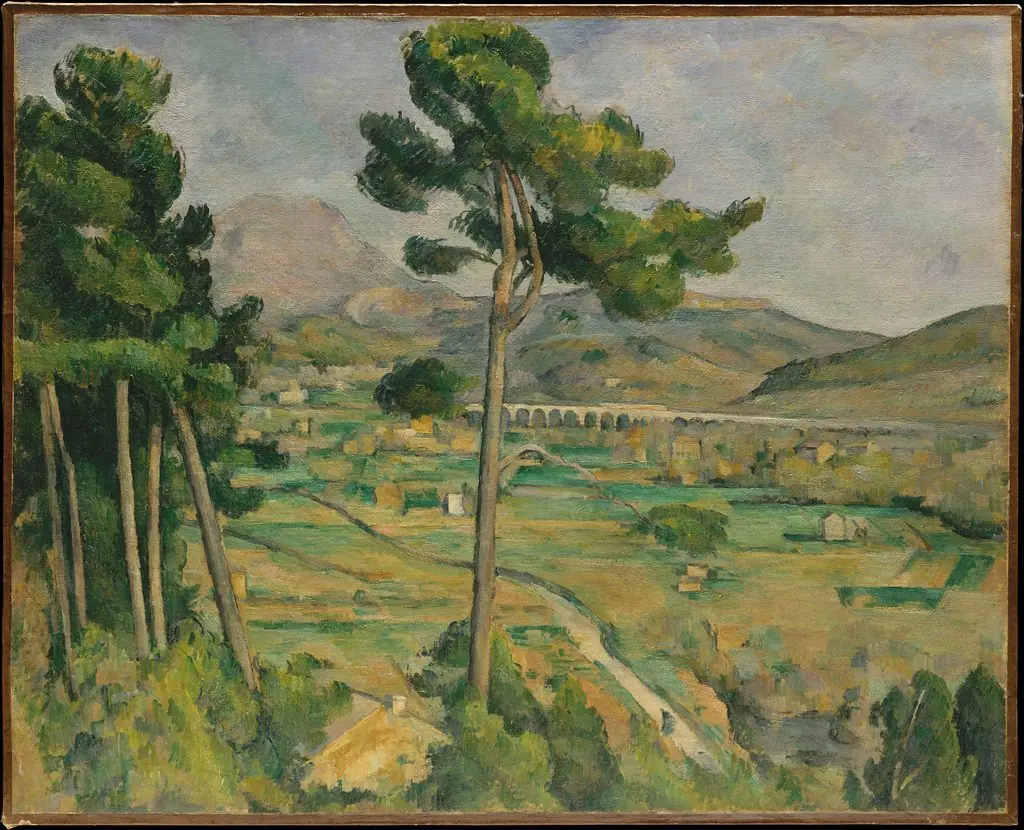 Mont Sainte-Victoire and the Viaduct of the Arc River Valley
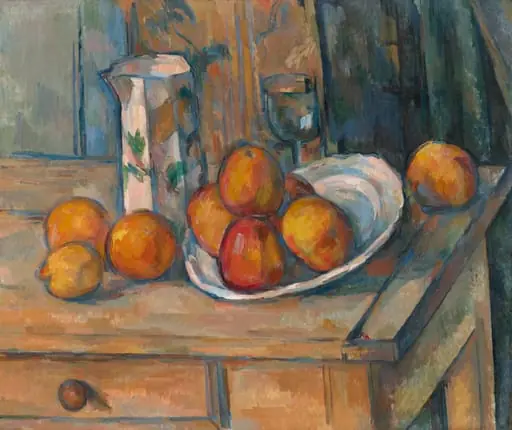 Still Life with Milk Jug and Fruit
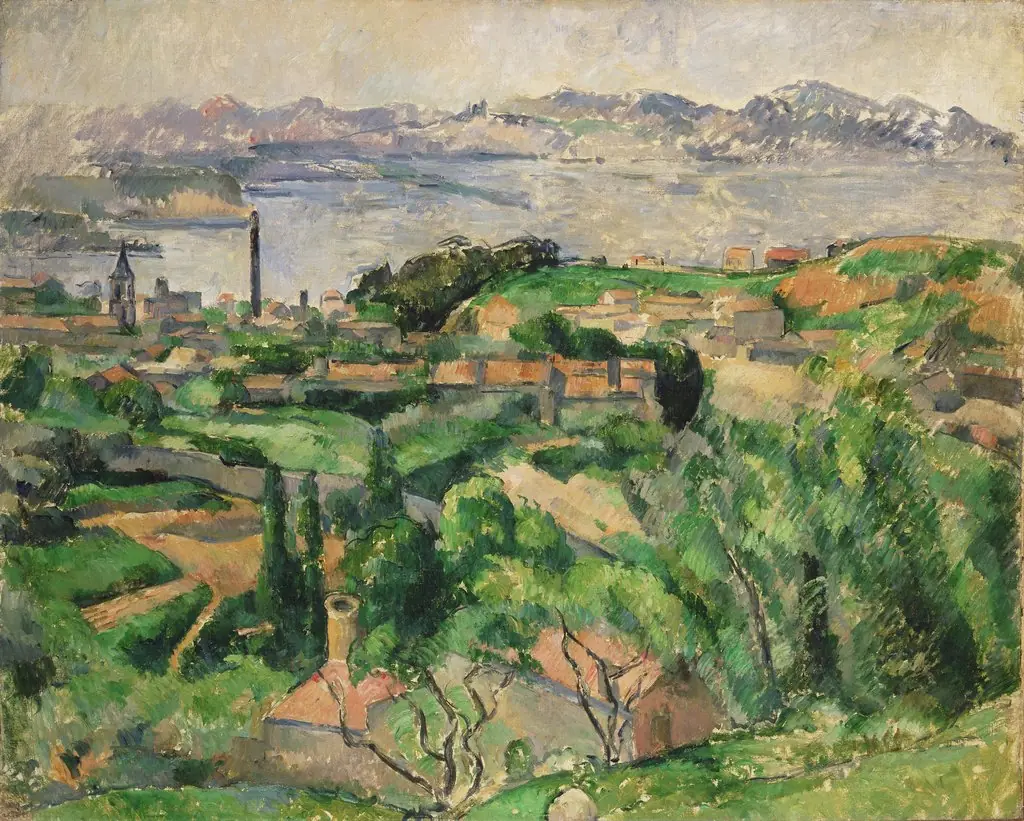
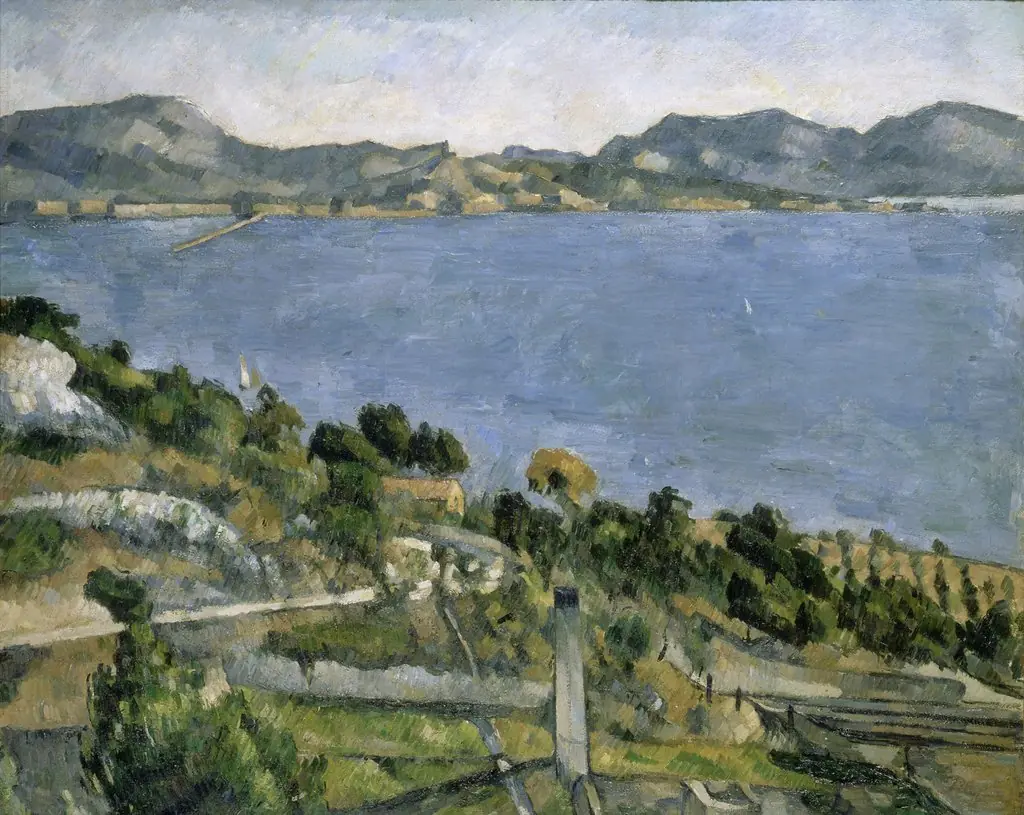 Le Golfe de Marseille vu de l'Estaque (The Gulf of Marseille Seen from L'Estaque)
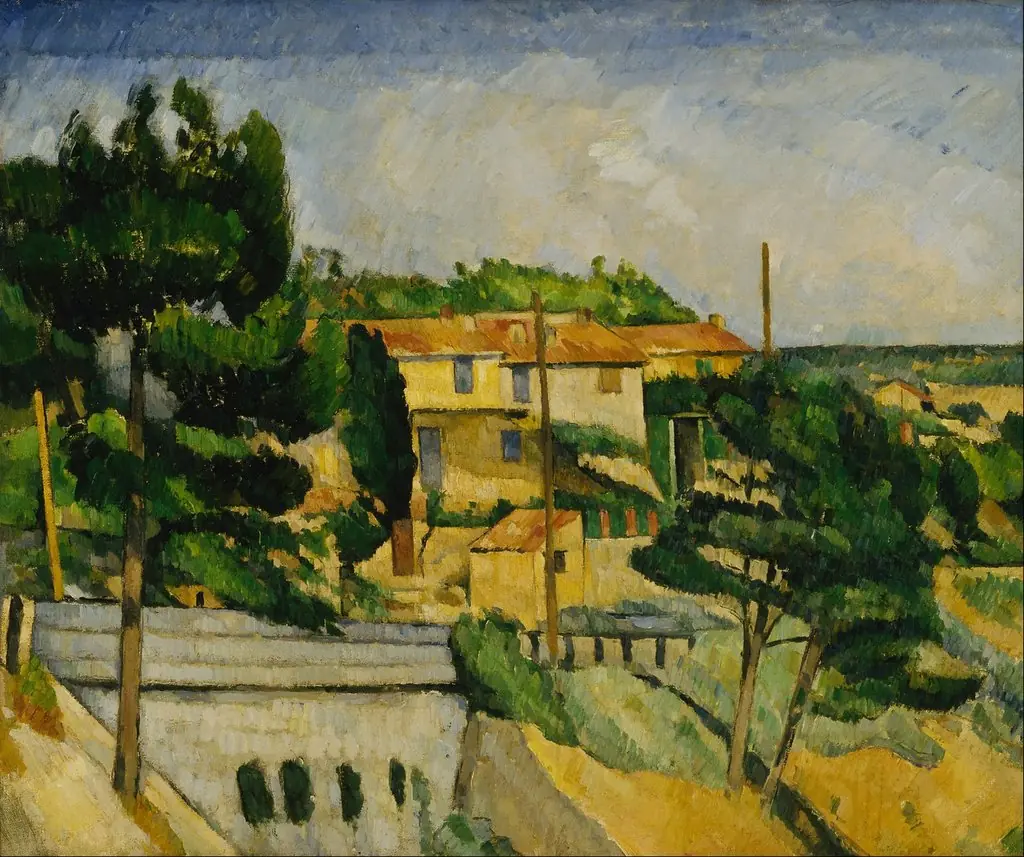
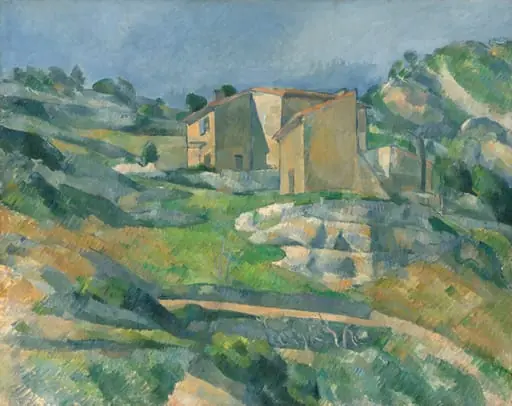 Houses in Provence: The Riaux Valley near L'Estaque
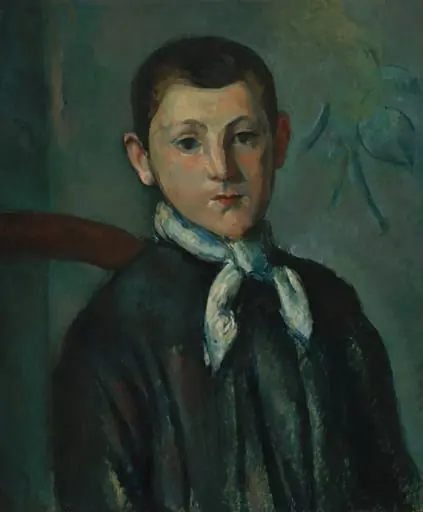 Louis Guillaume
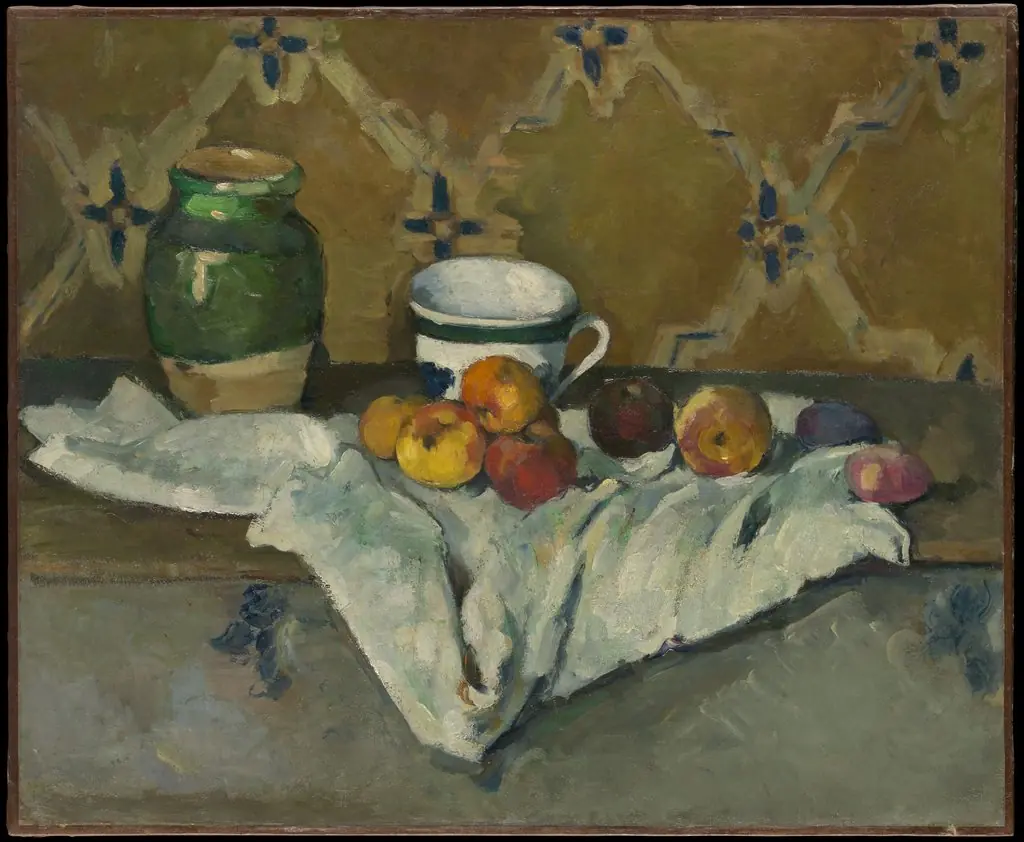 Still Life with Jar, Cup, and Apples