Artwork
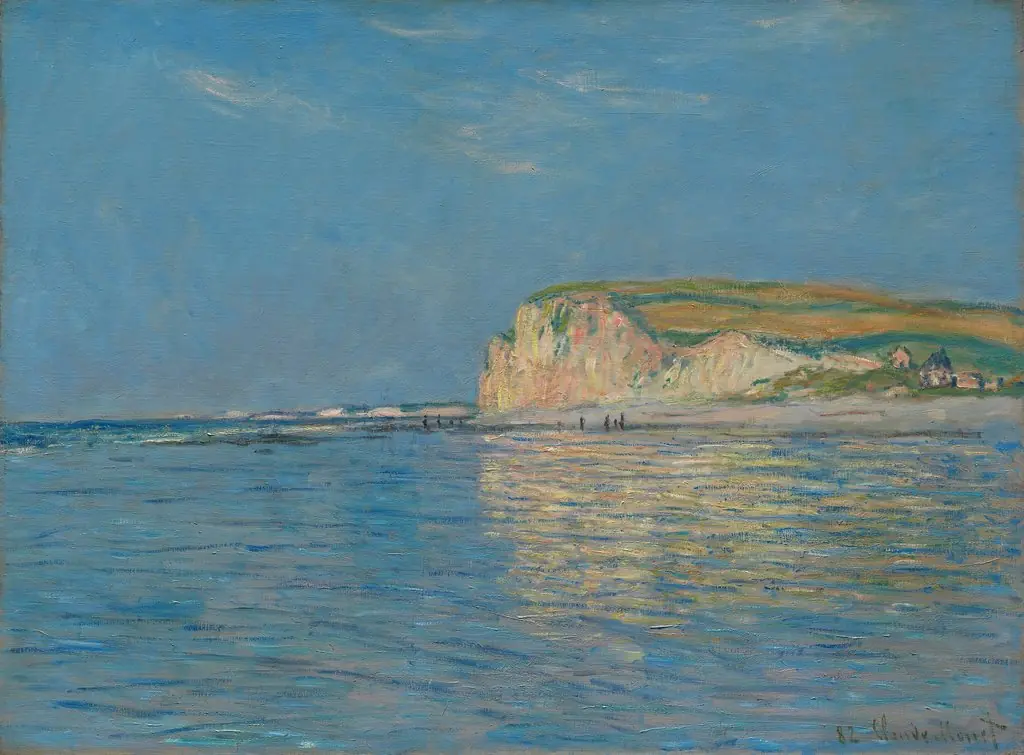
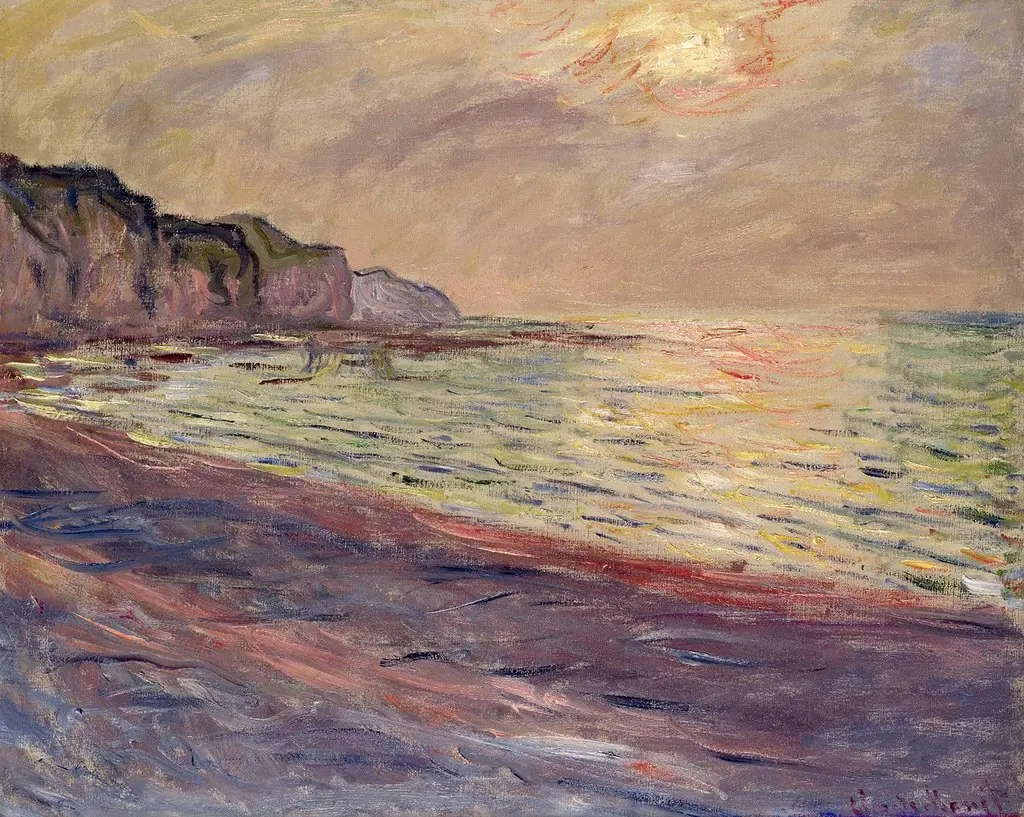
Low Tide at Pourville, near Dieppe, 1882
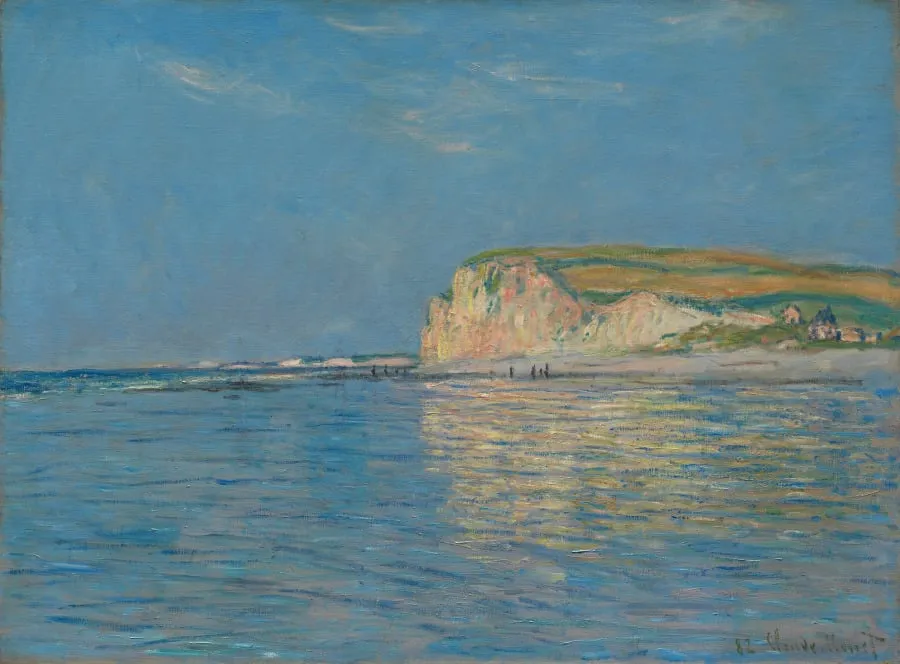
Low Tide at Pourville, near Dieppe, 1882 is an unspecified painting by the Impressionist artist Claude Monet. It dates from 1882 and is held in the collection of the Cleveland Museum of Art.
About this work
You see a wide, empty beach under a pale sky, with two tiny figures walking near the water’s edge.
You see a wide, empty beach under a pale sky, with two tiny figures walking near the water’s edge.
Monet painted this scene over and over from the same spot, changing only the light and tide. The brushstrokes are thick and quick—almost like the waves themselves. He stayed in a small hotel right on the beach, so close he could hear the water hitting the shore.
If you like this, look up more paintings of the subject: france, 19th century, mod euro.
Overview
Claude Monet created this oil work during his 1882 stay in Pourville, a modest fishing hamlet on Normandy’s northern coast. The canvas captures a broad, sparsely populated beach under a muted sky, with two diminutive figures strolling close to the waterline. The composition emphasizes the expansive shoreline and the subtle interaction between land, sea, and sky, reflecting Monet’s focus on atmospheric conditions.
Subject & Meaning
The painting presents a quiet coastal scene where the sea meets a pebbled beach, framed by cliffs that rise behind a modest structure. Though Monet described Pourville as unremarkable, he was drawn to the immediacy of the shoreline, noting his proximity to the surf and the rhythmic sound of waves against the shore, suggesting an intimate engagement with the natural environment.
Technique & Style
Executed with rapid, impasto brushwork, the surface of the canvas conveys the texture of water and sand through thick, gestural strokes. Monet’s approach captures fleeting light and the shifting tide, employing a limited palette of pale blues, grays, and earth tones to render the atmospheric haze. The swift application of paint mirrors the movement of the sea itself.
History & Provenance
Monet painted this view repeatedly from a single viewpoint during his spring 1882 residence in Pourville, staying in a small hotel situated directly on the beach. The work forms part of a series documenting the locale under varying conditions of light and tide, illustrating the artist’s systematic study of the same subject across multiple canvases.
Context
Pourville’s coastal landscape, with its boardwalk, expansive beach, and cliffs, offered Monet a setting to explore his interest in plein‑air painting and the effects of natural illumination. The location, located near Dieppe, was a frequent destination for Impressionist artists seeking to capture the transient qualities of the sea and sky, aligning with broader trends in late‑19th‑century French art.
Artist & collection
Artist
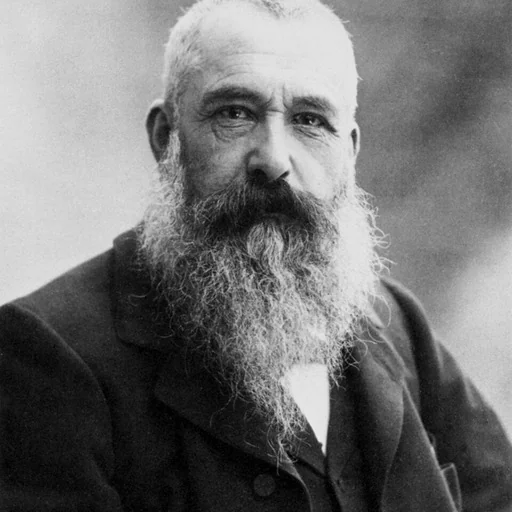
Oscar-Claude Monet was born in Paris on November 14, 1840, and raised from the age of five in Le Havre, where he began selling charcoal caricatures as a teenager.