Artwork
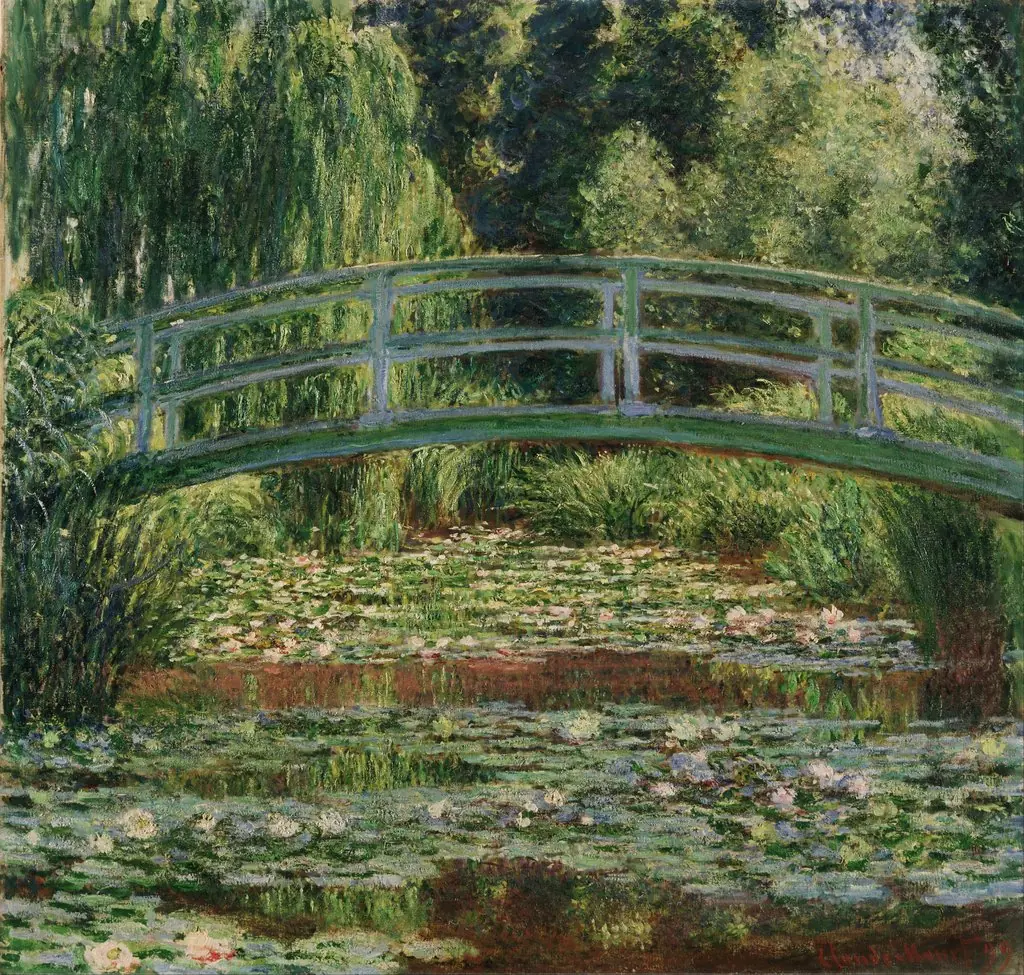
Japanese Footbridge, Giverny
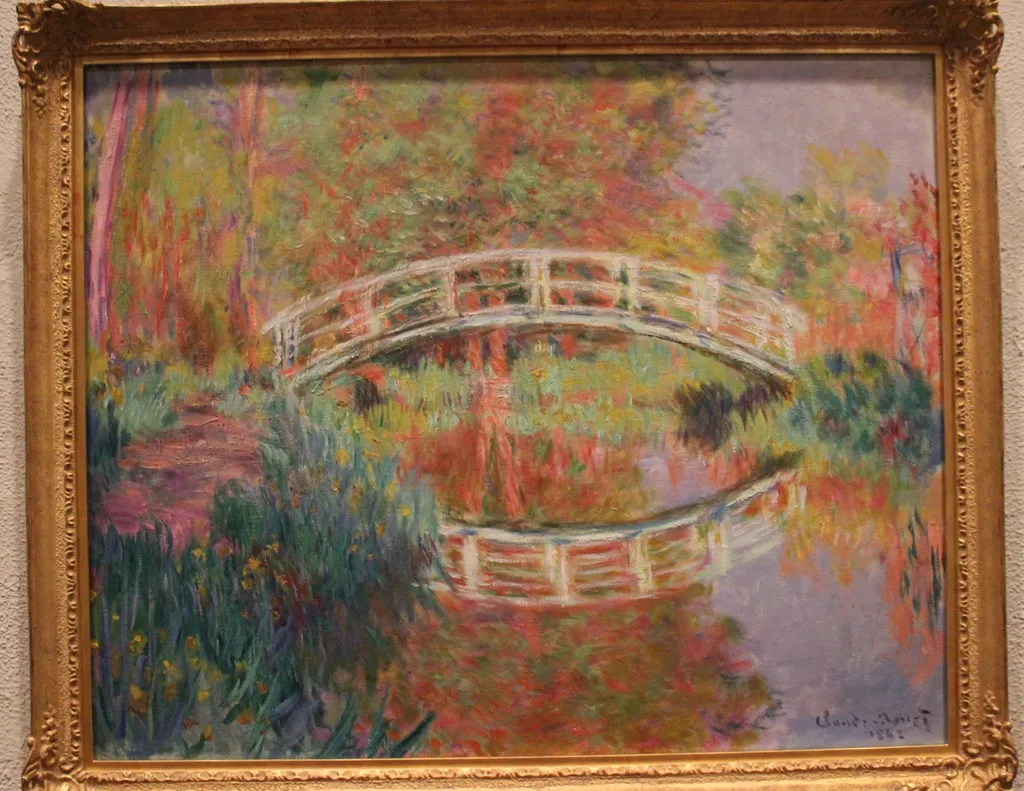
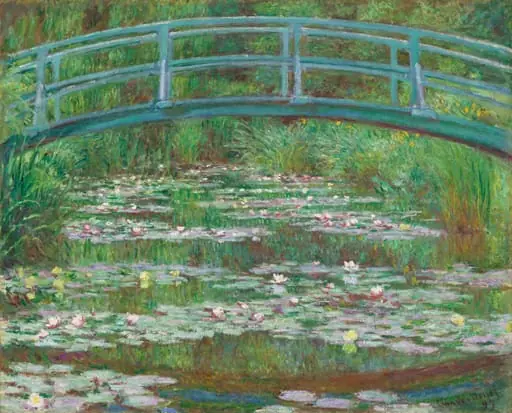
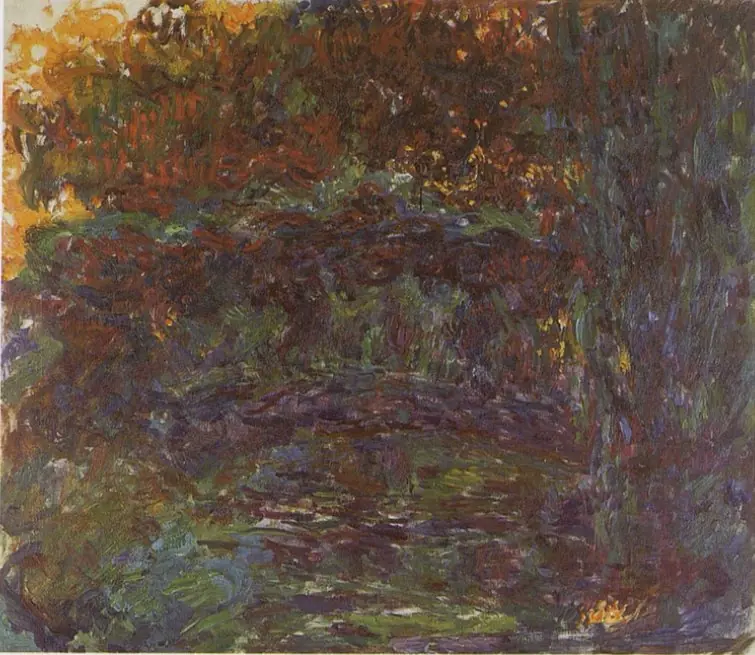
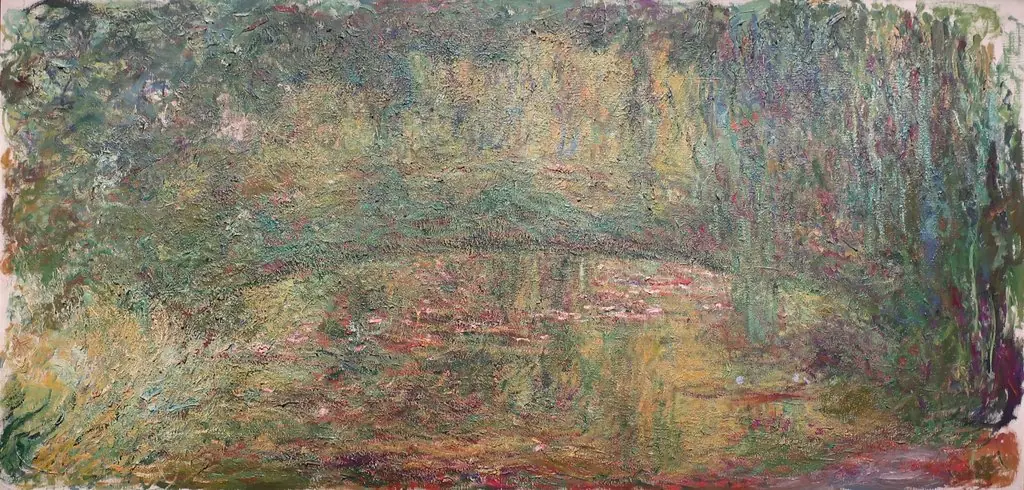
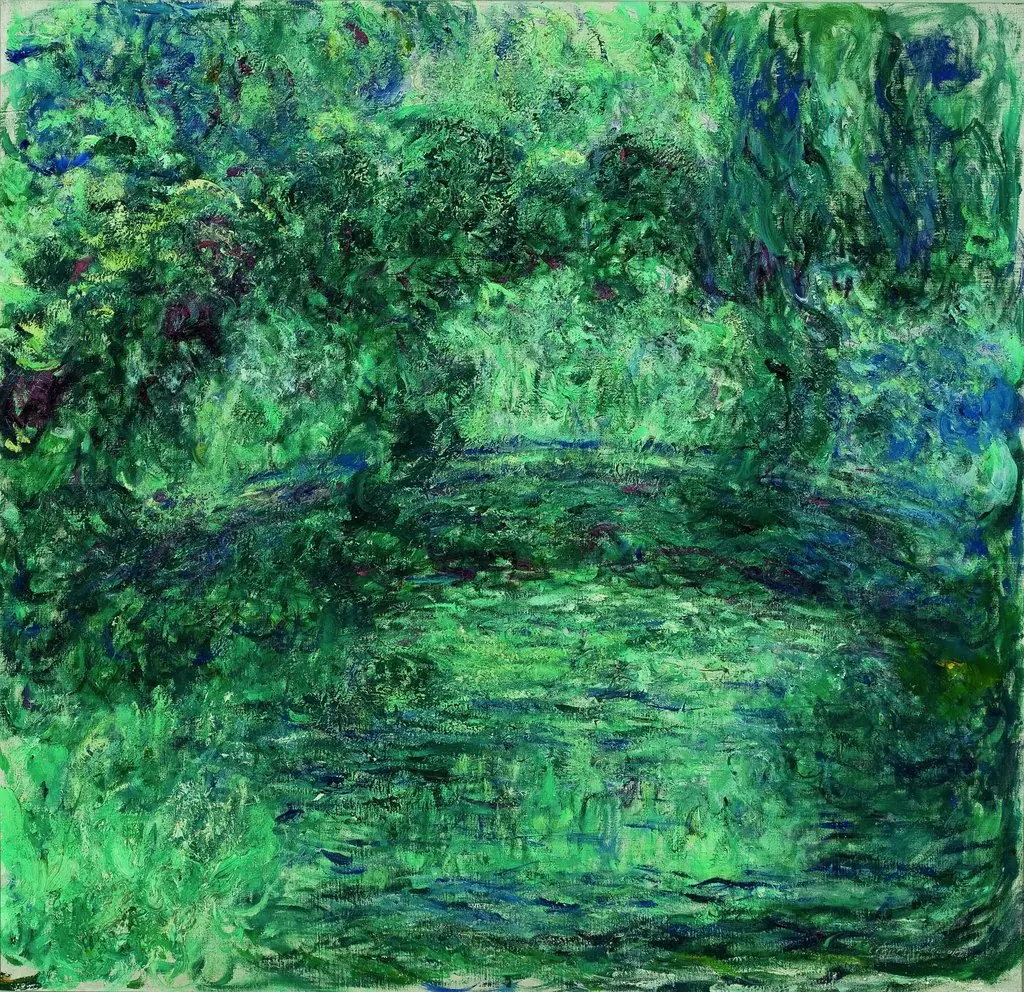
Japanese Footbridge, Giverny is an oil painting by the Impressionist artist Claude Monet. It dates from 1898 and is held in the collection of the Philadelphia Museum of Art.
About this work
Overview
Claude Monet painted Japanese Footbridge, Giverny in 1898 using oil on canvas. The work is part of the Philadelphia Museum of Art’s collection and portrays a quiet garden scene centered on a white footbridge spanning a still pond.
Subject & Meaning
The composition shows a low, arched bridge set amid a pond edged with reeds and flowering plants. Soft, muted tones and delicate brushwork convey a tranquil atmosphere, inviting contemplation of the garden’s quiet rhythm.
Technique & Style
Monet employs his characteristic impressionist approach: loose, layered strokes and a palette of pastel greens, blues, pinks, and yellows. The surface captures fleeting light on water and foliage, while the subtle color harmonies suggest depth without sharp outlines.
History & Provenance
Created during Monet’s later years at his Giverny estate, the painting reflects his ongoing fascination with water and Japanese garden motifs. It entered the Philadelphia Museum of Art’s holdings in the early 20th century, where it remains on display.
Artist & collection
Artist
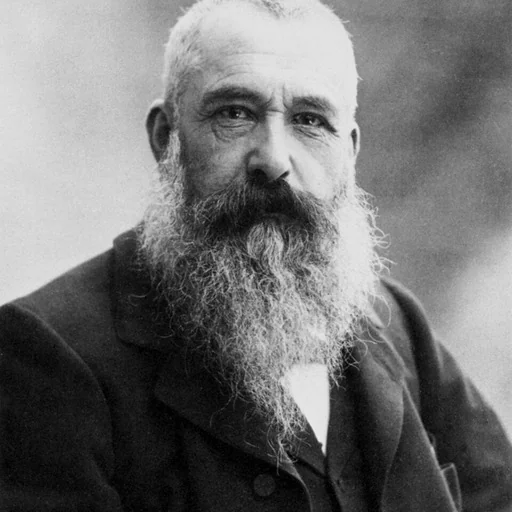
Oscar-Claude Monet was born in Paris on November 14, 1840, and raised from the age of five in Le Havre, where he began selling charcoal caricatures as a teenager.