Artwork
Morning Haze
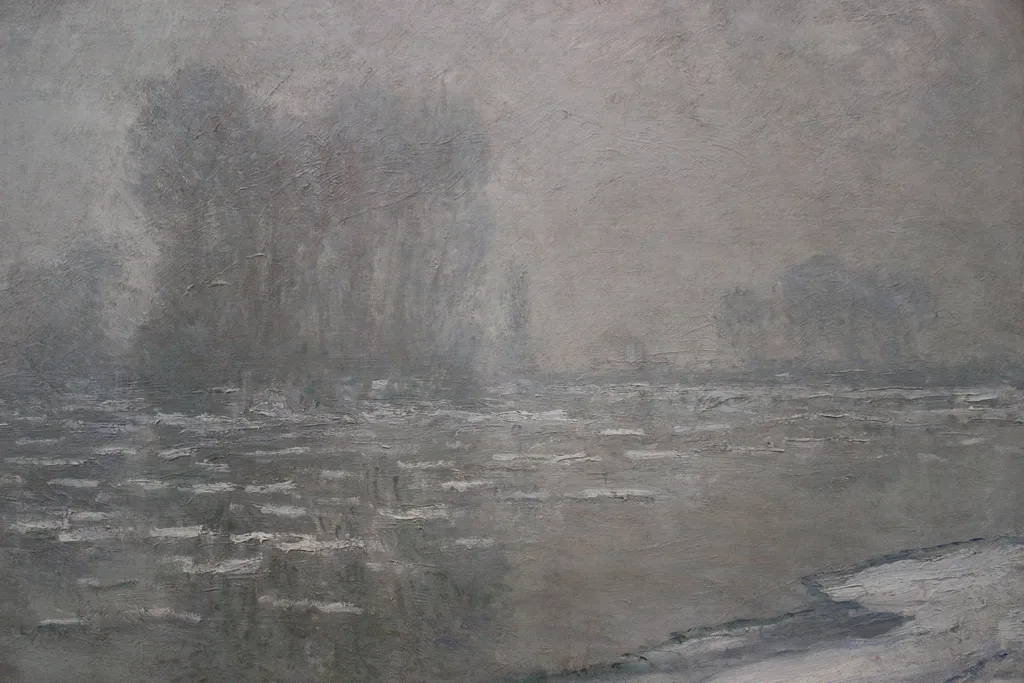
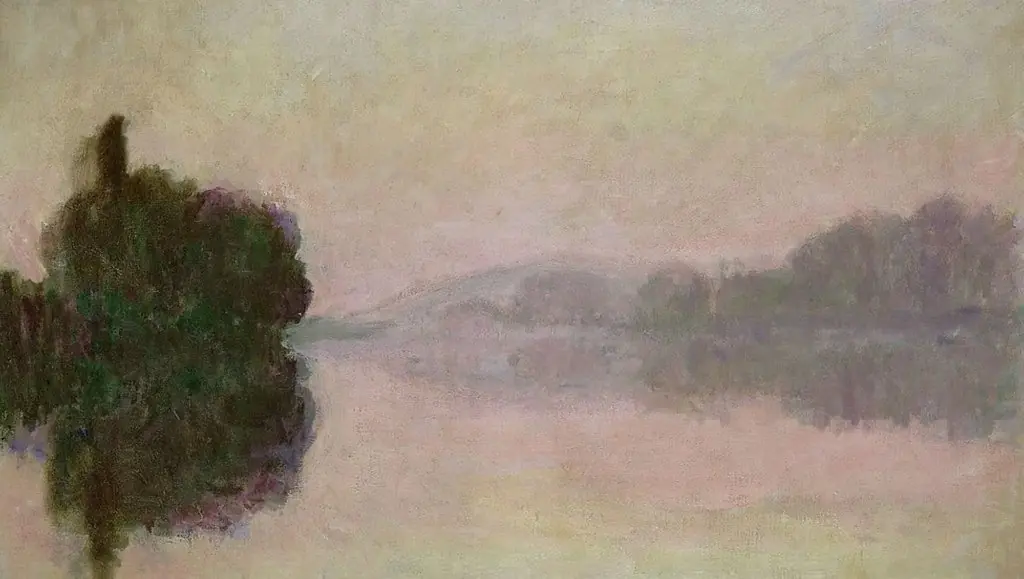
Morning Haze is an oil painting by the Impressionist artist Claude Monet. It dates from 1898 and is held in the collection of the Philadelphia Museum of Art.
About this work
Overview
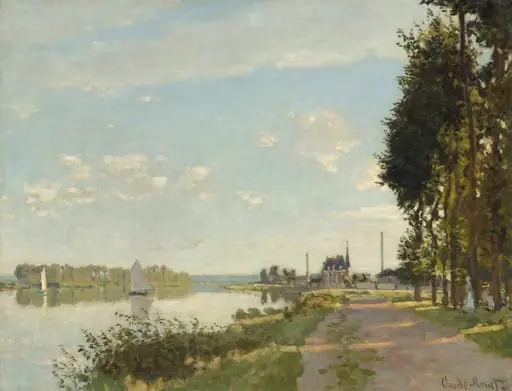
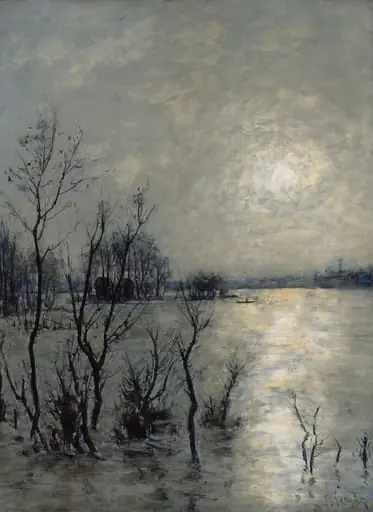
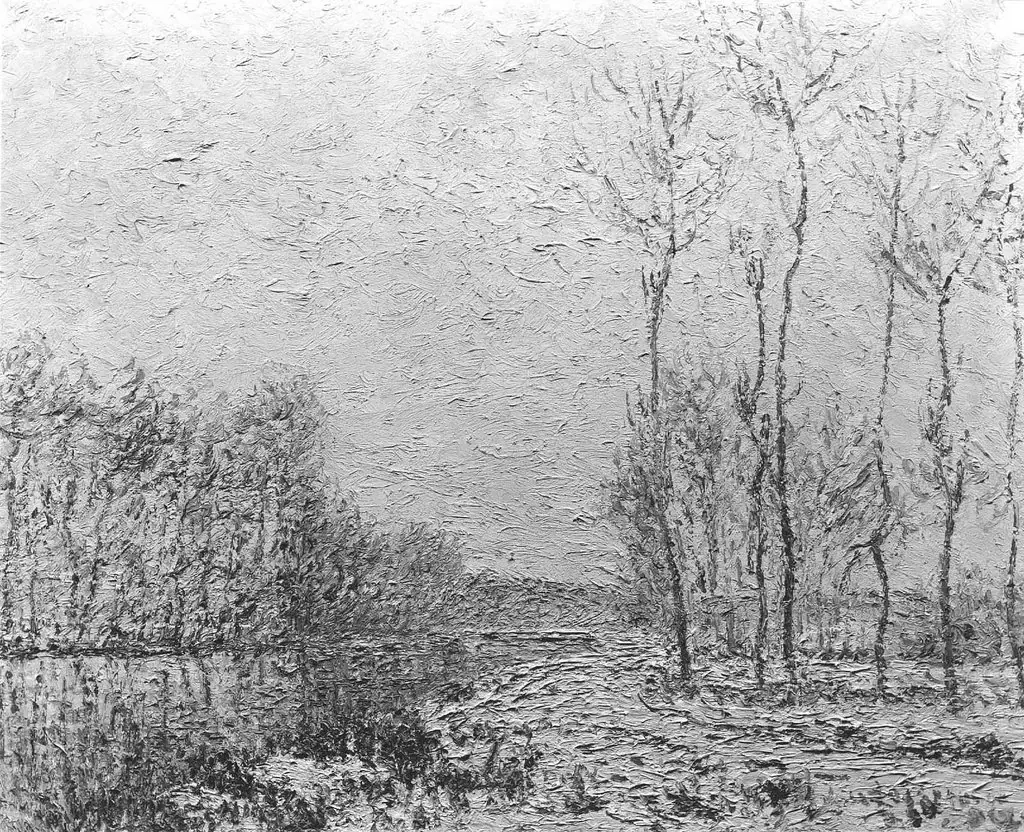
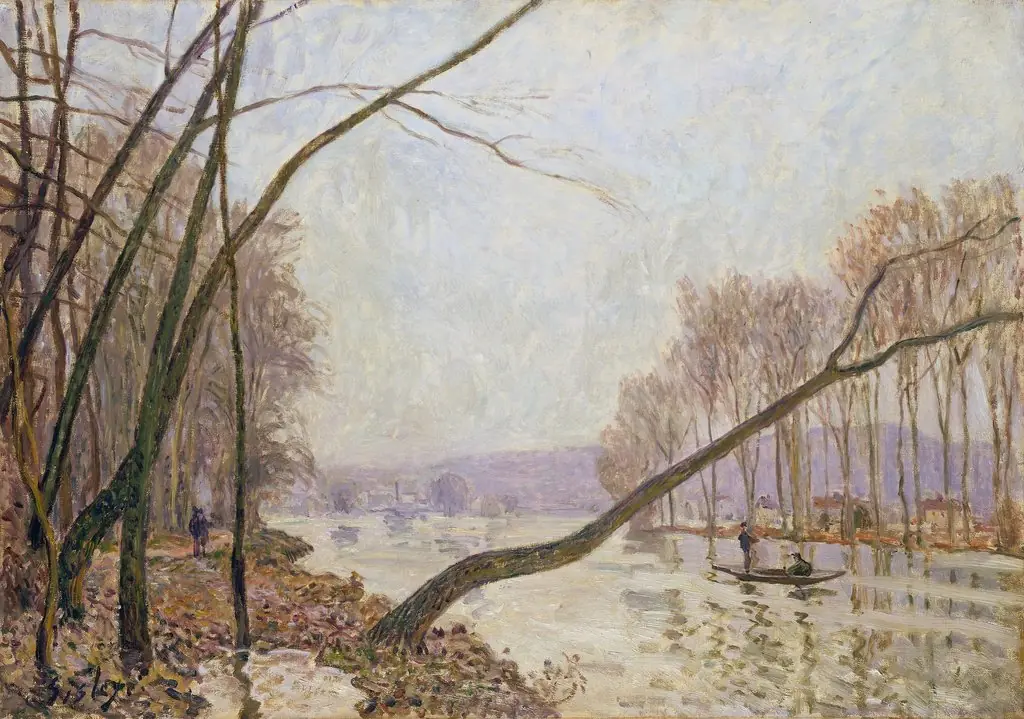
The composition is dominated by a calm water surface that mirrors a muted sky, while the riverbank in the foreground is lined with sparse trees and foliage.
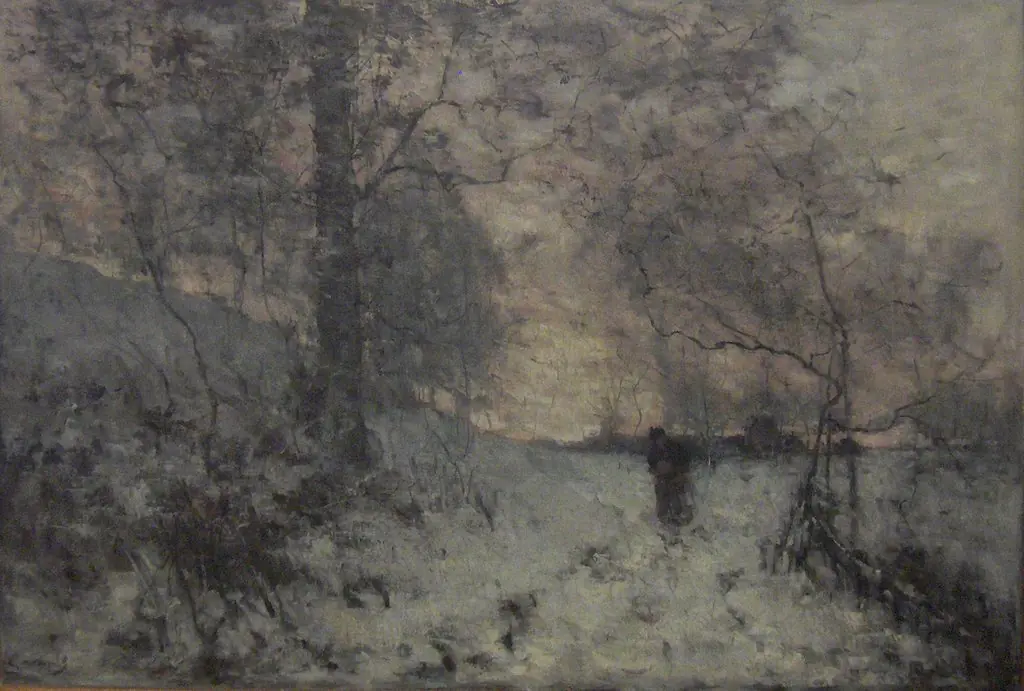
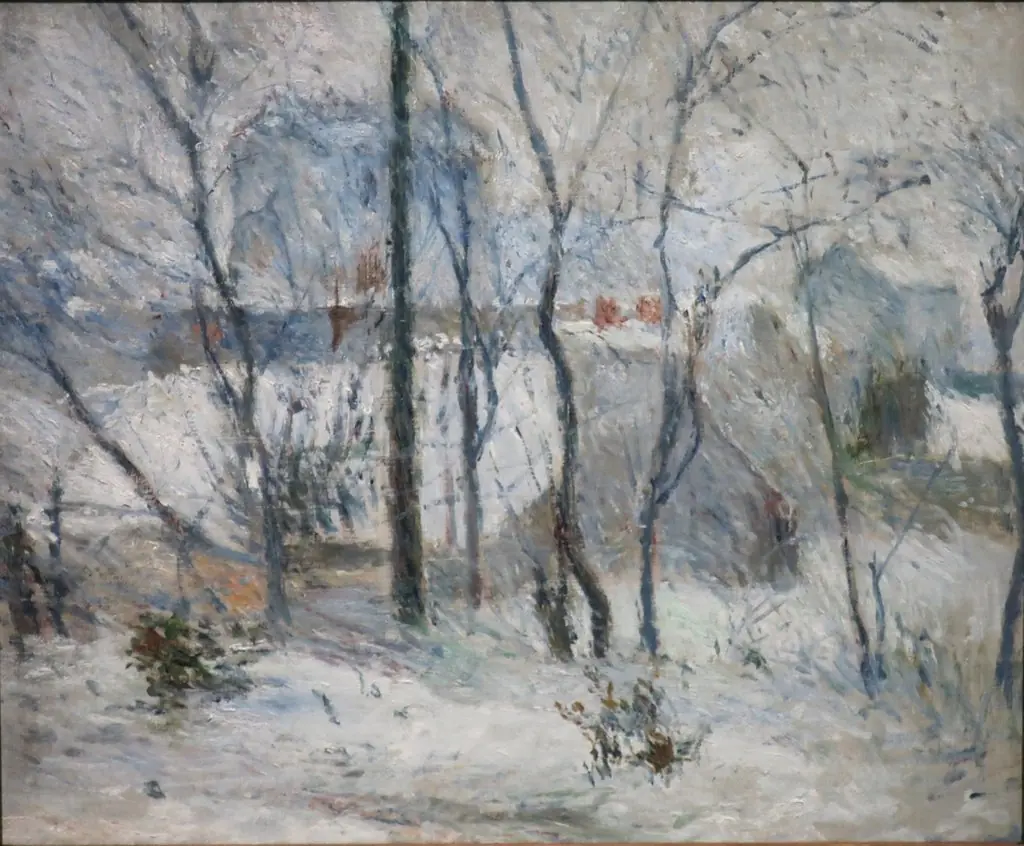
Claude Monet’s 1898 oil work titled Morning Haze depicts a tranquil stretch of river, most likely the Seine, under a veil of mist. The composition is dominated by a calm water surface that mirrors a muted sky, while the riverbank in the foreground is lined with sparse trees and foliage. The overall tone is subdued, employing a palette of greys, blues, and greens to convey a quiet, early‑morning atmosphere.
Subject & Meaning
The painting captures a fleeting moment of atmospheric light, a central concern in Monet’s later oeuvre. By emphasizing the hazy veil that softens the landscape, the work invites contemplation of nature’s ephemerality and the subtle interplay between water, sky, and fog. The serene setting suggests a meditative pause, encouraging viewers to sense the quietude of a riverine scene at dawn.
Technique & Style
Monet applies loose, expressive brushstrokes that dissolve forms into tonal washes, creating a sense of movement despite the still water. The handling of oil paint allows for layered glazes that blend grey, blue, and green hues, producing a luminous, atmospheric effect. This approach aligns with his Impressionist practice of rendering light and atmosphere through rapid, broken color application.
History & Provenance
Executed in 1898, Morning Haze entered the collection of the Philadelphia Museum of Art, where it remains on display. The work reflects Monet’s mature period, during which he focused increasingly on capturing transient weather conditions. Its acquisition by the museum underscores the institution’s commitment to representing pivotal developments in late‑19th‑century French painting.
Context
Created toward the end of the 19th century, the painting belongs to a phase when Monet and his contemporaries were intensifying their exploration of atmospheric phenomena. The hazy depiction of the Seine parallels his series of river scenes, where he investigated how fog and light alter perception. This work thus situates within broader Impressionist efforts to depict the fleeting qualities of the natural world.
Artist & collection
Artist
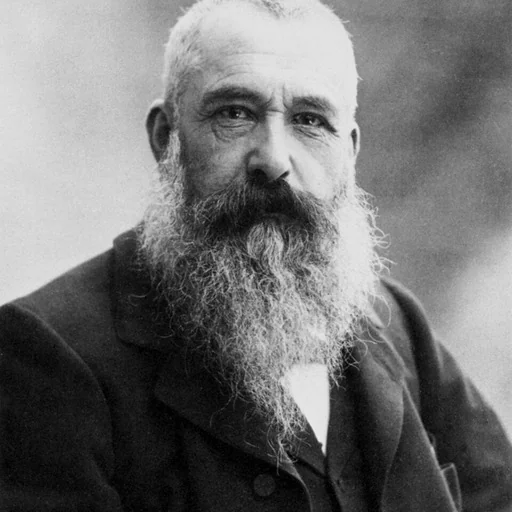
Oscar-Claude Monet was born in Paris on November 14, 1840, and raised from the age of five in Le Havre, where he began selling charcoal caricatures as a teenager.