Artwork
Peony Garden
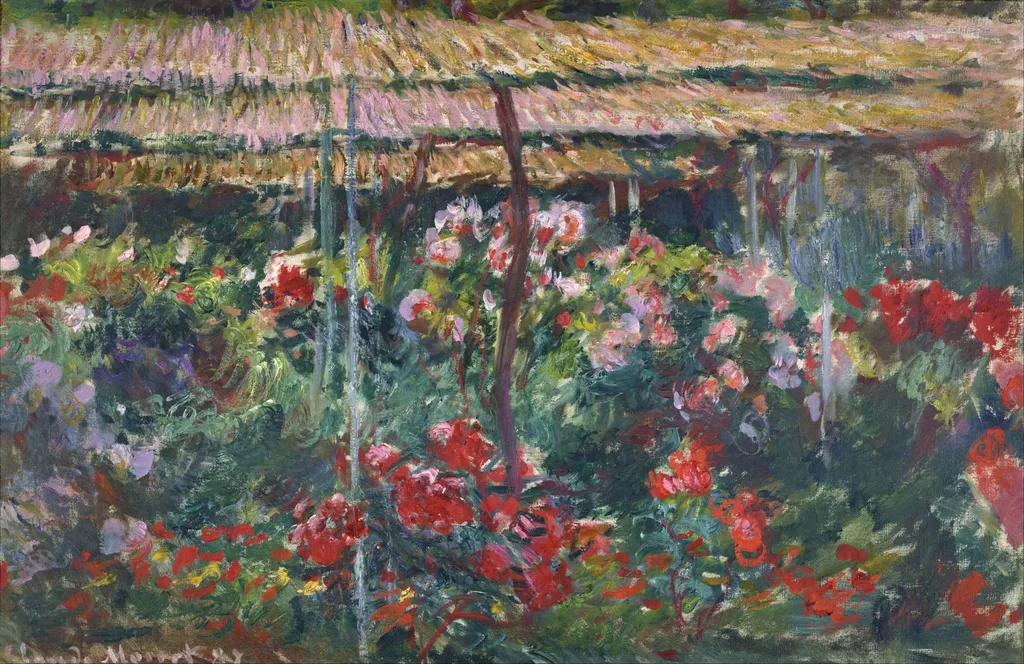
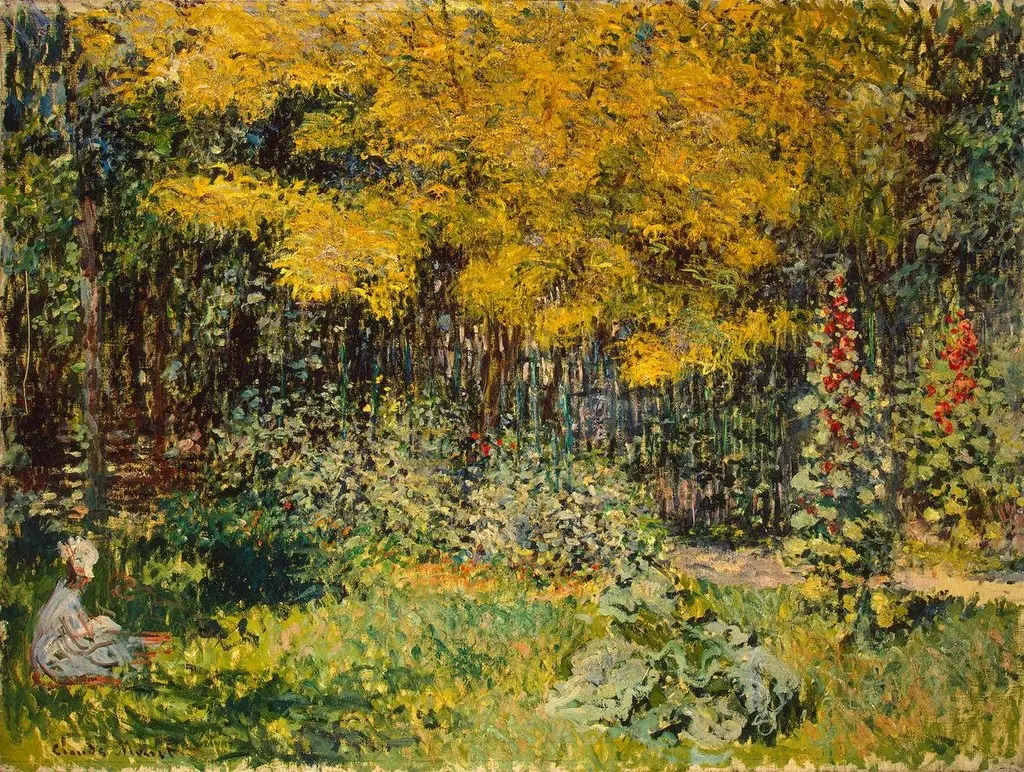
Peony Garden is an oil painting by the Impressionist artist Claude Monet. It dates from 1894 and is held in the collection of the National Museum of Western Art.
About this work
Overview
Painted in 1894, Peony Garden is an oil on canvas work by Claude Monet, capturing a private floral space at his Giverny estate.
Painted in 1894, Peony Garden is an oil on canvas work by Claude Monet, capturing a private floral space at his Giverny estate. It belongs to a series of garden scenes he produced during the height of his Impressionist period. The painting is part of the collection at the National Museum of Western Art in Tokyo, where it remains a quiet testament to Monet’s sustained focus on natural light and botanical detail.
Subject & Meaning
The painting centers on a dense cluster of peonies in full bloom, their petals rendered in soft pinks, deep reds, and pale whites. The flowers rise from a tangle of green foliage, suggesting abundance and transience. There is no human presence; the garden is portrayed as an autonomous, living environment. The composition invites contemplation of nature’s fleeting beauty, a recurring theme in Monet’s later work.
Technique & Style
Monet applied paint with loose, broken brushwork, allowing colors to blend optically rather than on the palette. The petals and leaves are built from layered dabs and strokes, creating texture without defined outlines. The background features a softly rendered arbor, its foliage suggesting depth through subtle tonal shifts. Light is diffused evenly, avoiding sharp contrasts, consistent with Impressionist principles of capturing transient atmospheric effects.
History & Provenance
Created during Monet’s residency in Giverny, the painting reflects his deepening engagement with his own garden as a primary subject. It remained in his possession until his death in 1926. The work entered the National Museum of Western Art’s collection in the mid-20th century as part of a broader acquisition of Impressionist works from Japanese collectors, reflecting postwar cultural exchanges between Europe and Japan.
Context
In the 1890s, Monet increasingly turned inward, focusing on the gardens he had cultivated as subjects for sustained study. Peony Garden emerged alongside other floral series, including water lilies and irises, as he moved away from urban and landscape scenes. This shift coincided with his growing interest in repetition and variation under changing light, a method that would define his final decades of work.
Legacy
Peony Garden exemplifies Monet’s mature approach to nature as a site of quiet, ongoing observation. While less widely exhibited than his water lily cycles, it remains a significant example of his dedication to capturing botanical life through color and gesture. The painting continues to inform understandings of how Impressionism extended beyond broad landscapes into intimate, personal environments.
Own this work as a print
Artist & collection
Artist
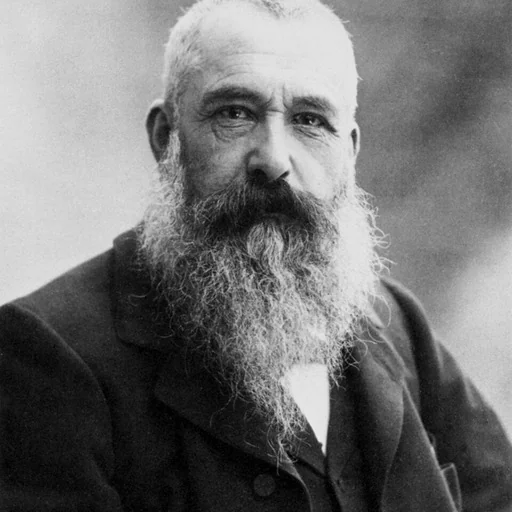
Oscar-Claude Monet was born in Paris on November 14, 1840, and raised from the age of five in Le Havre, where he began selling charcoal caricatures as a teenager.


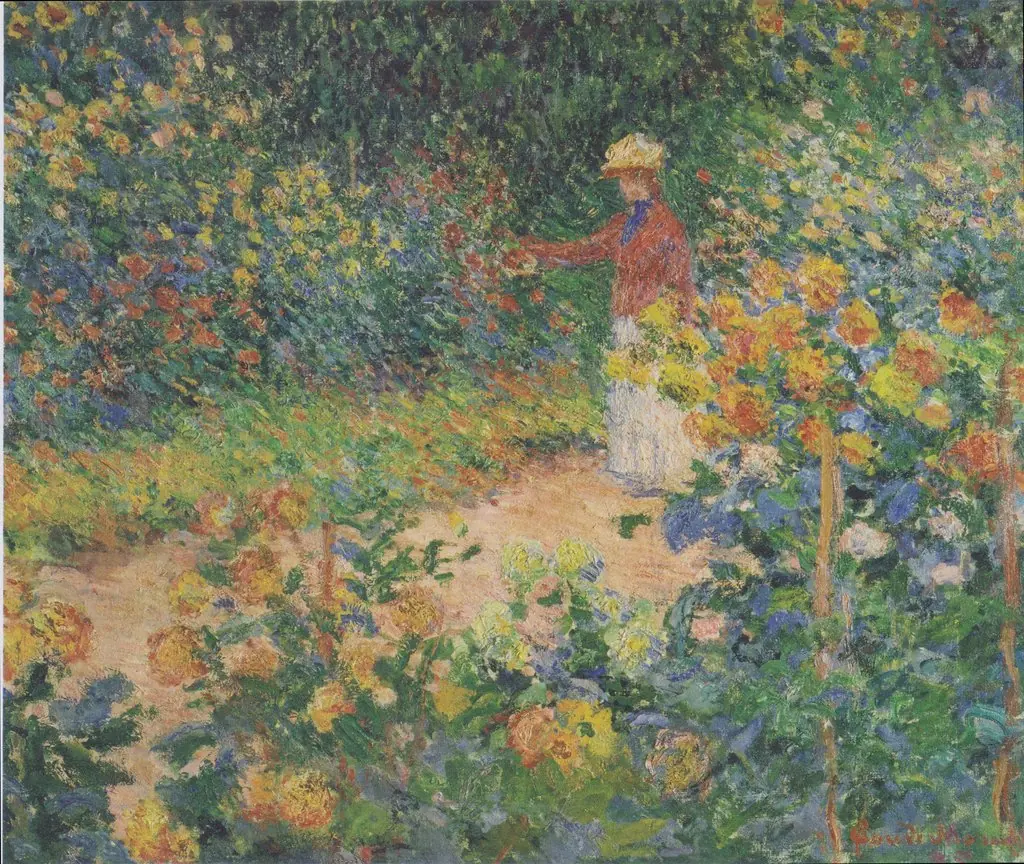 Monet's Garden at Giverny
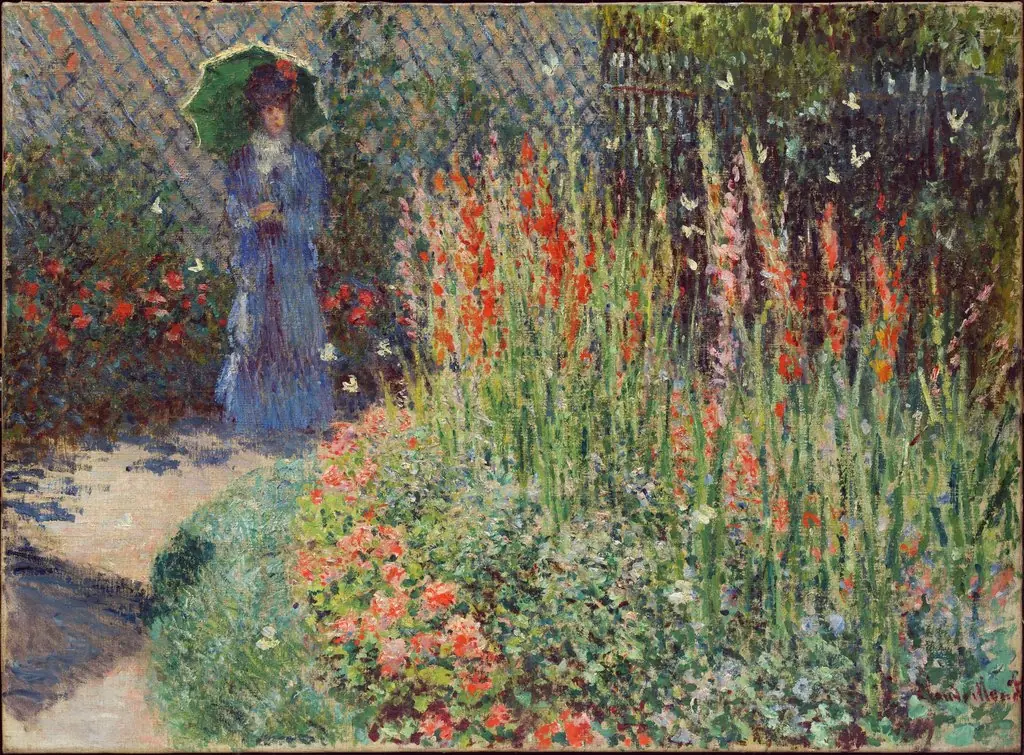 Rounded Flower Bed (Corbeille de fleurs)
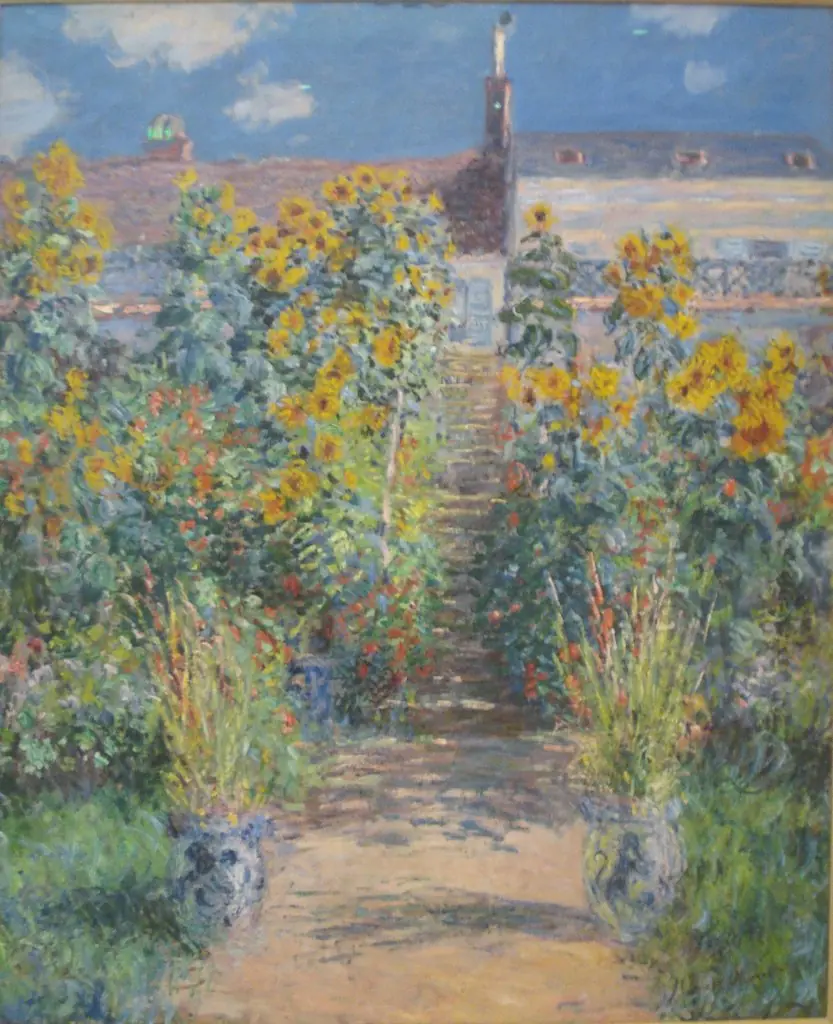 The Artist’s Garden at Vétheuil
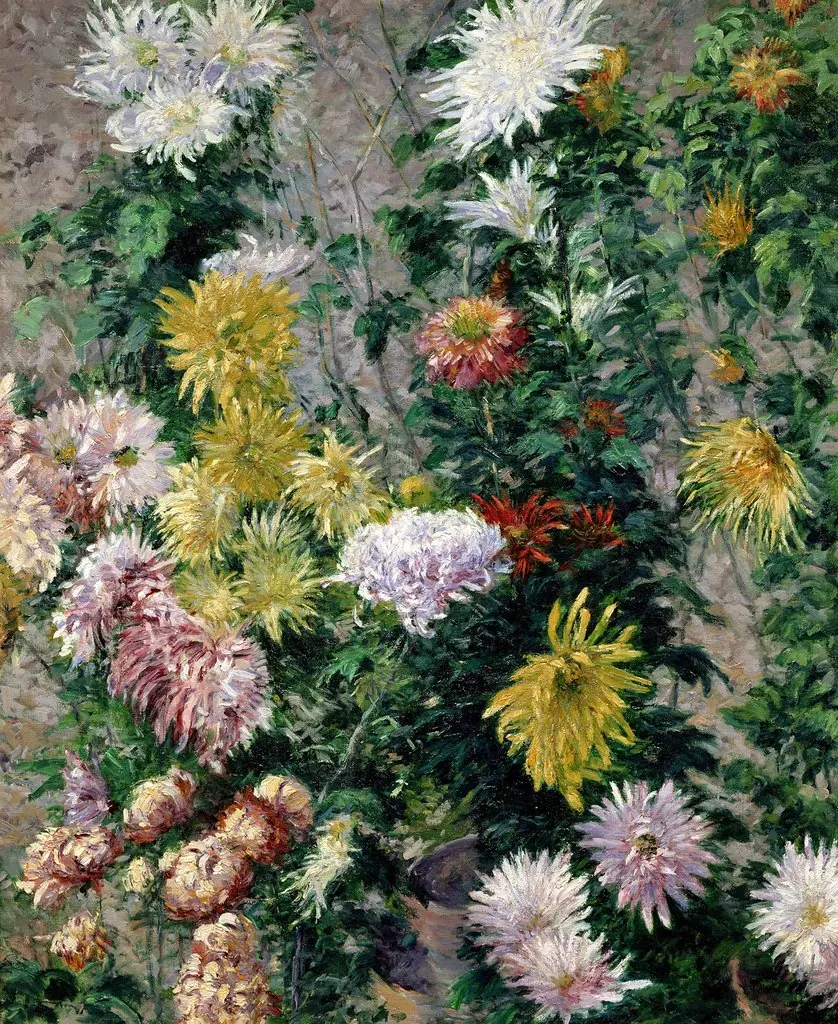 White and yellow chrysanthemums. Petit Gennevilliers garden
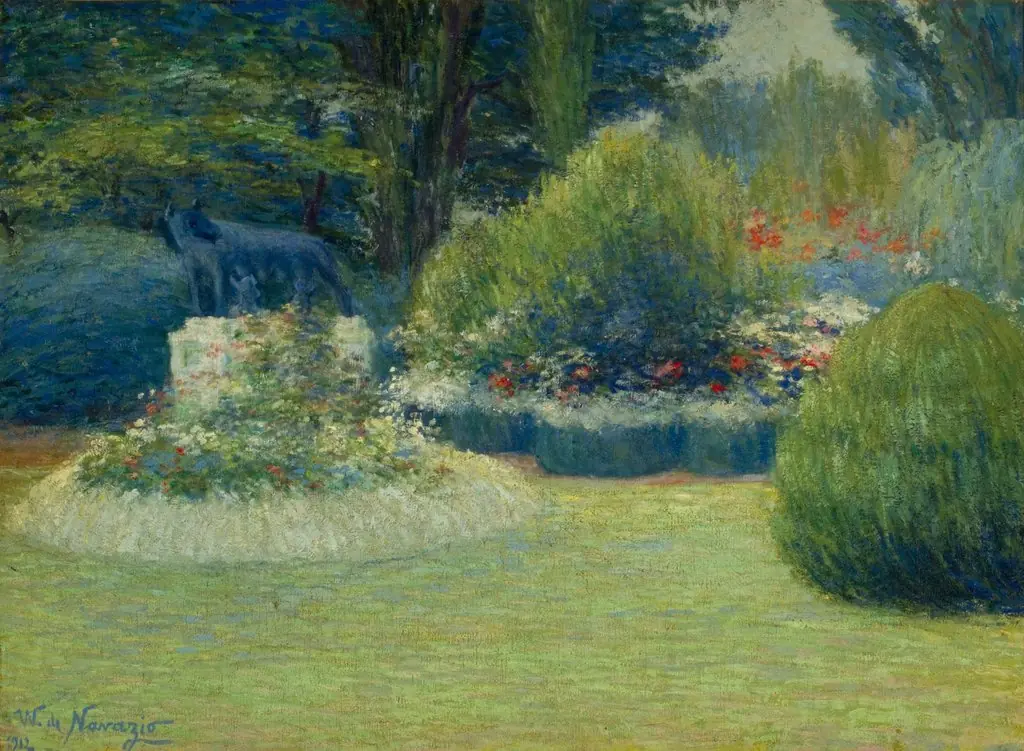 Gray day
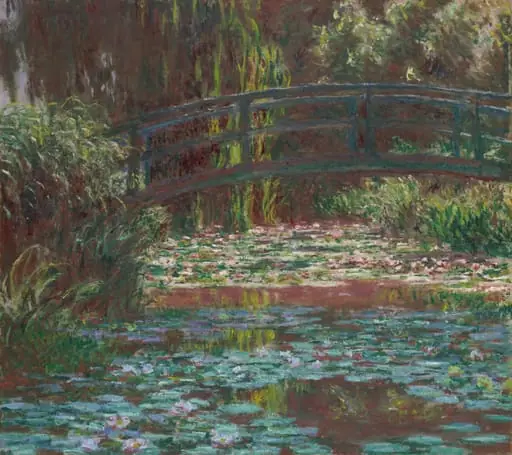 Water Lily Pond
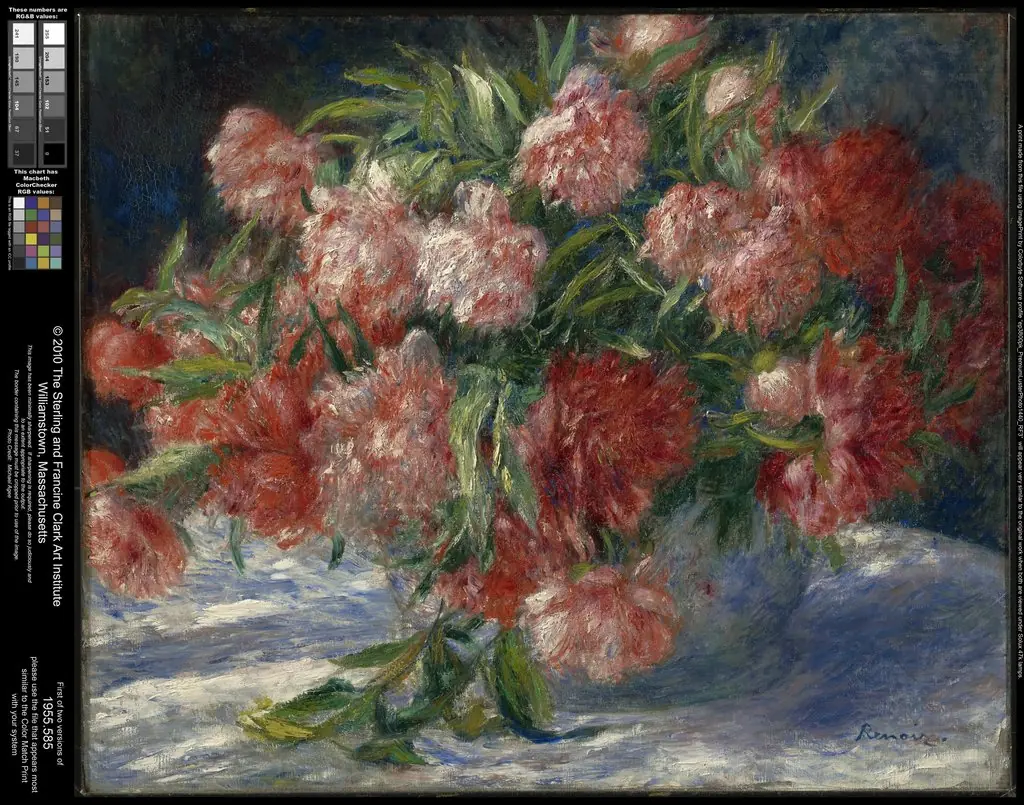 Peonies
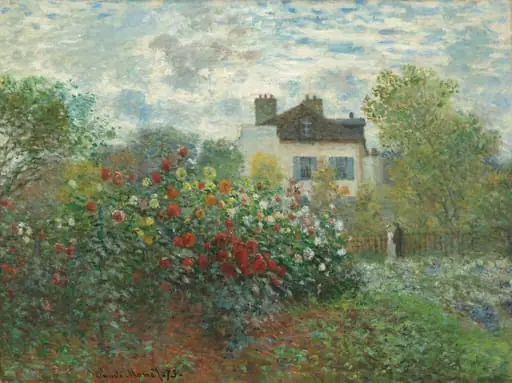 The Artist's Garden in Argenteuil (A Corner of the Garden with Dahlias)
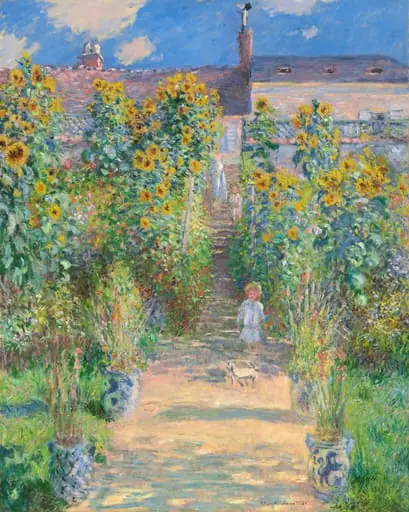 The Artist's Garden at Vétheuil
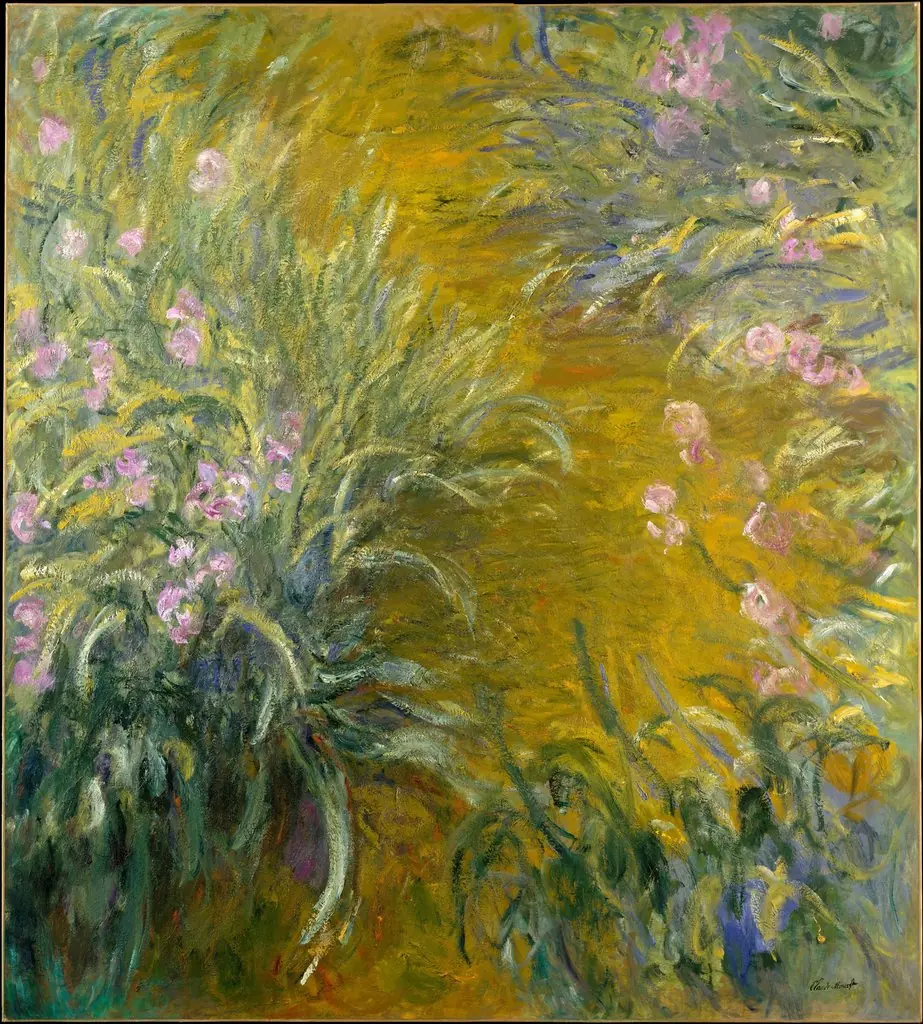 The Path through the Irises
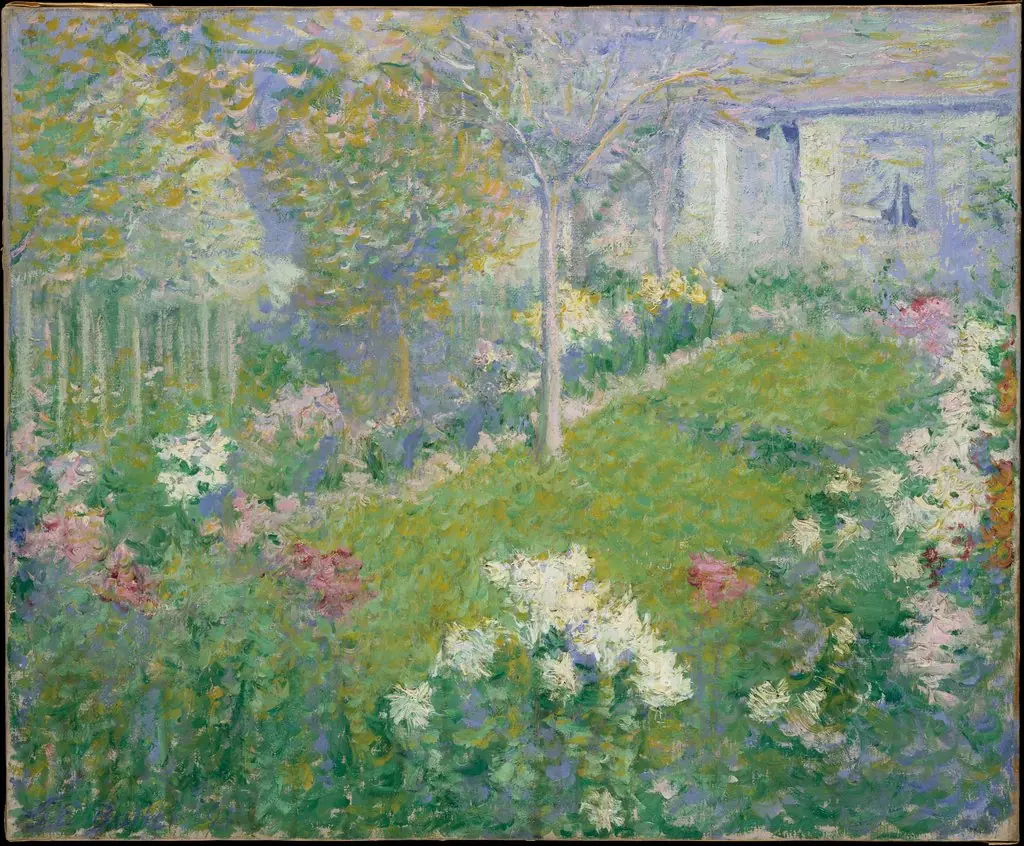 Un Jardin, Maison Baptiste
 Garden