Artwork
Bassin aux nymphéas
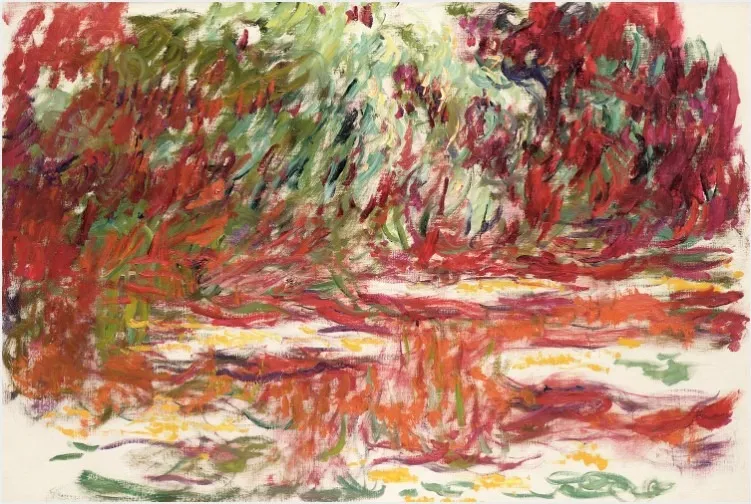
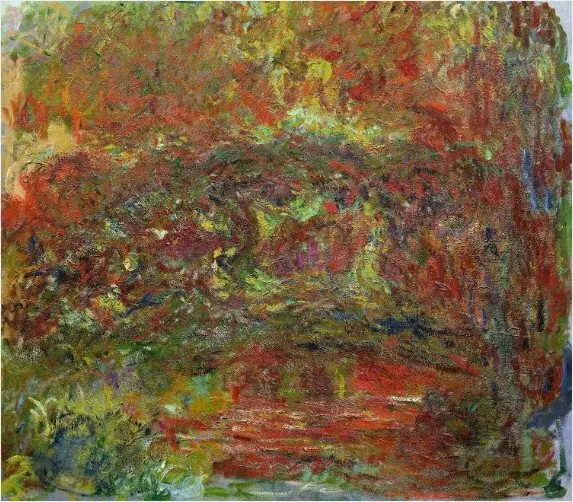
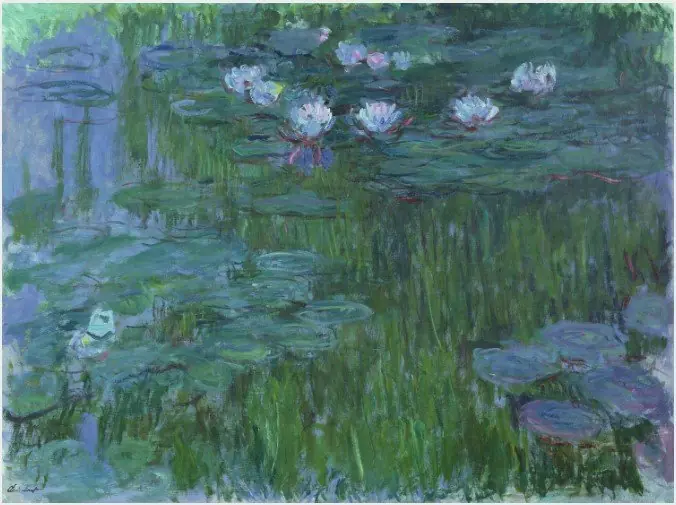
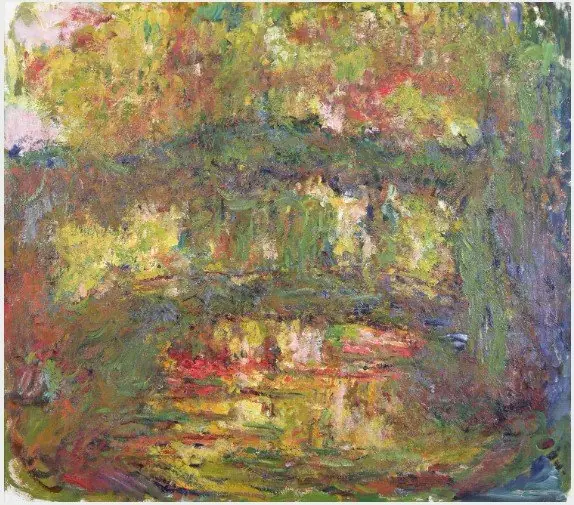
Bassin aux nymphéas is an oil painting by the Impressionist artist Claude Monet. It dates from 1918 and is held in the collection of the Musée Marmottan Monet.
About this work
Overview
Bassin aux nymphéas, executed in oil in 1918, belongs to Claude Monet’s late series of water‑garden works. The canvas captures a vibrant outdoor setting where foliage and water intertwine, rendered with a palette dominated by warm reds, greens and yellows. The composition balances recognizable landscape elements with an impressionistic abstraction that emphasizes atmosphere over precise detail.
Technique & Style
Monet applies paint in thick, textured strokes that convey both surface texture and depth. The brushwork is loose and energetic, allowing colors to blend optically on the viewer’s eye. This approach heightens the sense of movement within the scene, while the luminous, saturated hues reflect the artist’s continued exploration of light and its effects on color.
Subject & Meaning
The work depicts a garden pond surrounded by trees and shrubbery, suggesting a moment of natural vitality. By focusing on the interplay of light on foliage and water, Monet invites contemplation of the fleeting qualities of the environment, a recurring theme in his later oeuvre.
History & Provenance
Created during the final years of Monet’s life, the painting entered the collection of the Musée Marmottan Monet, where it remains on display. Its acquisition reflects the museum’s dedication to preserving the artist’s extensive series of water‑garden paintings, offering insight into his artistic development in the post‑World War I period.
Artist & collection
Artist
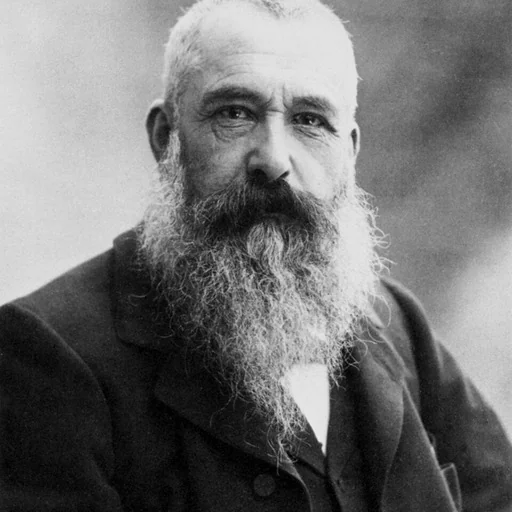
Oscar-Claude Monet was born in Paris on November 14, 1840, and raised from the age of five in Le Havre, where he began selling charcoal caricatures as a teenager.