Artwork
Nymphéas
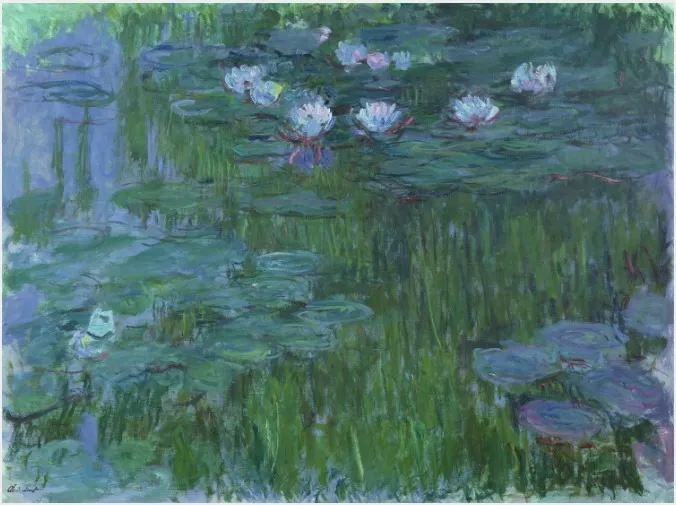
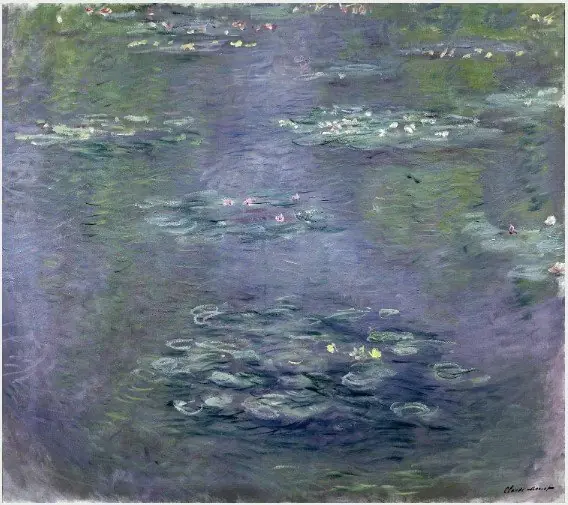
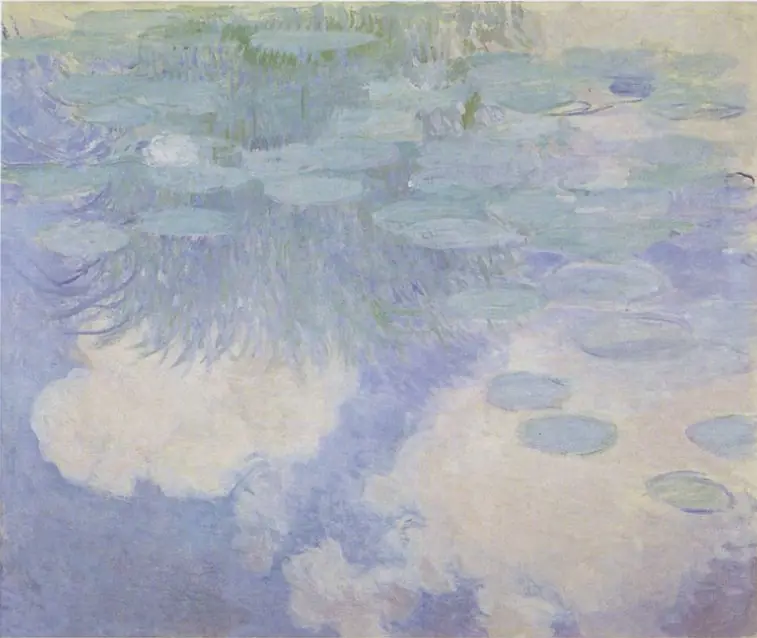
Nymphéas is an oil painting by the Impressionist artist Claude Monet. It dates from 1916 and is held in the collection of the Musée Marmottan Monet.
About this work
Overview
Created in 1916, this oil work by Claude Monet depicts a tranquil pond within his garden, its surface dotted with lily pads. The composition centers on green leaves and blossoms that are white with pink cores, set against a backdrop of deep green and blue tones that evoke reflected water. The scene conveys a quiet, meditative atmosphere through its subdued palette and balanced layout.
Subject & Meaning
The painting captures Monet’s beloved water‑lily motif, focusing on the interplay of flora and water. By emphasizing the delicate flowers and their reflections, the work invites contemplation of nature’s fleeting beauty and the subtle shifts of light on water, themes that preoccupied the artist in his later years.
Technique & Style
Monet employs thick, expressive brushstrokes that give the surface a palpable texture, allowing the paint to convey the movement of water and foliage. A restrained chromatic scheme of greens, blues, and muted pinks unifies the composition, while the loose handling of form reflects the Impressionist aim of capturing an impression rather than precise detail.
History & Provenance
The canvas entered the collection of the Musée Marmottan Monet, where it remains on display. Acquired after the artist’s death, the work forms part of the museum’s extensive holdings of Monet’s late period, illustrating his continued exploration of the water‑lily series toward the end of his career.
Artist & collection
Artist
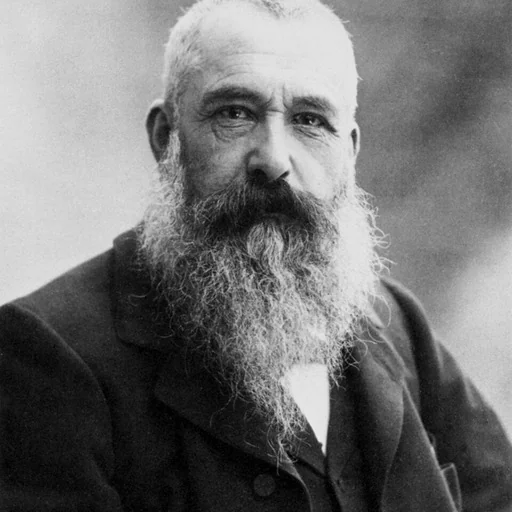
Oscar-Claude Monet was born in Paris on November 14, 1840, and raised from the age of five in Le Havre, where he began selling charcoal caricatures as a teenager.