Artwork
The Petite Creuse River
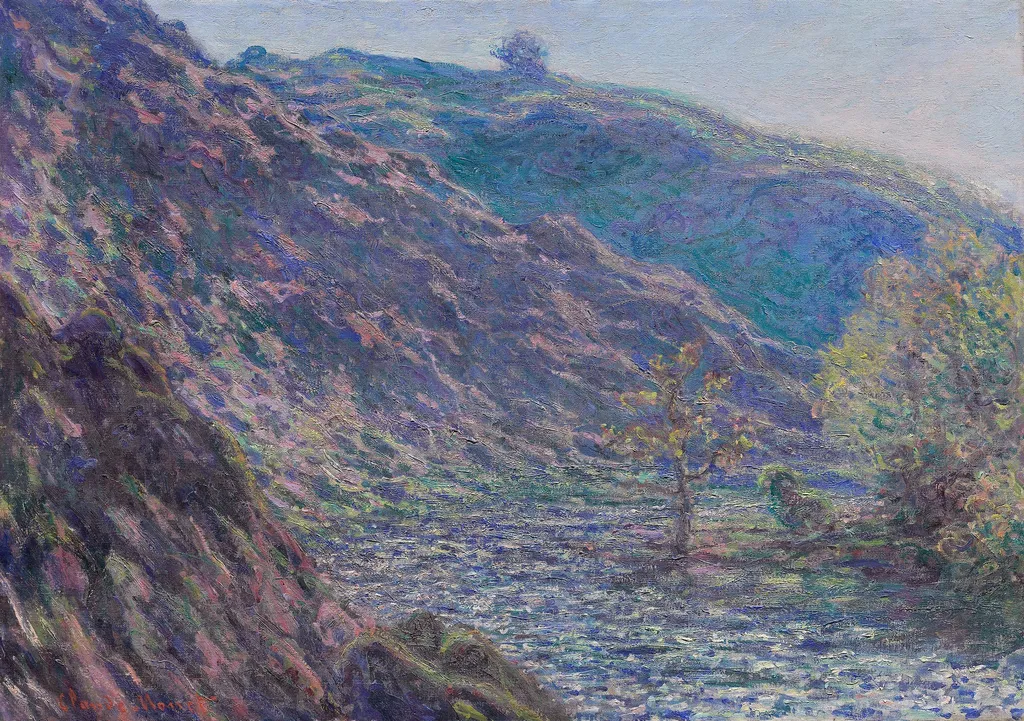
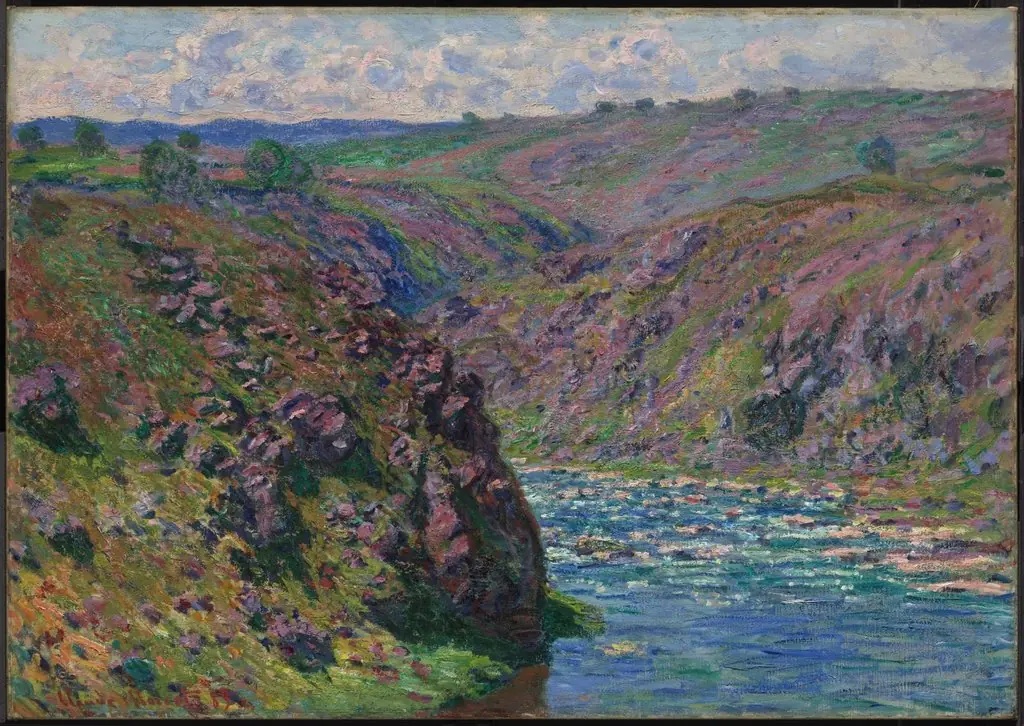
The Petite Creuse River is an oil painting by the Impressionist artist Claude Monet. It dates from 1895 and is held in the collection of the Art Institute of Chicago.
About this work
Overview
Painted in 1895, The Petite Creuse River is an oil-on-canvas landscape by Claude Monet, capturing a quiet stretch of the river in central France.
Painted in 1895, The Petite Creuse River is an oil-on-canvas landscape by Claude Monet, capturing a quiet stretch of the river in central France. It resides in the collection of the Art Institute of Chicago. The work exemplifies Monet’s late Impressionist approach, emphasizing shifting light and atmospheric tone over precise detail. Its composition invites contemplation through subtle transitions of color and texture.
Subject & Meaning
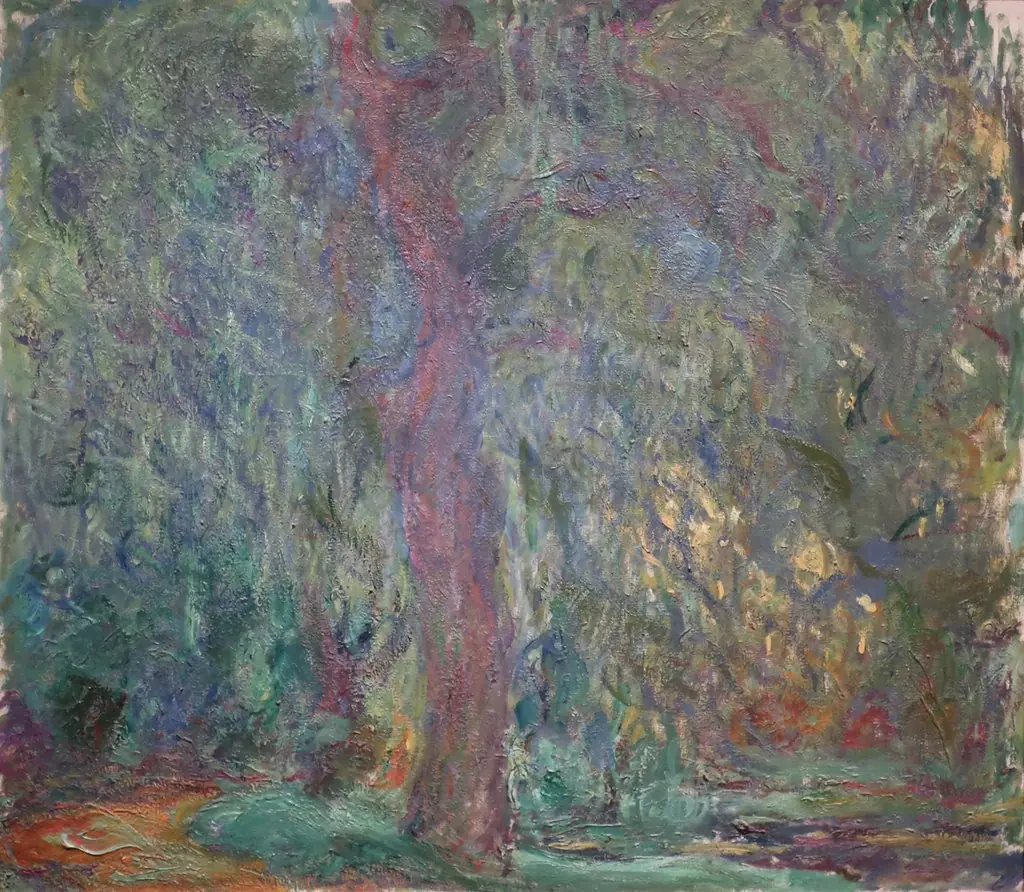
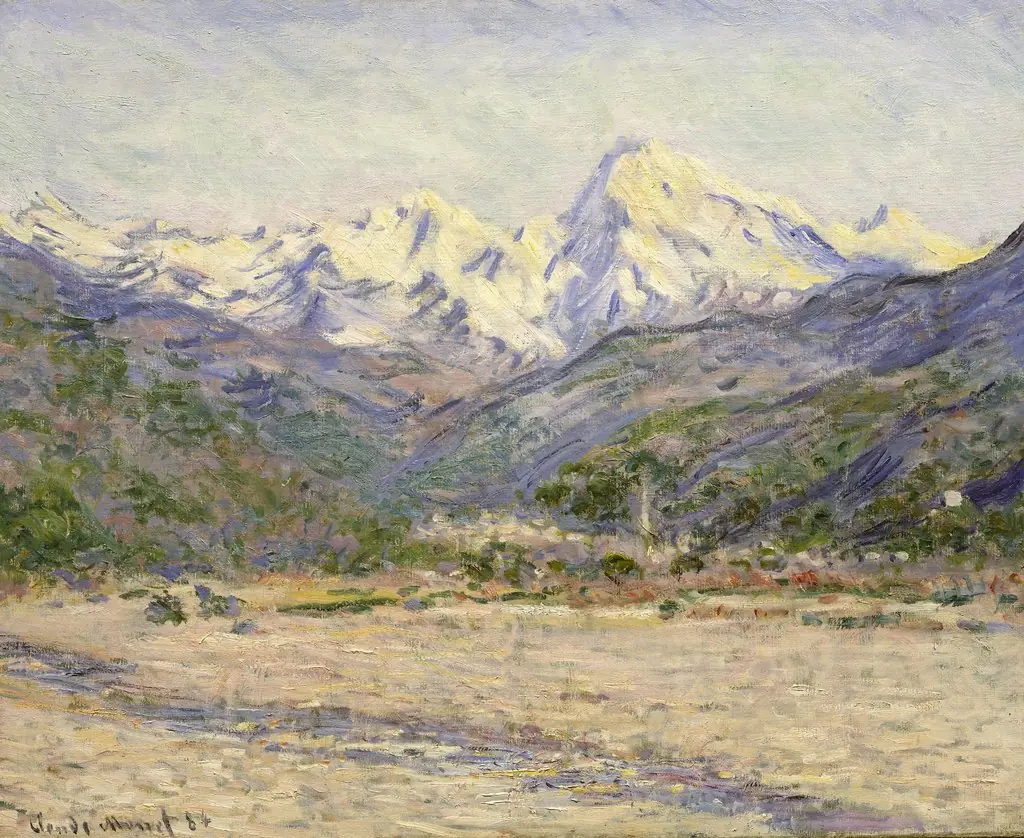
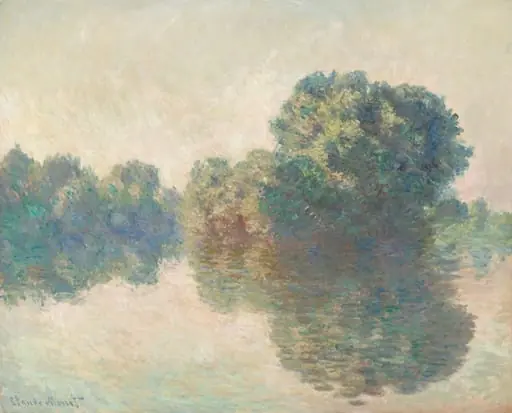
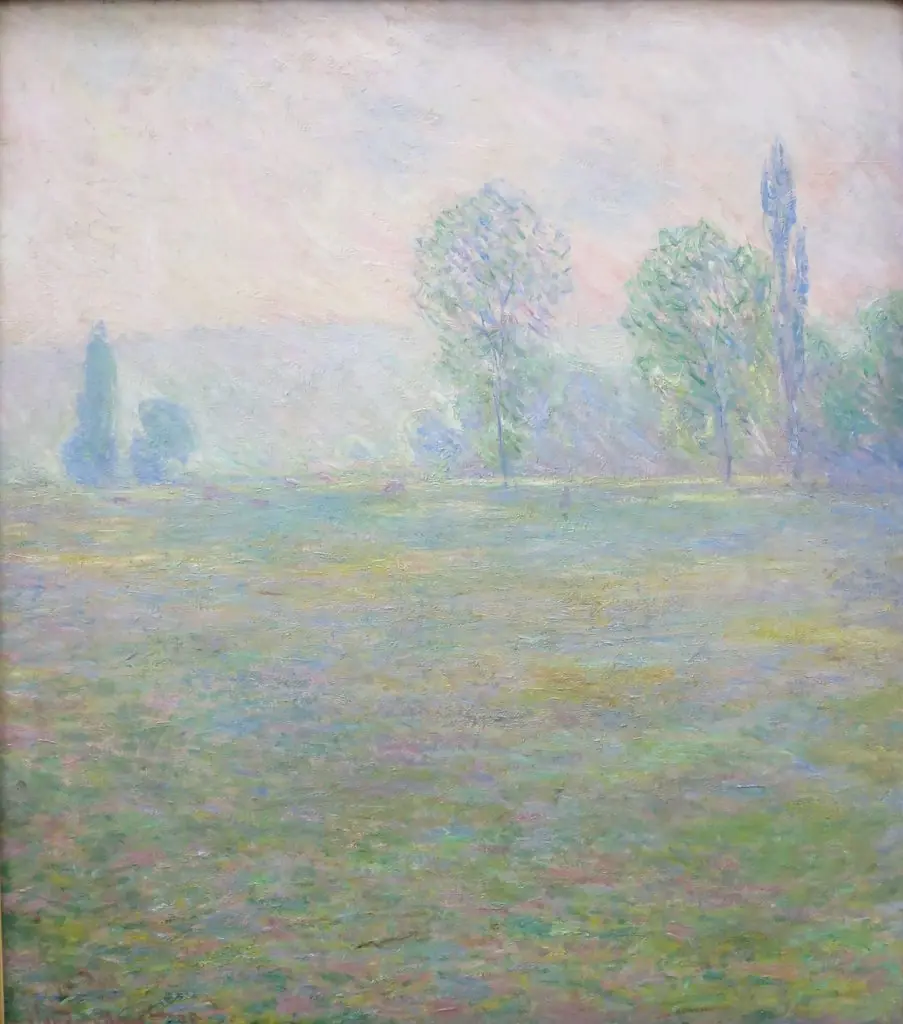
The painting portrays a tranquil stretch of the Petite Creuse River, flanked by dense vegetation and gentle hills. No human figures or structures appear, reinforcing a sense of solitude and natural harmony. The interplay of water, foliage, and sky suggests a moment suspended in time, reflecting Monet’s interest in the ephemeral qualities of light and place rather than narrative or symbolism.
Technique & Style
Monet applied thin, broken strokes of oil paint to convey the shimmer of sunlight on water and the texture of leaves. Colors are blended optically rather than on the palette, with cool greens and blues contrasting warm golds in the light. The brushwork is loose yet deliberate, creating rhythm across the surface without defining edges, allowing the viewer’s eye to assemble the scene from sensory impressions.
History & Provenance
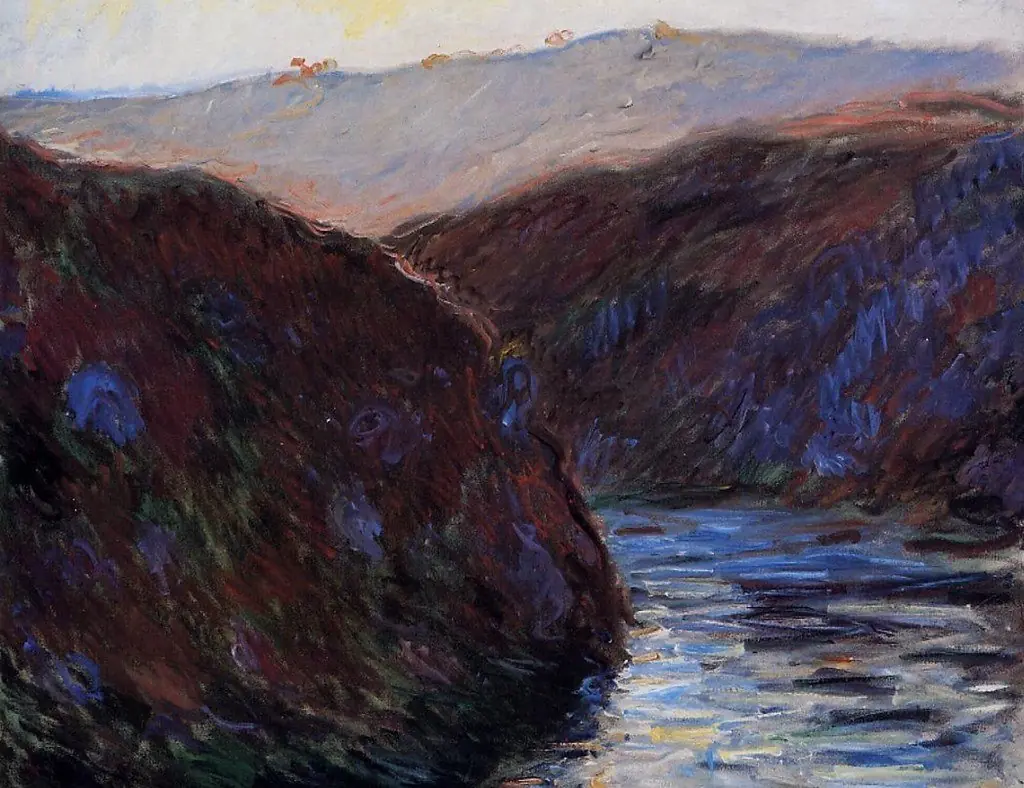
Created during Monet’s stay in the Creuse Valley, the painting belongs to a series he produced in 1895 while visiting the region. It was acquired by the Art Institute of Chicago in 1922, part of a broader effort to build a significant collection of French Impressionist works. Its provenance remains largely unbroken since its creation.
Context
Monet painted this work during a period when he increasingly focused on localized landscapes away from his home in Giverny. The Creuse Valley, with its winding rivers and wooded banks, offered a quieter alternative to the more frequented sites of his earlier career. These works reflect his deepening engagement with nature’s subtle variations under changing conditions.
Legacy
The Petite Creuse River stands as a quiet testament to Monet’s sustained exploration of light and place in his later years. While less widely known than his water lilies or haystacks, it exemplifies his commitment to observing nature with precision and emotional restraint. The painting continues to inform understandings of late Impressionism’s quiet, introspective dimensions.
Own this work as a print
Artist & collection
Artist
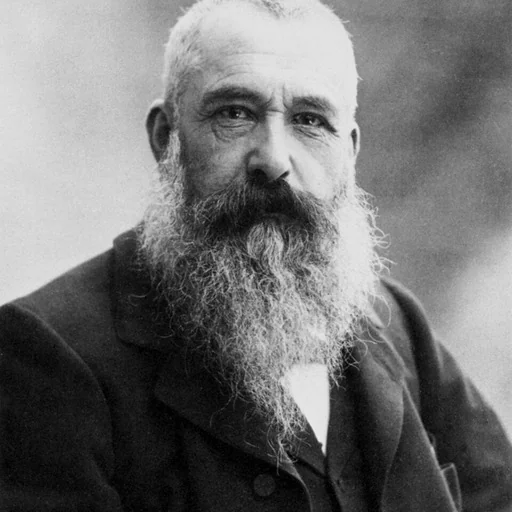
Oscar-Claude Monet was born in Paris on November 14, 1840, and raised from the age of five in Le Havre, where he began selling charcoal caricatures as a teenager.