Artwork
The Water Lily Pond
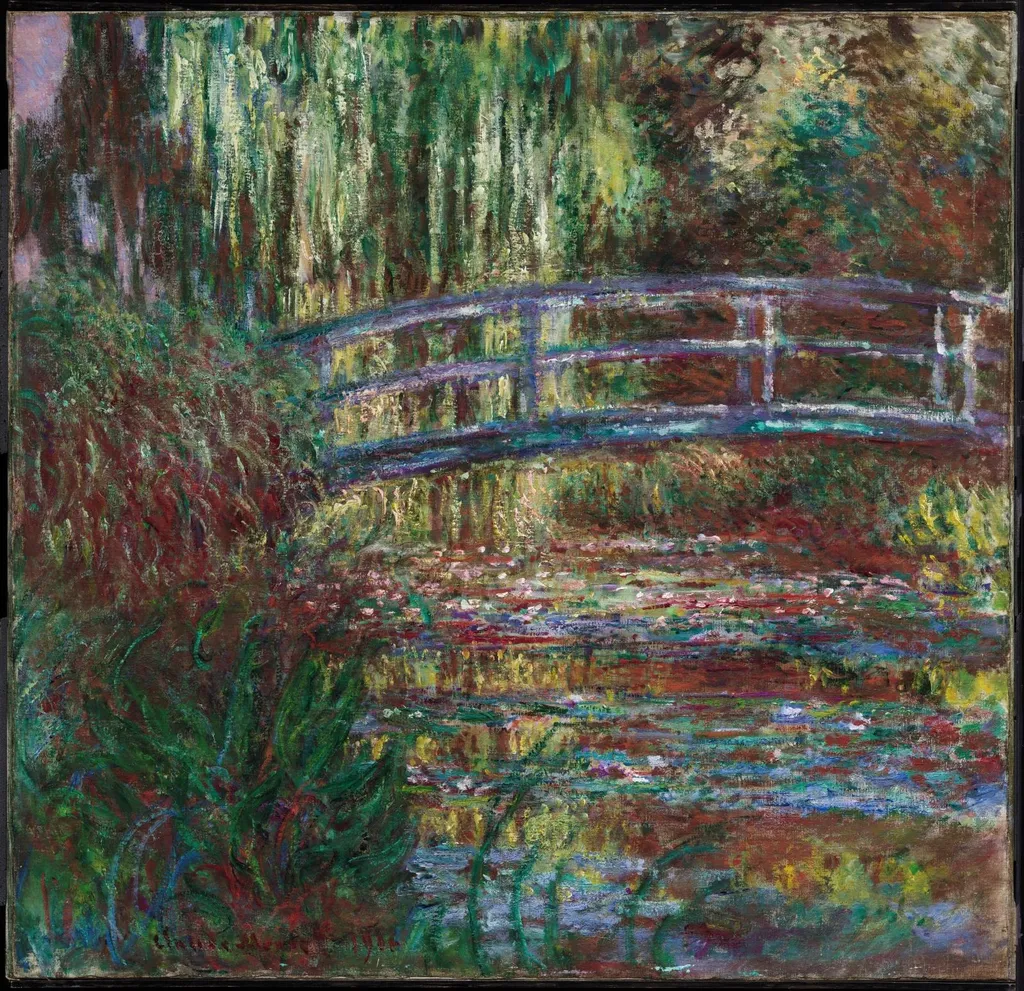
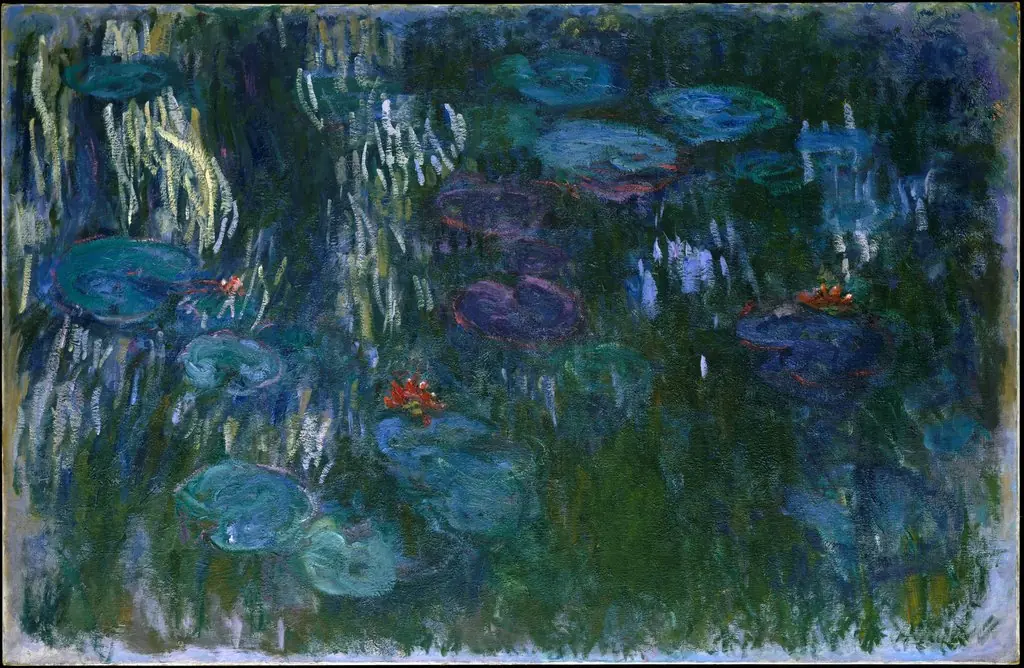
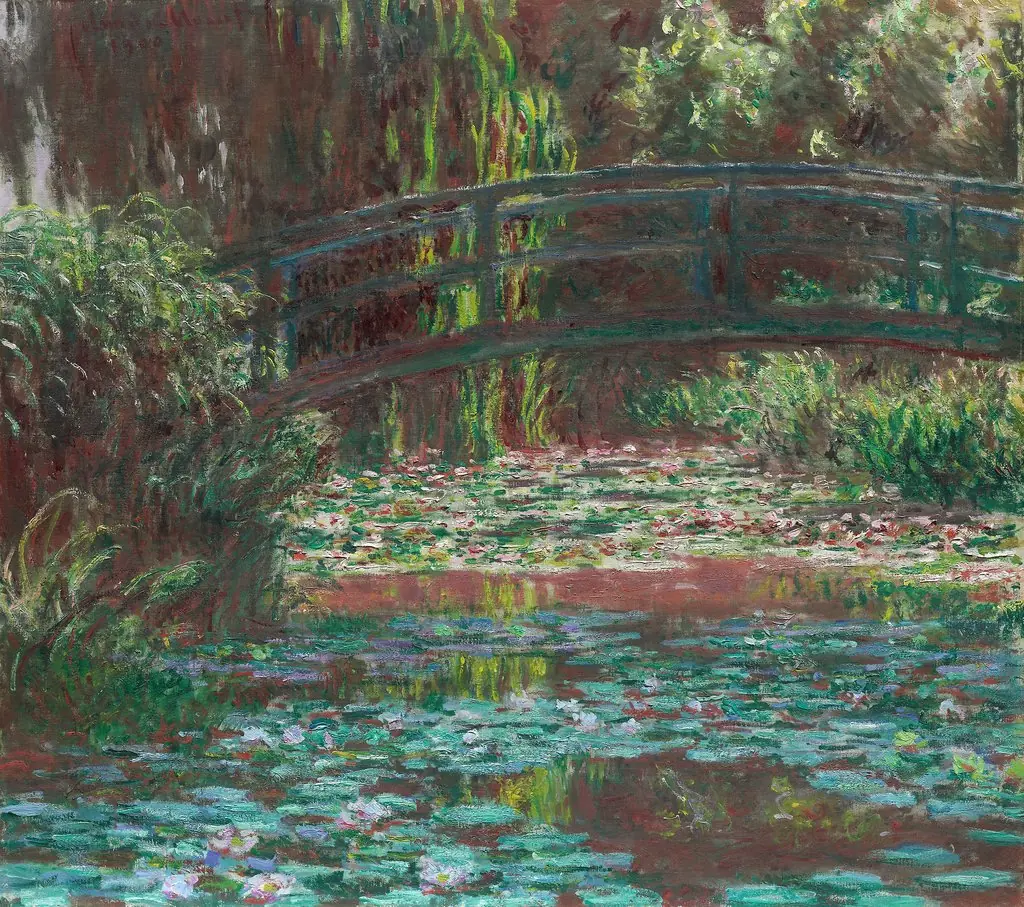
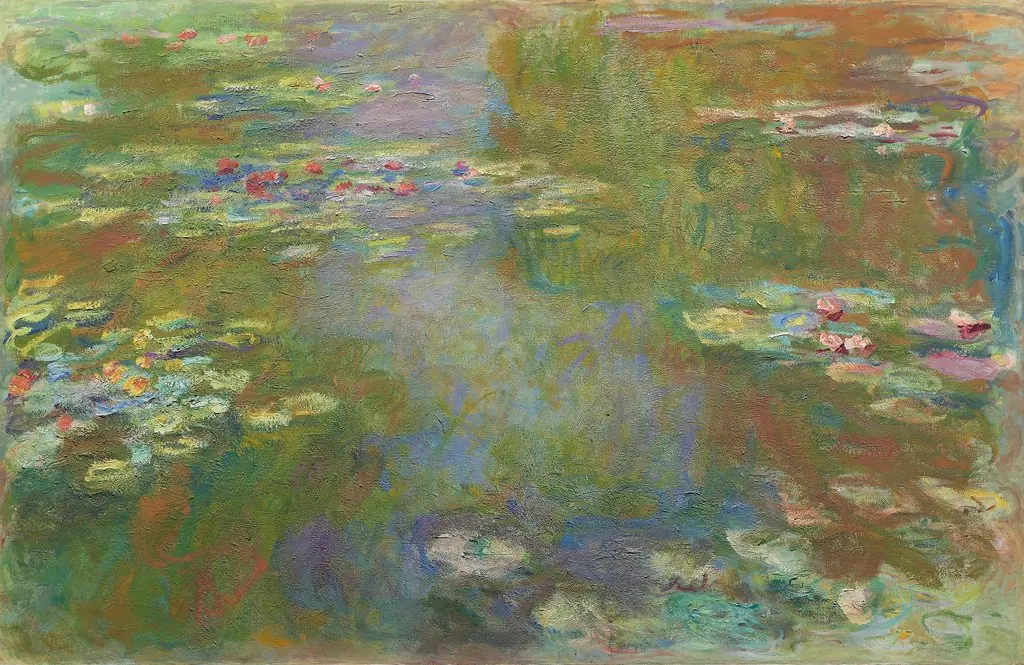
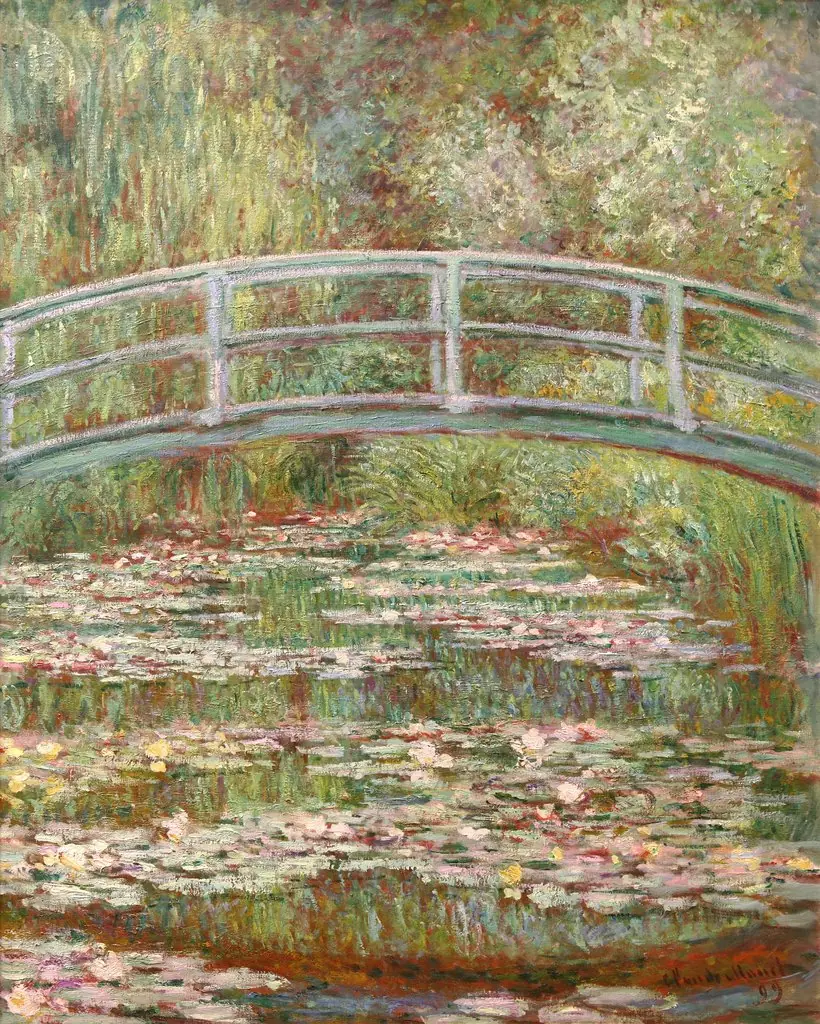
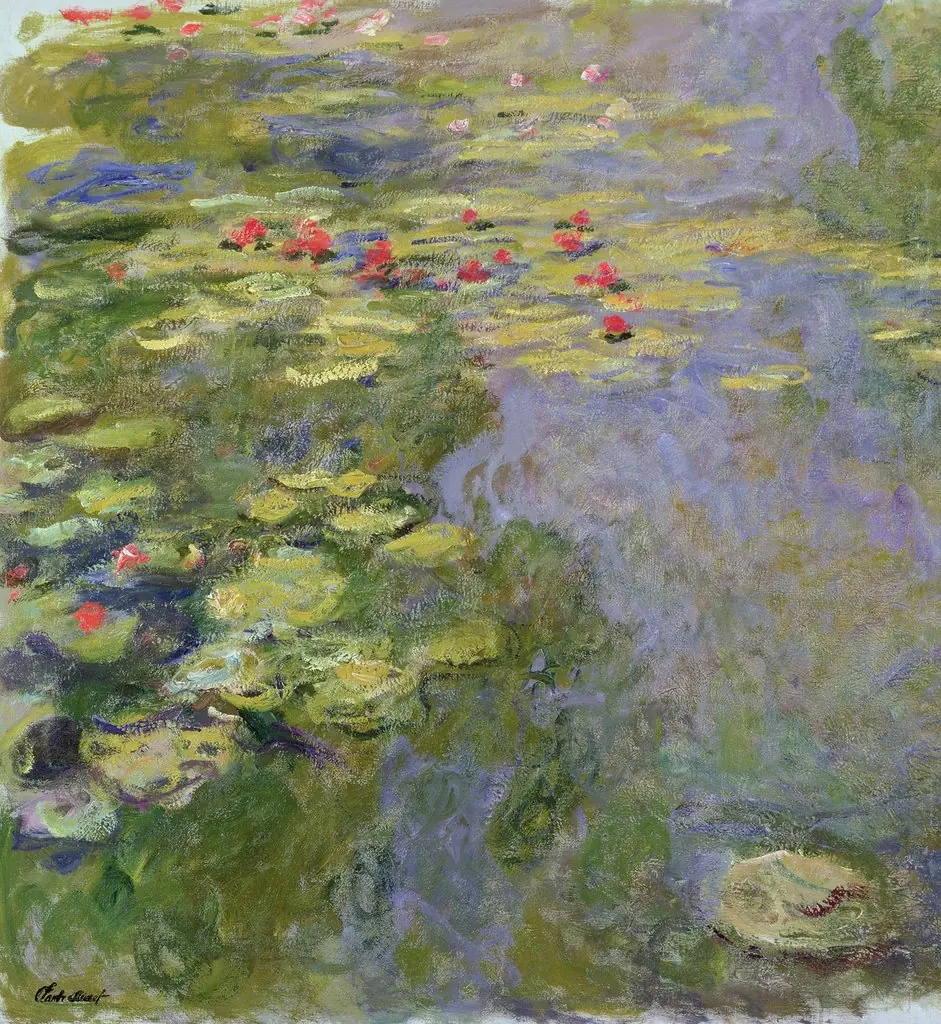
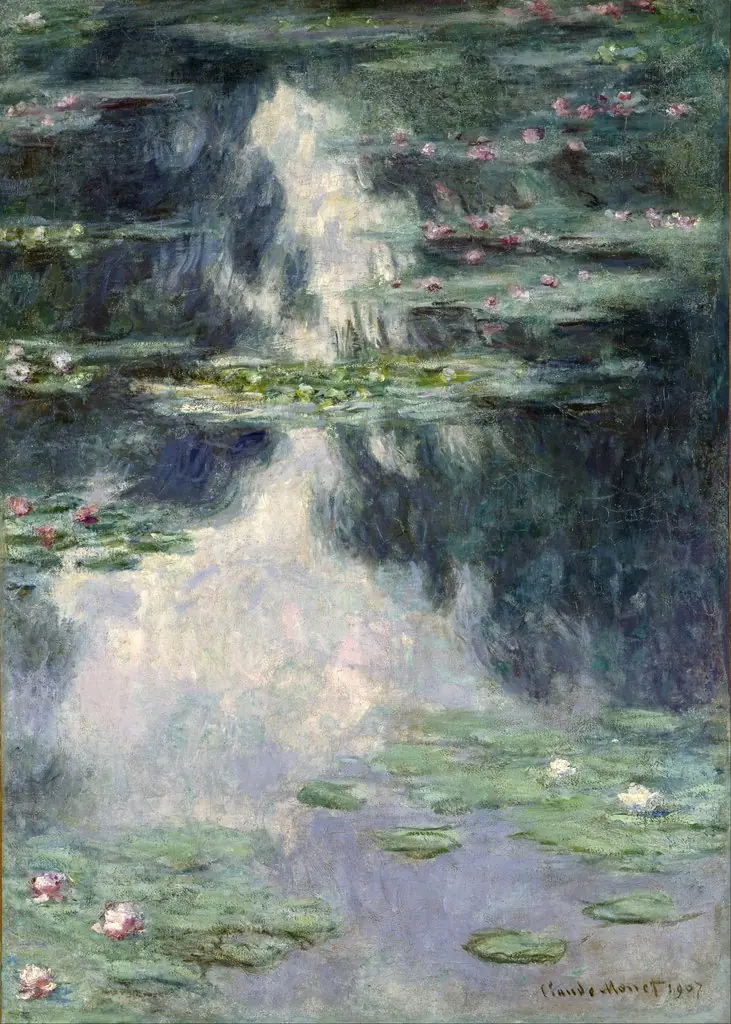
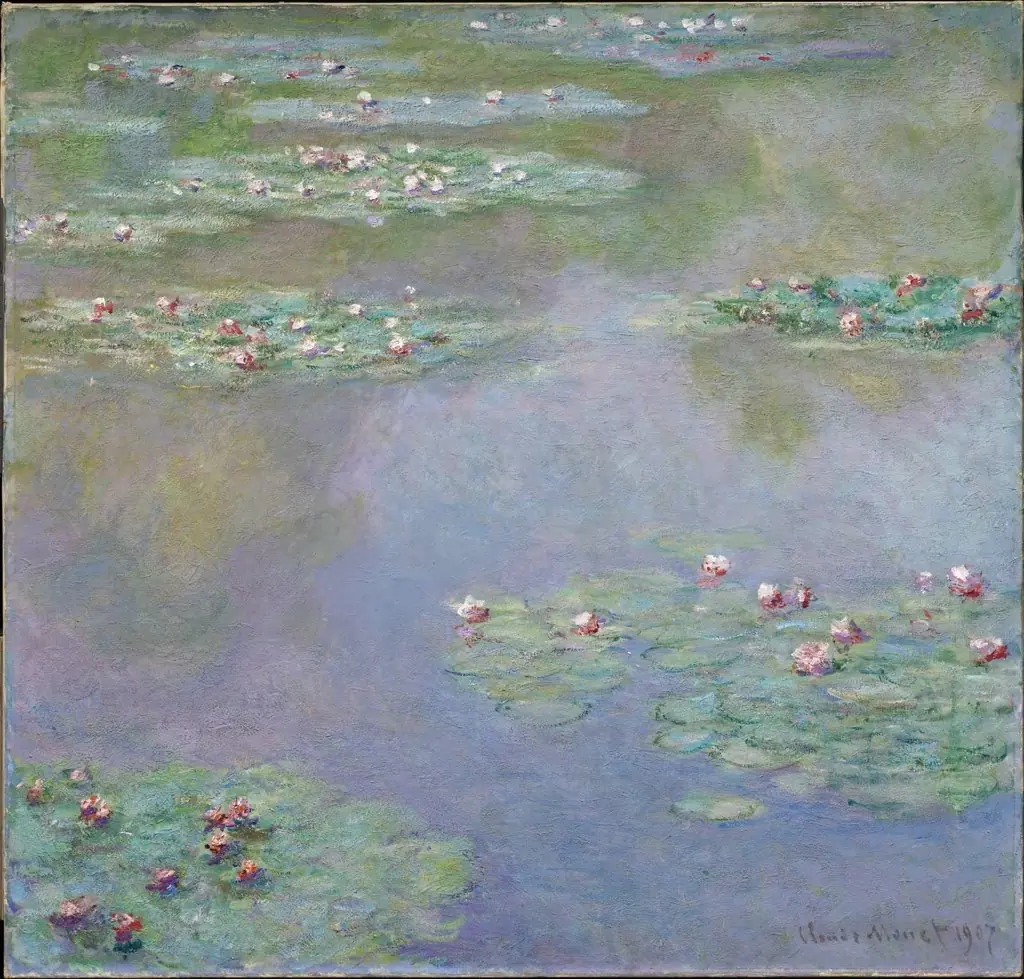
The Water Lily Pond is an oil painting by the Impressionist artist Claude Monet. It dates from 1900 and is held in the collection of the Museum of Fine Arts Boston.
About this work
Overview
Claude Monet’s oil work titled *The Water Lily Pond* was completed in the year 1900. The canvas presents a cultivated pond surrounded by foliage, centered by a modest bridge that arches over the water. Dominated by a muted palette of greens, blues and purples, the scene conveys a calm, reflective ambience that invites quiet contemplation.
Subject & Meaning
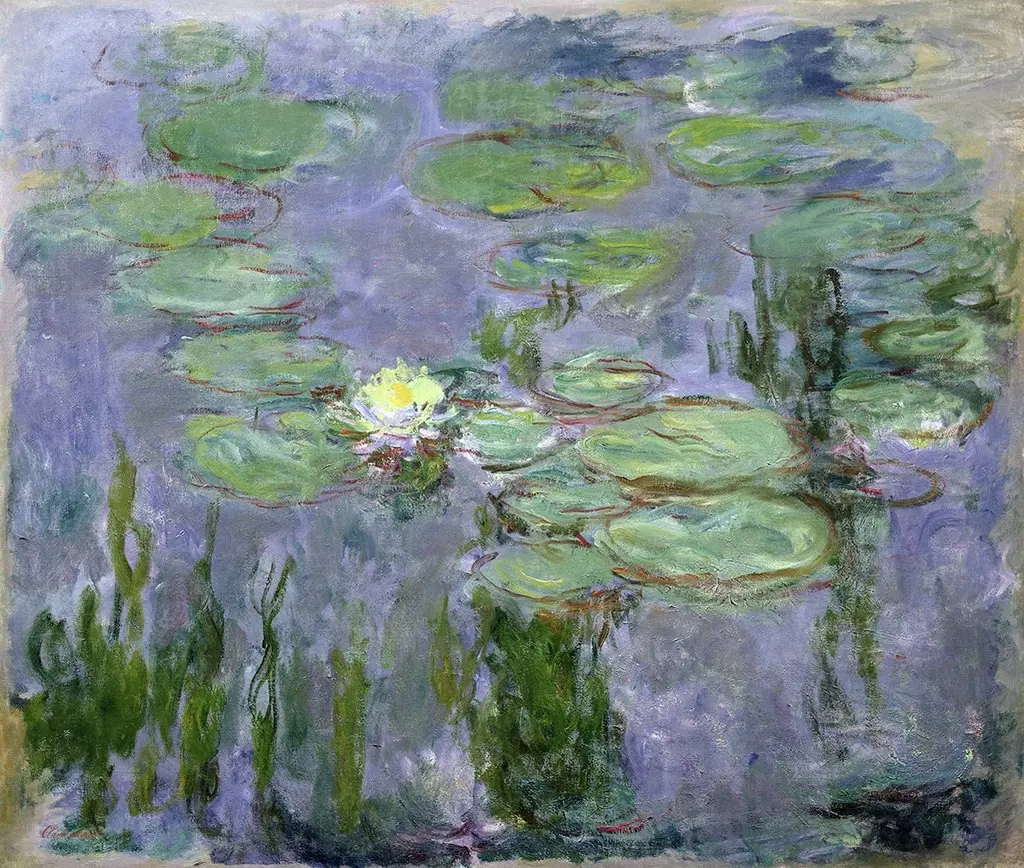
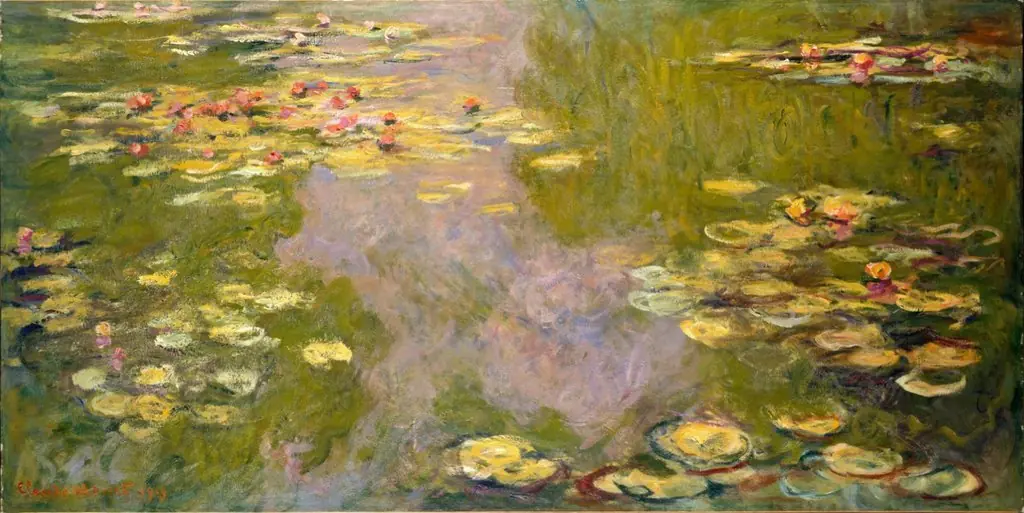
The composition focuses on an artificial water garden, a recurring motif in Monet’s later career, where water lilies float on a still surface beneath a low bridge. The juxtaposition of the natural flora with the human‑made structure suggests a harmonious balance between cultivated landscape and the fleeting qualities of light and water.
Technique & Style
Monet employs loose, gestural brushwork for the lilies and surrounding vegetation, allowing color and form to merge in a sense of motion. In contrast, the bridge is rendered with sharper, more defined strokes, providing a structural anchor within the fluid environment. The overall handling reflects the Impressionist emphasis on atmospheric effects and fleeting impressions.
History & Provenance
After its creation, the painting entered the collection of the Museum of Fine Arts in Boston, where it remains on display. The work forms part of the institution’s extensive holdings of Monet’s late garden series, illustrating the artist’s sustained exploration of water, light, and botanical subjects during the final decade of his life.
Artist & collection

Artist
Oscar-Claude Monet was born in Paris on November 14, 1840, and raised from the age of five in Le Havre, where he began selling charcoal caricatures as a teenager.