Artwork
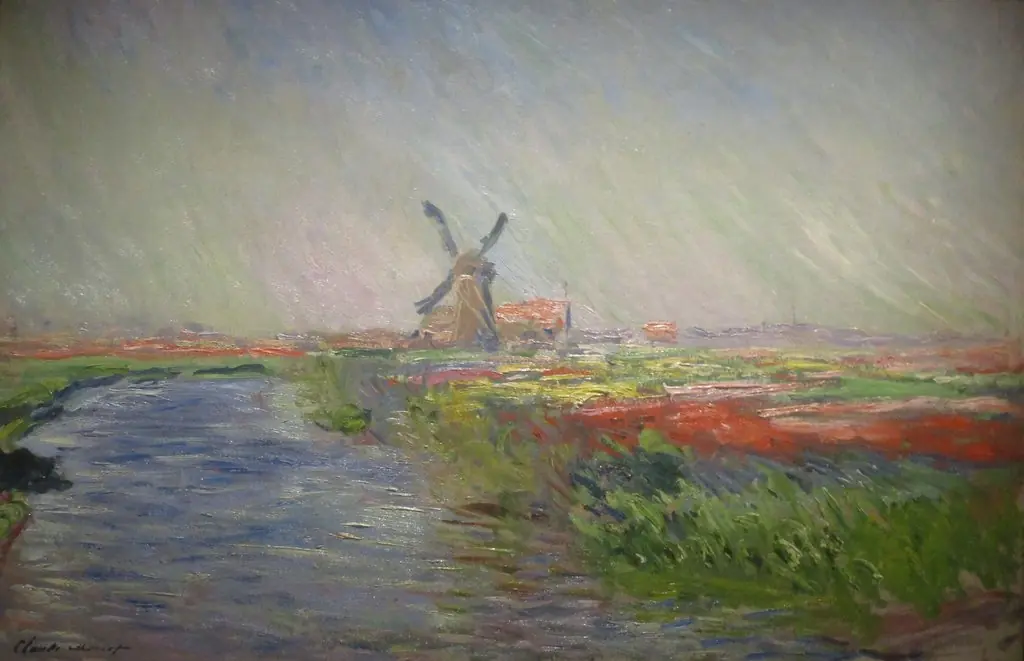
Tulip Fields at Sassenheim
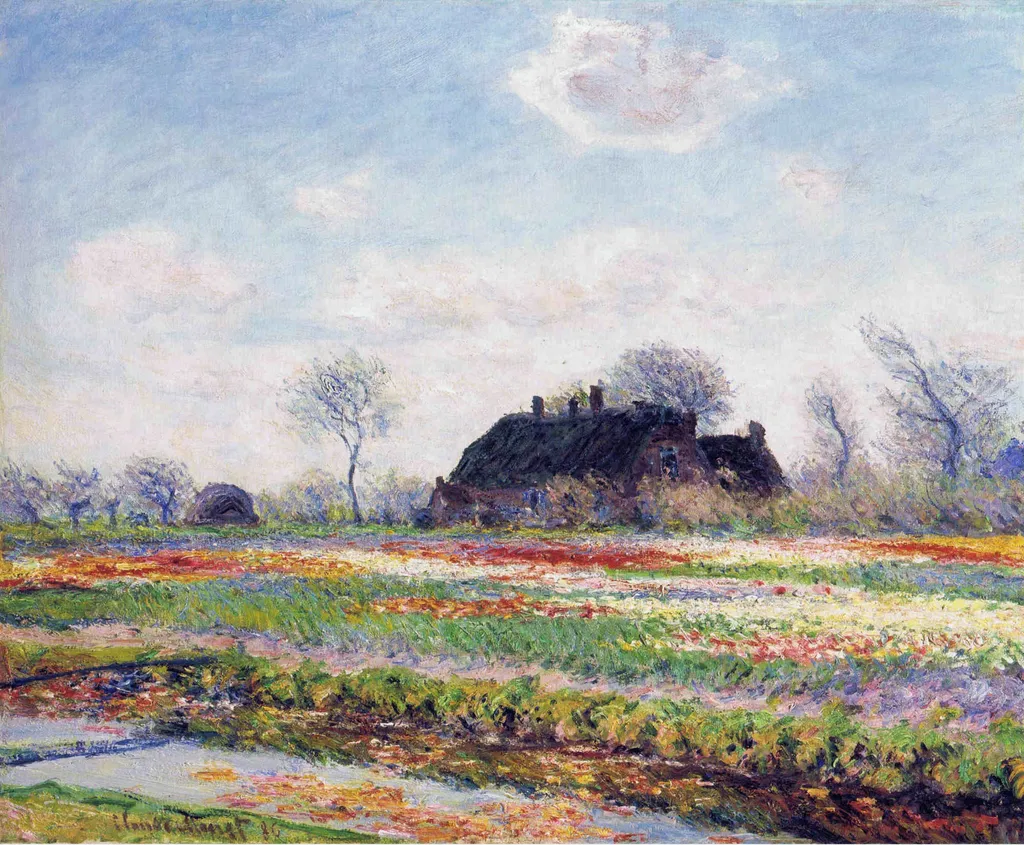
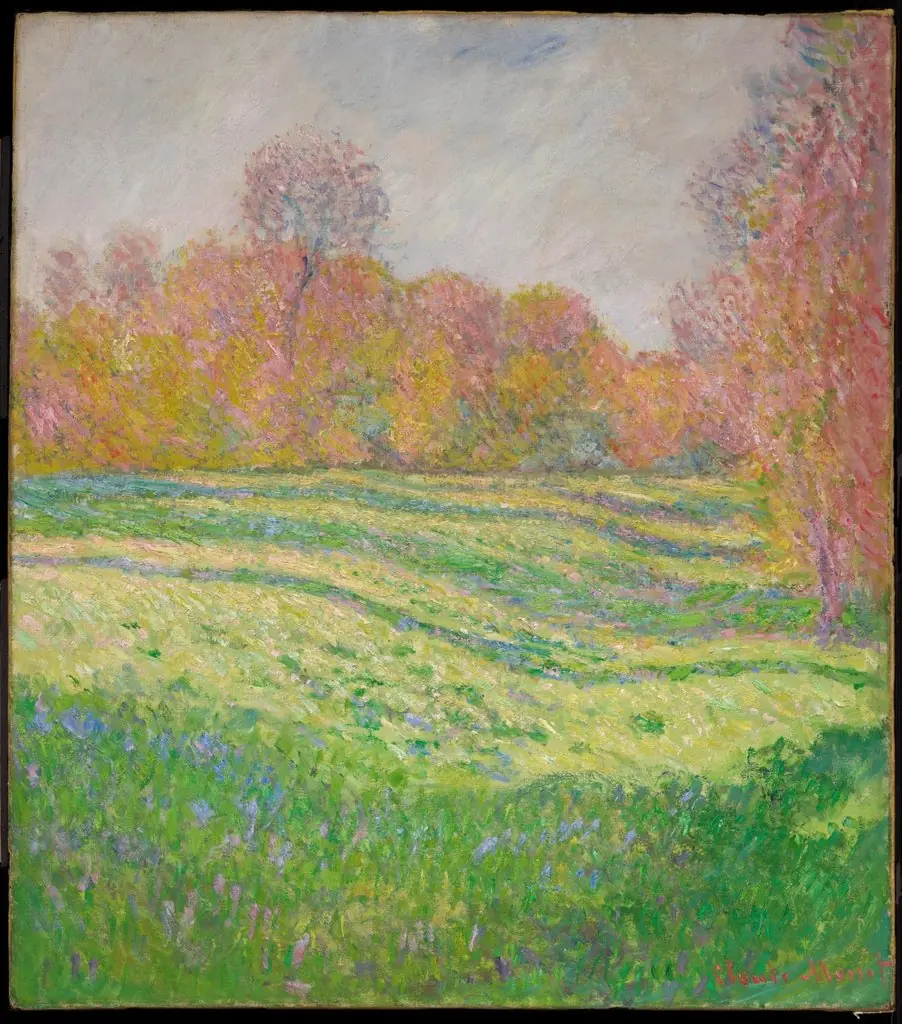
Tulip Fields at Sassenheim is an oil painting by the Impressionist artist Claude Monet. It dates from 1894 and is held in the collection of the Clark Art Institute.
About this work
Overview
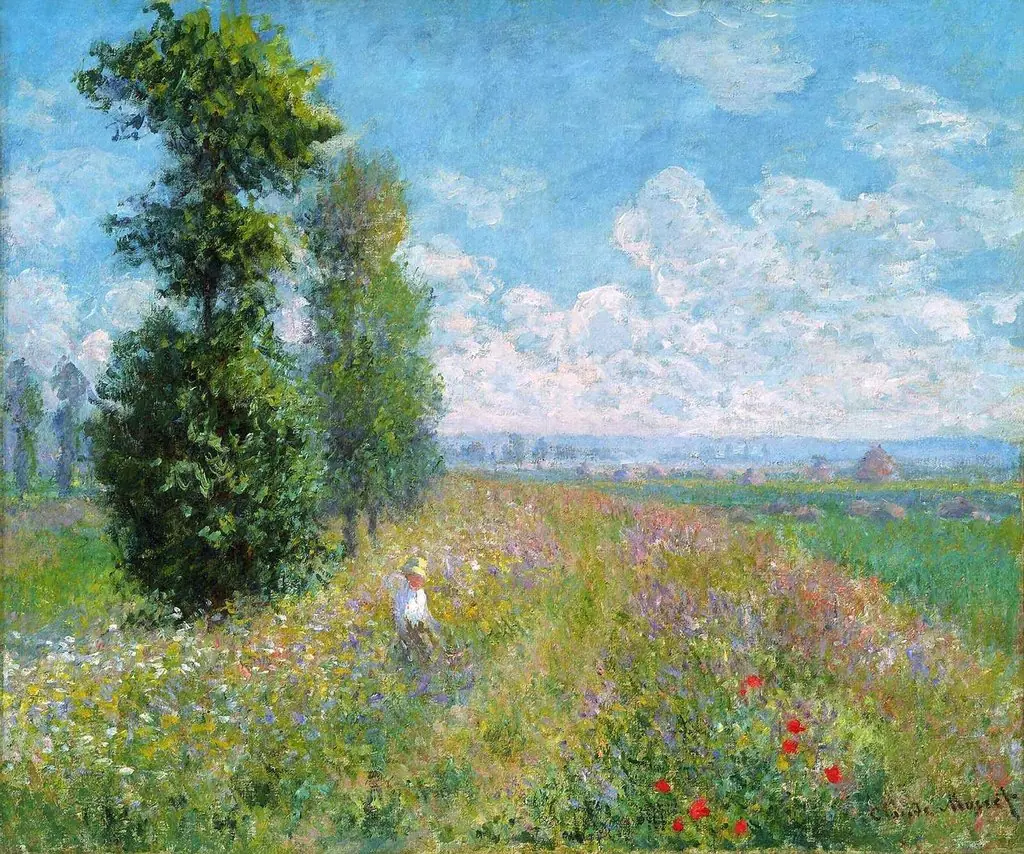
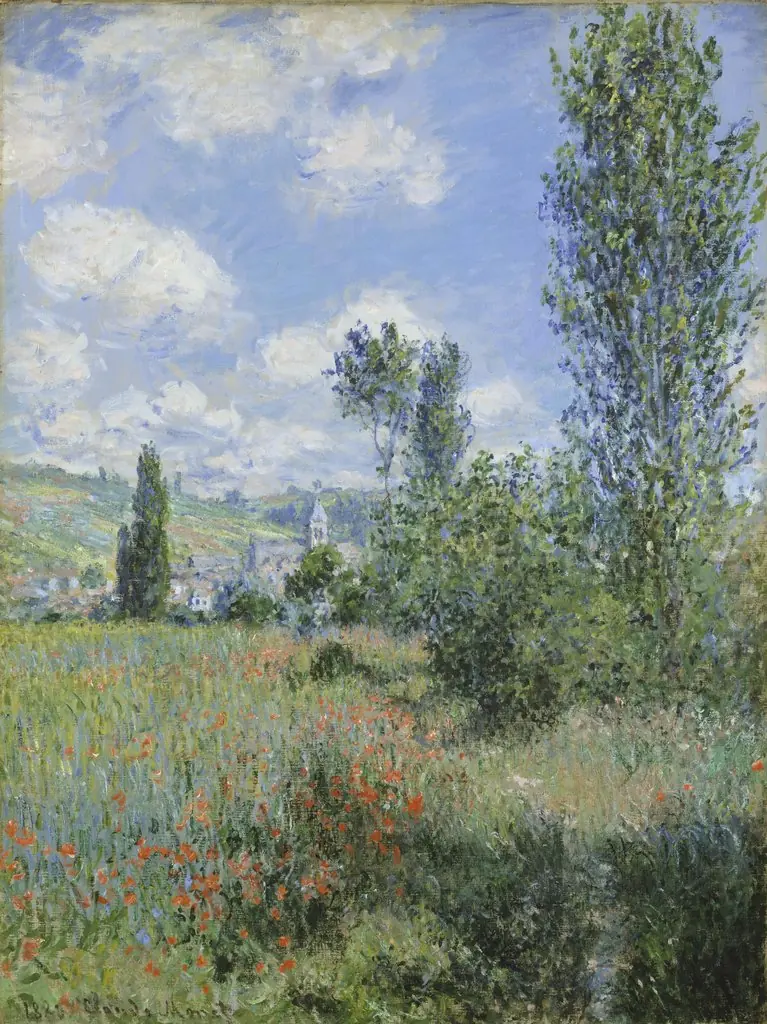
Claude Monet completed this oil canvas in 1894, portraying a Dutch tulip landscape near Sassenheim. The work is part of the collection at the Clark Art Institute. It presents a broad, sunlit vista where rows of flowering tulips extend toward a distant horizon, anchored by a modest farmhouse and a winding stream that bisects the scene.
Subject & Meaning
The composition centers on cultivated fields bursting with pink, yellow and purple tulips, evoking the seasonal richness of the Dutch countryside. A small farmhouse perched in the background provides a human reference point, while the gently flowing water introduces a subtle sense of movement, suggesting the harmony between agricultural labor and the natural environment.
Technique & Style
Monet employs the hallmark Impressionist approach of loose, energetic brushwork and a luminous palette to convey atmosphere. Contrasting light and shade model the undulating terrain, while the vivid coloration of the blossoms creates a visual rhythm. The painter’s handling of surface texture imparts a palpable vitality to both sky and earth.
History & Provenance
Created during Monet’s later period, the painting reflects his interest in northern European scenery. After its exhibition, it entered private ownership before being acquired by the Clark Art Institute, where it remains on display as part of the museum’s European painting holdings.
Own this work as a print
Artist & collection
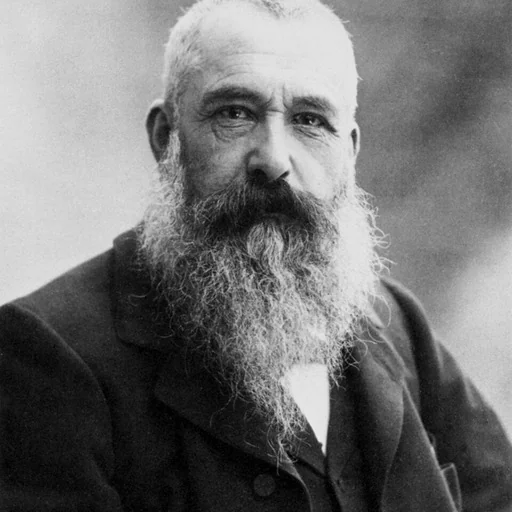
Artist
Oscar-Claude Monet was born in Paris on November 14, 1840, and raised from the age of five in Le Havre, where he began selling charcoal caricatures as a teenager.