Art Museum
Clark Art Institute

Image: Wikimedia Commons.
Clark Art Institute is an art museum in Massachusetts, United States. 5 works from its collection are in this catalog, including Jean Baptiste Camille Corot and Claude Monet.
About Clark Art Institute
Overview
The Sterling and Francine Clark Art Institute, located in Williamstown, Massachusetts, is a distinguished institution with a dual mission as both an art museum and a center for research and higher education. Founded in 1955 in association with Williams College, the Clark is dedicated to advancing the public understanding of art through its extensive collection, special exhibitions, and academic programs. The institution sits on 140 acres of meadows, woods, and walking trails, acknowledging its location on the ancestral homelands of the Mohican people.
History & Founding
The museum was established by entrepreneur, soldier, and art collector Robert Sterling Clark and his wife, Francine. After visiting Williamstown in 1949, they began discussions with town leaders and Williams College administrators. A charter for the 'Robert Sterling Clark Art Institute' was signed on March 14, 1950. Shortly after the first cornerstone was laid in 1953, the name was changed to the 'Sterling and Francine Clark Art Institute' to honor Francine's enthusiasm and contributions to the collection and planning. The museum opened to the public on May 17, 1955, under its first director, Peter Guille.
Building & Architecture
Sterling Clark originally envisioned a museum replete with natural light and classical order. After rejecting designs from two firms, he selected Daniel Perry, whose design reflected a classical style. The original construction lasted nearly two years and cost approximately $3 million. In later decades, the campus expanded significantly with additions by renowned architects. Tadao Ando designed the Lunder Center at Stone Hill and a 42,600-square-foot addition known as the Clark Center. Annabelle Selldorf was subsequently commissioned to renovate existing structures and design further expansions, integrating the new and old architectural styles.
Collection Highlights
Initially, the Clarks focused on Italian, Dutch, and Flemish Old Master paintings. Over time, their tastes shifted to include Impressionist and Post-Impressionist works. The permanent collection encompasses a wide range of elements, and the museum continues to shape its holdings through acquisitions, gifts, and bequests. In 2024, the Clark received a significant trove of 331 works from the collection of Aso O. Tavitian, featuring European masterpieces. The institution also holds works on paper and presents special exhibitions ranging from well-known to lesser-known artists across various periods.
Campus & Landscape
Beyond its buildings, the Clark campus encompasses 140 acres of diverse landscapes including meadows, woods, and walking trails. The grounds feature several outdoor art installations, with the first full outdoor exhibition taking place in recent years. In warmer months, pastured cows graze on and above Stone Hill, while winter visitors can borrow complimentary snowshoes to explore the trails. The campus serves as a setting for site-specific installations by contemporary artists, highlighting global ideas of craft and transformation within the natural environment.
What to see at Clark Art Institute
Start with The Slave Market by Jean Léon Gérôme.
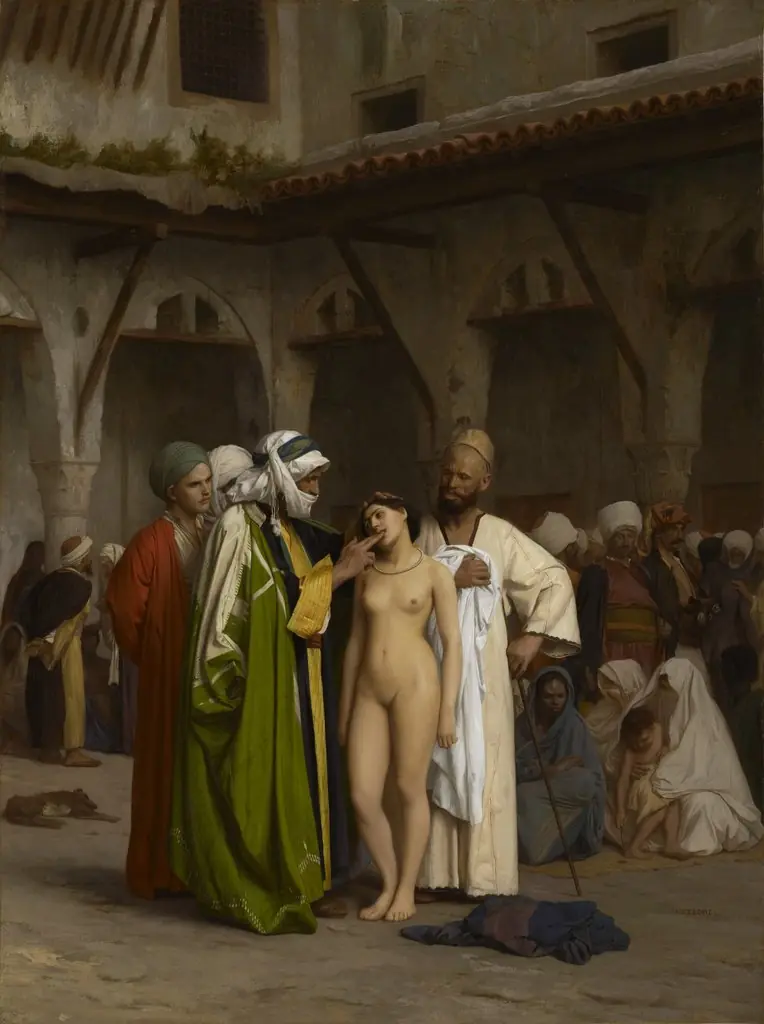
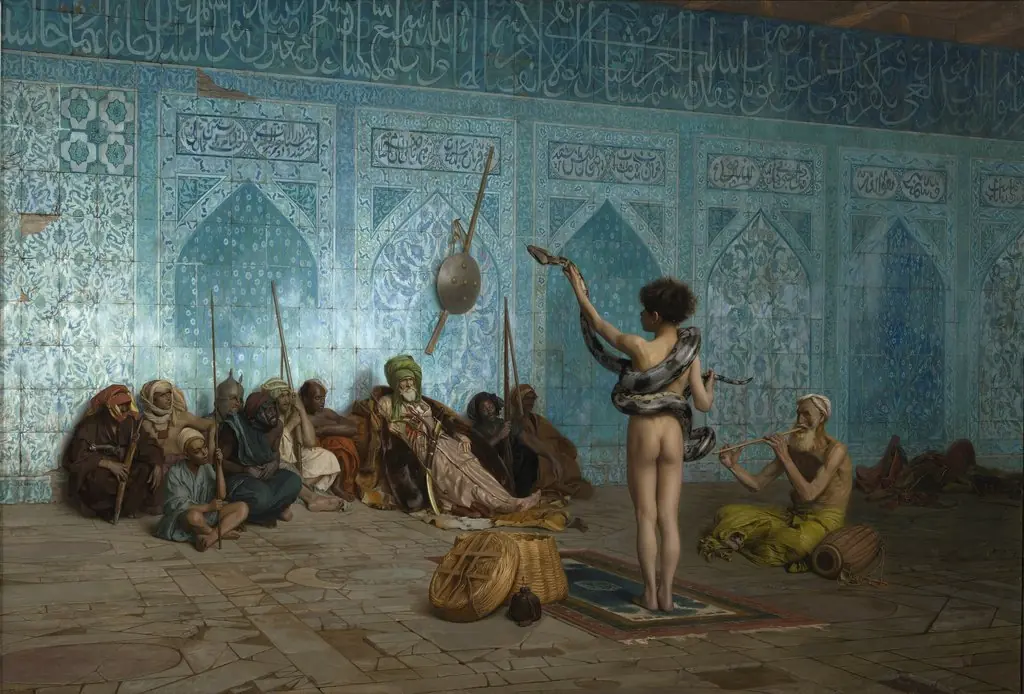
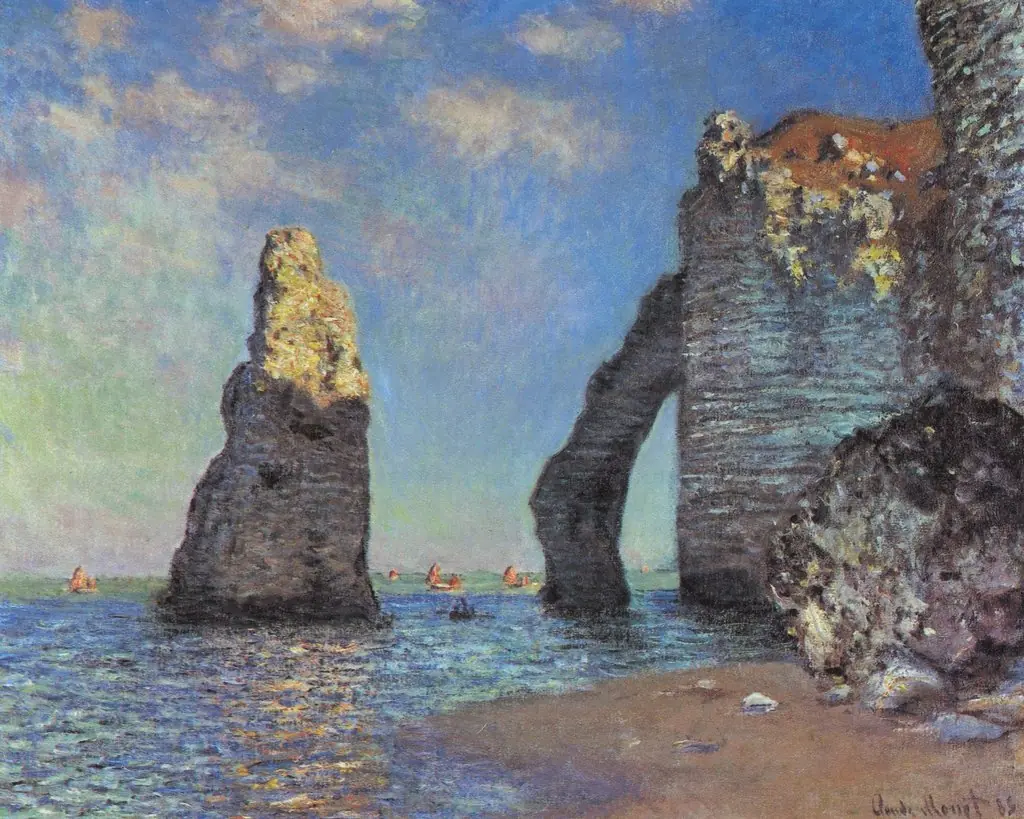
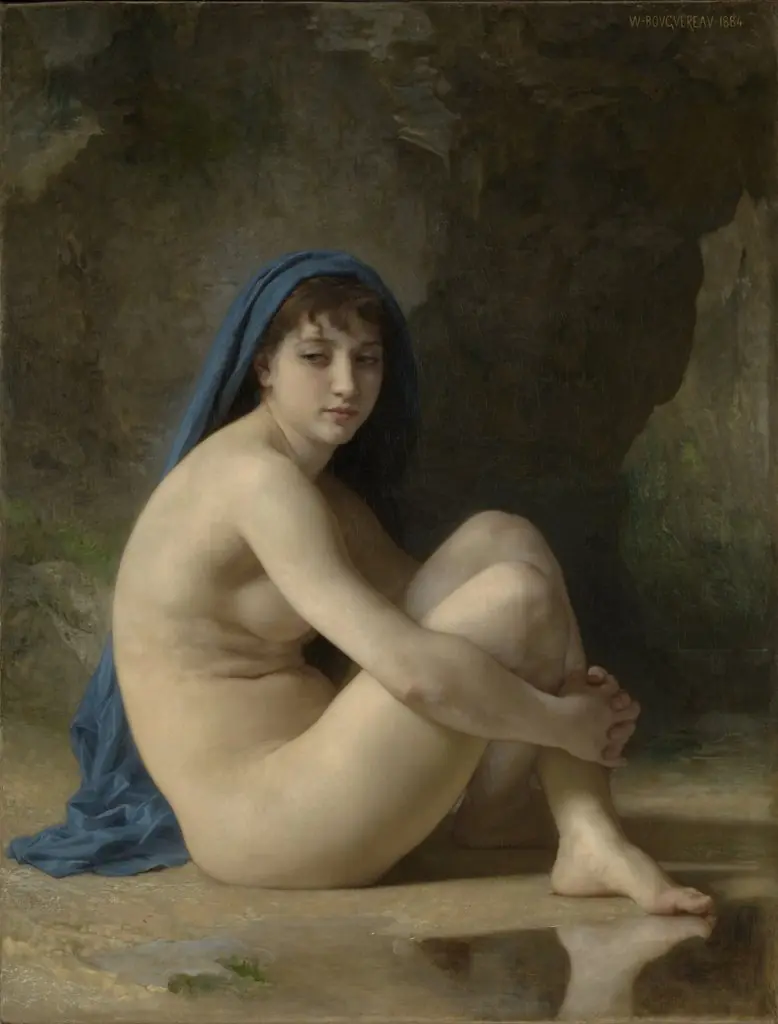
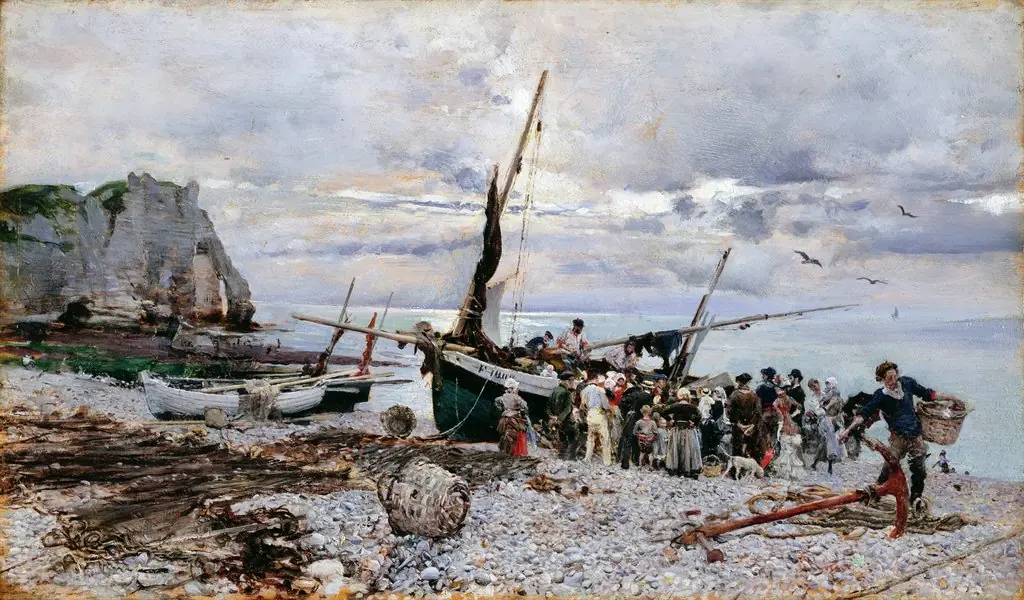
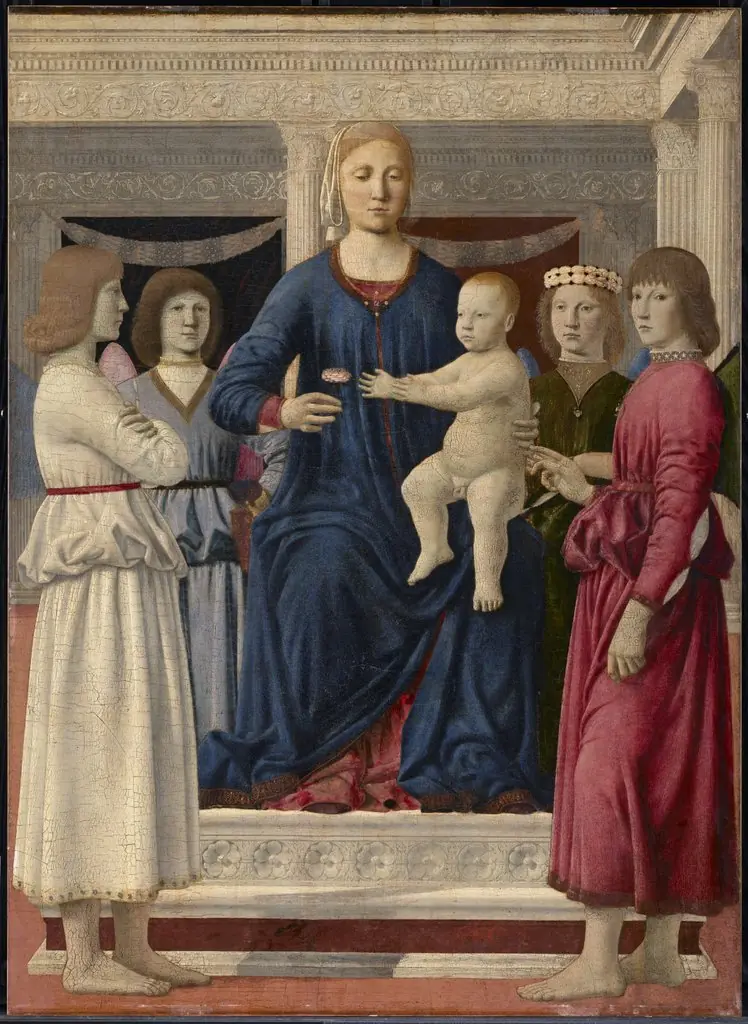
Works from Clark Art Institute
Plan your visit
Clark Art Institute
- Website
- www.clarkart.edu