Artwork
Vétheuil
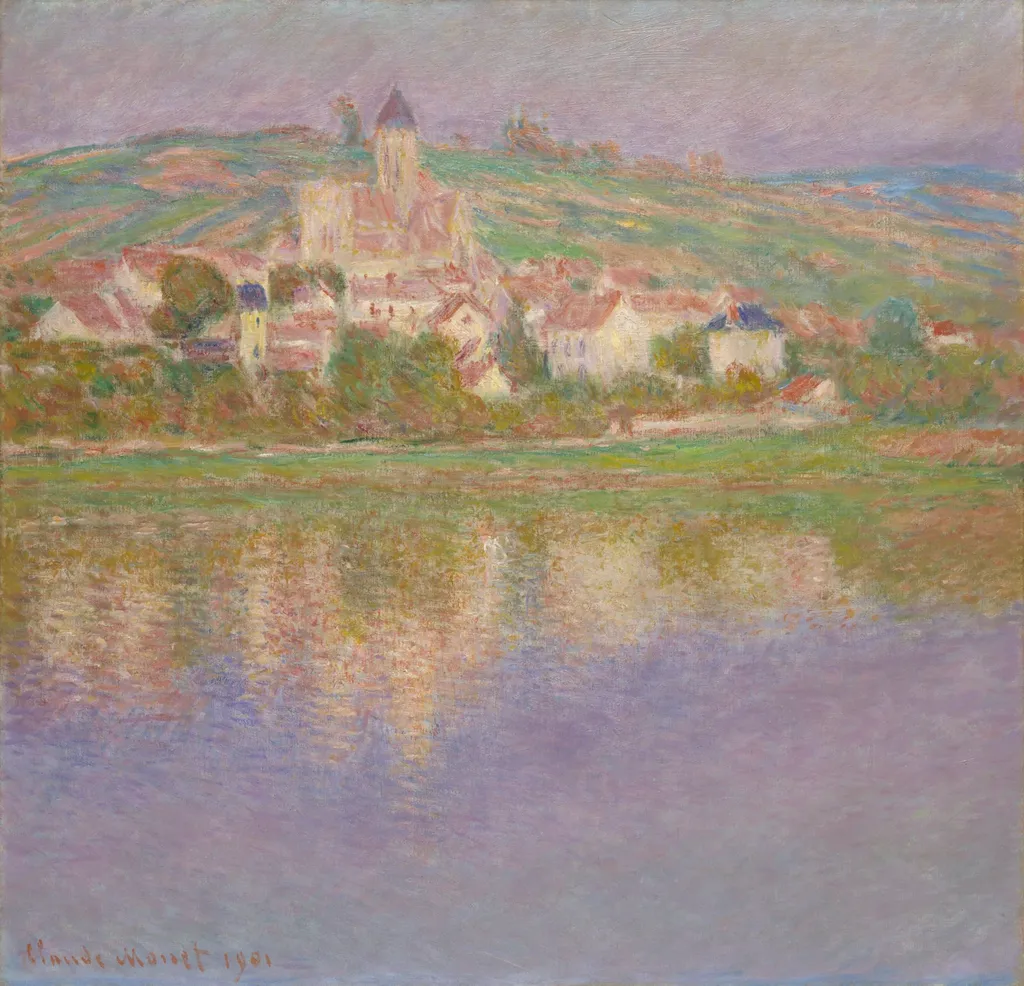
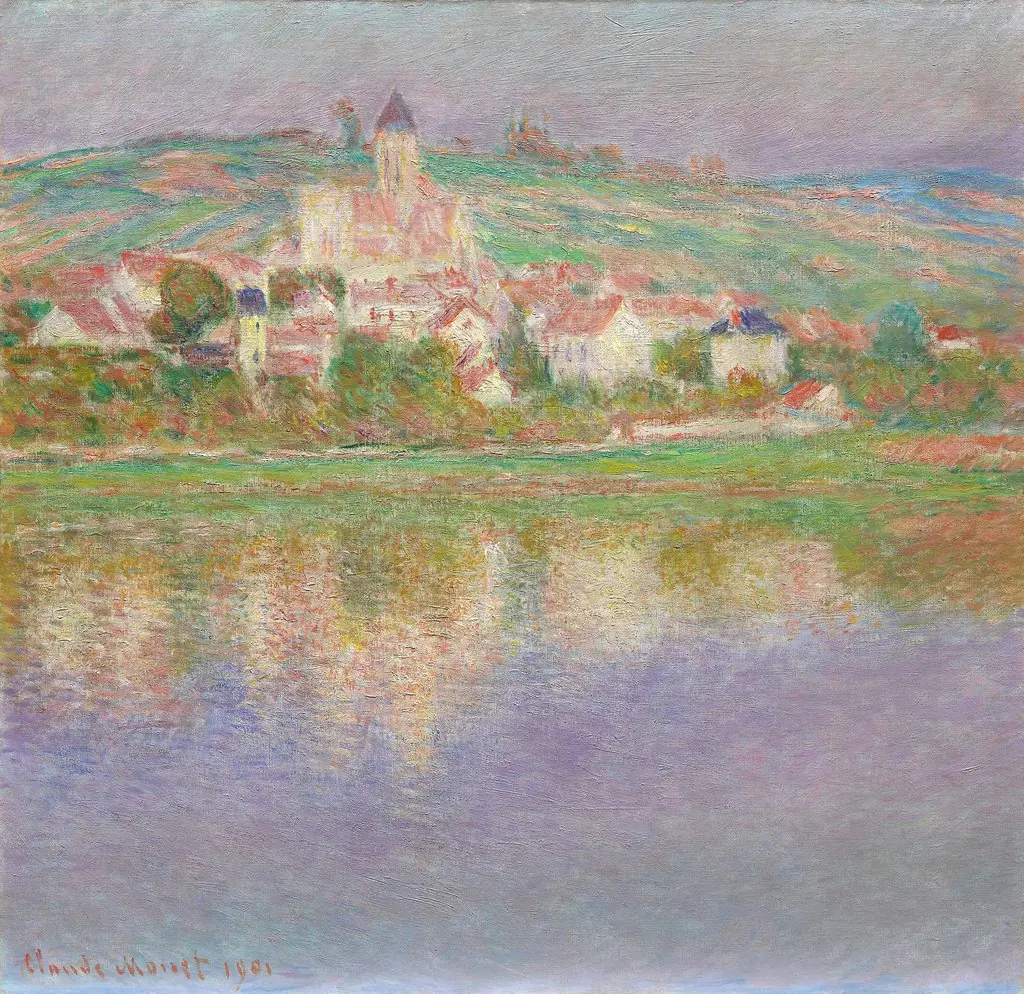
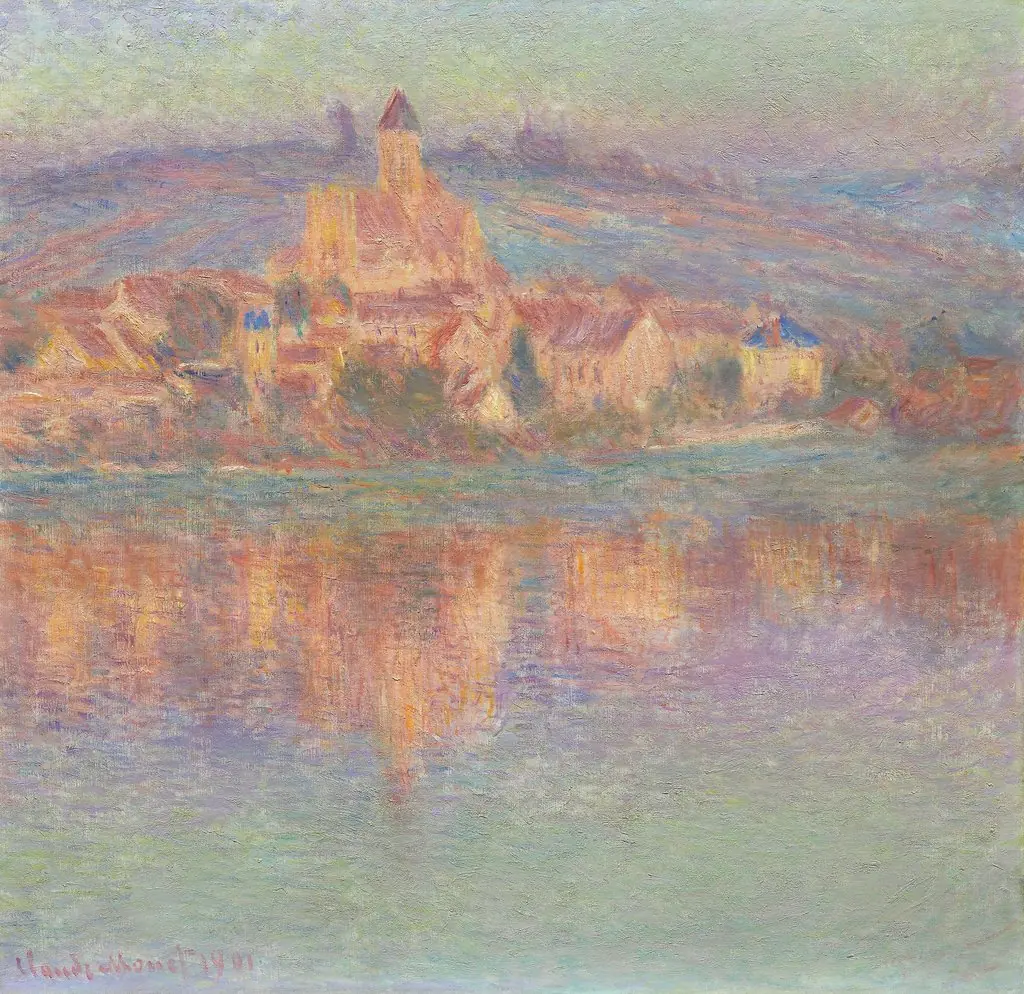
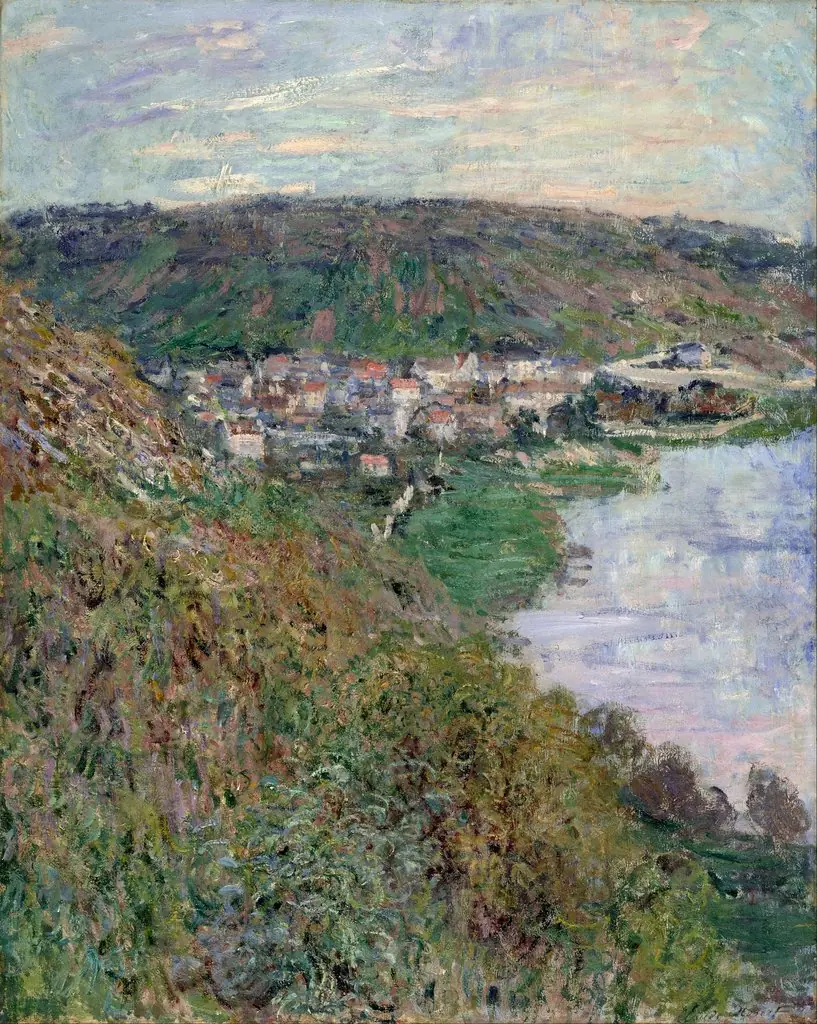
Vétheuil is an oil painting by the Impressionist artist Claude Monet. It dates from 1901 and is held in the collection of the Art Institute of Chicago.
About this work
Overview
In the summer of 1901 Claude Monet stayed in a modest rented house at Lavacourt, a hamlet opposite Vétheuil on the Seine. From the balcony of this dwelling he produced a series of fifteen paintings that capture a confined view of the riverbank, the village and its church, documenting the shifting light of the day.
Subject & Meaning
Each canvas presents a narrow slice of the landscape, split horizontally so that the town and its reflection occupy separate halves. Rather than rendering a realistic topography, Monet foregrounds the decorative rhythm of the scene, allowing the church and shoreline structures to emerge through variations in brush direction and hue.
Technique & Style
Executed on almost square oil panels, the works feature Monet’s characteristic loose brushwork and subtle gradations of colour. The painter blurs the boundaries between water, land and sky, merging forms so that the distinction between surface and reflection becomes fluid, emphasizing atmospheric effect over precise detail.
History & Provenance
Two paintings from this Vétheuil series—one depicting midday light and another a sunset—are now in the collection of the Art Institute of Chicago. They remain among the fifteen works created during Monet’s brief stay at Lavacourt while he was expanding his Giverny estate.
Own this work as a print
Artist & collection
Artist
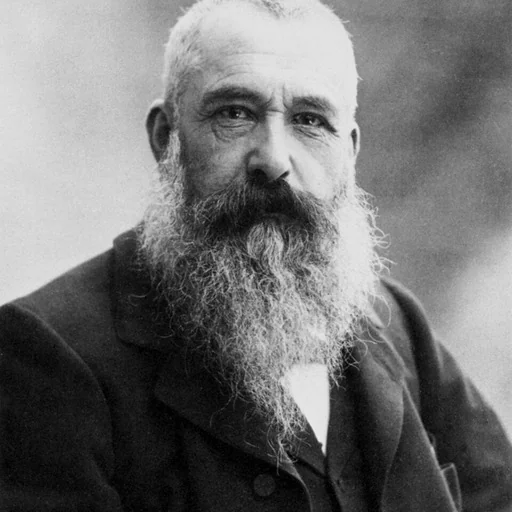
Oscar-Claude Monet was born in Paris on November 14, 1840, and raised from the age of five in Le Havre, where he began selling charcoal caricatures as a teenager.