Artwork
Water-Lily Pond
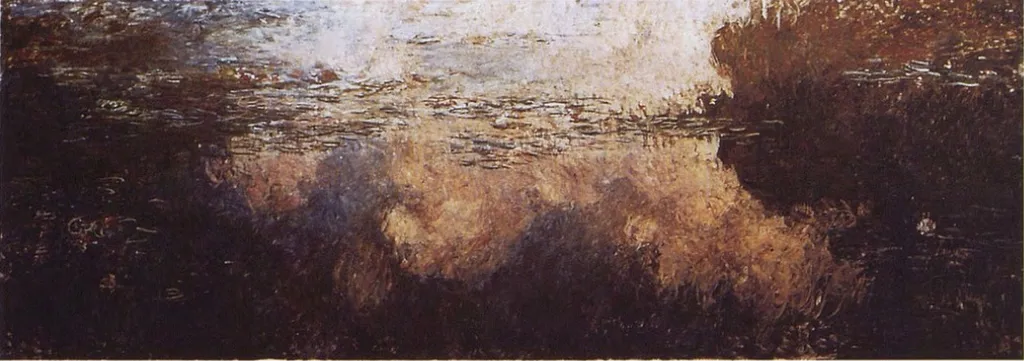
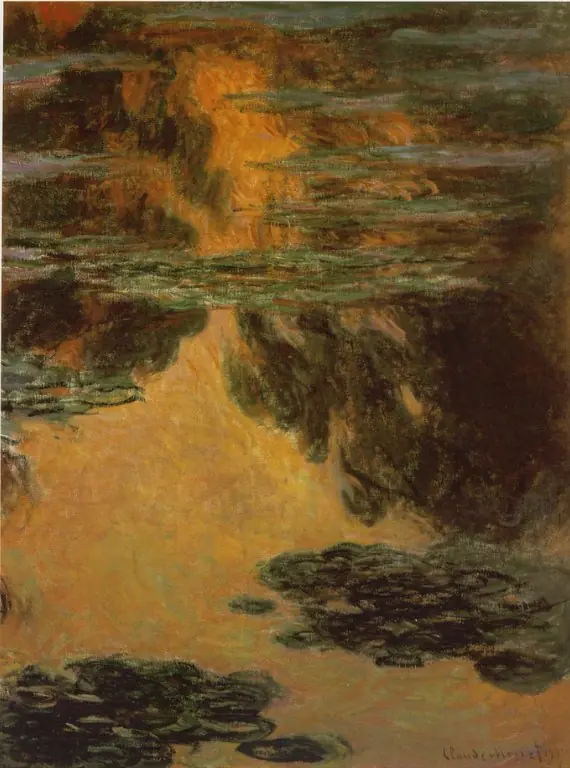
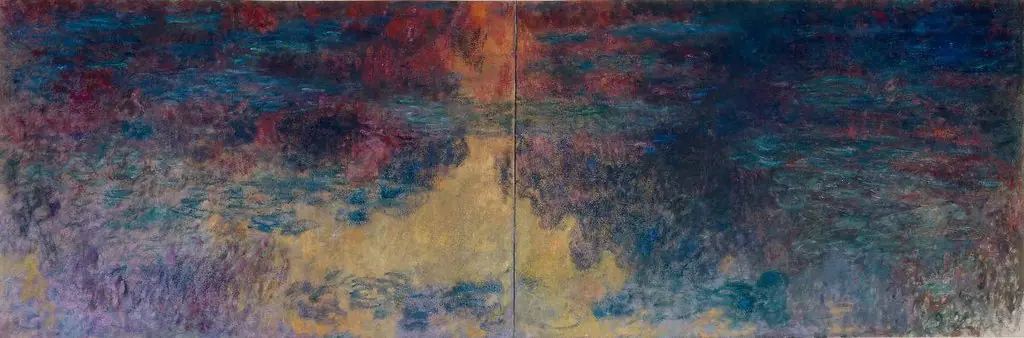
Water-Lily Pond is an unspecified painting by the Impressionist artist Claude Monet. It dates from 1890 and is held in the collection of the Museum of Modern Art.
About this work
Overview
Claude Monet’s Water‑Lily Pond, painted around 1890, is part of the Museum of Modern Art’s collection. The canvas presents a tranquil garden pond framed by foliage, with a focus on the floating lilies and their broad leaves. Soft tonalities of green, blue and muted purple dominate, creating a calm visual atmosphere.
Subject & Meaning
The work captures a moment in Monet’s garden at Giverny, emphasizing the interplay of water, light, and plant life. By isolating the lilies in the foreground and allowing the surrounding vegetation to dissolve into an impressionistic haze, the painting invites contemplation of nature’s quiet rhythms and the fleeting effects of atmosphere.
Technique & Style
Monet employs loose brushwork and layered washes to dissolve edges, a hallmark of Impressionism. The palette is restrained, favoring cool, subdued hues that blend seamlessly across the surface. The background is rendered with minimal detail, allowing color and tone to suggest depth rather than precise forms.
History & Provenance
Created circa 1890, the painting entered the Museum of Modern Art’s holdings in the mid‑20th century, where it has been displayed as part of the museum’s representation of early modern French art. Its acquisition reflects MoMA’s commitment to showcasing pivotal works of the Impressionist movement.
Artist & collection
Artist
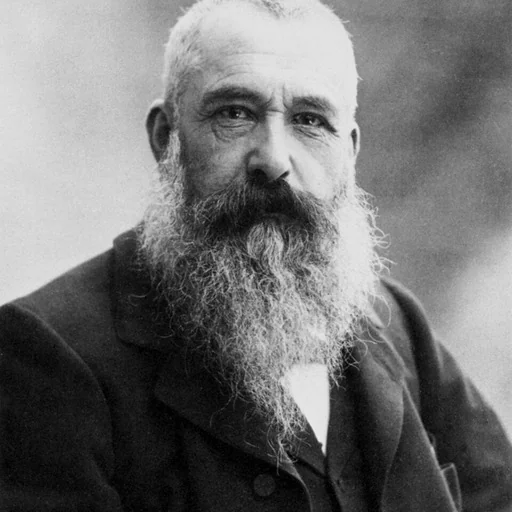
Oscar-Claude Monet was born in Paris on November 14, 1840, and raised from the age of five in Le Havre, where he began selling charcoal caricatures as a teenager.