Artwork
Saint Michael the Archangel
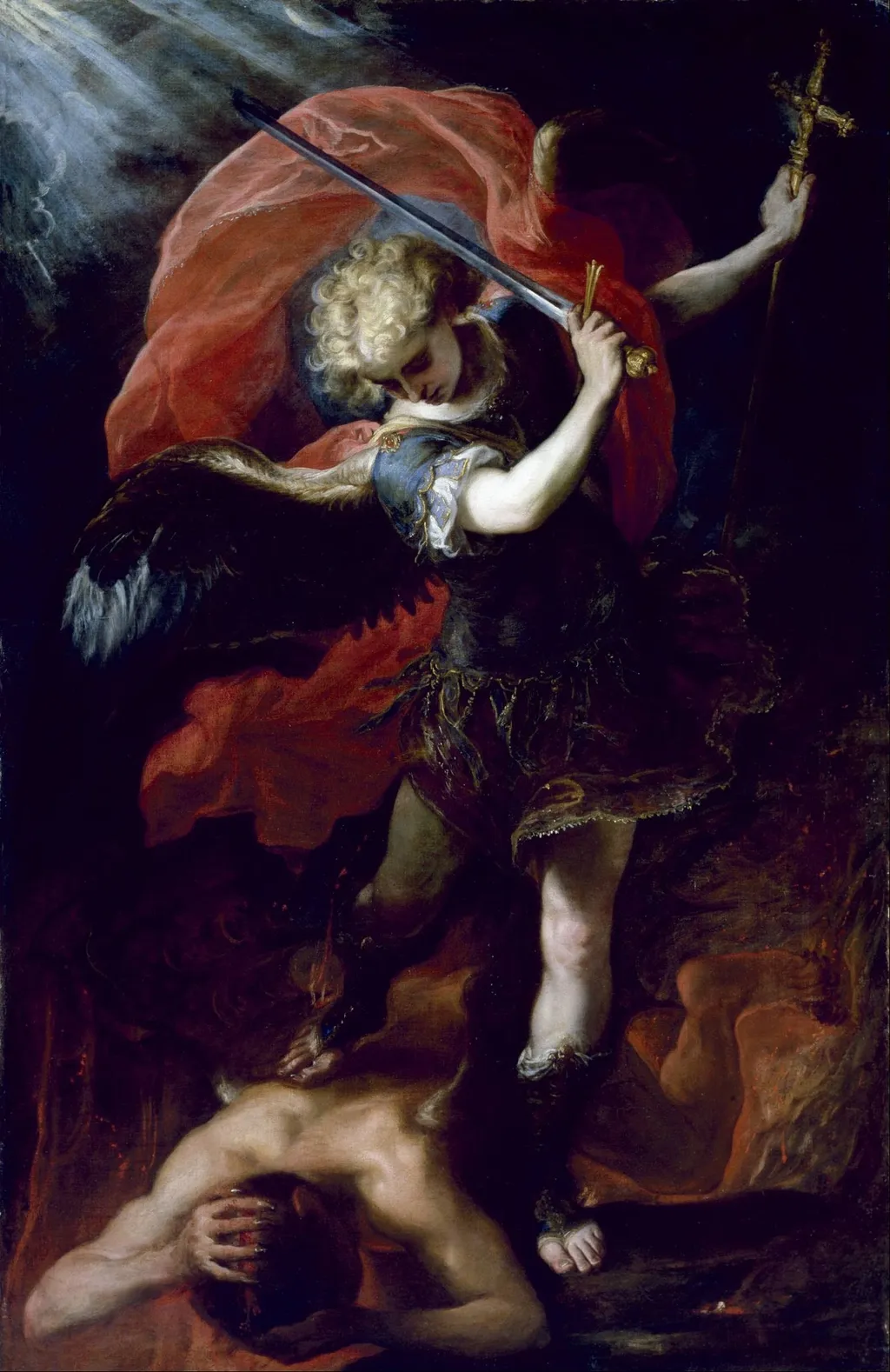
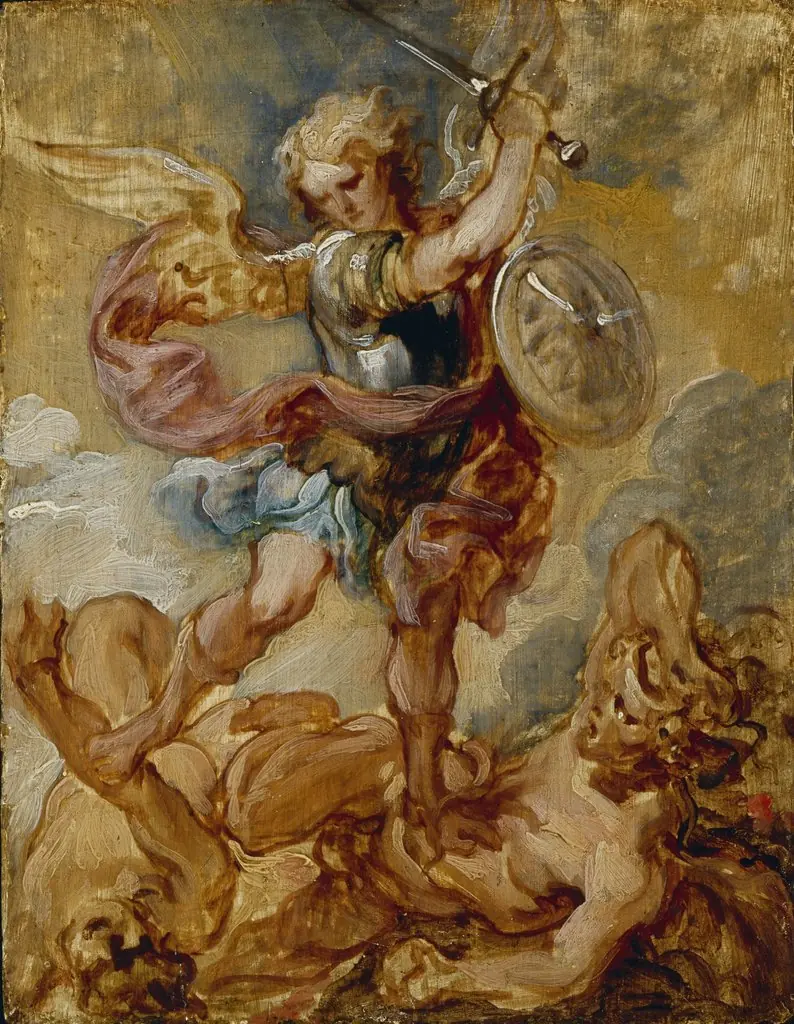
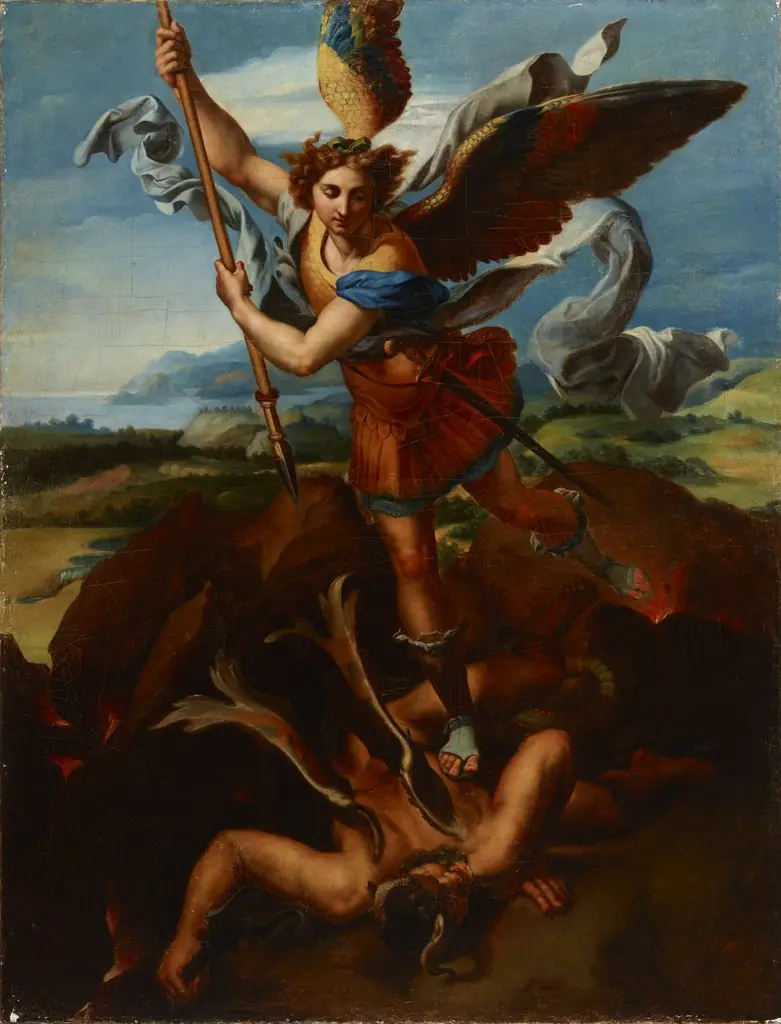
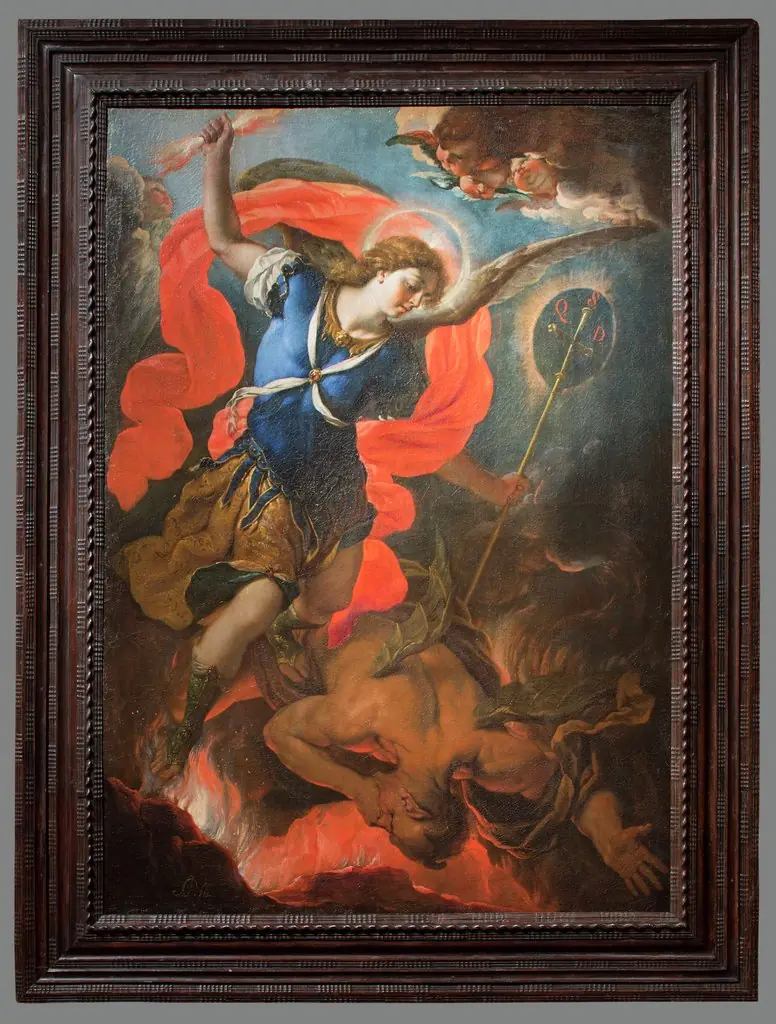
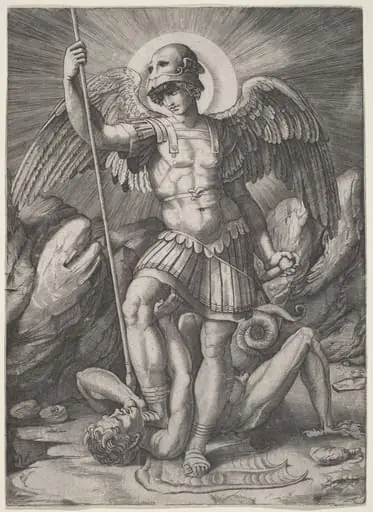
Saint Michael the Archangel is an oil painting by the Early Baroque Italian artist Claudio Coello. It dates from 1660 and is held in the collection of the Museum of Fine Arts, Houston.
About this work
Overview
Painted in 1660 by Claudio Coello, this oil-on-canvas work depicts Saint Michael the Archangel in a moment of divine triumph.
Painted in 1660 by Claudio Coello, this oil-on-canvas work depicts Saint Michael the Archangel in a moment of divine triumph. Coello, a Spanish artist trained in the Baroque tradition and active at the court of Charles II, created this piece as part of a broader religious visual program for Madrid’s ecclesiastical spaces. The composition reflects the influence of Italian Baroque models, particularly in its theatricality and emotional intensity.
Subject & Meaning
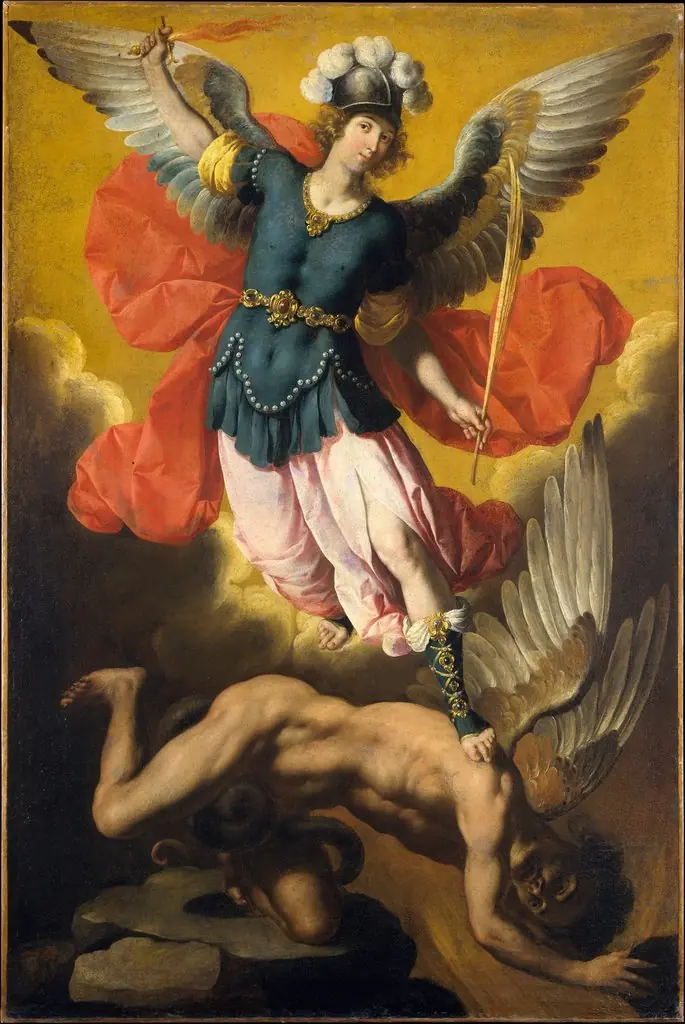
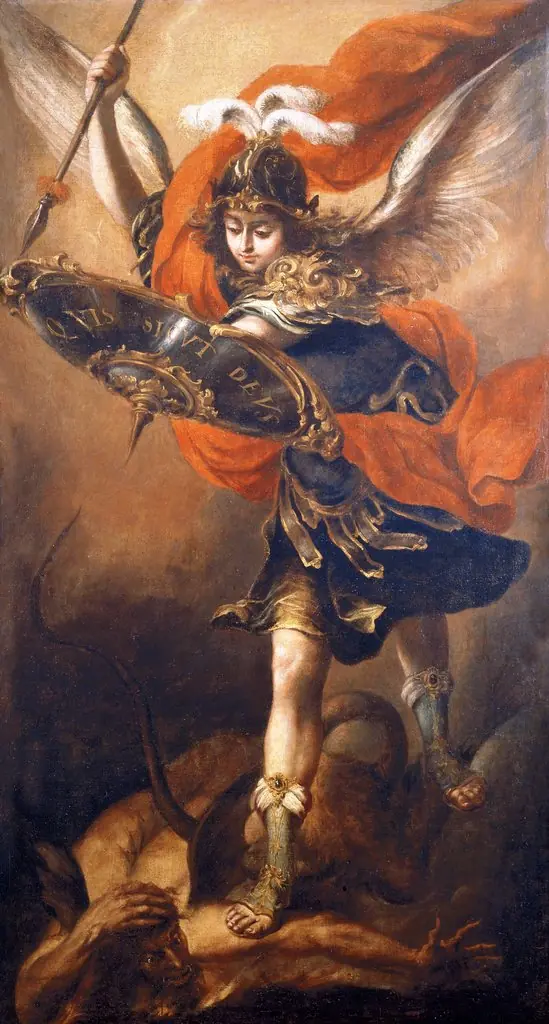
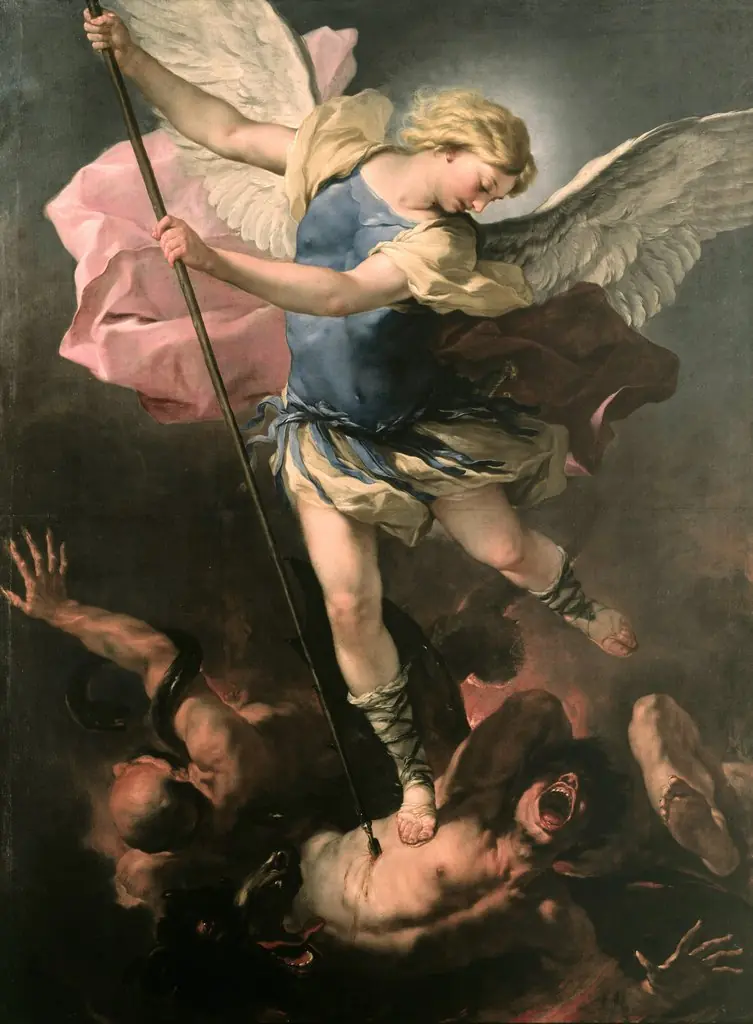
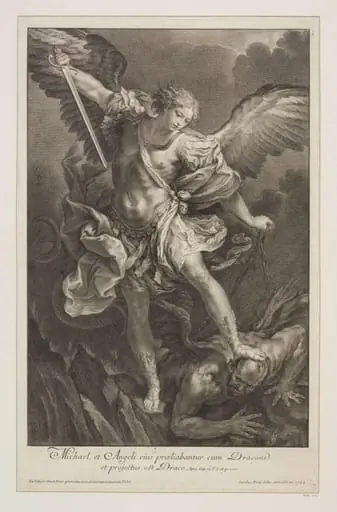
The painting illustrates the biblical moment when Saint Michael defeats Satan, symbolizing the victory of good over evil. Michael stands firmly over the fallen figure, whose bare torso and downward-turned head suggest submission and defeat. Michael’s downward gaze conveys solemn authority rather than aggression, reinforcing the spiritual gravity of the scene. The imagery aligns with Counter-Reformation ideals, emphasizing divine justice and celestial order.
Technique & Style
Coello employs chiaroscuro to heighten the drama, with a strong light source from the upper left casting sharp contrasts across Michael’s armor and cape. The deep, shadowed background isolates the figures, focusing attention on their dynamic interaction. Richly rendered fabrics—blue tunic, crimson cloak—add texture and weight, while the smooth modeling of flesh and metal reflects a refined understanding of anatomical and material realism rooted in Italian Baroque practice.
History & Provenance
Commissioned during Coello’s tenure as court painter to Charles II, the work likely adorned a royal chapel or religious institution in Madrid. Coello, son of sculptor Faustino Coello, inherited a tradition of artistic service to the Spanish crown. Though specific records of its original location are sparse, the painting’s scale and subject suggest it was intended for public veneration, consistent with other ecclesiastical commissions of the period.
Context
In mid-17th-century Spain, religious imagery served both devotional and political functions, reinforcing the authority of the Church and monarchy. Coello’s work emerged amid a flourishing of Spanish Baroque art, where dramatic lighting and emotional intensity were favored to inspire piety. His style, shaped by exposure to Italian masters like Caravaggio and Rubens, adapted these influences to Spanish devotional sensibilities, blending grandeur with spiritual restraint.
Legacy
As one of the final major works by Coello before his death in 1693, this painting represents the culmination of Spanish Baroque religious painting. While later generations shifted toward Rococo and Neoclassical aesthetics, Coello’s emphasis on chiaroscuro and solemn narrative remained influential in Spanish ecclesiastical art. His ability to merge Italian formalism with Spanish spiritual gravity helped define the closing phase of the Baroque era in Spain.
Own this work as a print
Artist & collection
Artist
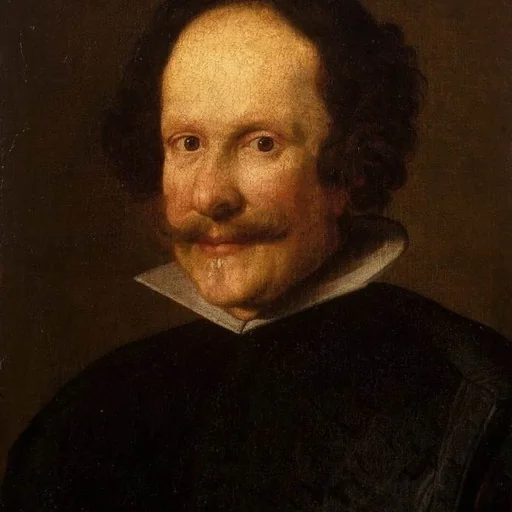
Claudio Coello (2 March 1642 – 20 April 1693) was a Spanish-Portuguese Baroque painter.

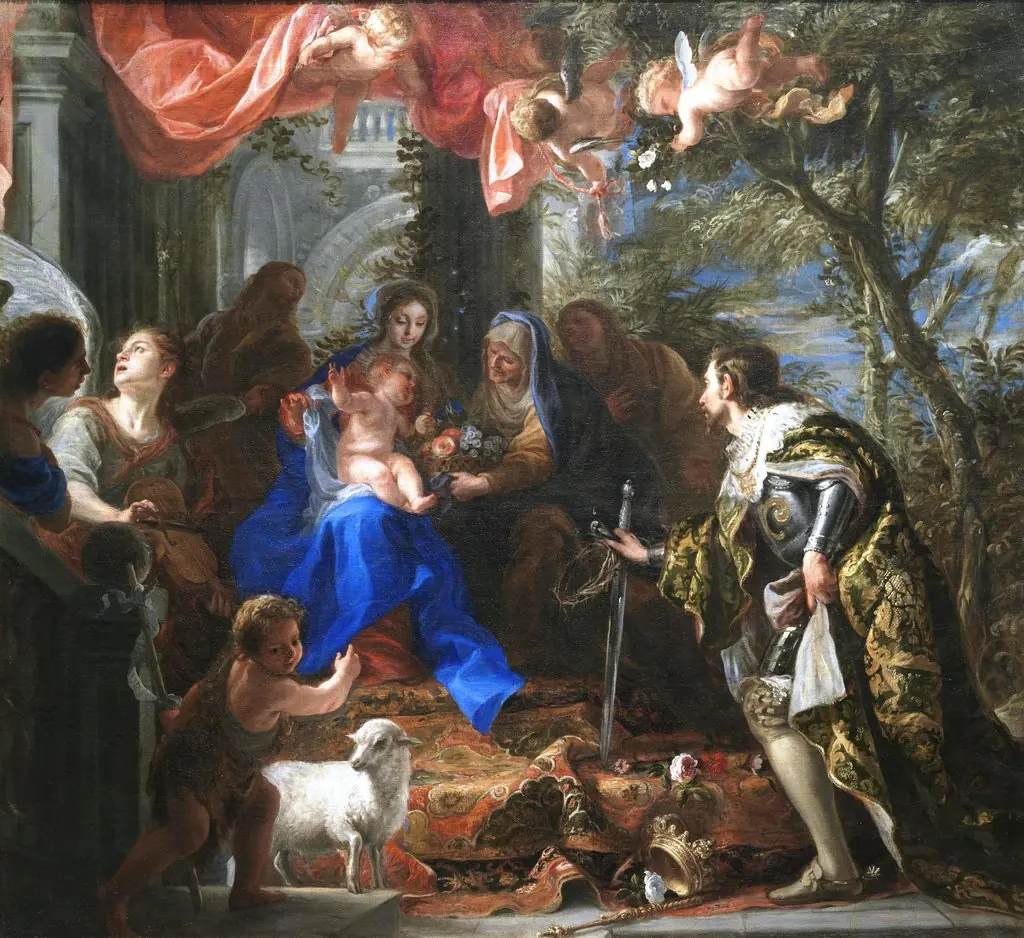 The Virgin and Child adored by Saint Louis, King of France
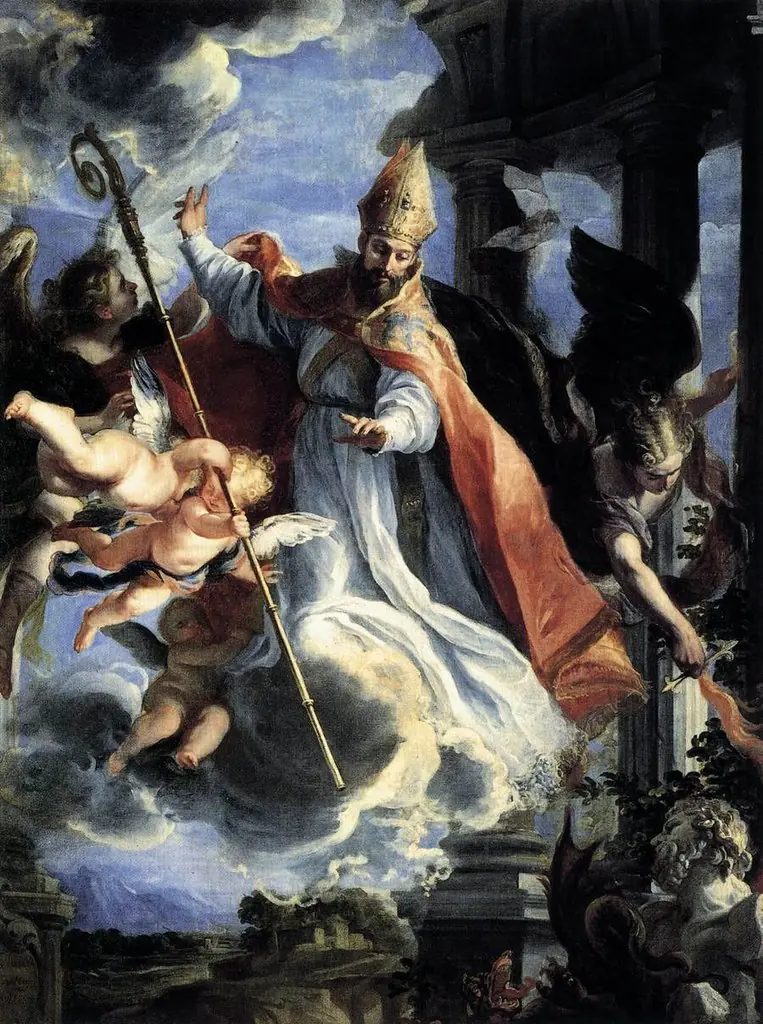 The Triumph of Saint Augustine
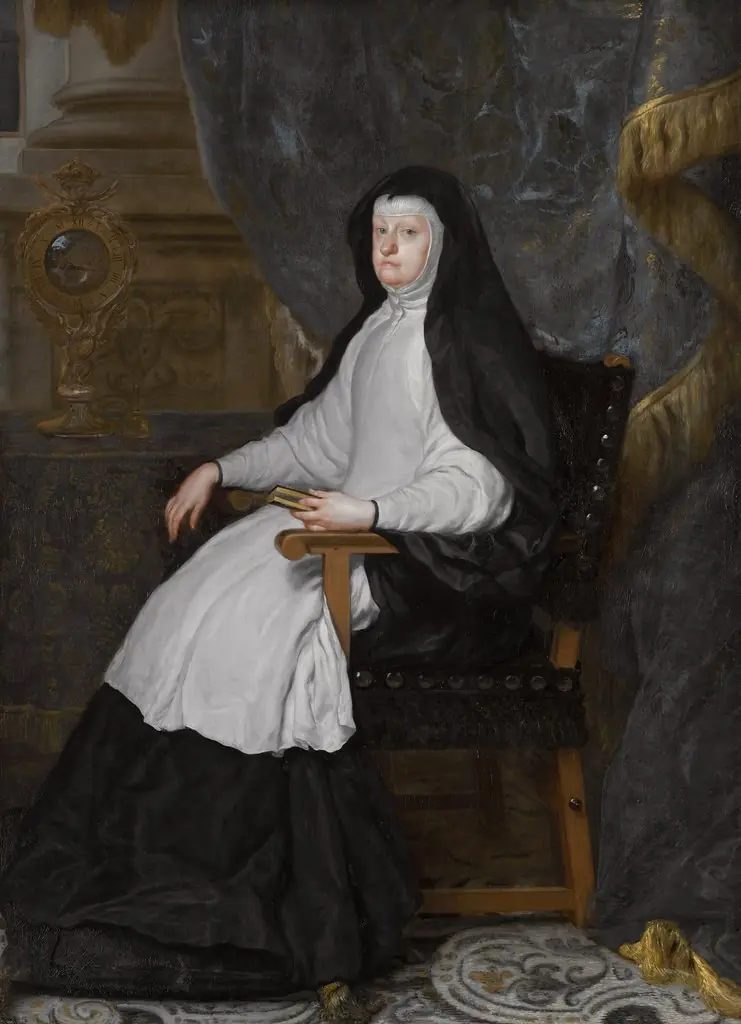 Mariana of Austria, Consort of King Philip IV of Spain, as a Widow
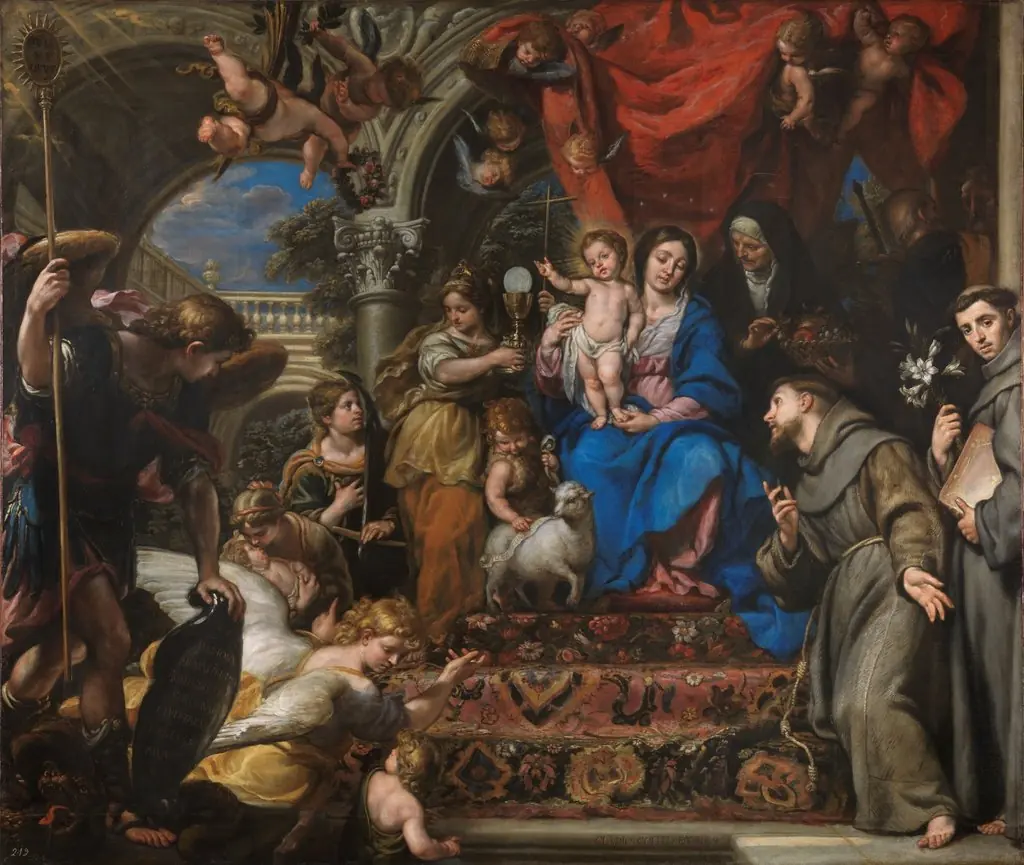 The Virgin and Child between the Theological Virtues and Saints
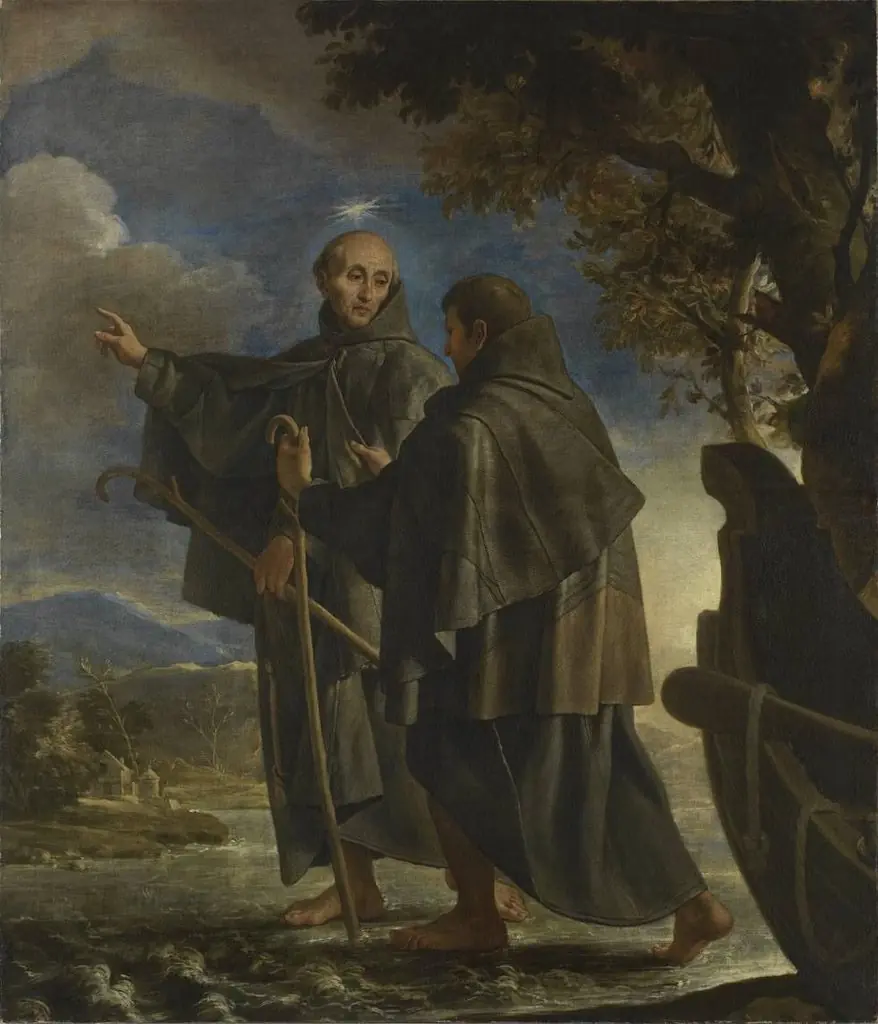 Der hl. Petrus von Alcántara wandelt über den Fluss Quadiana
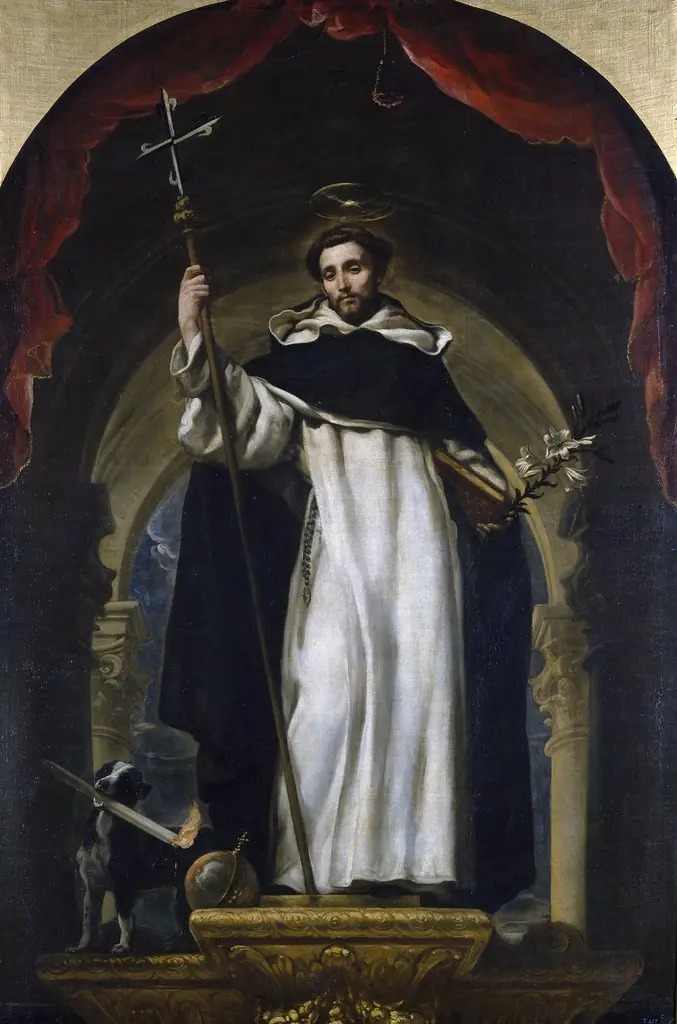 Saint Dominic of Guzmán
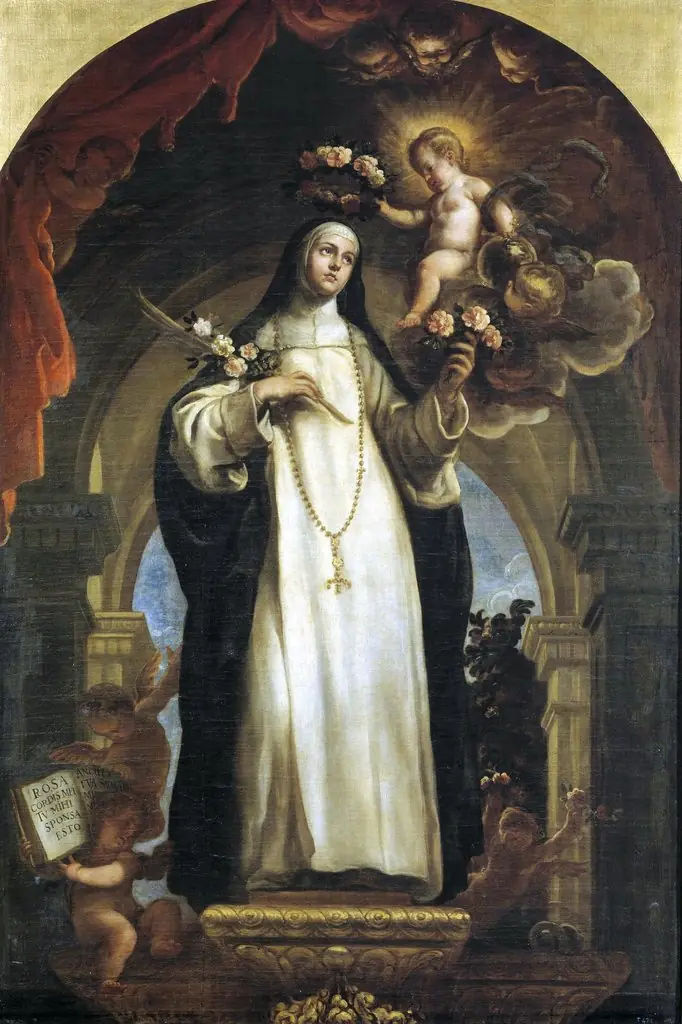 Santa Rosa de Lima
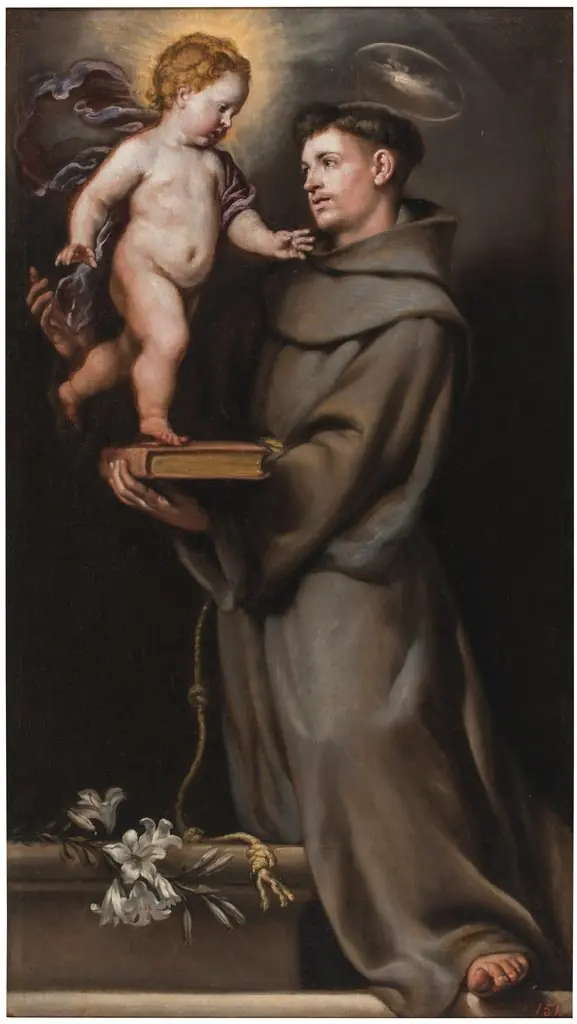 Saint Anthony of Padua