Artwork
Paintings, Sculptures, and Art Objects in the Galleries of Seville, Madrid, Valladolid, Toledo, etc.
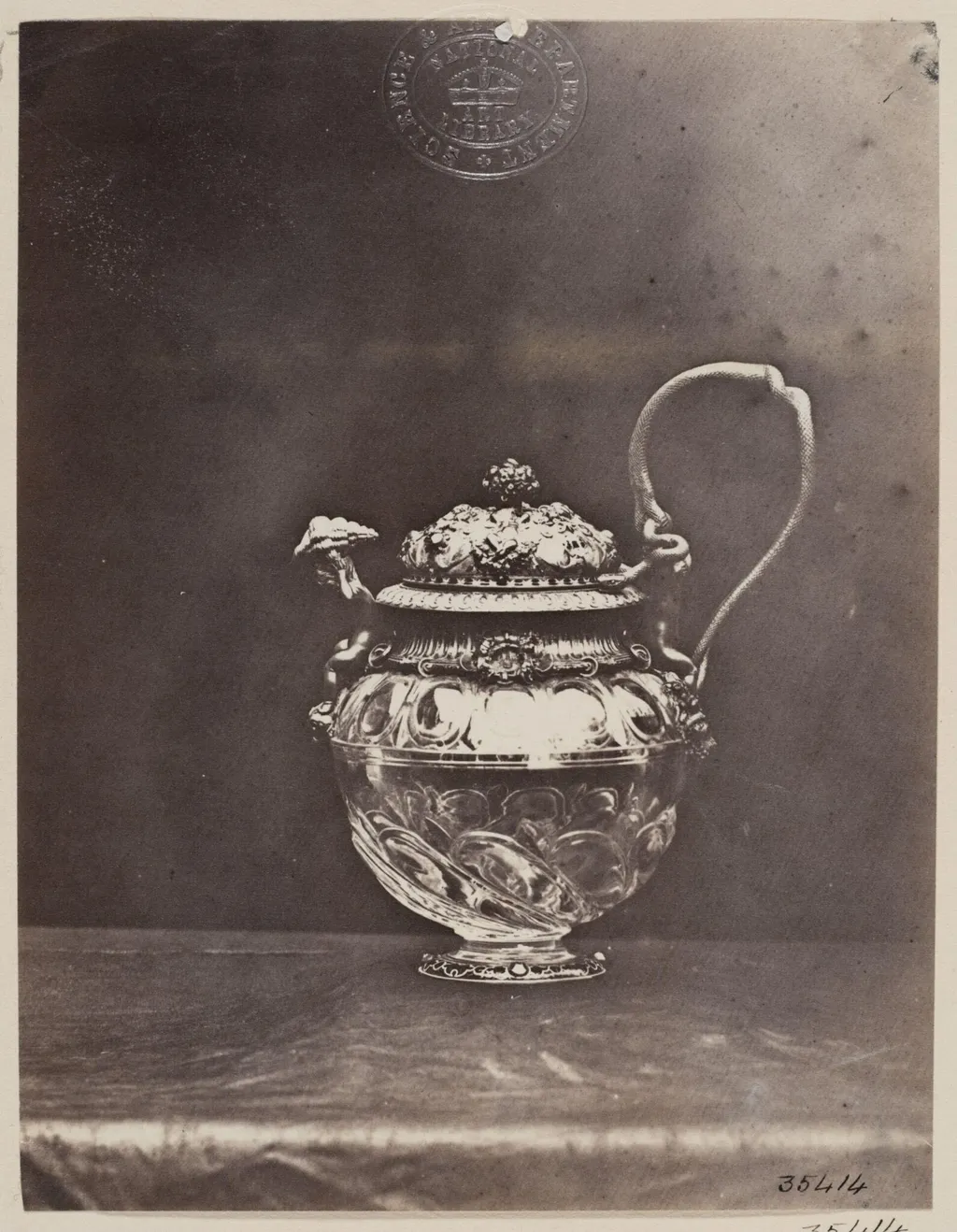
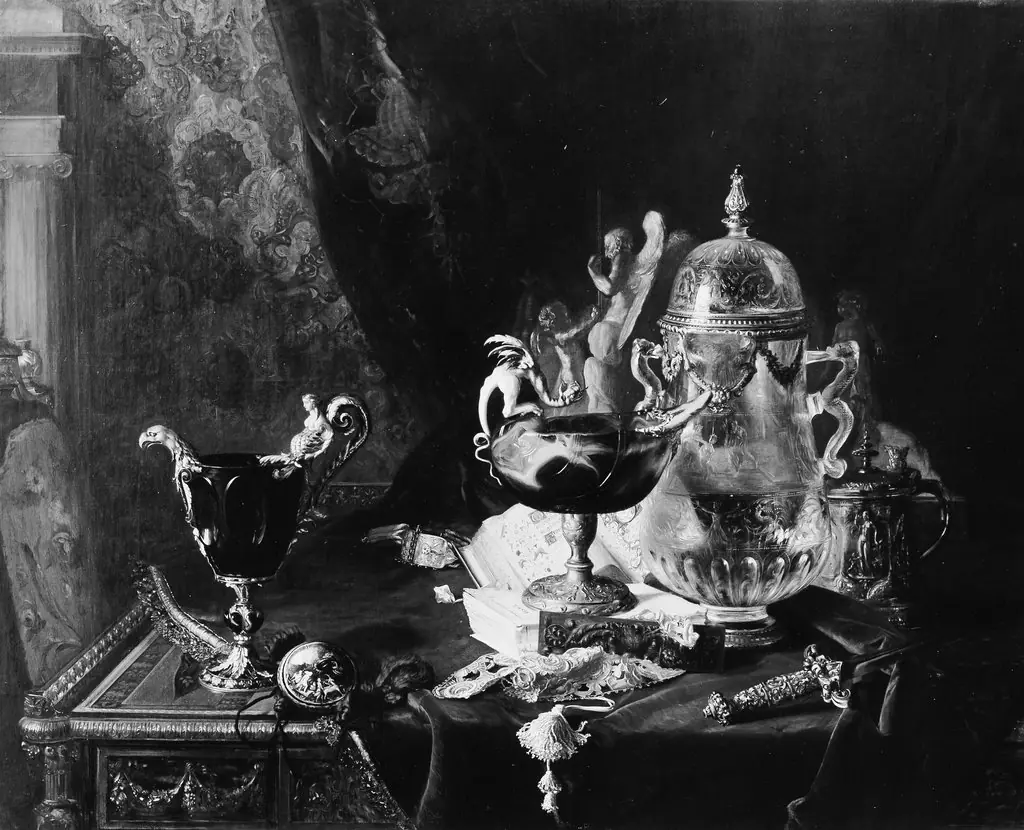
Paintings, Sculptures, and Art Objects in the Galleries of Seville, Madrid, Valladolid, Toledo, etc. is a photographic photography by the Impressionist artist Jane Clifford. It dates from 1863 and is held in the collection of the Victoria and Albert Museum. A sepia-toned photograph from the 1860s documents a rock crystal ewer housed in a Spanish religious or royal collection.
About this work
Overview
The lighting emphasizes the material’s translucence and carved details, reflecting the photographic project’s aim to record craftsmanship with precision.
A sepia-toned photograph from the 1860s documents a rock crystal ewer housed in a Spanish religious or royal collection. Taken by Jane Clifford during a systematic survey of art objects across Seville, Madrid, and other cities, the image presents the vessel in a formal, mounted composition. The lighting emphasizes the material’s translucence and carved details, reflecting the photographic project’s aim to record craftsmanship with precision.
Subject & Meaning
The ewer, crafted from rock crystal, features a lid sculpted to resemble a crown adorned with leaf and scroll motifs. Its form suggests ceremonial or liturgical use, likely belonging to a church treasury or aristocratic collection. The intricate carving and precious material indicate high status, while its inclusion in Clifford’s survey underscores its significance as an example of Spanish decorative arts from earlier centuries.
Technique & Style
Clifford employed a detailed, controlled photographic approach typical of mid-19th-century documentary practice. The use of natural light highlights the ewer’s surface texture and carved relief, while the dark background isolates the object for study. The sepia tone enhances depth and contrast, allowing fine details of the crystal and metalwork to remain legible despite the limitations of early photographic processes.
History & Provenance
The ewer was photographed during Jane Clifford’s 1860s expedition commissioned to catalog Spain’s artistic heritage. Its original location remains unconfirmed but likely belonged to a cathedral or royal collection in one of the cities visited. The photograph itself entered the Victoria and Albert Museum’s collection, preserving a record of the object’s appearance before potential alterations or dispersal.
Context
Clifford’s photographic project aligned with broader 19th-century efforts to preserve and classify cultural artifacts amid industrialization and political upheaval. Her work in Spain contributed to emerging scholarly interest in Iberian decorative arts. Unlike romanticized depictions, her images prioritized factual recording, offering researchers a reliable visual archive of objects otherwise inaccessible to the public.
Legacy
The photograph endures as a key document in the study of Spanish crystalwork and early photographic documentation of art. Jane Clifford’s methodical approach influenced later archival practices in museum studies. The image remains accessible through the Victoria and Albert Museum, serving as a reference for scholars examining the material culture of Spain’s ecclesiastical and noble collections in the 19th century.
Artist & collection
Artist
Jane Clifford’s 1863 photo album shows the art you’d see walking through Seville, Madrid, Valladolid, and Toledo in the 1860s.

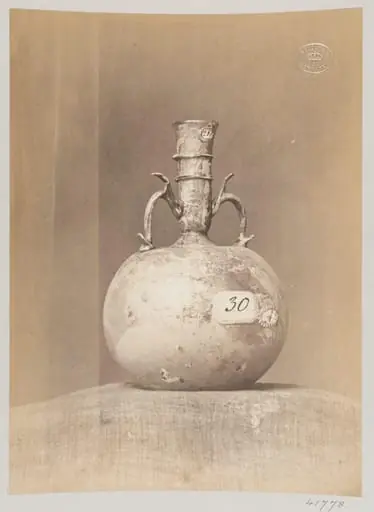 Antique glass vase
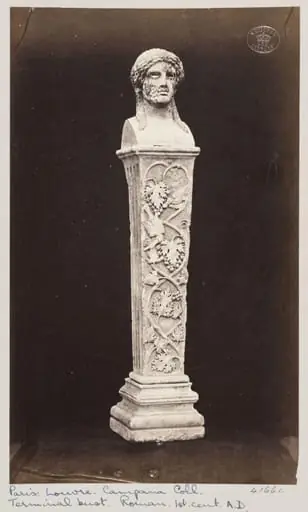 Marble herma with the head of Baccus ornamented with vine leaves and fruit
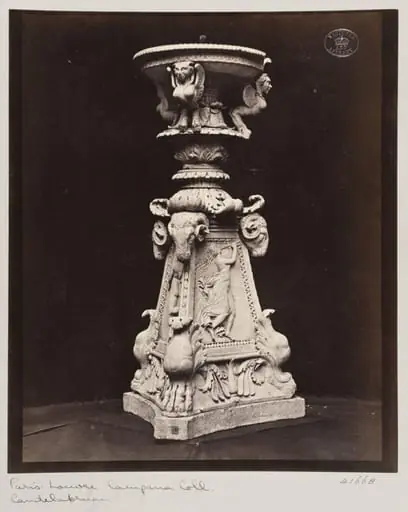 Marble sculptured fountain
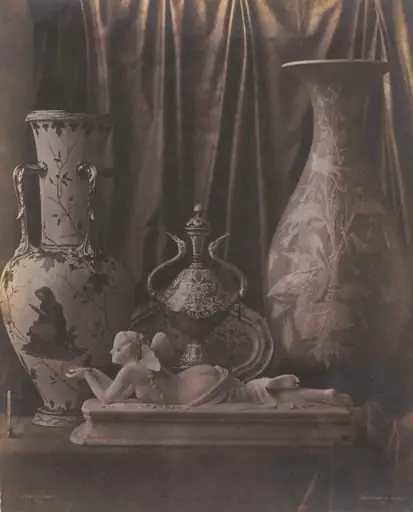 Still Life with Porcelain
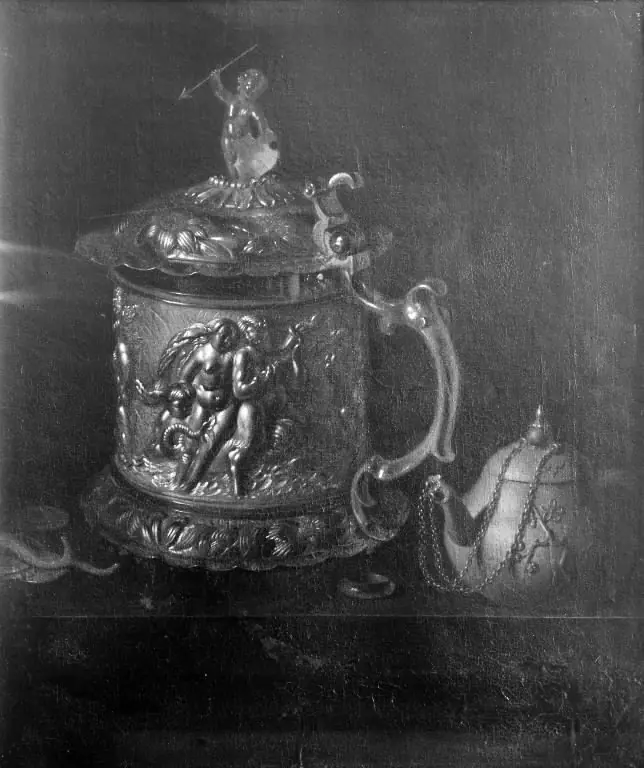 Silver Mug and Clay Pot
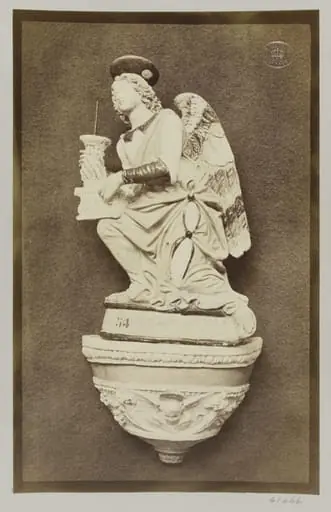 Figure of an Angel holding pricket candlestick by Luca della Robbia Ware
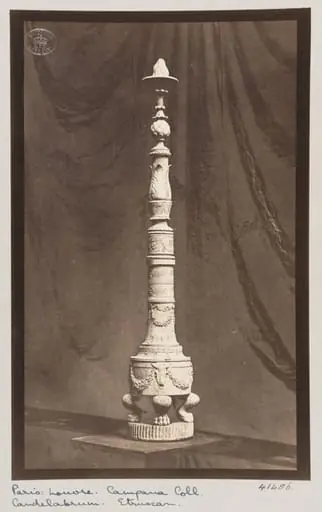 Marble stem from candelabrum
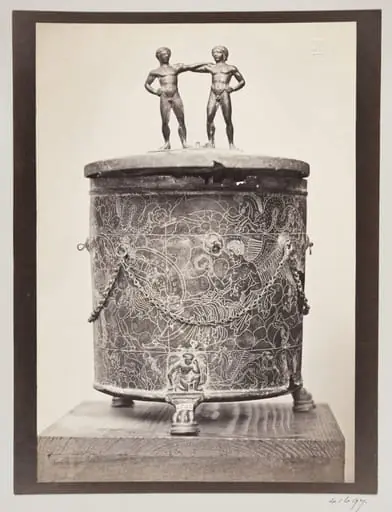 Etruscan cyste in bronze
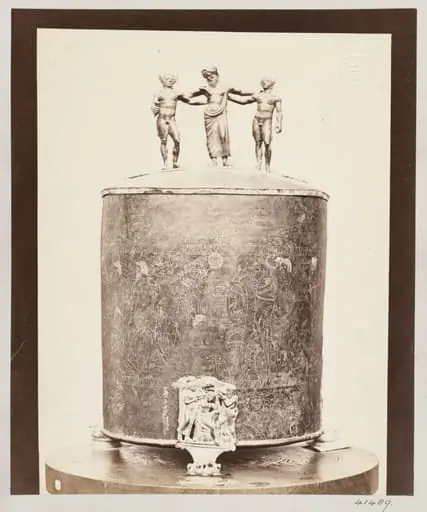 Large Etruscan Cista in bronze
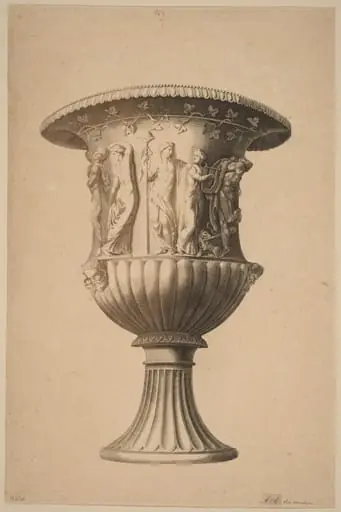 Borghese Vase
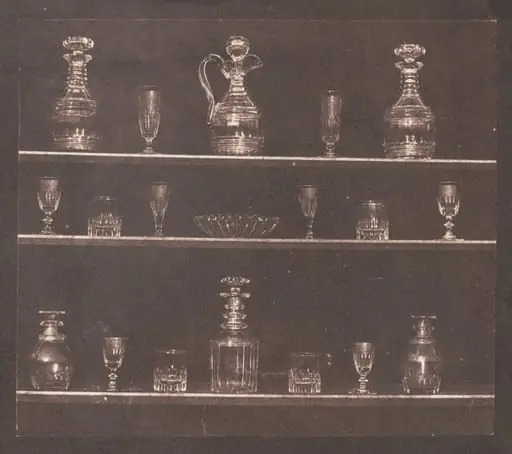 Articles of Glass
 Objects of Art from the Louvre