Artwork
Scenă de interior
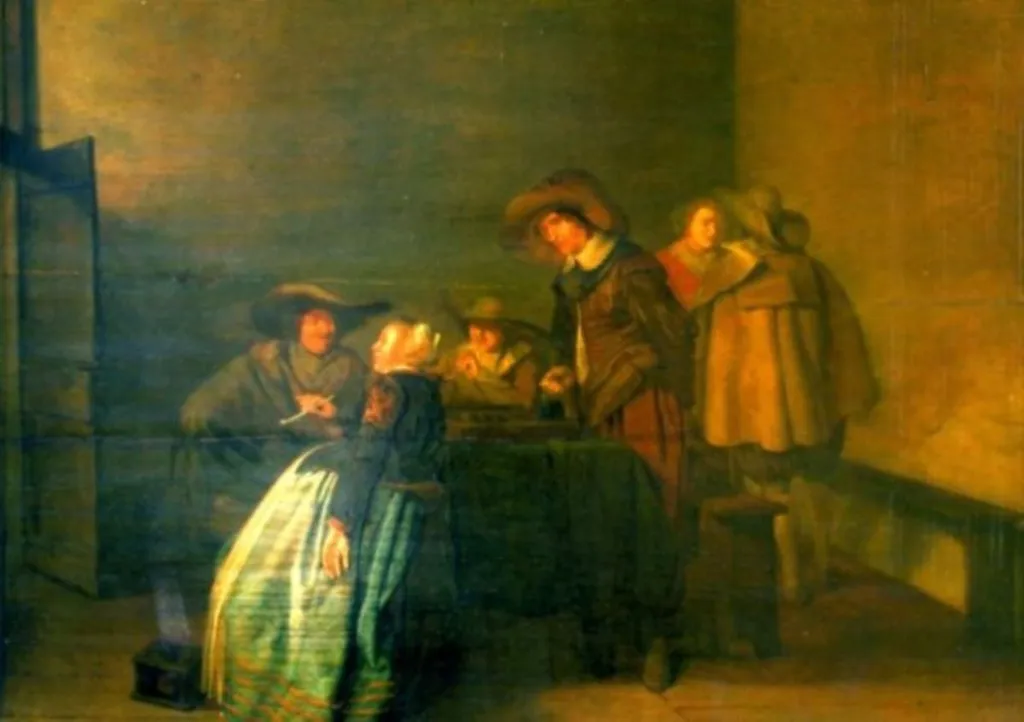
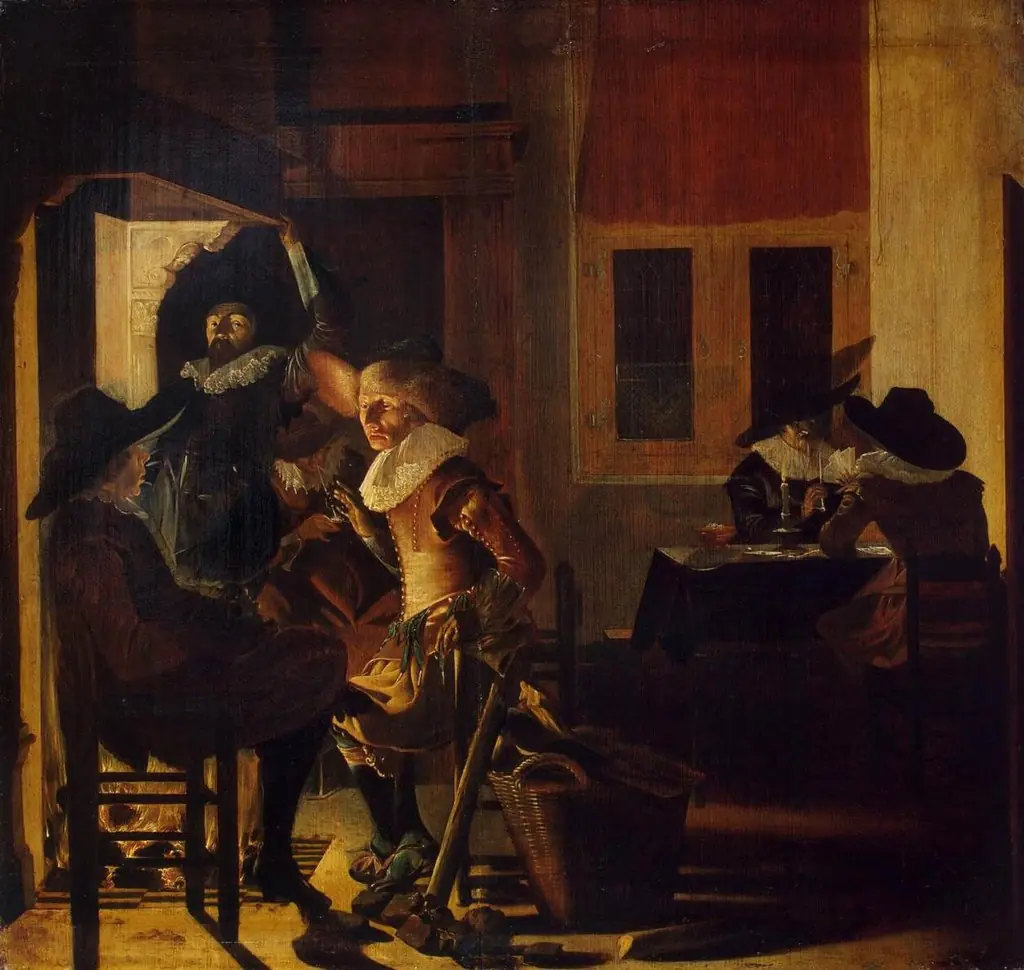
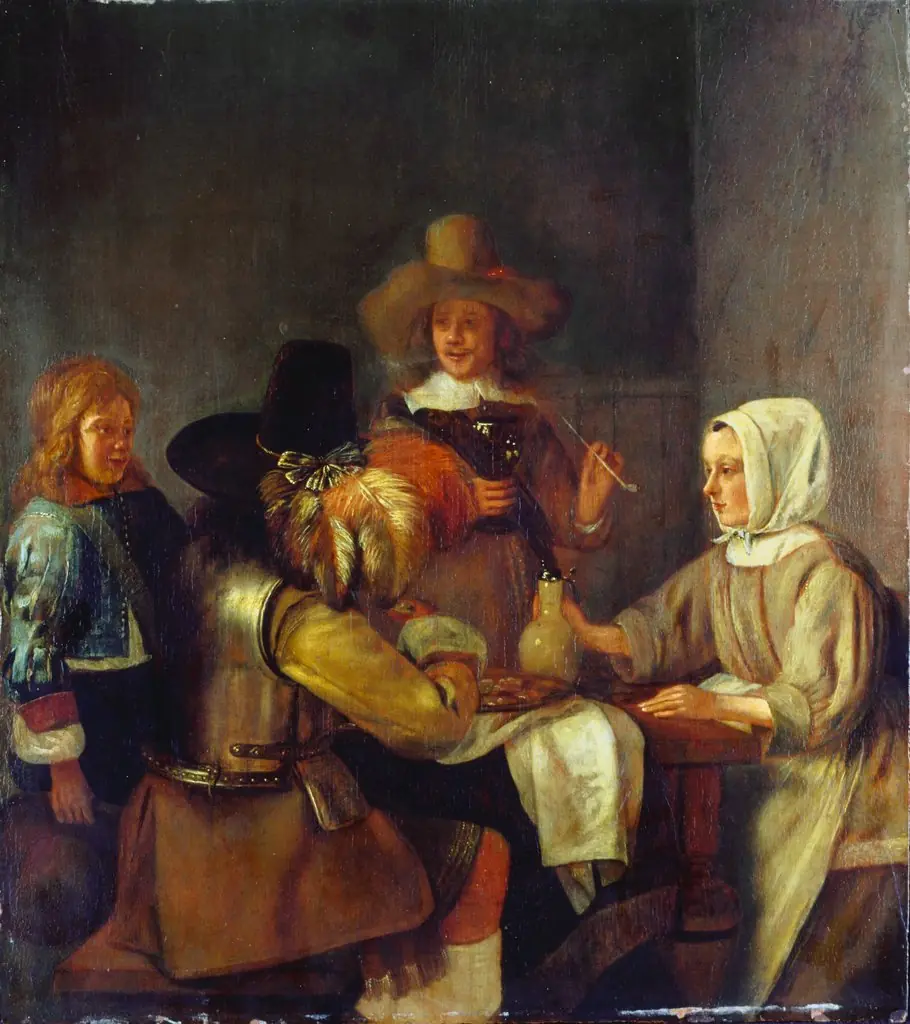
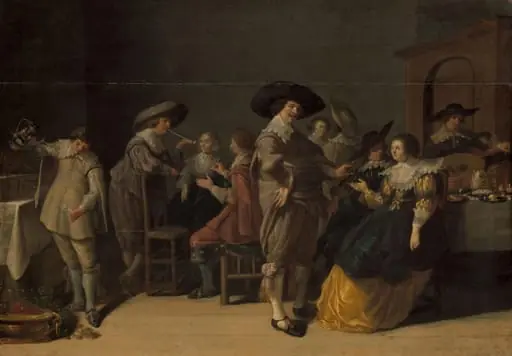
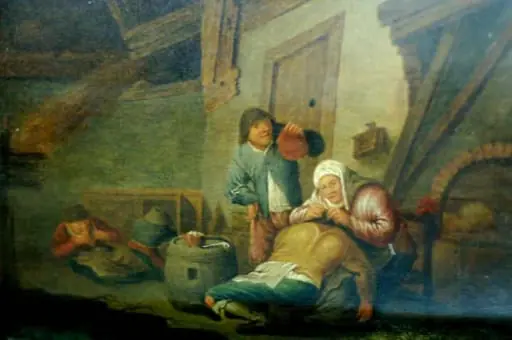
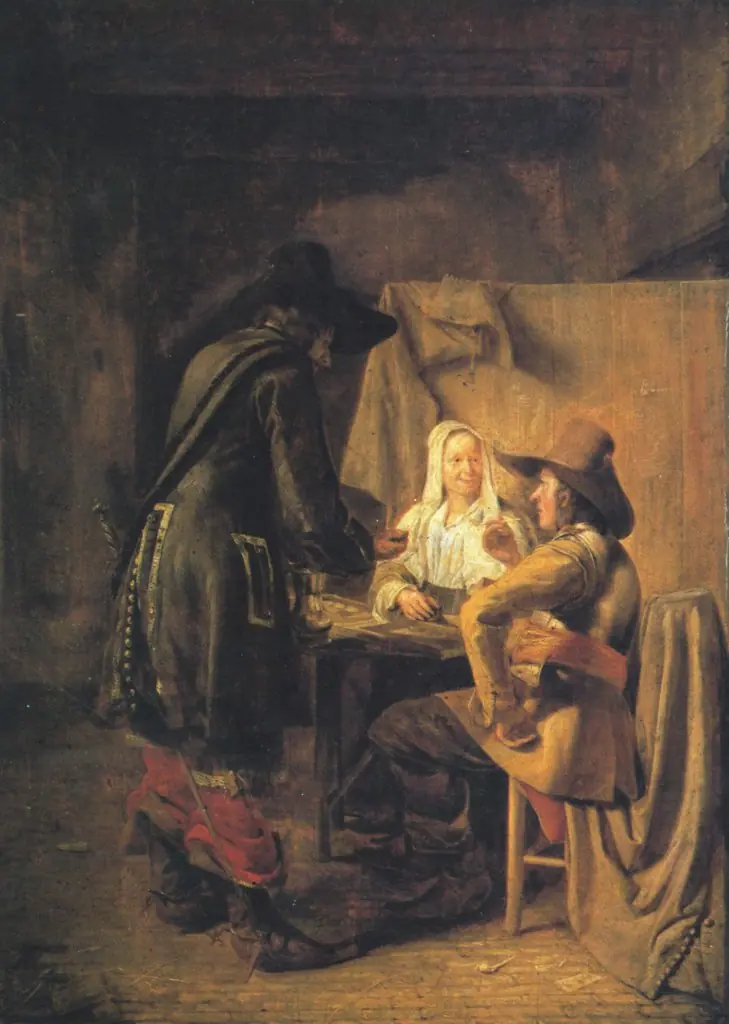
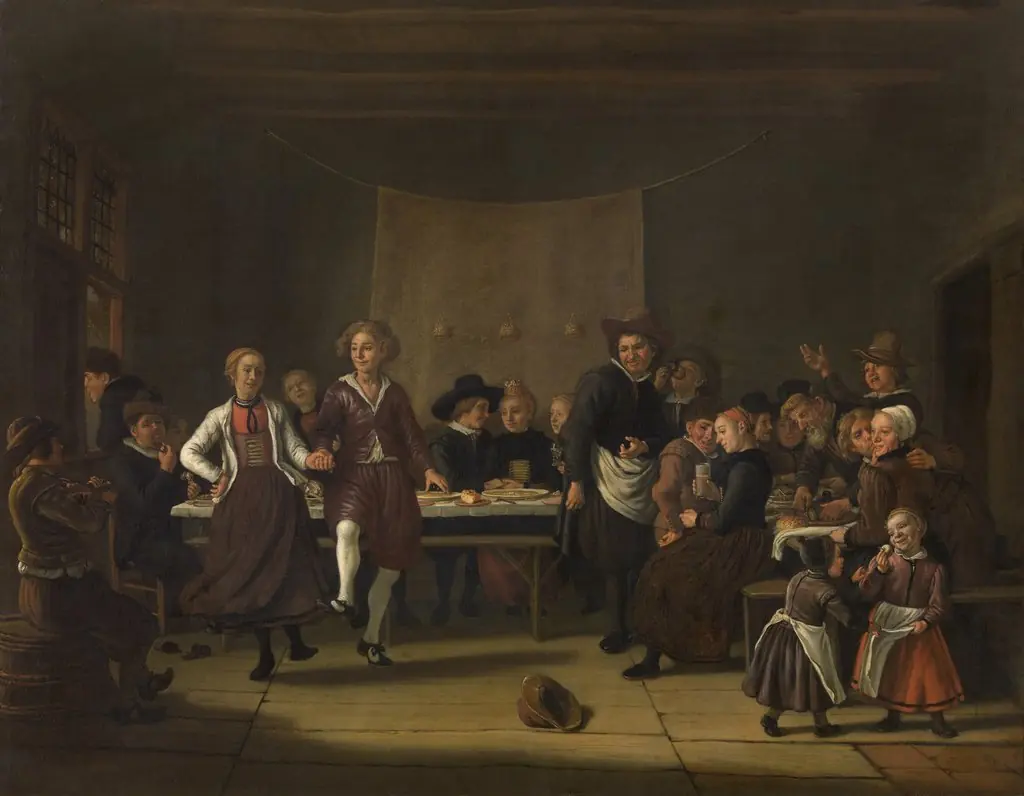
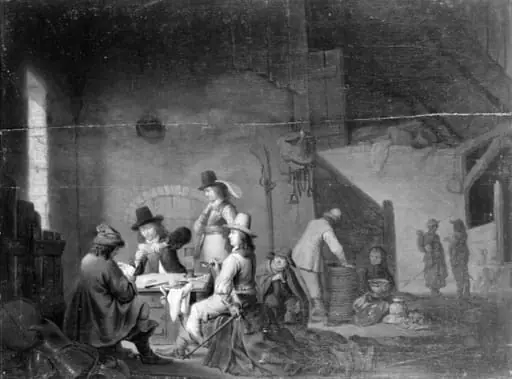
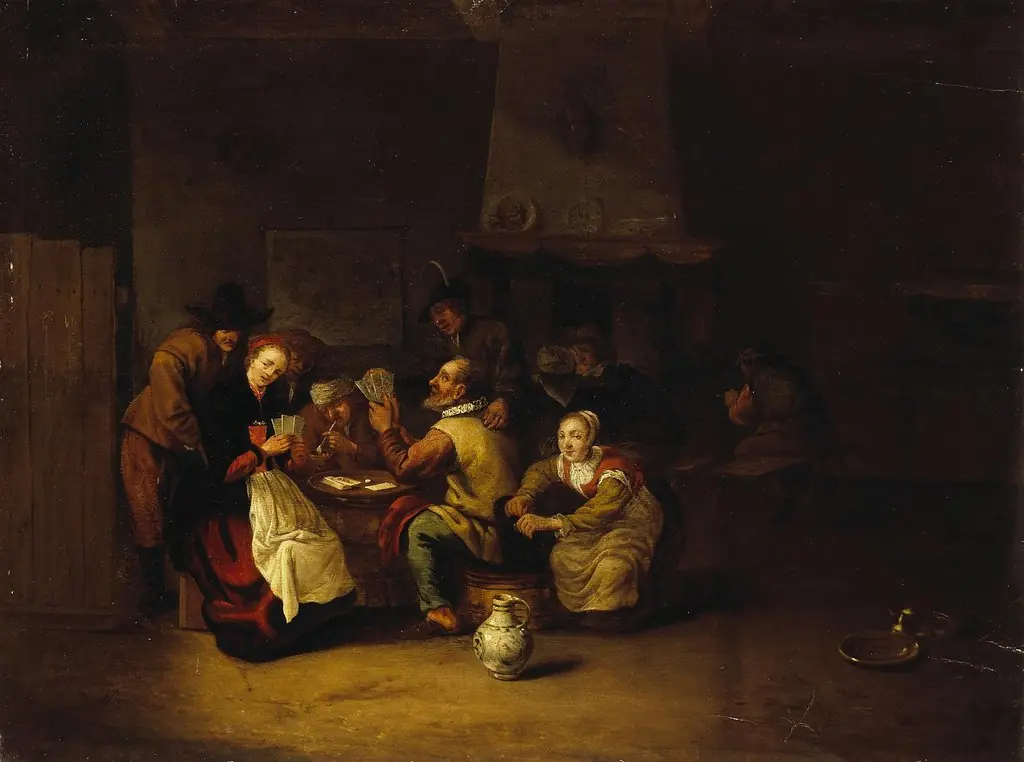
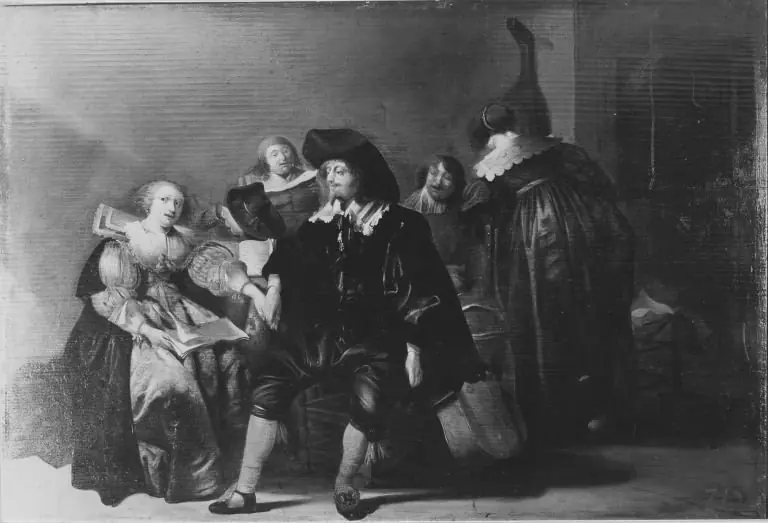
Scenă de interior is an unspecified painting by Pieter Jacobs Codde. It is held in the collection of the Romanian Academy in Bucharest. This interior scene depicts a quiet gathering of figures around a table, illuminated by a single light source from the left.
About this work
Overview
The setting, rendered with subtle realism, reflects domestic life in the Dutch Golden Age, emphasizing atmosphere over drama.
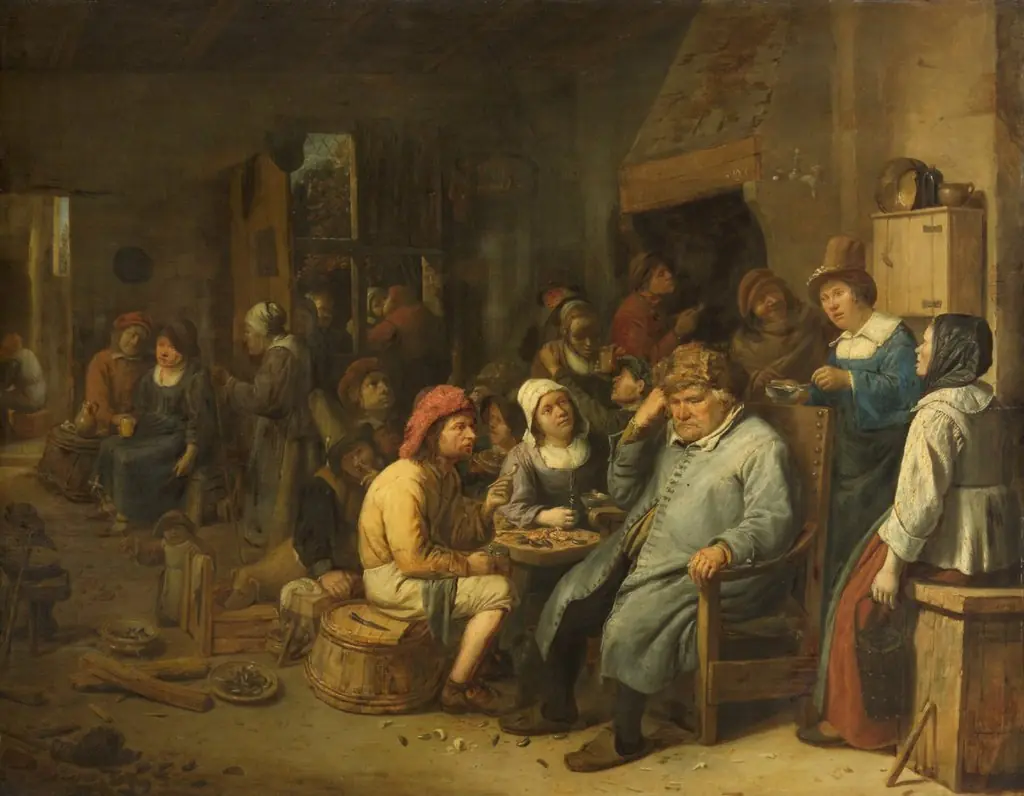
This interior scene depicts a quiet gathering of figures around a table, illuminated by a single light source from the left. The composition centers on interpersonal interaction, with no overt narrative action. The muted palette and soft shadows suggest a moment of contemplation rather than celebration. The setting, rendered with subtle realism, reflects domestic life in the Dutch Golden Age, emphasizing atmosphere over drama.
Subject & Meaning
The figures, dressed in 17th-century attire, appear engaged in quiet conversation, their postures suggesting intimacy rather than formality. The absence of clear symbolic objects or gestures implies a focus on ordinary social exchange. The dim lighting and restrained expressions convey a sense of private, unremarkable moments—valued in Dutch genre painting for their authenticity and psychological nuance.
Technique & Style
Chiaroscuro is employed to model forms and guide attention toward the table’s center, where the figures converge. The brushwork is refined but unobtrusive, avoiding dramatic contrasts in favor of gradual tonal shifts. Earth tones—ochres, browns, and muted greens—dominate, reinforcing the scene’s quiet realism. Light falls naturally, enhancing spatial depth without theatricality.
History & Provenance
The painting is attributed to Pieter Jacobs Codde, a Dutch artist active in Amsterdam during the early 1600s. Though less widely known than contemporaries like Rembrandt, Codde specialized in intimate interior scenes and portraits. This work aligns with his documented interest in domestic settings and subdued lighting, though its exact provenance prior to modern collection remains undocumented.
Context
Created during the Dutch Golden Age, the painting reflects a cultural shift toward valuing private, everyday life over religious or aristocratic themes. Genre scenes like this one appealed to a rising merchant class who sought art that mirrored their own experiences. The restrained lighting and modest setting echo broader trends in Northern European painting, prioritizing observation over idealization.
Legacy
Codde’s work, including this interior scene, contributed to the development of Dutch genre painting by emphasizing psychological subtlety and quiet realism. While not widely reproduced or celebrated in his time, his approach influenced later artists interested in the emotional potential of ordinary moments. Today, such works are studied for their insight into 17th-century social dynamics and visual language.
Artist & collection
Artist
This Dutch painter spent his life in Amsterdam, where he turned the city’s quiet corners into stories—think a musician mid-note, a reader lost in the lamplight, or a servant caught between chores.