Artwork
Branch Hill Pond, Hampstead
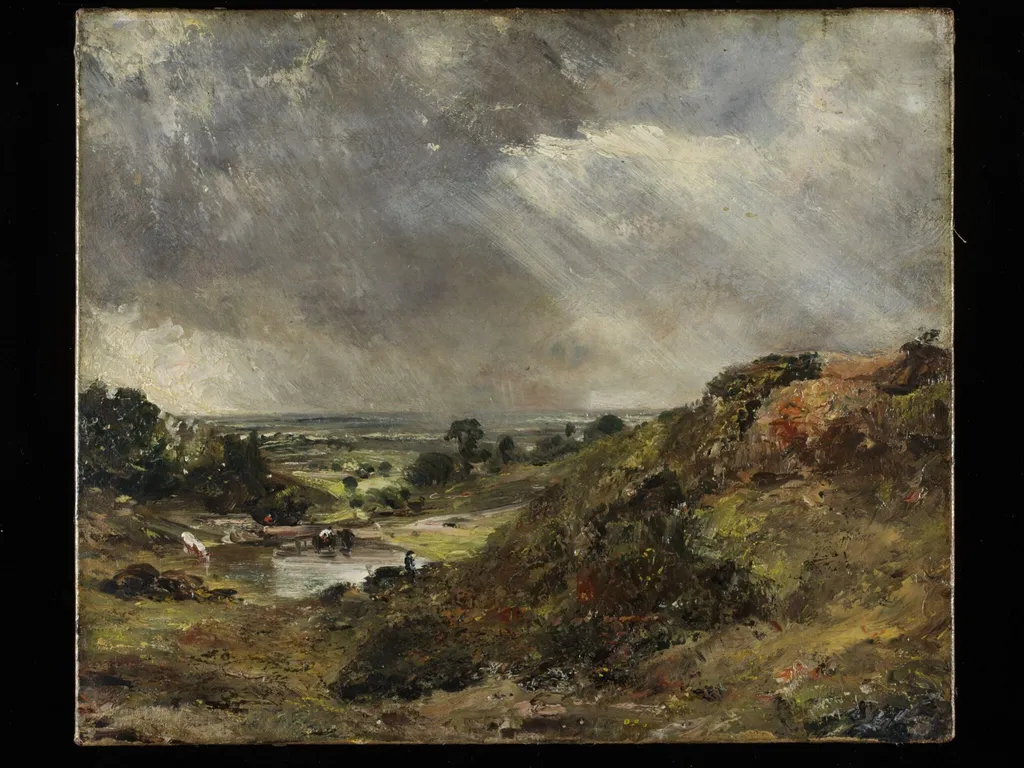
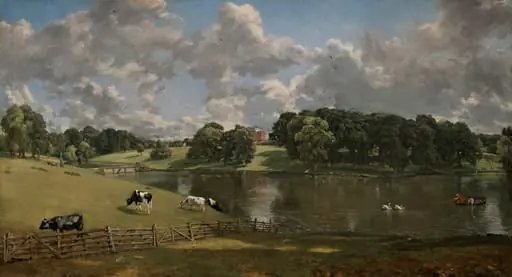
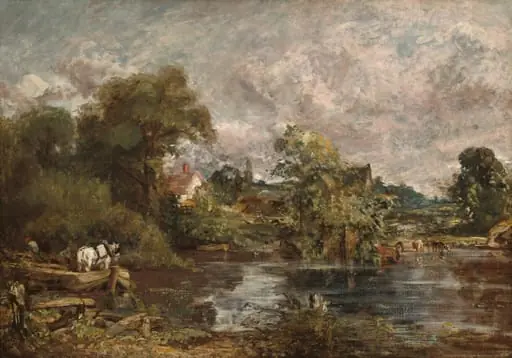
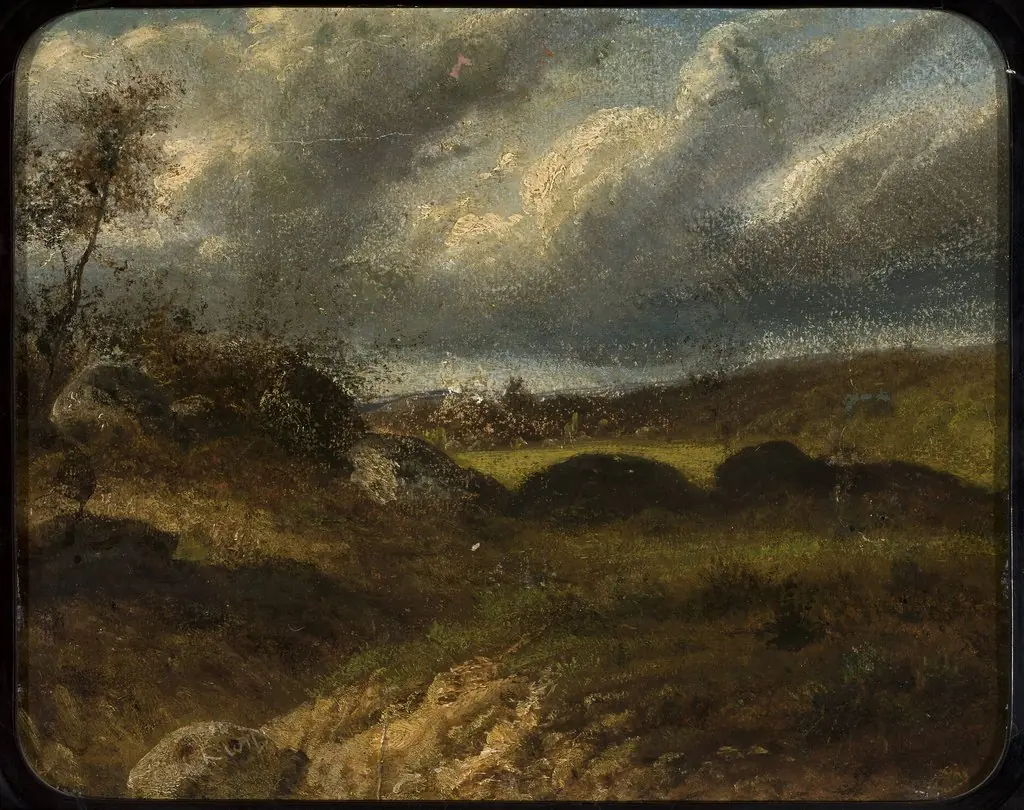
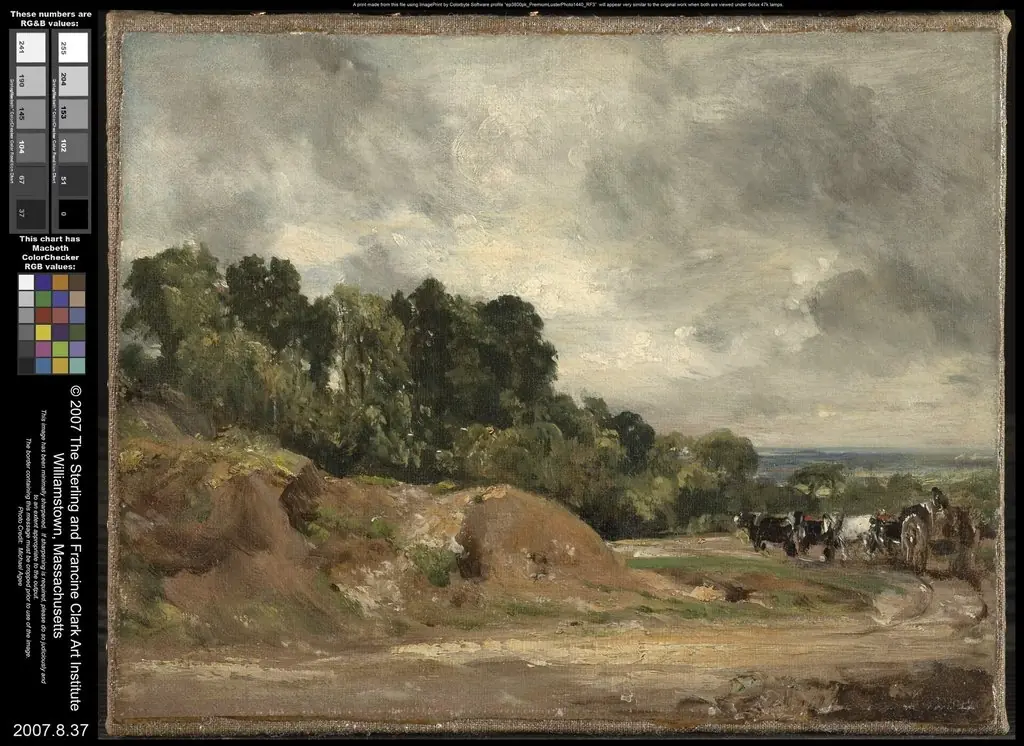
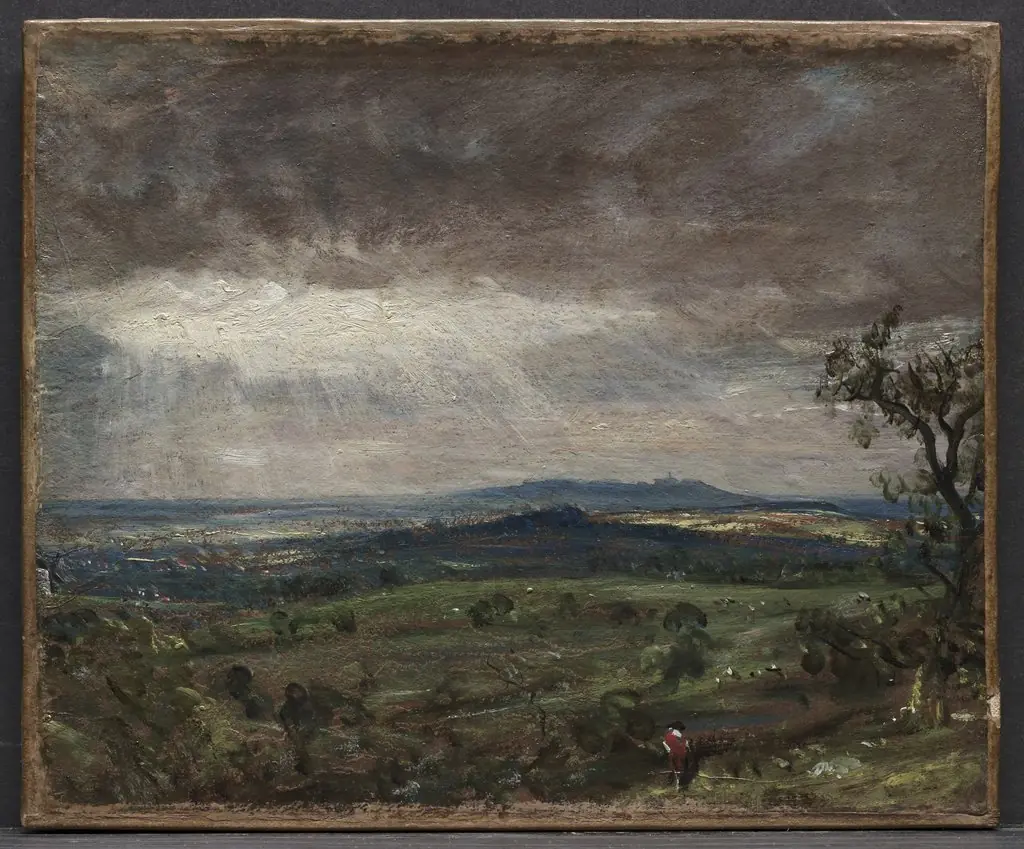
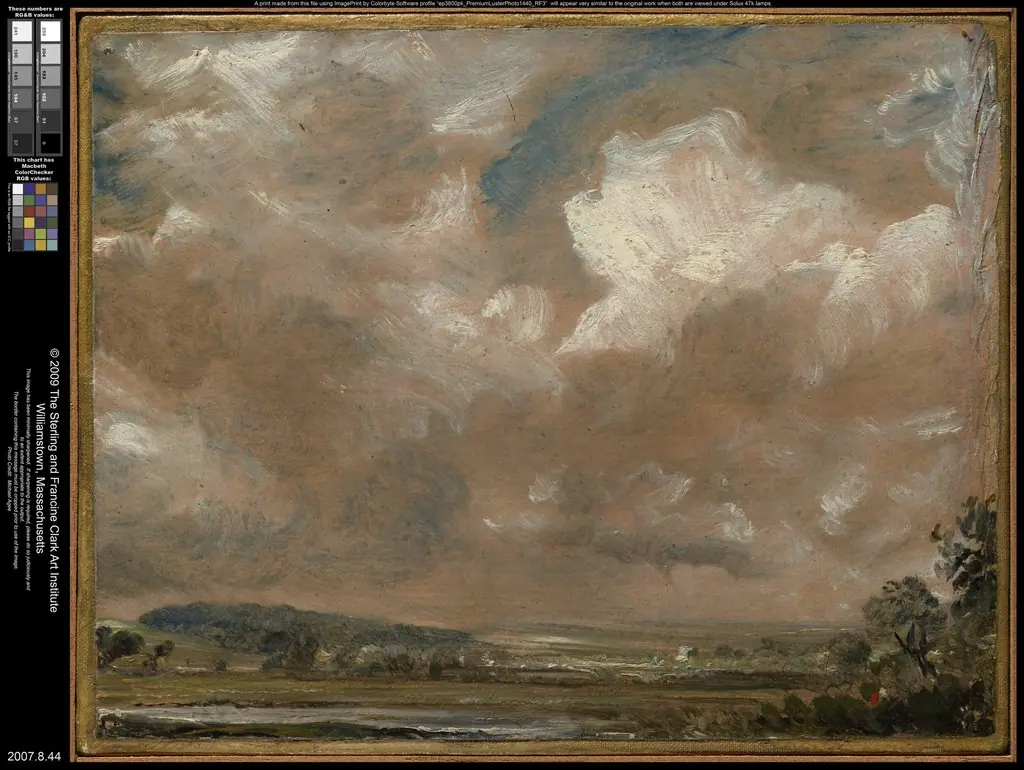
Branch Hill Pond, Hampstead is an oil painting by the Romanticist artist John Constable. It dates from 1819 and is held in the collection of the Victoria and Albert Museum.
About this work
You can see the pond’s calm surface and the trees around it.
John Constable painted Branch Hill Pond, Hampstead in 1819. It’s an oil on canvas, a quiet landscape. The painting shows a small pond near his new home.
He moved to Hampstead that summer. Branch Hill Pond became one of his favorite spots. He used this view in several bigger paintings later.
Constable liked to sketch outdoors first. Then he worked up the details in his studio. You can see the pond’s calm surface and the trees around it.
Check out the Victoria and Albert Museum.
Overview
John Constable painted Branch Hill Pond in 1819, shortly after moving to Hampstead. Executed in oil on canvas, the work is a modest outdoor sketch that captures a quiet stretch of water surrounded by trees. Unlike his finished exhibition pieces, this painting reflects direct observation rather than idealized composition, serving as a foundational study for later, larger works.
Subject & Meaning
The scene depicts a modest pond on the edge of Hampstead Heath, near Constable’s new residence. Its unassuming character—still water, scattered foliage, and unremarkable terrain—reflects his interest in ordinary English landscapes. Rather than seeking grandeur, Constable found value in the subtle rhythms of nature close to home, elevating everyday views through attentive observation.
Technique & Style
Constable applied oil paint with loose, responsive brushwork, capturing light and atmosphere with immediacy. The surface retains the texture of sketching outdoors: broken strokes suggest foliage, while muted tones ground the scene in naturalism. This method prioritized sensory truth over polished finish, forming the basis for his later studio compositions that expanded on this initial observation.
History & Provenance
Created in the summer of 1819, the painting originated from Constable’s early days in Hampstead, where he sought respite from London. It remained in his possession and was later used as a reference for larger works. The piece eventually entered the collection of the Victoria and Albert Museum, where it is held as a key example of his preparatory practice.
Context
Constable’s move to Hampstead marked a shift toward intimate, local subjects. At the time, landscape painting was often reserved for dramatic or historic scenes; his focus on a quiet pond reflected a broader interest in the emotional resonance of familiar places. This work aligns with his growing commitment to painting from life, rejecting academic conventions in favor of direct experience.
Legacy
Branch Hill Pond exemplifies Constable’s method of using small outdoor studies to inform major works. Its preservation highlights the importance of sketching in his process and influenced later artists who valued direct observation over studio idealization. The painting remains a quiet testament to his belief that ordinary nature held profound artistic potential.
Artist & collection
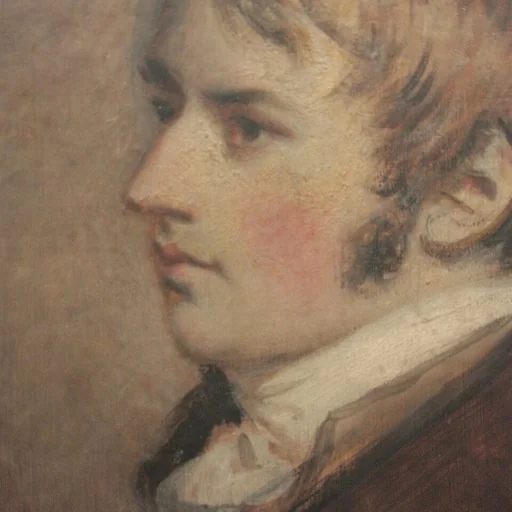
Artist
John Constable (; 11 June 1776 – 31 March 1837) was an English landscape painter in the Romantic tradition.