Artwork
Italian Landscape near Marino in Autumn
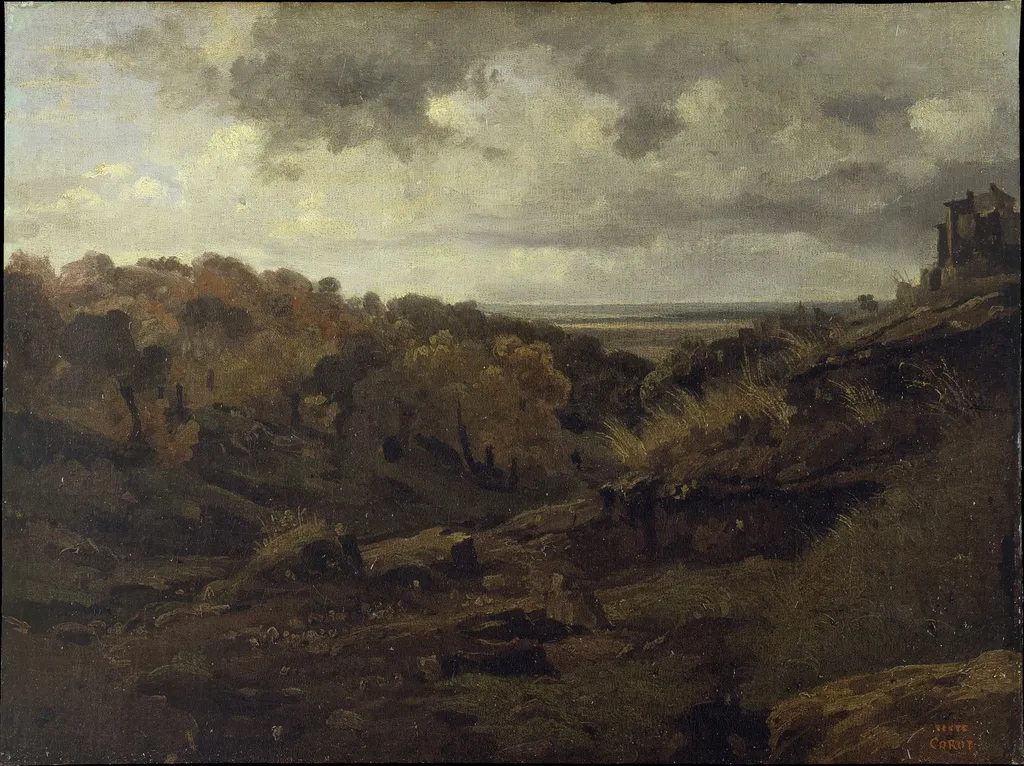
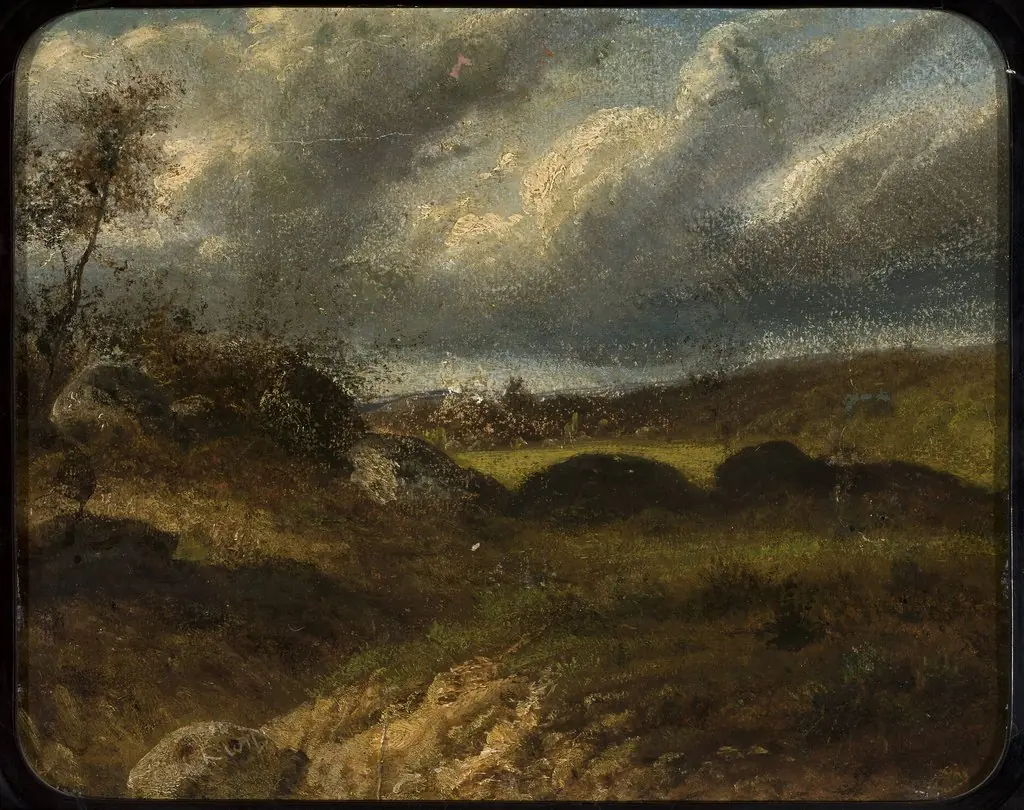
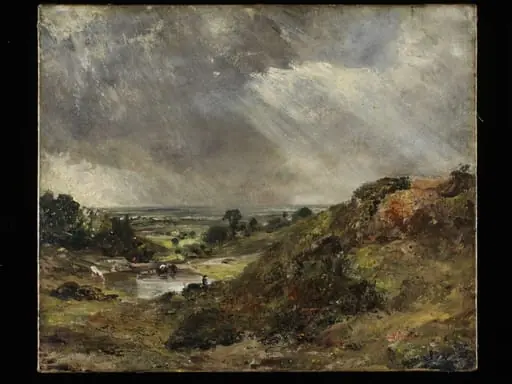
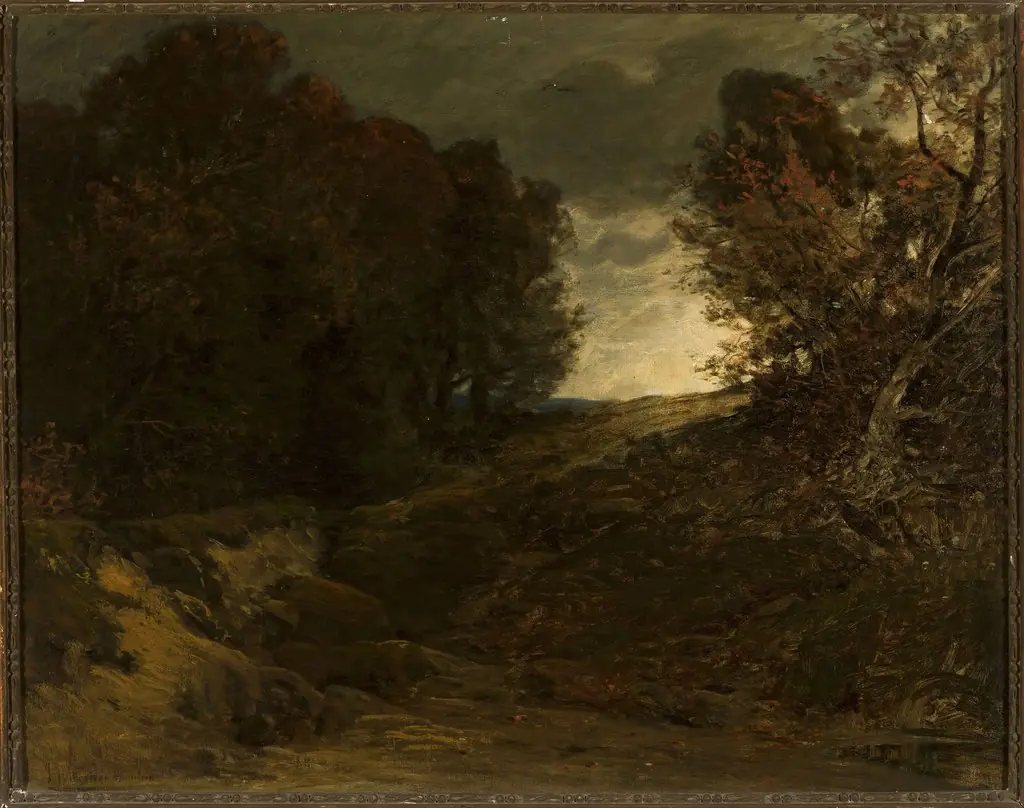
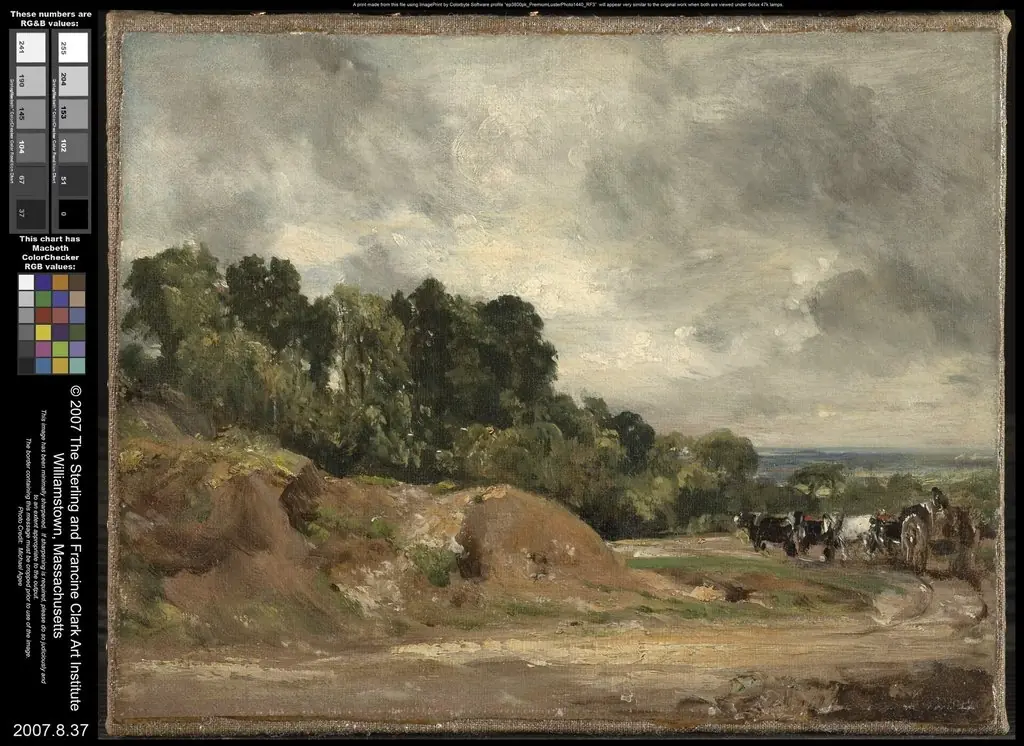
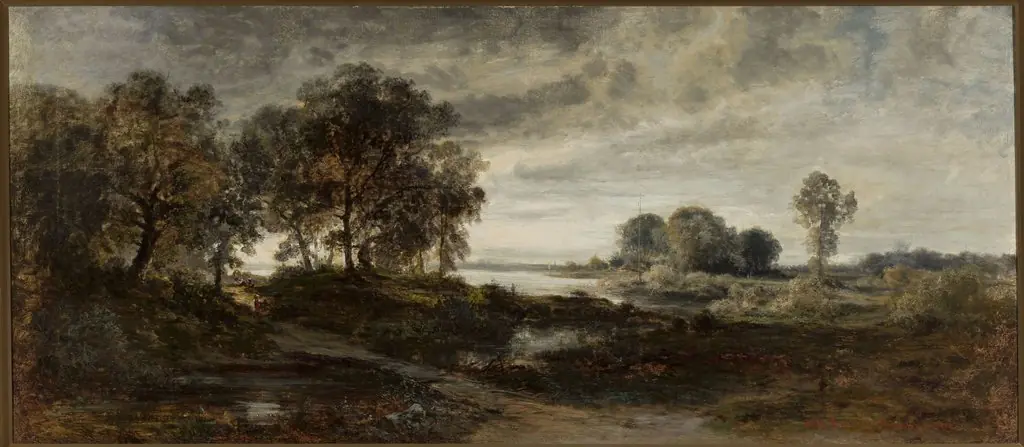
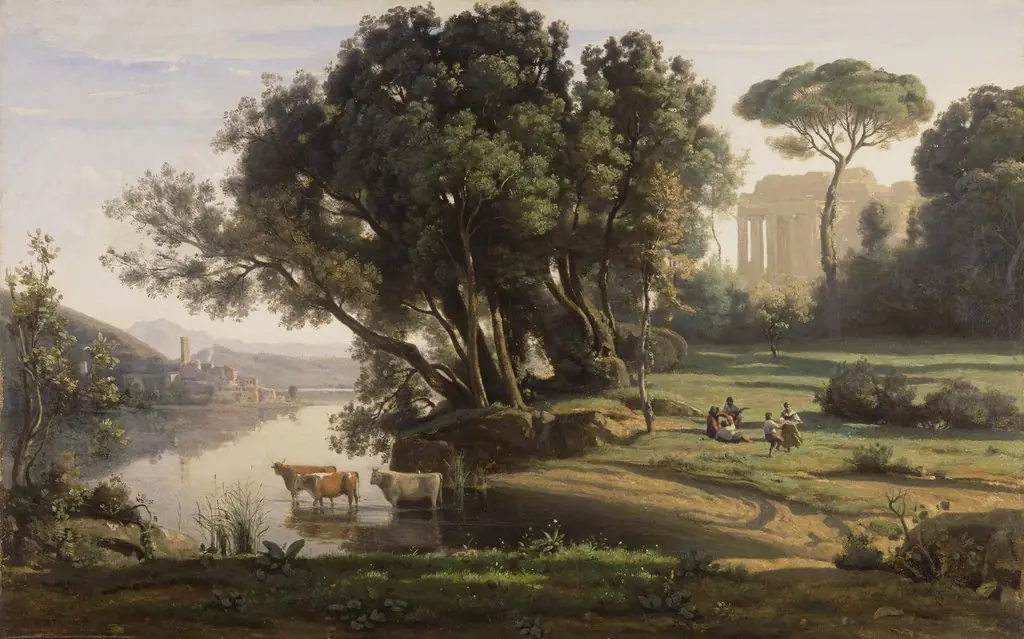
Italian Landscape near Marino in Autumn is an oil painting by the Barbizon school artist Jean Baptiste Camille Corot. It dates from 1826 and is held in the collection of the Städel Museum. Painted in 1826, this oil on canvas depicts a quiet Italian countryside near Marino during autumn.
About this work
Overview
Painted in 1826, this oil on canvas depicts a quiet Italian countryside near Marino during autumn. Created by the French artist Jean-Baptiste-Camille Corot, the work reflects his early engagement with Italian scenery and his evolving approach to landscape, blending observed naturalism with a restrained, poetic sensibility. It resides today in the Städel Museum’s collection.
Subject & Meaning
The scene presents a gently rolling hillside cloaked in autumnal trees, with modest stone structures nestled among the foliage.
The scene presents a gently rolling hillside cloaked in autumnal trees, with modest stone structures nestled among the foliage. Distant horizons and a muted sky suggest a tranquil, unhurried rhythm of rural life. No human figures are present, emphasizing solitude and the quiet endurance of nature. The composition invites contemplation rather than narrative, aligning with Corot’s interest in mood over drama.
Technique & Style
Corot employed soft brushwork and subtle tonal gradations to model forms, avoiding sharp outlines. The warm ochres and greens of the earth contrast with the cool, diffused grays of the sky, enhancing spatial depth. Light is diffused evenly, suggesting late afternoon, and atmospheric perspective is achieved through reduced contrast and saturation in the distance, a hallmark of his emerging plein-air approach.
History & Provenance
Corot painted this work during his first extended stay in Italy, a formative period that shaped his landscape vision. It was likely acquired by the Städel Museum in the 19th century, possibly through German collectors familiar with French Romantic and early Realist trends. Its preservation reflects early institutional recognition of Corot’s significance beyond portraiture.
Context
In the 1820s, French artists increasingly traveled to Italy to study classical ruins and rural life. Corot’s work diverged from academic idealization, favoring direct observation and subtle light effects. Though not yet aligned with the Barbizon School, this painting anticipates its values: sincerity to nature, quiet composition, and emotional resonance over theatricality.
Legacy
This early work reveals Corot’s foundational role in shifting landscape painting toward naturalism. His sensitivity to seasonal light and atmospheric nuance influenced later generations, including the Impressionists. Though less celebrated than his later works, this painting exemplifies the quiet transition from Neoclassical convention to modern observational practice.
Own this work as a print
Artist & collection
Artist
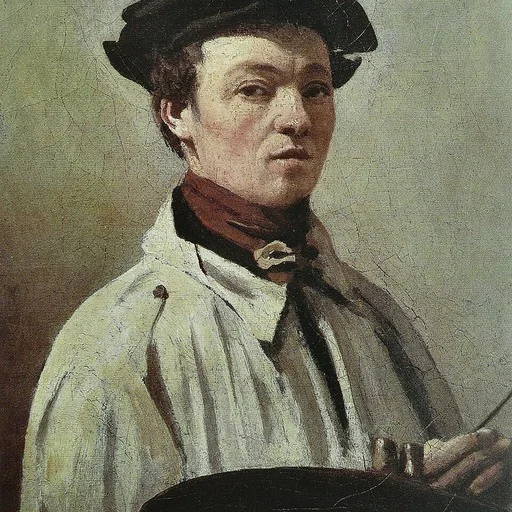
Jean-Baptiste-Camille Corot (UK: KORR-oh, US: kə-ROH, kor-OH; French: ; 16 July 1796 – 22 February 1875), or simply Camille Corot, was a French landscape and portrait painter as well as a printmaker in etching.