Artwork
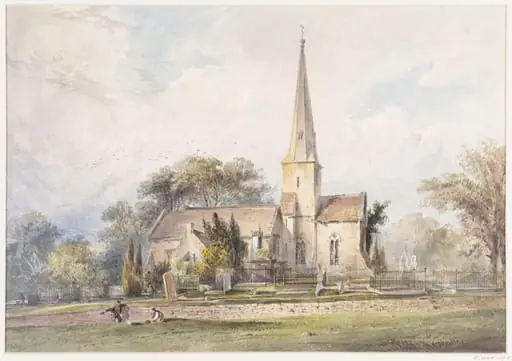
Porch of the Church at East Bergholt, Suffolk
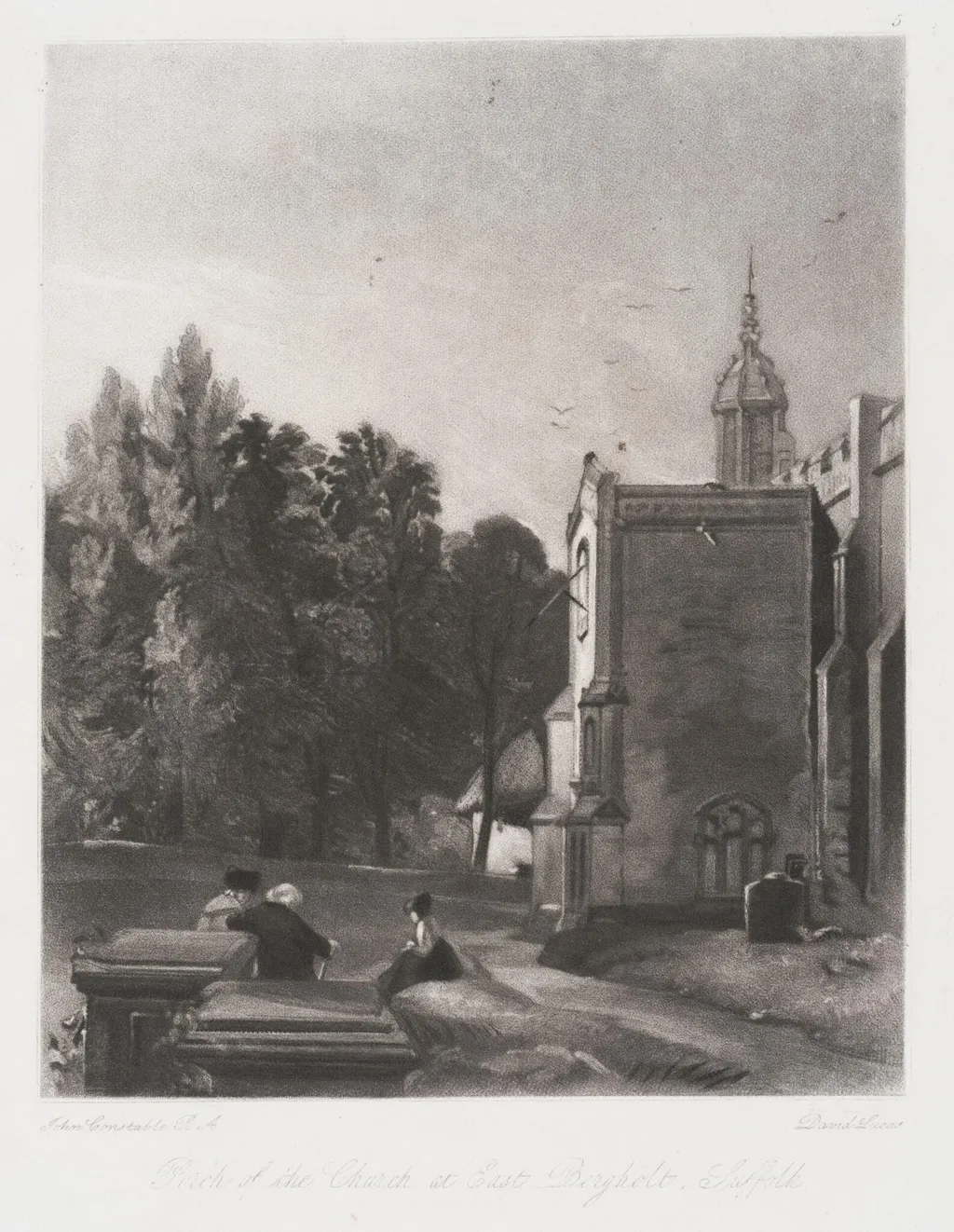
Porch of the Church at East Bergholt, Suffolk is a print by the Impressionist artist John Constable. It is held in the collection of the Victoria and Albert Museum.
About this work
This print is titled Porch of the Church at East Bergholt, Suffolk.
It was part of a series of mezzotints based on John Constable's oil sketches and paintings.
The series was published in several parts and editions, with Constable revising it in 1833, and reprints made after his death.
You can learn more about this style by looking at Impressionism.
Overview
Porch of the Church at East Bergholt, Suffolk is a mezzotint print from John Constable’s series English Landscape, published between 1830 and 1832.
Porch of the Church at East Bergholt, Suffolk is a mezzotint print from John Constable’s series English Landscape, published between 1830 and 1832. It was one of twenty-two plates produced under Constable’s direct supervision, based on his own oil sketches and paintings. The project was a deliberate effort to preserve and communicate his vision of English rural scenery through the tonal richness of mezzotint, a technique then uncommon for landscape reproduction.
Subject & Meaning
The print depicts the modest church porch in East Bergholt, a village where Constable was born and spent much of his life. Rather than a grand monument, the scene emphasizes quiet, everyday architecture nestled in natural surroundings. This choice reflects Constable’s belief in the dignity of local landscapes and his desire to elevate ordinary English views as worthy of artistic attention, grounded in personal memory and emotional resonance.
Technique & Style
David Lucas, a skilled mezzotinter, translated Constable’s oil sketches into tonal prints using the labor-intensive mezzotint process, which allows subtle gradations of light and shadow. Constable worked closely with Lucas, refining each plate to capture the atmospheric effects he valued—soft transitions, diffused light, and the interplay of dark and pale areas. The result is a print that echoes the texture and mood of his paintings, not merely their composition.
History & Provenance
The English Landscape series was published in six installments between 1830 and 1832, with Constable revising the plates in 1833. After his death in 1837, Lucas continued to print and occasionally add new plates from earlier studies. The original copper plates were preserved and reprinted into the late 19th century, ensuring the series remained accessible, though never commercially dominant during Constable’s lifetime.
Context
Constable’s project emerged amid a period when landscape painting was still undervalued in academic circles. Drawing inspiration from Claude Lorrain and Turner, he sought to position English scenery as equal to classical or romantic traditions. By focusing on local sites and natural light, he countered prevailing tastes for idealized or dramatic vistas, offering instead a quiet, observed realism rooted in lived experience.
Legacy
Though largely overlooked in his time, the English Landscape series later influenced artists interested in tonal harmony and atmospheric truth. Its emphasis on light as a structural element in landscape prefigured concerns later central to Impressionism. The prints remain significant as a rare instance of a painter directly shaping the reproduction of his work, asserting control over how his vision was seen and understood.
Artist & collection
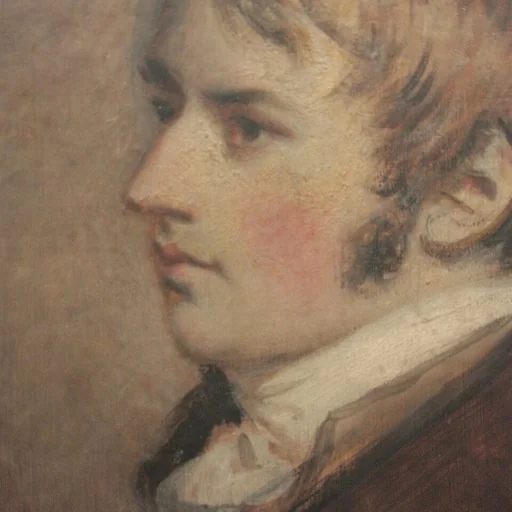
Artist
John Constable (; 11 June 1776 – 31 March 1837) was an English landscape painter in the Romantic tradition.

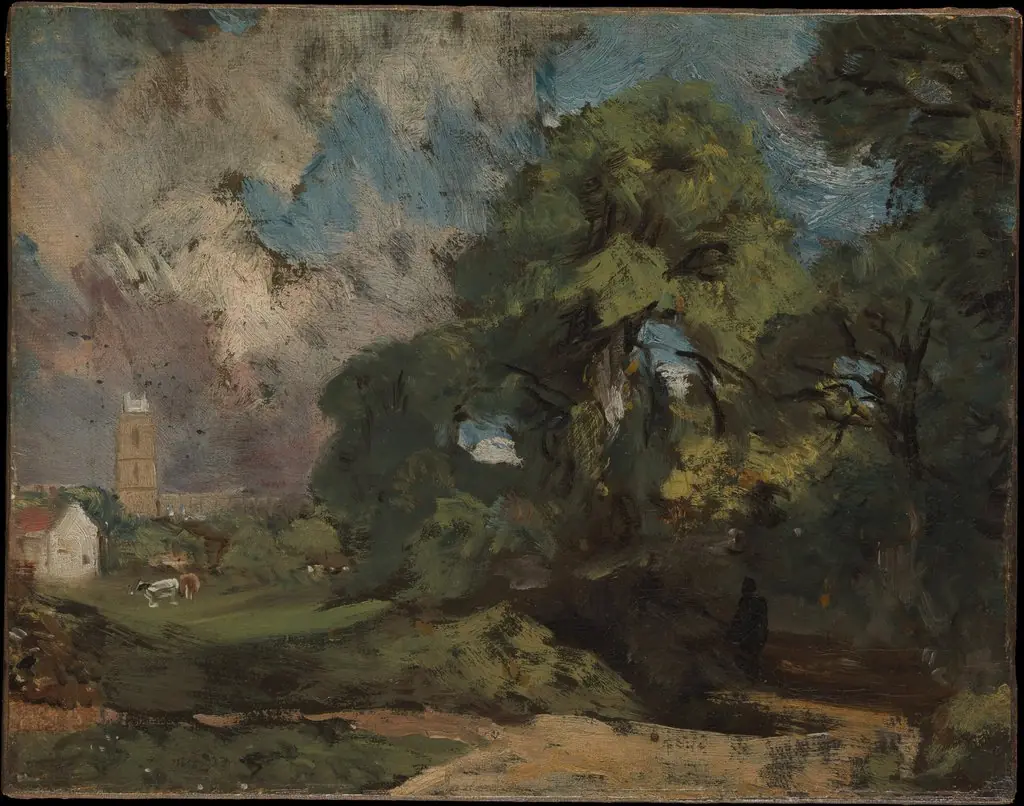
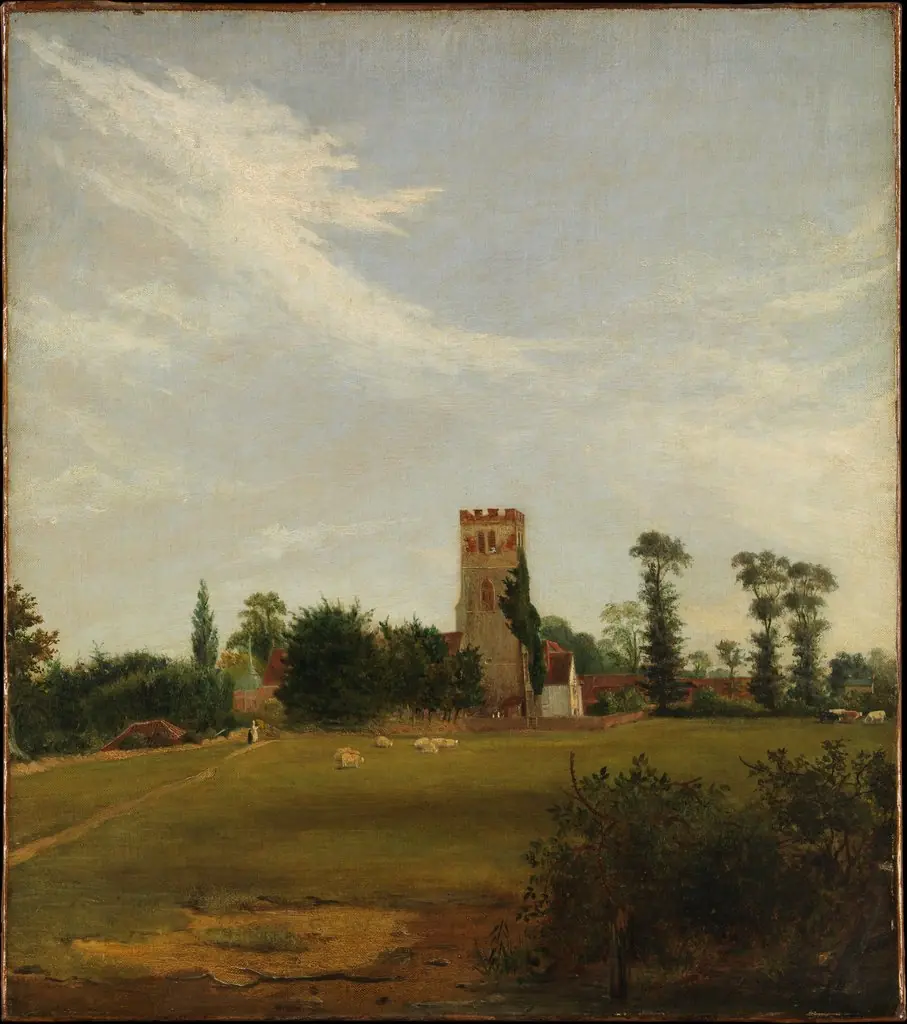
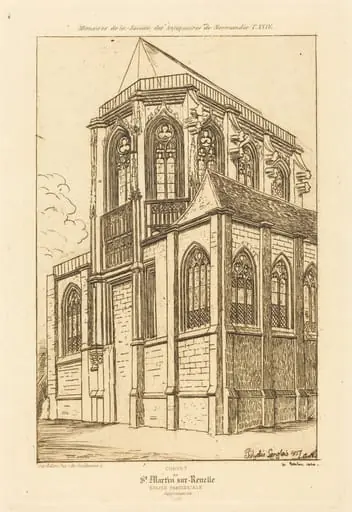 Chevet de St. Martin-sur-Renelle (The Apsis of the Church of St. Martin-sur-Renelle)
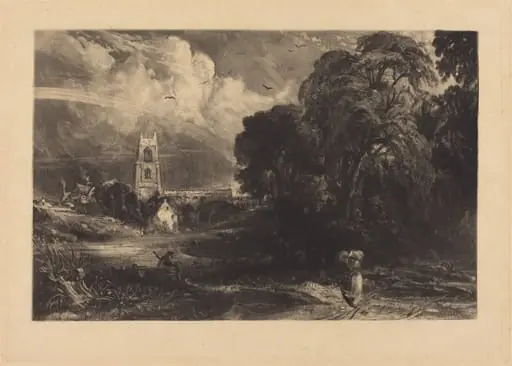 Stoke-by-Neyland
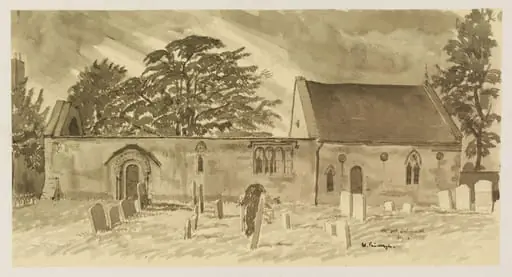 St.George's Church, Hatford
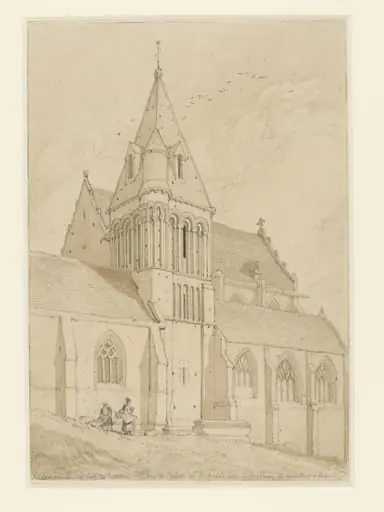 Church of St Michel, Vaucelles, near Bayeux
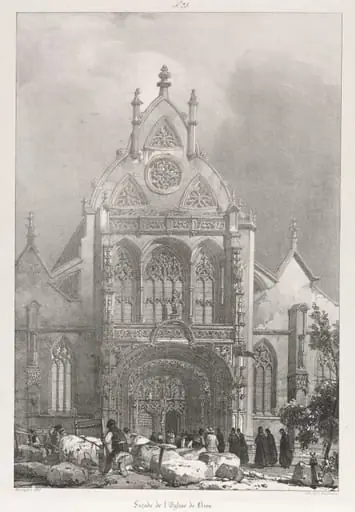 Picturesque and Romantic Trips in Old France, Franche-Compté: Front of the Church at Brou
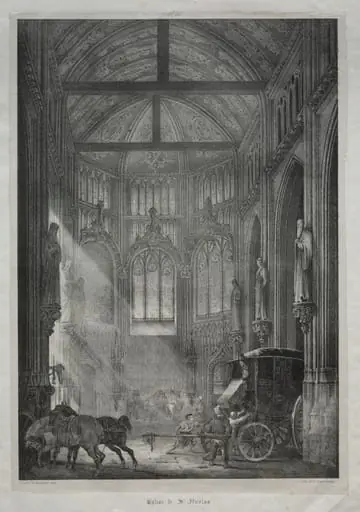 Church of St. Nicholas, Rouen
 Church and churchyard