Artwork
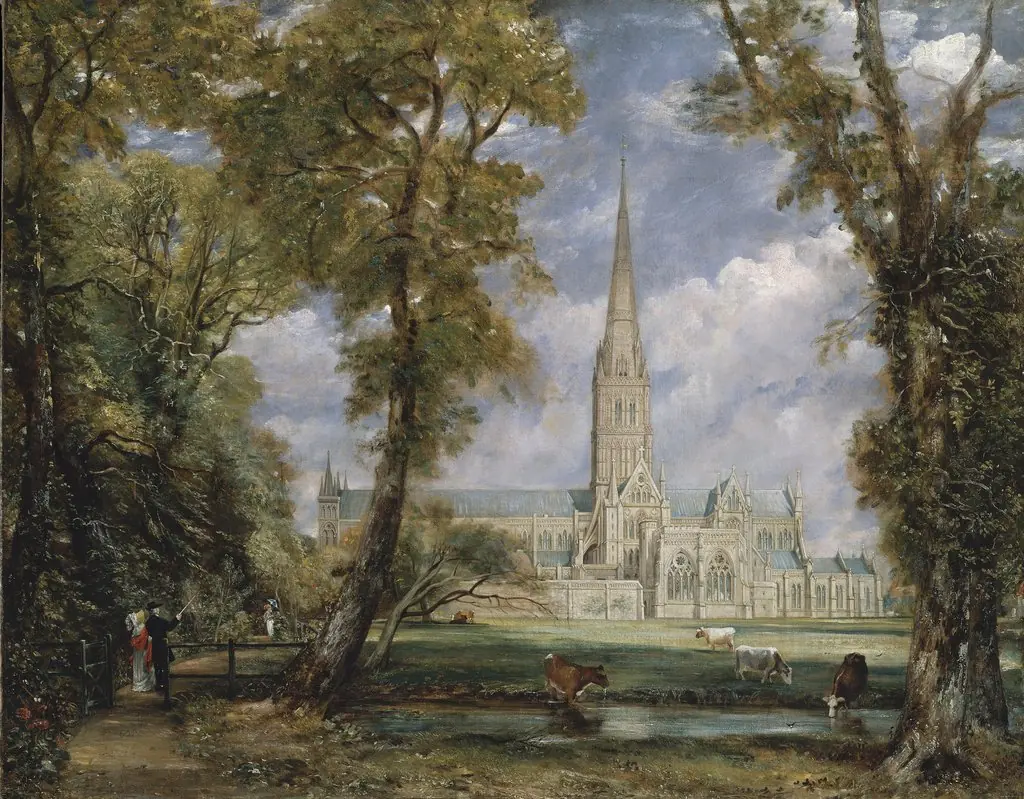
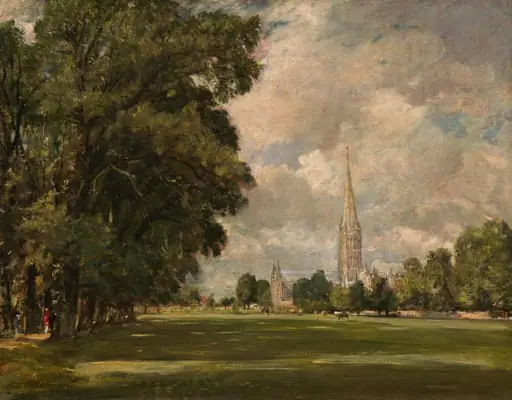
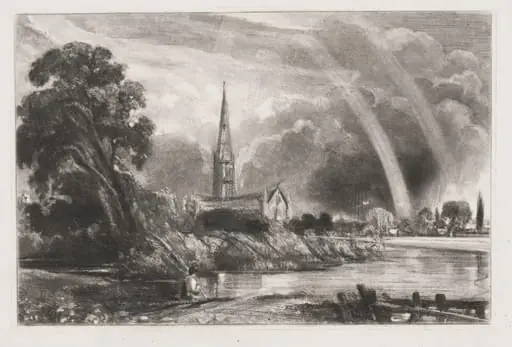
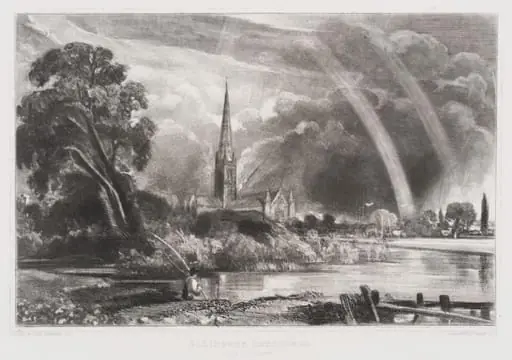
SALISBURY CATHEDRAL. FROM THE MEADOWS
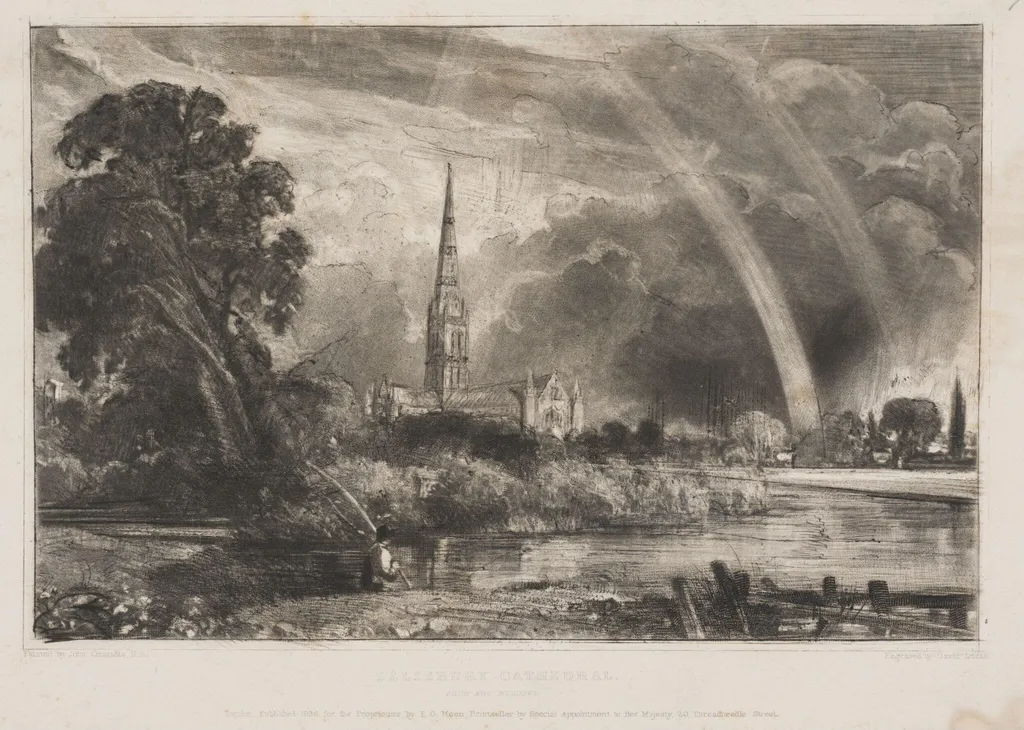
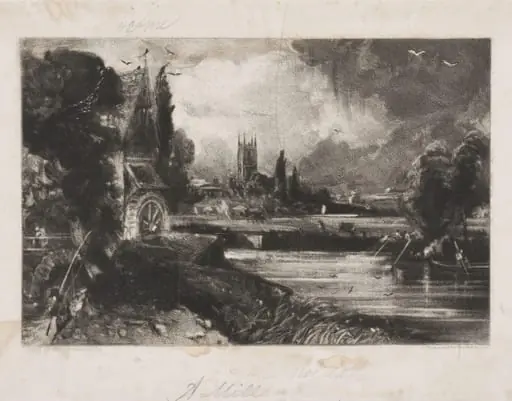
SALISBURY CATHEDRAL. FROM THE MEADOWS is a print by John Constable. It is held in the collection of the Victoria and Albert Museum. SALISBURY CATHEDRAL.
About this work
To learn more about the techniques used in this print, look up the technique of mezzotint, but for now, check out the work of artist: Constable, John (RA).
This print is titled SALISBURY CATHEDRAL. FROM THE MEADOWS. It's a work by John Constable from the mid 19th century.
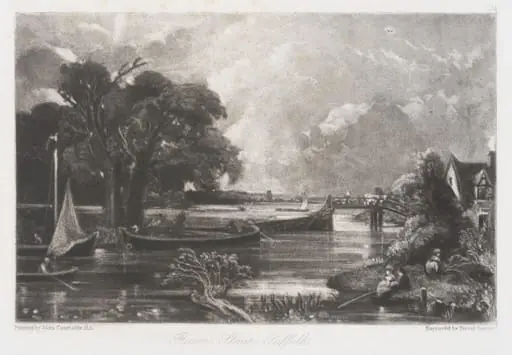
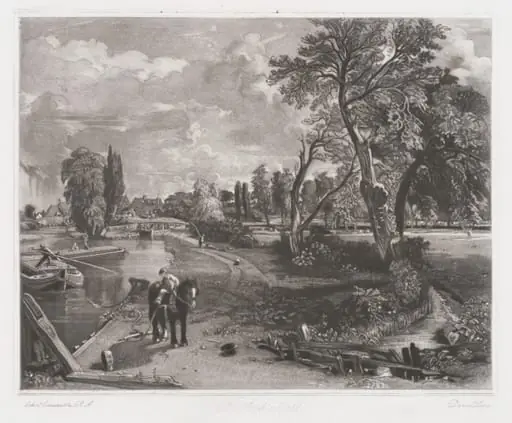
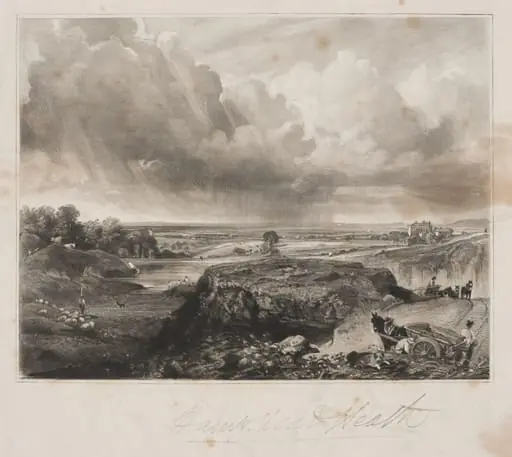
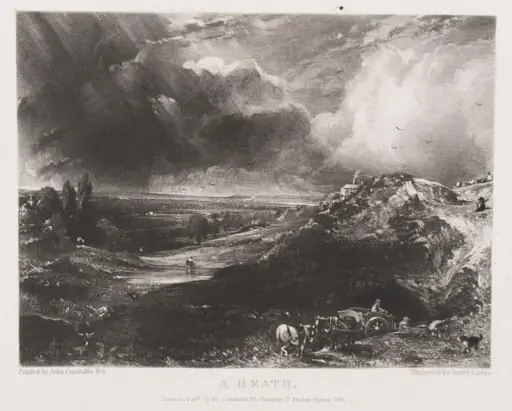
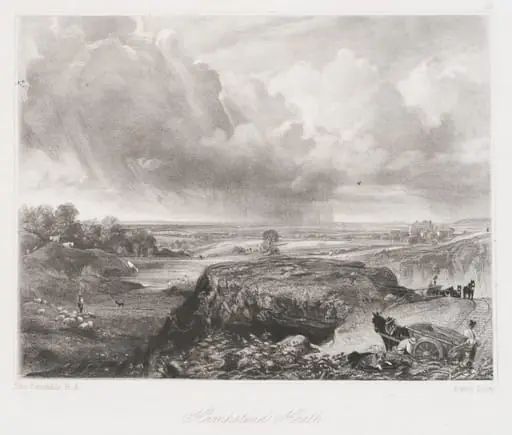
The print is part of a series of mezzotints based on Constable's oil sketches and paintings. This series was published in several parts.
To learn more about the techniques used in this print, look up the technique of mezzotint, but for now, check out the work of artist: Constable, John (RA).
Overview
SALISBURY CATHEDRAL. FROM THE MEADOWS is a mezzotint print from John Constable’s series English Landscape, published between 1830 and 1832. Commissioned by Constable and executed by David Lucas, the series translated his oil sketches and paintings into printed form. The project represented Constable’s final major effort to define his artistic vision, using the tonal richness of mezzotint to convey the atmospheric effects he prized in landscape painting.
Subject & Meaning
The print depicts Salisbury Cathedral rising from a broad, sunlit meadow under a dramatic sky. Constable selected this view not merely as a topographical record but as an emotional statement—linking the enduring presence of the cathedral with the transient beauty of natural light. The composition reflects his belief in nature’s moral and spiritual order, where light and shadow serve as expressive forces rather than mere visual effects.
Technique & Style
Mezzotint, a labor-intensive intaglio process, allowed for subtle gradations of tone, ideal for rendering the hazy atmospheres Constable favored. David Lucas, working closely with Constable, used roughened copper plates and meticulous scraping to achieve soft transitions between light and dark. The result mimics the painterly quality of Constable’s oils, with clouds and grass rendered in nuanced grays rather than sharp lines, emphasizing mood over detail.
History & Provenance
The print was issued in 1831 as part of the first edition of English Landscape, a six-part publication. Constable personally oversaw each stage, correcting proofs and advising Lucas on tonal balance. After his death in 1837, Lucas continued to reprint and expand the series using original plates. Later editions, including those from the 1840s, preserved the integrity of Constable’s intent, though some variations emerged due to wear and reworking of the plates.
Context
In the 1830s, landscape painting was often dismissed as secondary to historical or portrait subjects. Constable, still underappreciated in England, turned to printmaking to reach a broader audience and assert the dignity of English scenery. Drawing on the compositional principles of Claude Lorrain and the luminosity of Turner, he positioned his work as a serious artistic tradition rooted in direct observation of the natural world.
Legacy
English Landscape established mezzotint as a legitimate medium for fine art reproduction in Britain. Though commercially modest during Constable’s lifetime, the series later influenced 19th-century printmakers and helped cement his reputation as a pioneer of naturalistic landscape. The Salisbury Cathedral print, in particular, remains a key example of how print could extend an artist’s vision beyond the canvas.
Artist & collection
Artist
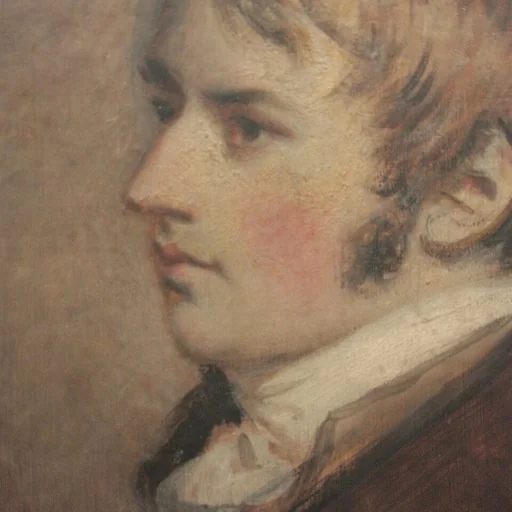
John Constable (; 11 June 1776 – 31 March 1837) was an English landscape painter in the Romantic tradition.