Artwork
Fisherman's Wife
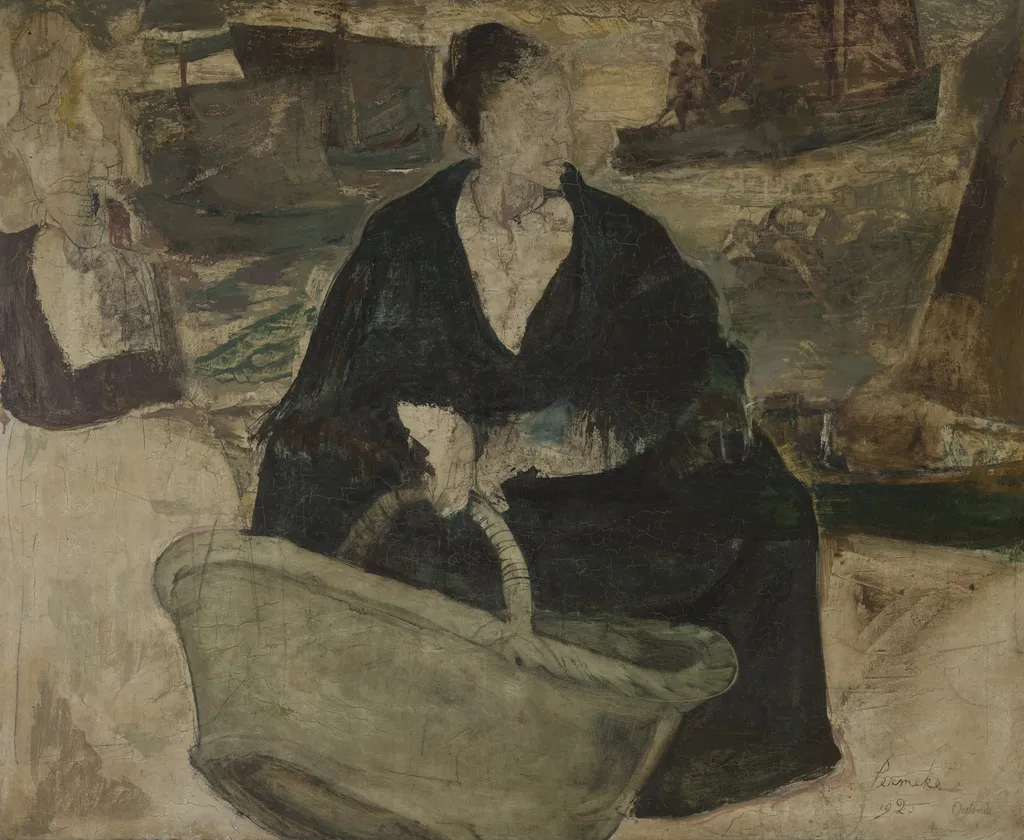
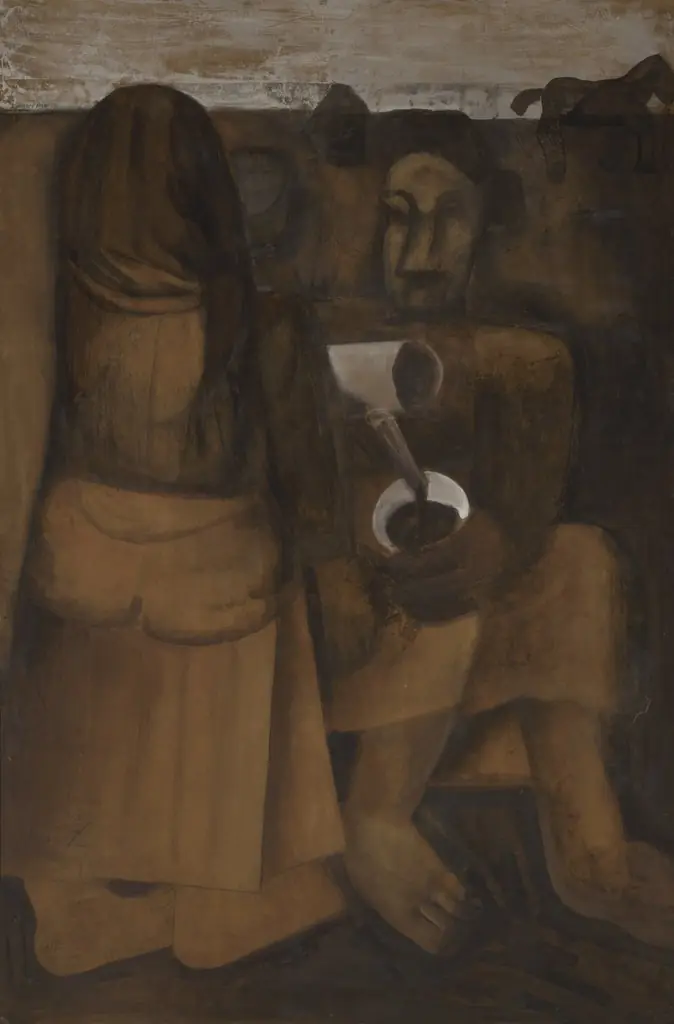
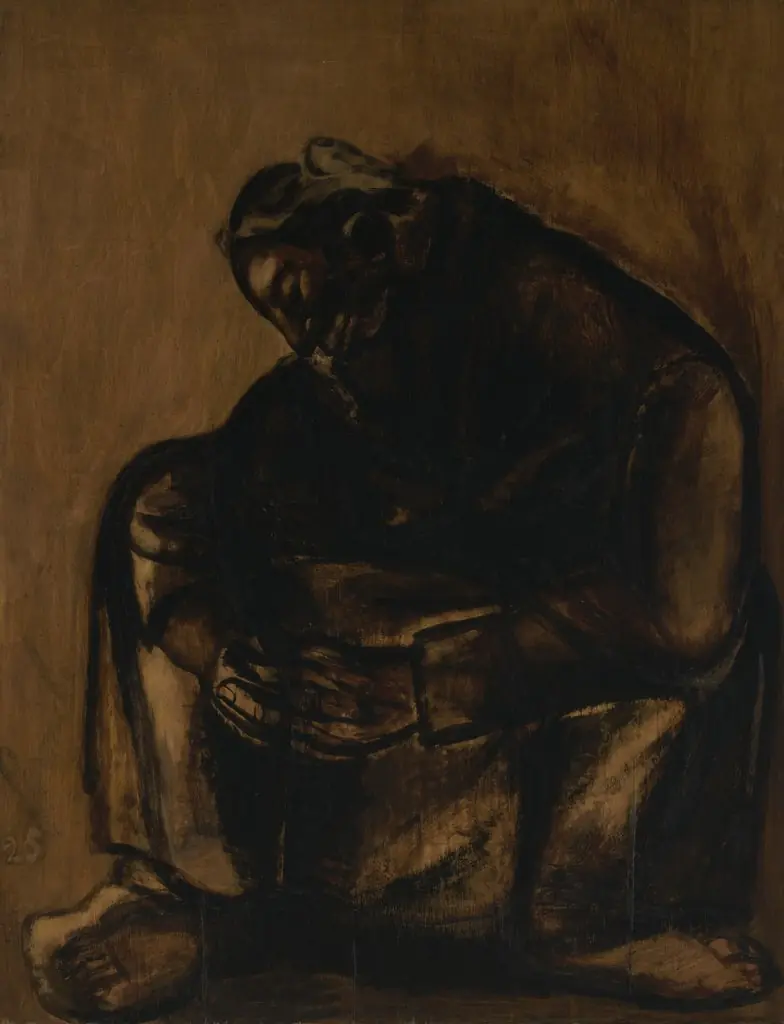
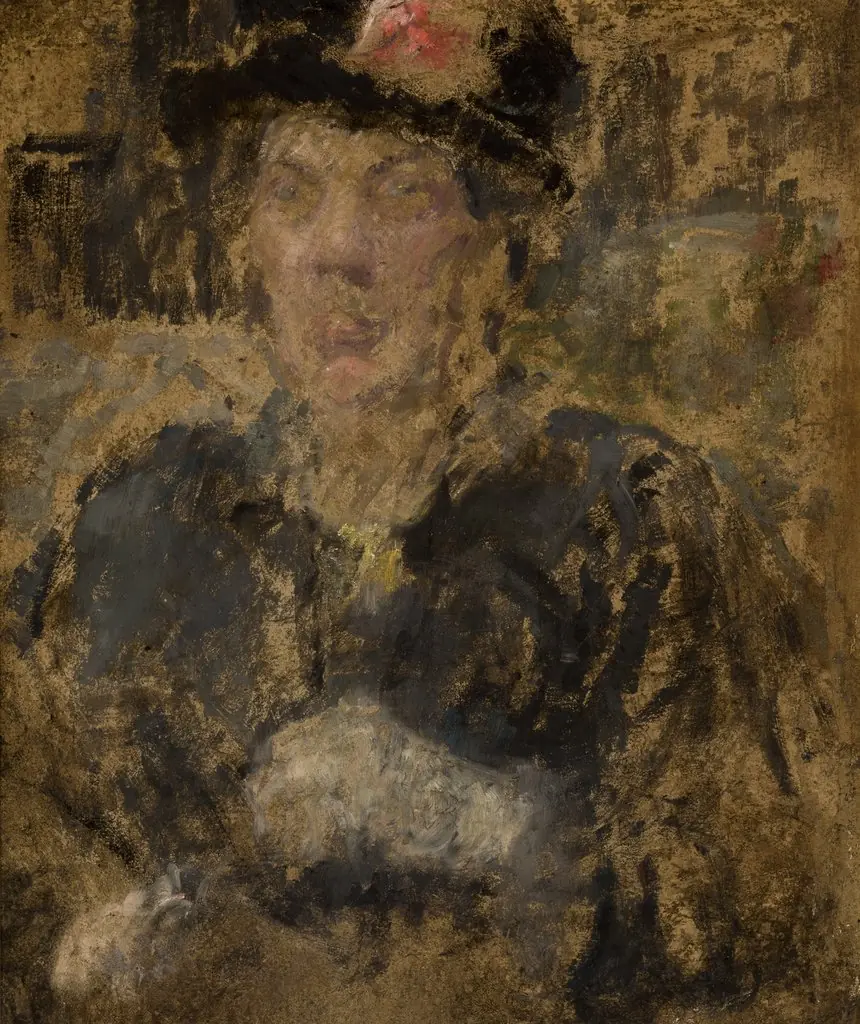
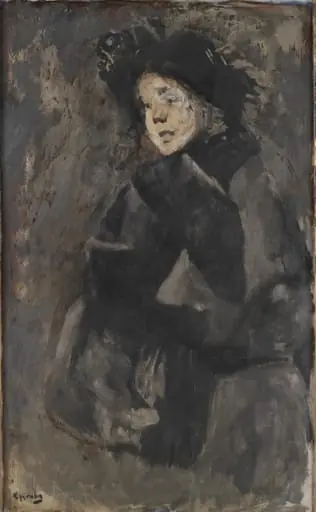
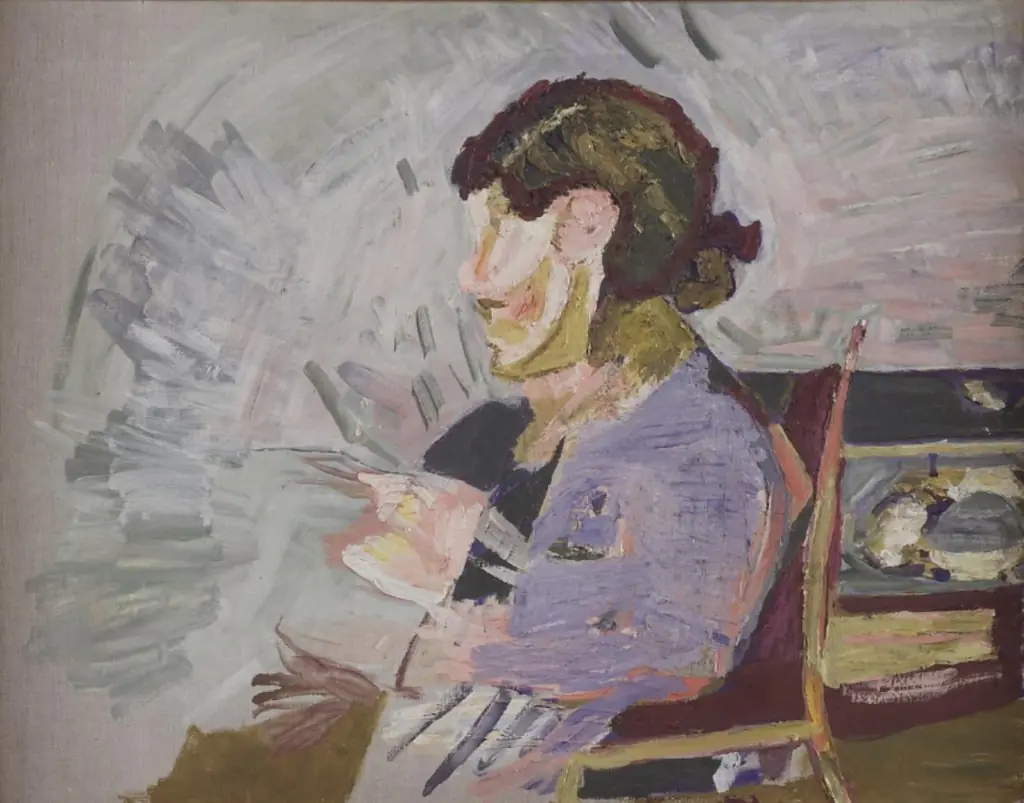
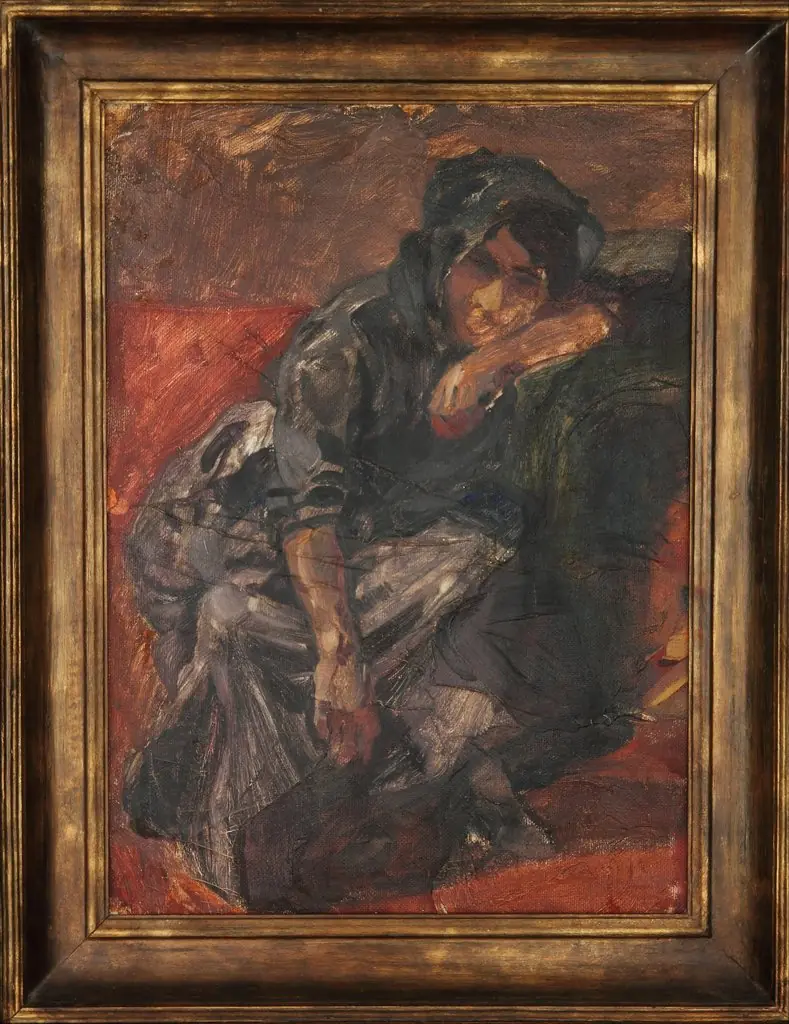
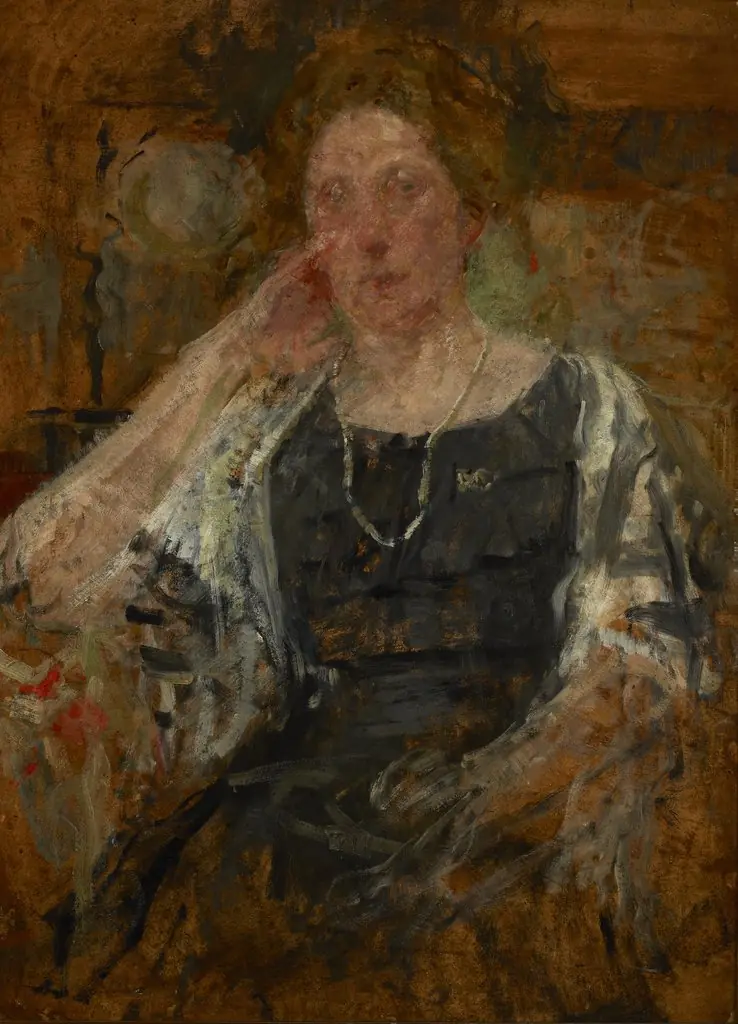
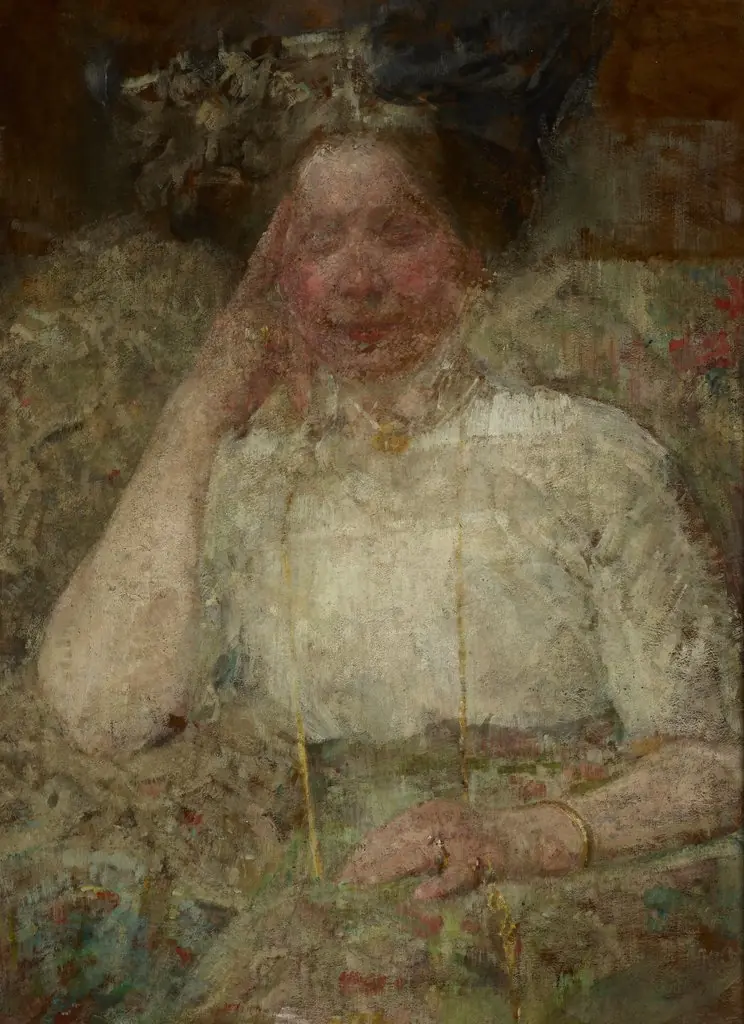
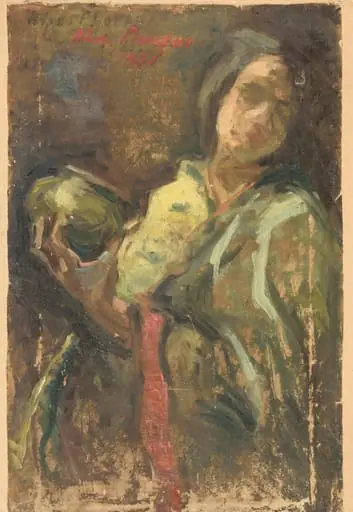
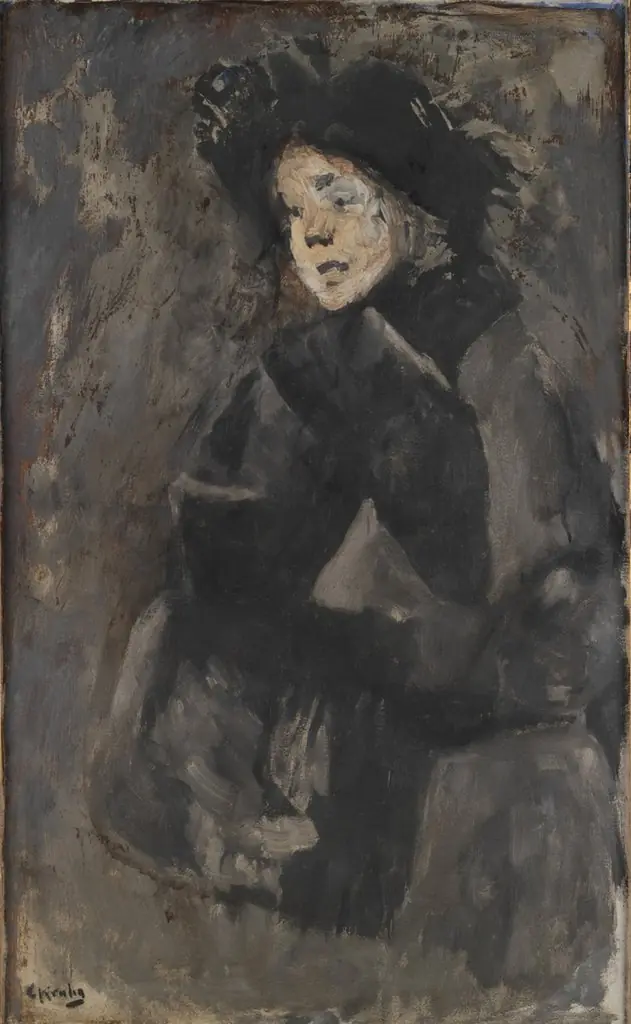
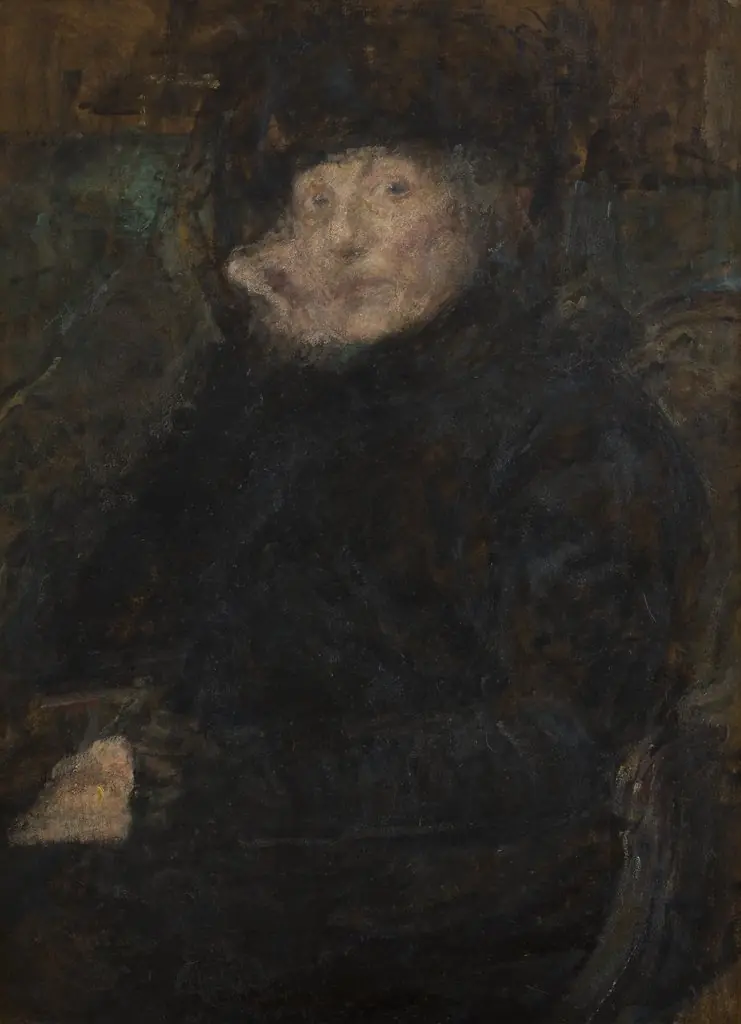
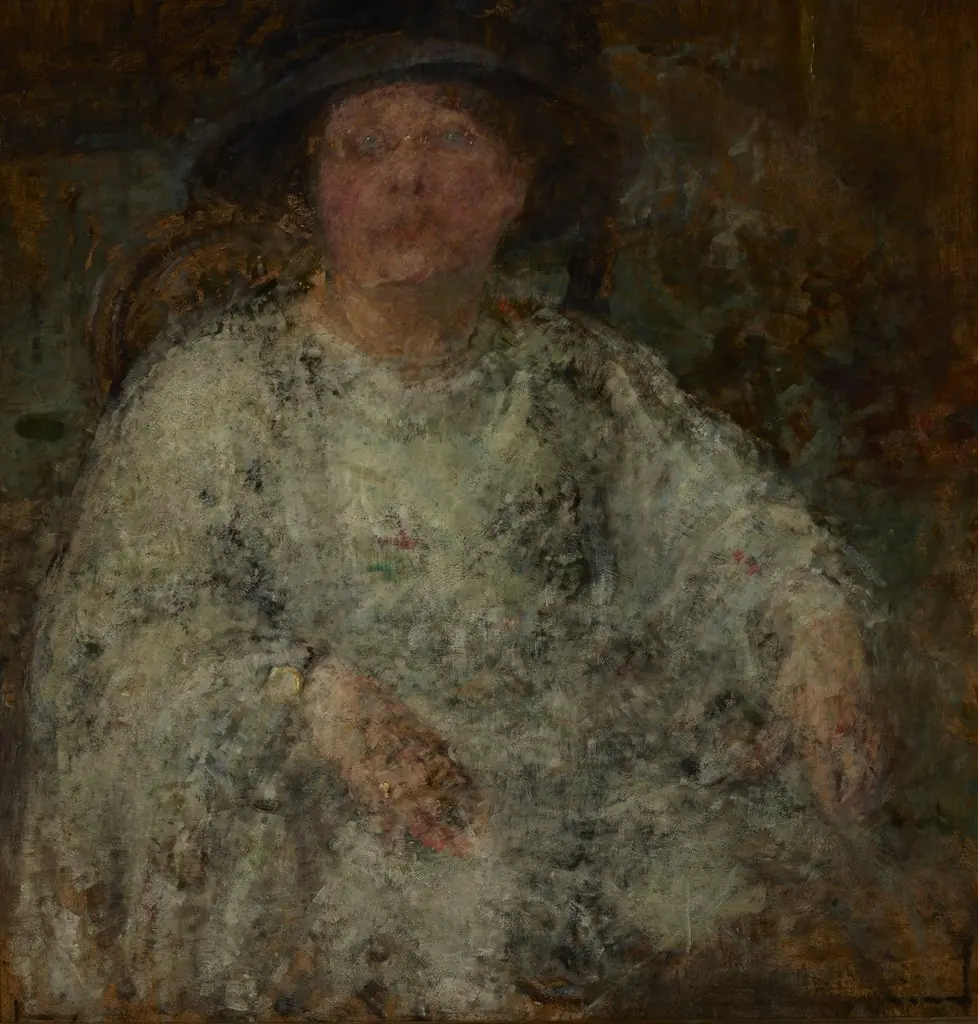
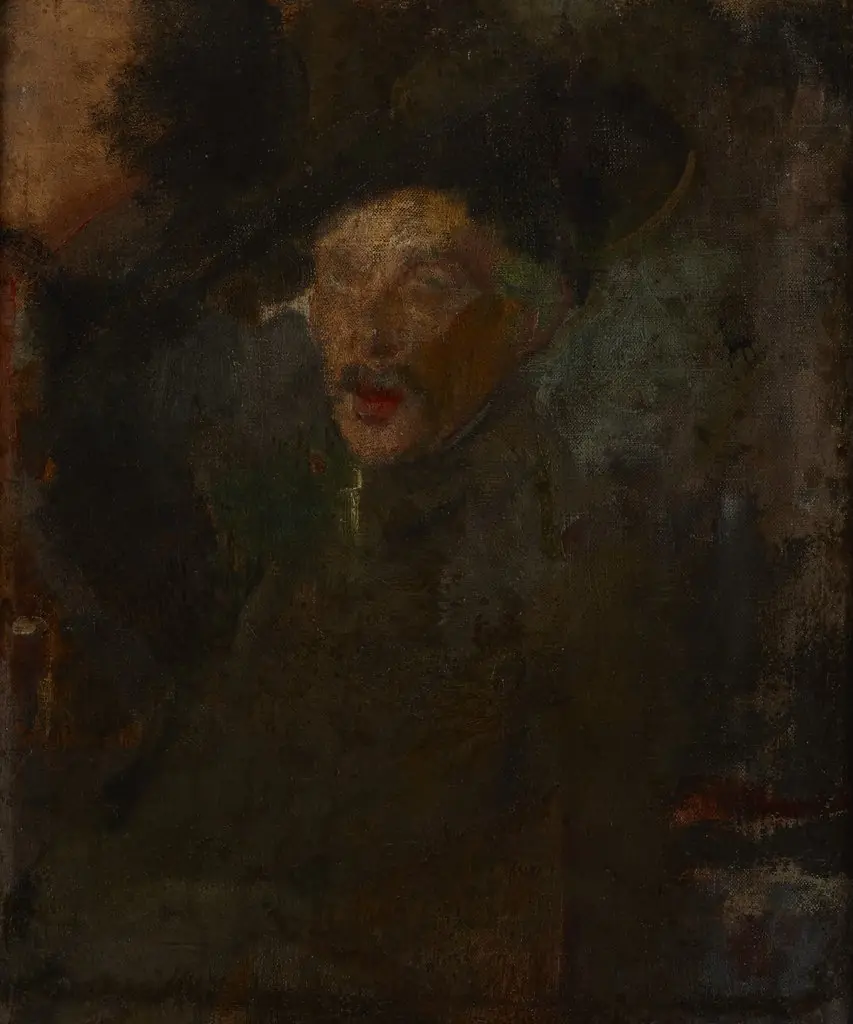
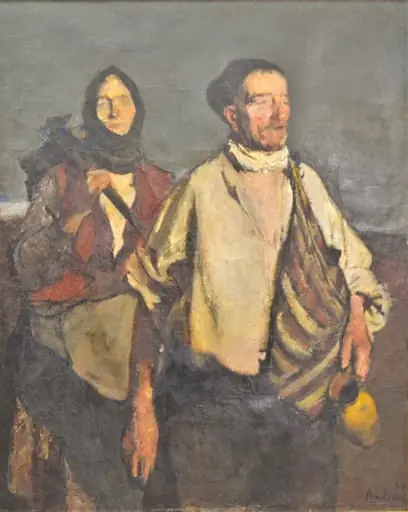
Fisherman's Wife is a gouache painting by Constant Permeke. It dates from 1920 and is held in the collection of the Royal Museum of Fine Arts Antwerp.
About this work
Overview
Permeke, a central figure in Flemish Expressionism, employed the opaque, tactile qualities of gouache to convey emotional weight rather than decorative detail.
Painted in 1920 by Constant Permeke, *Fisherman's Wife* is a gouache work that captures the quiet dignity of rural life in Flanders. Permeke, a central figure in Flemish Expressionism, employed the opaque, tactile qualities of gouache to convey emotional weight rather than decorative detail. The piece belongs to the Royal Museum of Fine Arts Antwerp’s collection and reflects his deep engagement with the lives of coastal laborers.
Subject & Meaning
The painting portrays a woman, presumably the wife of a fisherman, seated in stillness. Her dark clothing and tightly pulled-back hair suggest practicality and restraint. Her gaze is inward, her posture unadorned, evoking endurance rather than narrative. The absence of overt drama invites contemplation of solitude, labor, and the quiet resilience of those tied to the sea’s rhythms.
Technique & Style
Permeke used gouache to build a dense, granular surface, emphasizing texture over smoothness. The palette is restrained—earthy browns, muted grays, and faint blues—echoing the coastal environment. Forms are simplified, with heavy outlines and flattened planes, showing influences from Fauvism and early modernist simplification. The brushwork is deliberate, lending the figure a sculptural solidity amid the sparse surroundings.
History & Provenance
Created during Permeke’s formative years in Sint-Martens-Latem, the painting emerged from a community of artists committed to depicting rural and working-class life. It entered the Royal Museum of Fine Arts Antwerp’s collection in the 20th century, where it remains as part of a broader effort to preserve Flemish Expressionist output. Its provenance reflects institutional recognition of Permeke’s role in modern Belgian art.
Context
In early 20th-century Flanders, artists like Permeke turned away from urban modernity to focus on the physical and emotional realities of coastal and agrarian communities. Influenced by folk imagery and the raw aesthetics of non-Western art, they sought authenticity in labor and landscape. *Fisherman's Wife* aligns with this movement, rejecting idealization in favor of unvarnished presence.
Legacy
The painting endures as a quiet testament to Permeke’s commitment to portraying the dignity of ordinary lives. It contributed to the broader recognition of Flemish Expressionism as a distinct voice within European modernism. While not widely reproduced, its restrained power continues to inform interpretations of regional identity and emotional realism in Belgian art.
Own this work as a print
Artist & collection
Artist
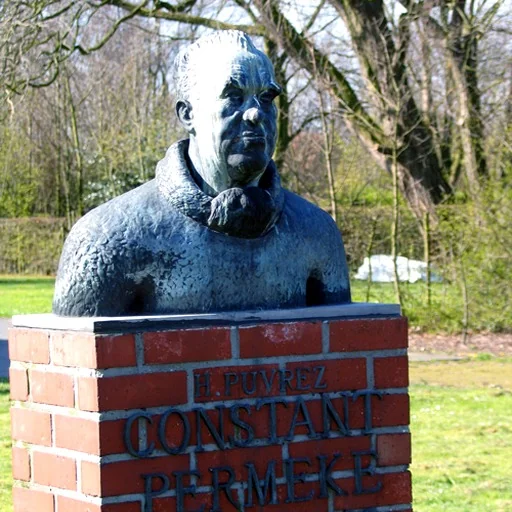
Constant Permeke (Dutch: (1886 – 1952) was a Belgian painter and sculptor, and part of the Sint-Martens-Latem-based School of Latem, along with Gustave De Smet and Frits Van den Berghe.