Artwork
Seascape
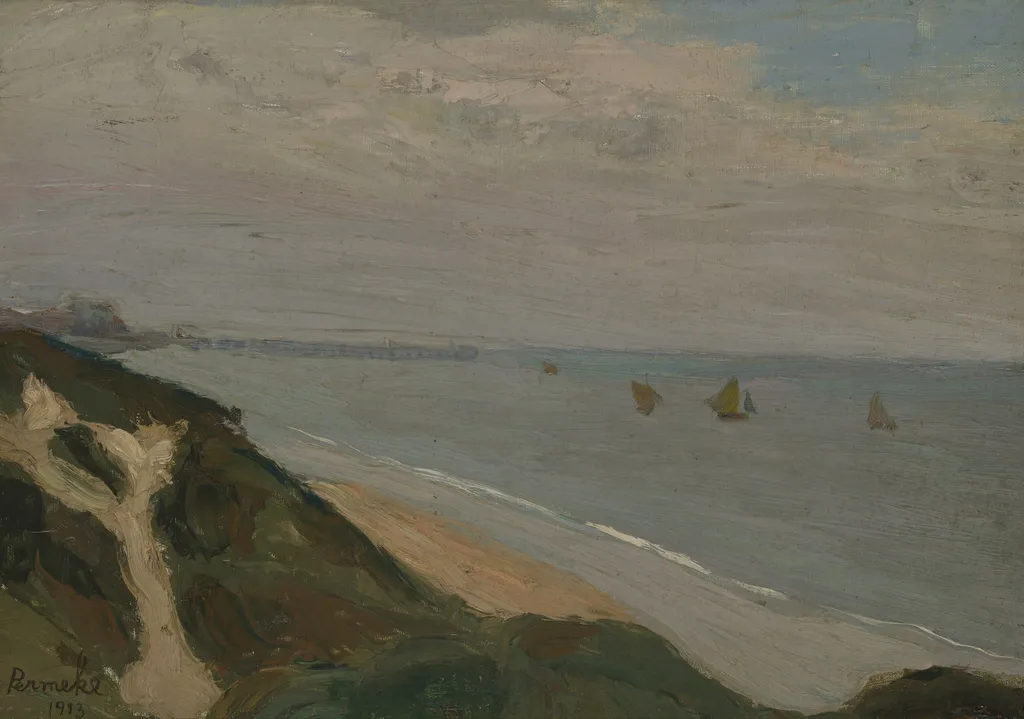
Seascape is an unspecified painting by Constant Permeke. It dates from 1913 and is held in the collection of the Royal Museum of Fine Arts Antwerp.
About this work
Overview
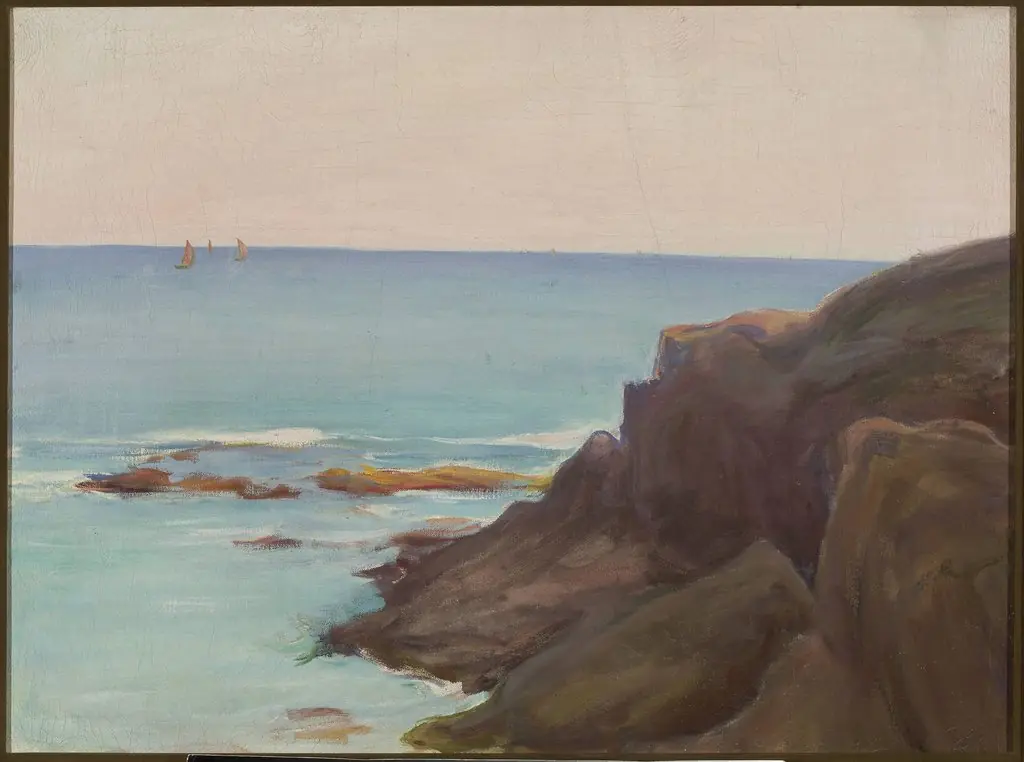
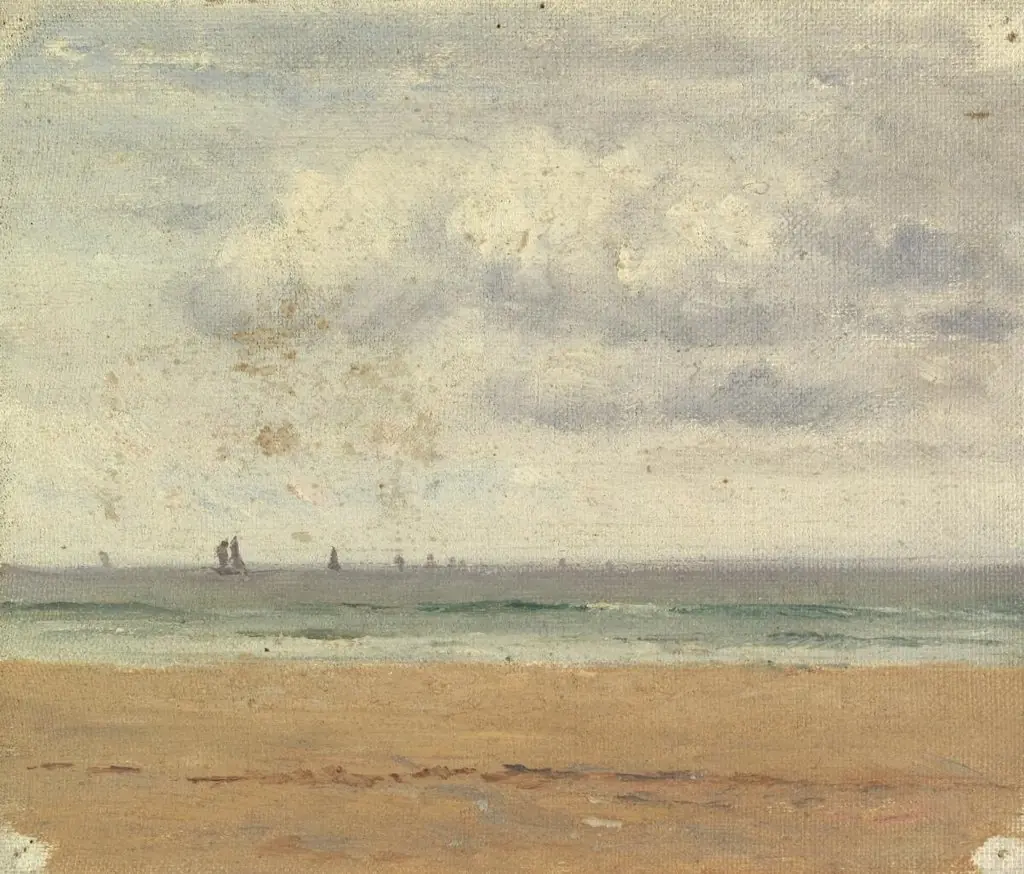
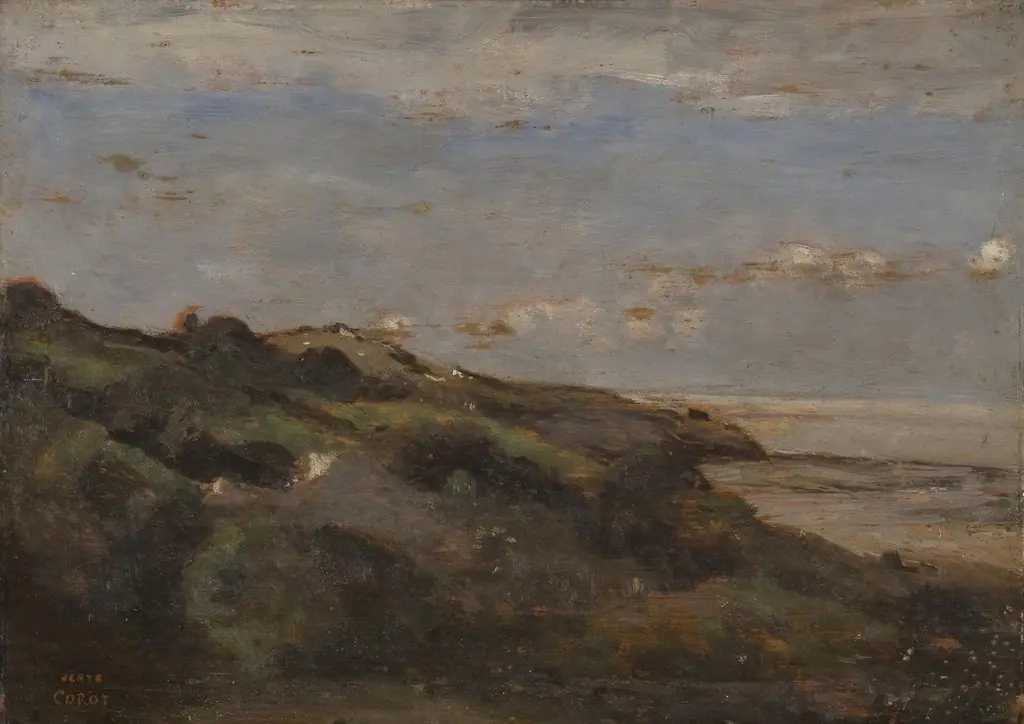
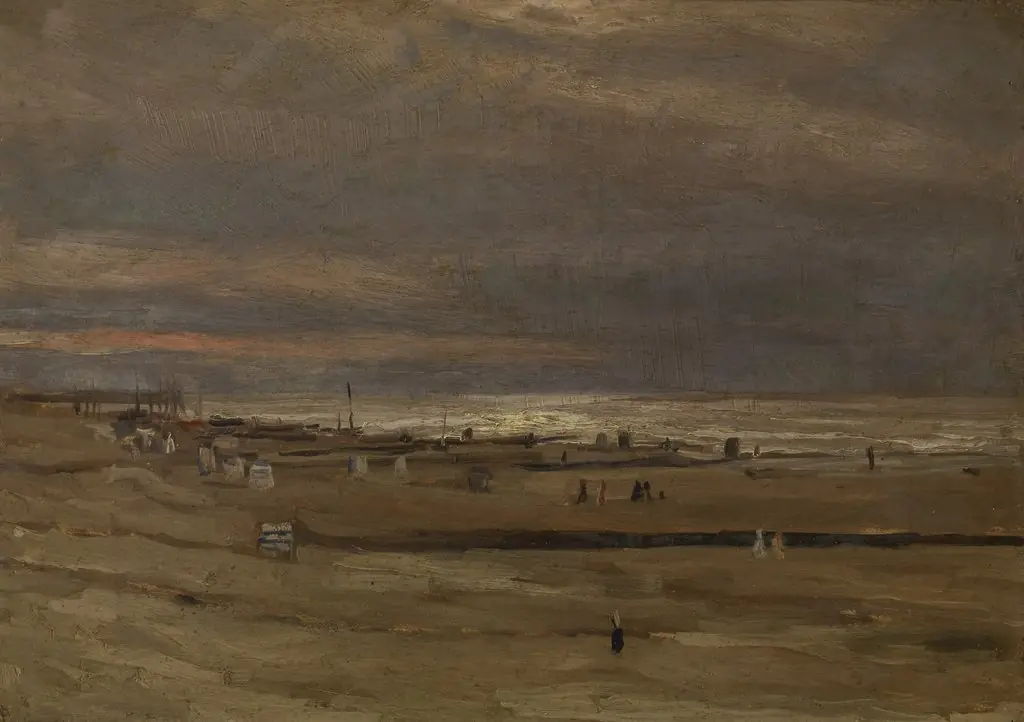
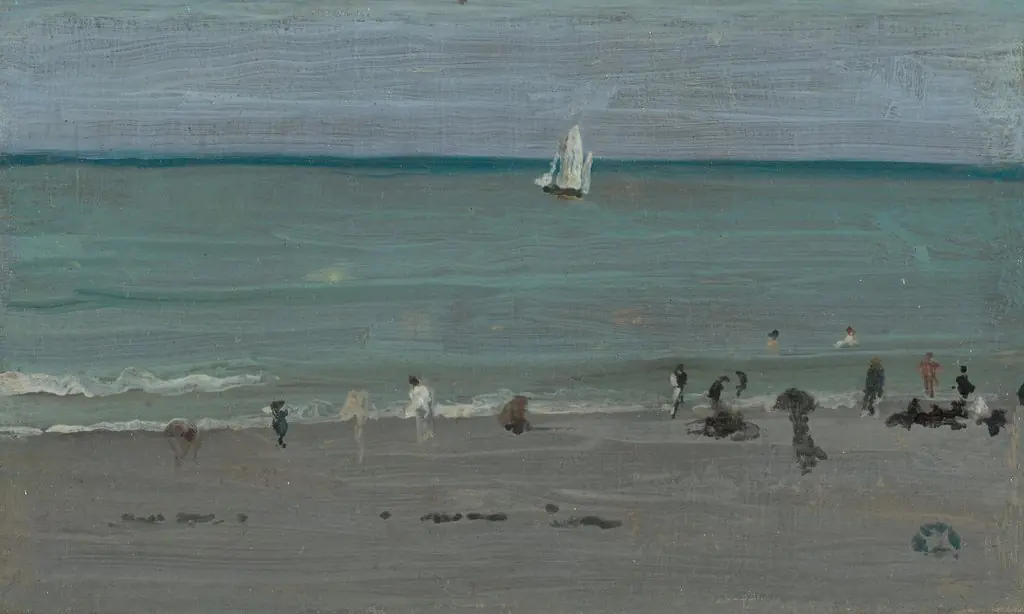
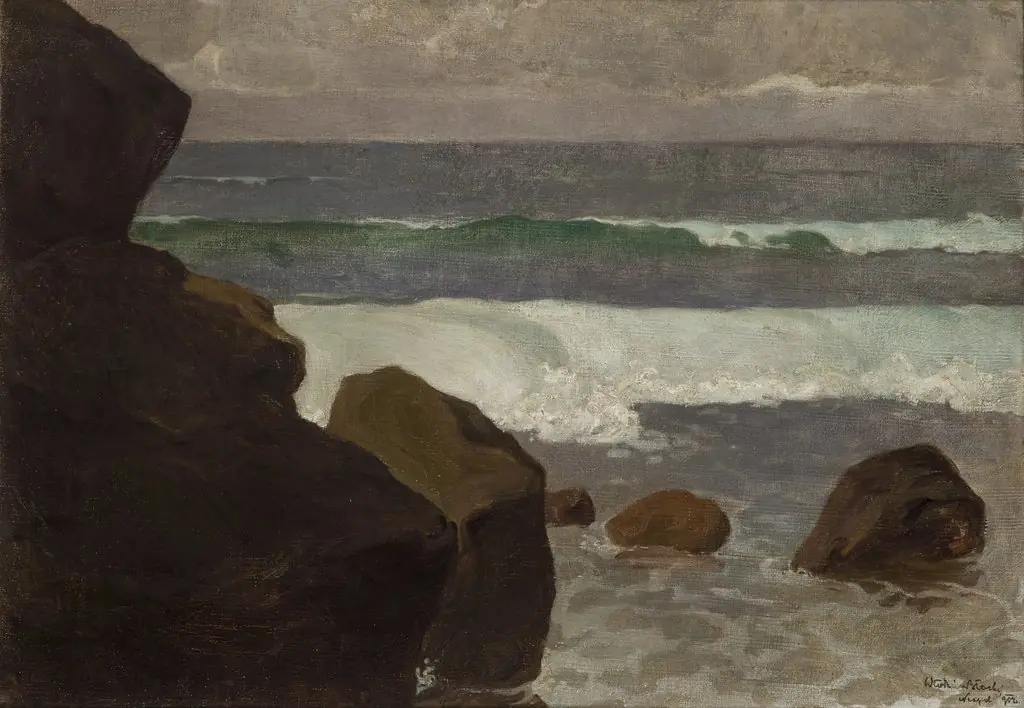
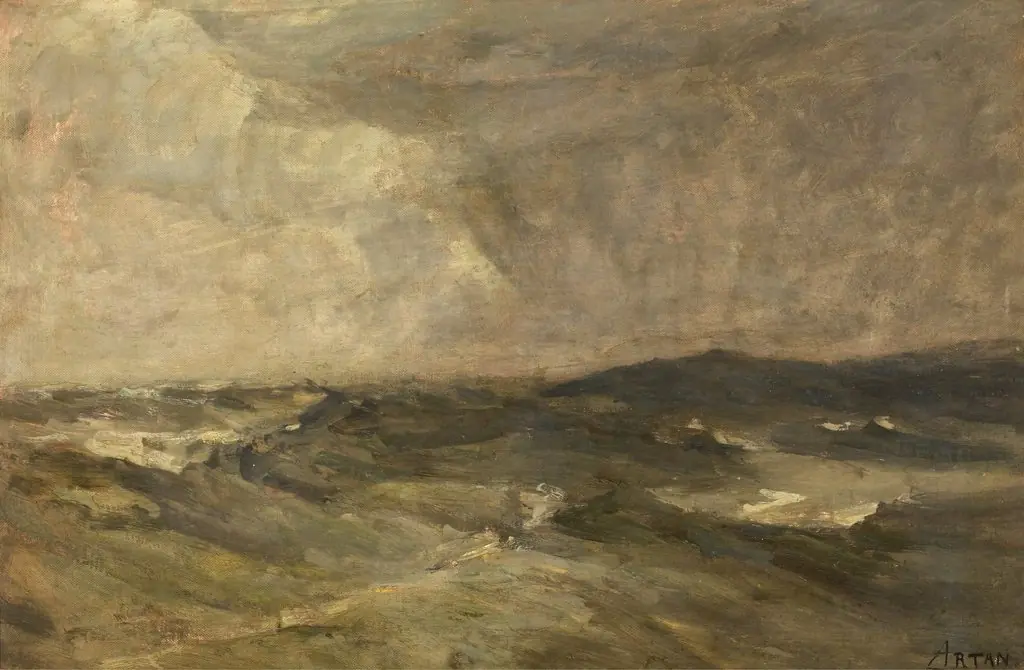
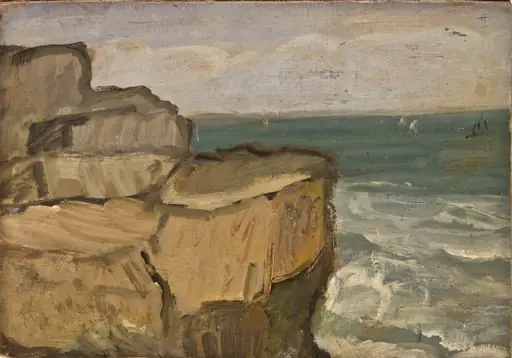
Created in 1913, *Seascape* presents a broad view of water extending to the horizon under a sky of muted gray and blue tones, touched with pale pink and orange. A rugged shoreline projects into the scene, punctuated by a few small sailboats. The composition conveys a quiet, expansive atmosphere that draws the eye toward the distant horizon.
Subject & Meaning
The work depicts a tranquil coastal setting at either dawn or dusk, emphasizing the meeting of sea and sky. The sparse presence of sailboats suggests human activity is minimal, reinforcing a sense of solitude and contemplation. The gentle light and calm water invite reflection on nature’s quiet rhythms and the fleeting moments of transition between day and night.
Technique & Style
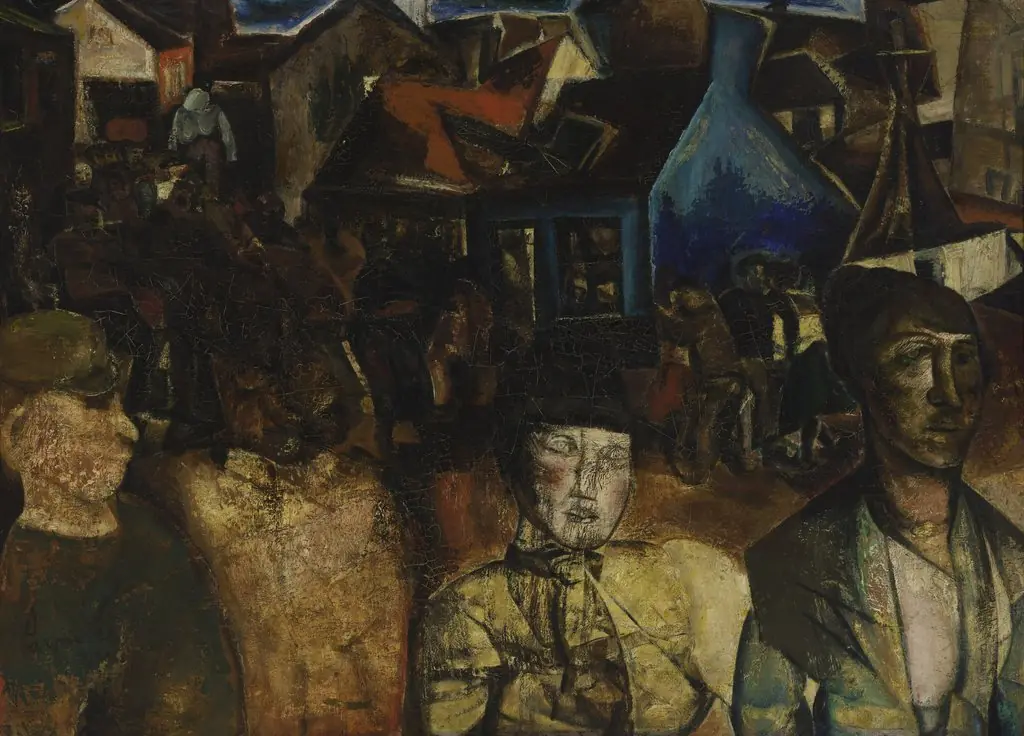
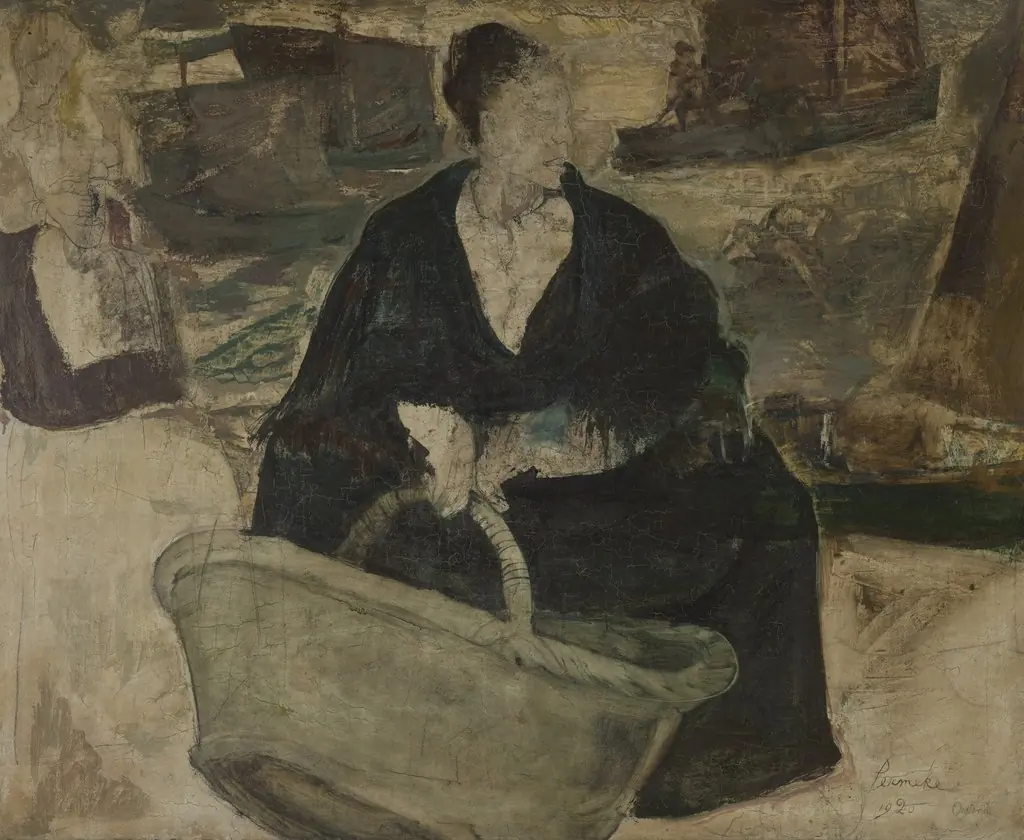
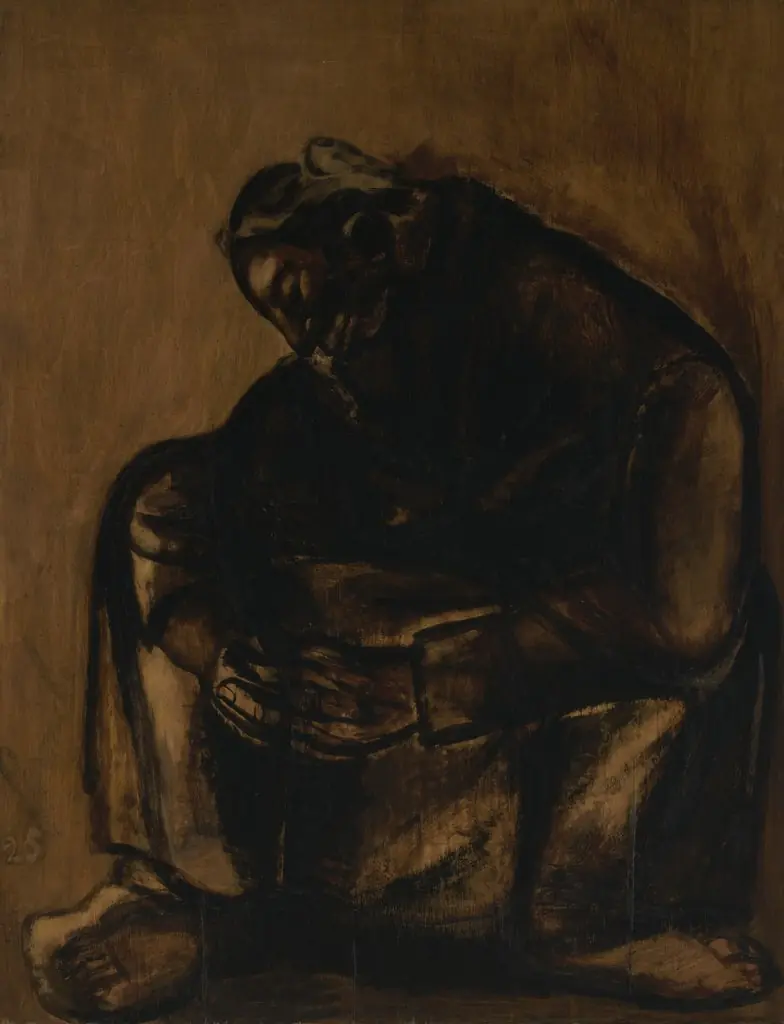
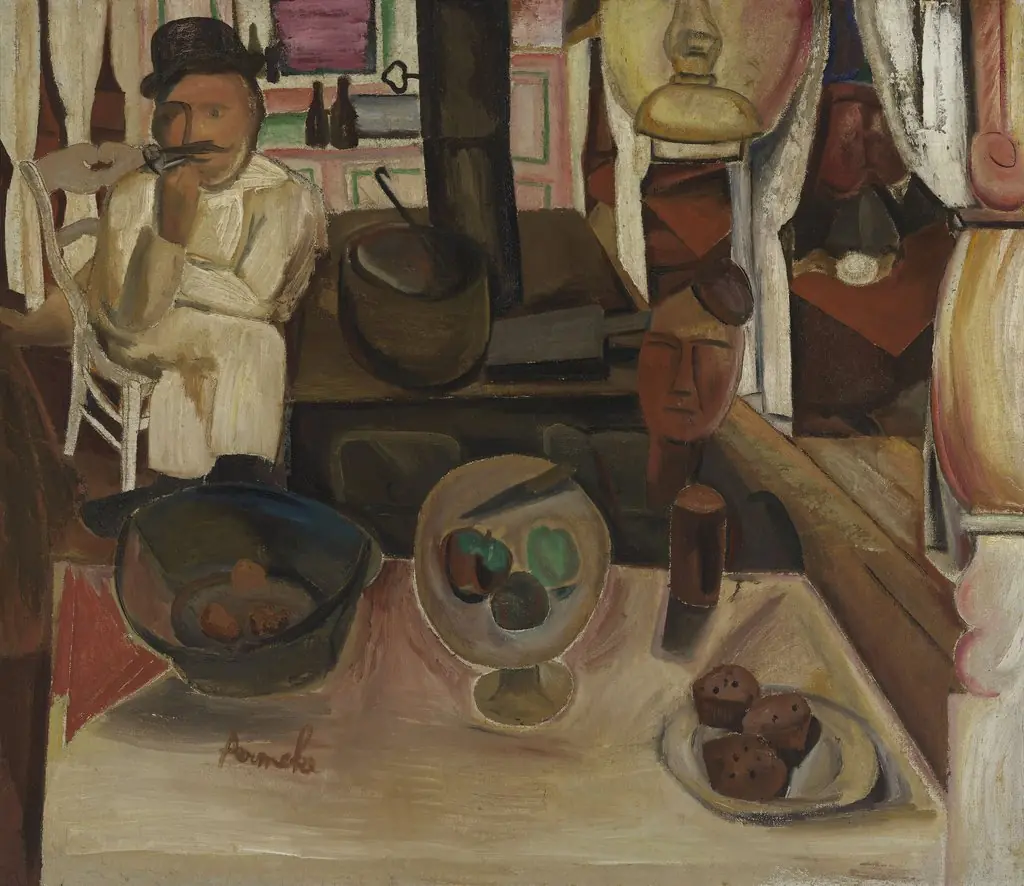
Employing loose, expressive brushwork, the artist builds up thick layers of pigment that give the surface a palpable texture, almost sculptural in appearance.
Employing loose, expressive brushwork, the artist builds up thick layers of pigment that give the surface a palpable texture, almost sculptural in appearance. The palette of subdued blues, grays, and soft warm hues reflects influences from Fauvism’s color sensibility and the structural simplifications associated with early Cubism, while retaining a direct, emotive handling characteristic of Flemish Expressionism.
History & Provenance
The painting belongs to the oeuvre of Constant Permeke, a central figure of the Latem School of Flemish Expressionism, active alongside contemporaries such as Gustave De Smet and Frits Van den Berghe. *Seascape* entered the collection of the Royal Museum of Fine Arts Antwerp, where it remains part of the museum’s permanent holdings.
Own this work as a print
Artist & collection
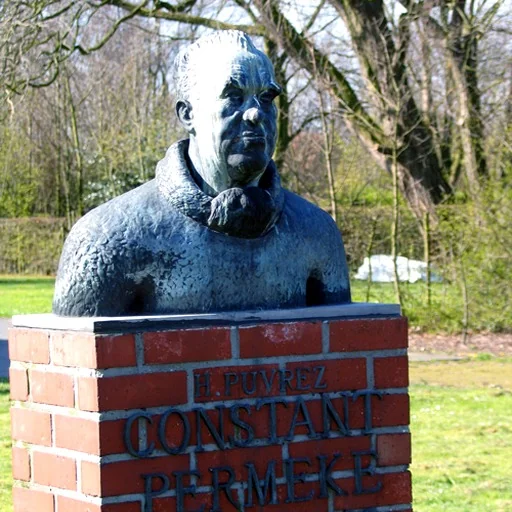
Artist
Constant Permeke (Dutch: (1886 – 1952) was a Belgian painter and sculptor, and part of the Sint-Martens-Latem-based School of Latem, along with Gustave De Smet and Frits Van den Berghe.