Artwork
Sheep
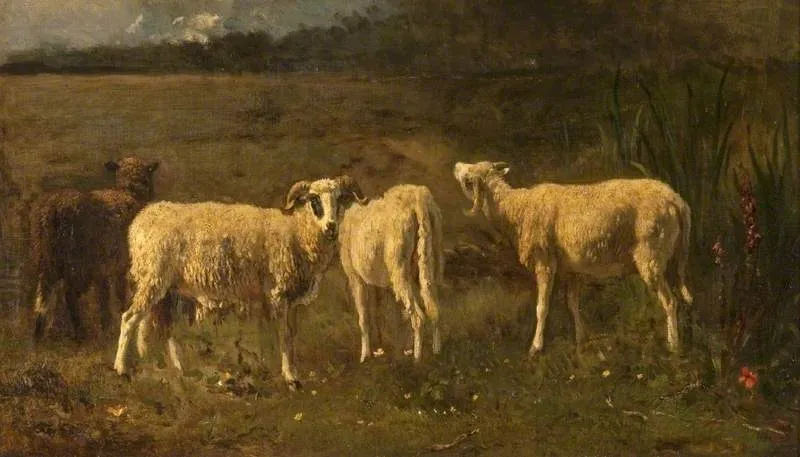
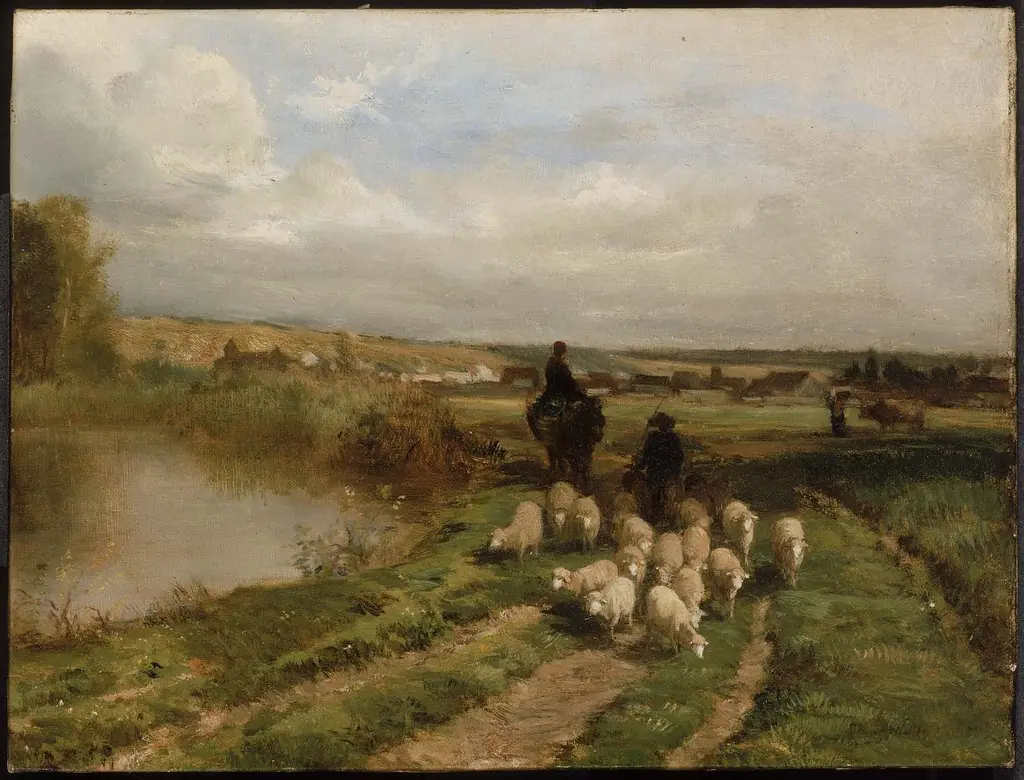
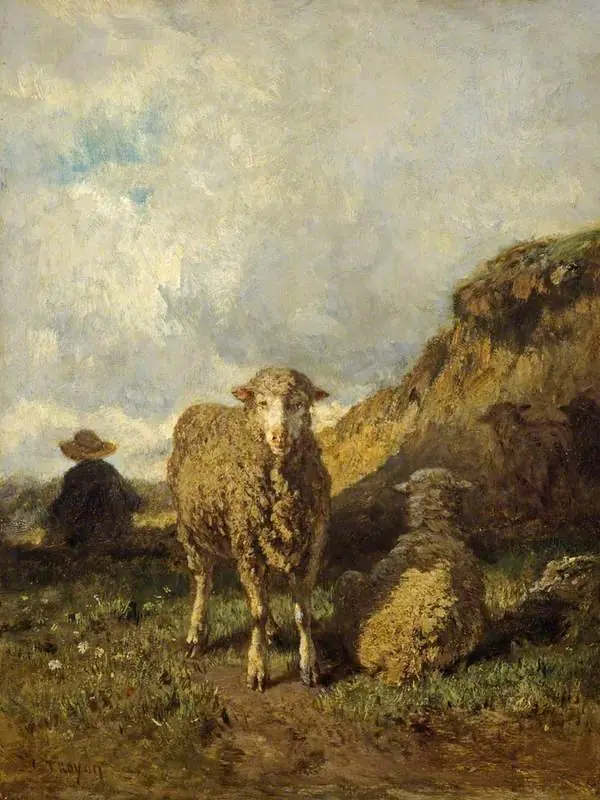
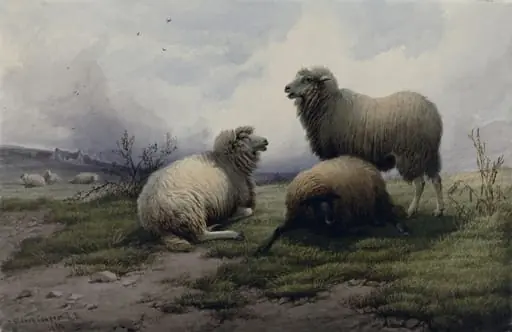
Sheep is an oil painting by the Realist artist Constant Troyon. It dates from 1855 and is held in the collection of the Kelvingrove Art Gallery and Museum.
About this work
Overview
Painted in 1855 by Constant Troyon, Sheep is an oil-on-canvas work depicting a pastoral scene of livestock in a rural landscape. The painting resides in the Kelvingrove Art Gallery and Museum in Glasgow. It reflects Troyon’s focus on rural life and animal subjects, aligning with the Barbizon school’s emphasis on naturalism and outdoor observation.
Subject & Meaning
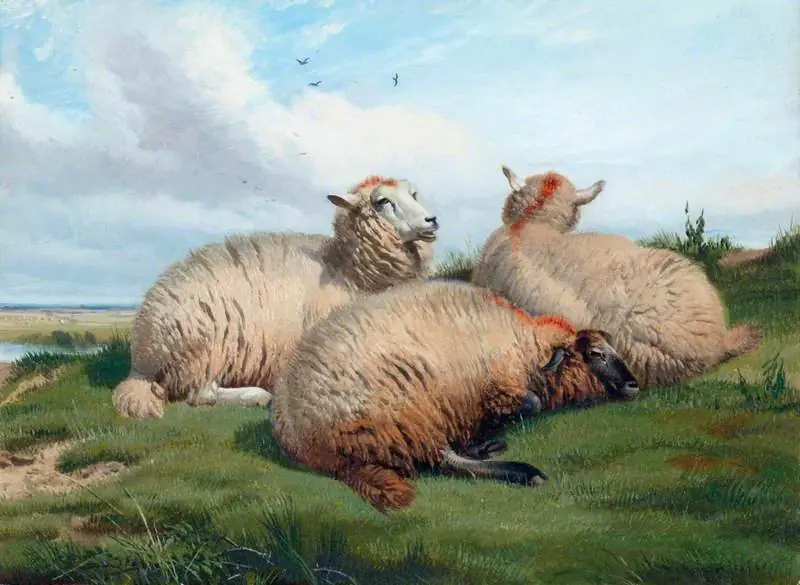
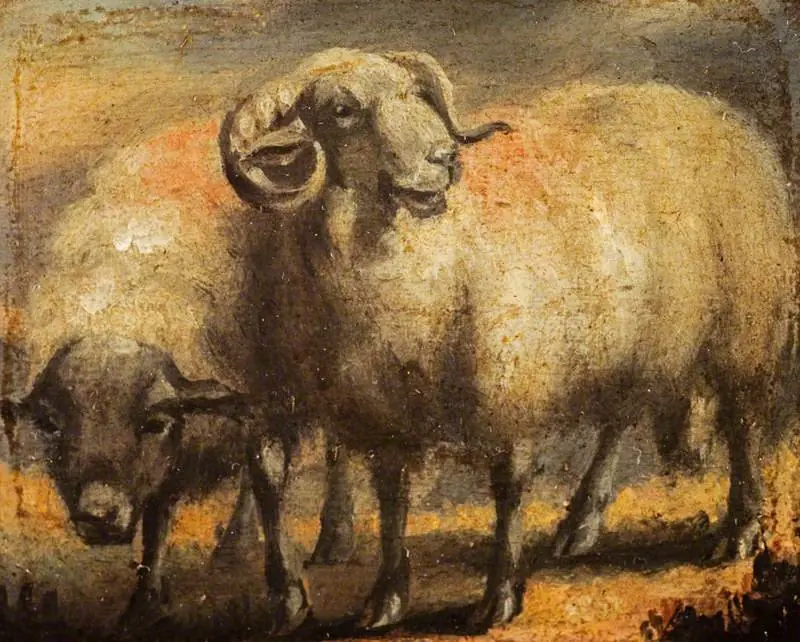
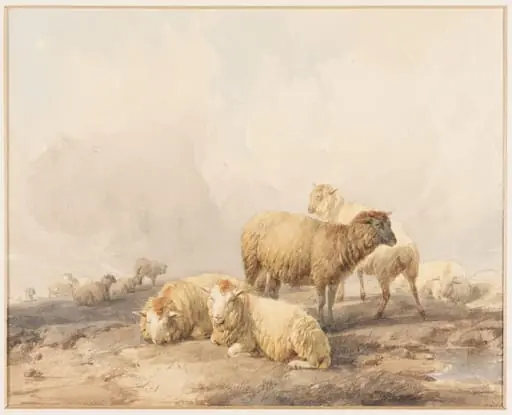
A small flock of sheep is shown in a quiet, sunlit meadow, some standing alert, others bent in rest or feeding. The animals are rendered with quiet dignity, avoiding idealization. The scene conveys a sense of stillness and harmony with nature, reflecting 19th-century European interest in the dignity of rural labor and the quiet rhythms of agricultural life.
Technique & Style
Earth tones—ochres, olives, and muted browns—dominate the palette, while subtle shifts in light model the forms of the sheep and ground.
Troyon employed layered brushwork to suggest the texture of wool and the movement of tall grasses. Earth tones—ochres, olives, and muted browns—dominate the palette, while subtle shifts in light model the forms of the sheep and ground. The handling of shadow and ambient light enhances spatial depth without overt dramatization, showing influence from direct observation rather than studio convention.
History & Provenance
The painting was completed in 1855 during Troyon’s mature period, when he was gaining recognition for his animal studies. It entered the Kelvingrove collection in the late 19th century, likely through a public acquisition or donation. Its presence in a major Scottish museum underscores its acceptance within broader European artistic circles of the time.
Context
Troyon worked alongside Barbizon painters who rejected academic idealism in favor of painting from nature. Sheep reflects this movement’s values: unembellished rural subjects, attention to atmospheric conditions, and a reverence for the natural world. The painting aligns with a wider 19th-century trend of elevating everyday rural scenes to the status of serious art.
Legacy
Though not among Troyon’s most widely reproduced works, Sheep exemplifies his contribution to the genre of animal painting in 19th-century France. It remains a quiet testament to his skill in capturing the quiet presence of livestock within their environment, influencing later realist and regionalist painters who sought authenticity over spectacle.
Artist & collection

Artist
Constant Troyon (French pronunciation: ; August 28, 1810 – February 21, 1865) was a French painter of the Barbizon school.