Artwork
Sheep
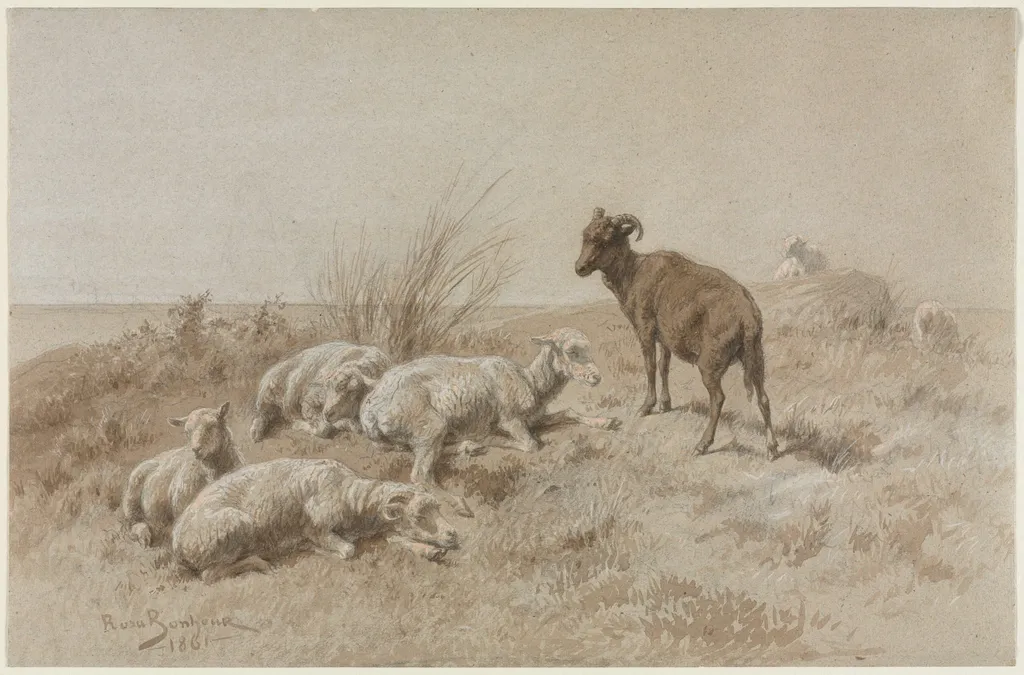
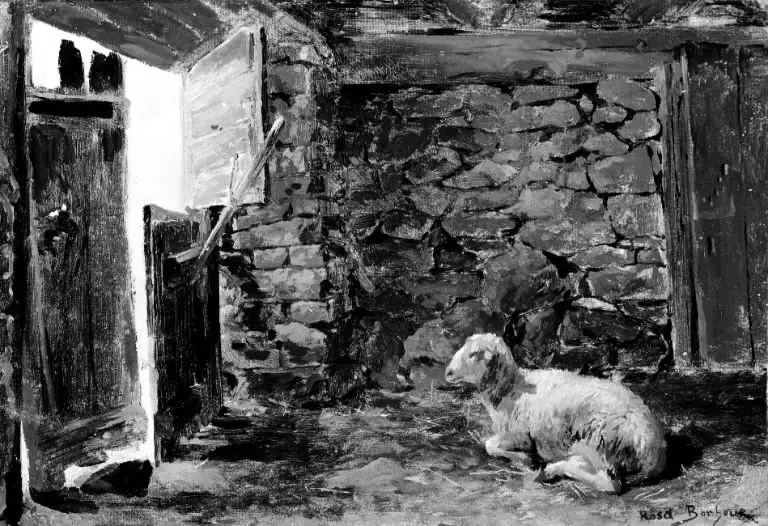
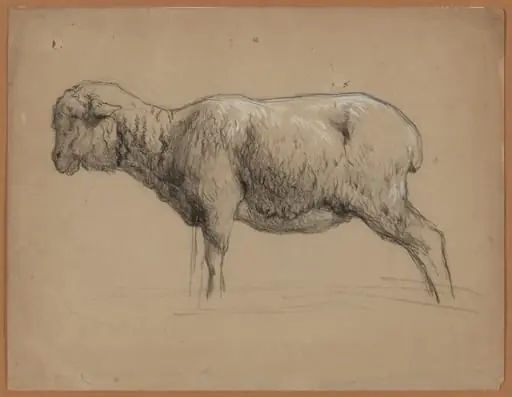
Sheep is a drawing by the Impressionist artist Rosa Bonheur. It dates from 1861 and is held in the collection of the Cleveland Museum of Art.
About this work
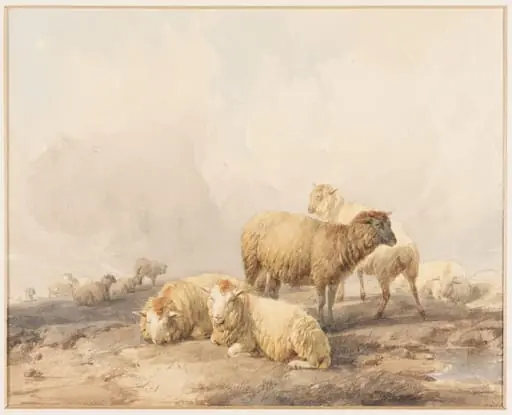
This painting shows a single sheep standing in a field. The animal stares straight ahead. Its white fleece stands out against green grass and a cloudy sky.
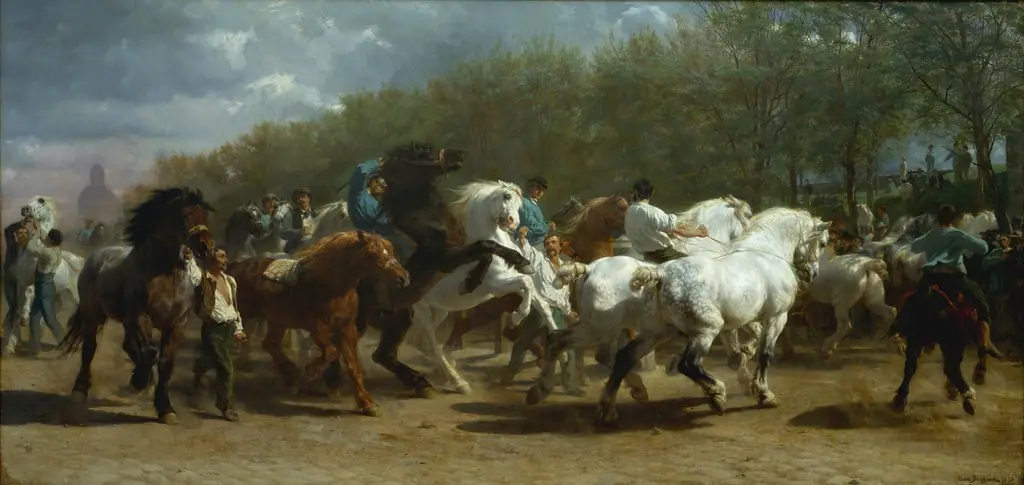
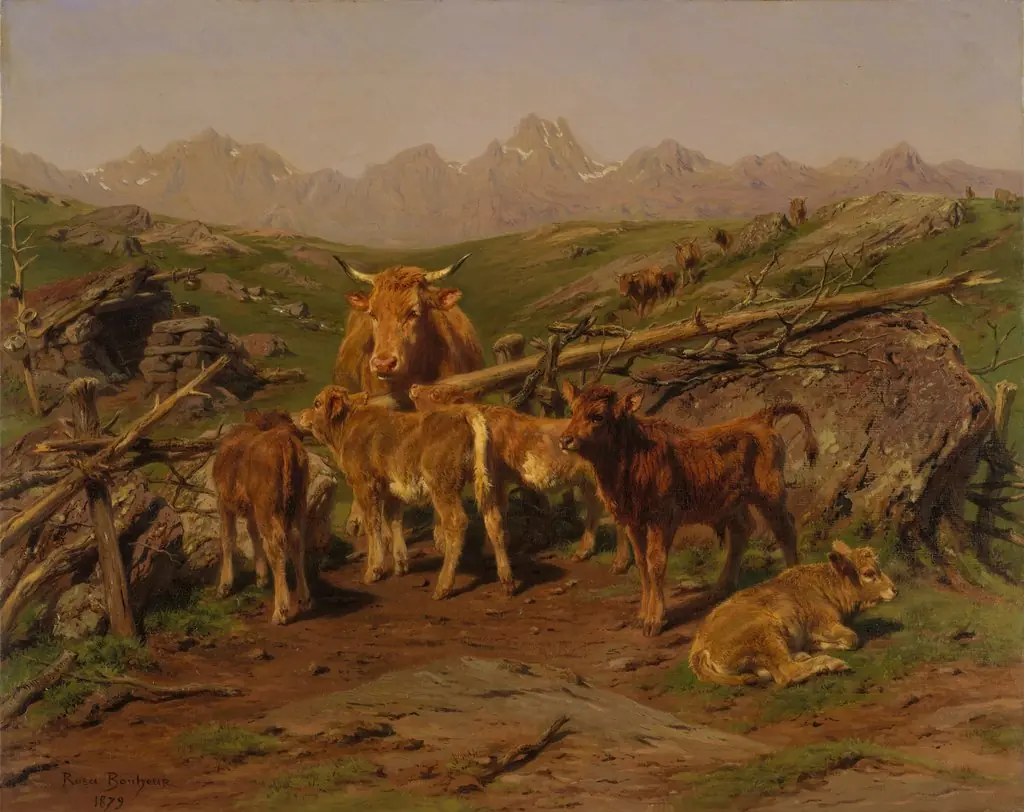
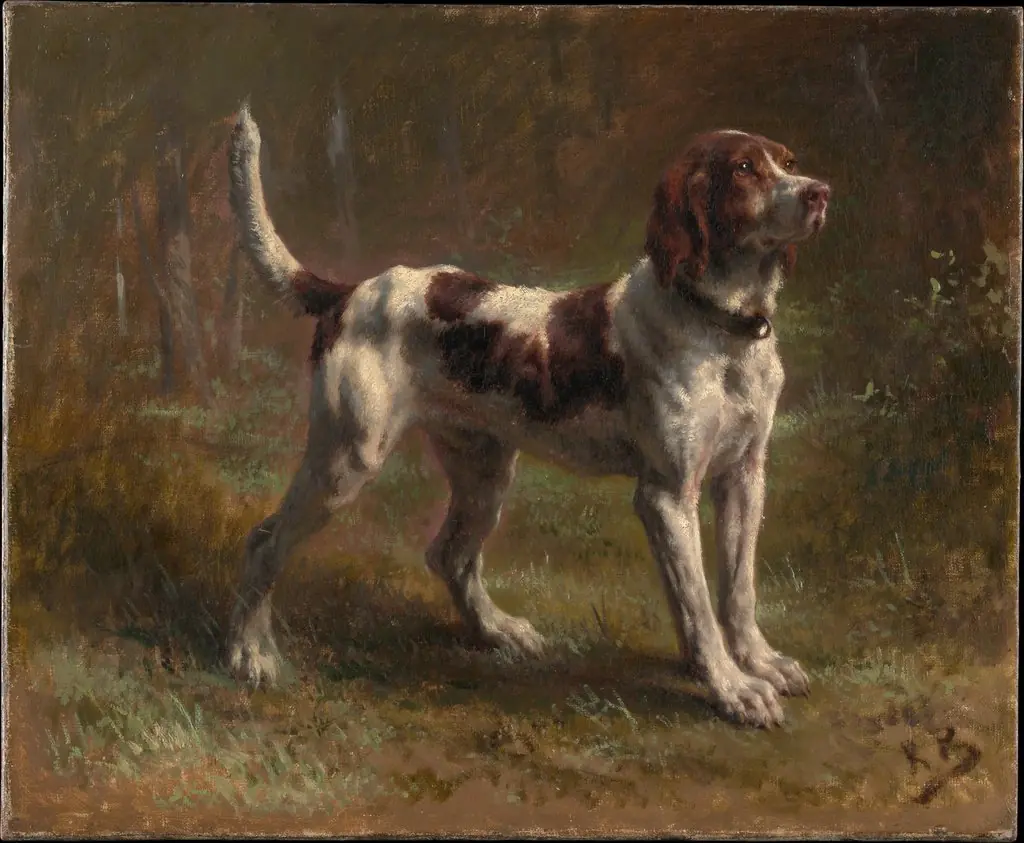
Bonheur often painted real animals, not idealized ones. She studied her subjects carefully. She even dressed like a man to visit livestock markets without drawing attention.
If you like this, check out Rosa Bonheur (French, 1822–1899).
Overview
Her commitment to realism extended beyond the canvas, influencing how she engaged with her subjects in their natural environments.
Rosa Bonheur created this pencil drawing in 1861, depicting a solitary sheep in a pastoral setting. The work is part of the collection at The Cleveland Museum of Art. Unlike many contemporaries who idealized animals, Bonheur focused on precise, unembellished observation. Her commitment to realism extended beyond the canvas, influencing how she engaged with her subjects in their natural environments.
Subject & Meaning
The drawing centers on a single sheep, rendered with quiet dignity as it faces forward in an open field. There is no narrative or symbolic embellishment—only the animal’s presence, grounded in its physicality. Bonheur’s choice to isolate the sheep emphasizes its individuality, reflecting her broader interest in portraying livestock not as symbols, but as living beings with inherent character.
Technique & Style
Executed in pencil, the drawing relies on subtle tonal variations to define the sheep’s wool and the surrounding landscape. The texture of the fleece is rendered with delicate, layered strokes, while the grass and sky are suggested with light, fluid lines. Bonheur’s method prioritizes anatomical accuracy and atmospheric clarity, avoiding dramatic contrast in favor of quiet, observational detail.
History & Provenance
Created in 1861, the drawing entered The Cleveland Museum of Art’s collection through documented acquisition. Its provenance traces back to Bonheur’s personal studio, where she produced numerous studies of animals as preparatory works. Unlike her large-scale paintings, these intimate drawings were often kept as private records of her field observations, later preserved by collectors and institutions.
Context
In mid-19th-century France, female artists faced restrictions in accessing public spaces like livestock markets. To study animals firsthand, Bonheur obtained official permission to wear men’s clothing, allowing her to move freely among farmers and herds. This practical necessity shaped her artistic process, grounding her work in direct, unmediated experience rather than studio conventions.
Legacy
Bonheur’s dedication to truthful animal representation influenced later generations of naturalist artists. Her drawings, though less publicized than her paintings, reveal the foundation of her realism: patient observation and respect for the subject. Today, they stand as documents of both artistic discipline and a quiet challenge to gendered norms in the art world.
Own this work as a print
Artist & collection

Artist
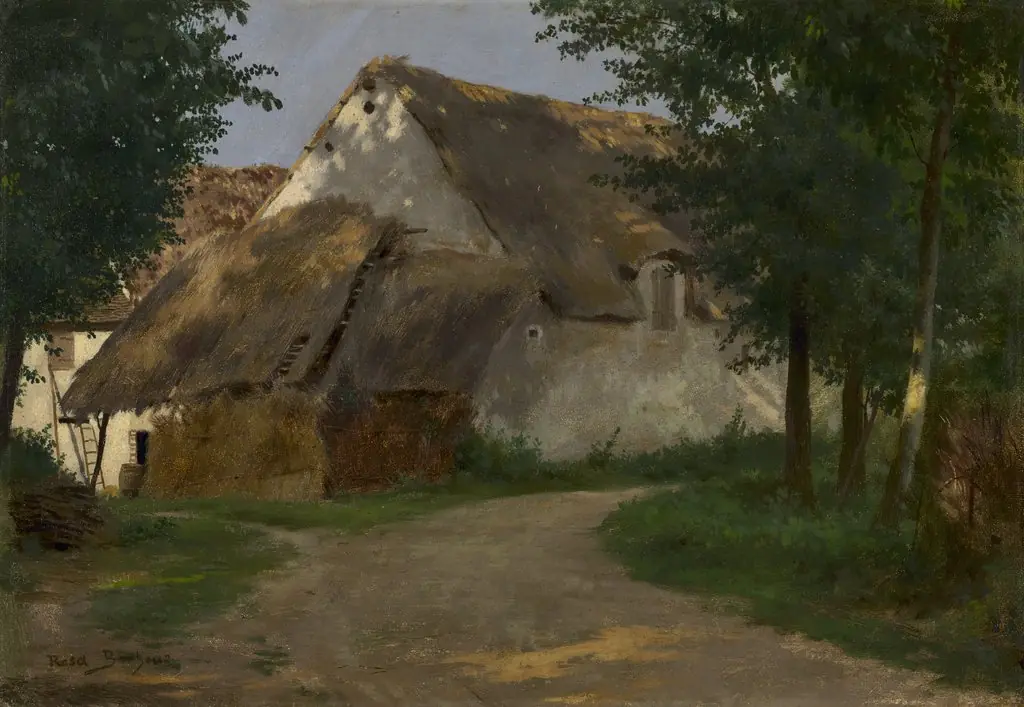
Rosa Bonheur was a French artist known best as a painter of animals (animalière).