Artwork
Den grundlovgivende forsamling
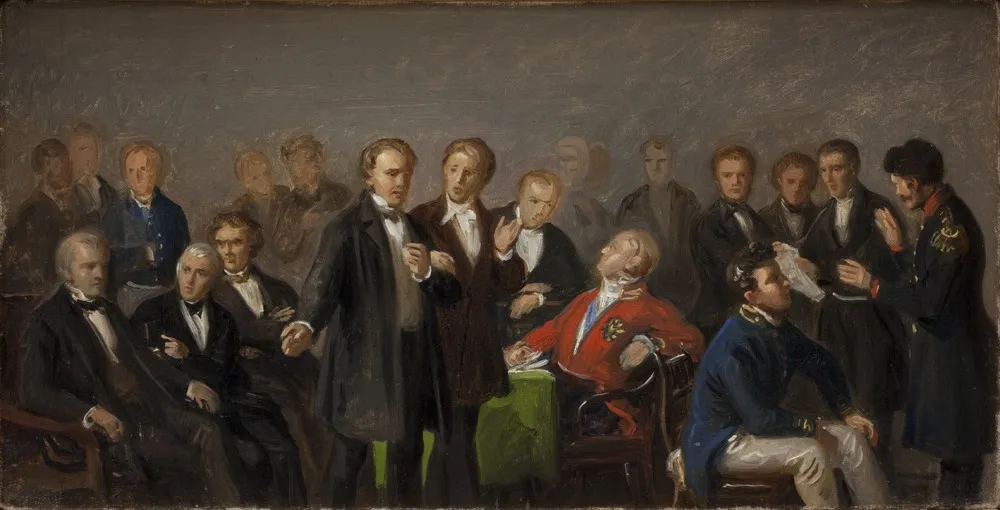
Den grundlovgivende forsamling is an oil painting by Constantin Hansen. It dates from 1850 and is held in the collection of the Statens Museum for Kunst.
About this work
Overview
Part of a broader movement to establish a national artistic identity, the painting reflects Hansen’s commitment to documenting pivotal civic moments.
Painted around 1850 by Carl Christian Constantin Hansen, this oil work captures the Danish constitutional assembly tasked with drafting the nation’s first democratic constitution. Part of a broader movement to establish a national artistic identity, the painting reflects Hansen’s commitment to documenting pivotal civic moments. It predates his larger 1860s version of the same subject and remains a key early example of his historical portraiture.
Subject & Meaning
The scene portrays delegates gathered in formal attire, engaged in deliberation over Denmark’s foundational legal document. No specific architectural setting is rendered, focusing attention on the participants and their solemn exchange. The absence of ornamentation underscores the gravity of the occasion—lawmaking as a collective, sober act. The painting elevates civic duty over spectacle, aligning with contemporary ideals of national identity rooted in constitutionalism rather than myth.
Technique & Style
Hansen employs a restrained palette dominated by dark tones, with subtle accents of red and blue in select garments to distinguish individuals. The gray, undefined background eliminates spatial distraction, directing focus to the figures’ postures and interactions. Brushwork is precise but not overly detailed, favoring clarity of form over theatrical effect. This approach reflects the influence of Danish Golden Age realism, prioritizing dignified representation over romanticized drama.
History & Provenance
Created in the early 1850s, the painting was later followed by a more expansive version completed between 1861 and 1865. Both works stem from Hansen’s engagement with art historian Niels Laurits Høyen, who advocated for art that celebrated Danish history and institutions. The 1850 version entered the collection of Statens Museum for Kunst, where it remains as a foundational document of the nation’s visual historiography.
Context
The painting emerged during a period of political transformation in Denmark, following the 1848 adoption of a constitutional monarchy. Artists like Hansen were encouraged to depict contemporary civic milestones as part of a cultural project to unify the nation through shared imagery. This work contributes to a broader trend in Nordic art that shifted focus from mythological themes to the tangible achievements of modern governance.
Legacy
Hansen’s depiction of the constitutional assembly helped establish a visual language for Danish civic life, influencing later historical painters. By portraying the assembly without idealization or grandeur, he affirmed the dignity of democratic process itself. The work endures as a quiet but significant record of Denmark’s transition toward constitutional rule, preserved in the national collection as a testament to its institutional evolution.
Artist & collection
Artist
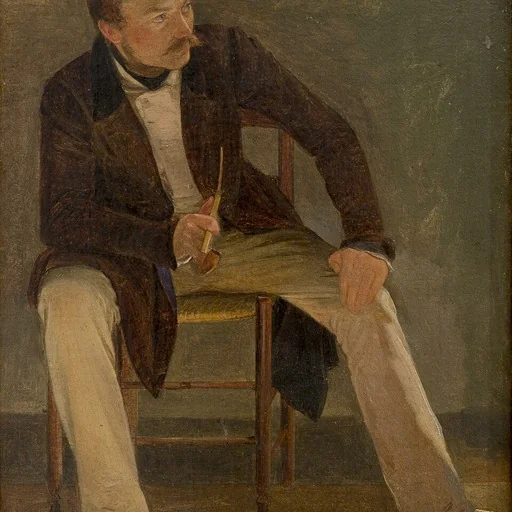
Carl Christian Constantin Hansen (Constantin Hansen) (3 November 1804 – 29 March 1880) was one of the painters associated with the Golden Age of Danish Painting.

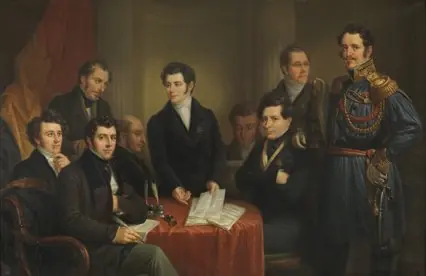 Le gouvernement provisoire de la Belgique en 1830
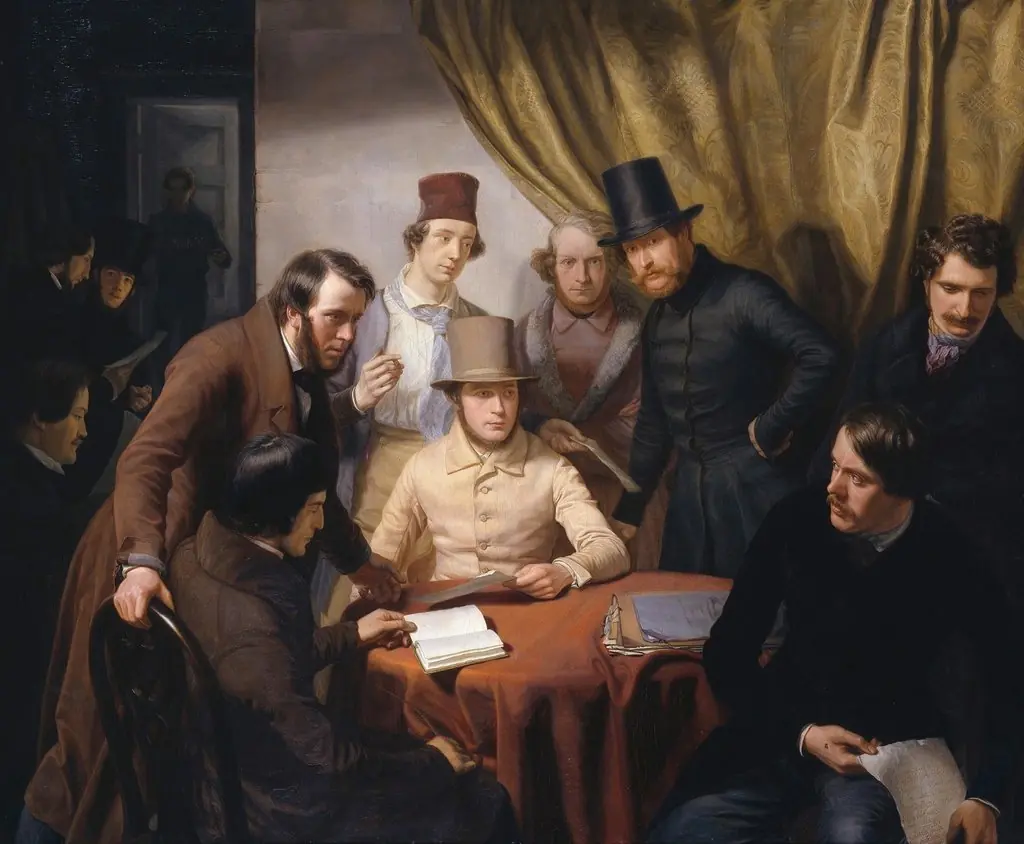 The Members of the Hamburg Artist's Club
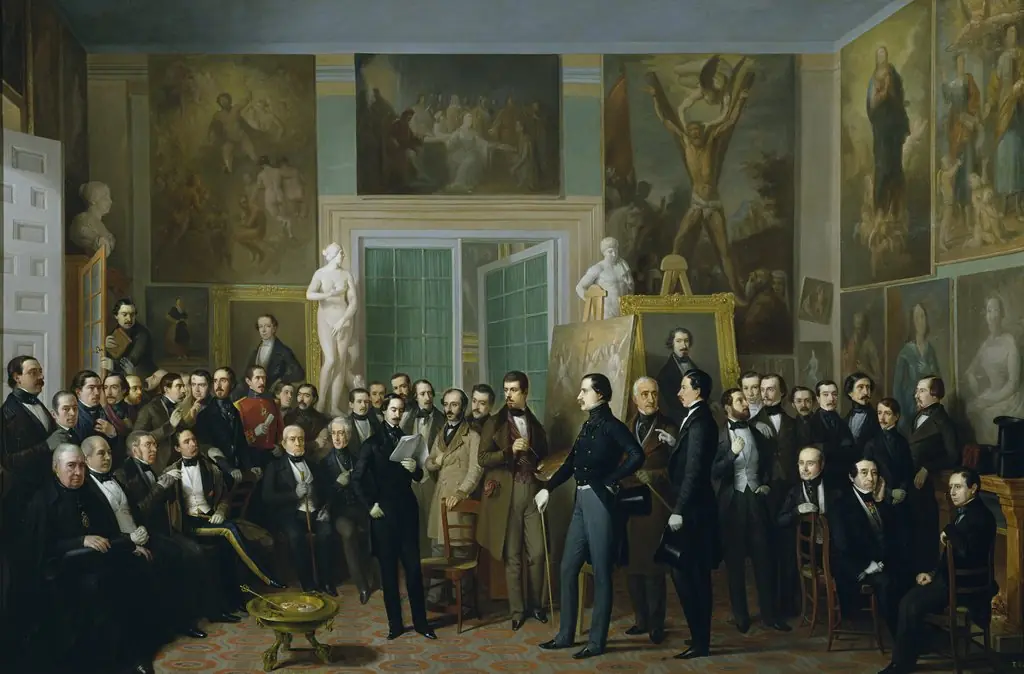 The Contemporary Poets. A Reading of Zorrilla in the Artist's Studio
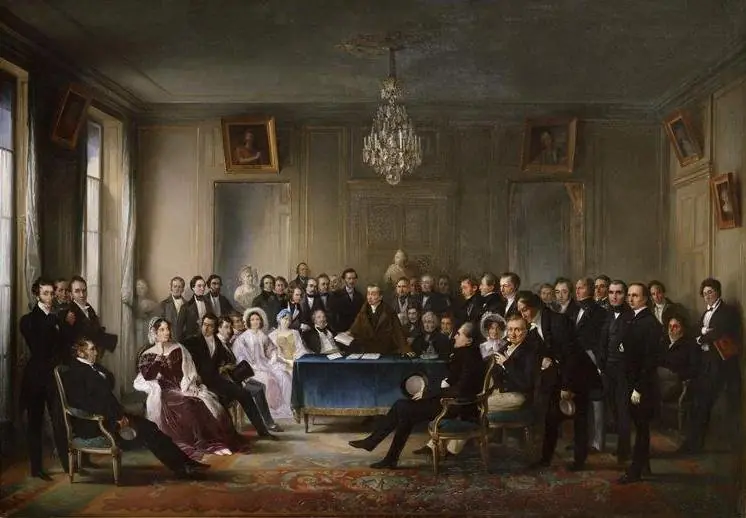 Andrieux faisant une lecture dans le foyer de la Comédie Française
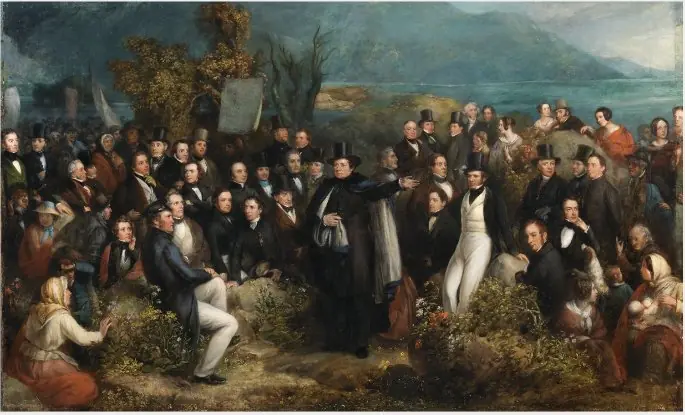 The Monster Meeting at Clifden in 1843
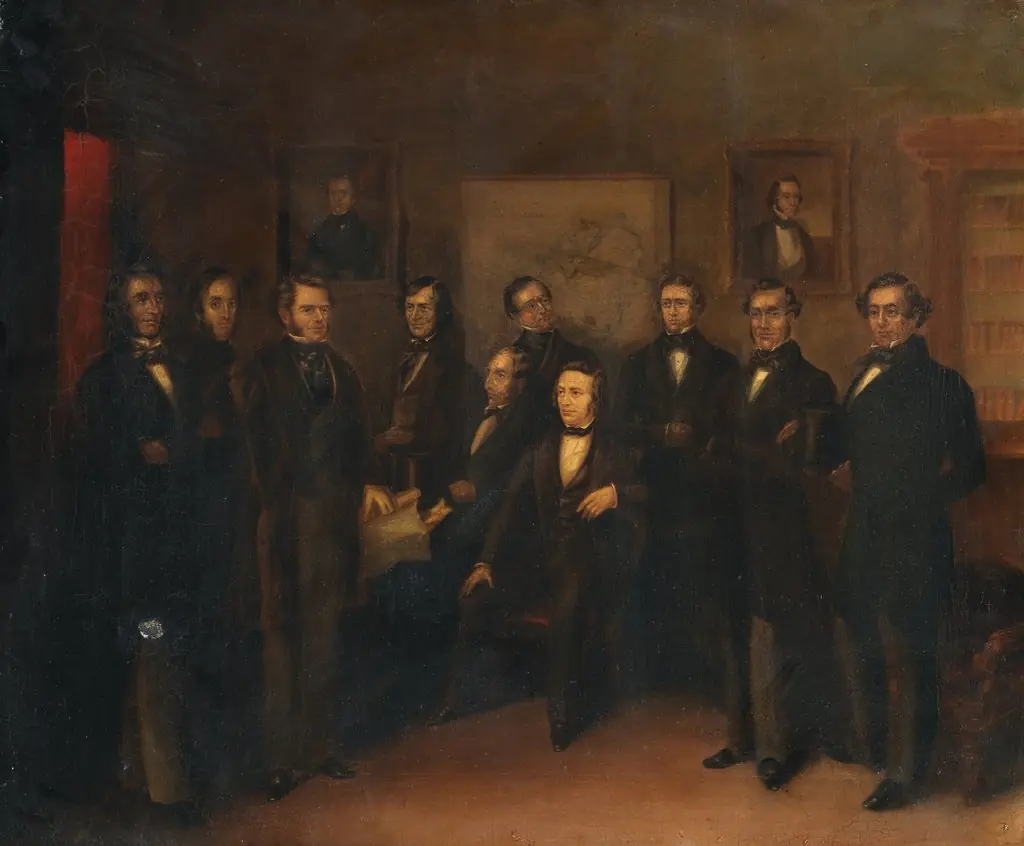 The Leaders of the Irish Confederation in Council
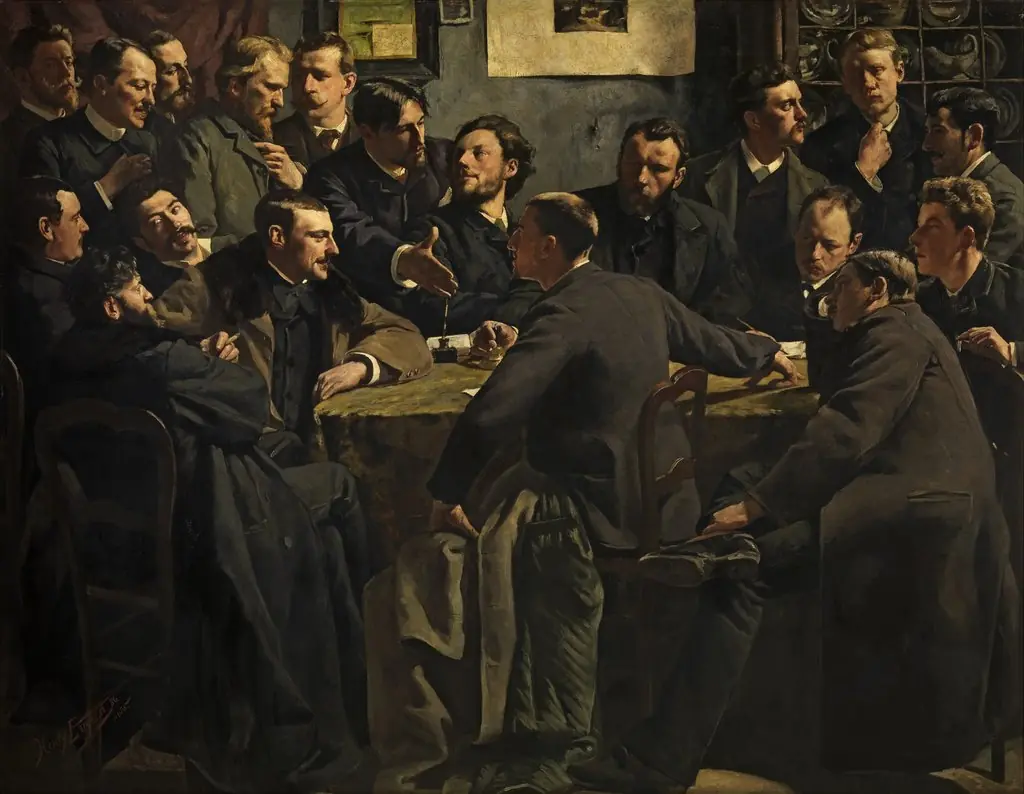 A Session of the Art Society 'Als Ik Kan'
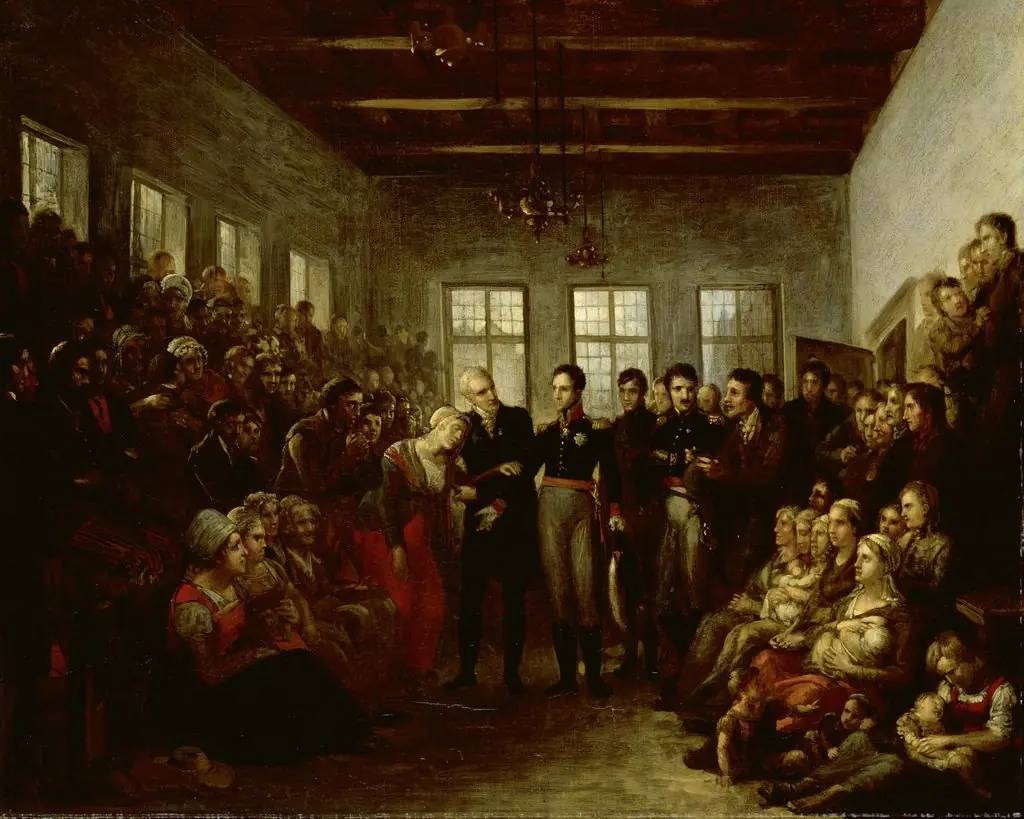 The Prince of Orange Visititing Flood Victims at the Almoners Orphanage, Amsterdam, on 14 February 1825
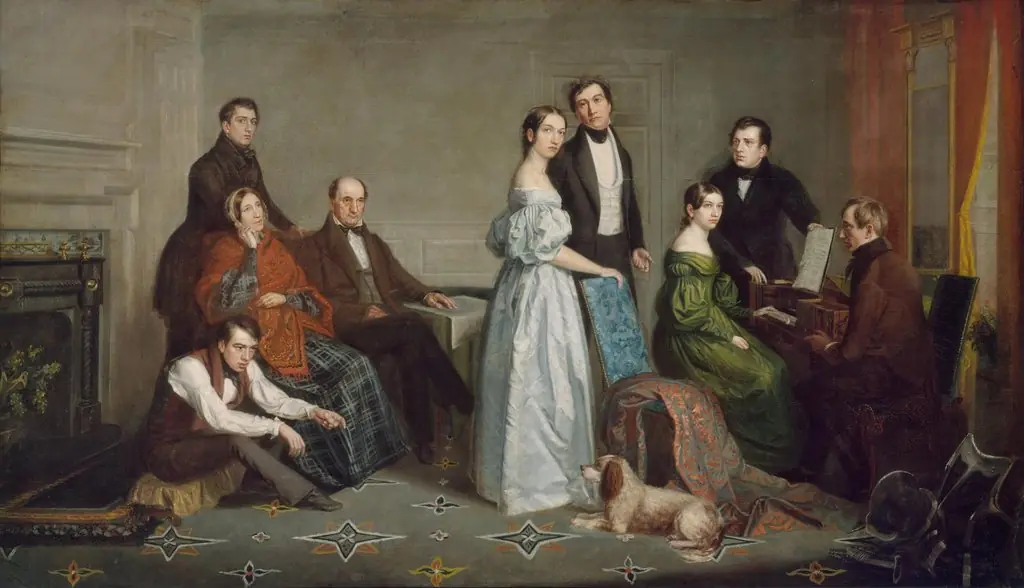 The Hollingsworth Family
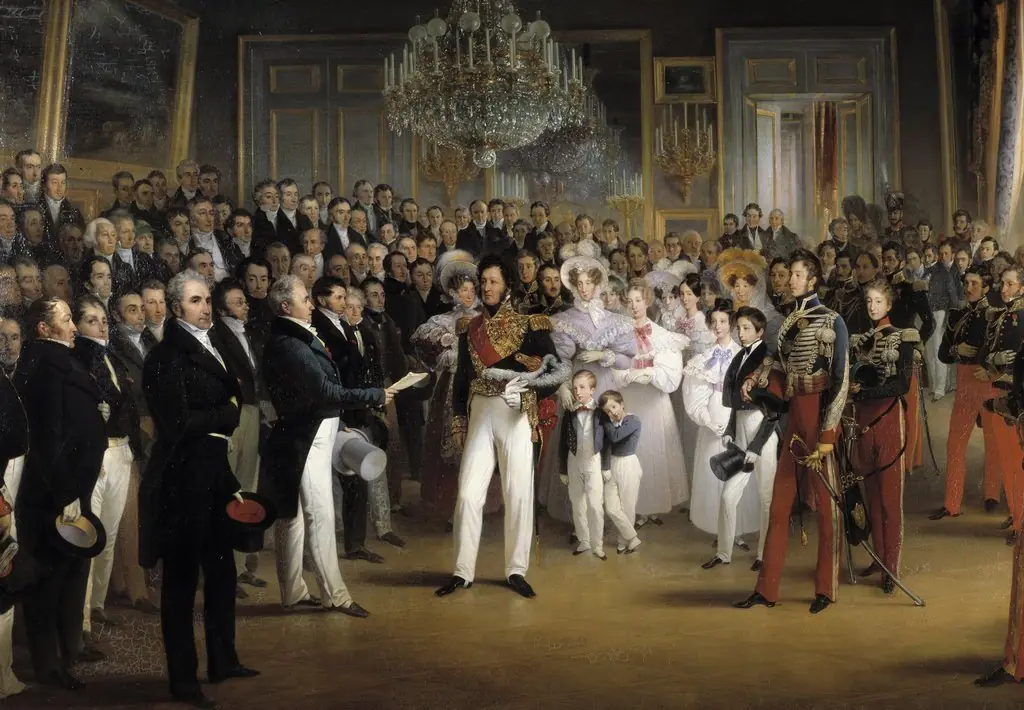 The Chamber of Deputies Received at the Palais-Royal by the Duke of Orleans
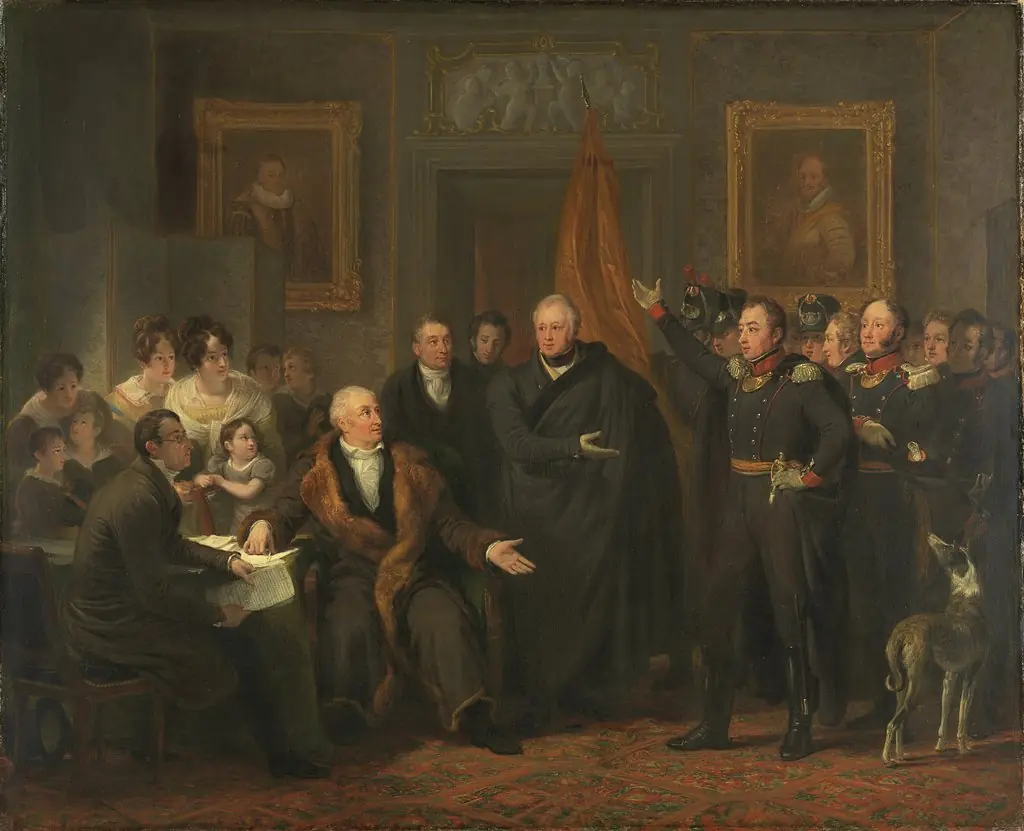 Triumvirate Assuming Power in the Name of the Prince of Orange, 21 November 1813
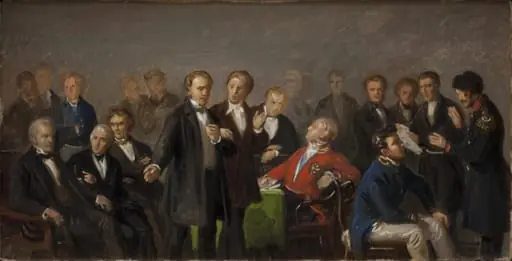 Den grundlovgivende forsamling