Artwork
Triptych of the Mine
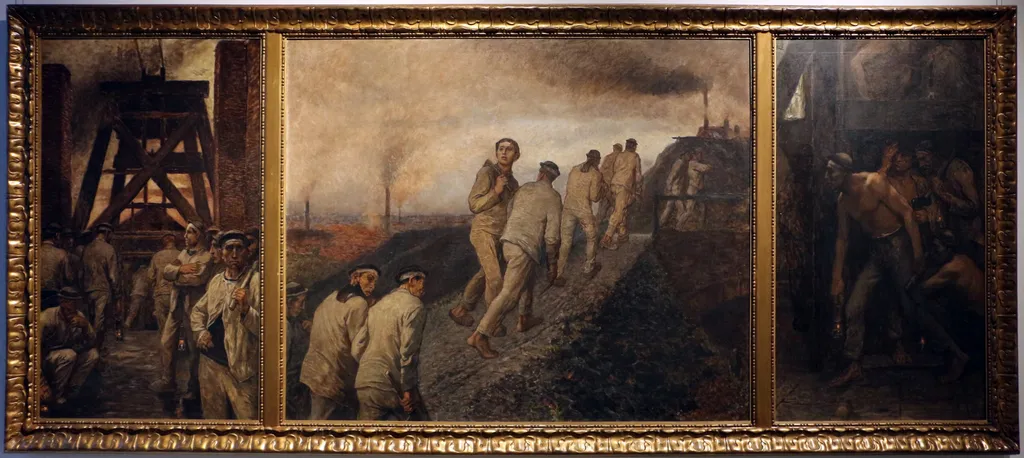
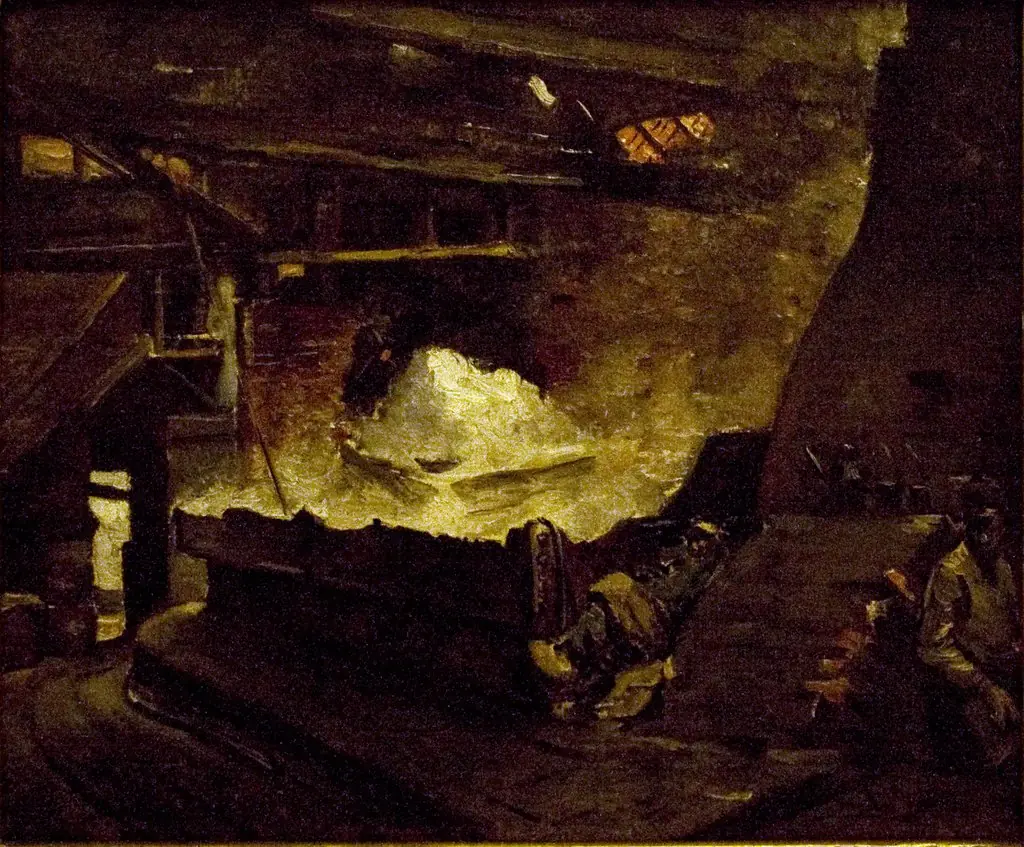
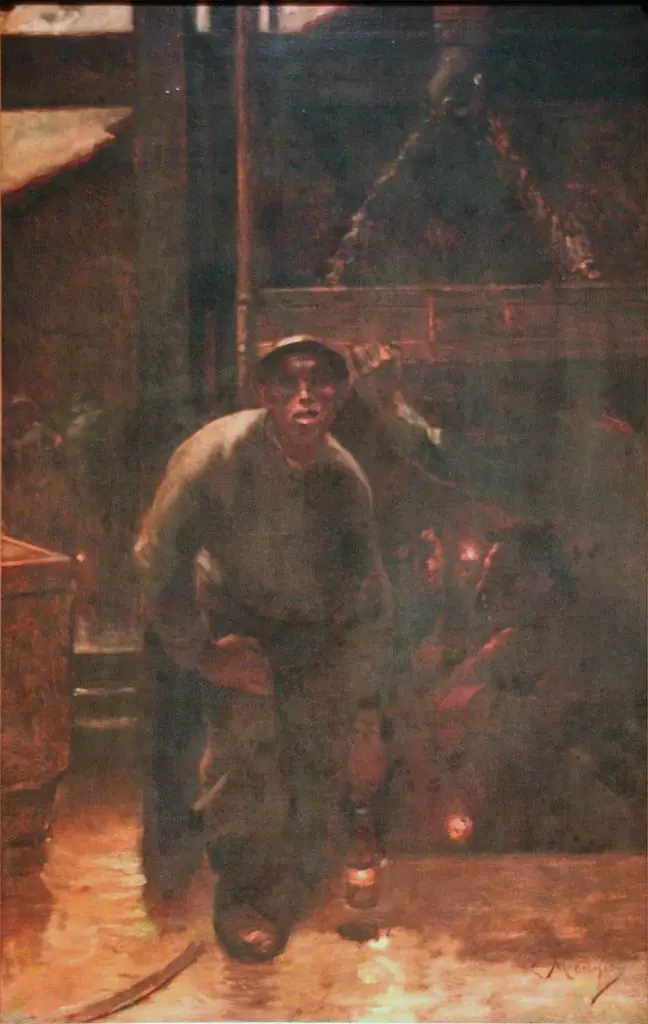
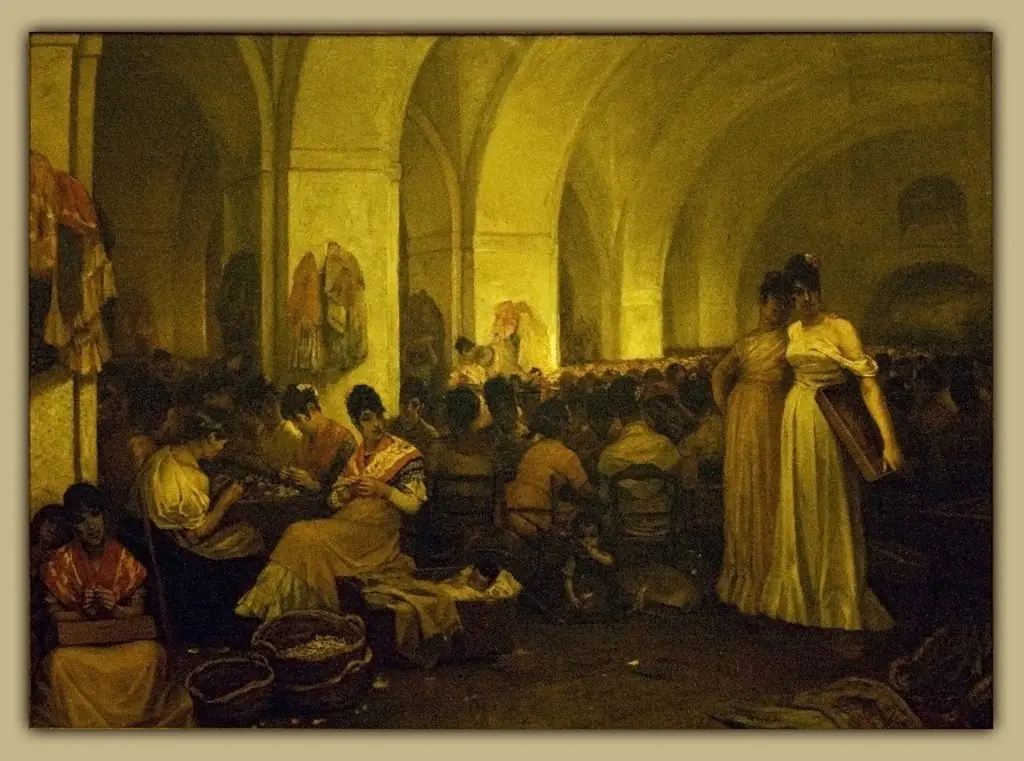
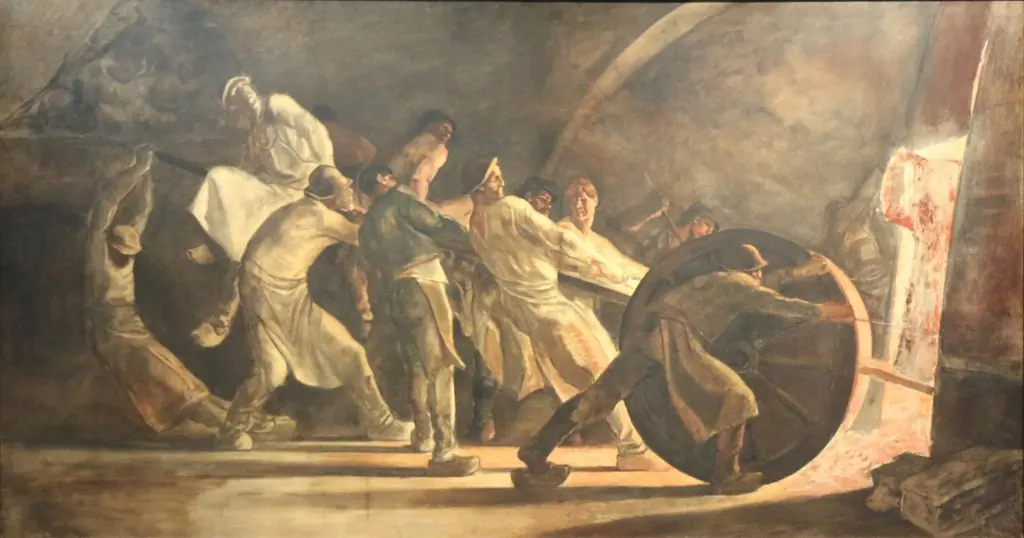
Triptych of the Mine is an unspecified painting by the Realist artist Constantin Meunier. It dates from 1902 and is held in the collection of the Royal Museums of Fine Arts of Belgium.
About this work
Overview
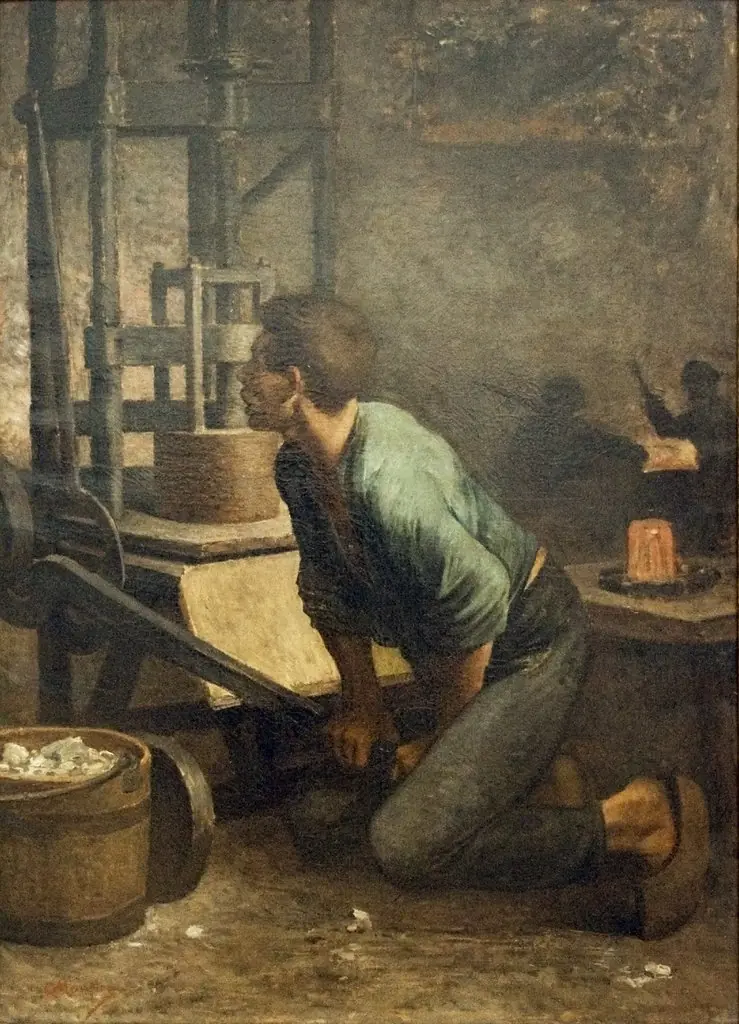
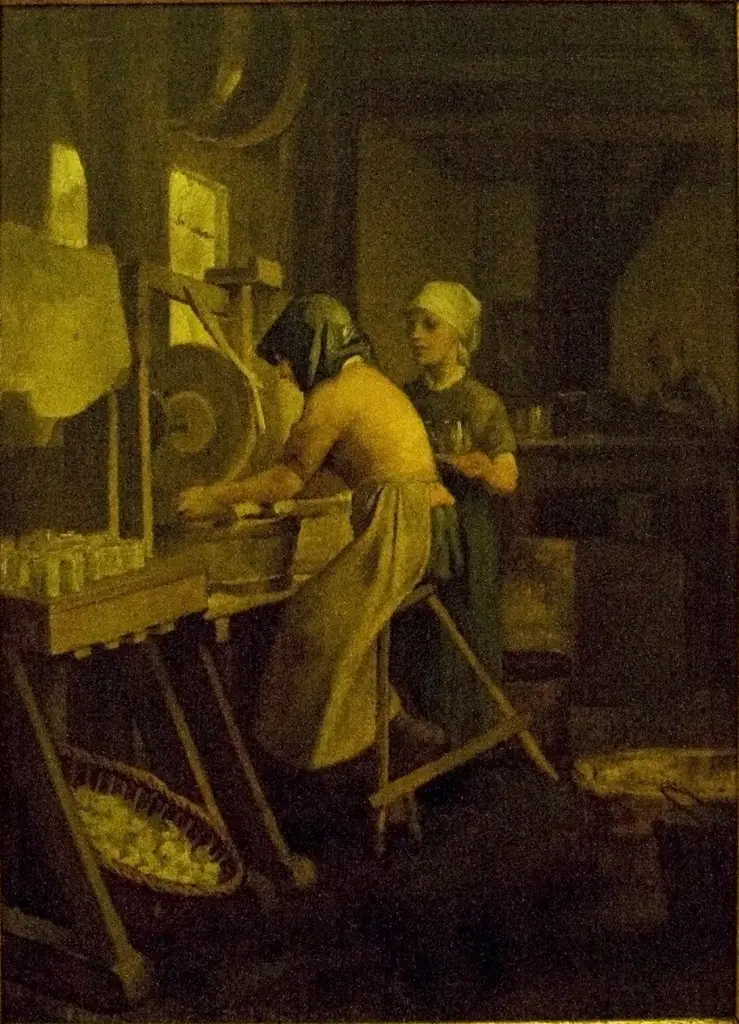
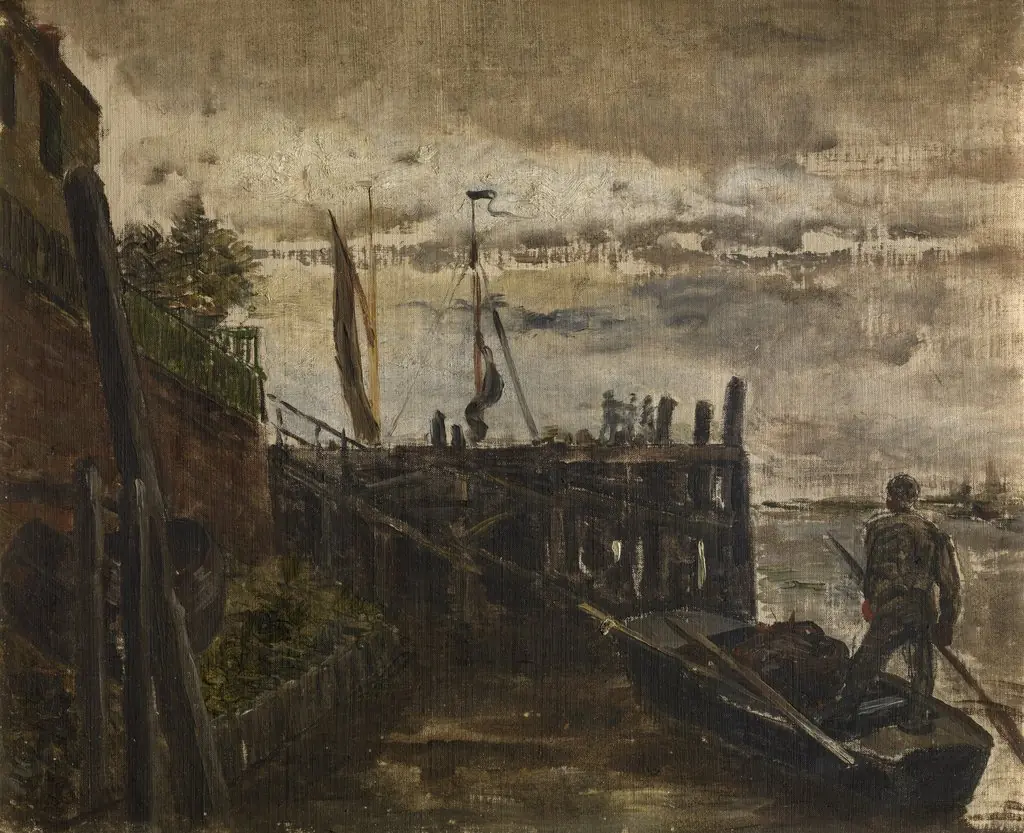
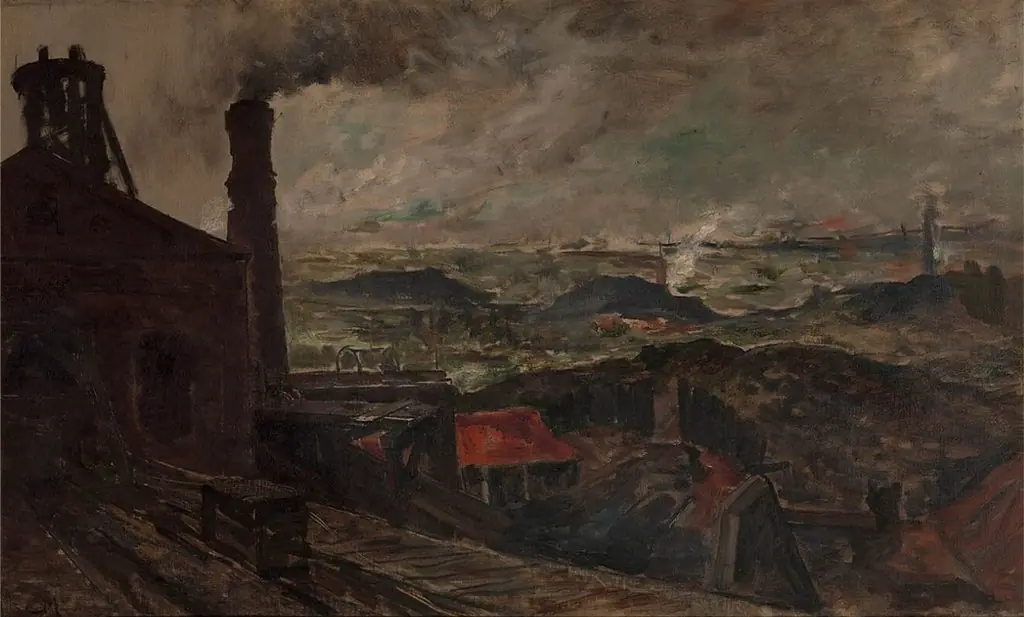
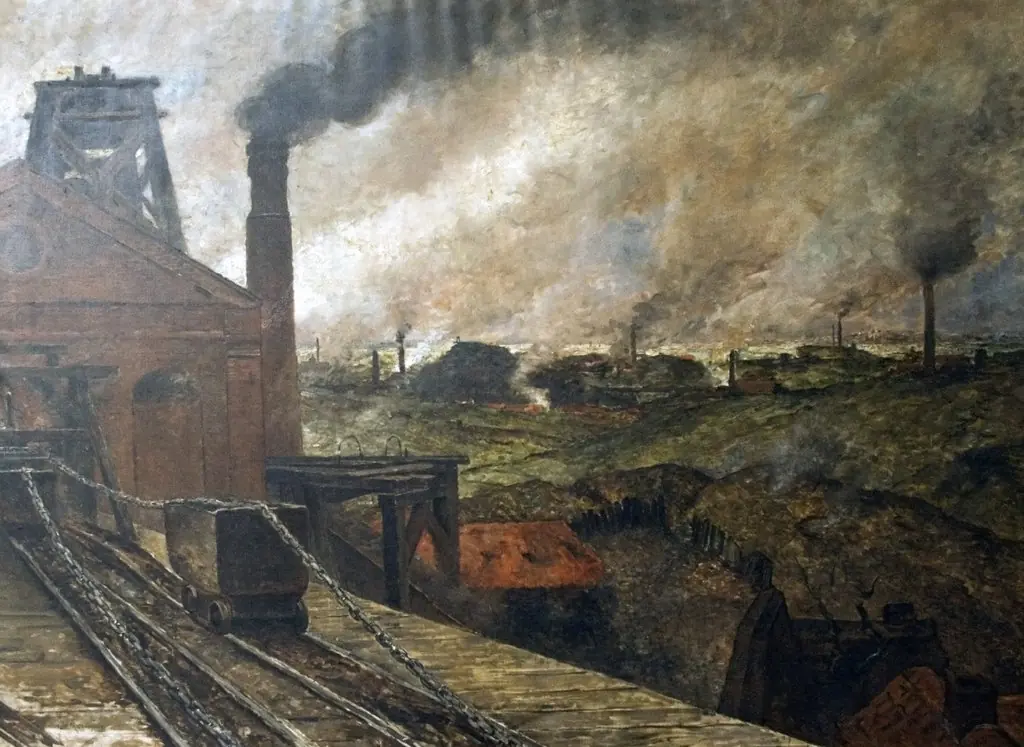
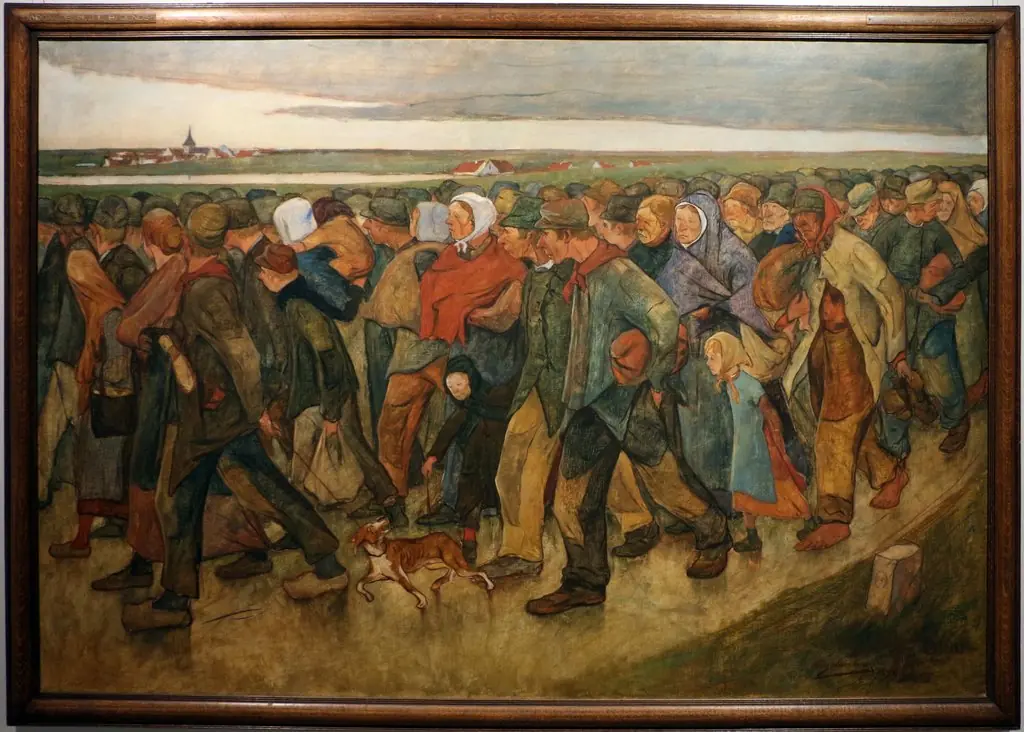
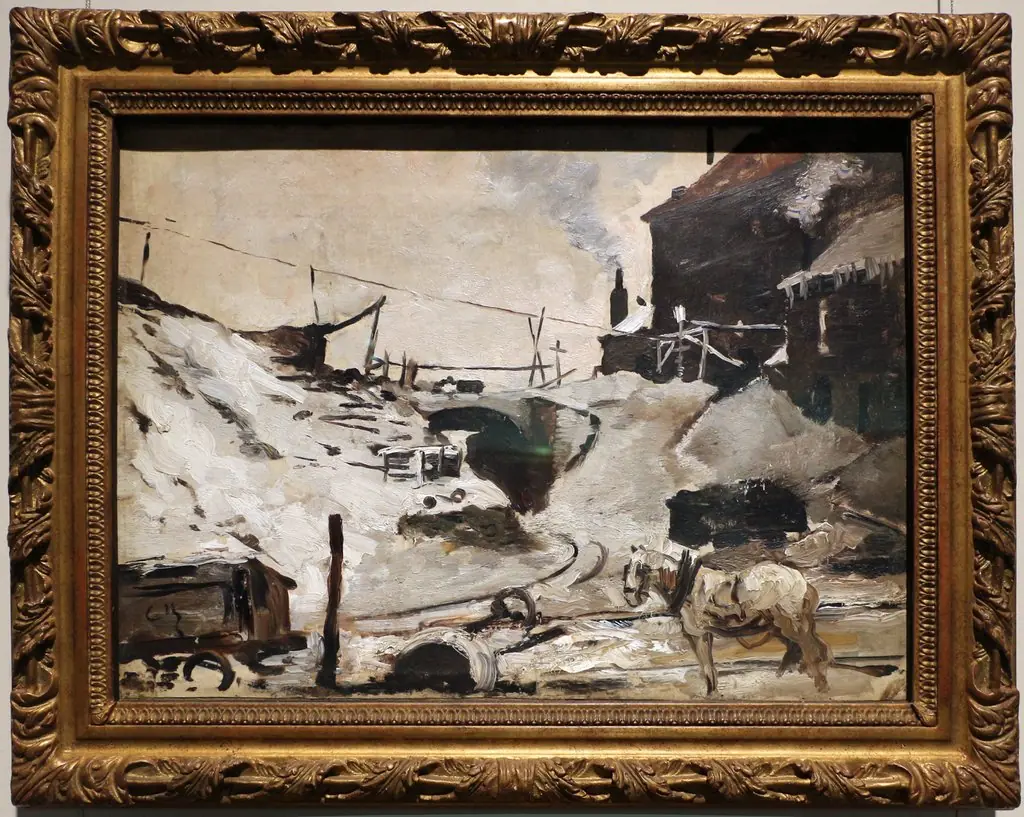
Created in 1902 by Belgian artist Constantin Meunier, the Triptych of the Mine is a three-panel oil painting that captures the daily labor of coal miners.
Created in 1902 by Belgian artist Constantin Meunier, the Triptych of the Mine is a three-panel oil painting that captures the daily labor of coal miners. Meunier, who also worked in sculpture, dedicated much of his career to portraying industrial workers with solemn dignity. This triptych forms part of a broader body of work that documents the physical and social realities of late 19th- and early 20th-century labor in Belgium’s industrial regions.
Subject & Meaning
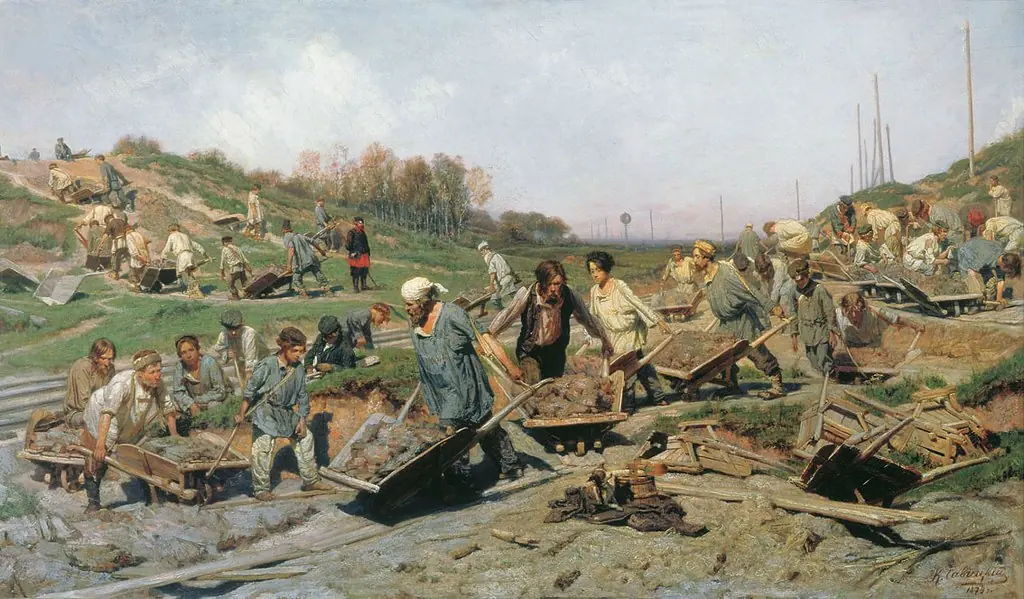
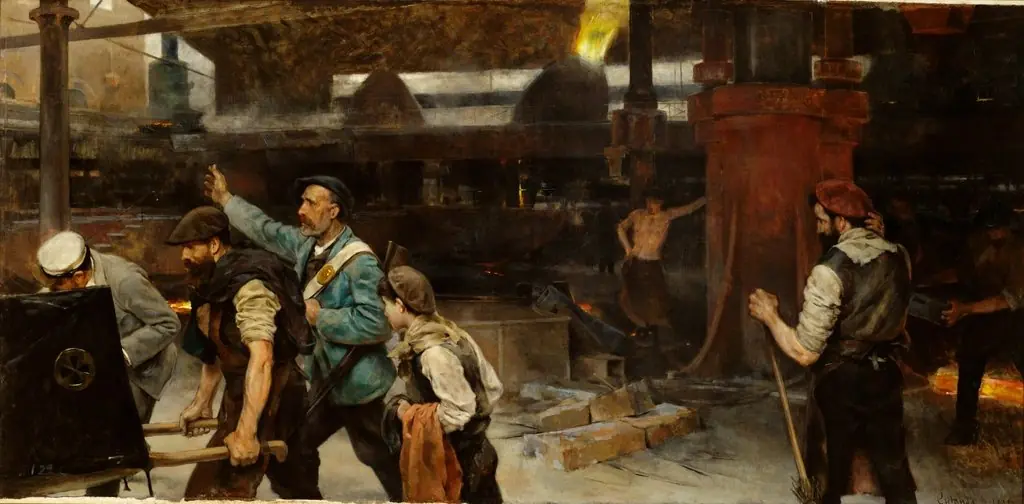
Each panel presents miners engaged in distinct moments of their work: gathering near machinery, moving along a tunnel path, and operating equipment under dim light. The figures are shown without idealization, emphasizing fatigue and collective effort. Meunier avoids dramatic heroism, instead conveying the quiet endurance of laborers whose toil sustained industrial progress. The absence of faces or individual identity underscores their role as representatives of a broader working class.
Technique & Style
Meunier employed a restrained palette of grays, browns, and earth tones to mirror the soot-laden environment of the mine. Brushwork is deliberate, focusing on the weight of fabric, the sheen of metal, and the texture of coal dust. The composition is structured yet unpolished, avoiding theatrical lighting or spatial exaggeration. This realism serves to ground the scene in observable truth, reinforcing the artist’s commitment to documenting labor without sentimentality.
History & Provenance
The triptych was completed in 1902 and entered the collection of the Royal Museums of Fine Arts of Belgium shortly thereafter. It remained within the national collection throughout the 20th century, consistently displayed as a key example of Meunier’s social realism. Its preservation reflects institutional recognition of his role in documenting Belgium’s industrial heritage during a period of rapid economic change.
Context
Meunier worked amid Belgium’s industrial expansion, where mining communities faced hazardous conditions and limited rights. His art emerged alongside growing labor movements and socialist thought, offering visual testimony to a class often ignored in academic art. Unlike contemporaries who romanticized rural life, Meunier turned his gaze to urban and industrial spaces, aligning his practice with emerging social consciousness in European art.
Legacy
The Triptych of the Mine remains a reference point in the history of labor representation in European art. Meunier’s unembellished depictions influenced later realist and socially engaged artists, particularly in regions with strong industrial traditions. Though not widely known outside Belgium, his work is studied for its quiet authority and its role in shifting artistic focus toward the dignity of manual labor in the modern age.
Artist & collection

Artist
Constantin Meunier (French pronunciation: ; 12 April 1831 – 4 April 1905) was a Belgian painter and sculptor.

Museum
Royal Museums of Fine Arts of Belgium
Continue through works from the same source collection.