Artwork
Winter Time
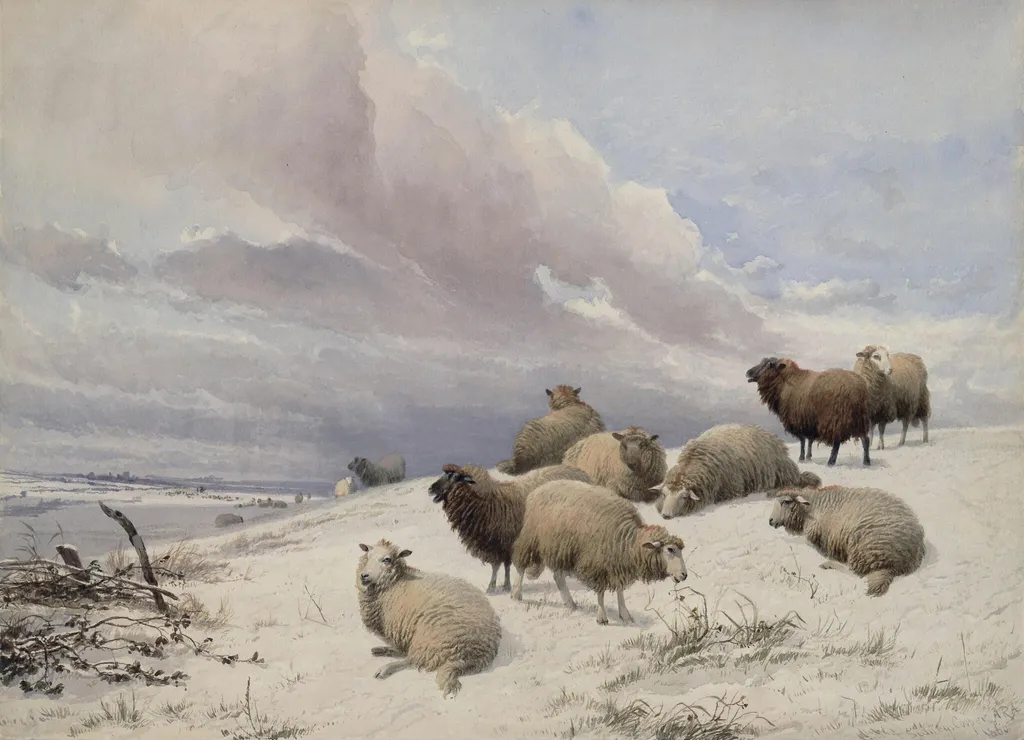
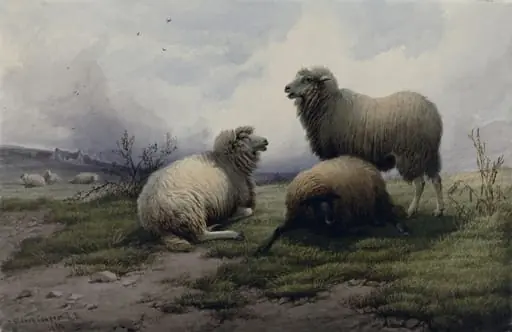
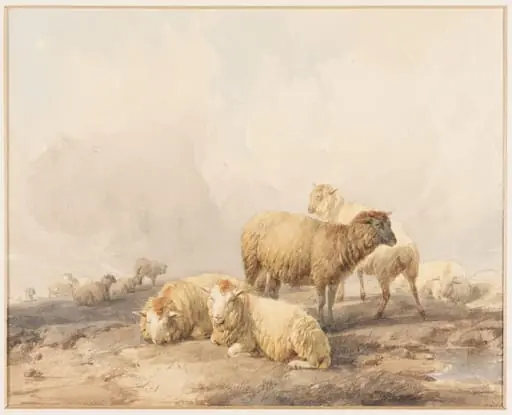
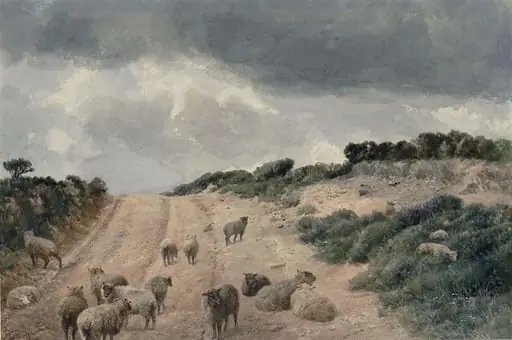
Winter Time is a watercolor work on paper by the British Romanticist artist Thomas Sidney Cooper. It dates from 1860 and is held in the collection of the Victoria and Albert Museum.
About this work
Overview
Painted in 1860, this watercolour by Thomas Sidney Cooper captures a quiet winter landscape in rural England. Signed and dated by the artist, the work reflects his longstanding interest in pastoral scenes. Rendered in translucent washes, the piece conveys the stillness of a cold day through muted tones and delicate brushwork, avoiding dramatic detail in favor of atmospheric suggestion.
Subject & Meaning
The painting evokes solitude and resilience, portraying livestock not as property but as part of the land’s seasonal cycle.
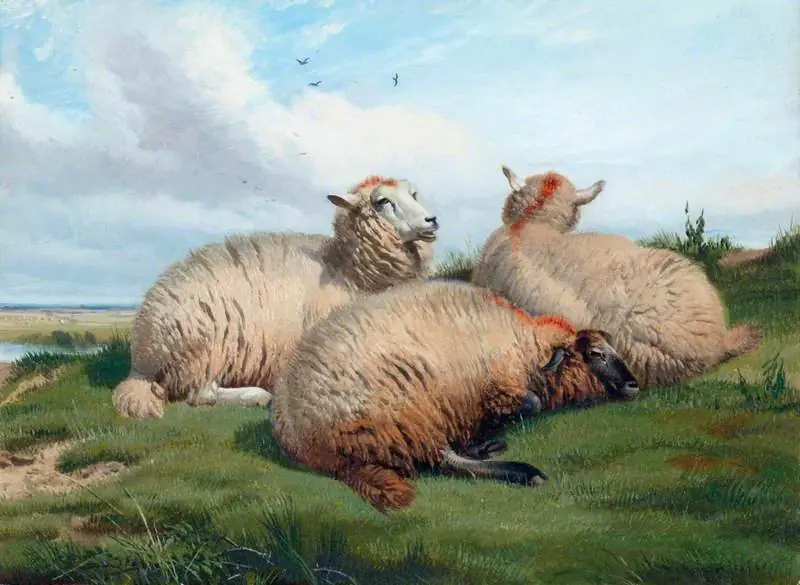
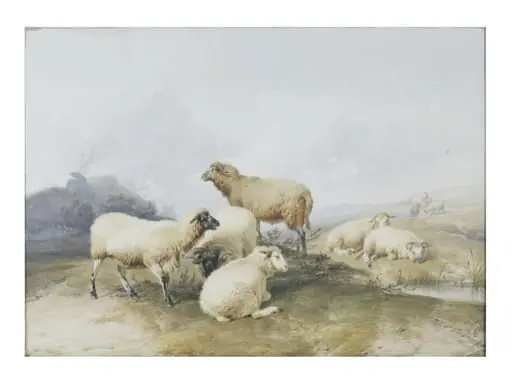
A flock of sheep rests on a snow-dusted hillside, some standing alert, others curled in repose. The scene lacks human figures, emphasizing nature’s quiet rhythm. The scattered twigs and bare branches in the foreground ground the composition, suggesting recent wind or animal movement. The painting evokes solitude and resilience, portraying livestock not as property but as part of the land’s seasonal cycle.
Technique & Style
Cooper employed watercolour with restrained precision, layering thin washes to build depth without heavy pigment. The cloudy sky is rendered with soft gradients, allowing faint blue patches to suggest fleeting sunlight. Textural variety comes from dry-brush strokes for snow-dusted grass and delicate lines for twigs. The medium’s transparency enhances the hushed, diffused light characteristic of winter afternoons.
History & Provenance
Created during Cooper’s mature period, the work aligns with his established reputation for rural English scenes. It was likely painted in his studio in Kent, where he often observed livestock in winter conditions. The painting remained in private hands after its completion, with no public exhibition record noted in major archives of the time.
Context
In mid-19th-century Britain, landscape painting increasingly turned to everyday rural life as subject matter. Cooper’s work stood apart from grand Romantic vistas, favoring intimate, unidealized moments. While contemporaries like Constable explored similar themes, Cooper’s focus on animals in seasonal settings offered a quieter, more observational alternative to urbanizing industrial imagery.
Legacy
Though not widely exhibited after his death, Cooper’s watercolours influenced later British artists interested in naturalistic rural scenes. His technique—emphasizing atmosphere over narrative—foreshadowed aspects of late 19th-century plein air practices. Today, his works are held in regional collections, valued for their understated documentation of agricultural life in pre-industrial England.
Artist & collection
Artist
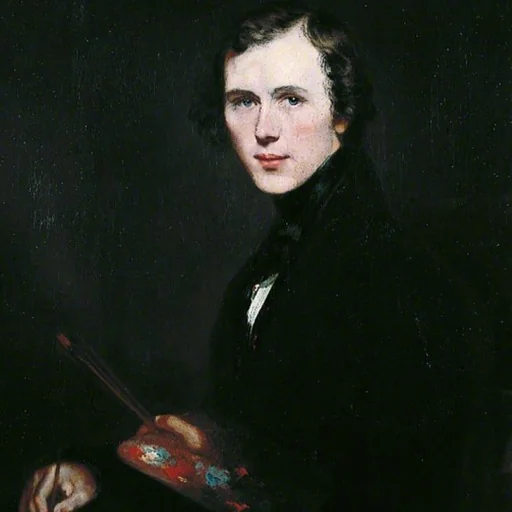
Thomas Sidney Cooper was an English landscape painter from Canterbury, noted for his images of cattle and farm animals.