Artwork
Man in black beret holding a pair of gloves
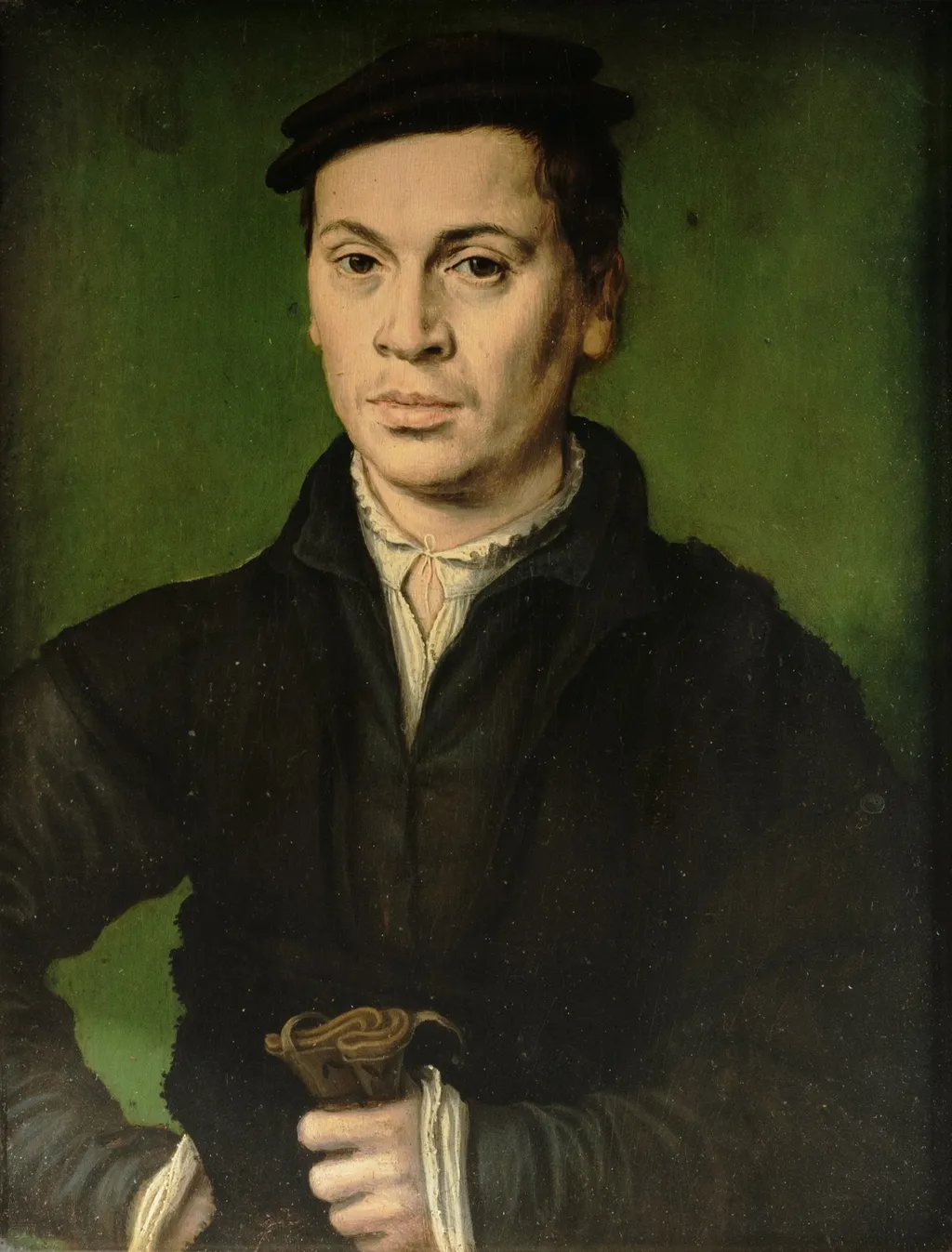
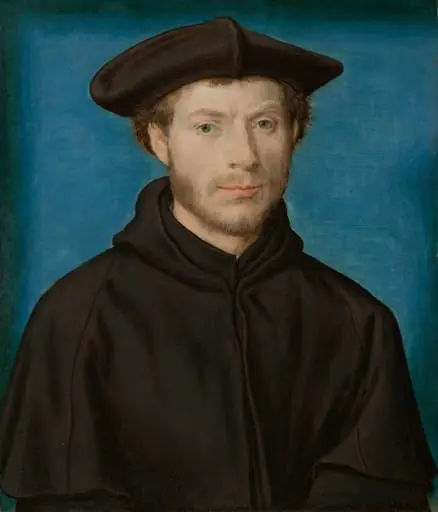
Man in black beret holding a pair of gloves is an oil painting by the Northern Renaissance artist Corneille de Lyon. It dates from 1530 and is held in the collection of the Museum of Fine Arts of Lyon. This oil-on-panel portrait, dated to the 1530s, depicts an unidentified man wearing a black beret and holding a pair of gloves.
About this work
This painting is called Man in black beret holding a pair of gloves.
It was made by Corneille de Lyon, a 16th-century artist.
The painting is now at the Museum of Fine Arts of Lyon, which is interesting because it was bought by the museum in 2014, showing its value was recognized later on.
You can learn more about the artist Corneille de Lyon.
Overview
It was acquired by the Museum of Fine Arts of Lyon in 2014, marking its formal entry into a public collection after centuries in private hands.
This oil-on-panel portrait, dated to the 1530s, depicts an unidentified man wearing a black beret and holding a pair of gloves. Created by Corneille de Lyon, a French painter active during the Renaissance, the work exemplifies the intimate portraiture favored by French court artists of the period. It was acquired by the Museum of Fine Arts of Lyon in 2014, marking its formal entry into a public collection after centuries in private hands.
Subject & Meaning
The sitter’s identity remains unknown, but his refined attire and the presence of gloves suggest noble or upper-class status. Gloves in Renaissance portraiture often symbolized social distinction, courtesy, or readiness for formal occasions. The direct gaze and restrained expression convey quiet dignity, typical of de Lyon’s approach to capturing individual presence without theatricality.
Technique & Style
Corneille de Lyon employed fine brushwork and subtle tonal gradations to render texture and light, particularly in the wool of the beret and the leather of the gloves. His style emphasizes facial detail and psychological nuance over elaborate backgrounds, reflecting a Northern European influence adapted to French sensibilities. The palette is muted, focusing attention on the sitter’s features and gestures.
History & Provenance
The painting remained in private collections for centuries, its origins and ownership largely undocumented until the 20th century. Its acquisition by the Museum of Fine Arts of Lyon in 2014 followed scholarly reassessment and renewed interest in de Lyon’s oeuvre. The museum’s purchase affirmed its significance as a representative work of 16th-century French portraiture.
Context
During the 1530s, French artists like de Lyon were developing a distinct portrait tradition separate from Italian Renaissance grandeur. Focused on realism and emotional restraint, these works catered to the French court’s preference for understated elegance. De Lyon’s output, largely of anonymous sitters, reflects a growing market for personal likenesses among the elite outside royal circles.
Legacy
Corneille de Lyon’s portraits, once overlooked, are now recognized for their quiet intensity and technical precision. This painting contributes to a broader understanding of how portraiture functioned in early modern France—not as propaganda, but as a means of personal and social affirmation. Its inclusion in a major French museum underscores its role in the nation’s artistic heritage.
Artist & collection
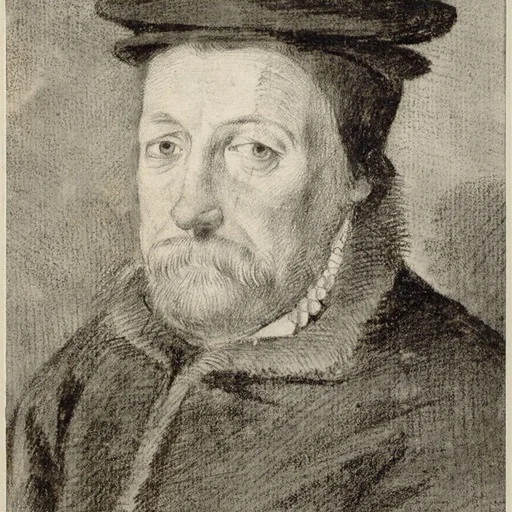
Artist
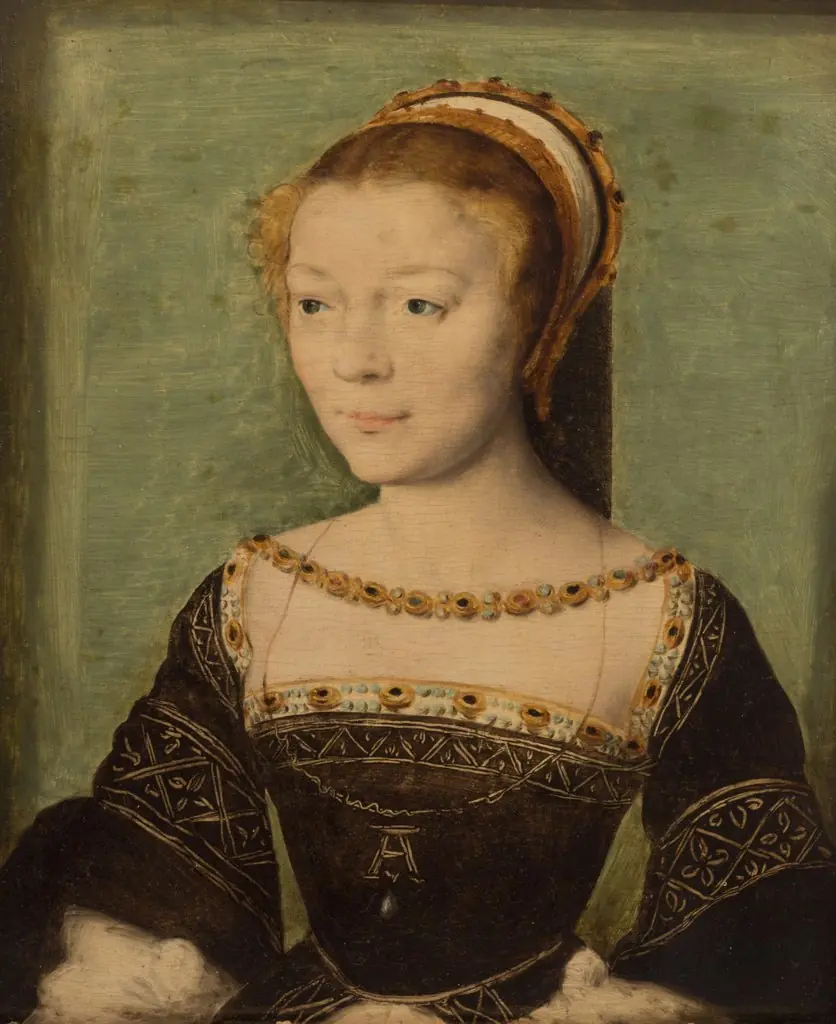
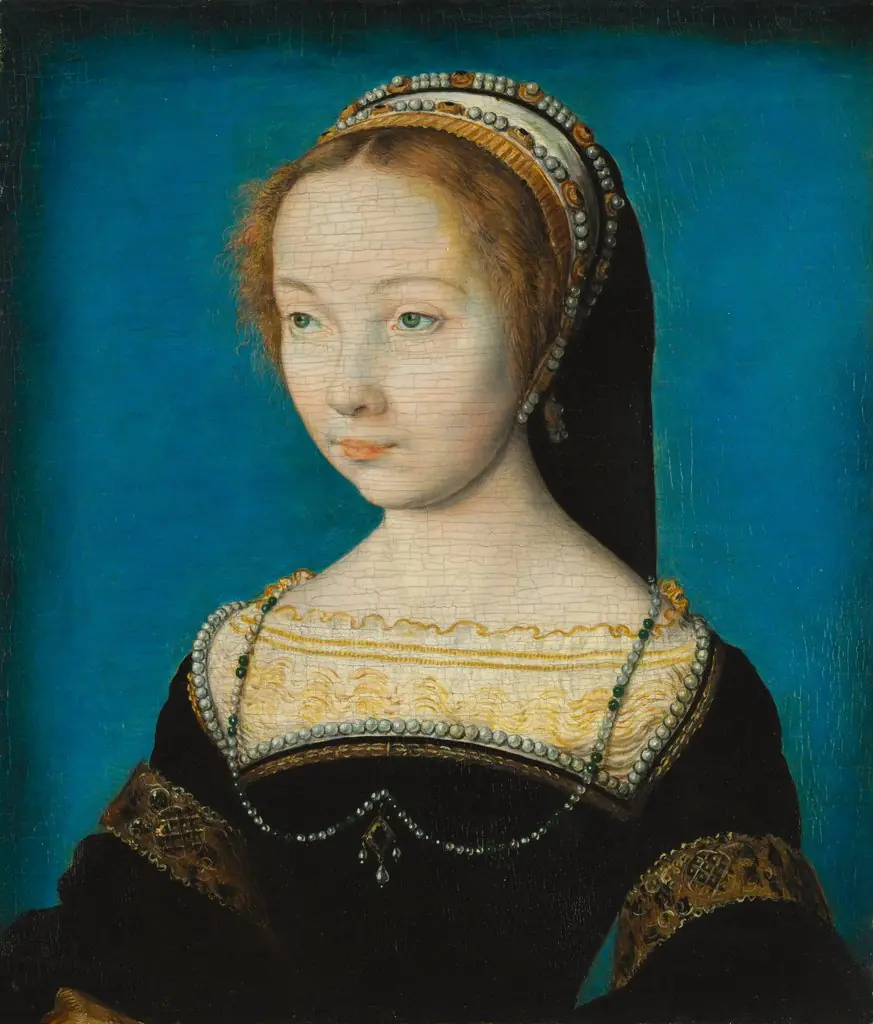
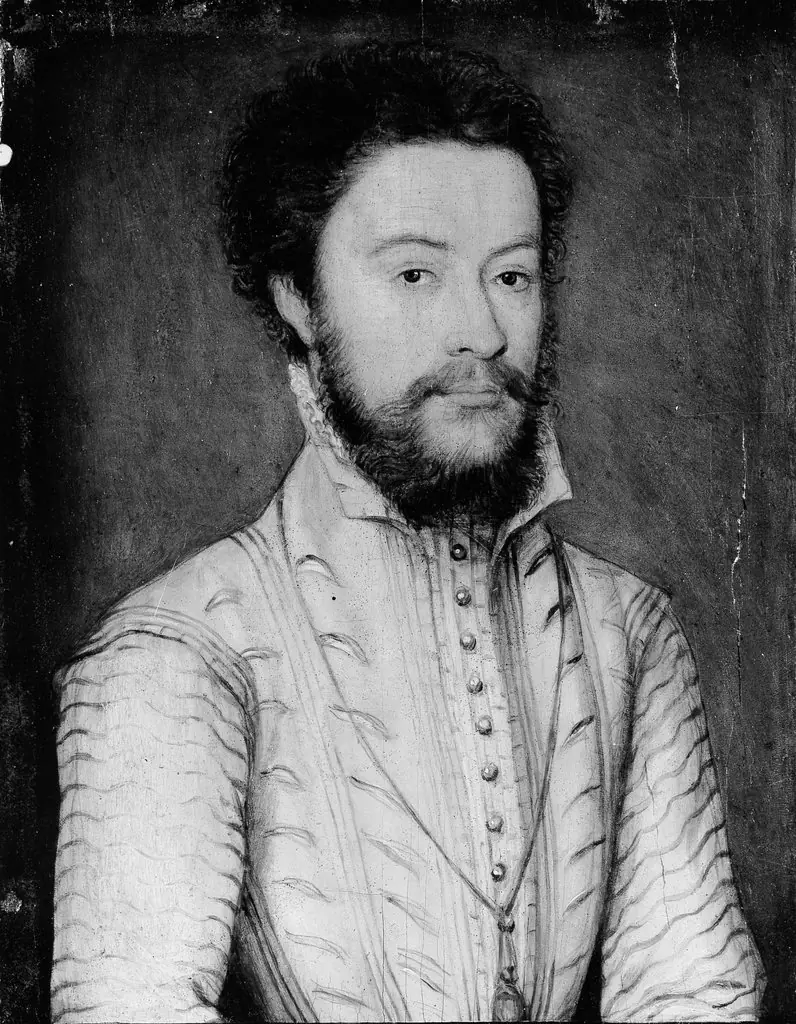
Corneille de Lyon was a Dutch painter of portraits who was active in Lyon, France, from 1533 until his death. In France and the Netherlands he is also still known as Corneille de La Haye after his birthplace, The Hague.

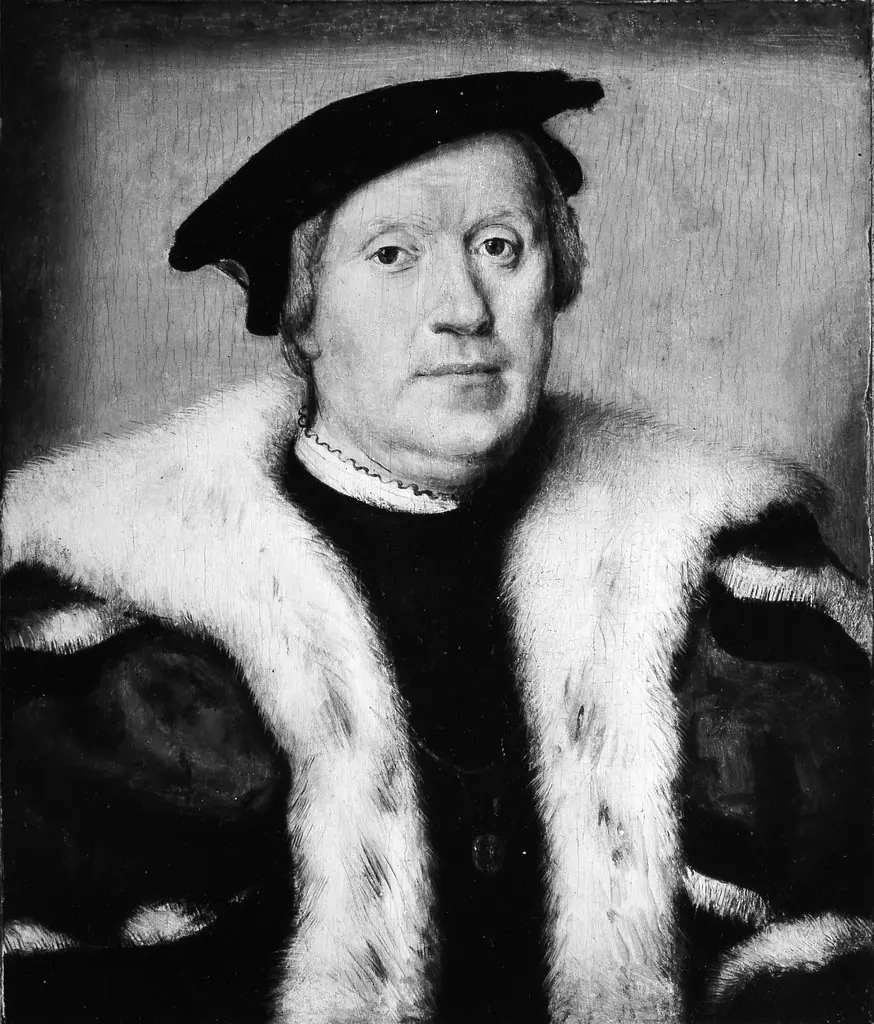
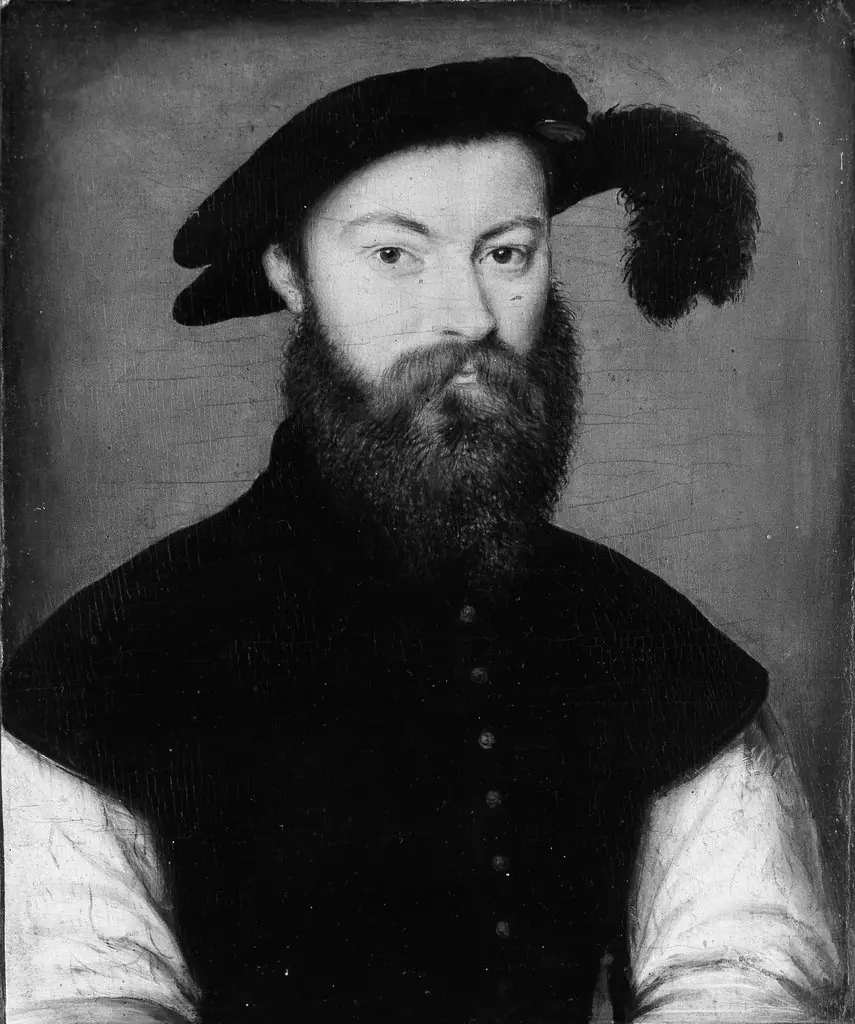
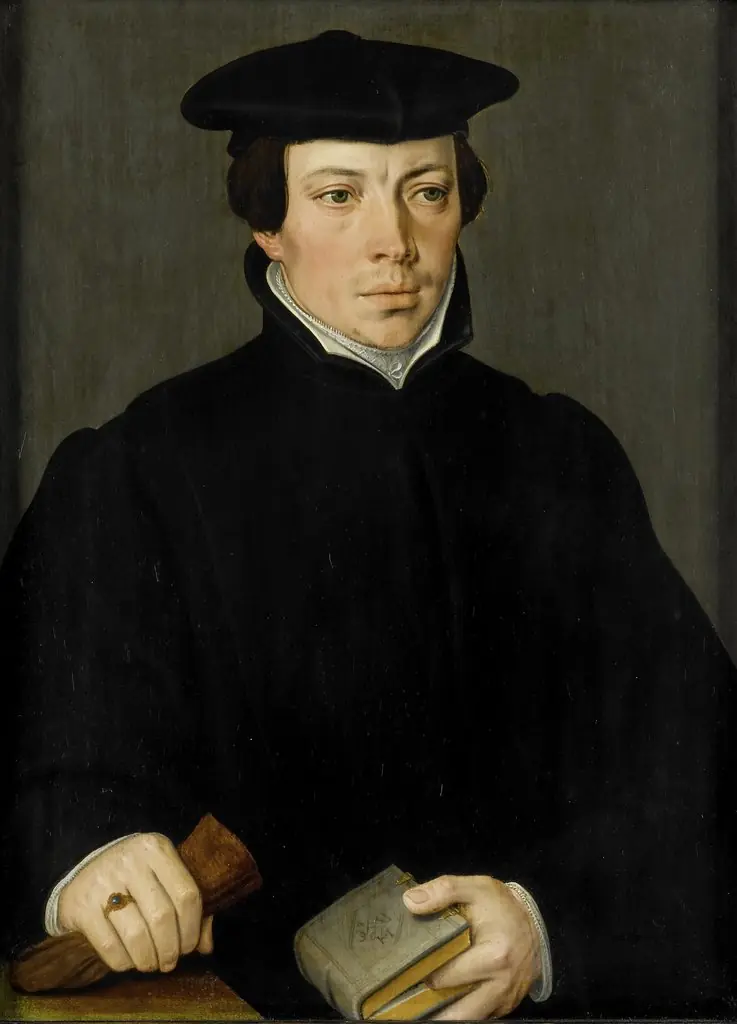 Portrait of a young Clergyman
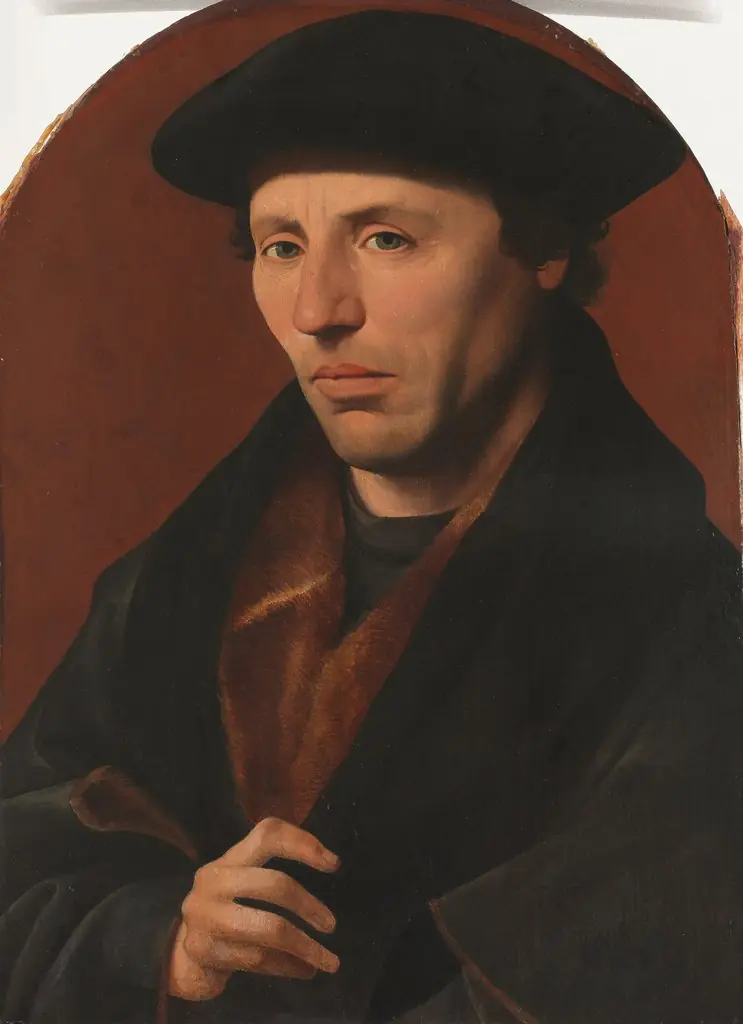 Portrait of a Haarlem Citizen
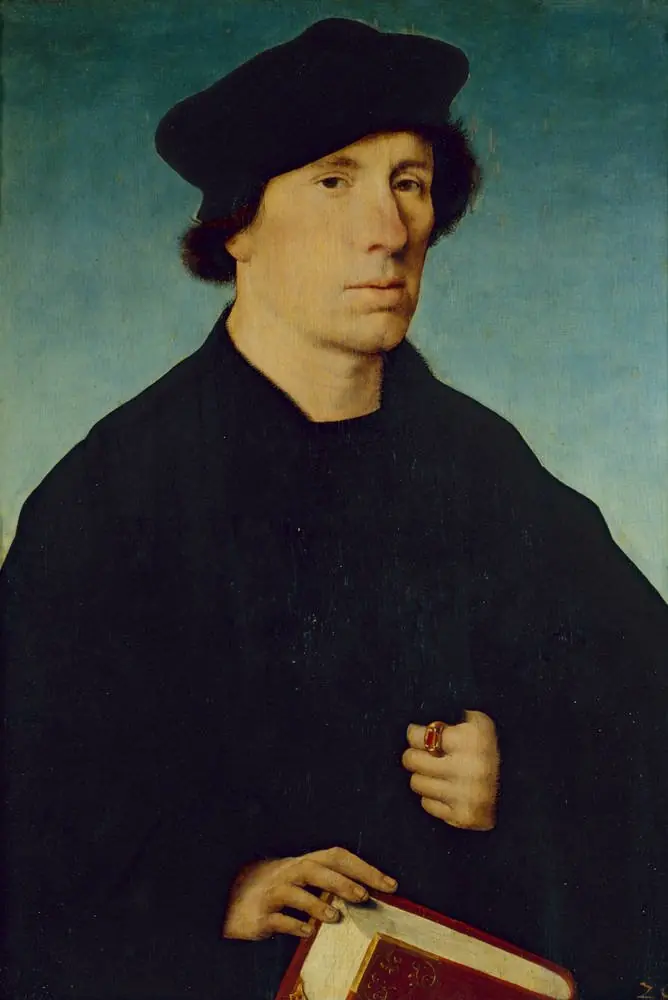 Portrait of a Beardless Man
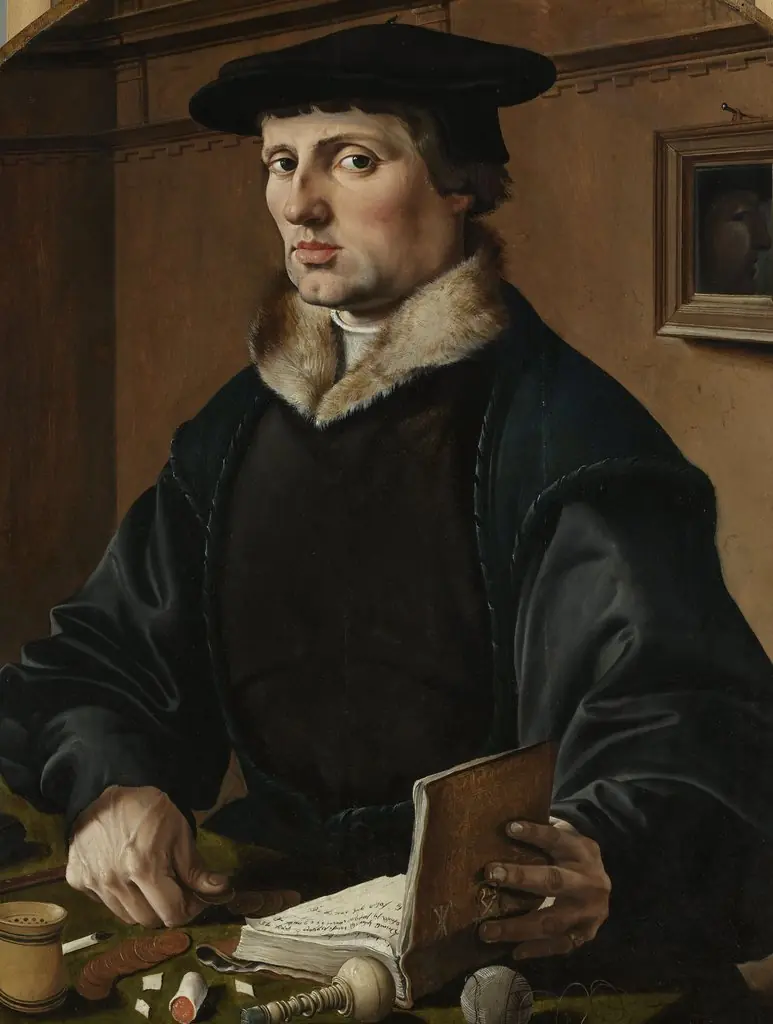 Portrait of (possibly) Pieter Gerritsz Bicker, pendant of (possibly) his wife Anna Codde
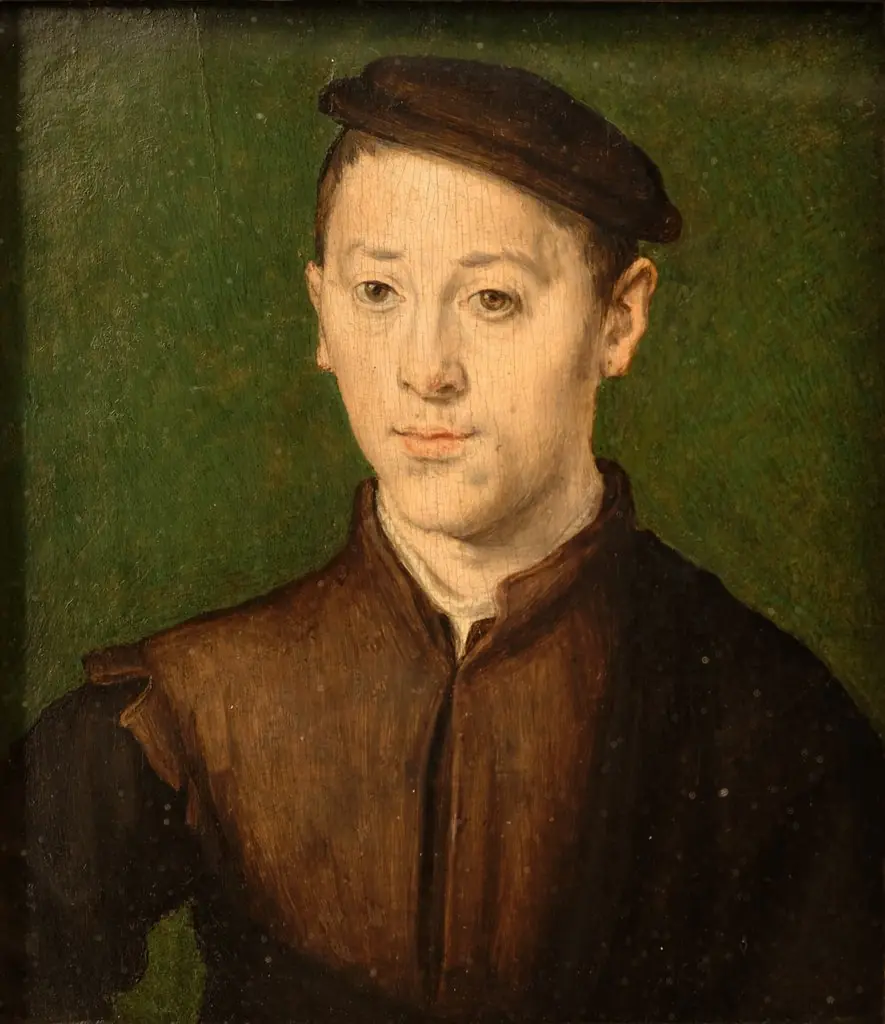 Portrait d'un jeune homme en demi-buste
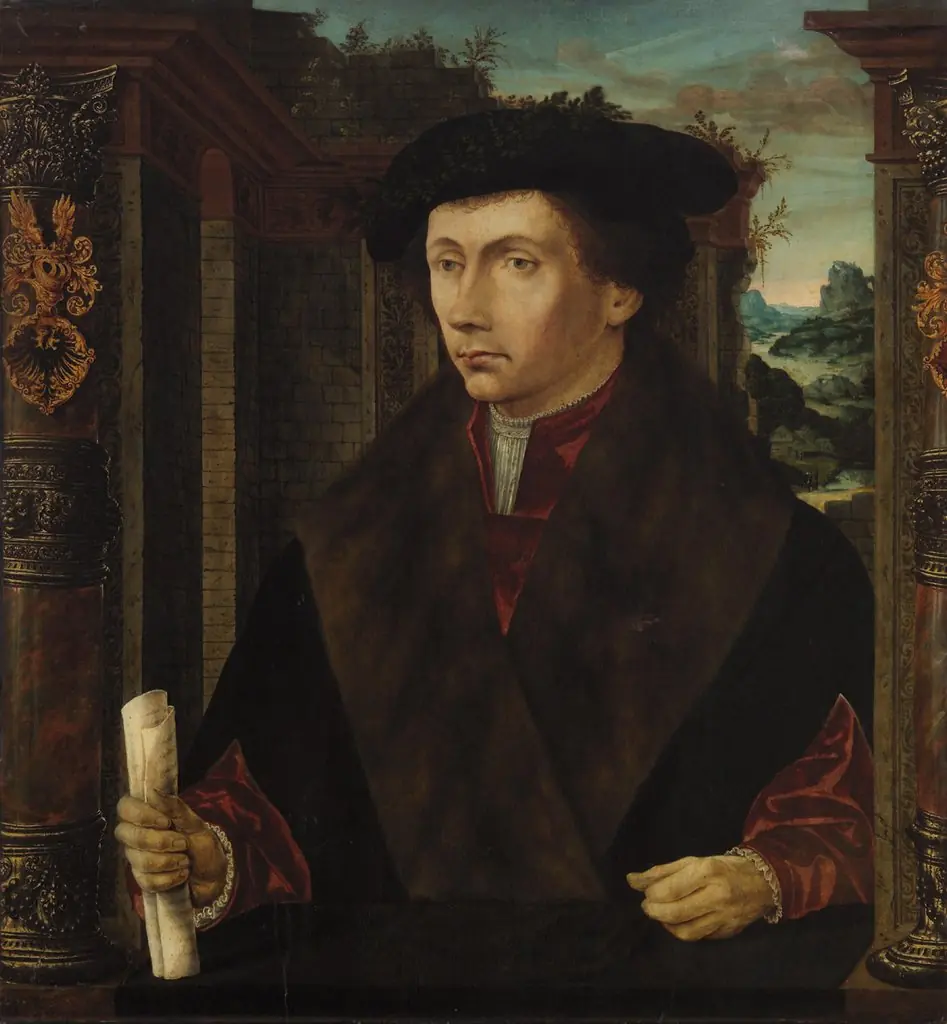 Portrait of Sybrand Pompejusz. Occo
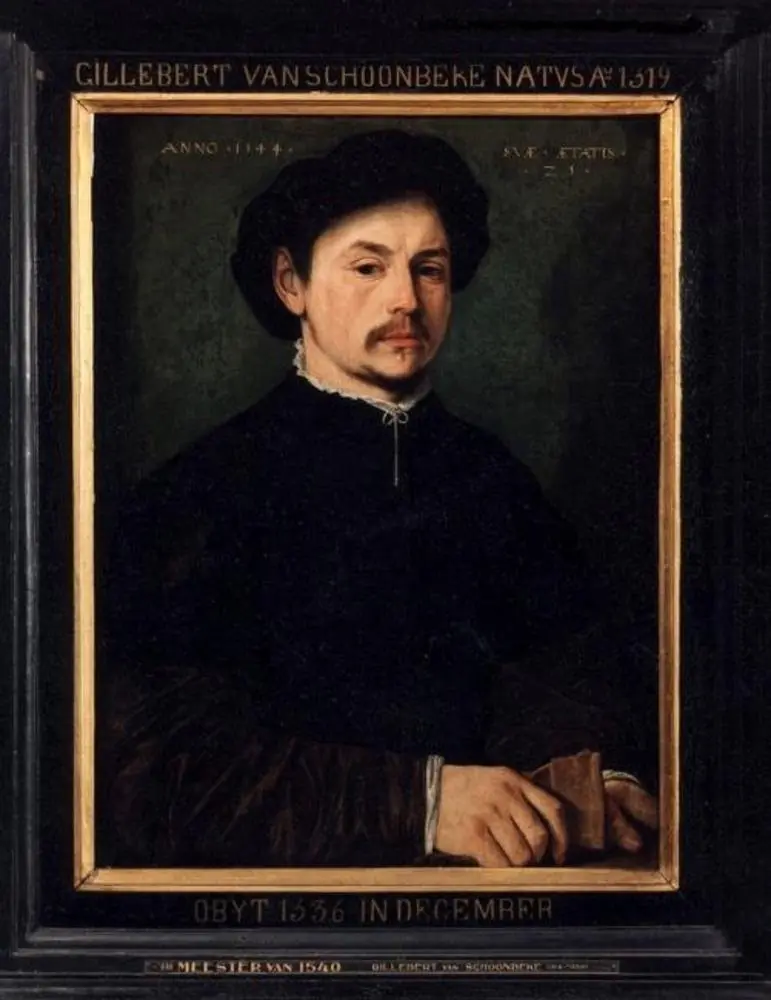 Portrait of Gilbert van Schoonbeke (1519-1556)
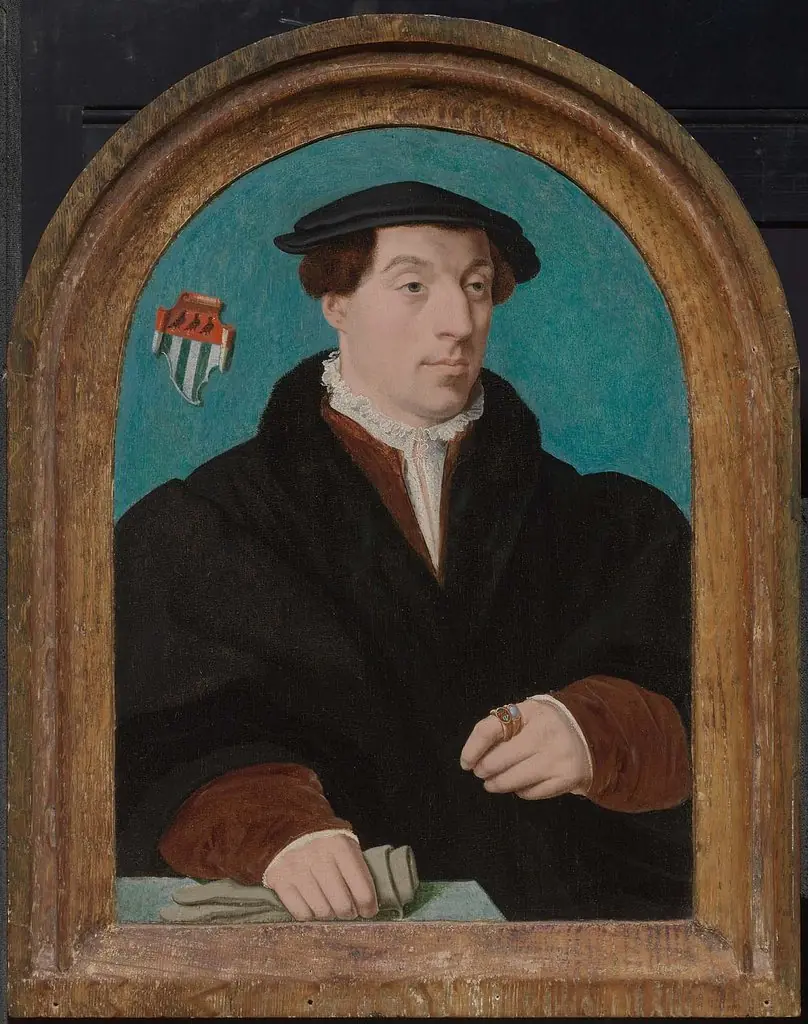 Johann von Aich (1510–1549)