Artwork
Portrait of a Beardless Man
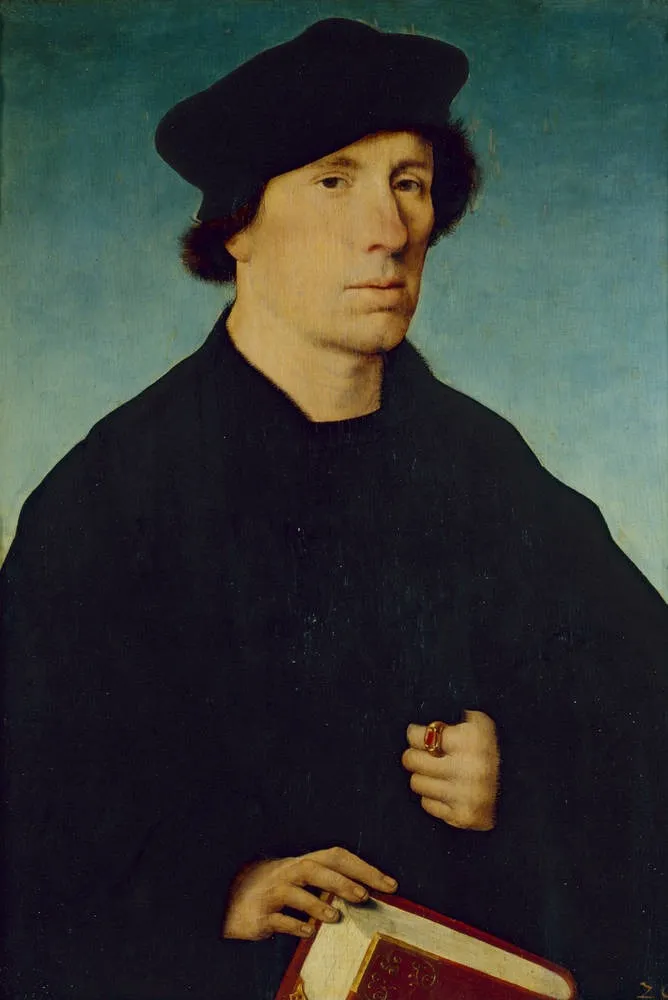
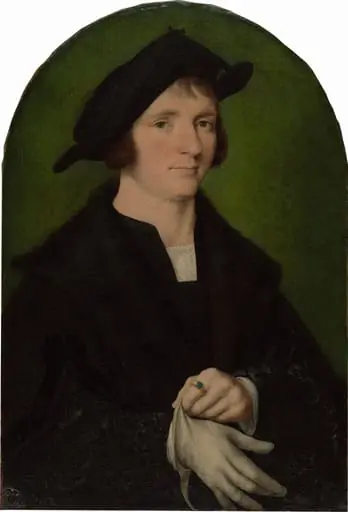
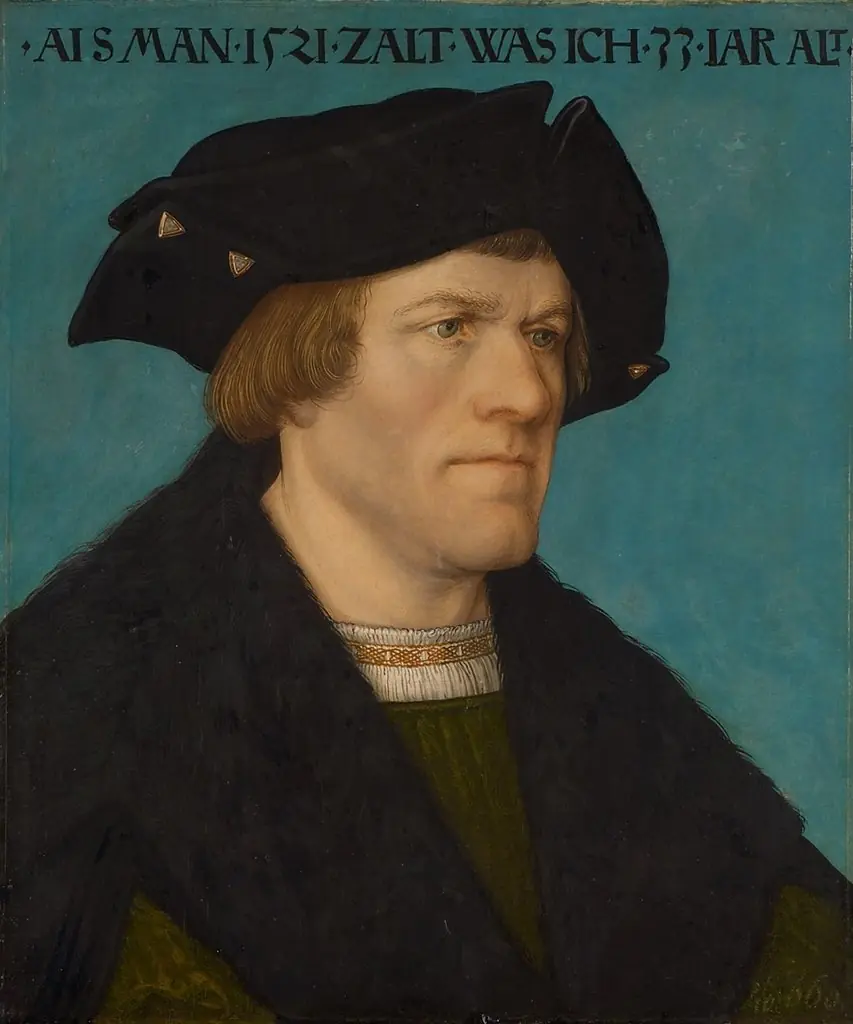
Portrait of a Beardless Man is an oil painting by the Northern Renaissance artist Joos van Cleve. It dates from 1519 and is held in the collection of the Gemäldegalerie Alte Meister.
About this work
Overview
Executed during the artist’s active years in Antwerp, the work reflects the fusion of Northern European precision and emerging Renaissance sensibilities.
Painted in 1519, this oil-on-panel portrait by Joos van Cleve captures a beardless man with quiet composure. Executed during the artist’s active years in Antwerp, the work reflects the fusion of Northern European precision and emerging Renaissance sensibilities. The subject’s restrained demeanor and refined attire align with the conventions of civic portraiture in early 16th-century Flanders, emphasizing dignity over theatricality.
Subject & Meaning
The sitter, likely a member of the urban elite, is depicted holding a red and gold book, suggesting literacy and intellectual engagement. His black hat and cloak indicate social standing, while the absence of a beard reflects contemporary fashion among educated men. The neutral gaze directed to the right avoids direct confrontation, reinforcing a sense of private contemplation rather than public display.
Technique & Style
Van Cleve employs subtle chiaroscuro to model the face and hands, enhancing three-dimensionality without dramatic contrast. The texture of fabric, skin, and book cover is rendered with meticulous brushwork, characteristic of Early Netherlandish tradition. The blue-green background, softly graded, isolates the figure and deepens spatial presence without distracting from the subject’s form.
History & Provenance
The painting has been held since at least the 19th century by the Gemäldegalerie Alte Meister in Dresden, where it remains part of its core collection of Northern Renaissance works. Its attribution to van Cleve is supported by stylistic parallels with his documented portraits, though the sitter’s identity has not been established through archival records.
Context
In early 16th-century Antwerp, portraiture served as a marker of civic identity among merchants and professionals. Van Cleve’s studio catered to this market, blending the detailed realism of earlier Netherlandish painters with the humanist ideals of the Renaissance. This portrait exemplifies how personal identity was conveyed through attire, gesture, and quiet presence rather than heraldic symbolism.
Legacy
The work contributes to the understanding of how Northern artists adapted Renaissance ideals to local traditions. Van Cleve’s ability to convey individuality within formal constraints influenced later portraitists in the Low Countries. Though not widely exhibited outside specialist circles, it remains a representative example of Antwerp’s thriving portrait culture in the decades before the Reformation.
Artist & collection
Artist
Joos van Cleve (; also Joos van der Beke; c. 1485–1490 – 1540/1541) was a leading painter active in Antwerp from his arrival there around 1511 until his death in 1540 or 1541. Within Dutch and Flemish Renaissance…

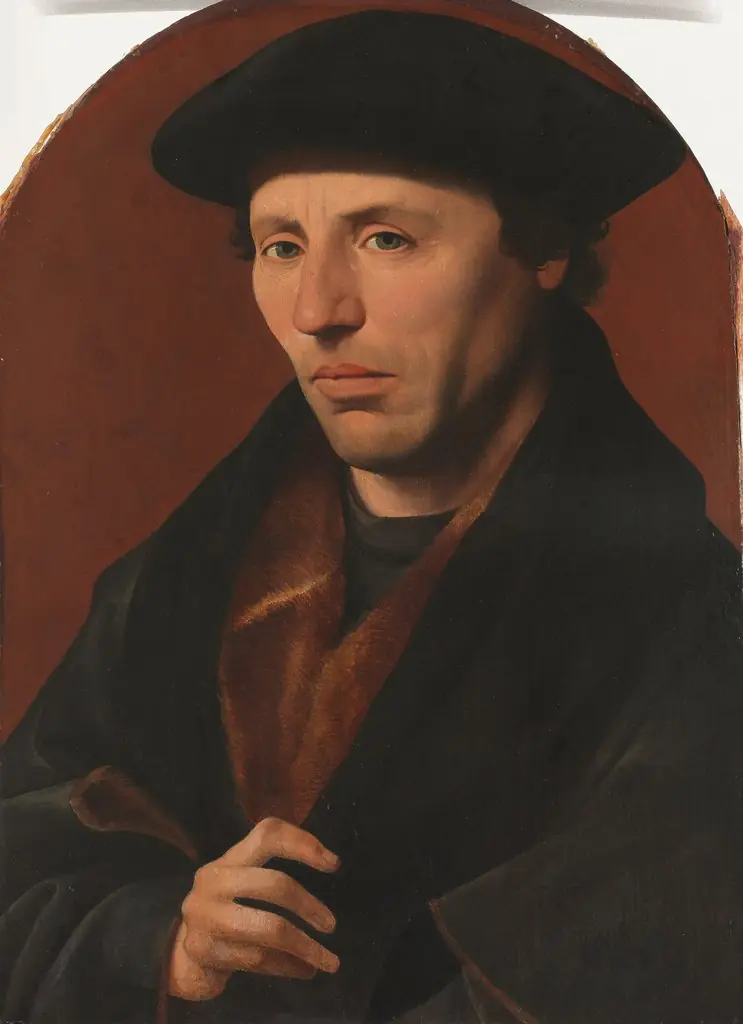 Portrait of a Haarlem Citizen
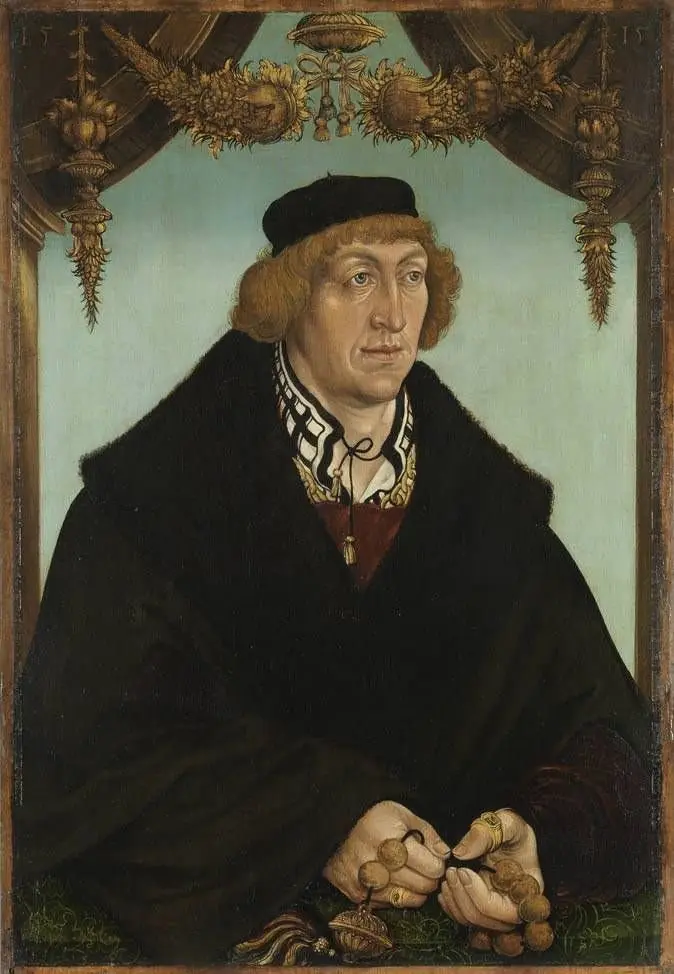 Pfalzgraf Philipp, Bischof von Freising
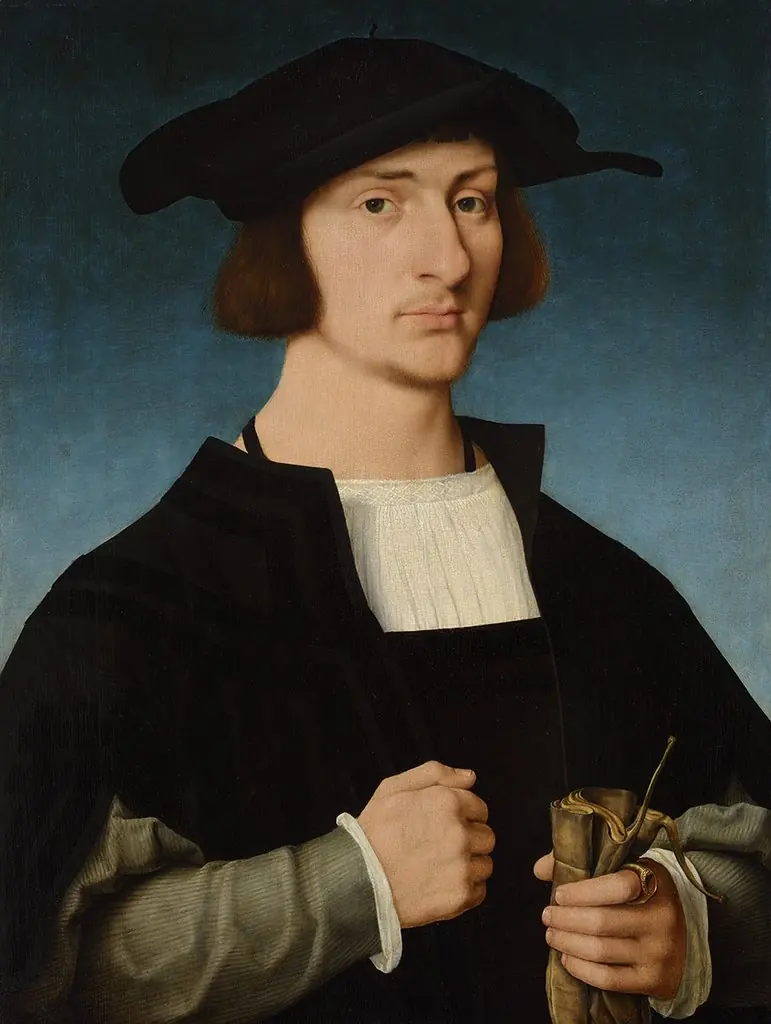 Portrait of a Young Man (Lyons)
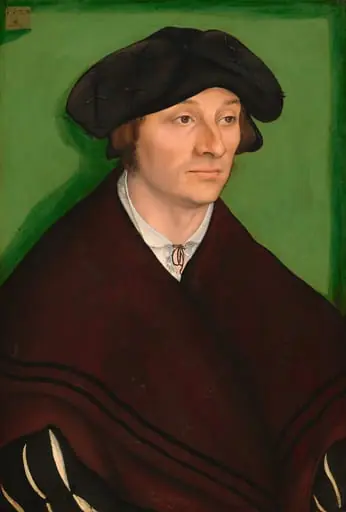 Portrait of a Man
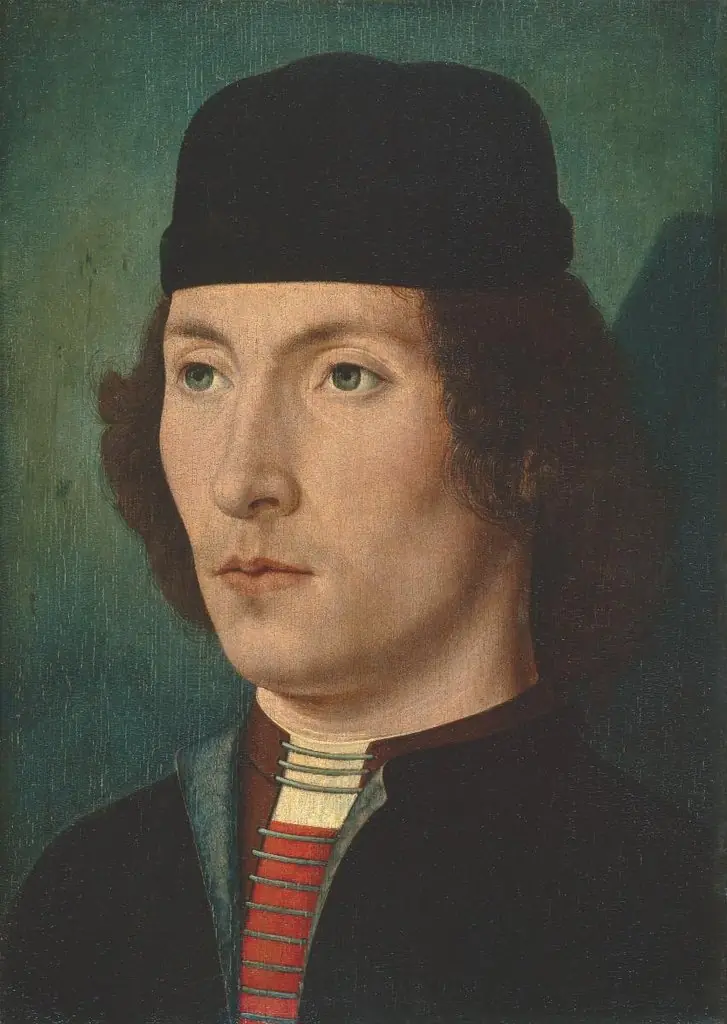 Portrait of a young man
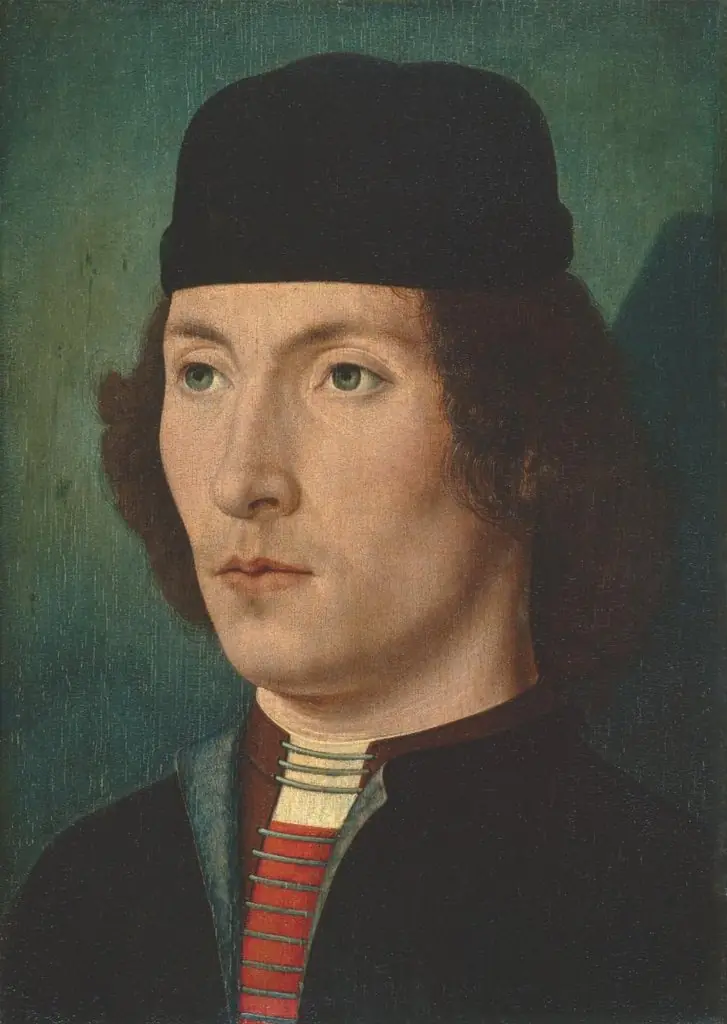 Portrait of a young man
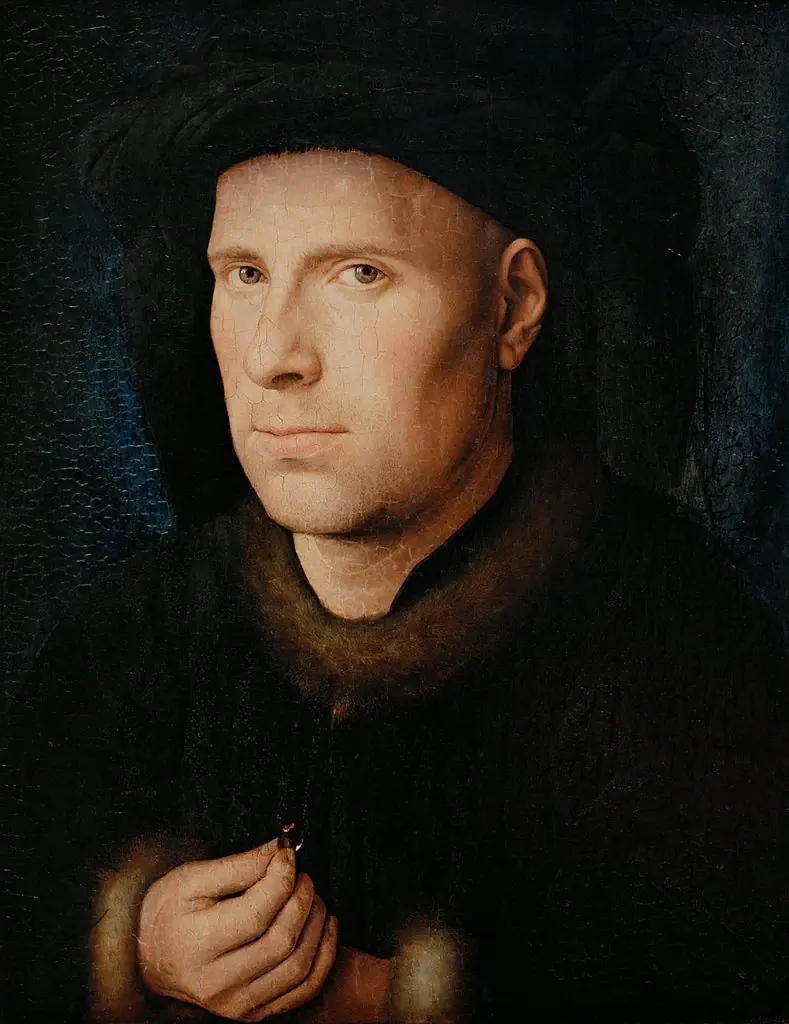 Portrait of Jan de Leeuw
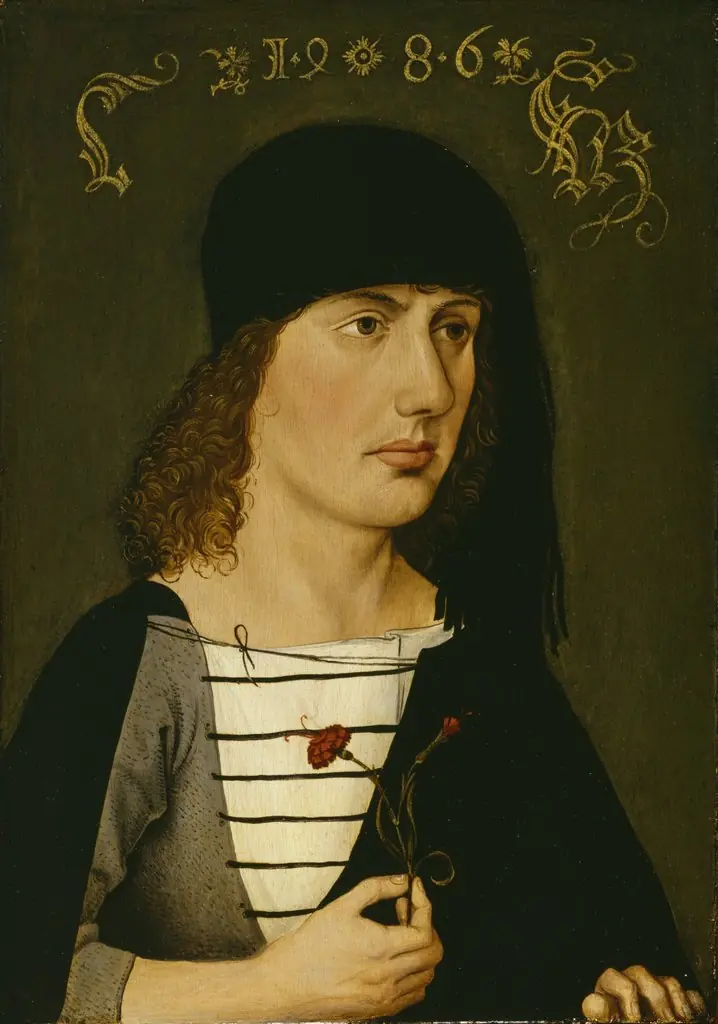 A Young Man
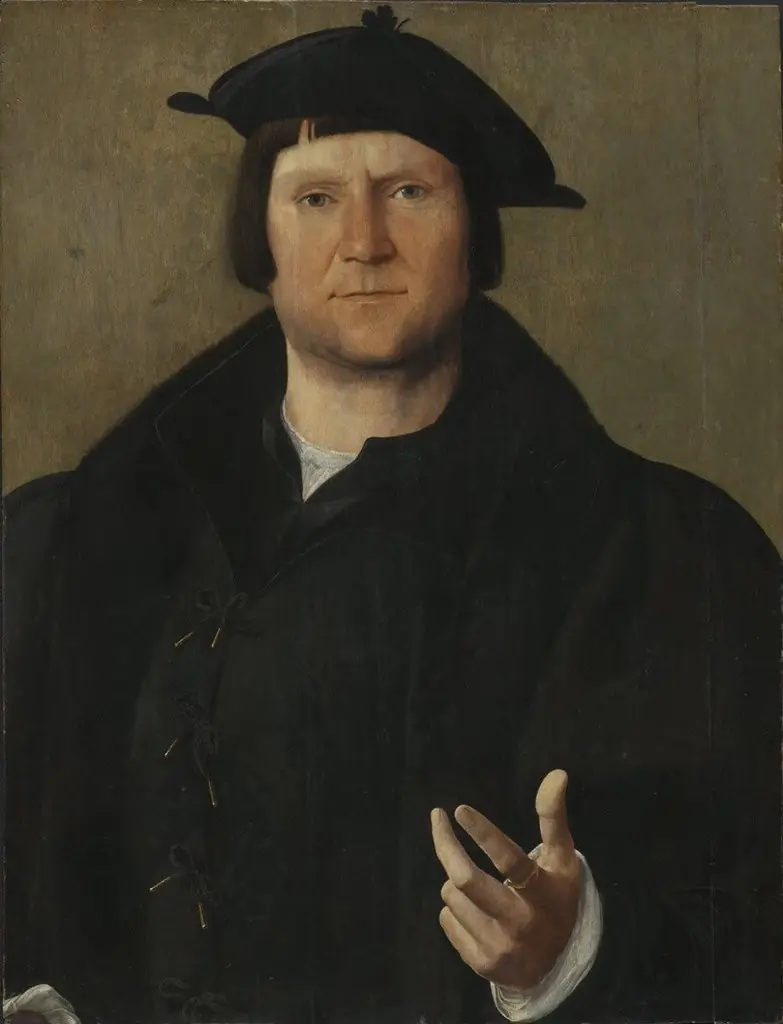 Bildnis eines Mannes (zugeschrieben)
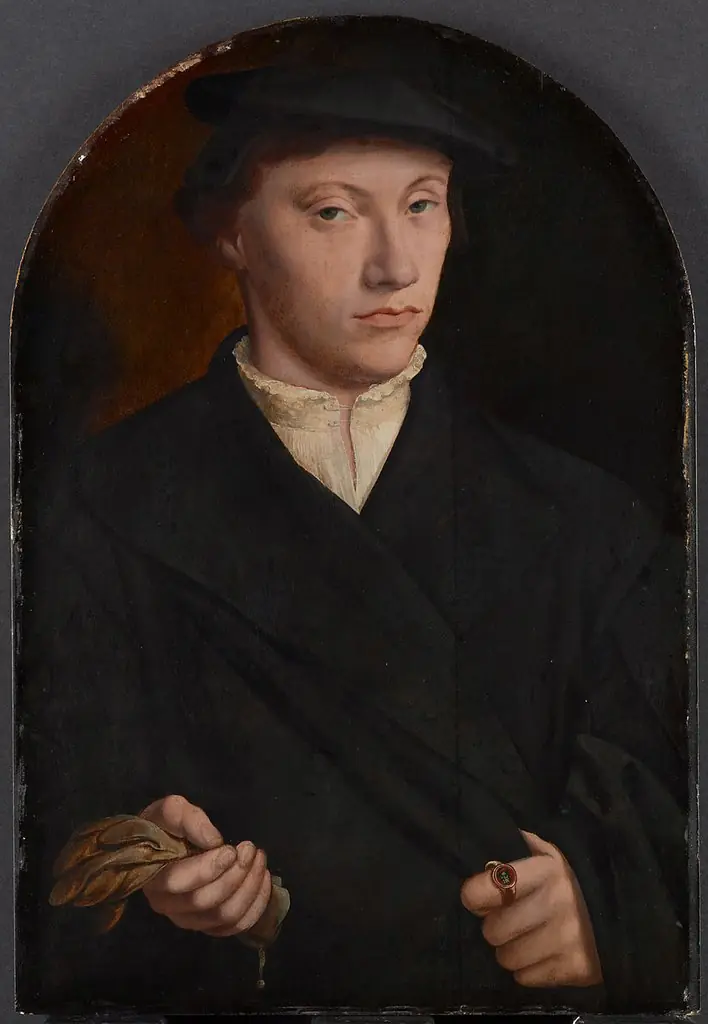 Portrait of a young man holding gloves
 Portrait of a Young Man
 Portrait of a beardless man