Artwork
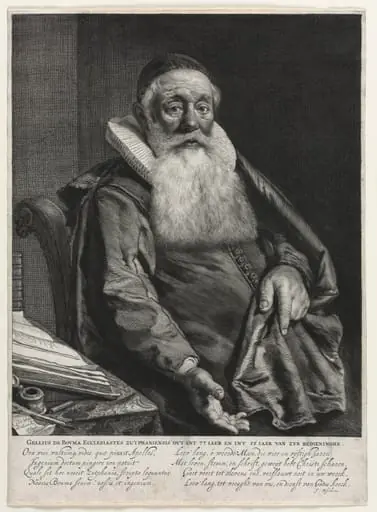
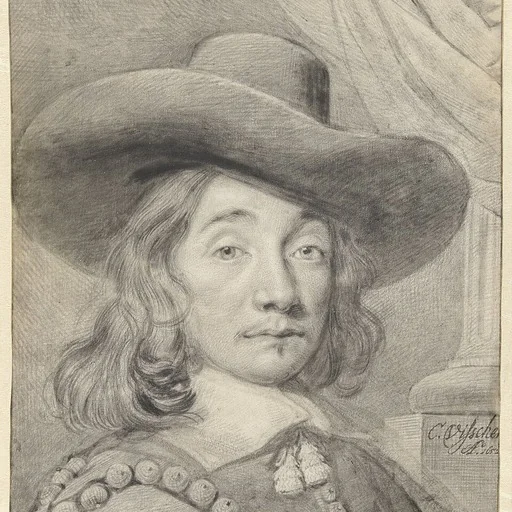
Gellius de Bouma, Minister of the Gospel at Zutphen
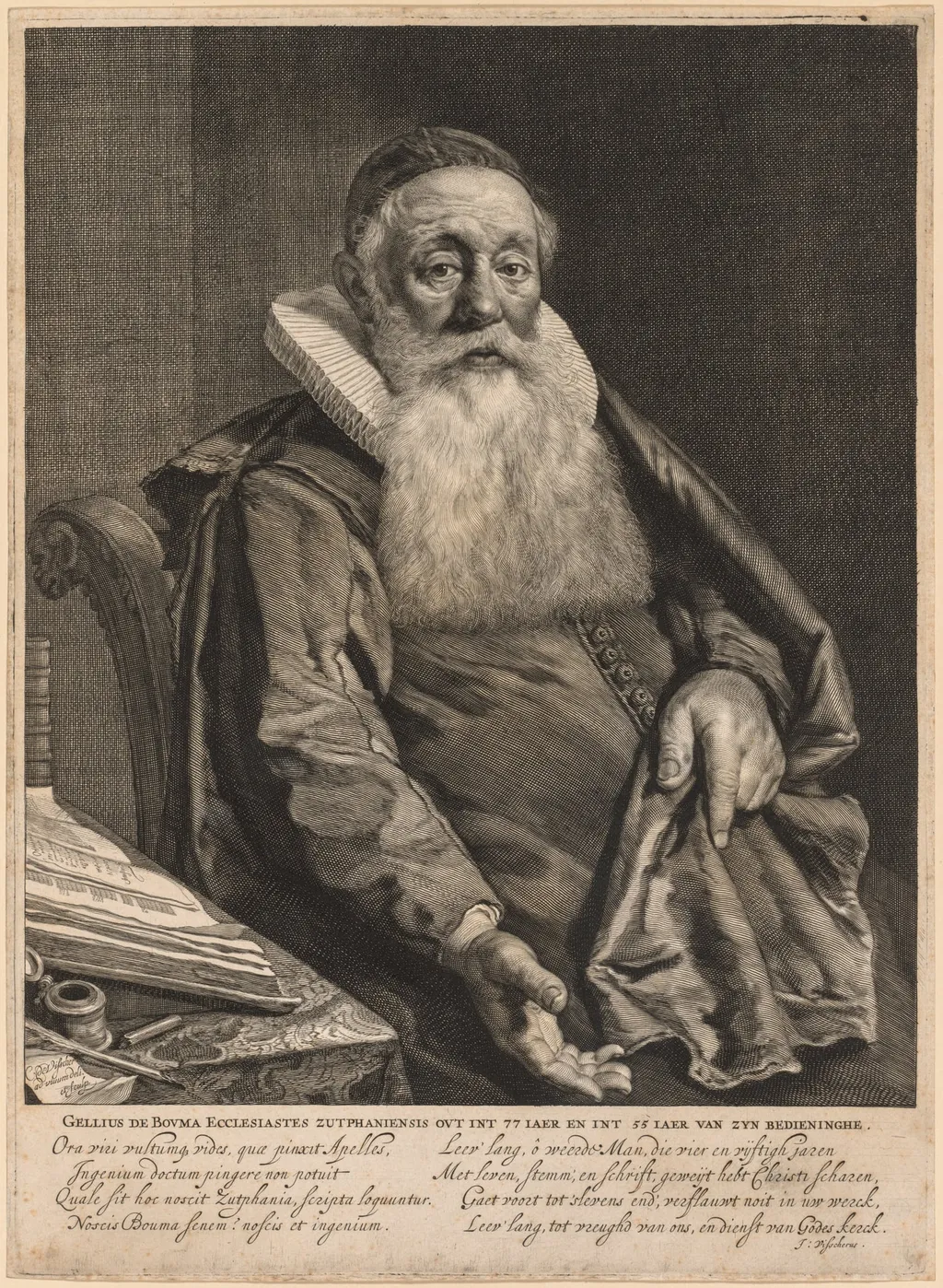
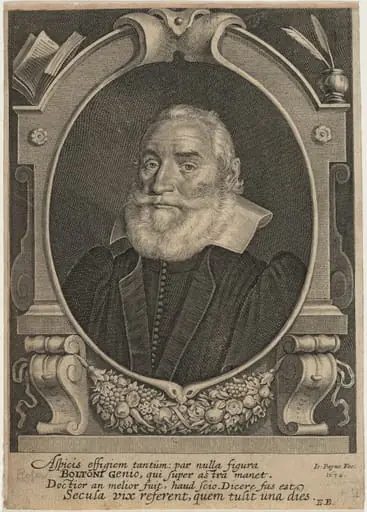
Gellius de Bouma, Minister of the Gospel at Zutphen is a print by the Baroque artist Cornelis Visscher. It dates from 1656 and is held in the collection of the Cleveland Museum of Art. This black-and-white print, dated around 1656, depicts Gellius de Bouma, a Protestant minister in Zutphen.
About this work
Overview
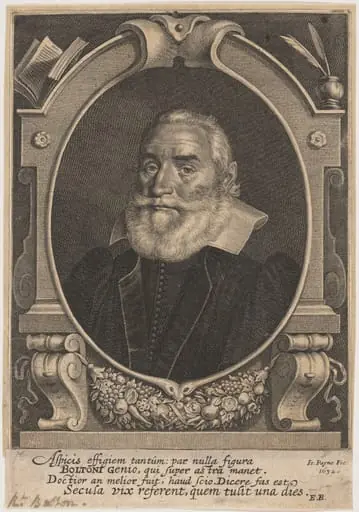
This black-and-white print, dated around 1656, depicts Gellius de Bouma, a Protestant minister in Zutphen. Created by Cornelis de Visscher, it functions as a formal portrait intended to document the subject’s religious role and intellectual presence. The composition emphasizes stillness and solemnity, with minimal background detail to direct attention to the figure and his attributes.
Subject & Meaning
Gellius de Bouma is portrayed as a learned religious leader, his age and attire signaling experience and devotion. The glasses, stacked papers, and scattered writing implements suggest a life devoted to study and sermon preparation. His direct gaze and restrained posture convey authority and introspection, aligning with the Reformed ideal of the minister as both shepherd and scholar.
Technique & Style
De Visscher employs fine, precise engraving lines to render texture—fur, skin wrinkles, fabric folds—with subtle tonal gradations. The lighting is controlled, creating soft contrasts that model the face and hands without dramatic shadows. This restrained chiaroscuro enhances realism while maintaining the dignified, unadorned tone appropriate to the subject’s vocation.
History & Provenance
The print was produced in the mid-seventeenth century, likely as part of a series documenting Dutch religious figures. It entered the collection of The Cleveland Museum of Art through documented acquisition, preserving its original inscriptions in Latin and Dutch. The artist’s small signature confirms its intent as a deliberate, recorded likeness rather than a casual sketch.
Context
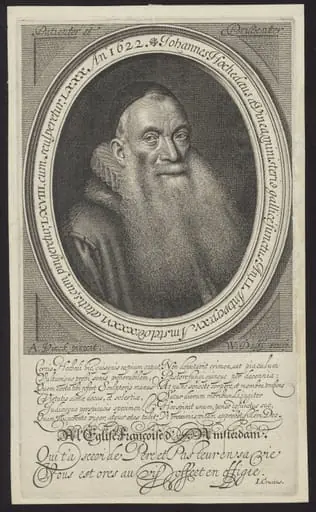
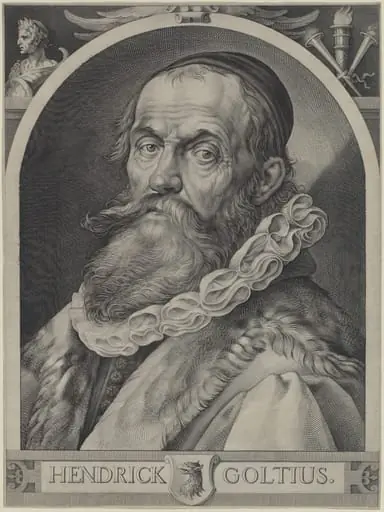
In the Dutch Republic, portraiture of clergy was common, reflecting the value placed on literacy and theological authority. Ministers like de Bouma were central to community life, and their images served both commemorative and propagandistic purposes, reinforcing the connection between piety, learning, and civic order during the post-Reformation era.
Legacy
This print remains a quiet example of Dutch civic portraiture, illustrating how religious identity was visually codified in the 17th century. It contributes to a broader archive of Protestant ministerial imagery, offering insight into the material culture of piety and the role of print in shaping public perception of spiritual leadership.
Artist & collection
Artist
Cornelis Visscher (1629 in Haarlem – 1658 in Haarlem), was a Dutch Golden Age engraver and the brother of Jan de Visscher and Lambert Visscher.