Artwork
Rev. Robert Bolton
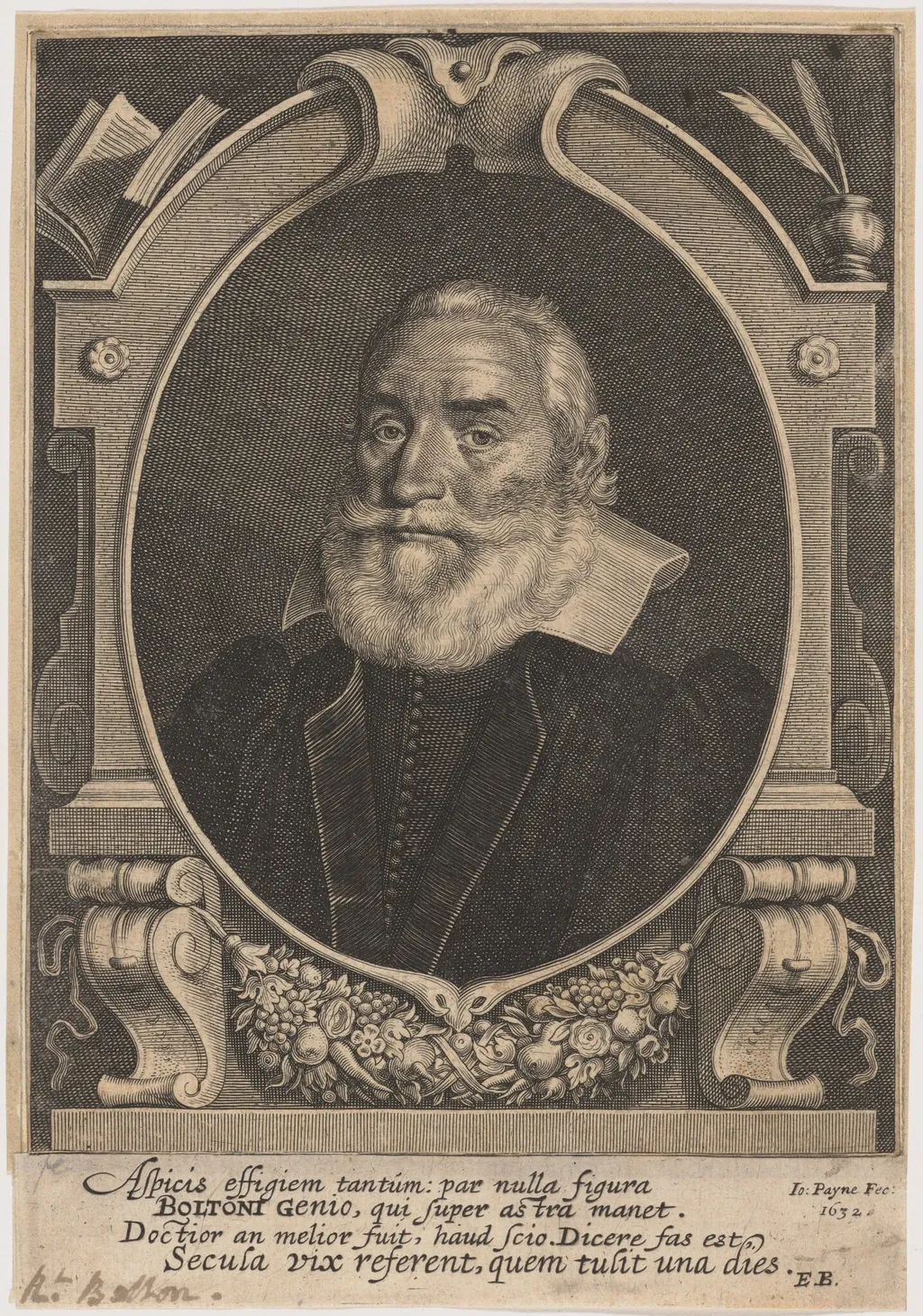
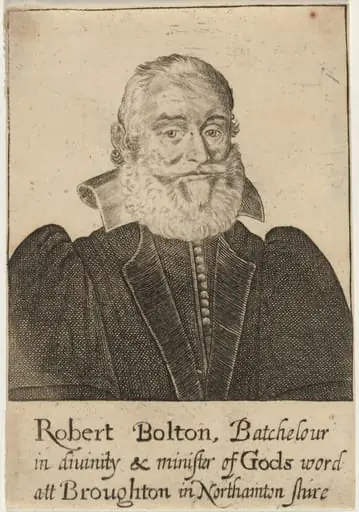
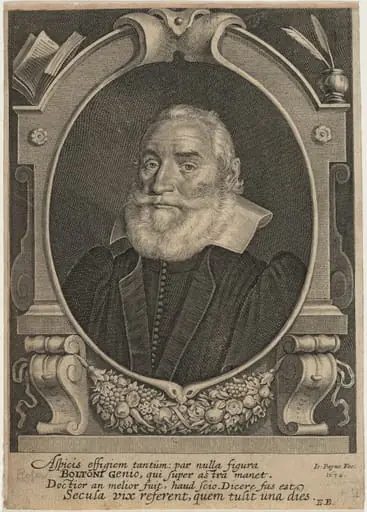
Rev. Robert Bolton is an ink print by the Baroque artist John Payne. It dates from 1632 and is held in the collection of the National Gallery of Art.
About this work
Overview
John Payne’s 1632 engraving presents a portrait of the Reverend Robert Bolton, an English clergyman of the early seventeenth century. Executed in black ink on paper, the image is accompanied by a separate sheet bearing Latin lettering that offers biographical or dedicatory information, though the text itself is not essential to the visual composition.
Subject & Meaning
The sitter, Bolton, appears as an elderly man with a full beard and a solemn expression, reflecting the gravitas associated with his clerical role. The portrait emphasizes his intellectual stature through the dignified pose and the inclusion of a decorative border that frames his visage.
Technique & Style
Payne employs fine, closely spaced lines and cross‑hatching to model the beard, collar, and facial features, creating a subtle three‑dimensional effect. An ornamental arch of scrolling motifs and a lower wreath of leaves and grapes encircle the portrait, typical of early Stuart portraiture’s blend of realism and allegorical ornamentation.
History & Provenance
John Payne (born 1607) was an English engraver active during the reign of Charles I, recognized for producing some of the period’s most accomplished native prints. This work, dated 1632, aligns with the peak of his career and illustrates his capacity to render detailed likenesses for a learned audience.
Context
The engraving emerges from a milieu where printed portraits served both devotional and scholarly purposes, often paired with textual material to inform viewers about the subject’s life and achievements. Bolton’s standing as a religious writer made such a printed likeness a suitable means of disseminating his reputation.
Artist & collection
Artist
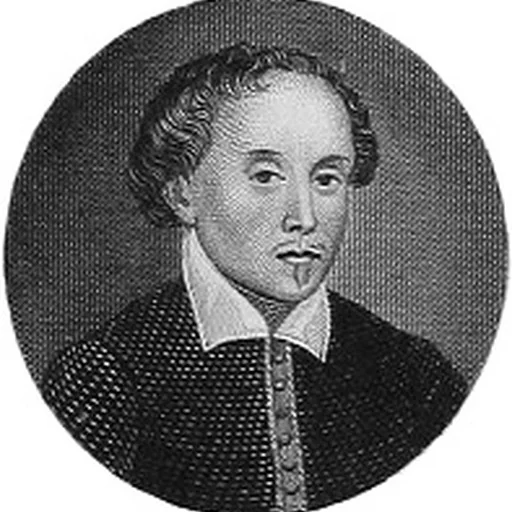
John Payne (1607–1647) was an English engraver, who was one of the earliest exponents of the art of engraving in England. His best work was the finest produced by a native-born engraver working during the reign of Charles I.

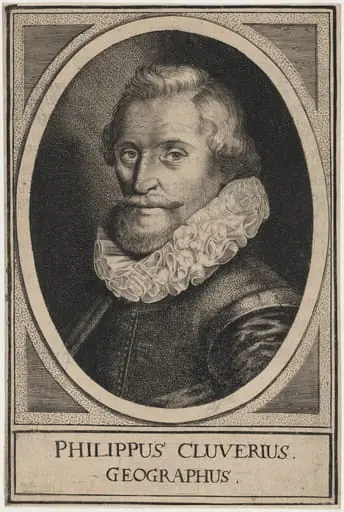 Philip Cluver, Geographer
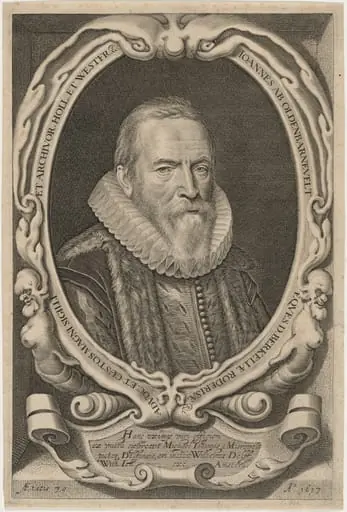 Johan van Oldenbarneveldt
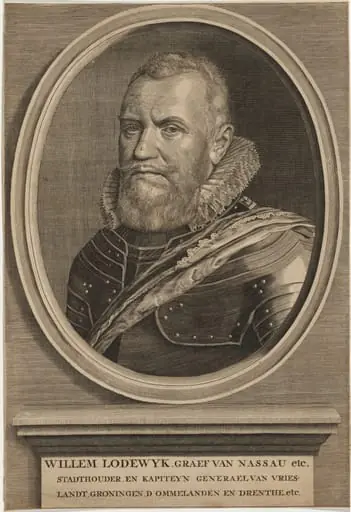 Willem Lodewyk, Count of Nassau
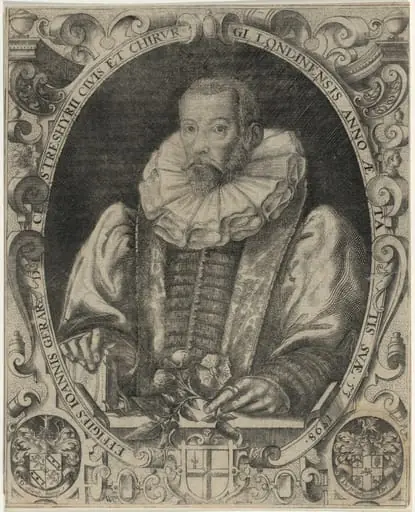 John Gerard, Herbalist
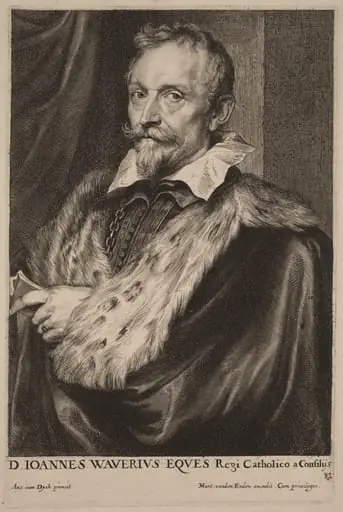 Jan van der Wouwer
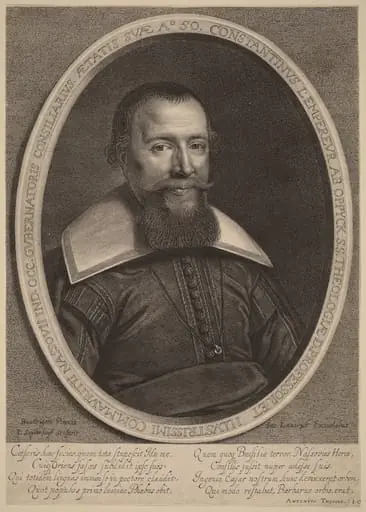 Constantijn L'Empereur
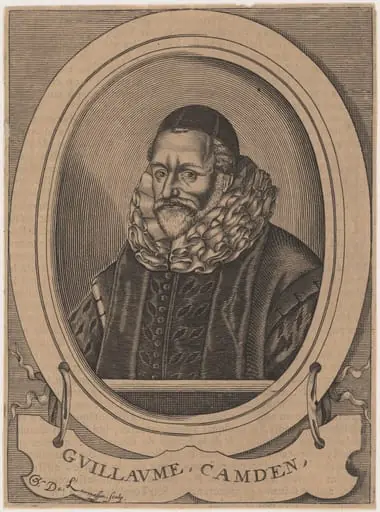 William Camden, Herald, Antiquary and Historian
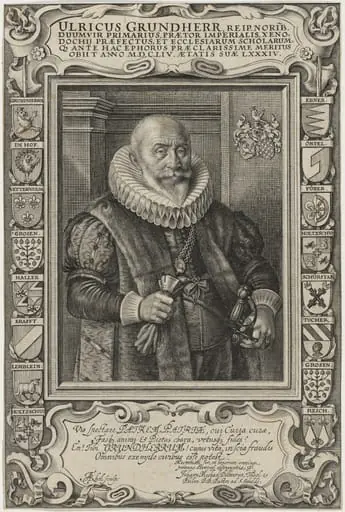 Ulrich Grundherr
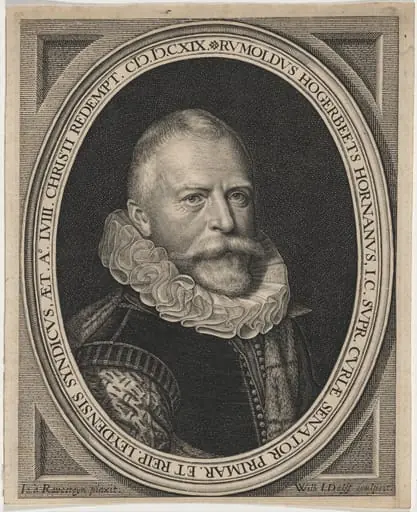 Rumoldus Hogerbeets Hornanus
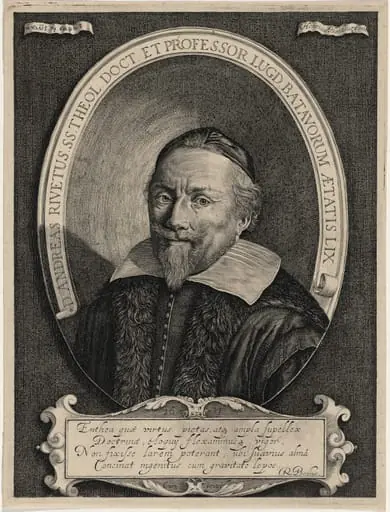 Andreas Rivetus, Doctor of Divinity and Professor
 James I, King of England
 Reverend Robert Bolton