Artwork
The anointing of Solomon
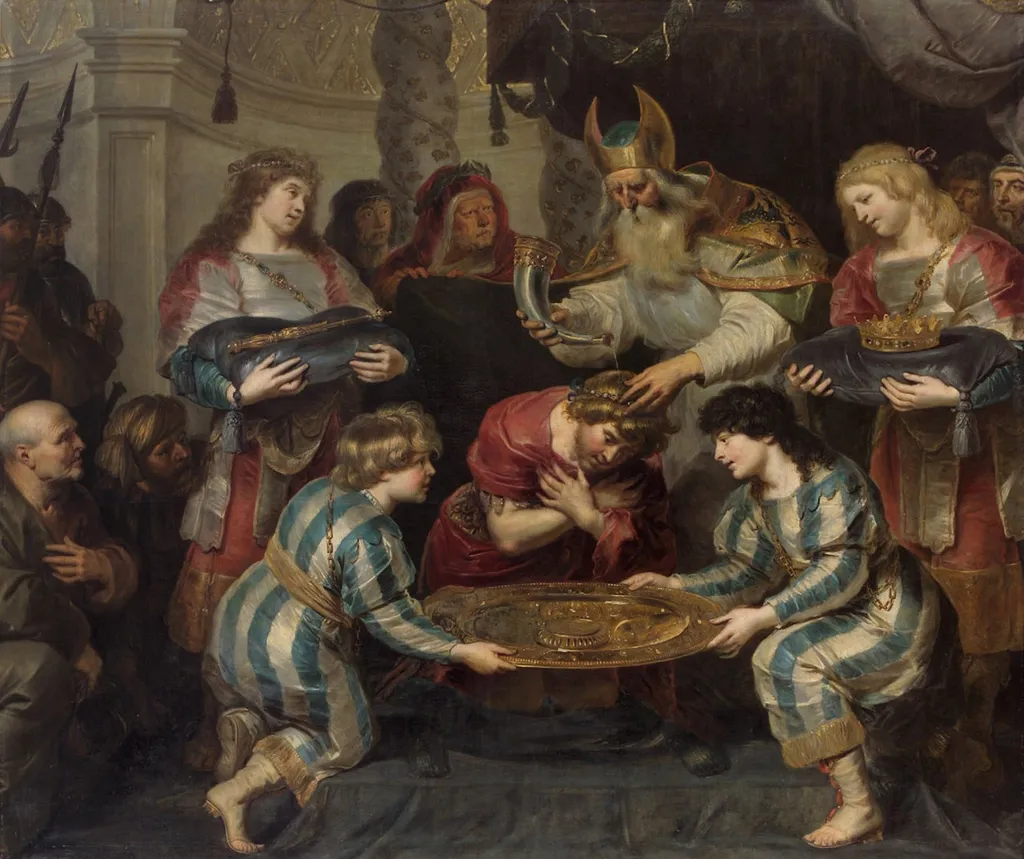
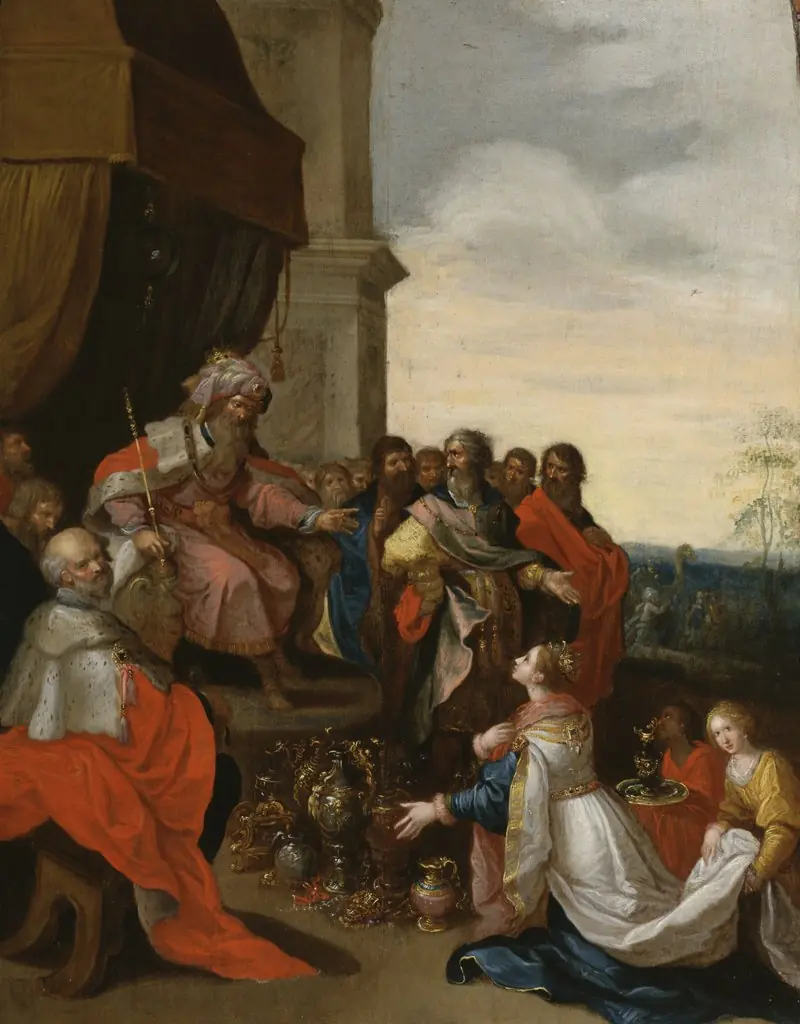
The anointing of Solomon is an oil painting by the Flemish Baroque painting artist Cornelis de Vos. It dates from 1630 and is held in the collection of the Kunsthistorisches Museum.
About this work
Overview
The Anointing of Solomon is a 1630 oil painting by Cornelis de Vos, a Flemish artist known for portraits and historical works, often in collaboration with Rubens. The piece exemplifies the Flemish Baroque style and is part of the Kunsthistorisches Museum's collection.
Subject & Meaning
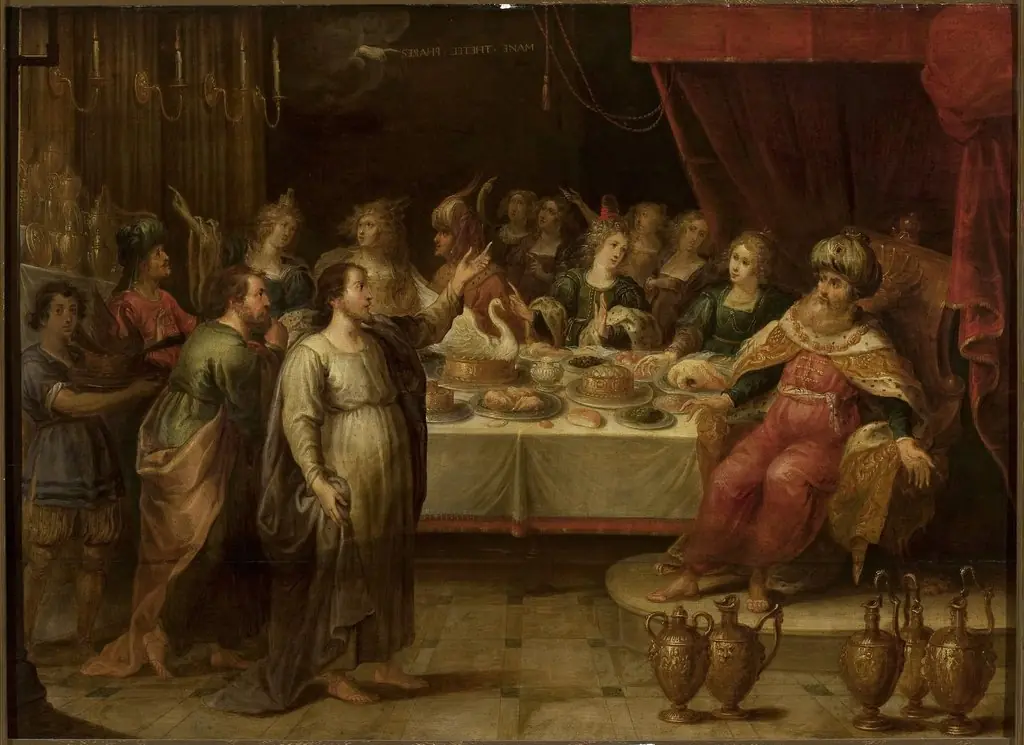
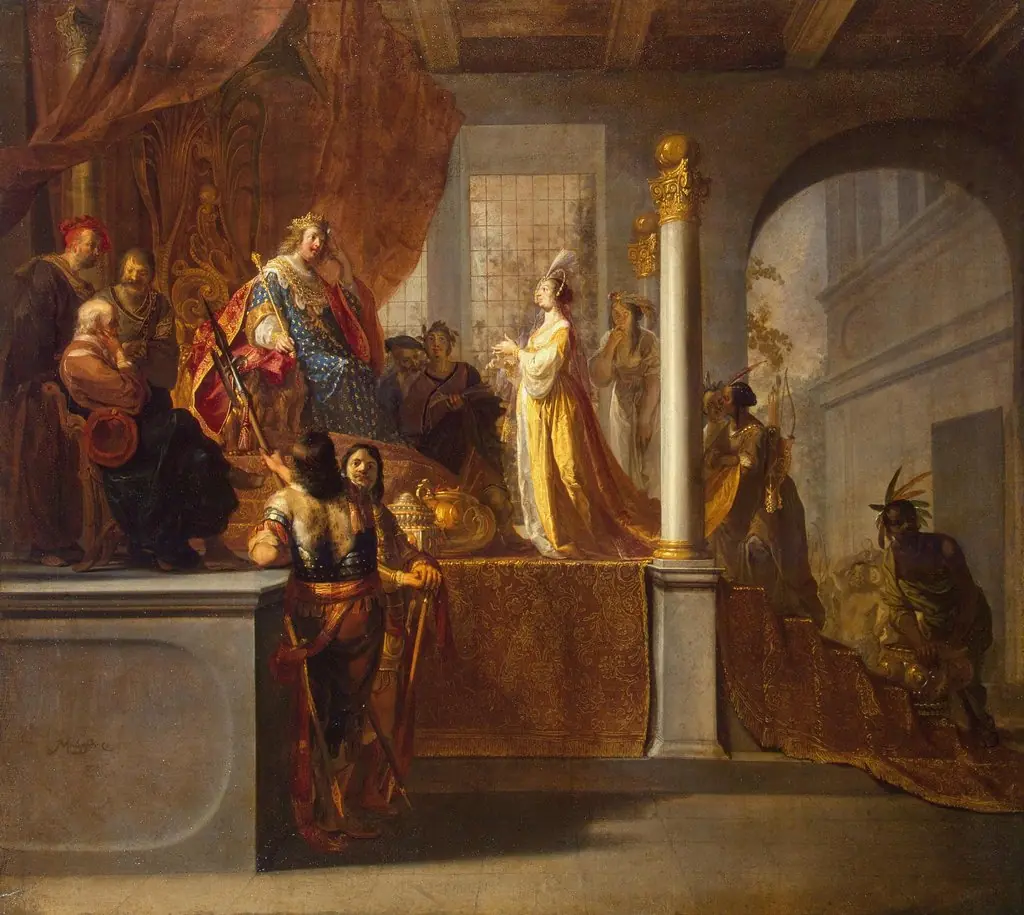
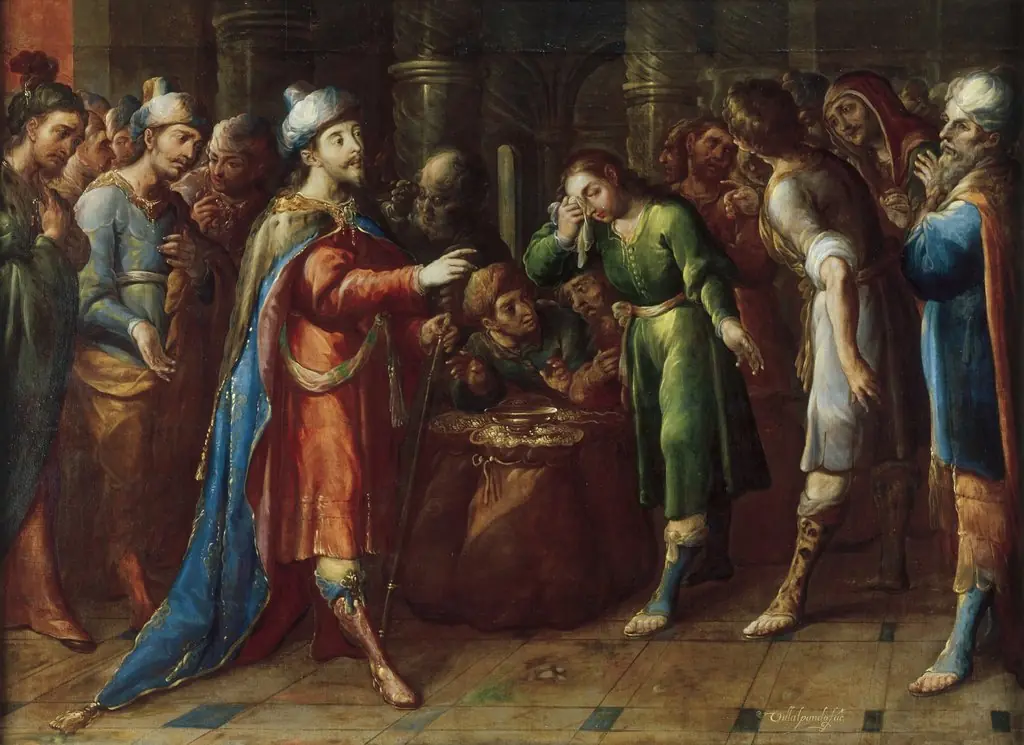
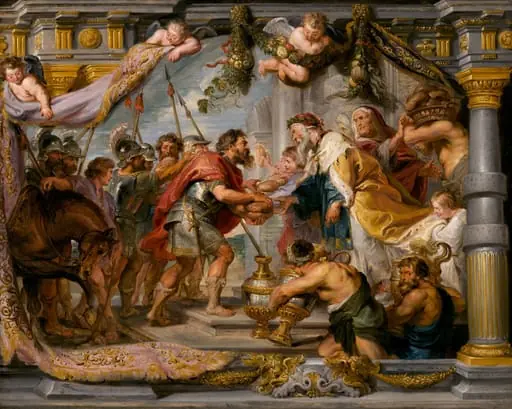
The painting depicts the biblical scene of Solomon's anointment, showcasing a pivotal moment of royal succession. The composition focuses on the central ritual, conveying themes of power, ceremony, and communal witness.
Technique & Style
De Vos employed rich, warm colors (notably gold, red, and blue) and chiaroscuro, using light to accentuate key figures and objects against a dark background, imbuing the crowded scene with dynamism and vitality.
History & Provenance
Created in 1630, the work is attributed to Cornelis de Vos's period of activity in Antwerp. It is currently housed in the Kunsthistorisches Museum as part of its Flemish Baroque holdings.
Context
Within the Flemish Baroque, this piece reflects de Vos's versatility beyond portraiture, engaging with religious and historical themes prevalent in 17th-century Antwerp's artistic landscape, influenced by collaborations with prominent figures like Rubens.
Legacy
While specific lasting impacts of *The Anointing of Solomon* on subsequent art movements are not prominently documented, it contributes to the broader understanding of Flemish Baroque's thematic and stylistic evolution, particularly in the depiction of religious narratives.
Artist & collection
Artist
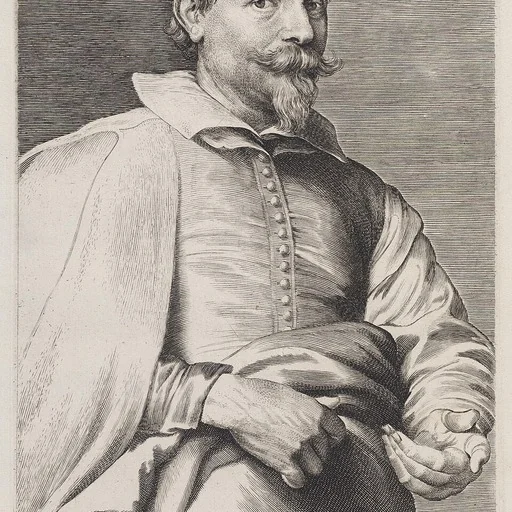
Cornelis de Vos (1584 - 9 May 1651) was a Flemish painter, draughtsman and art dealer.

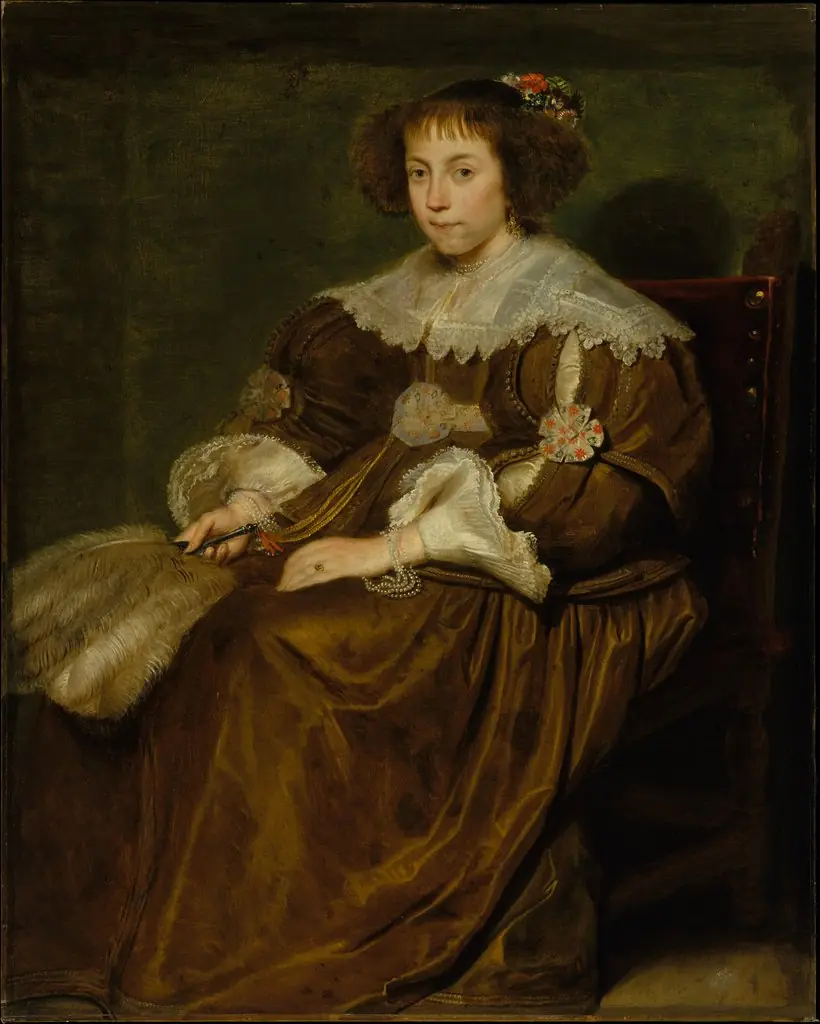 Portrait of a Young Woman
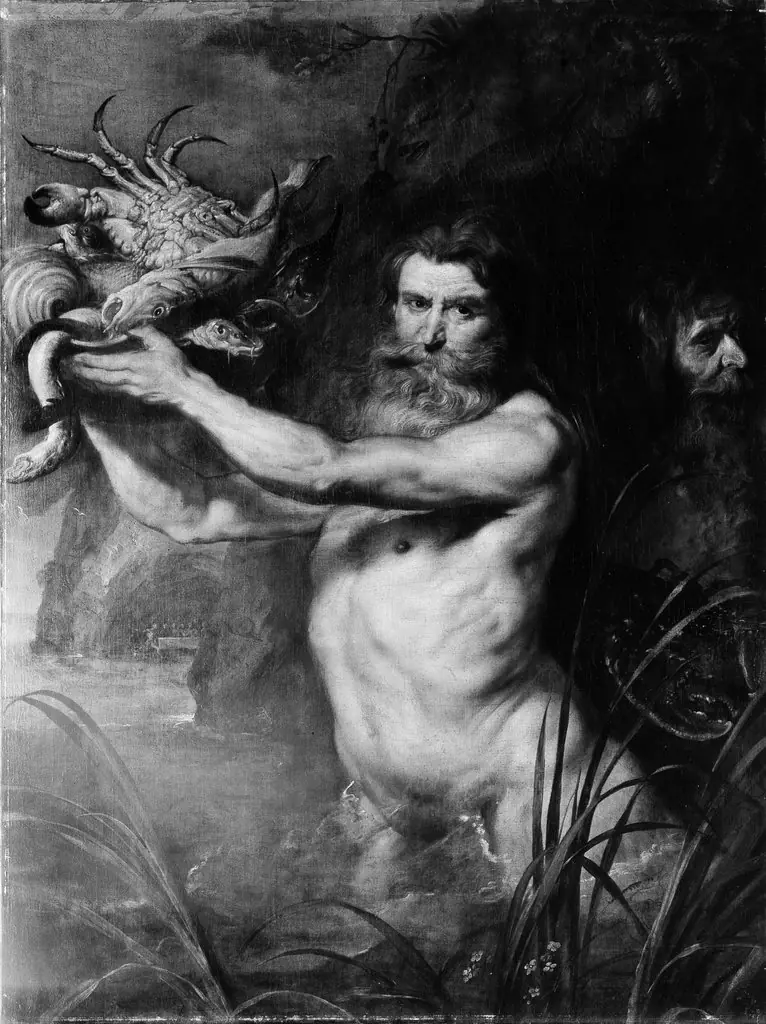 Two Tritons at the Feast of Acheloüs
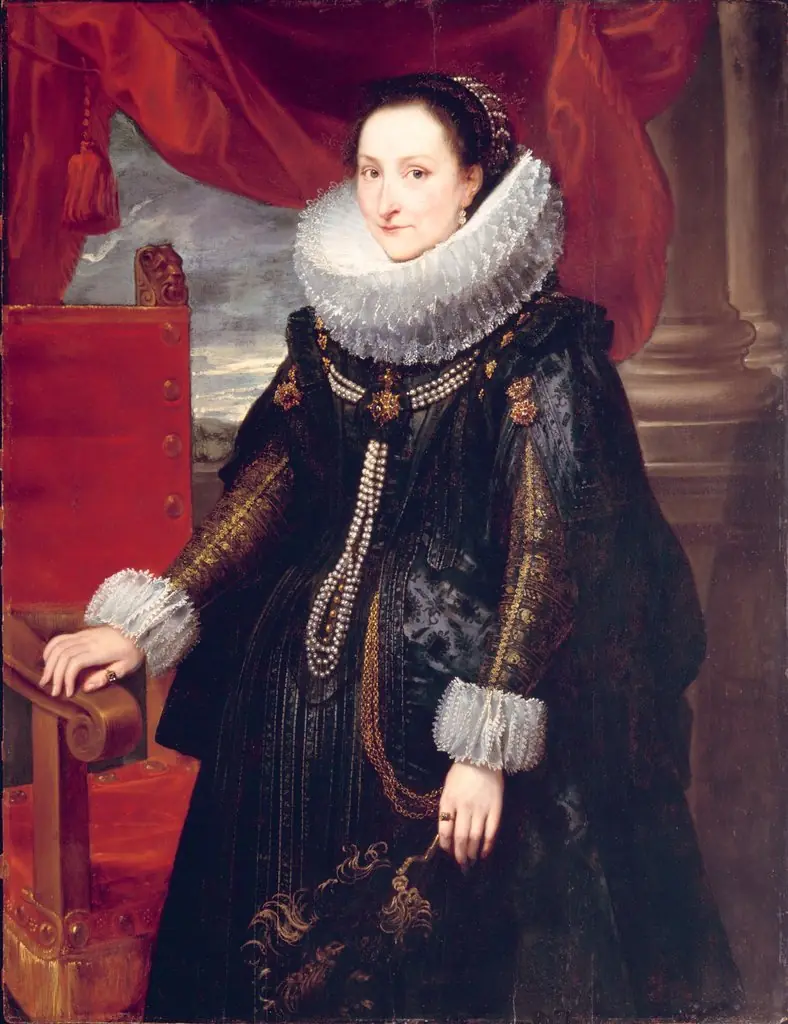 Portrait of a Woman
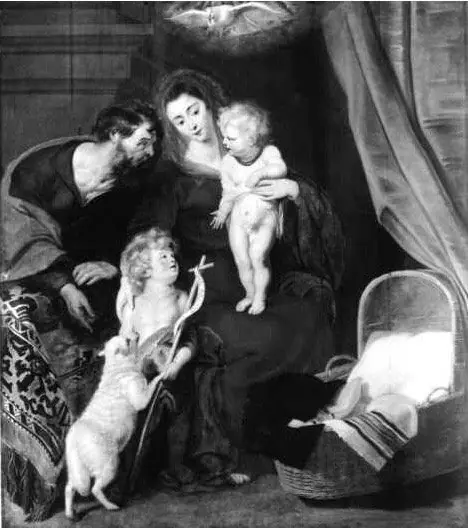 The Holy Family with John the Baptist as child
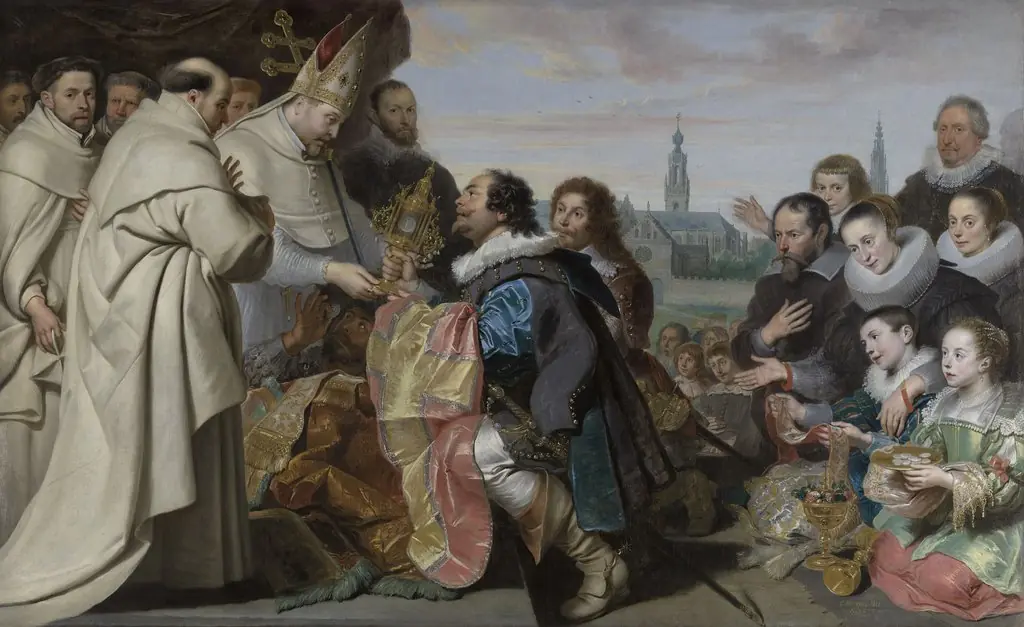 The Citizens of Antwerp bring back to Saint Norbert the Monstrance and other Sacred Vessels that they had hidden from Tankelin
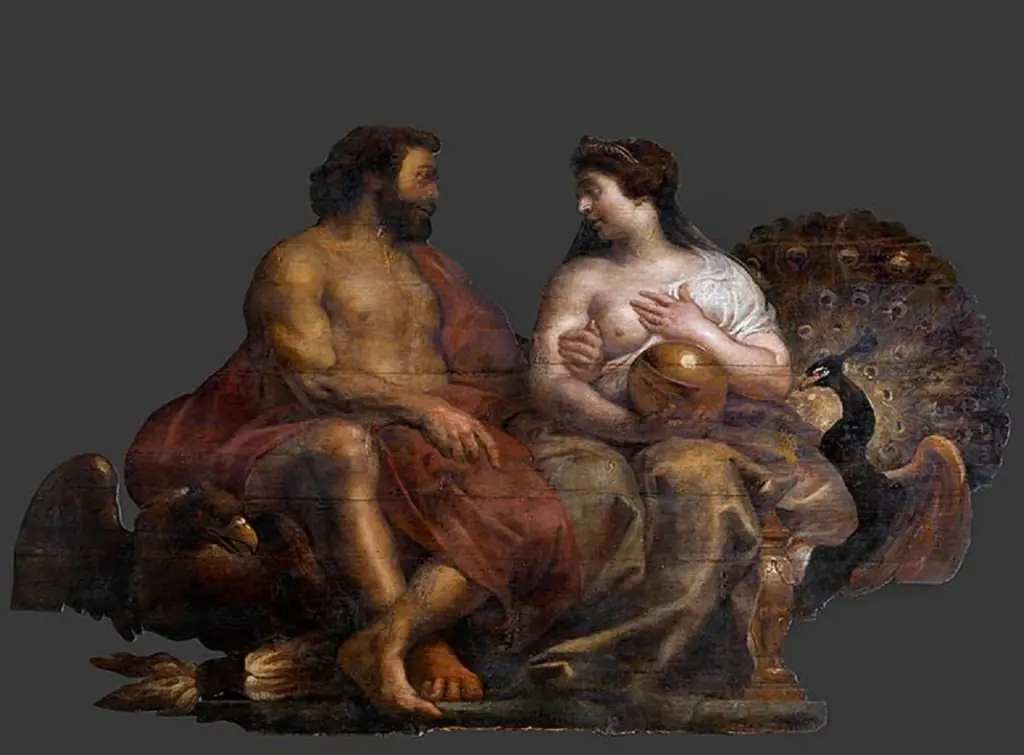 Jupiter and Juno
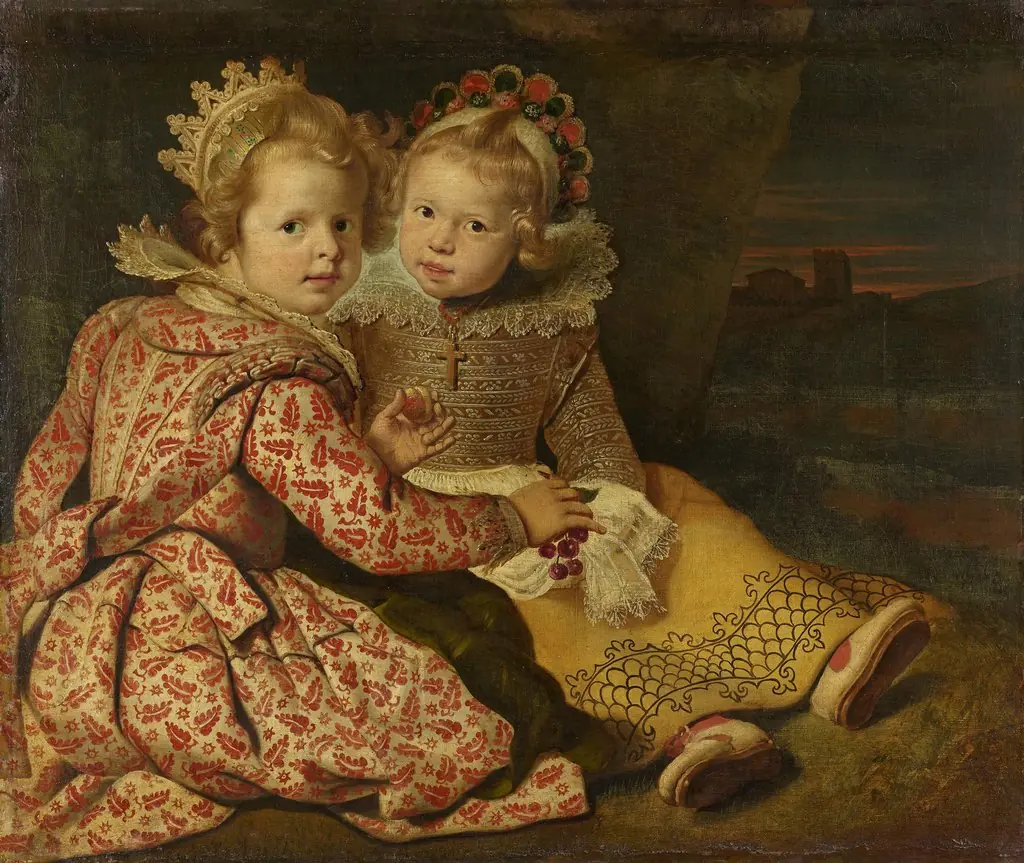 Magdalena and Jan-Baptist de Vos, Children of the Painter
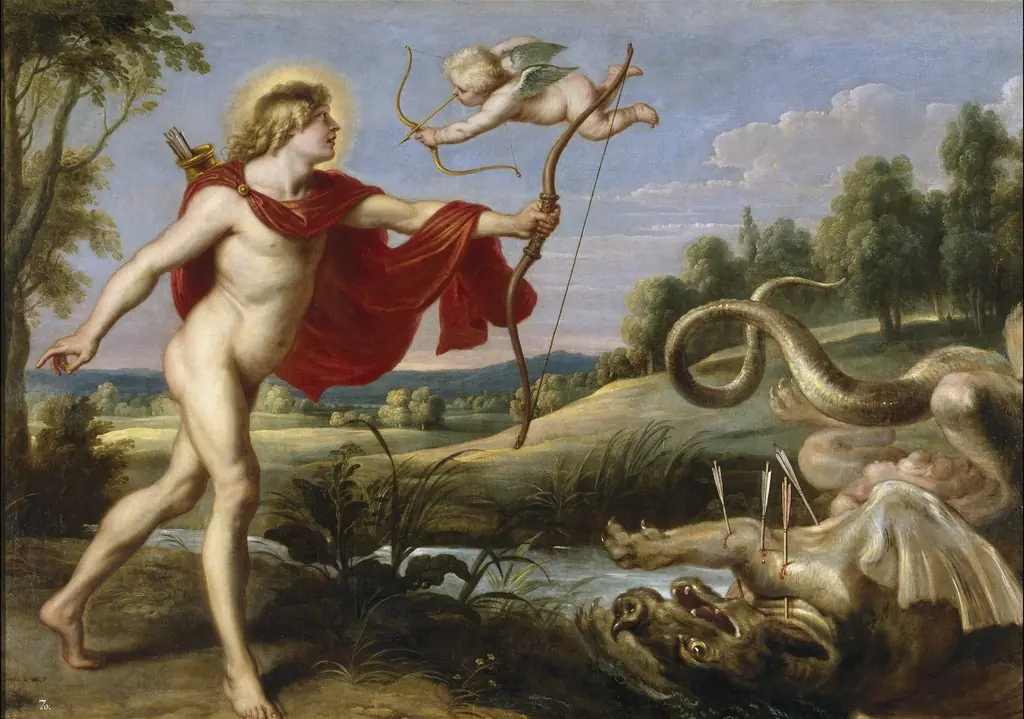 Apollo and the Python