Artwork
The Death of Epaminondas
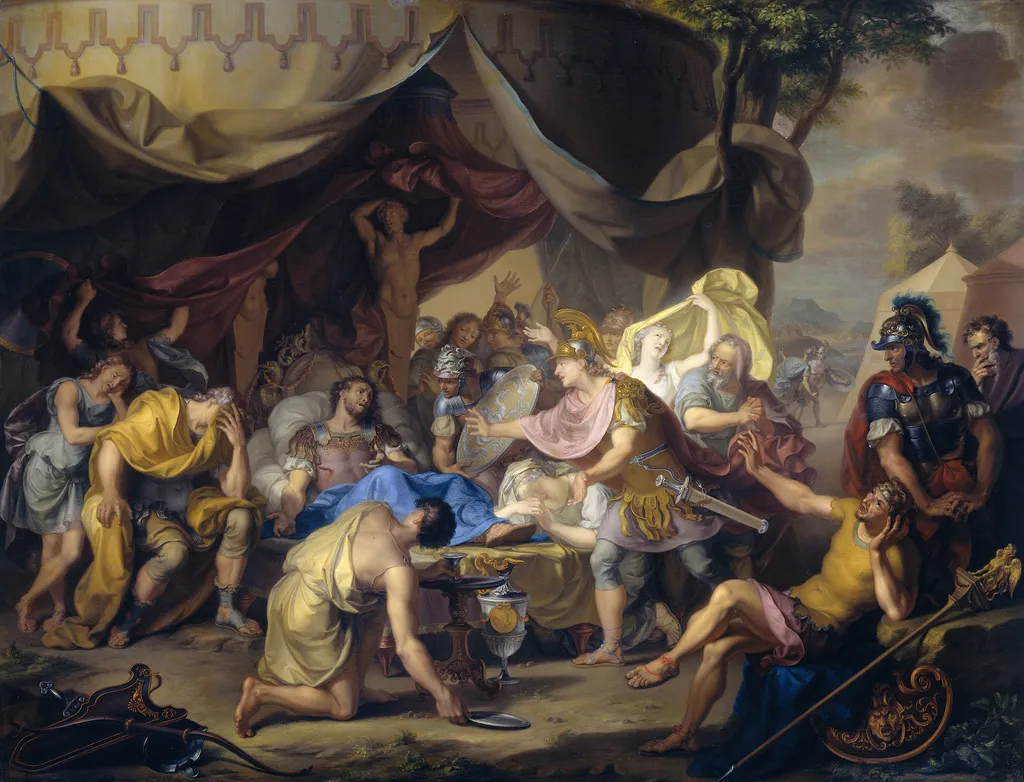
The Death of Epaminondas is an oil painting by the Rococo painting artist Isaac Walraven. It dates from 1726 and is held in the collection of the Rijksmuseum.
About this work
Overview
The scene is densely composed, filled with motion and emotional intensity, and is now part of the Rijksmuseum’s collection in Amsterdam.
Painted in 1726 by Dutch artist Isaac Walraven, this oil work depicts the mortal wounding of Epaminondas, the Theban general. Though set in ancient Greece, the figures are rendered in Roman-inspired armor and drapery, reflecting 18th-century artistic conventions rather than archaeological accuracy. The scene is densely composed, filled with motion and emotional intensity, and is now part of the Rijksmuseum’s collection in Amsterdam.
Subject & Meaning
The painting captures the moment Epaminondas, mortally wounded by a spear, is supported by his comrades. His fall symbolizes the collapse of Theban hegemony after his death at the Battle of Mantinea. Surrounding figures express grief, urgency, and confusion, emphasizing the political and military rupture his loss represented. The scene prioritizes emotional drama over historical precision, aligning with Baroque ideals of pathos and heroism.
Technique & Style
Walraven employs chiaroscuro to heighten the drama, casting deep shadows across the battlefield while illuminating key figures—the fallen general, the outstretched hands, the golden helmet. Earth tones dominate the palette, punctuated by vivid accents like a pink robe and metallic armor. Brushwork is energetic, particularly in the tangled limbs and fluttering fabrics, conveying chaos without losing compositional control.
History & Provenance
Commissioned during the Dutch Golden Age’s later phase, the painting entered the Rijksmuseum’s holdings in the 19th century. Its origins are tied to private collections in the Netherlands, where classical themes remained popular among patrons seeking moral and historical narratives. No record suggests it was exhibited widely before its institutional acquisition, though its style reflects contemporary Dutch interest in antiquity.
Context
In the early 18th century, European artists frequently turned to classical antiquity for subjects that conveyed virtue, sacrifice, and civic duty. Though Epaminondas was a Greek leader, Walraven’s use of Roman dress aligns with a broader trend of conflating ancient cultures for visual familiarity. The painting’s theatricality mirrors the influence of Flemish Baroque painters like Rubens, whose dramatic compositions were widely studied in the Netherlands.
Legacy
The work remains a modest example of Dutch historical painting from the post-Golden Age period. It does not represent a major artistic breakthrough but offers insight into how classical narratives were adapted for moral and aesthetic consumption in 18th-century Holland. Its preservation in the Rijksmuseum ensures continued study of how historical memory was visually constructed during the Enlightenment.
Own this work as a print
Artist & collection


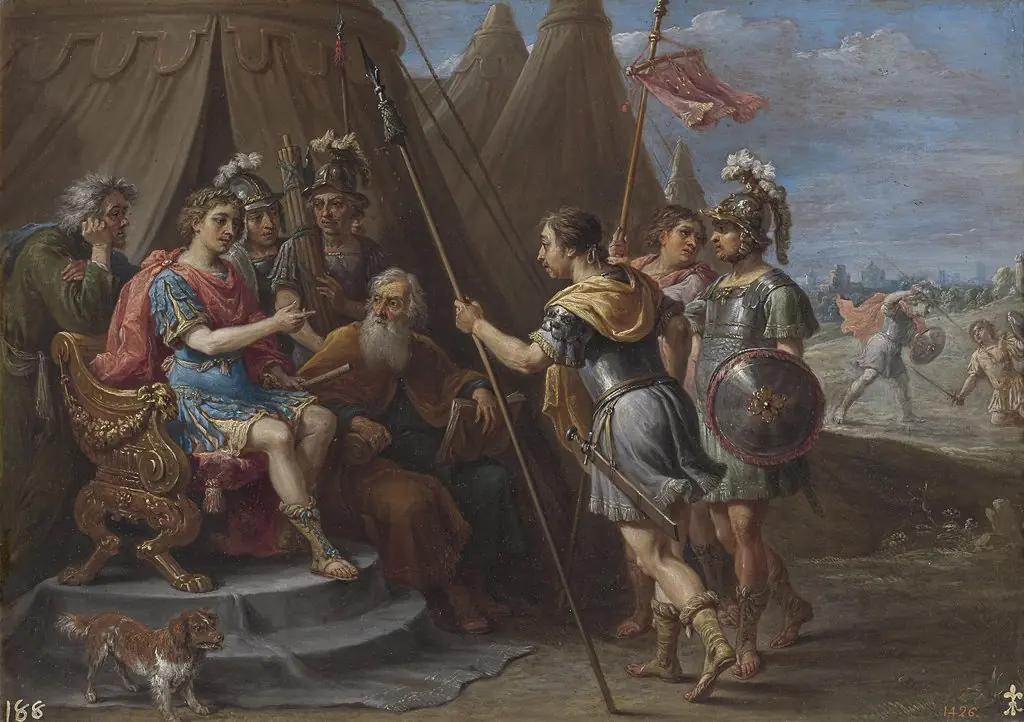 Godofredo y el Consejo escuchan la demanda de Armida
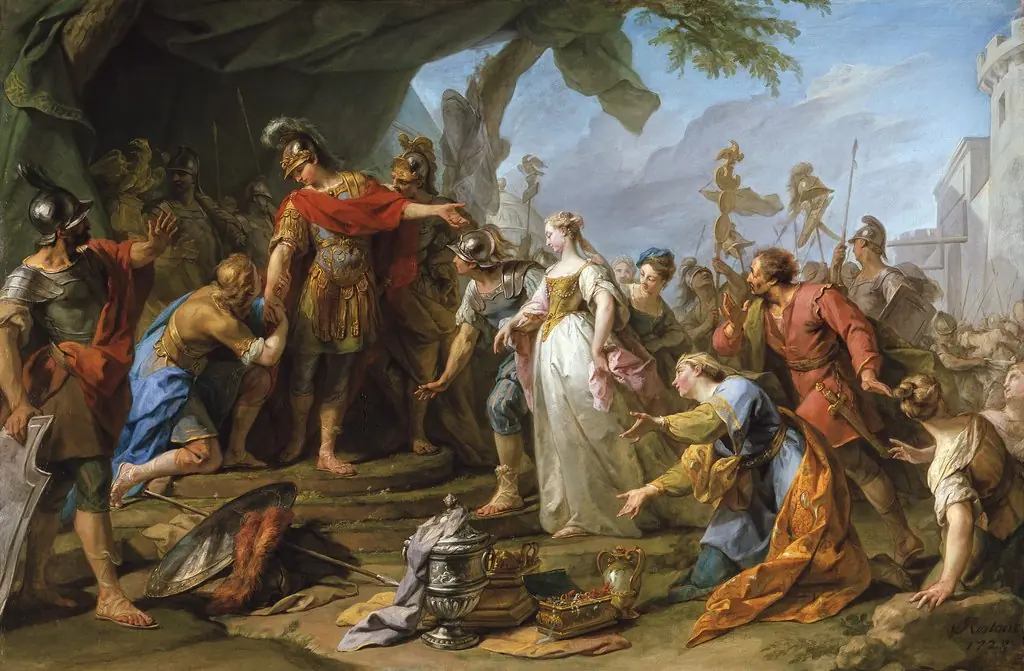 The Generosity of Scipio
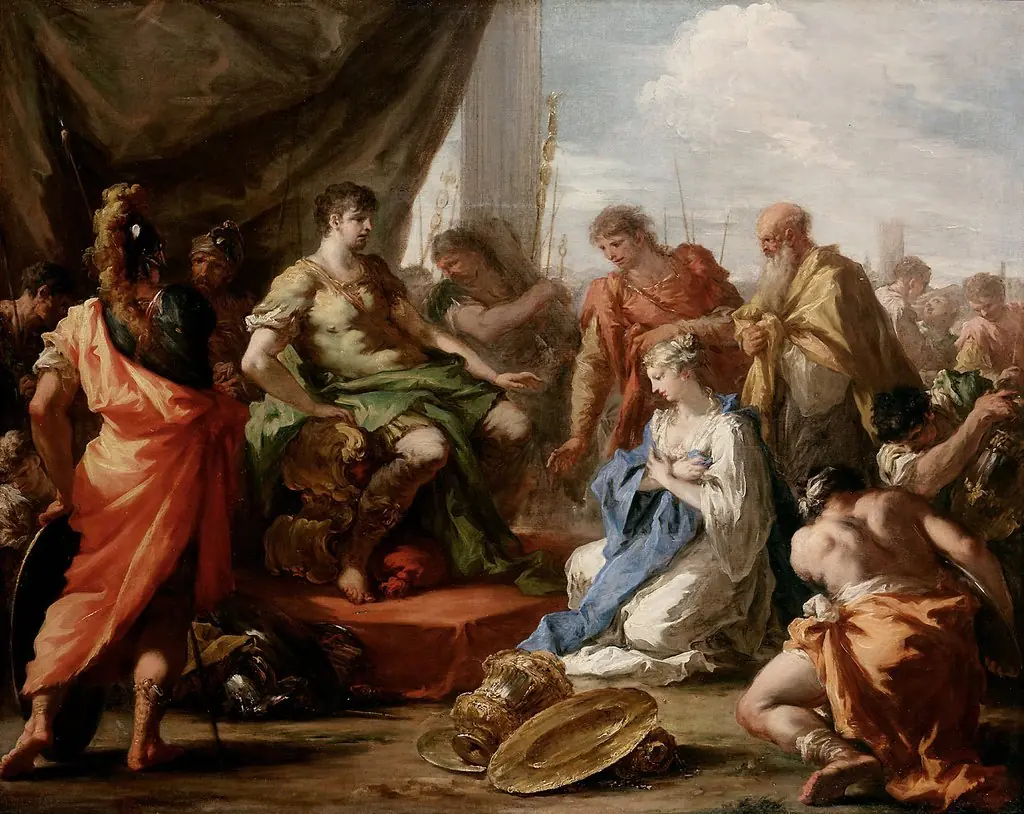 Enthaltsamkeit des Scipio
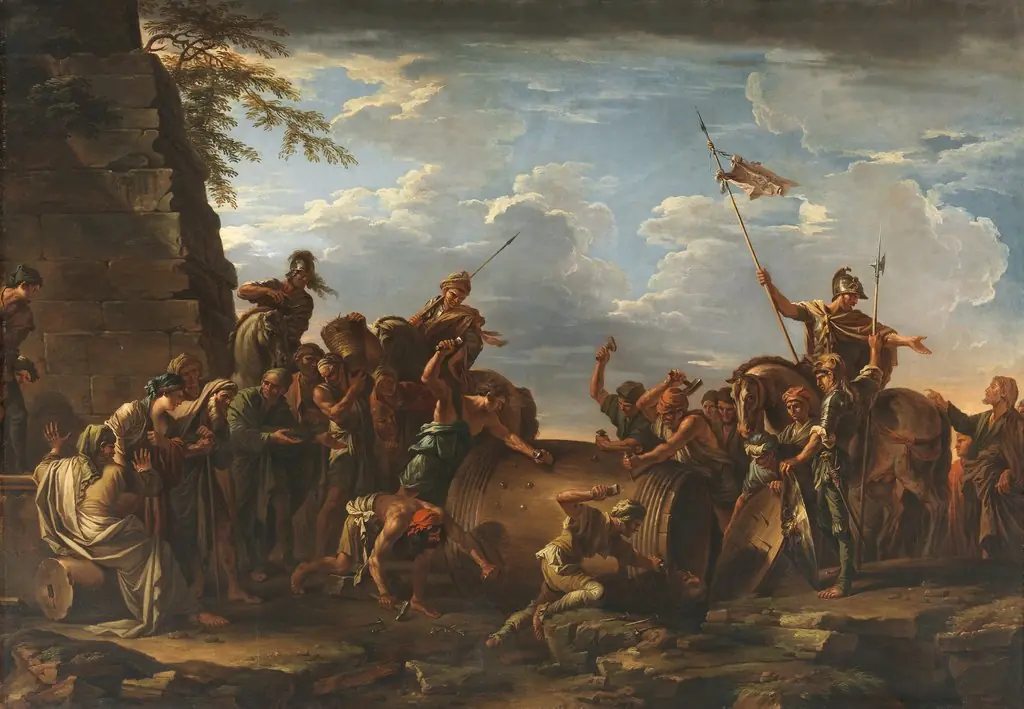 The Death of Regulus
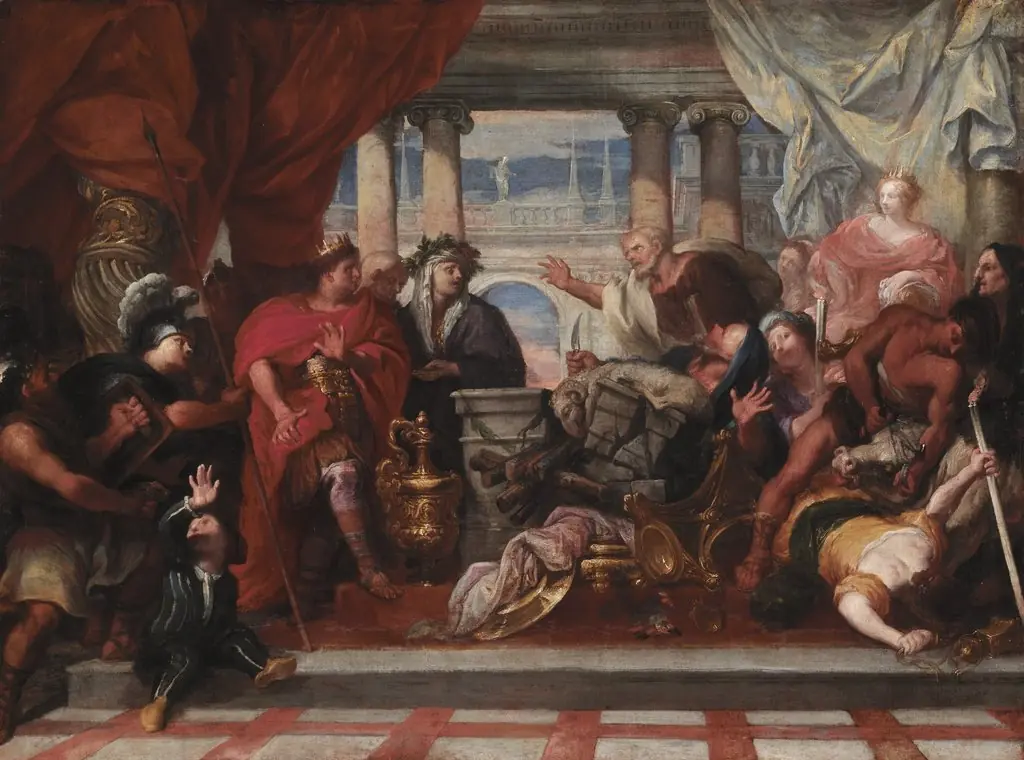 Scene of Sacrifice
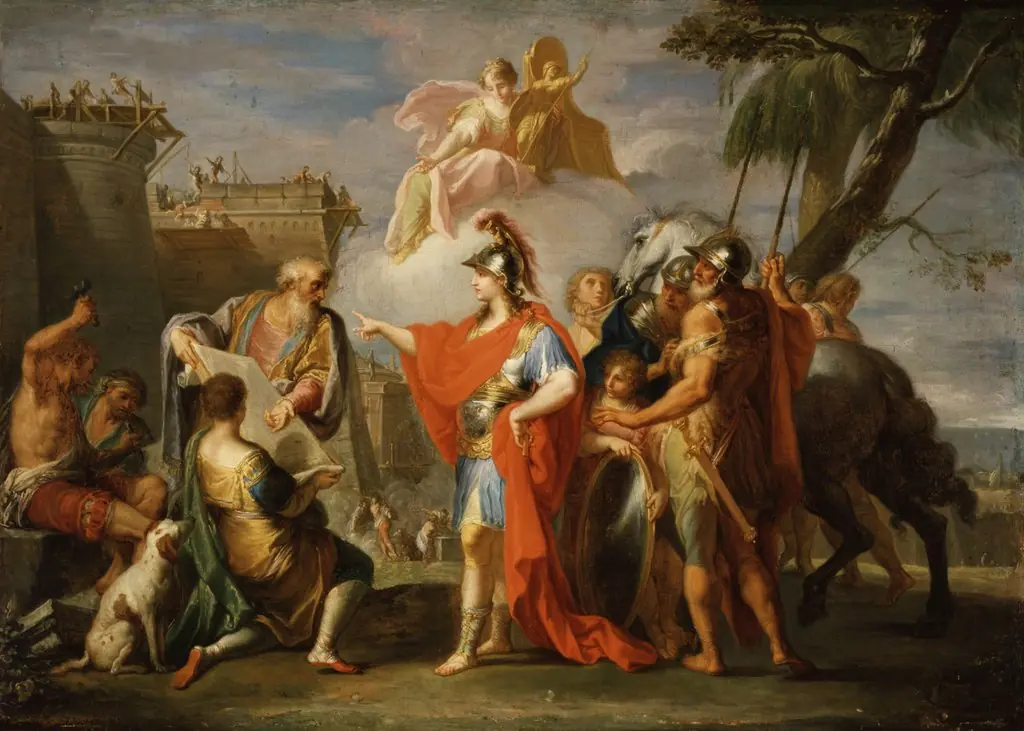 Alexander the Great Founding Alexandria
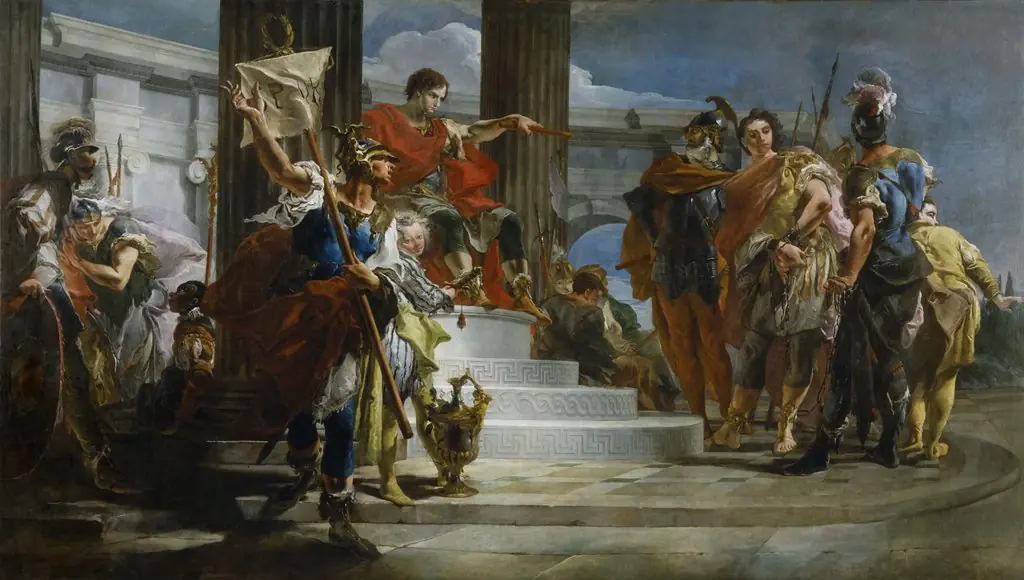 Scipio Africanus Freeing Massiva
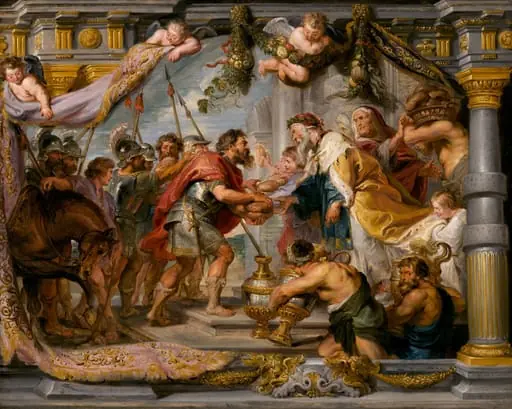 The Meeting of Abraham and Melchizedek
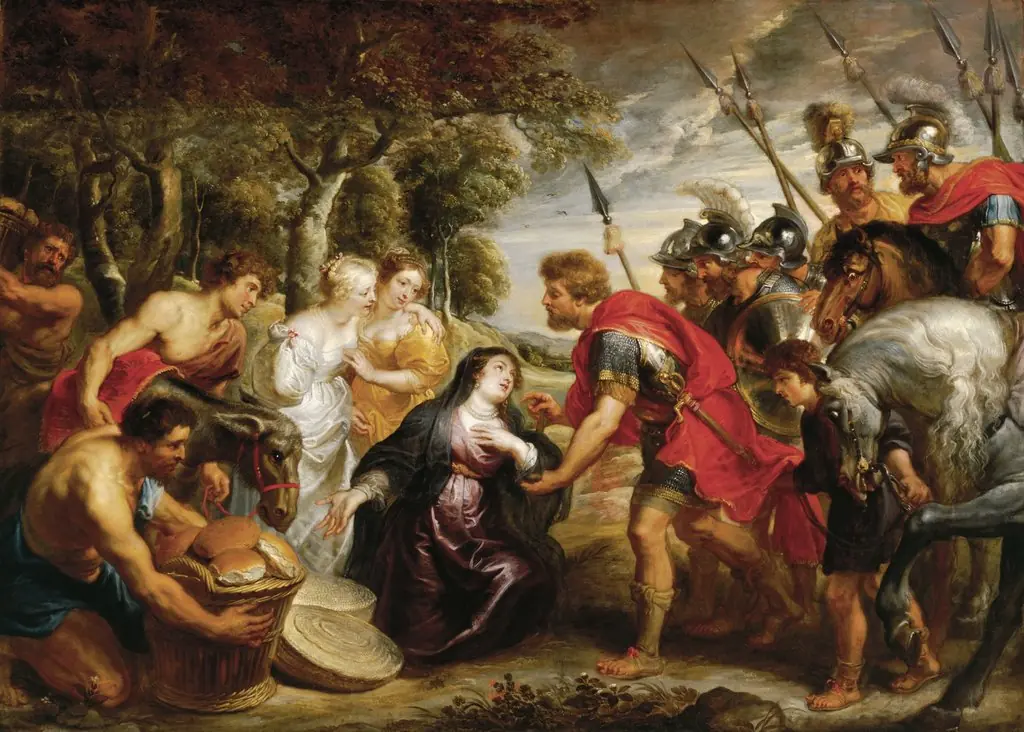 The Meeting of David and Abigail
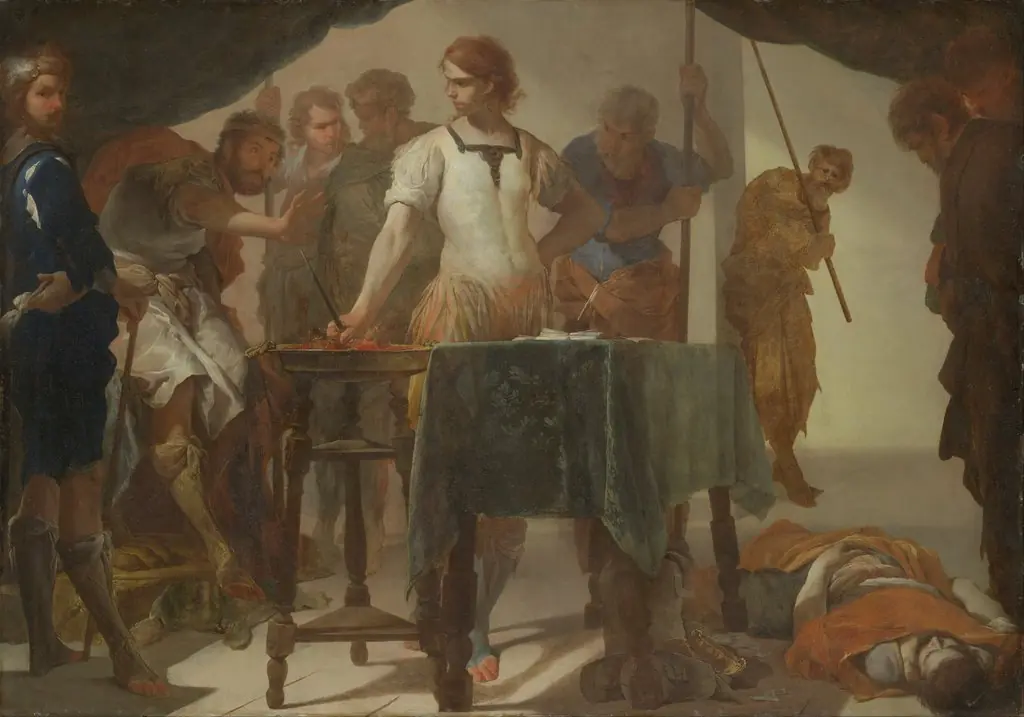 Mucius Scaevola Confronting King Porsenna
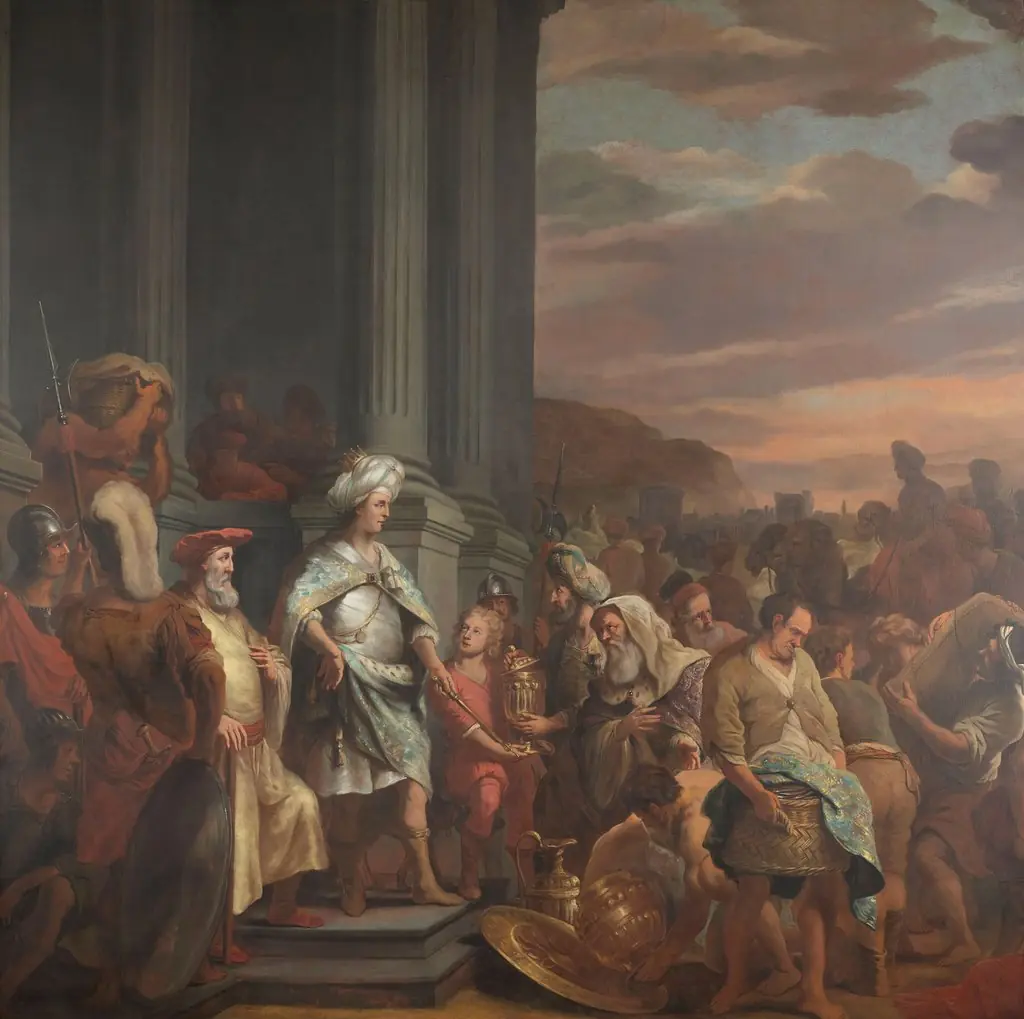 Salomo ontvangt geschenken