Artwork
Mr Van Donick
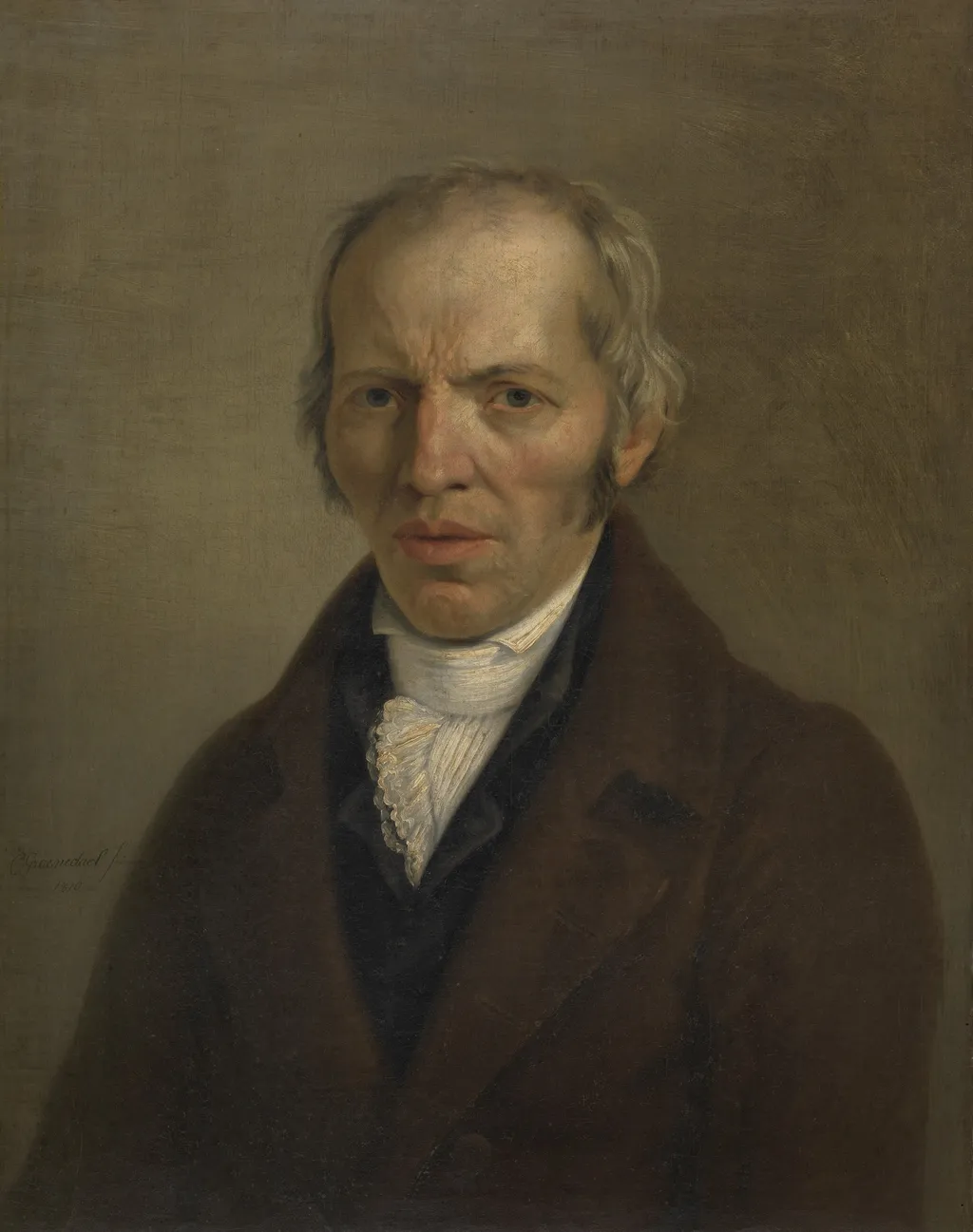
Mr Van Donick is an oil painting by Cornelis Groenendael. It dates from 1810 and is held in the collection of the Royal Museum of Fine Arts Antwerp.
About this work
Overview
Painted in 1810 by Cornelis Groenendael, this oil portrait portrays a man identified as Mr. Van Donick. The work is part of the collection at the Royal Museum of Fine Arts Antwerp. Its restrained palette and focused composition reflect the conventions of early 19th-century Dutch and Flemish portraiture, emphasizing quiet dignity over theatricality.
Subject & Meaning
The sitter, Mr. Van Donick, is depicted with a composed, direct gaze and minimal gesture, suggesting a reserved, introspective character. His formal attire—dark coat, black jacket, and white lace collar—indicates social standing without ostentation. The absence of symbolic objects or elaborate setting directs attention to the individual’s presence, reinforcing a sense of personal gravity.
Technique & Style
Groenendael employs chiaroscuro to model the sitter’s face and hands, creating subtle transitions between light and shadow that enhance three-dimensionality. Brushwork is precise yet unobtrusive, particularly in the rendering of the lace collar and the texture of fabric. The muted brown background isolates the figure, allowing the tonal nuances of skin and clothing to dominate the visual field.
History & Provenance
The painting entered the collection of the Royal Museum of Fine Arts Antwerp in the 19th century, likely through institutional acquisition or donation. While little is documented about the sitter’s identity beyond his name, the work’s preservation suggests it was valued by contemporaries for its technical restraint and psychological nuance.
Context
Created during a period when portraiture in the Low Countries emphasized sobriety and individuality, the painting aligns with regional traditions that favored understated elegance over grandeur. Groenendael, though not widely known today, worked within a network of Flemish artists who prioritized faithful representation and refined technique over dramatic flair.
Legacy
The portrait remains a quiet example of early 19th-century Flemish portraiture, valued for its technical control and psychological restraint. While Groenendael’s oeuvre is limited in public recognition, this work contributes to the understanding of regional artistic practices that prioritized dignity and precision over spectacle.
Own this work as a print
Artist & collection

 Man in a Hat
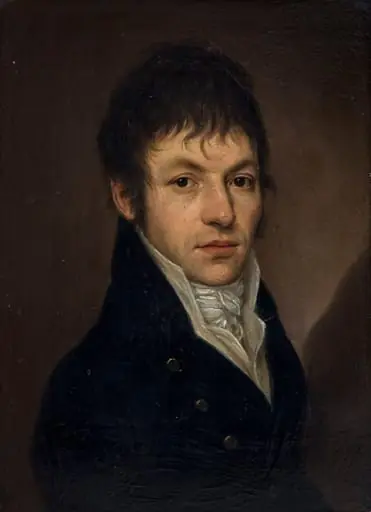 Tatăl
Tatăl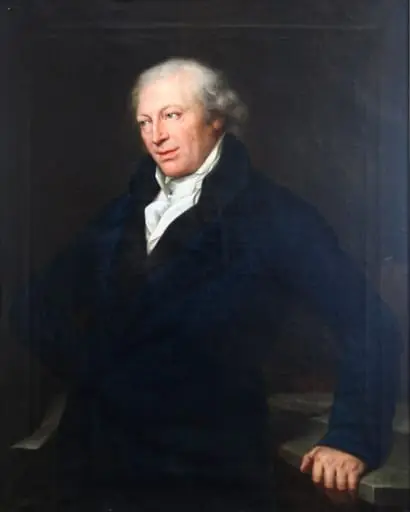 Portrait Berliner Bankier Joel Samuel von Halle
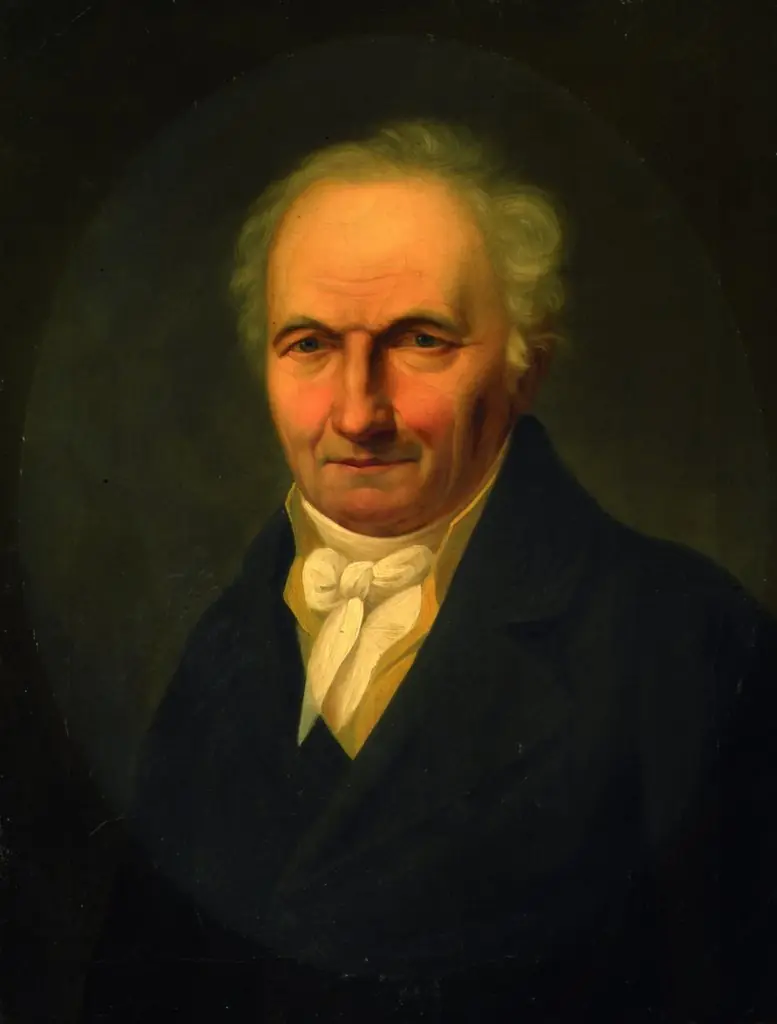 Georg Denk
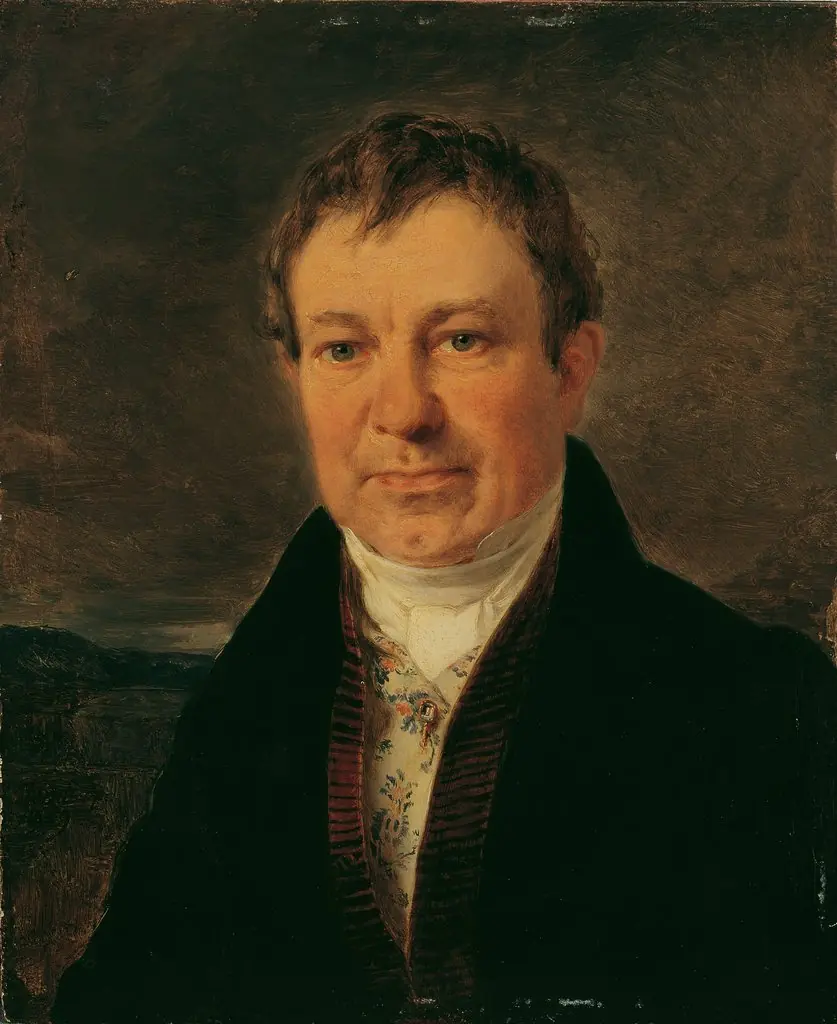 The Writer August Rockert
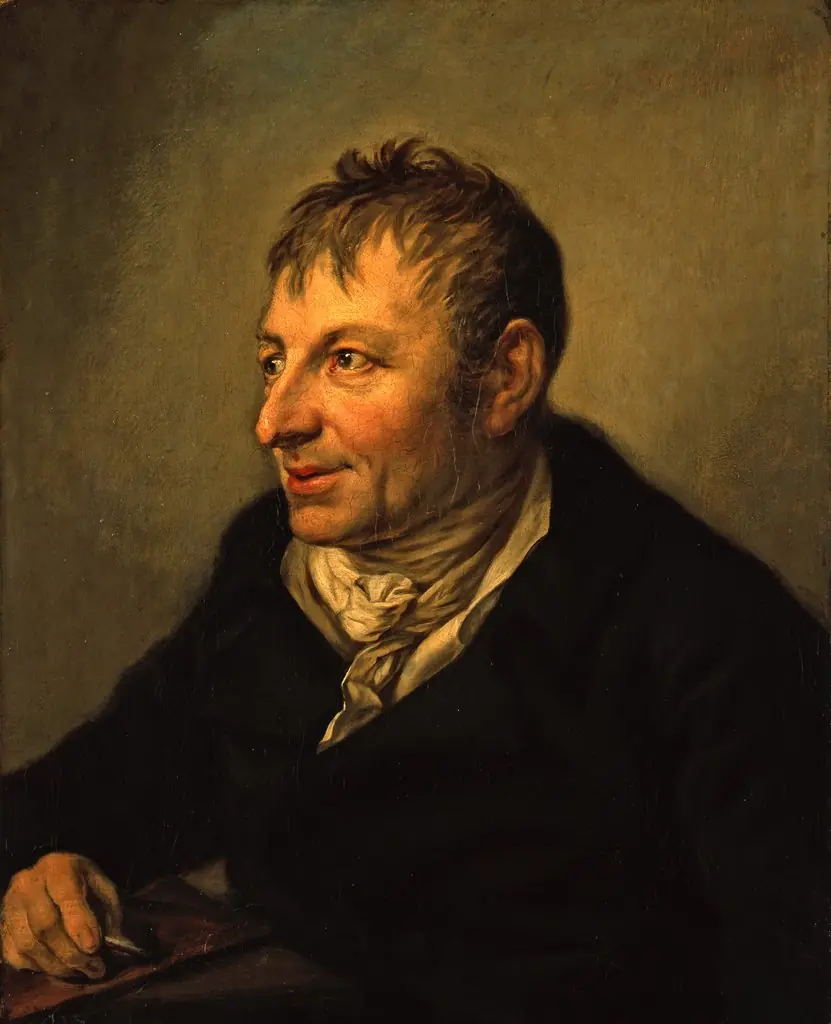 Portrait and History Painter Carl Friedrich Demiani (1768-1828)
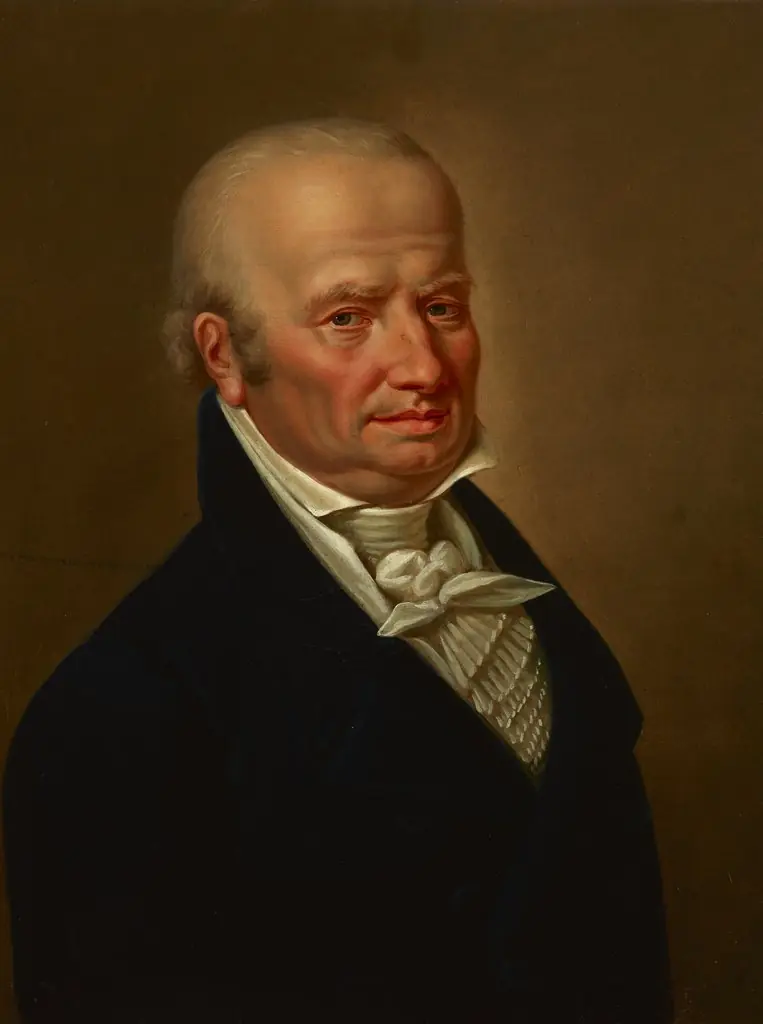 Portrait of Johann Hausner Sr.
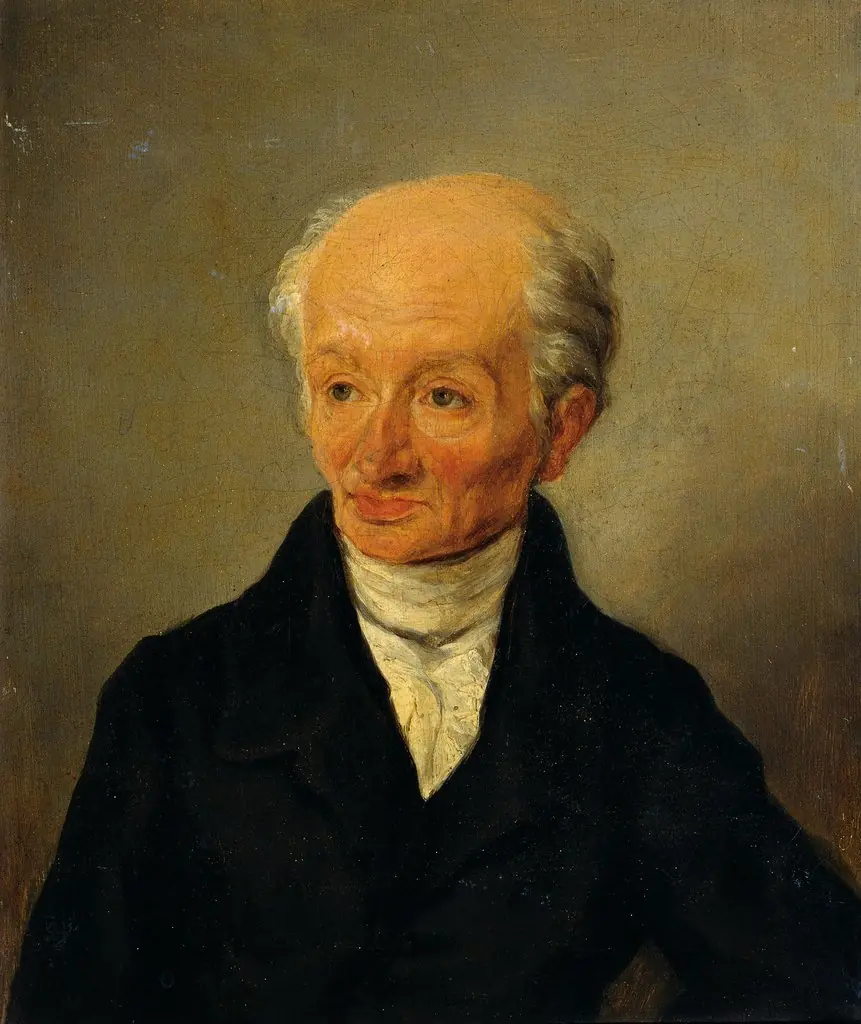 F. Gawet
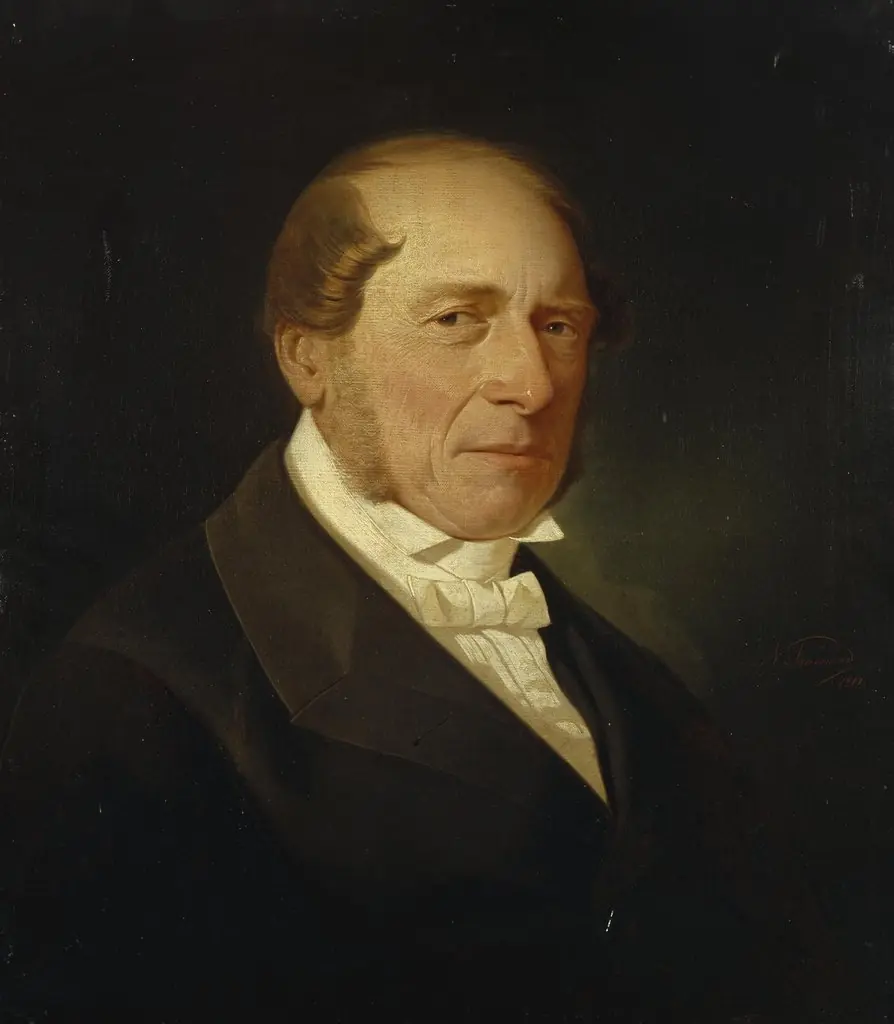 Portrait of I.S. Ebert
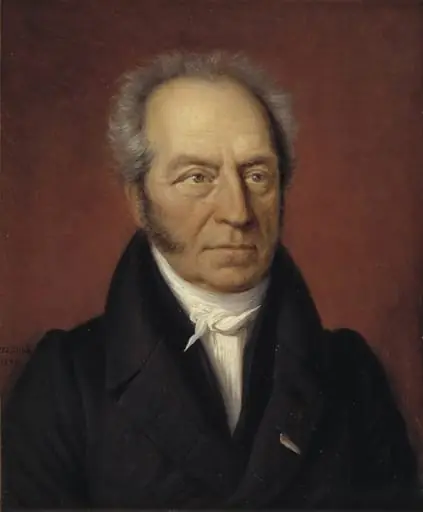 J.C. Spengler. Warden of the Royal Cabinet of Curiosities
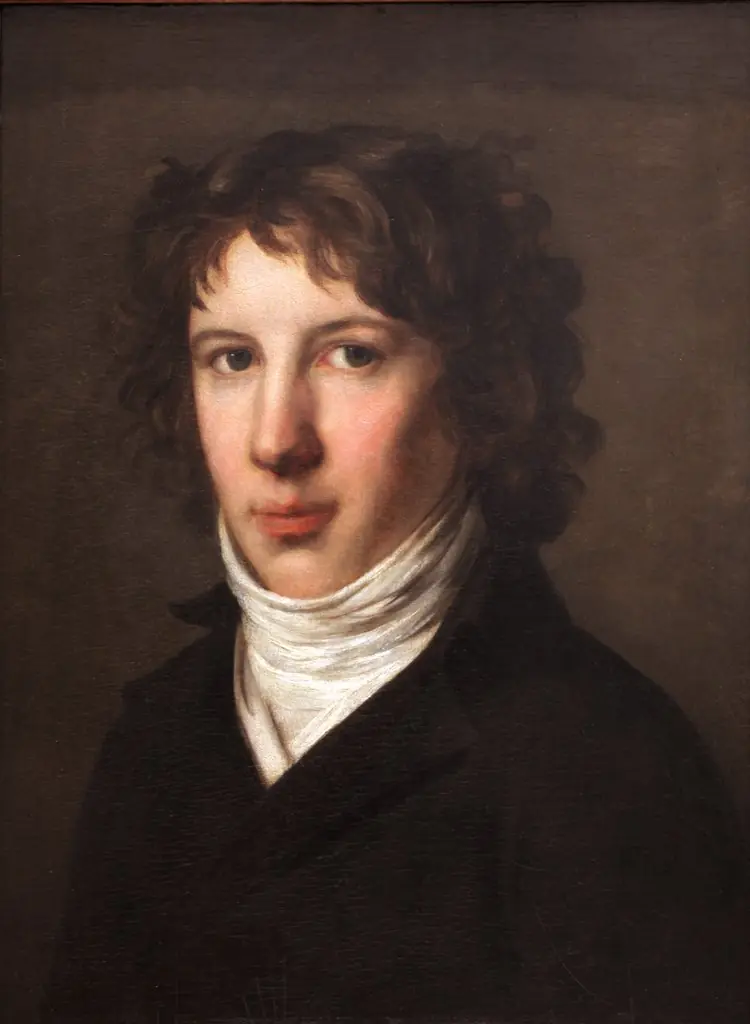 Louis Antoine de Saint-Just
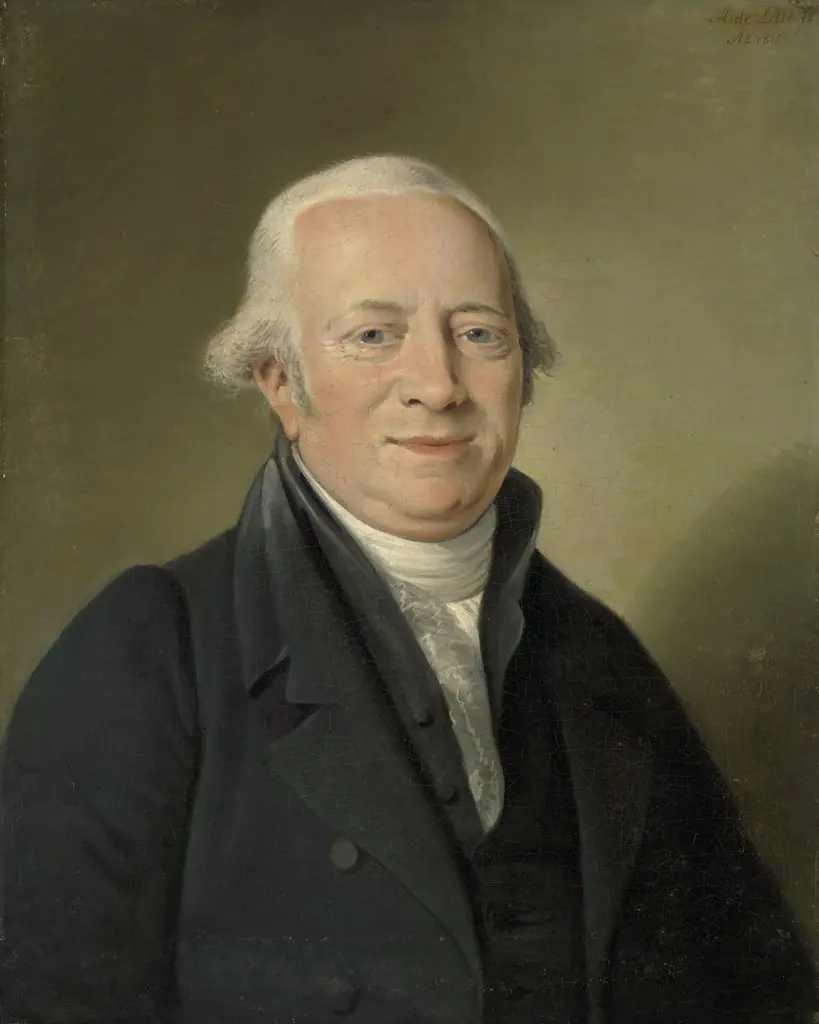 Portrait of Cornelis Sebille Roos, Art Dealer in Amsterdam and Inspector of the National Konst-Gallery and the Huis ten Bosch in The Hague